E-health has proven to have many benefits including reduced errors in medical diagnosis.
A number of machine learning (ML) techniques have been applied in medical diagnosis, each
having its benefits and disadvantages.
With its powerful pre-built libraries, Python is great for implementing machine learning in the medical field, where many people do not have an Artificial Intelligence background.
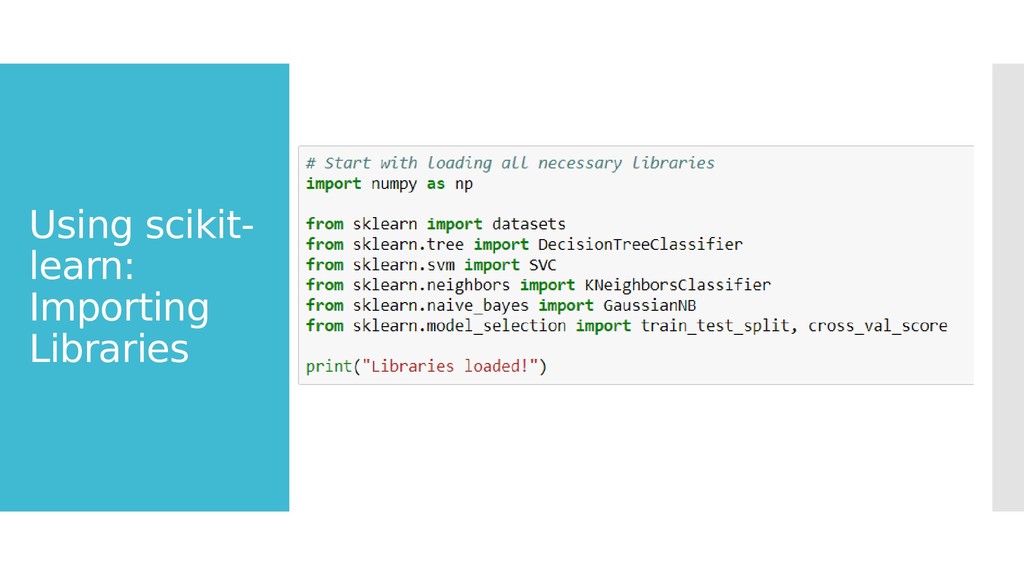
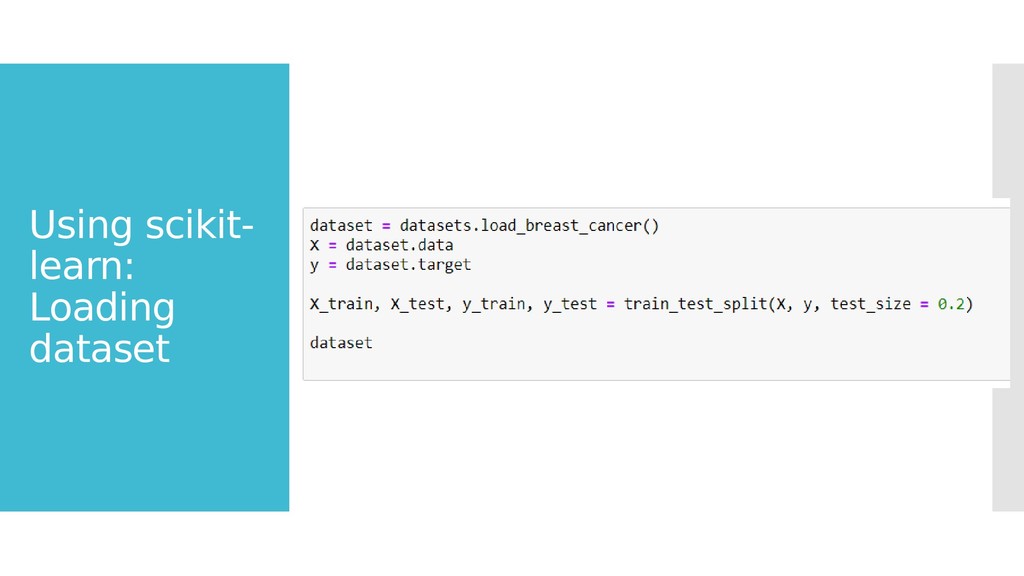
This talk will focus on applying ML on medical datasets using Scikit-learn, a Python module that comes packed with various machine learning algorithms. It will be structured as follows:
An introduction to e-health.
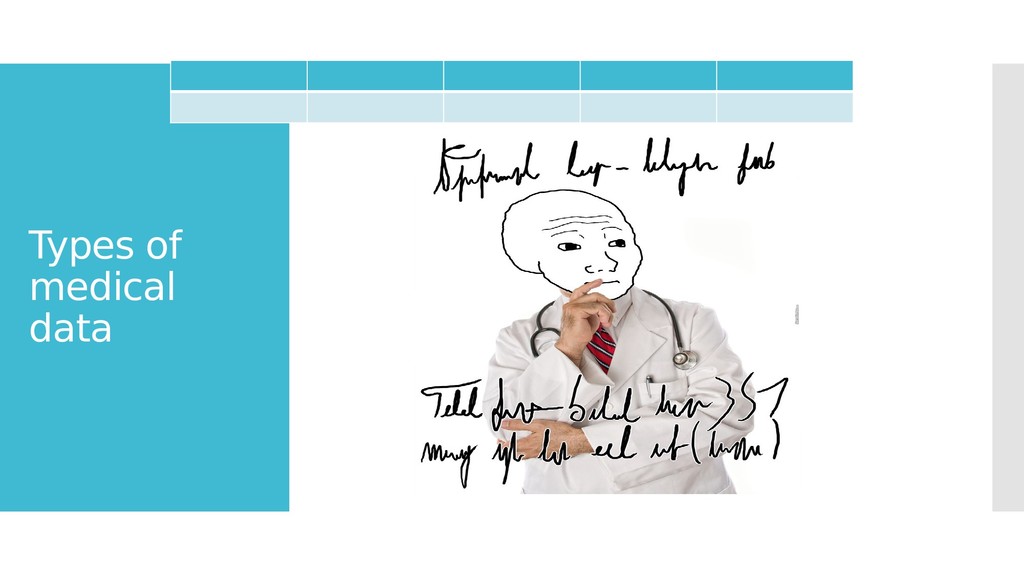
Types of medical data.
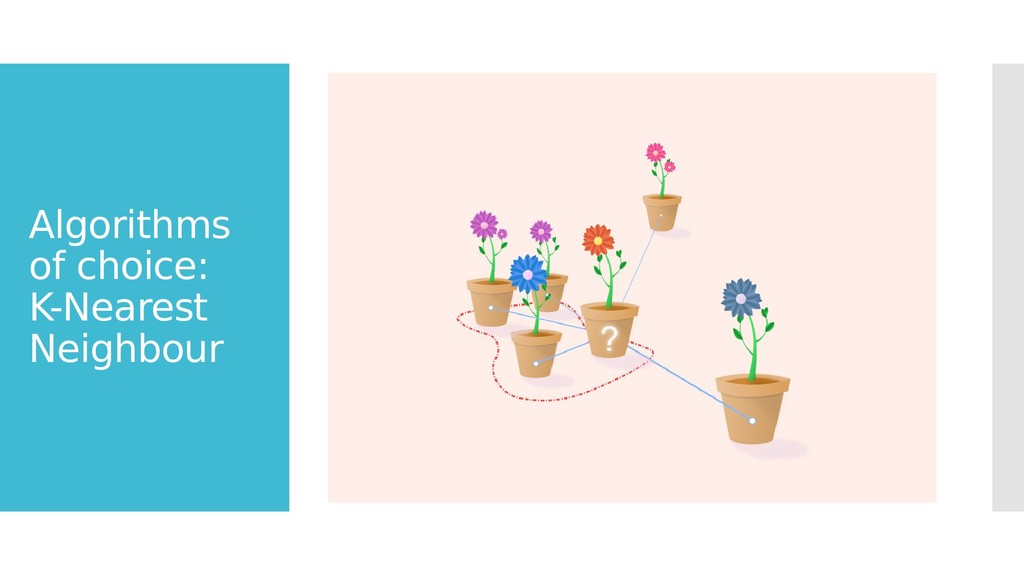
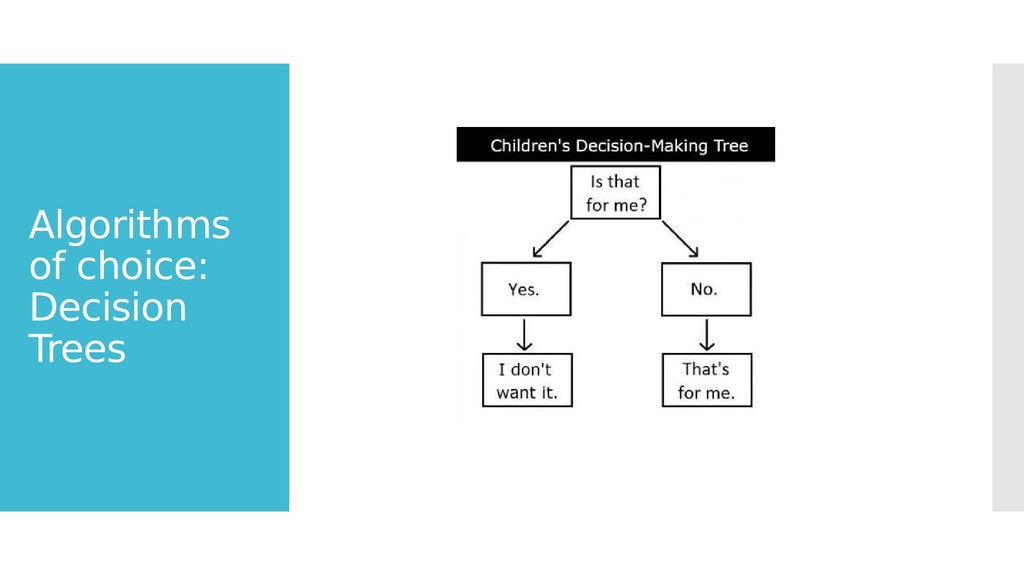
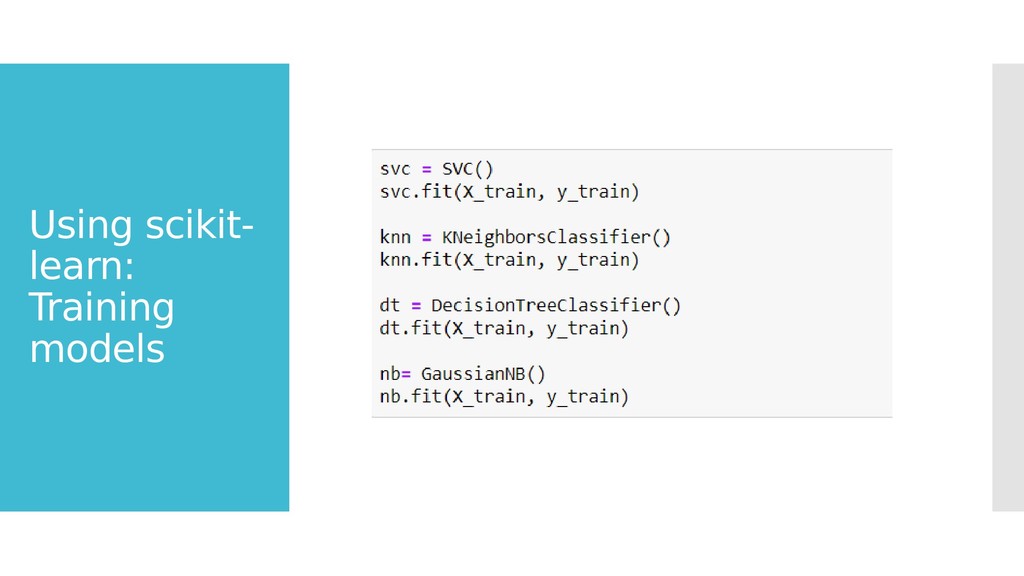
Some Benchmark algorithms used in medical diagnosis: Decision trees, K-Nearest Neighbours, Naive Bayes and Support Vector Machines.
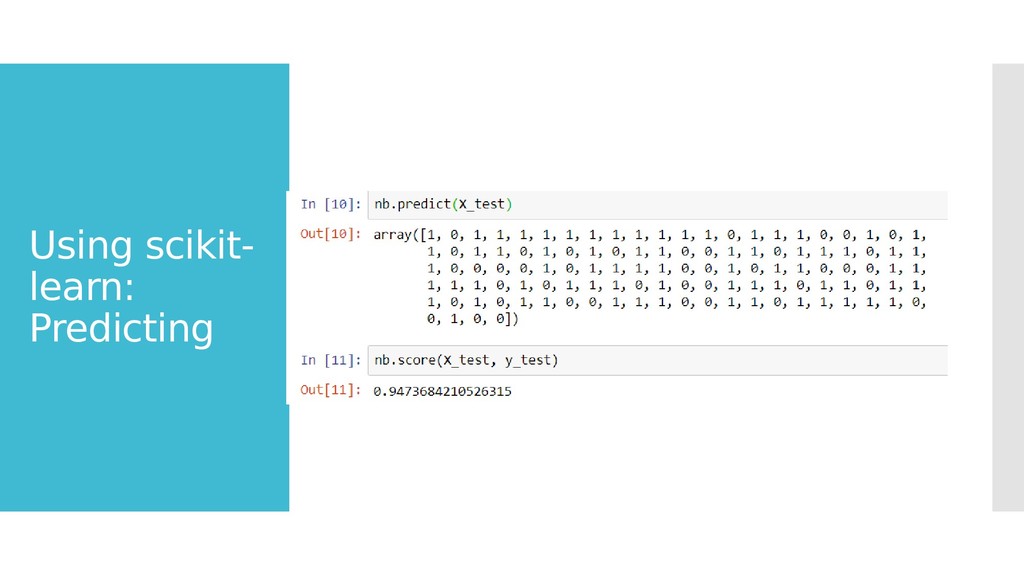
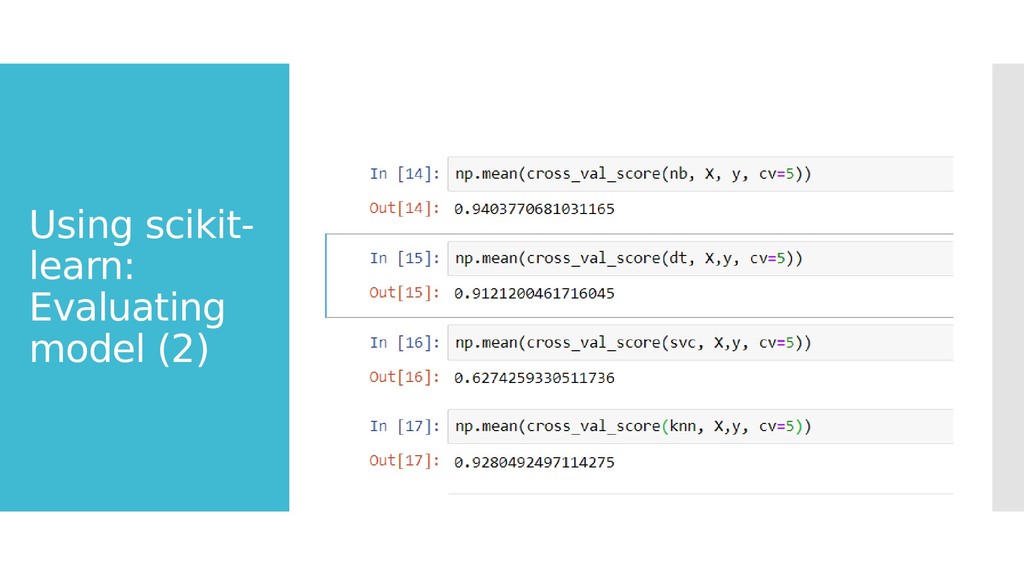
How to implement benchmark algorithms using Scikit-learn.
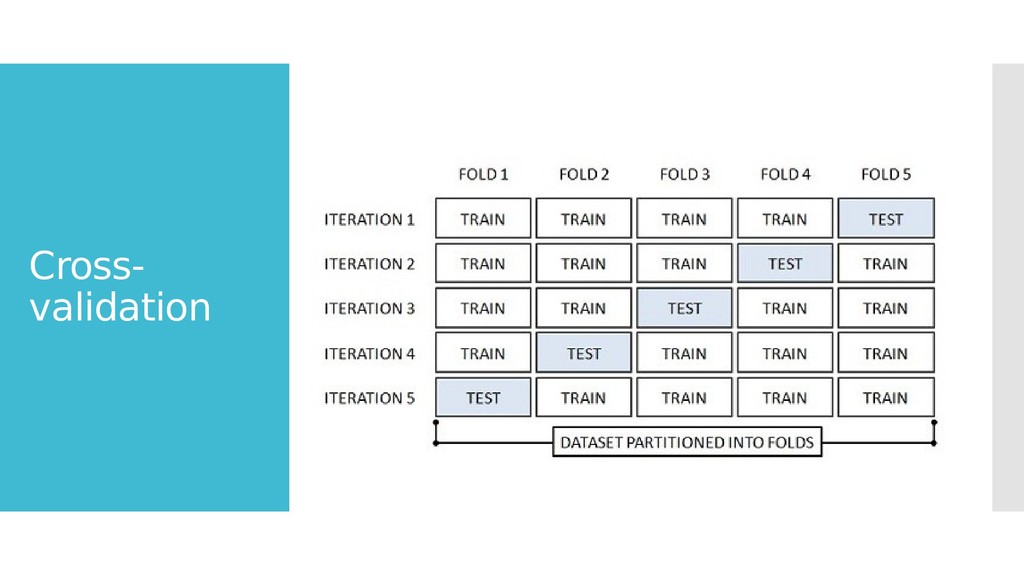
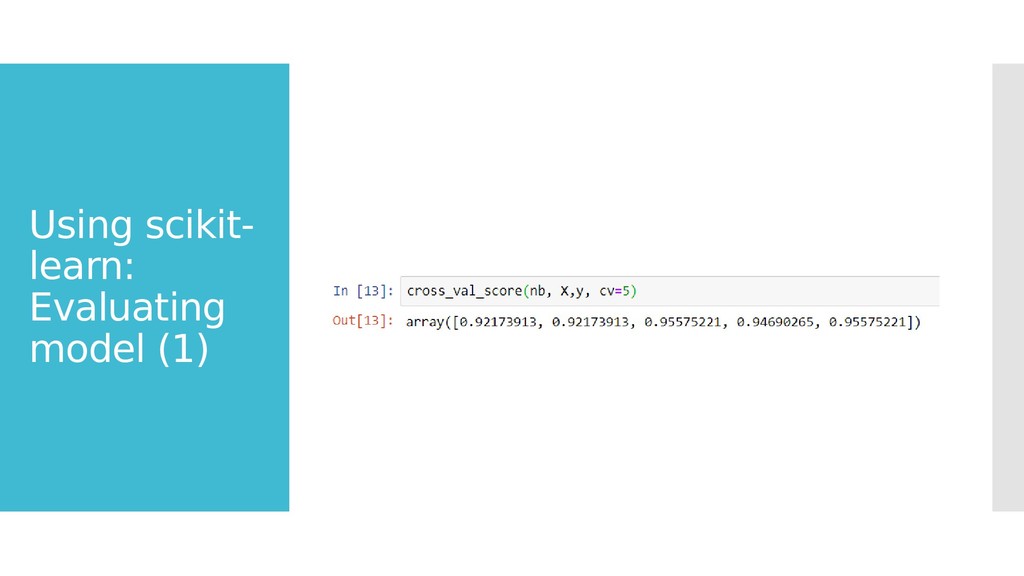
Performance evaluation metrics used in e-health.
This talk is aimed at people interested in real-life applications of machine learning using Python. Although centered around ML in medicine, the acquired skills can be extended to other fields.
About the speaker: Diana Pholo is a PhD student and lecturer in the department of Computer Systems Engineering, at the Tshwane University of Technology.


 pyconza
 codmoninc
 shogo4131
 kentapapa
 takahashim
 tomokusaba
 ivry_presentationmaterials
 greenmidori
 syuchimu
 sh_fk2
 ueponx
 tokuty
 yu23ki14
 katiecoart
 techseoconnect
 eileencodes
 destraynor
 axbom
axbom
 paigeccino
 emna__ayadi
 reverentgeek
 mfonobong
 geshan
 danielanewman