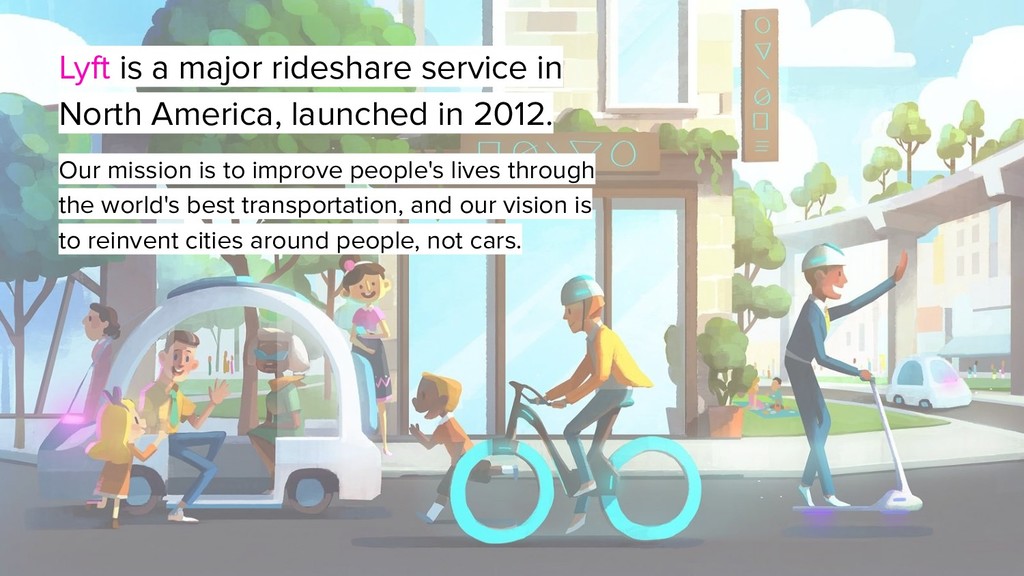
in 2012. Our mission is to improve people's lives through the world's best transportation, and our vision is to reinvent cities around people, not cars.
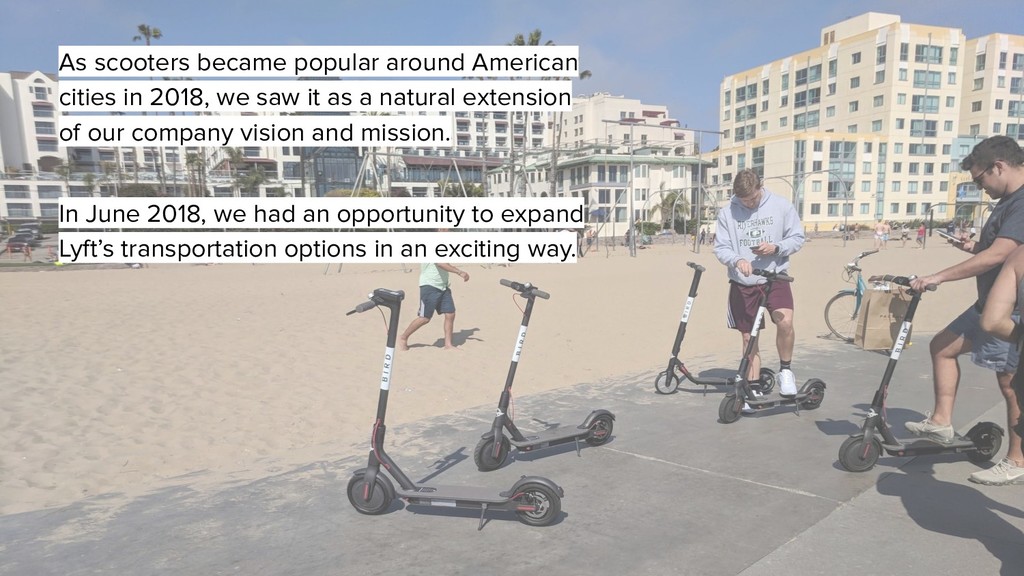
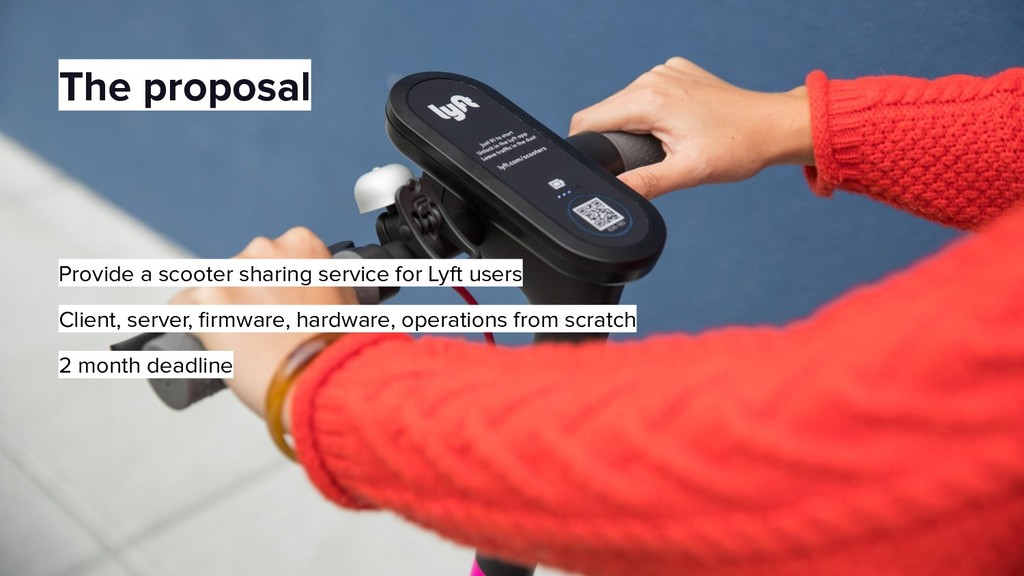
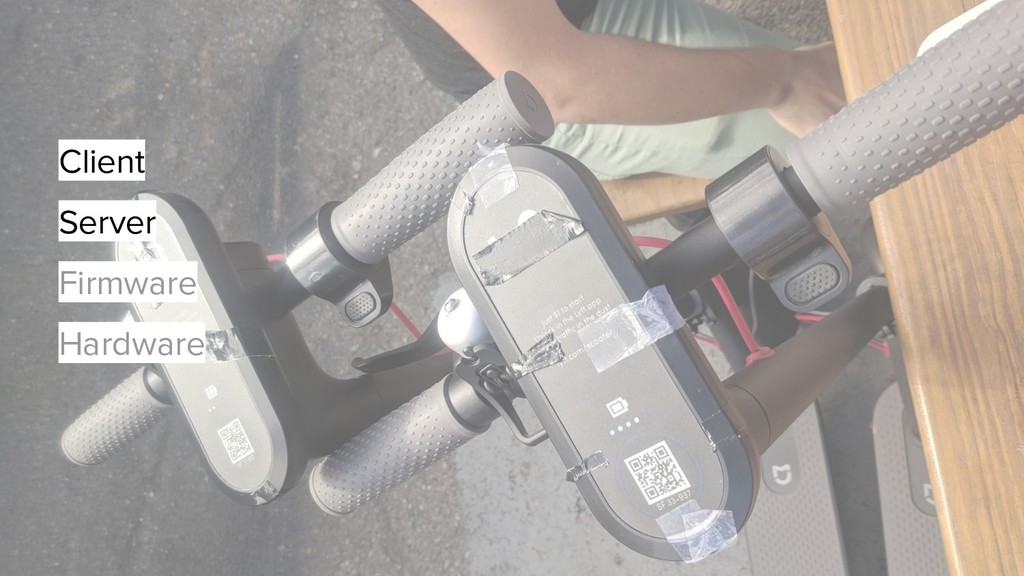
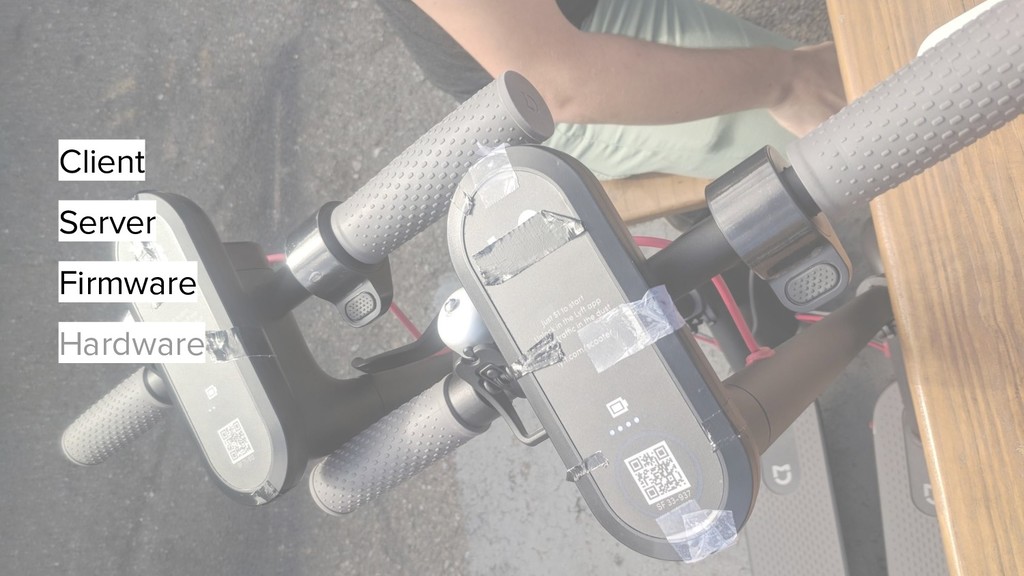
saw it as a natural extension of our company vision and mission. In June 2018, we had an opportunity to expand Lyft’s transportation options in an exciting way.
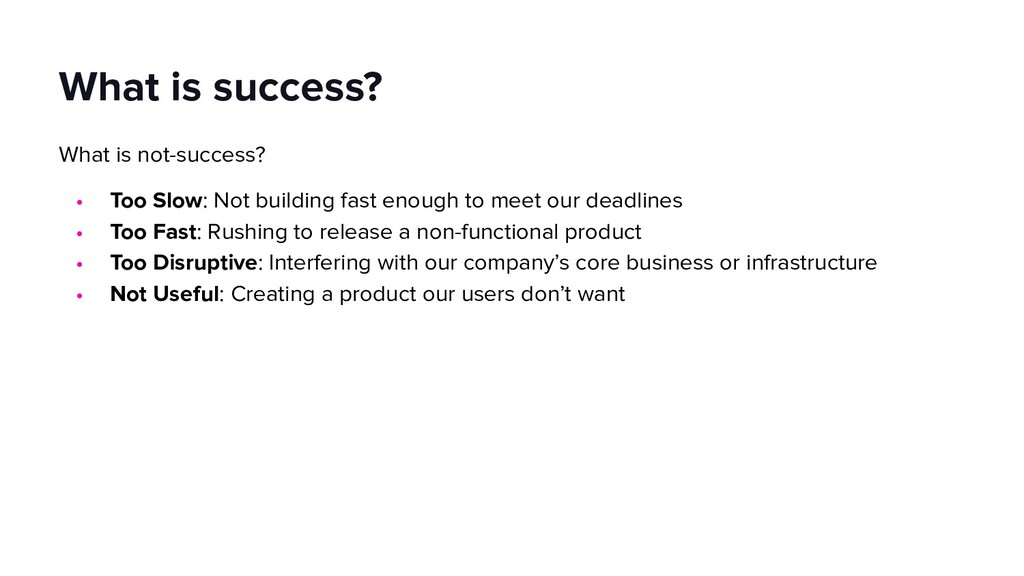
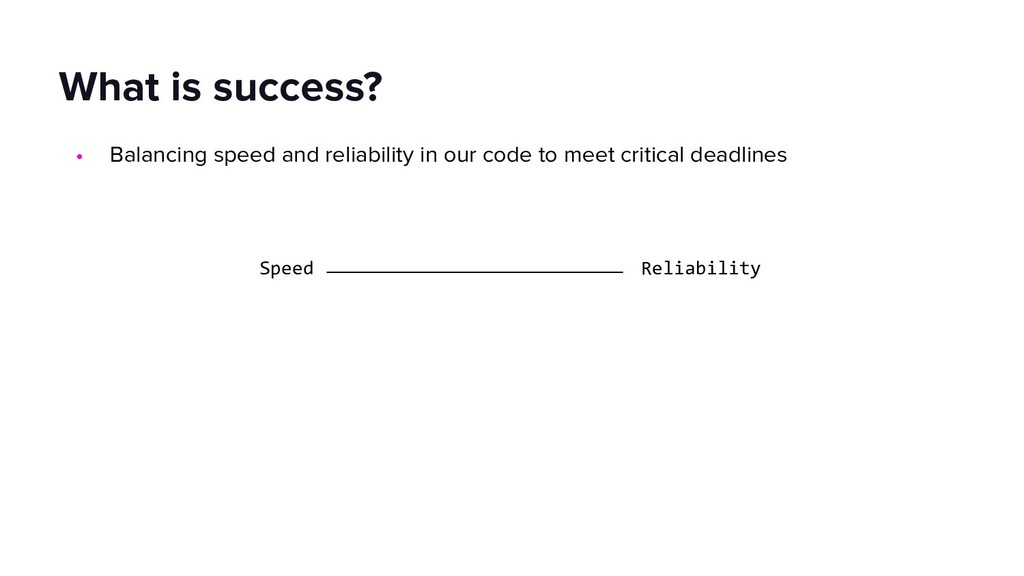
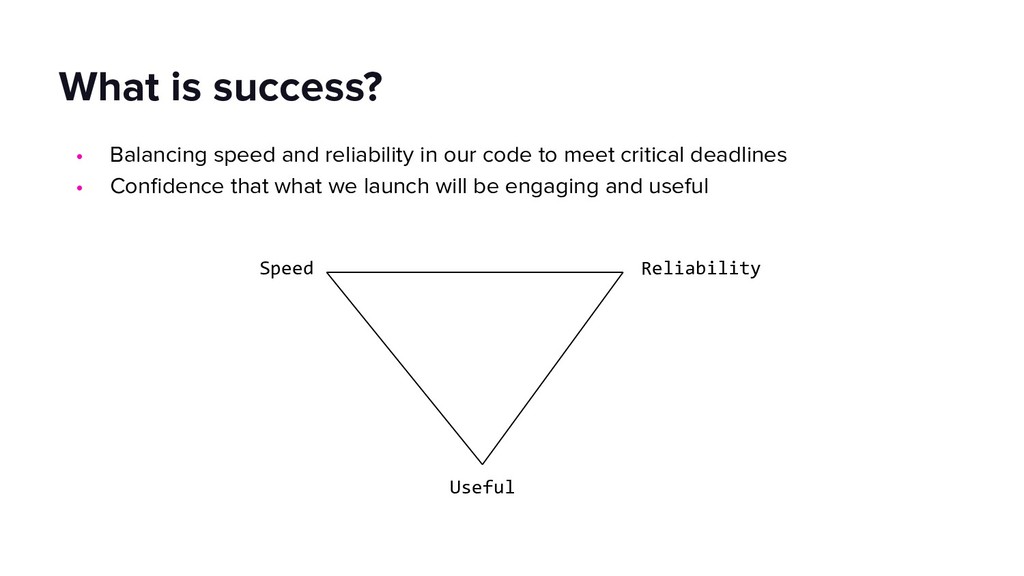
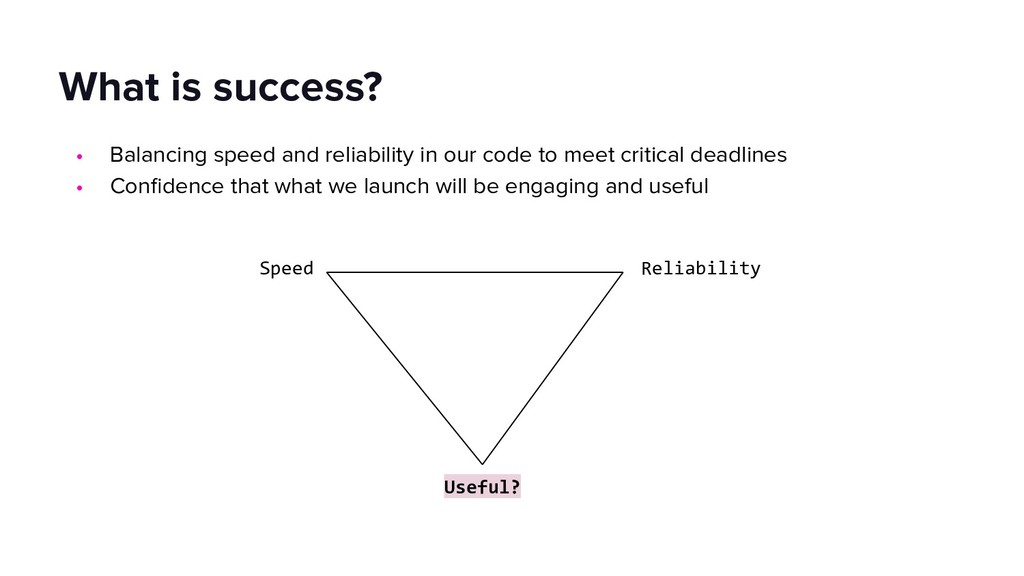
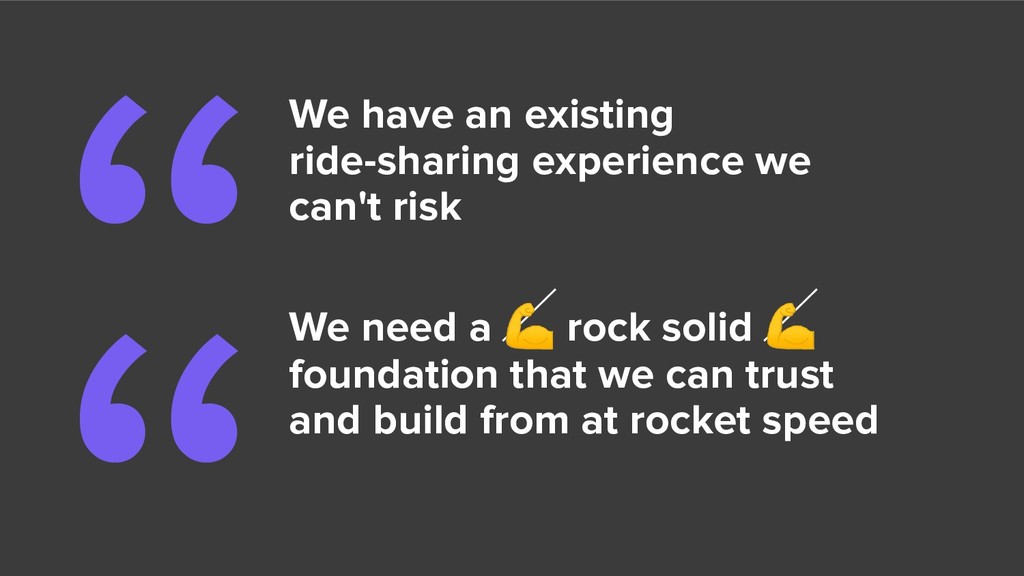
building fast enough to meet our deadlines • Too Fast: Rushing to release a non-functional product • Too Disruptive: Interfering with our company’s core business or infrastructure • Not Useful: Creating a product our users don’t want
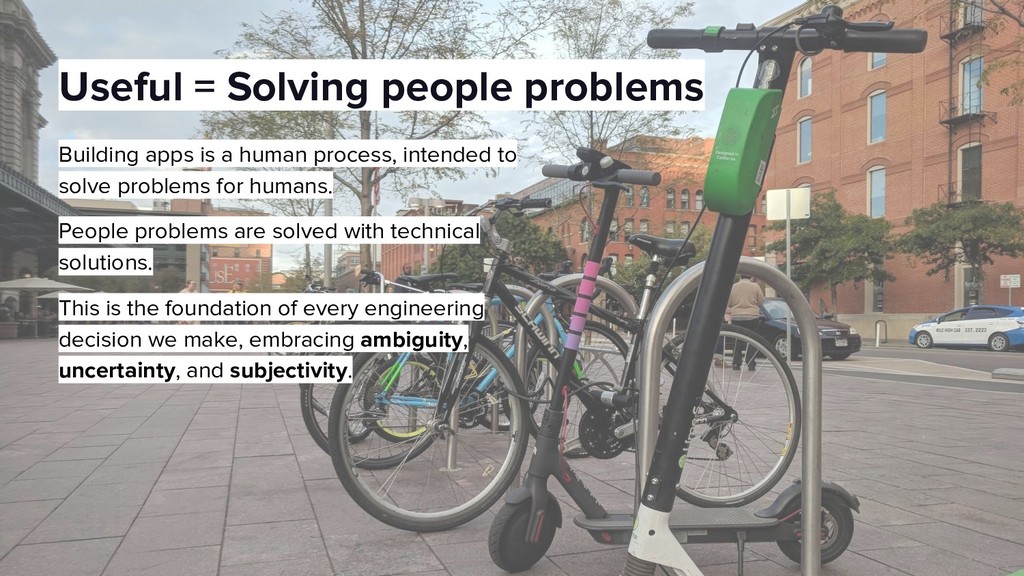
process, intended to solve problems for humans. People problems are solved with technical solutions. This is the foundation of every engineering decision we make, embracing ambiguity, uncertainty, and subjectivity.
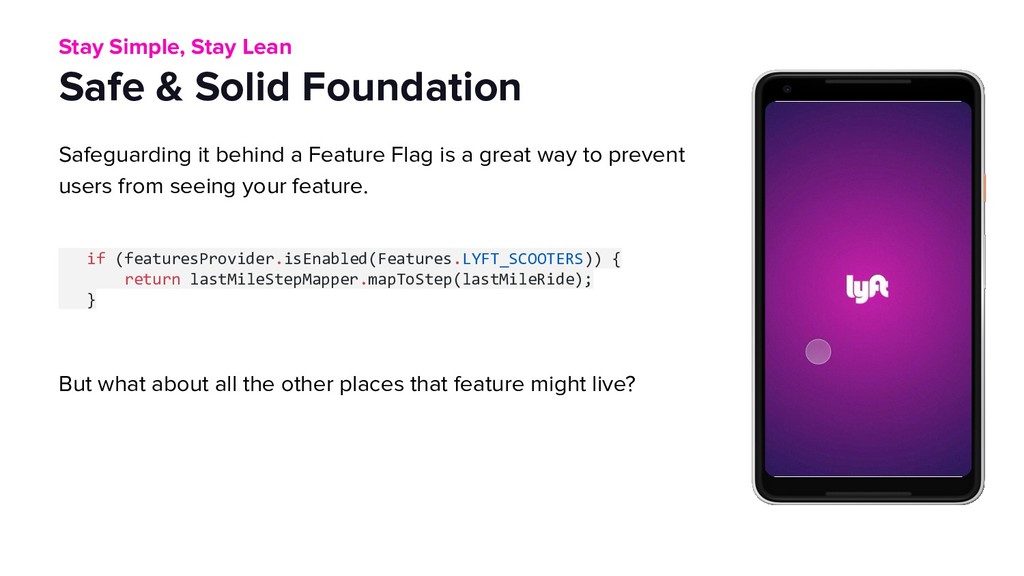
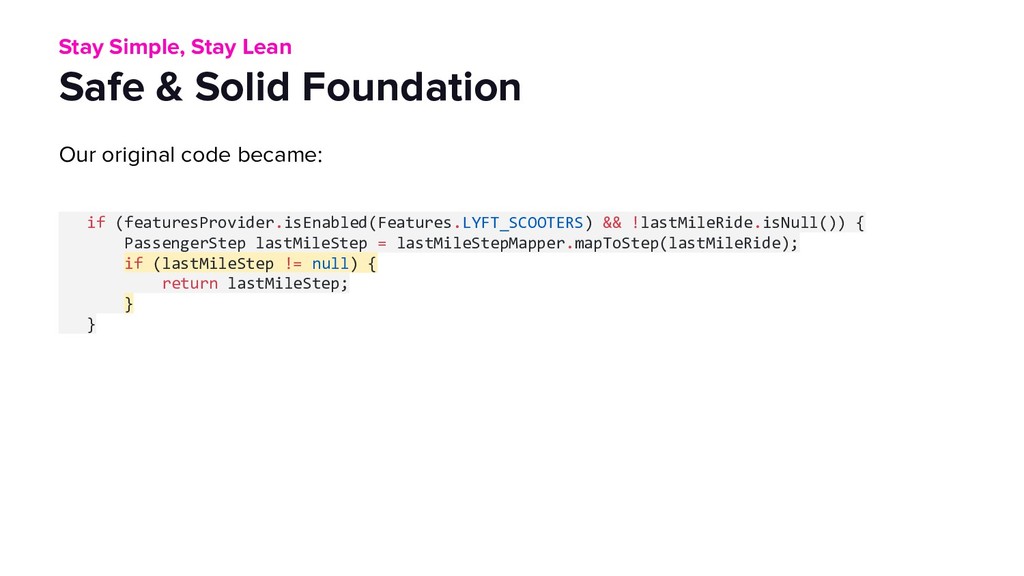
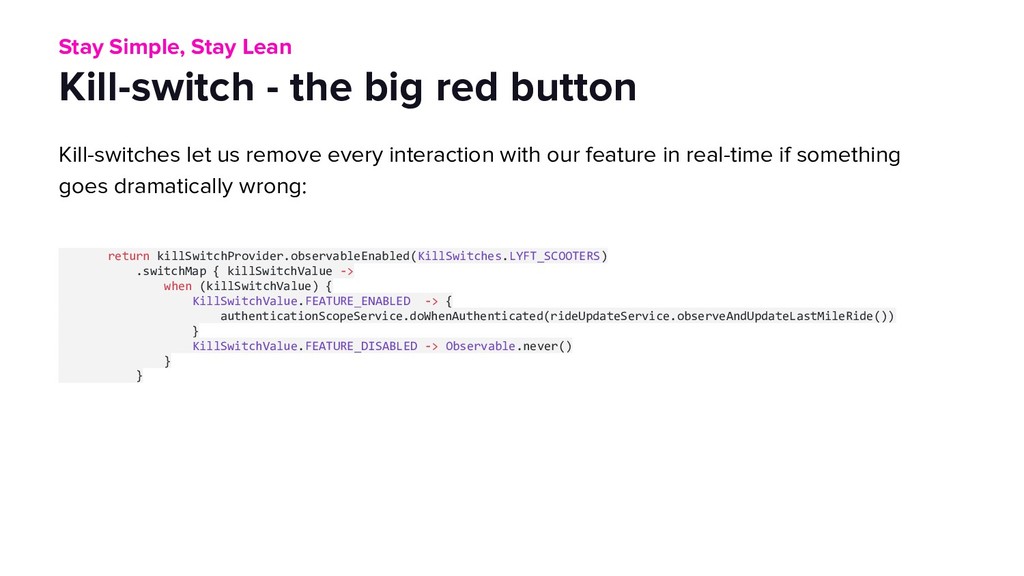
is a great way to prevent users from seeing your feature. if (featuresProvider.isEnabled(Features.LYFT_SCOOTERS)) { return lastMileStepMapper.mapToStep(lastMileRide); } But what about all the other places that feature might live? Stay Simple, Stay Lean
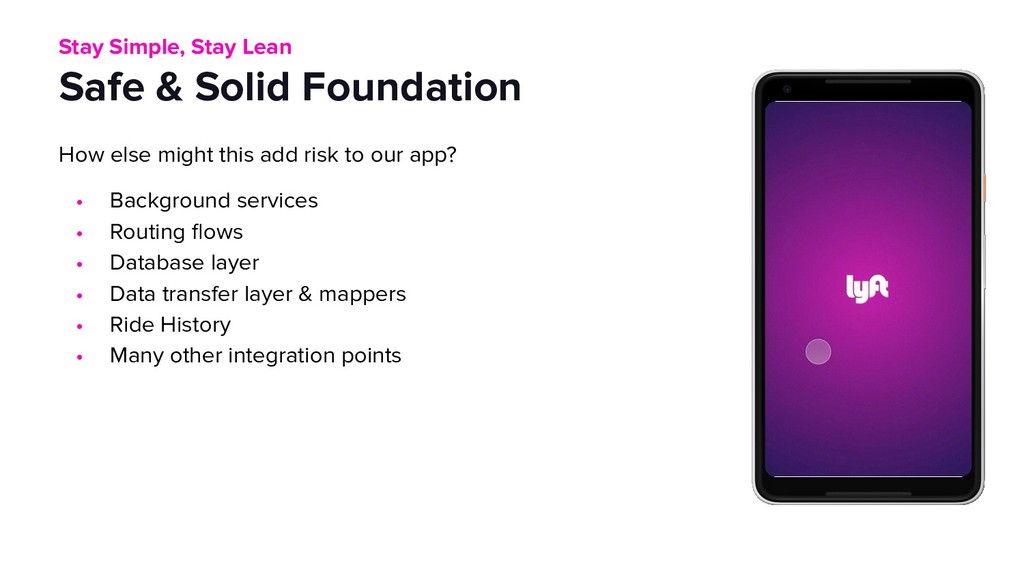
to our app? • Background services • Routing flows • Database layer • Data transfer layer & mappers • Ride History • Many other integration points Stay Simple, Stay Lean
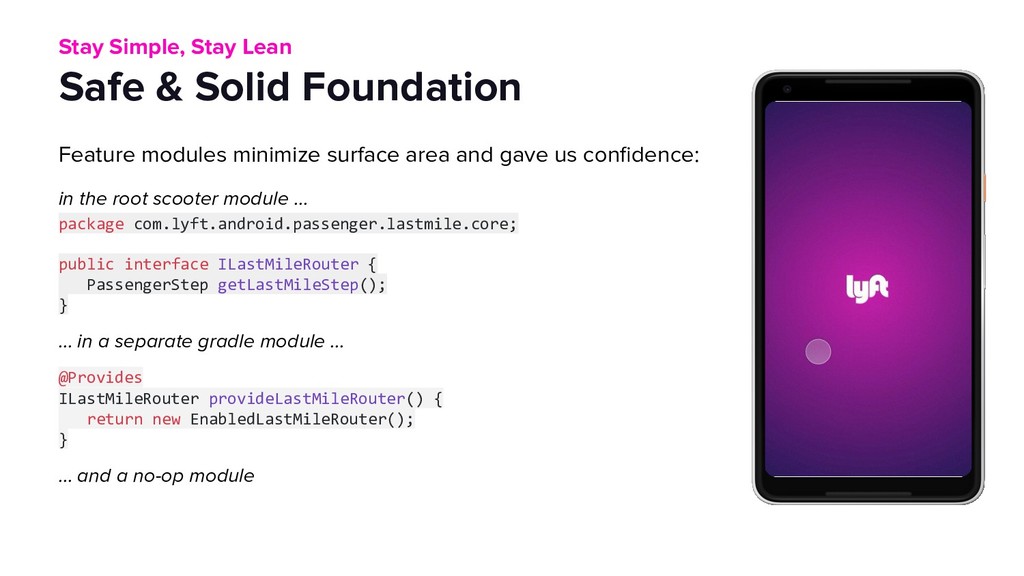
gave us confidence: in the root scooter module … package com.lyft.android.passenger.lastmile.core; public interface ILastMileRouter { PassengerStep getLastMileStep(); } … in a separate gradle module … @Provides ILastMileRouter provideLastMileRouter() { return new EnabledLastMileRouter(); } … and a no-op module Stay Simple, Stay Lean
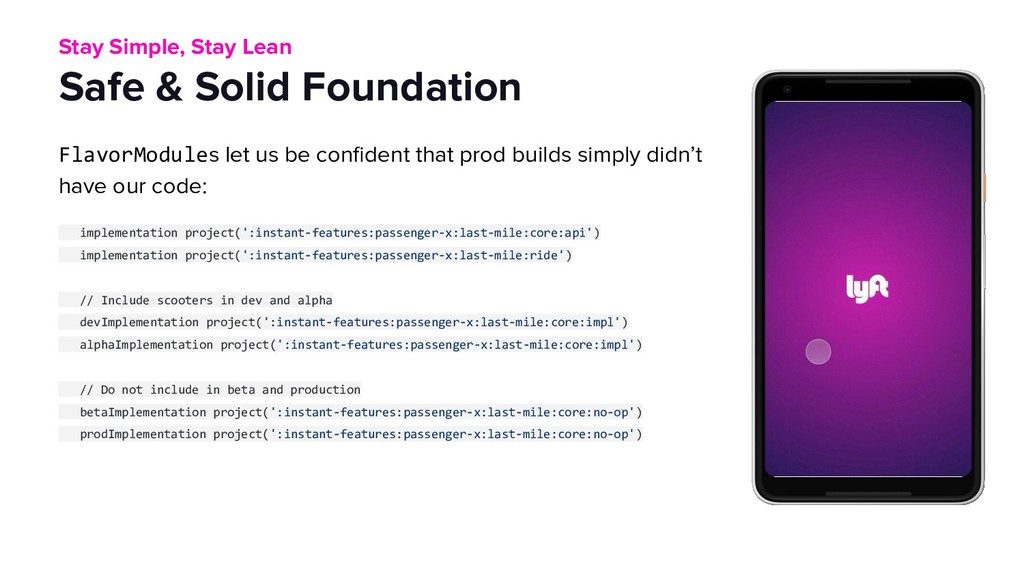
prod builds simply didn’t have our code: implementation project(':instant-features:passenger-x:last-mile:core:api') implementation project(':instant-features:passenger-x:last-mile:ride') // Include scooters in dev and alpha devImplementation project(':instant-features:passenger-x:last-mile:core:impl') alphaImplementation project(':instant-features:passenger-x:last-mile:core:impl') // Do not include in beta and production betaImplementation project(':instant-features:passenger-x:last-mile:core:no-op') prodImplementation project(':instant-features:passenger-x:last-mile:core:no-op') Stay Simple, Stay Lean
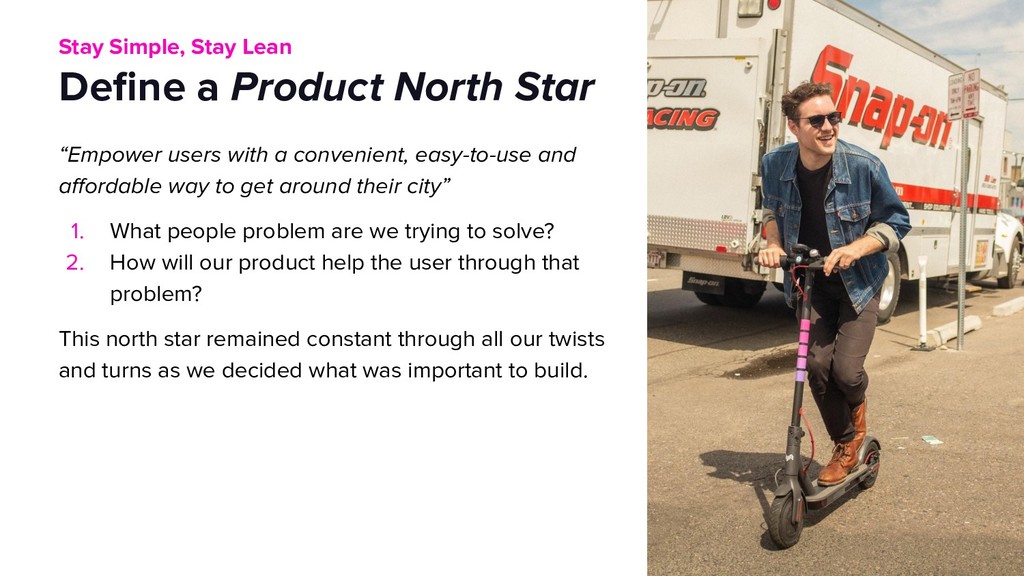
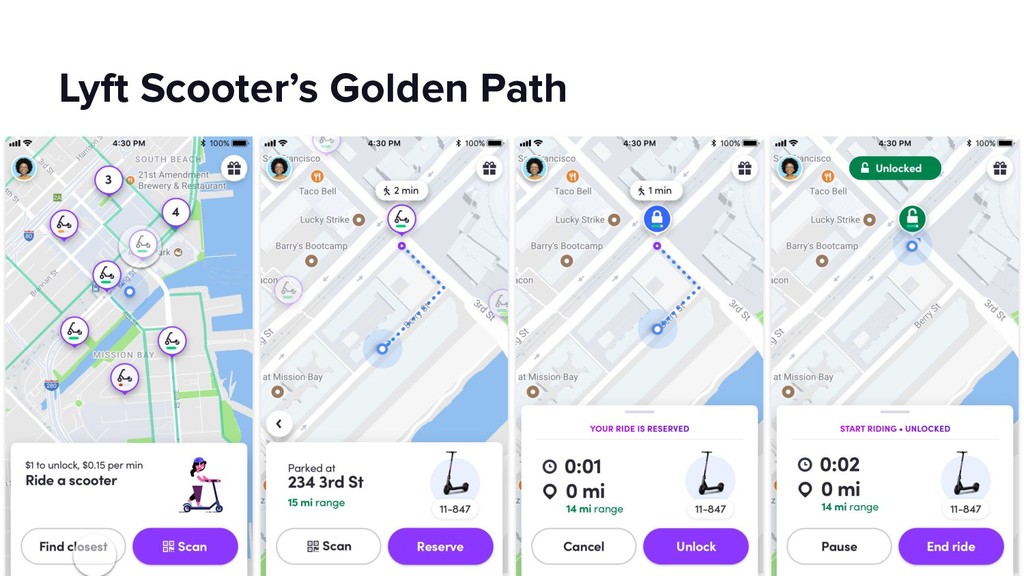
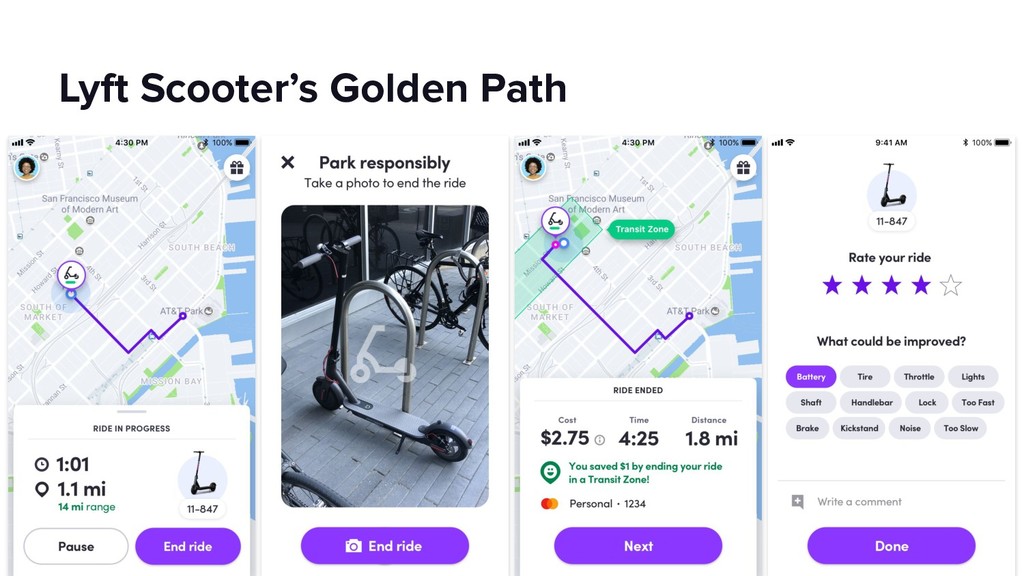
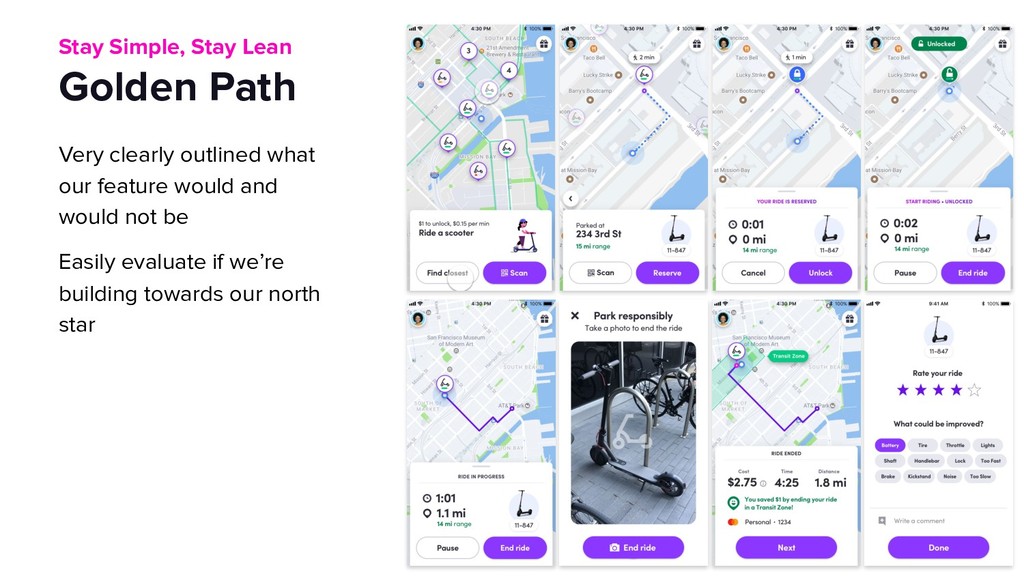
easy-to-use and affordable way to get around their city” 1. What people problem are we trying to solve? 2. How will our product help the user through that problem? This north star remained constant through all our twists and turns as we decided what was important to build. Stay Simple, Stay Lean
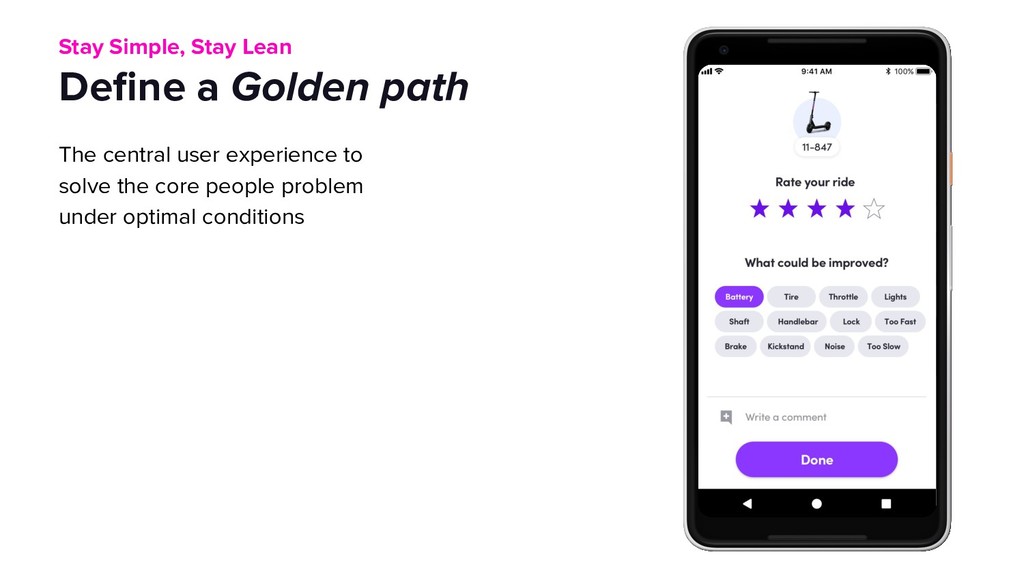
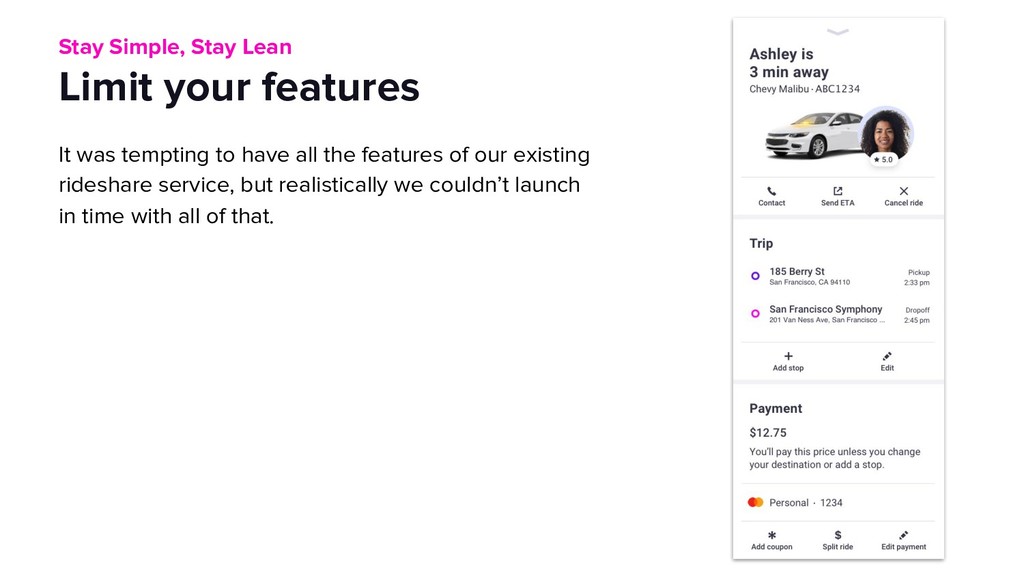
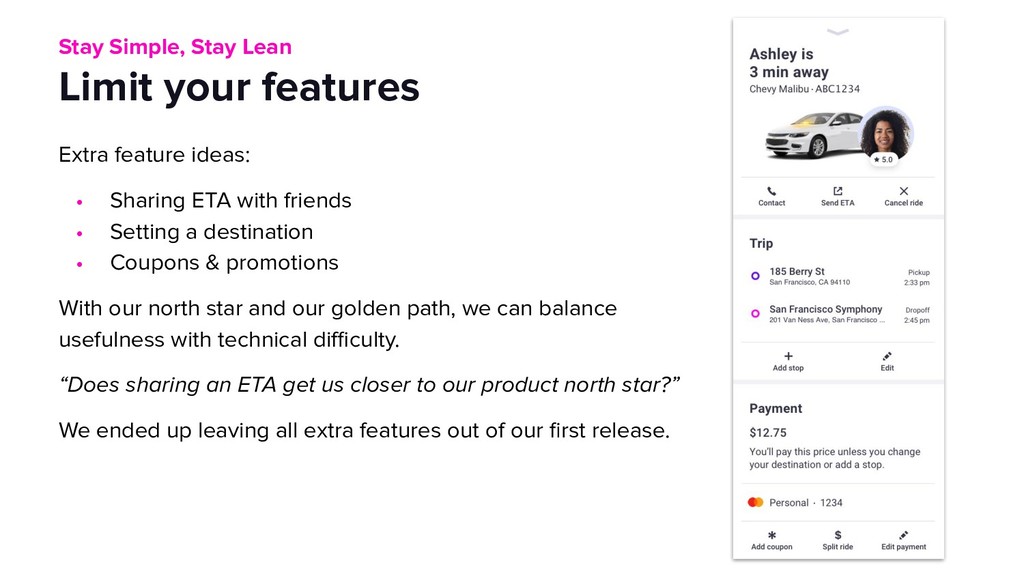
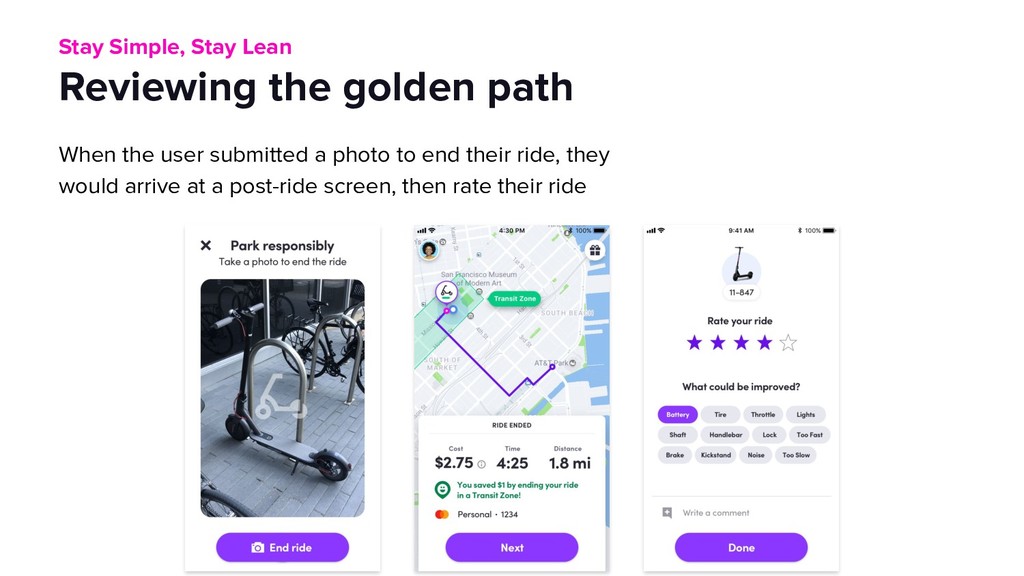
friends • Setting a destination • Coupons & promotions With our north star and our golden path, we can balance usefulness with technical difficulty. “Does sharing an ETA get us closer to our product north star?” We ended up leaving all extra features out of our first release. Stay Simple, Stay Lean
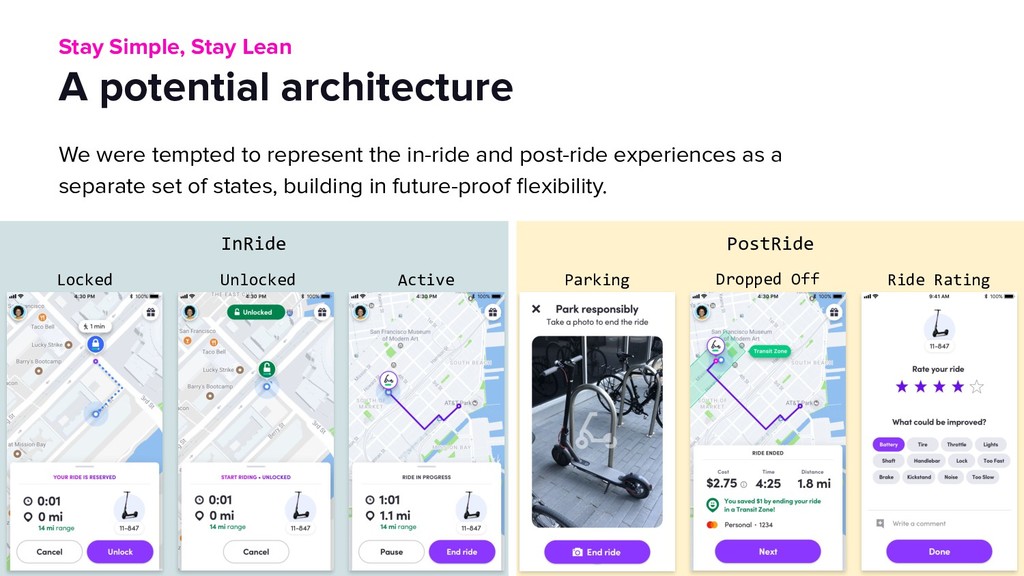
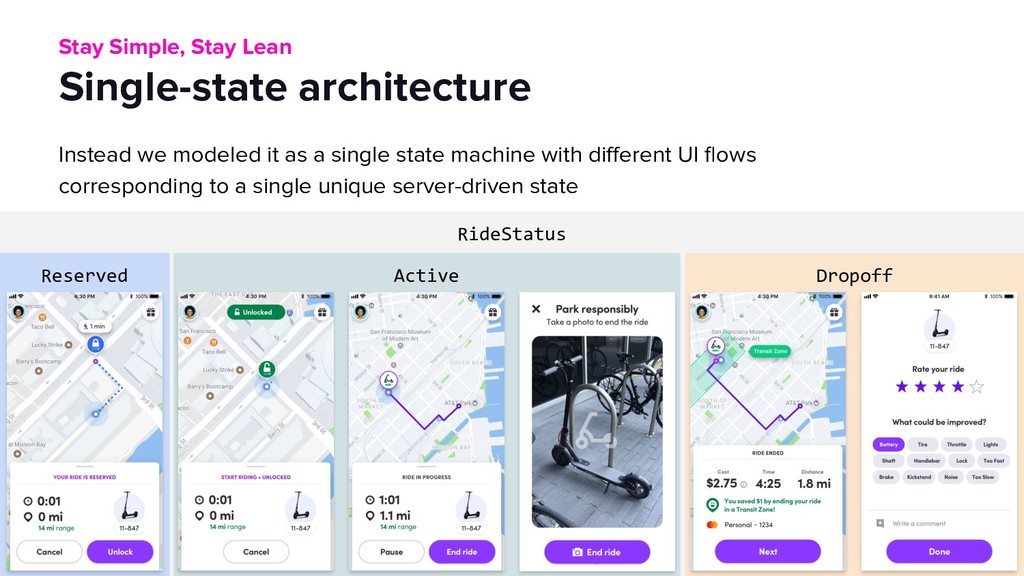
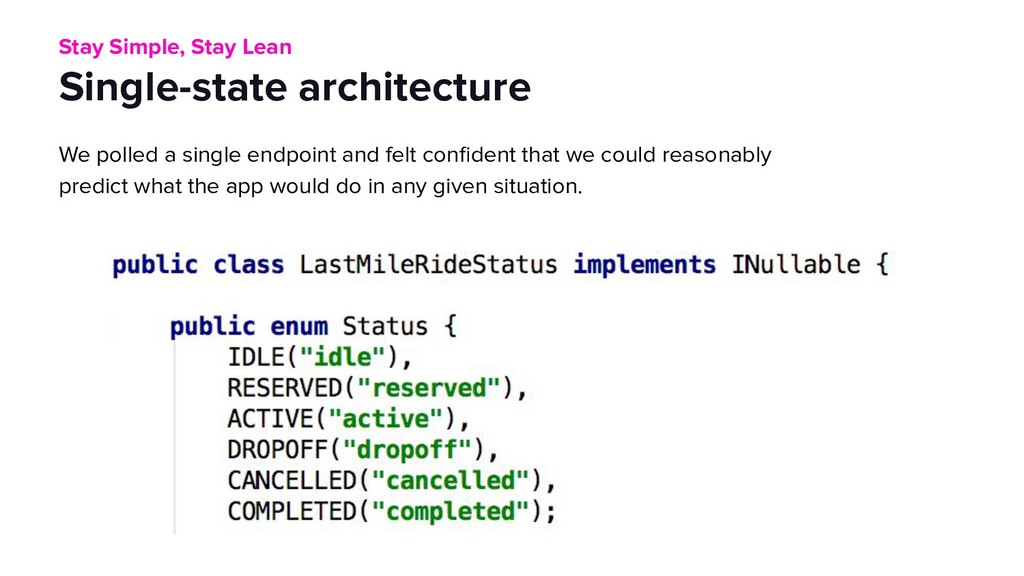
star, a solid foundation and a limited feature set, we need an overall architecture to make the golden path a reality. What’s the most straightforward and easy-to-reason architecture that gives us enough wiggle room to handle changes? Stay Simple, Stay Lean
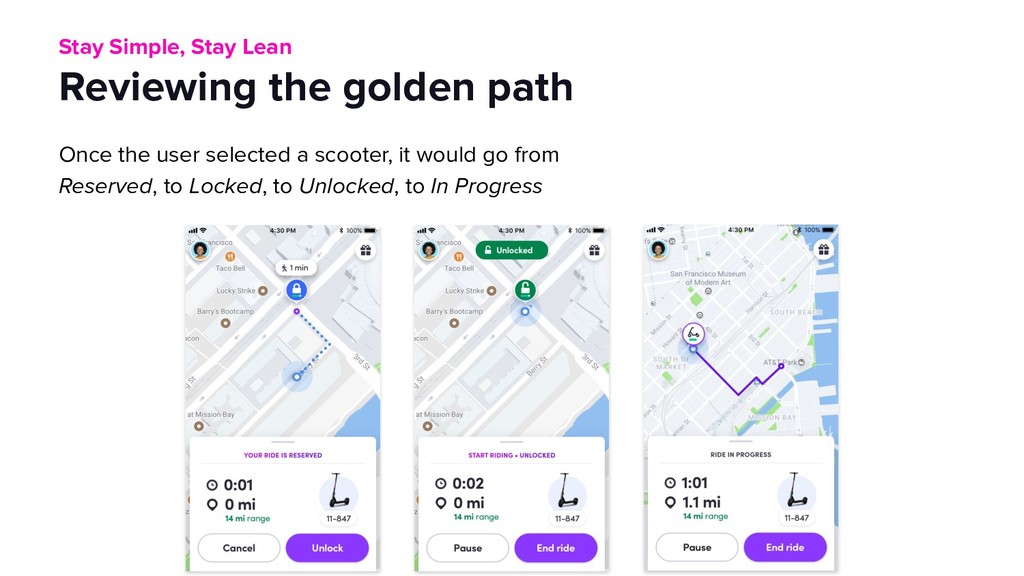
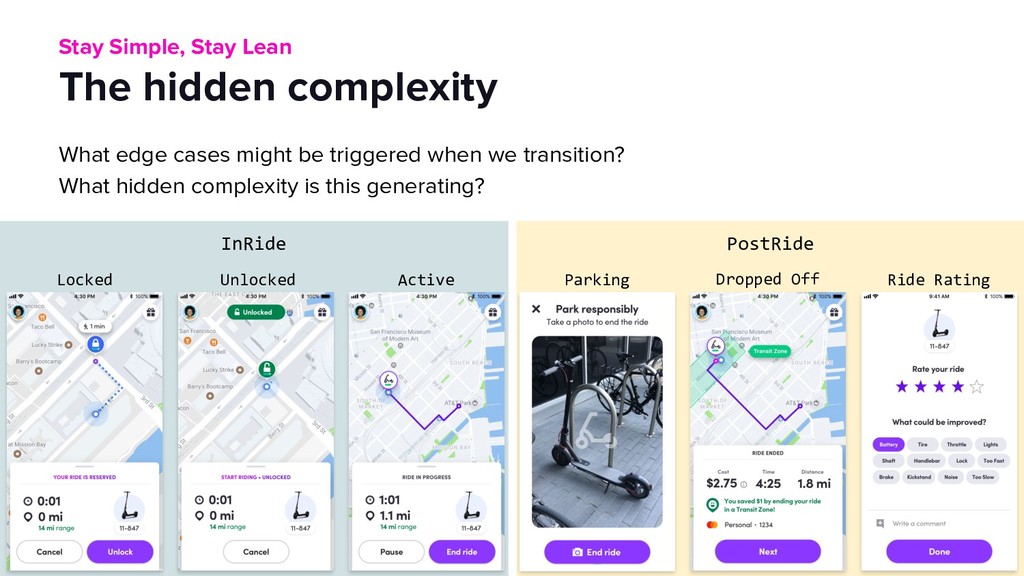
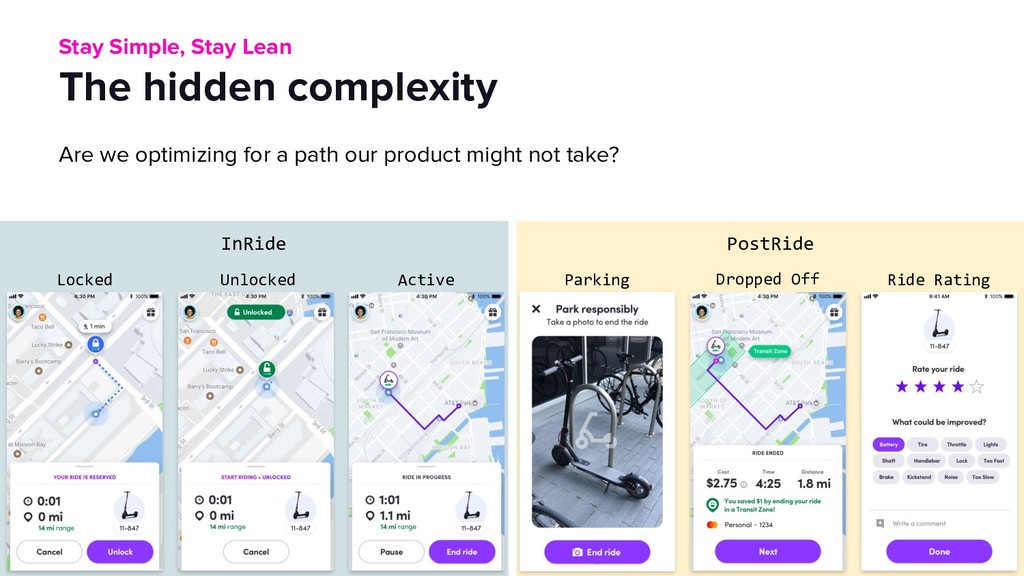
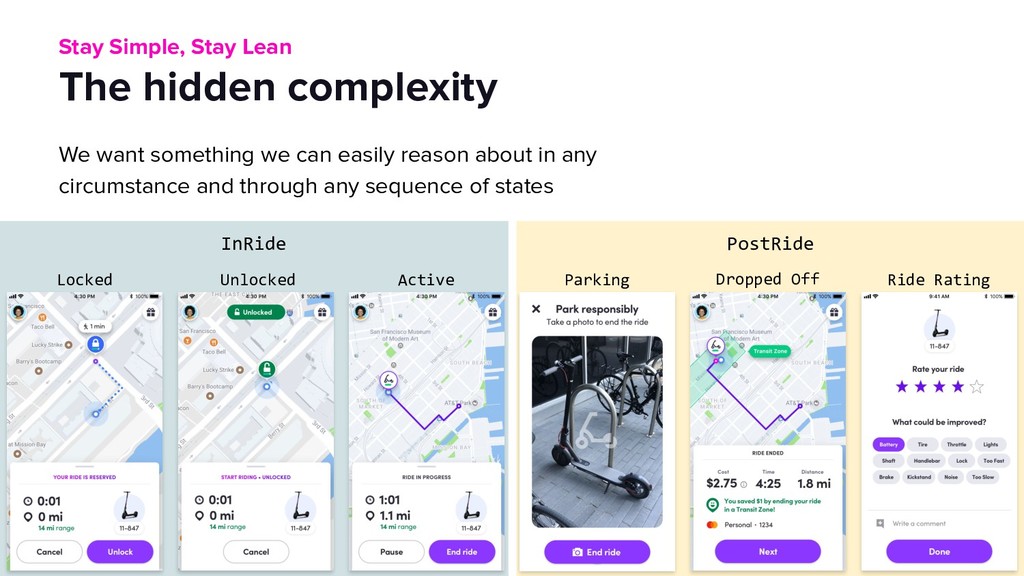
in-ride and post-ride experiences as a separate set of states, building in future-proof flexibility. Stay Simple, Stay Lean PostRide Locked Unlocked Active Parking Dropped Off Ride Rating
reason about in any circumstance and through any sequence of states Stay Simple, Stay Lean PostRide Locked Unlocked Active Parking Dropped Off Ride Rating
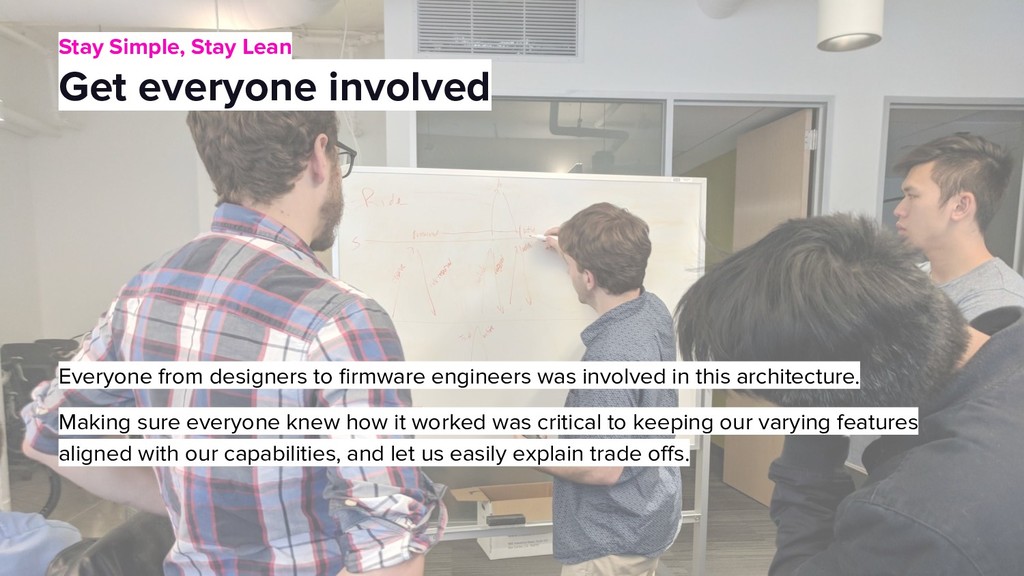
involved in this architecture. Making sure everyone knew how it worked was critical to keeping our varying features aligned with our capabilities, and let us easily explain trade offs. Stay Simple, Stay Lean
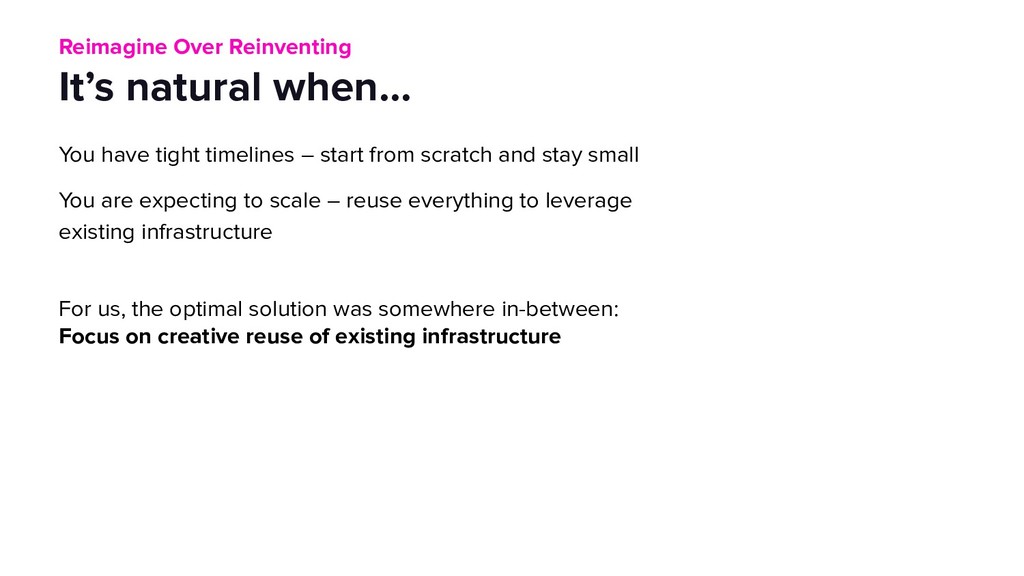
scratch and stay small You are expecting to scale – reuse everything to leverage existing infrastructure For us, the optimal solution was somewhere in-between: Focus on creative reuse of existing infrastructure Reimagine Over Reinventing
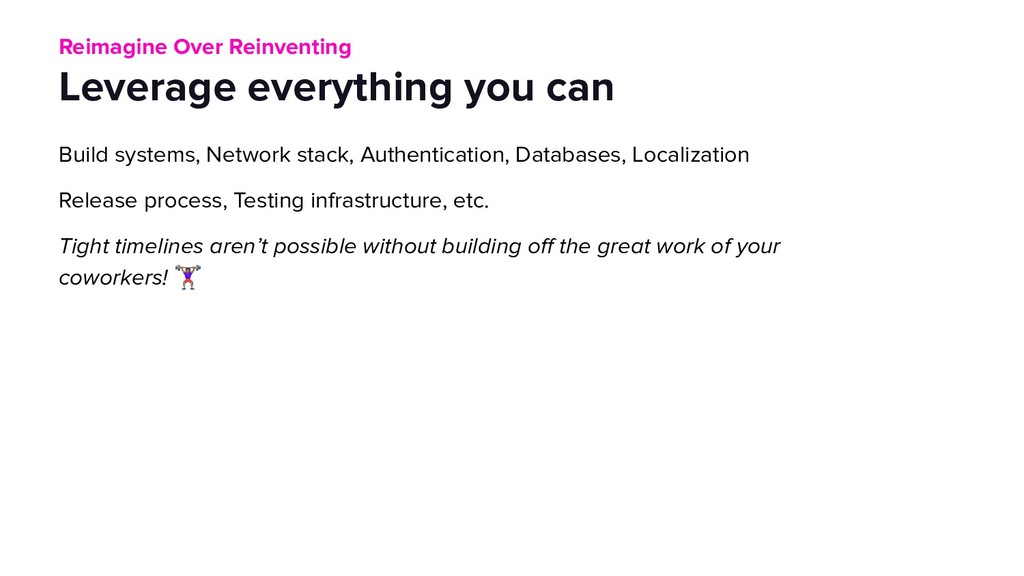
Localization Release process, Testing infrastructure, etc. Tight timelines aren’t possible without building off the great work of your coworkers! ♀ Reimagine Over Reinventing
the biggest roadblocks happen when you depend on another team to change something for you. Remember: you have options, and it’s your job to explain them! Reimagine Over Reinventing
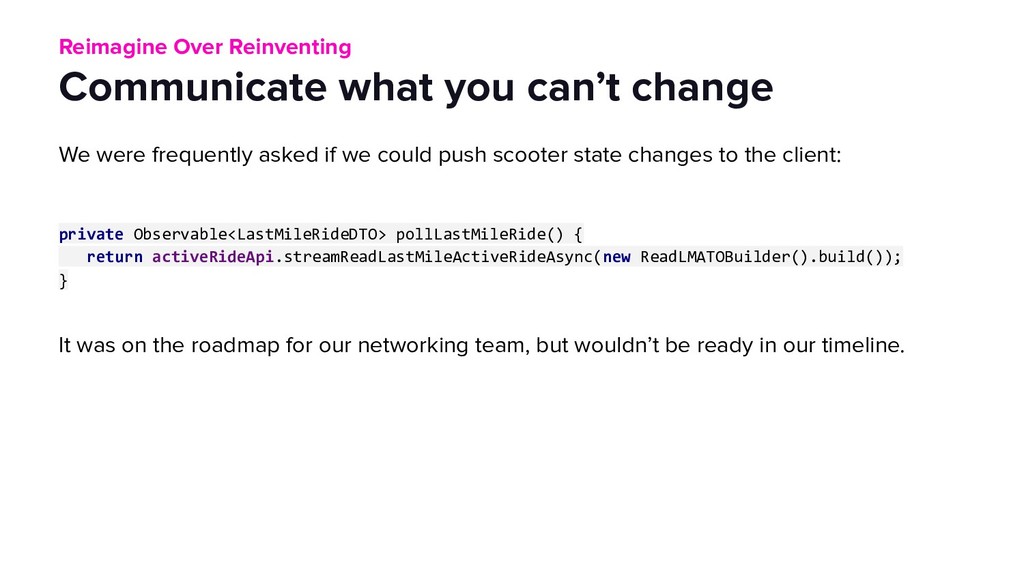
we could push scooter state changes to the client: private Observable<LastMileRideDTO> pollLastMileRide() { return activeRideApi.streamReadLastMileActiveRideAsync(new ReadLMATOBuilder().build()); } It was on the roadmap for our networking team, but wouldn’t be ready in our timeline. Reimagine Over Reinventing
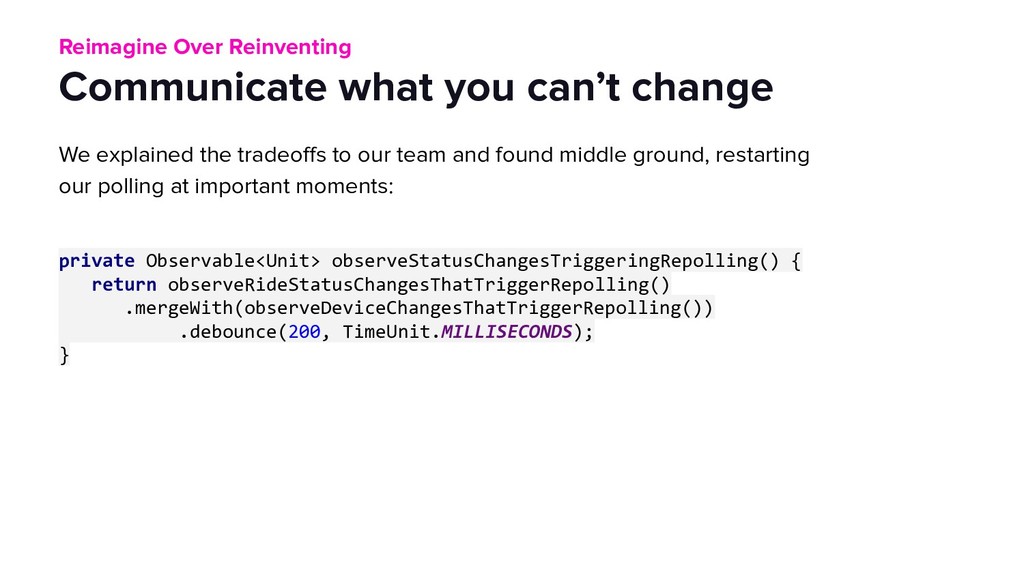
our team and found middle ground, restarting our polling at important moments: private Observable<Unit> observeStatusChangesTriggeringRepolling() { return observeRideStatusChangesThatTriggerRepolling() .mergeWith(observeDeviceChangesThatTriggerRepolling()) .debounce(200, TimeUnit.MILLISECONDS); } Reimagine Over Reinventing
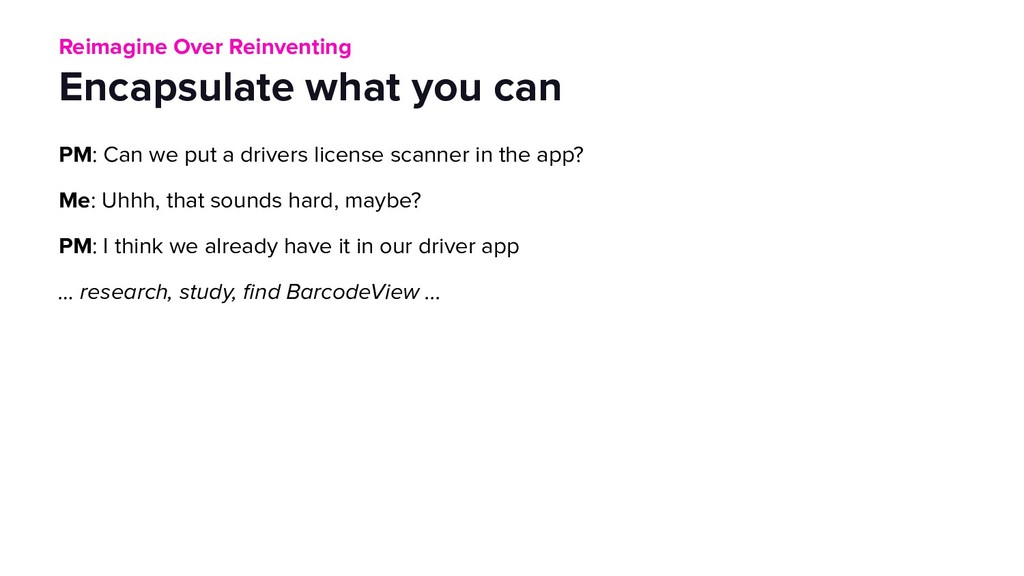
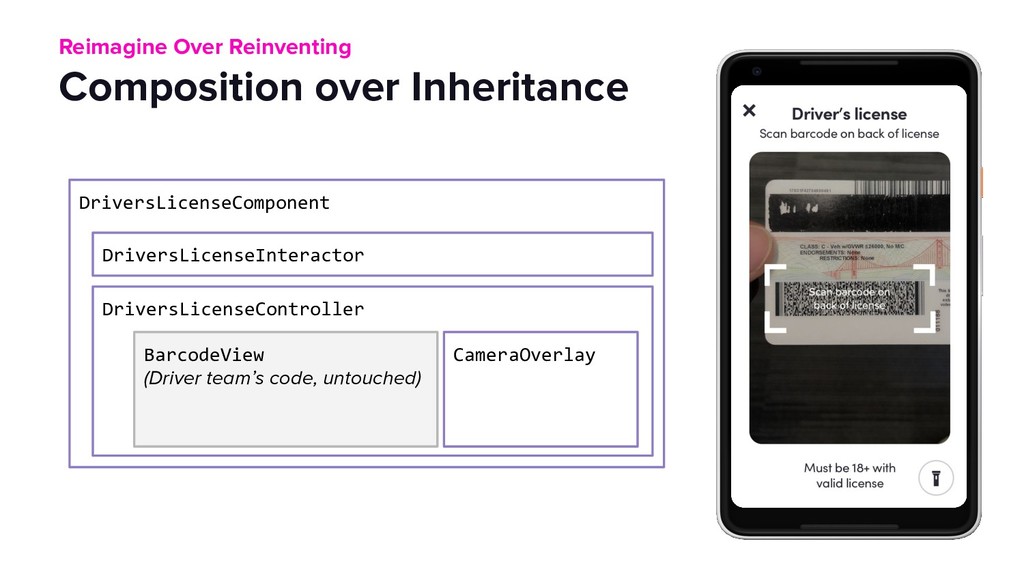
license scanner in the app? Me: Uhhh, that sounds hard, maybe? PM: I think we already have it in our driver app … research, study, find BarcodeView ... Reimagine Over Reinventing
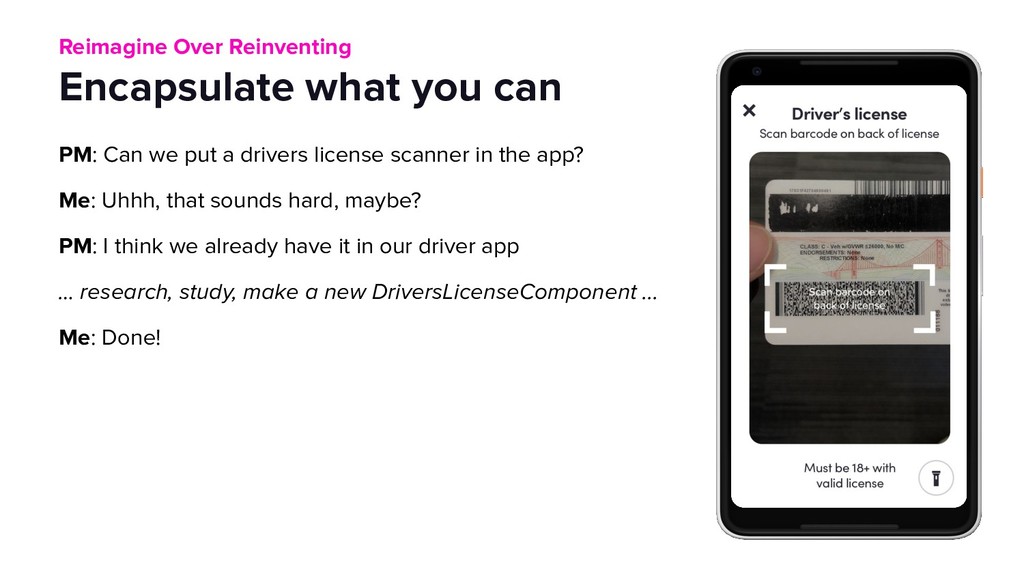
license scanner in the app? Me: Uhhh, that sounds hard, maybe? PM: I think we already have it in our driver app … research, study, make a new DriversLicenseComponent ... Me: Done! Reimagine Over Reinventing
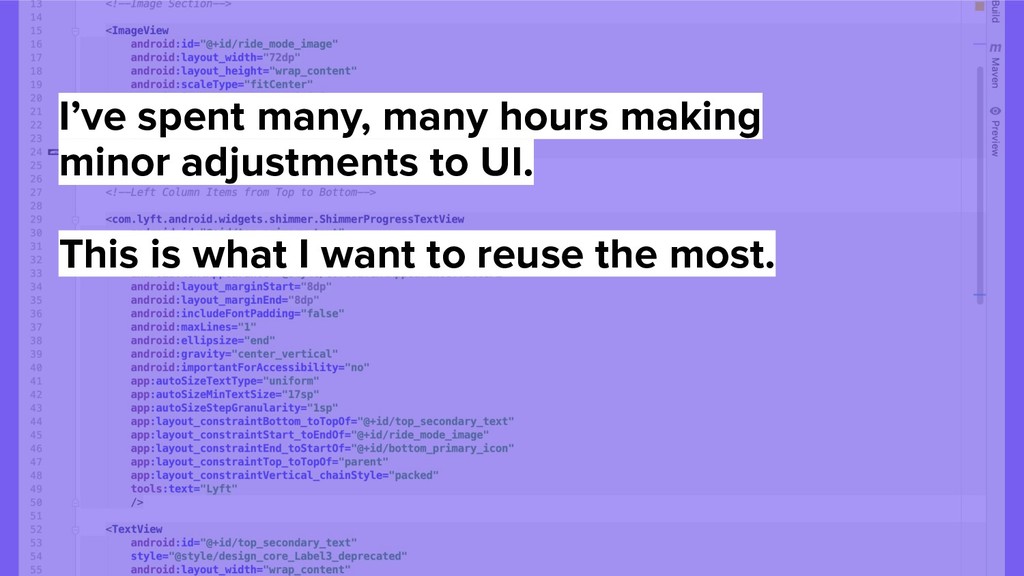
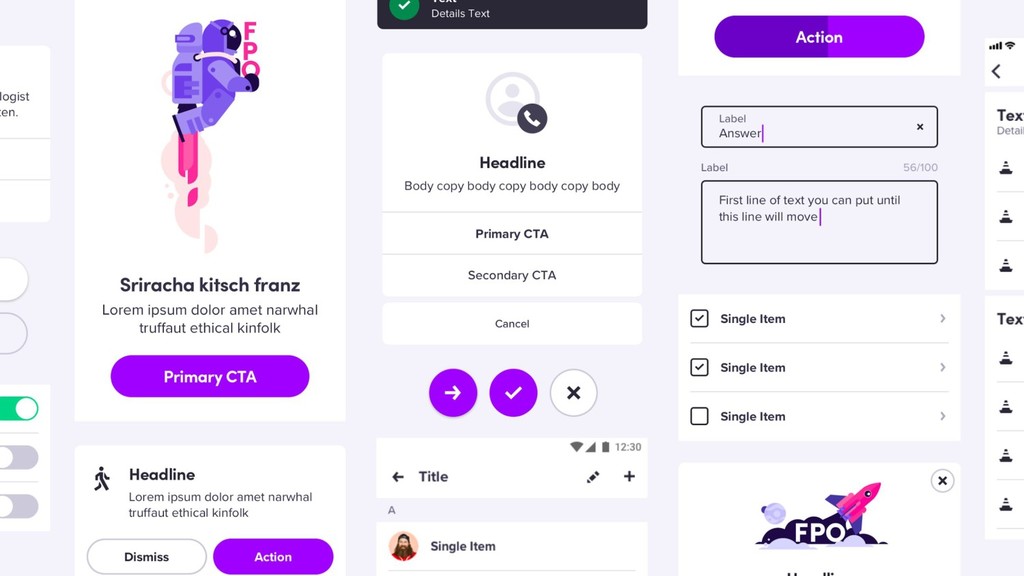
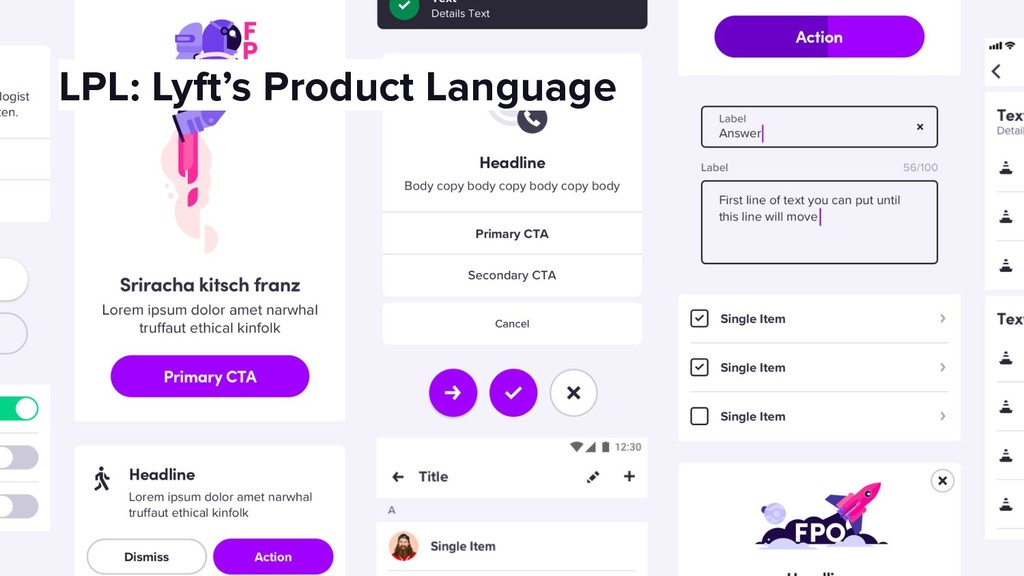
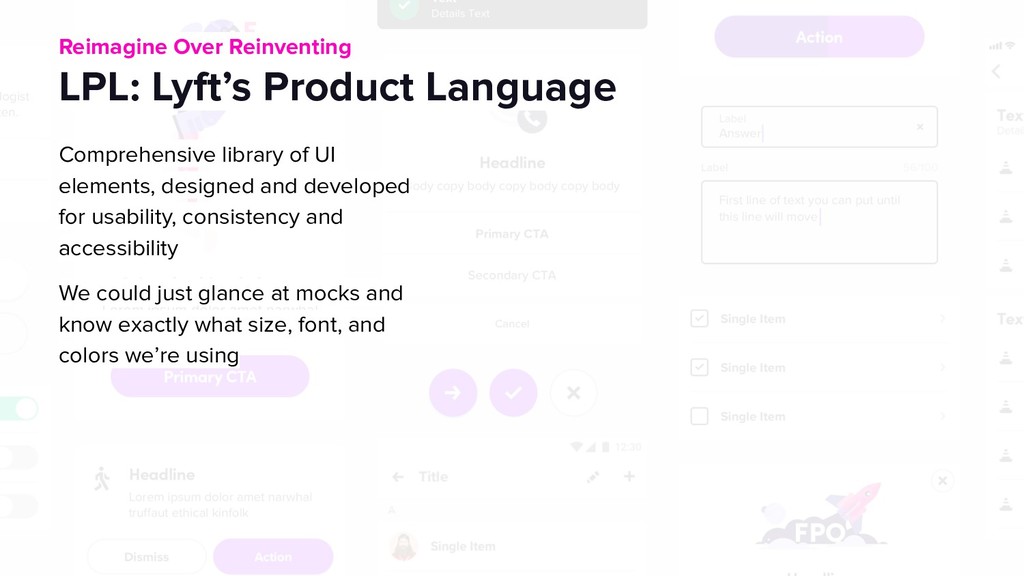
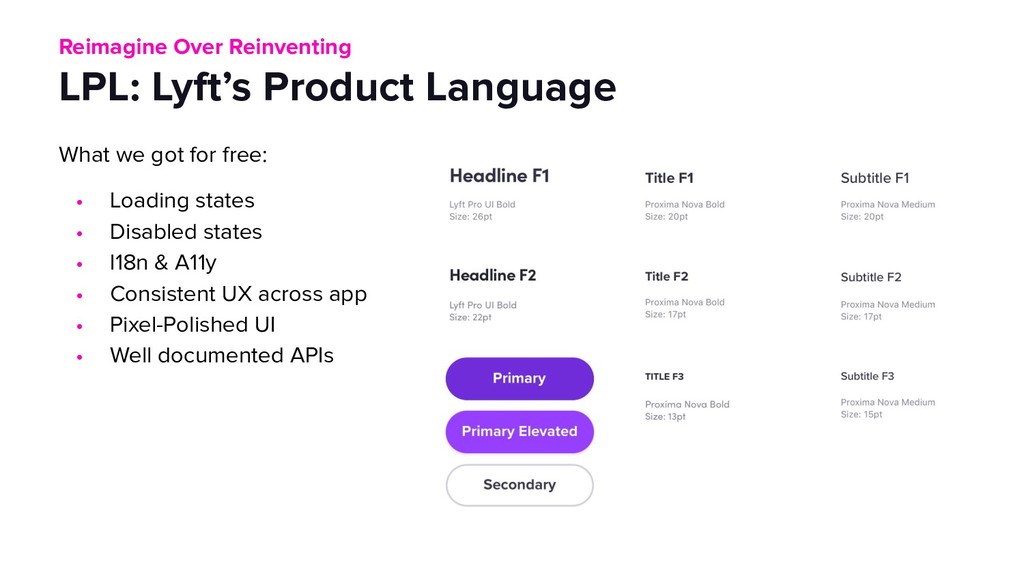
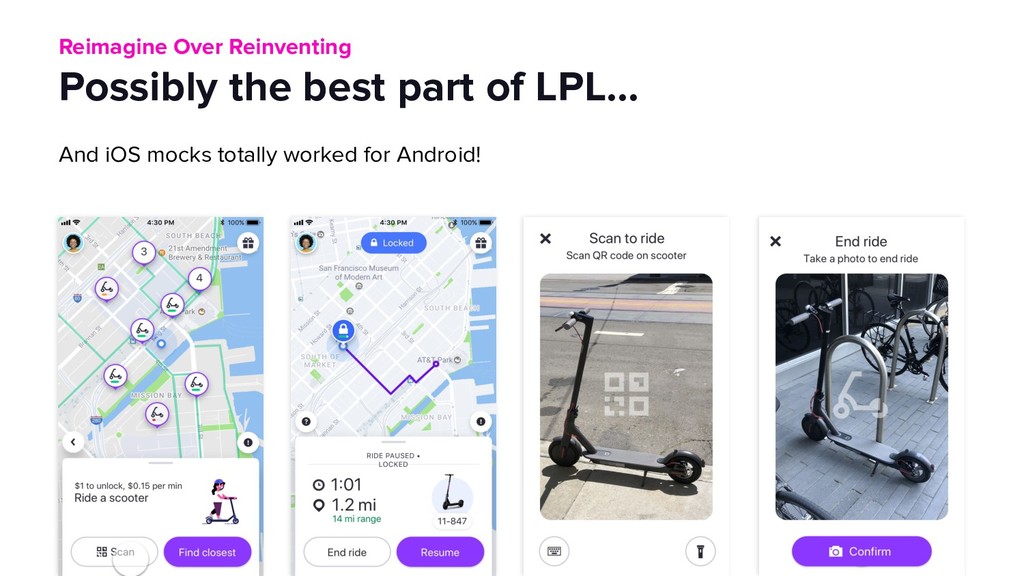
and developed for usability, consistency and accessibility We could just glance at mocks and know exactly what size, font, and colors we’re using Reimagine Over Reinventing
this button in the LPL? Designer: No I kinda did my own thing Me: I love it, it’ll take me a week or so to get it nailed down, what do you think about going with the LPL version? It’ll only take me 20 minutes. Designer: Oh, totally cool. Thanks for asking Reimagine Over Reinventing
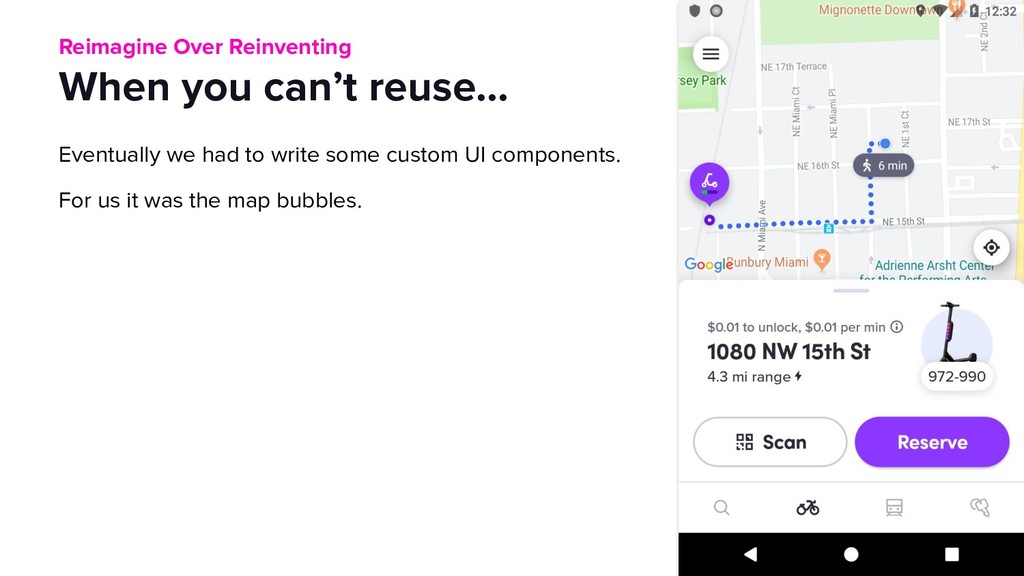
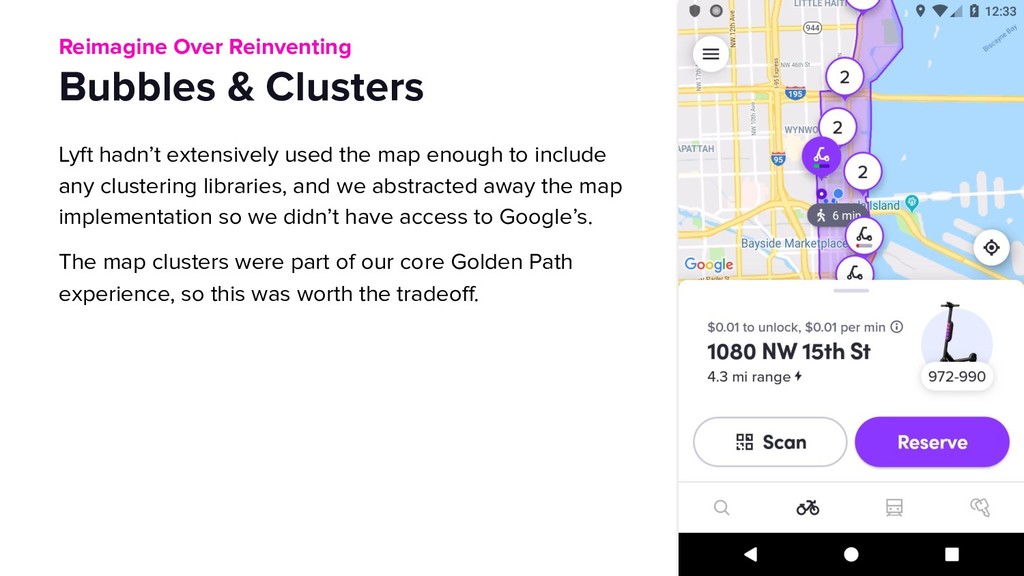
to include any clustering libraries, and we abstracted away the map implementation so we didn’t have access to Google’s. The map clusters were part of our core Golden Path experience, so this was worth the tradeoff. Reimagine Over Reinventing
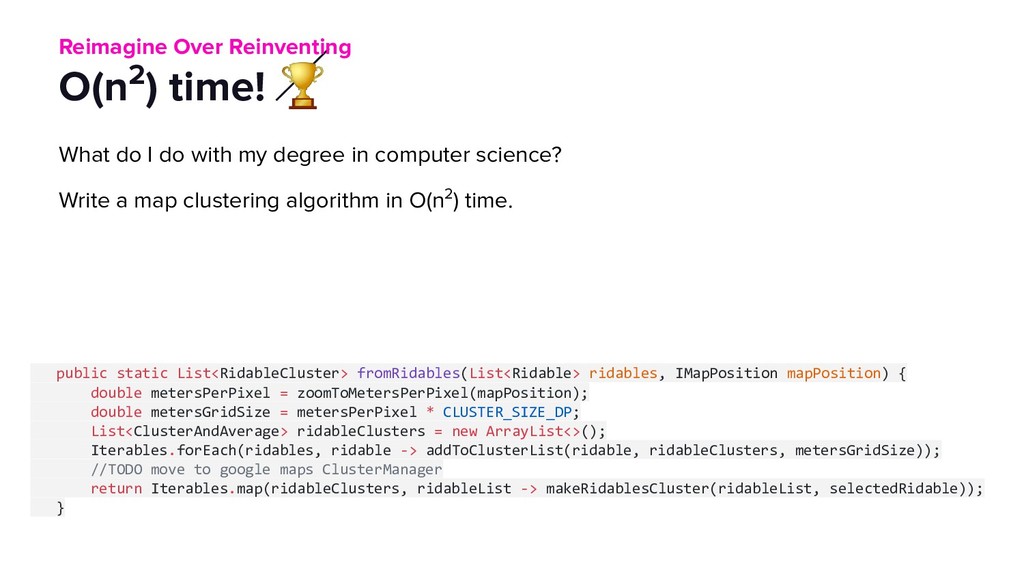
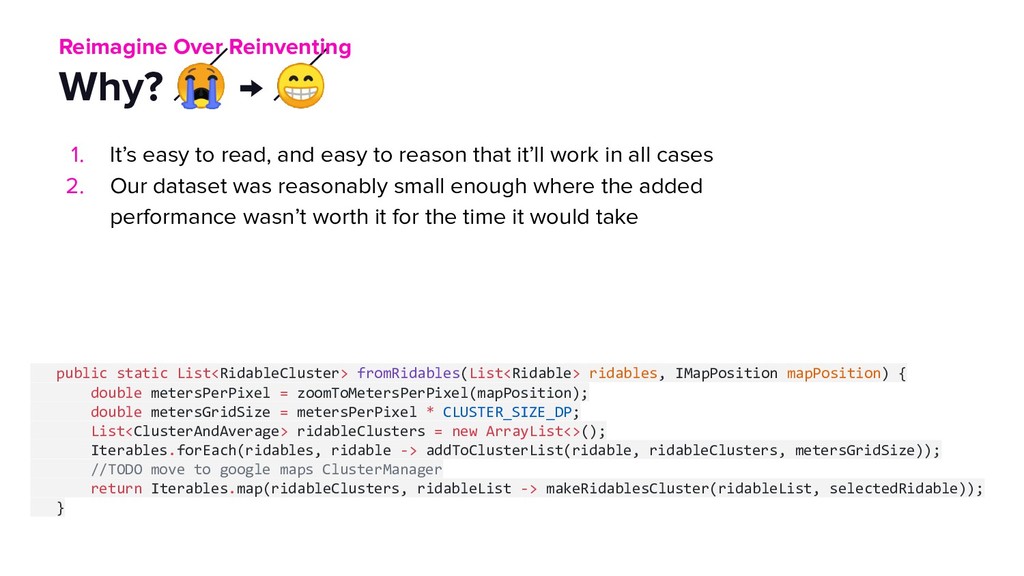
reason that it’ll work in all cases 2. Our dataset was reasonably small enough where the added performance wasn’t worth it for the time it would take Reimagine Over Reinventing public static List<RidableCluster> fromRidables(List<Ridable> ridables, IMapPosition mapPosition) { double metersPerPixel = zoomToMetersPerPixel(mapPosition); double metersGridSize = metersPerPixel * CLUSTER_SIZE_DP; List<ClusterAndAverage> ridableClusters = new ArrayList<>(); Iterables.forEach(ridables, ridable -> addToClusterList(ridable, ridableClusters, metersGridSize)); //TODO move to google maps ClusterManager return Iterables.map(ridableClusters, ridableList -> makeRidablesCluster(ridableList, selectedRidable)); }
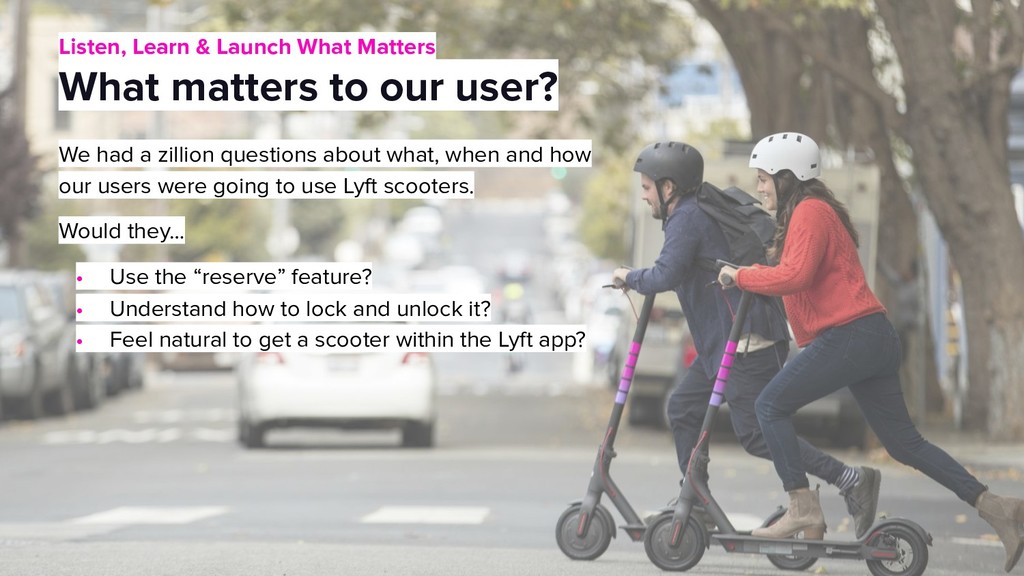
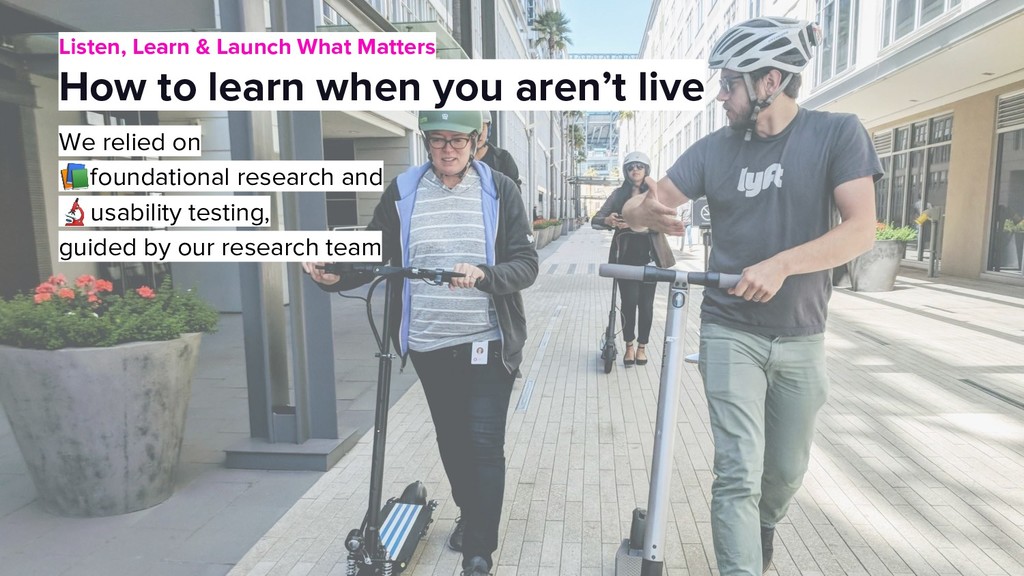
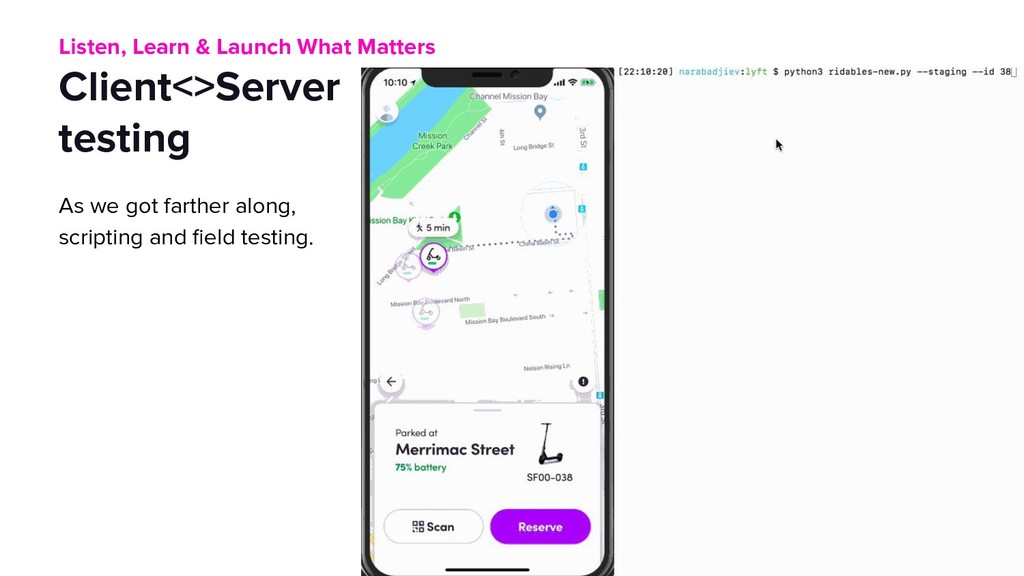
about what, when and how our users were going to use Lyft scooters. Would they… • Use the “reserve” feature? • Understand how to lock and unlock it? • Feel natural to get a scooter within the Lyft app? Listen, Learn & Launch What Matters
iteratively release and roll out, A/B testing along the way. This helps us understand user behavior and preferences, and guards against major issues. Since we had never done something like this before, we couldn’t use any of these processes. Listen, Learn & Launch What Matters
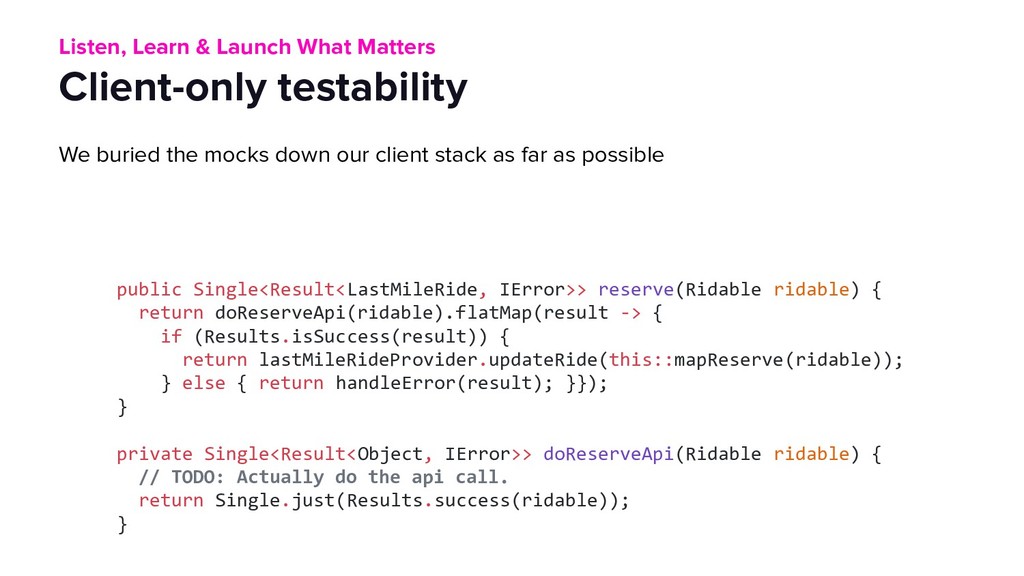
as far as possible Listen, Learn & Launch What Matters public Single<Result<LastMileRide, IError>> reserve(Ridable ridable) { return doReserveApi(ridable).flatMap(result -> { if (Results.isSuccess(result)) { return lastMileRideProvider.updateRide(this::mapReserve(ridable)); } else { return handleError(result); }}); } private Single<Result<Object, IError>> doReserveApi(Ridable ridable) { // TODO: Actually do the api call. return Single.just(Results.success(ridable)); }
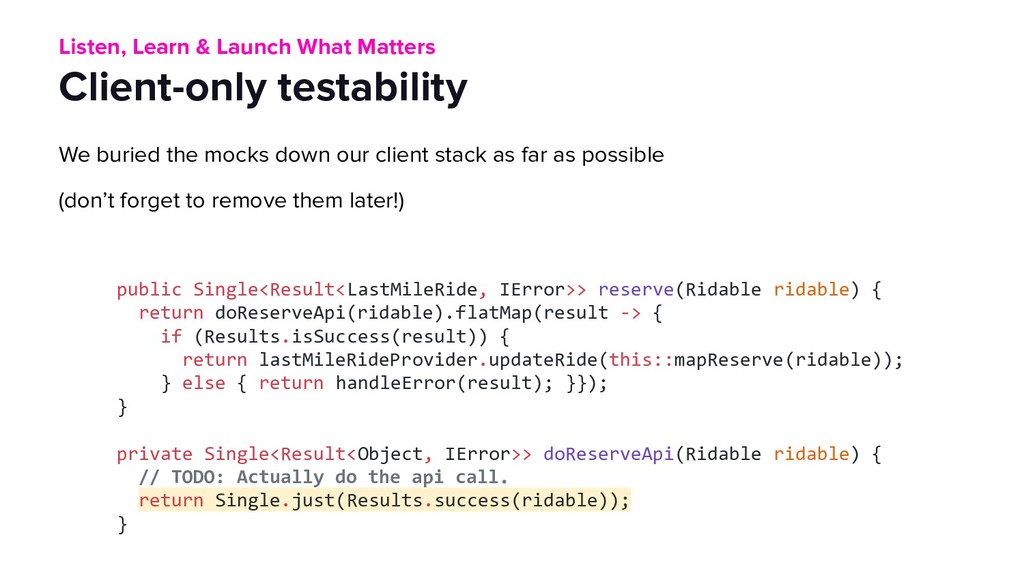
as far as possible (don’t forget to remove them later!) Listen, Learn & Launch What Matters public Single<Result<LastMileRide, IError>> reserve(Ridable ridable) { return doReserveApi(ridable).flatMap(result -> { if (Results.isSuccess(result)) { return lastMileRideProvider.updateRide(this::mapReserve(ridable)); } else { return handleError(result); }}); } private Single<Result<Object, IError>> doReserveApi(Ridable ridable) { // TODO: Actually do the api call. return Single.just(Results.success(ridable)); }
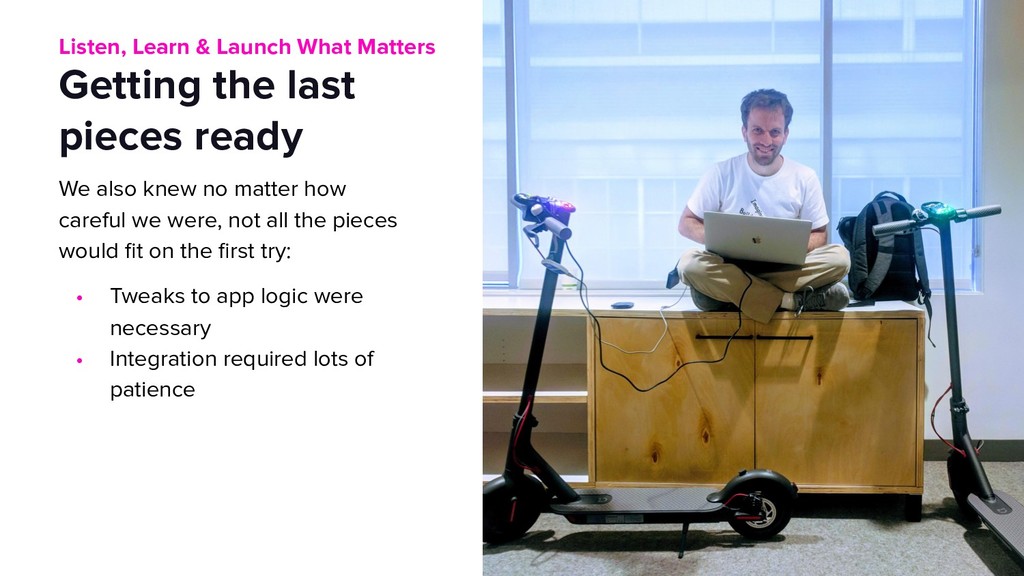
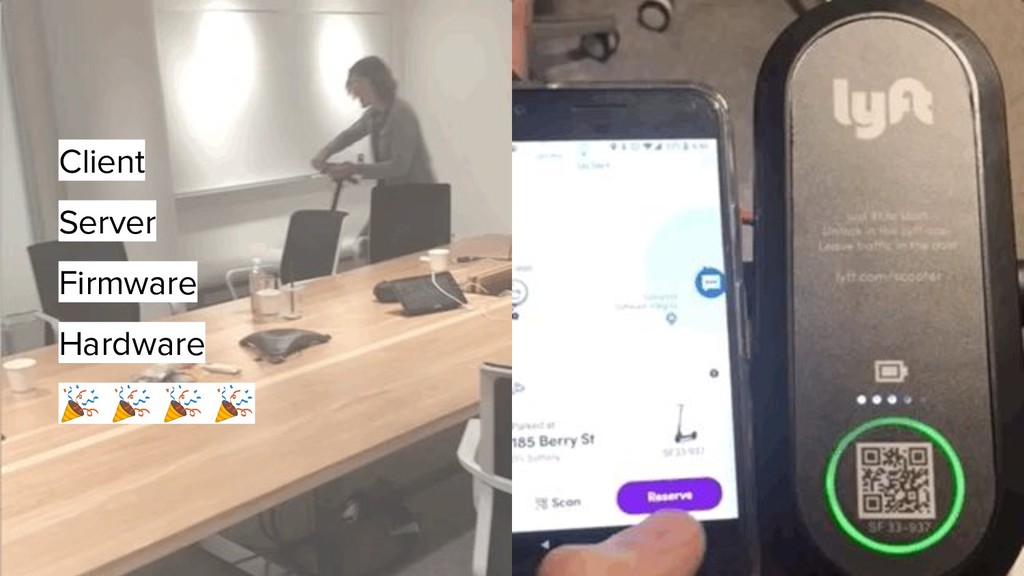
how careful we were, not all the pieces would fit on the first try: • Tweaks to app logic were necessary • Integration required lots of patience Listen, Learn & Launch What Matters
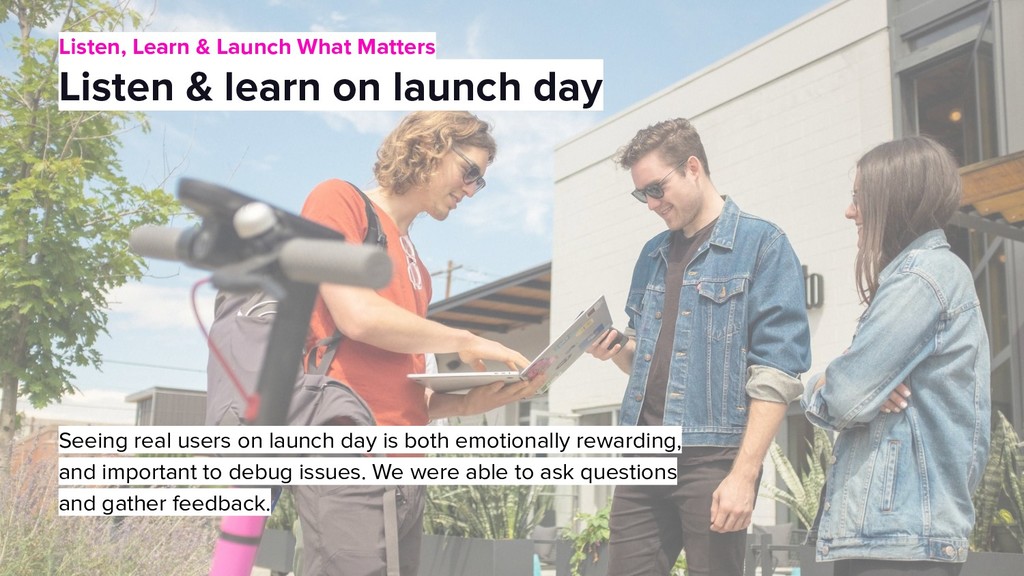
launch day is both emotionally rewarding, and important to debug issues. We were able to ask questions and gather feedback. Listen, Learn & Launch What Matters
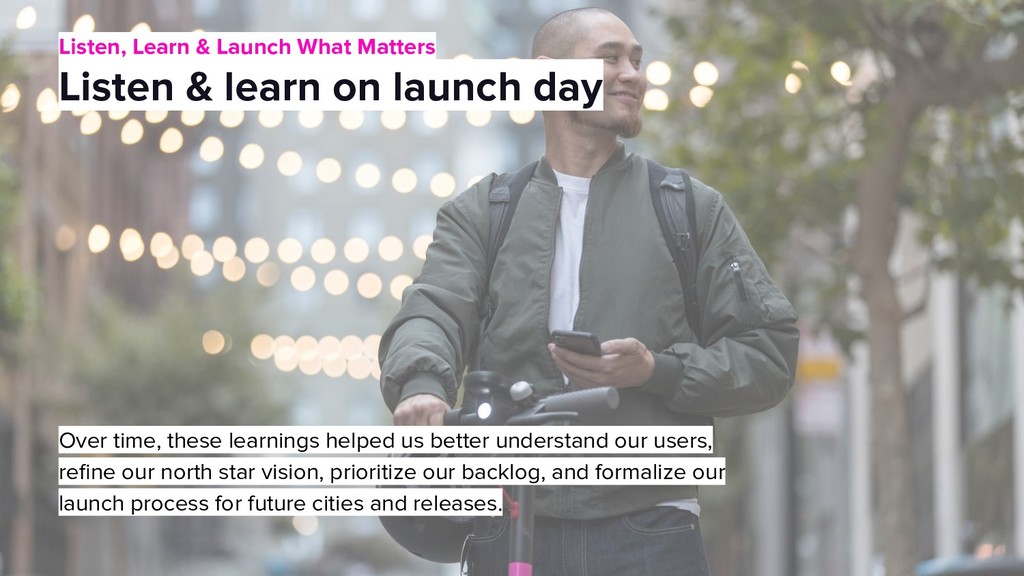
helped us better understand our users, refine our north star vision, prioritize our backlog, and formalize our launch process for future cities and releases. Listen, Learn & Launch What Matters

 SiteGround - Reliable hosting with speed, security, and support you can count on.


 rjmarsan
 satoshi256kbyte
 htkym
htkym
 siroemk
 guaca
guaca
 yutobara
 minodriven
 nokomoro3
 timakin
 gam0022
 dske104
 colorful12
 y0hgi
y0hgi
 reverentgeek
 minecr
 philnash
 kevinliebholz
 honzajavorek
 codingconduct
 aleyda
 moore
moore
 techseoconnect
 zakiyama
 ryanjones
 trallard