Presentation given at NordiCHI 2026, Vaasa, Finland
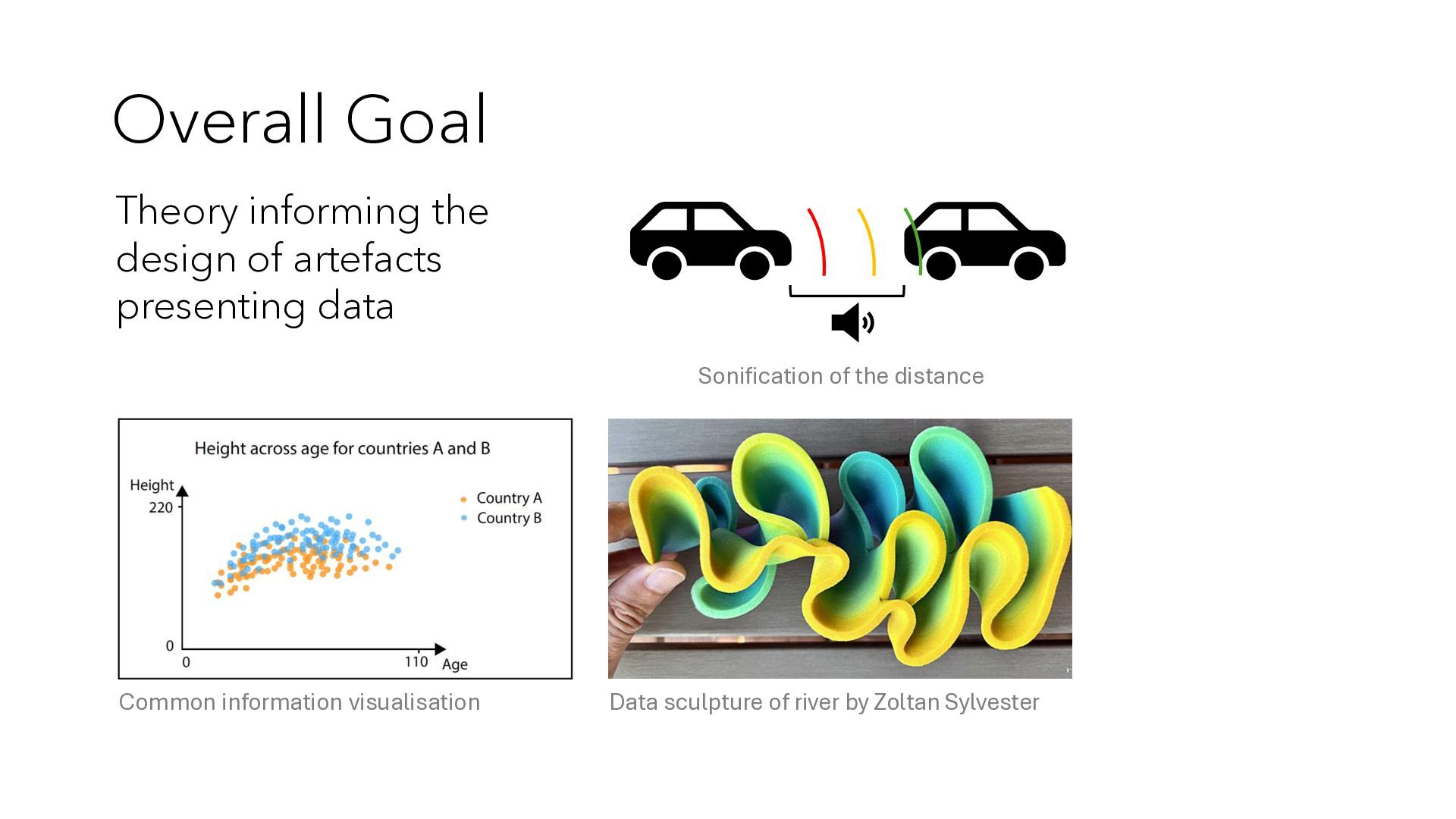
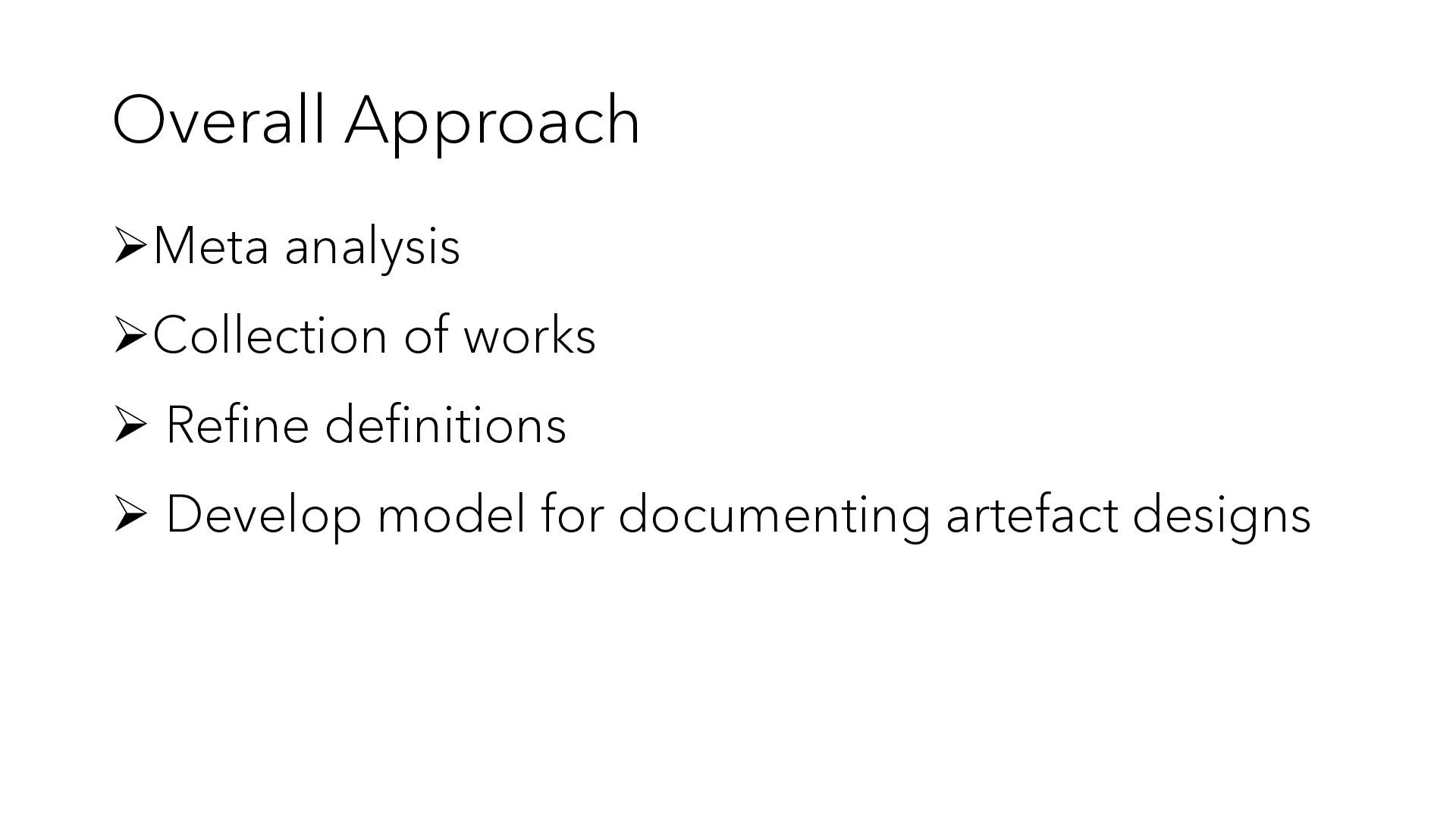
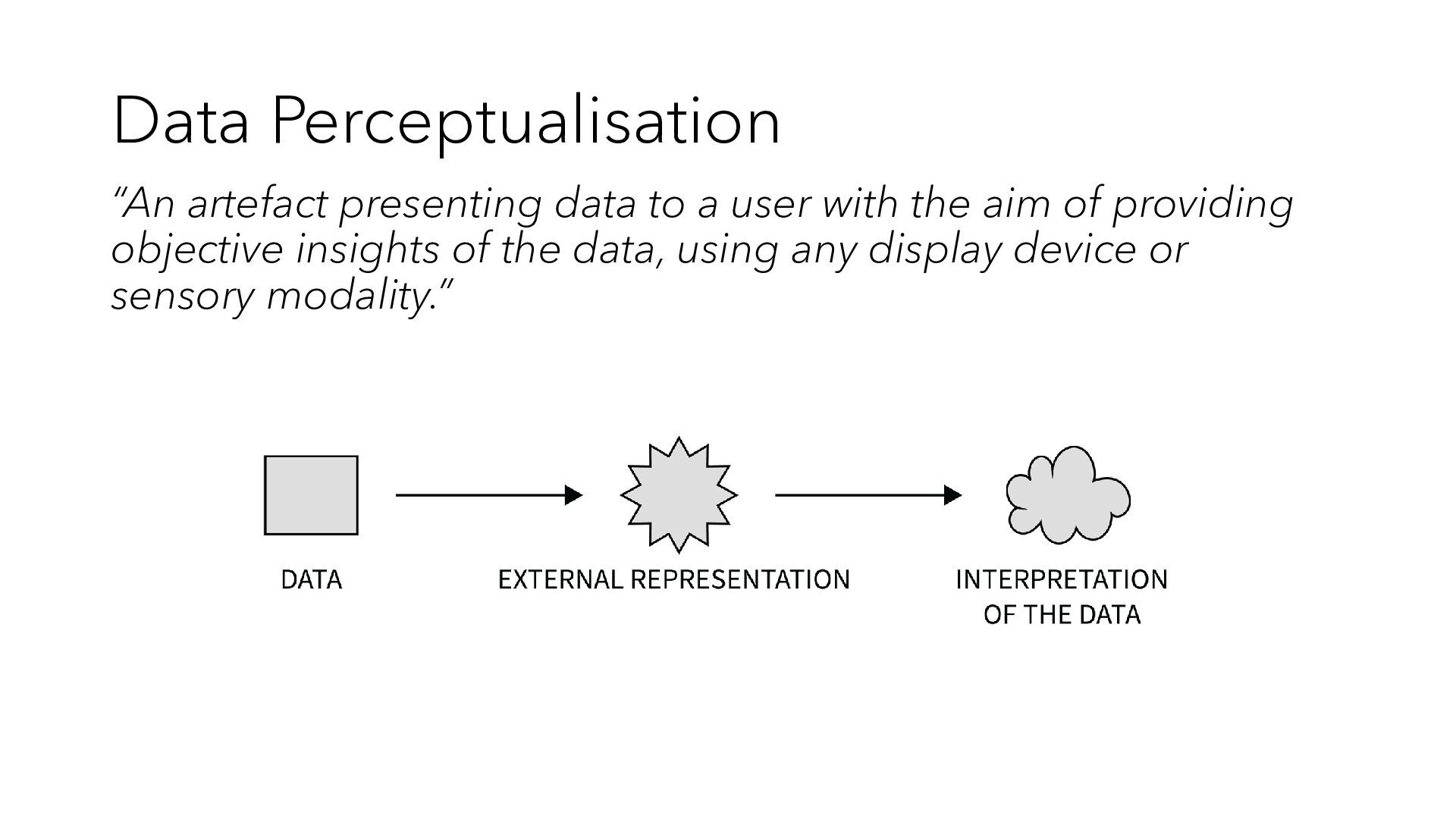
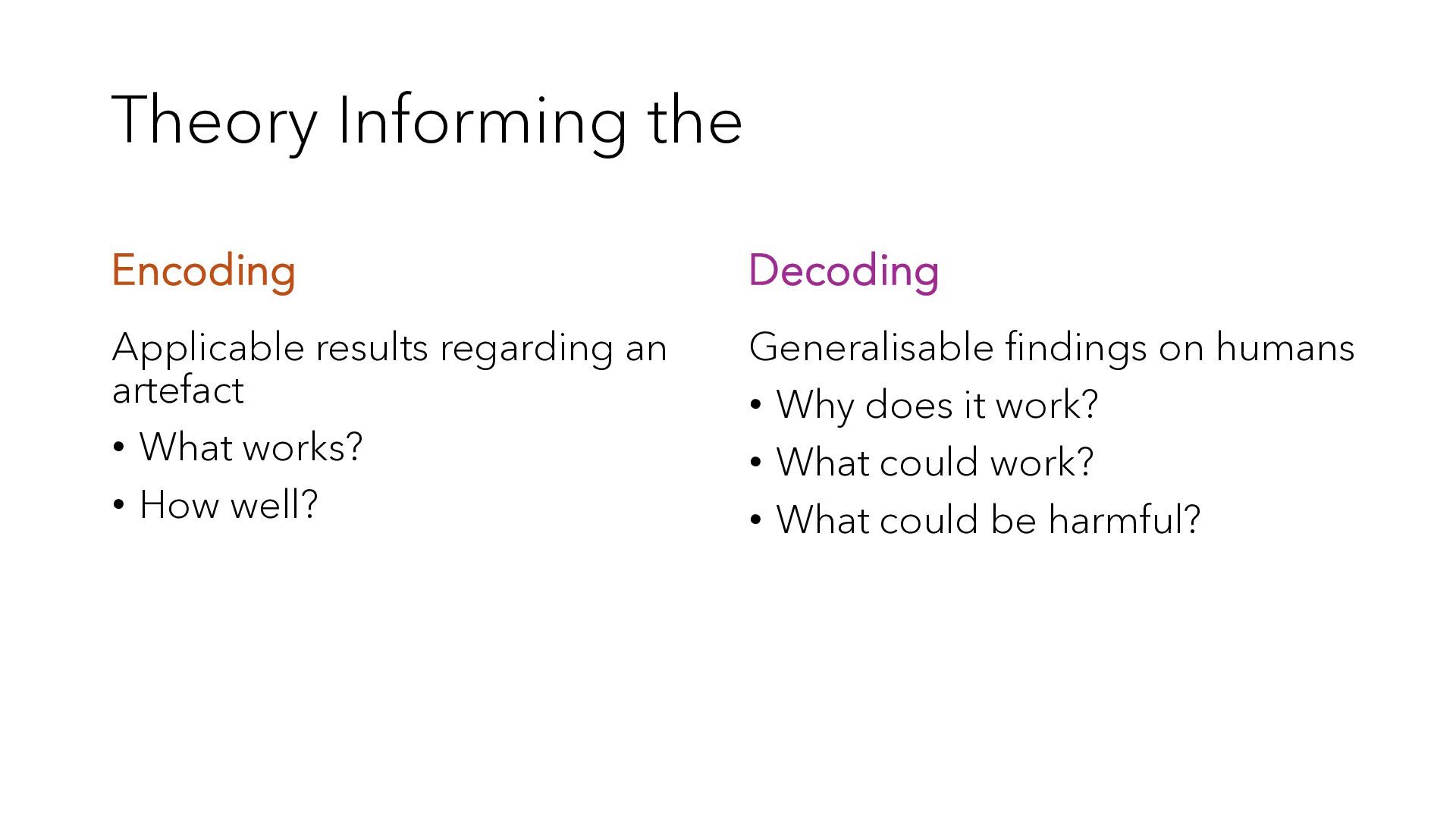
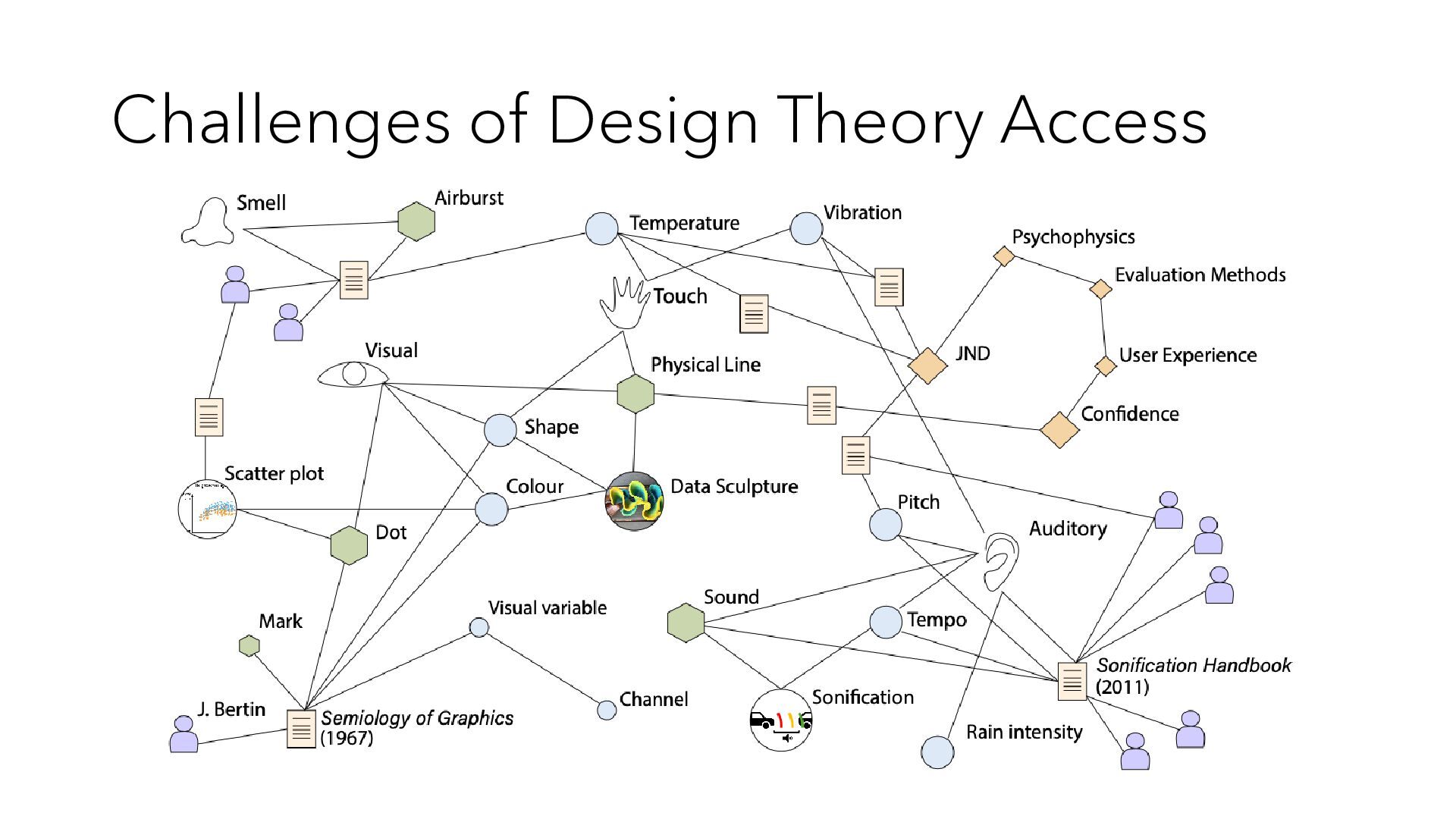
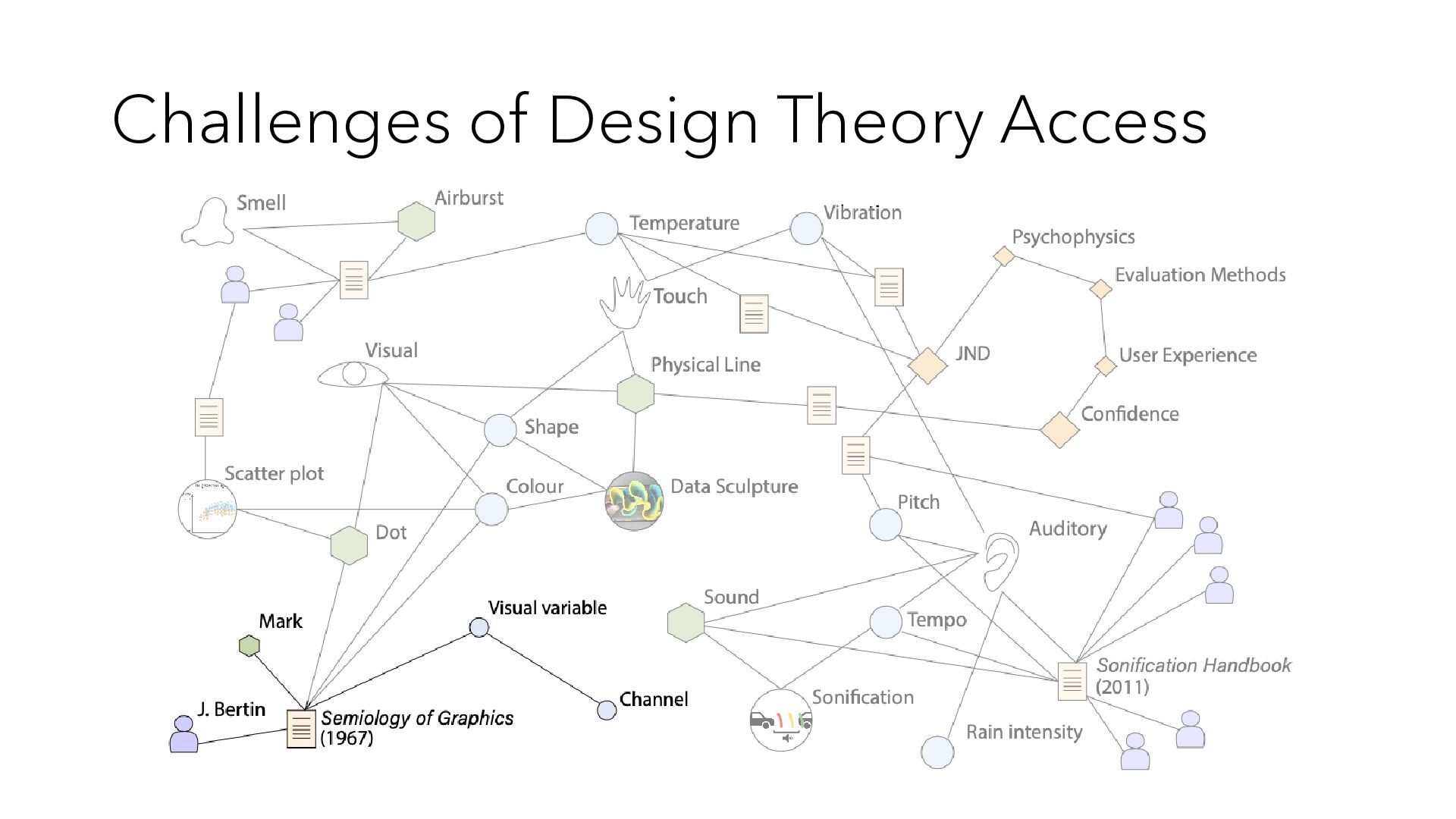
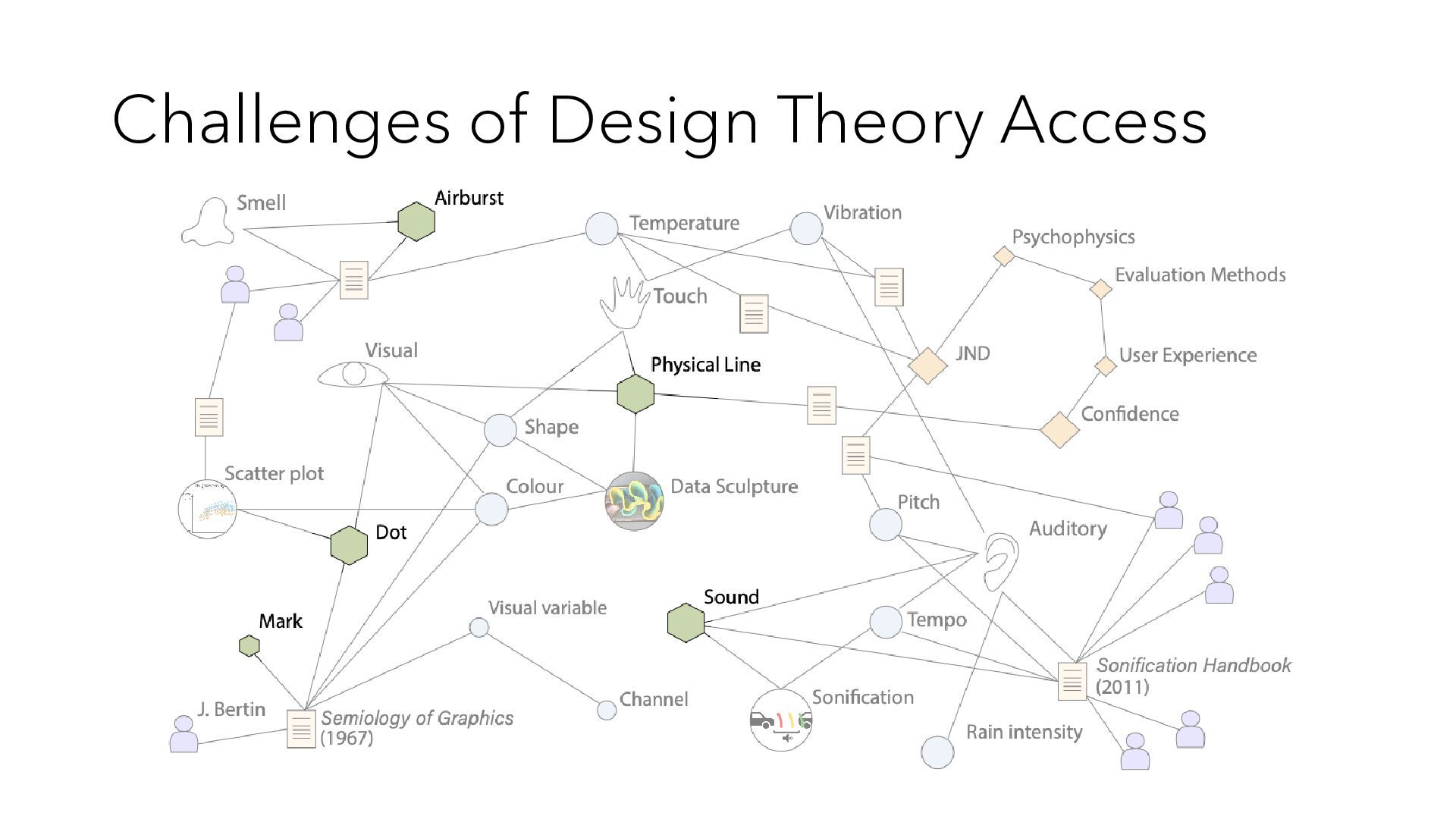
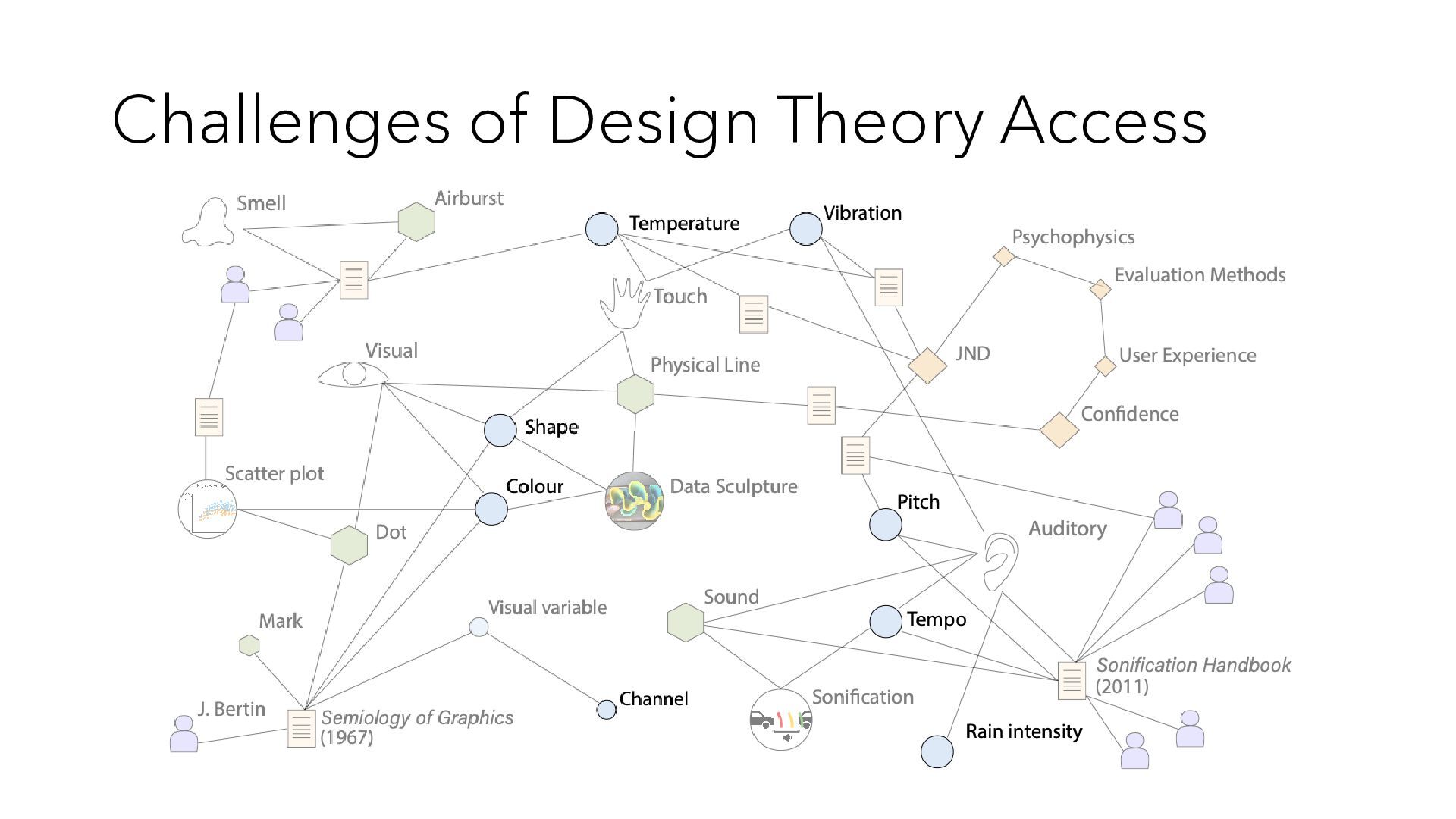
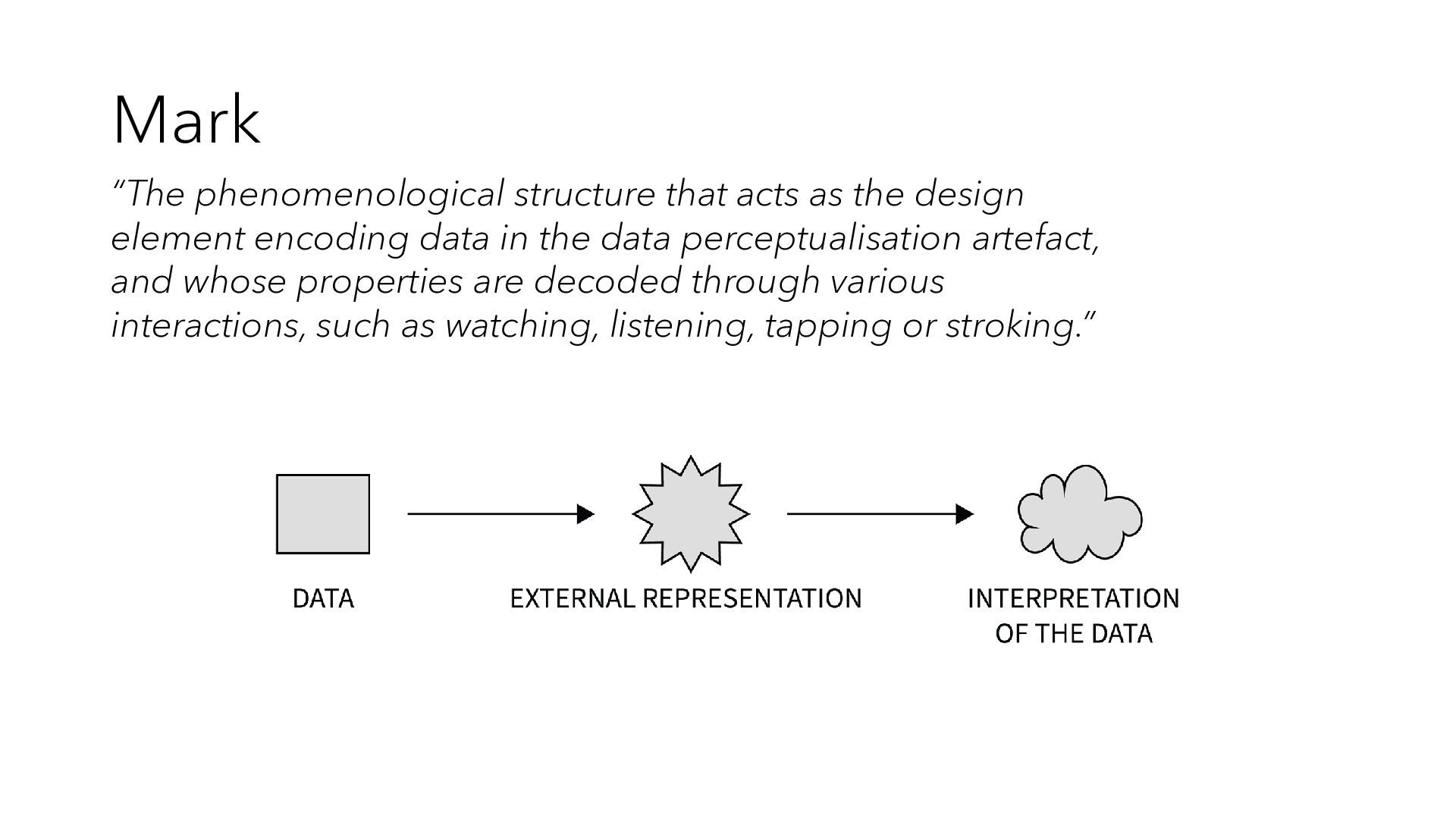
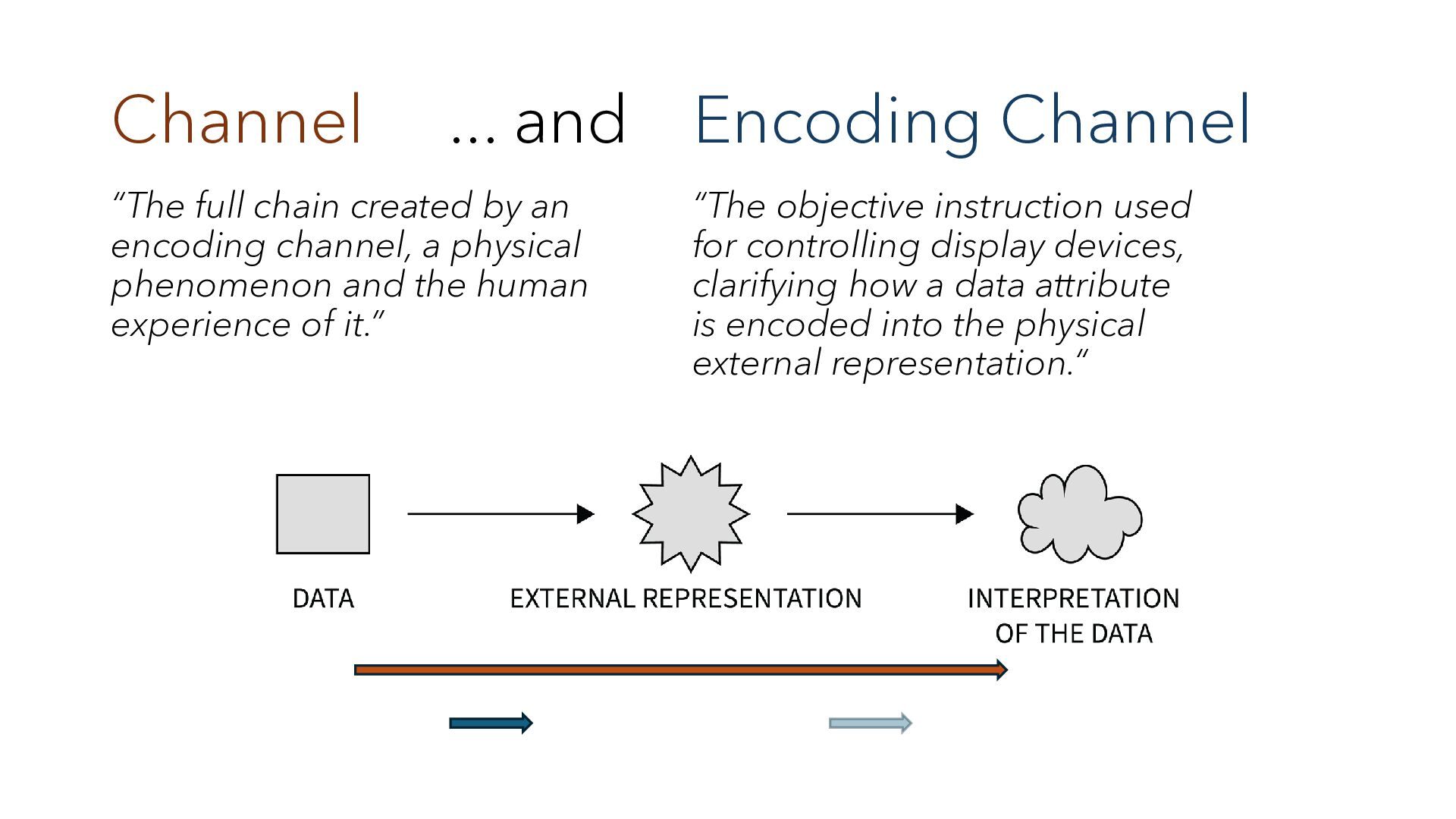
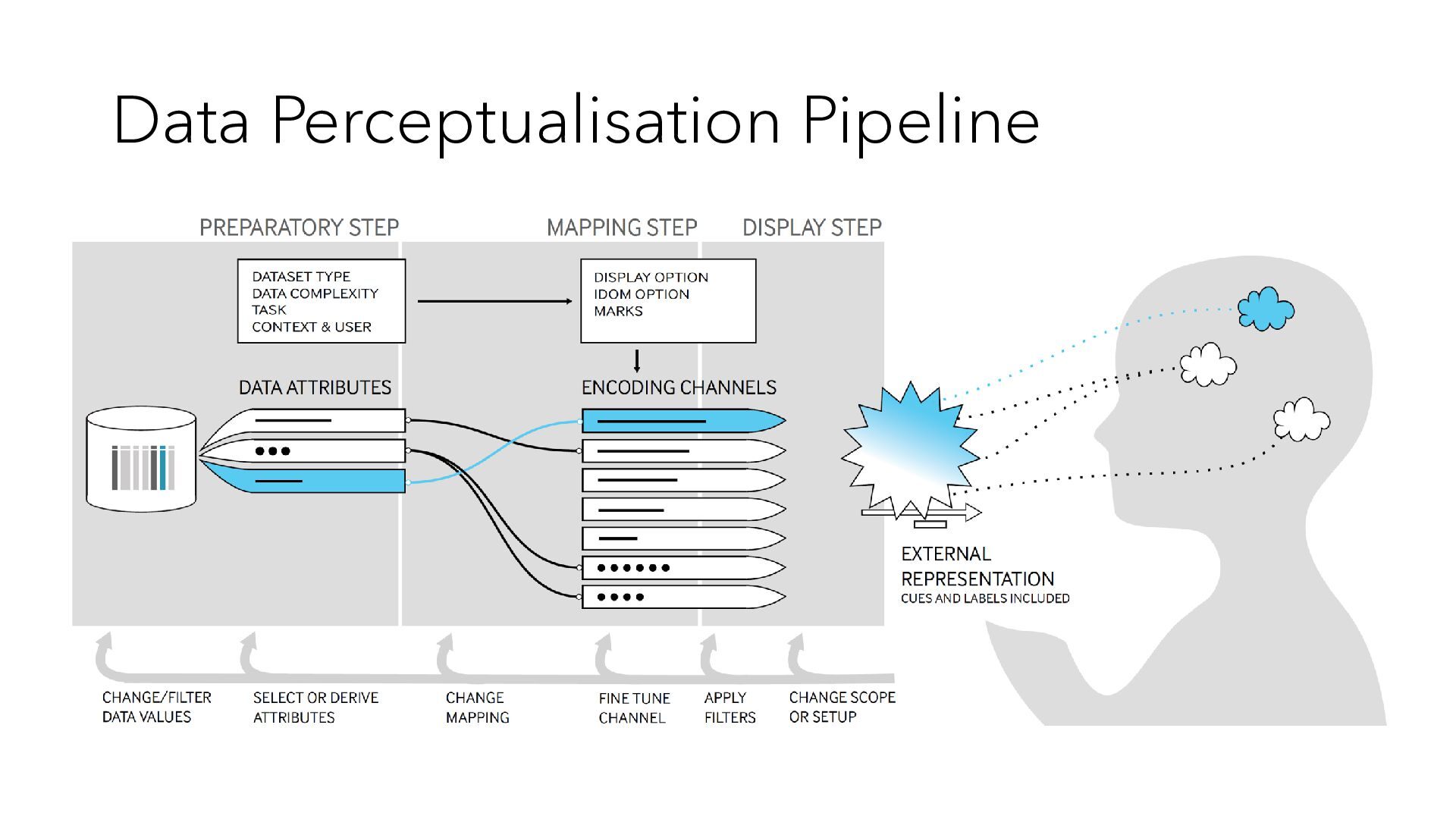
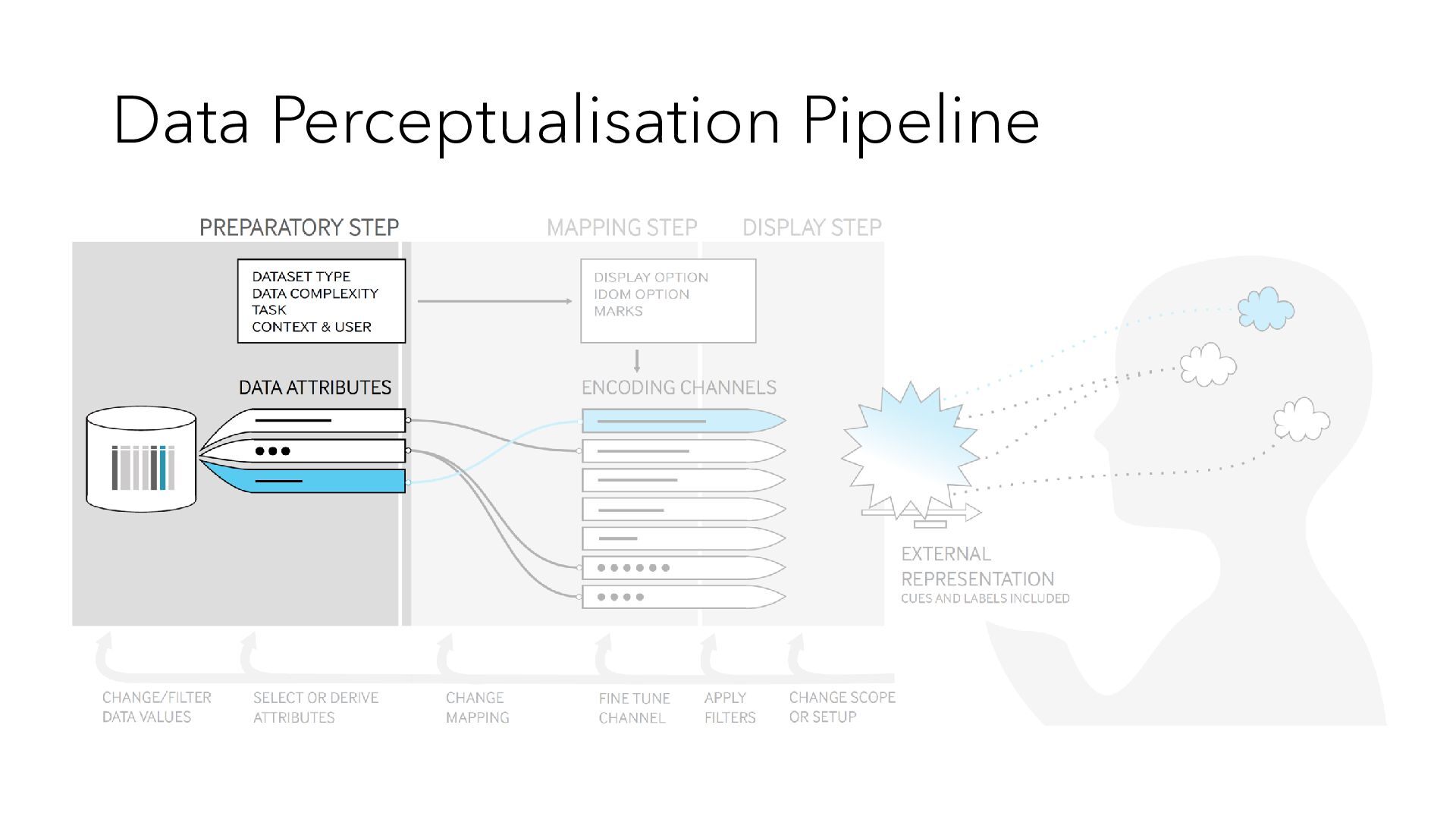
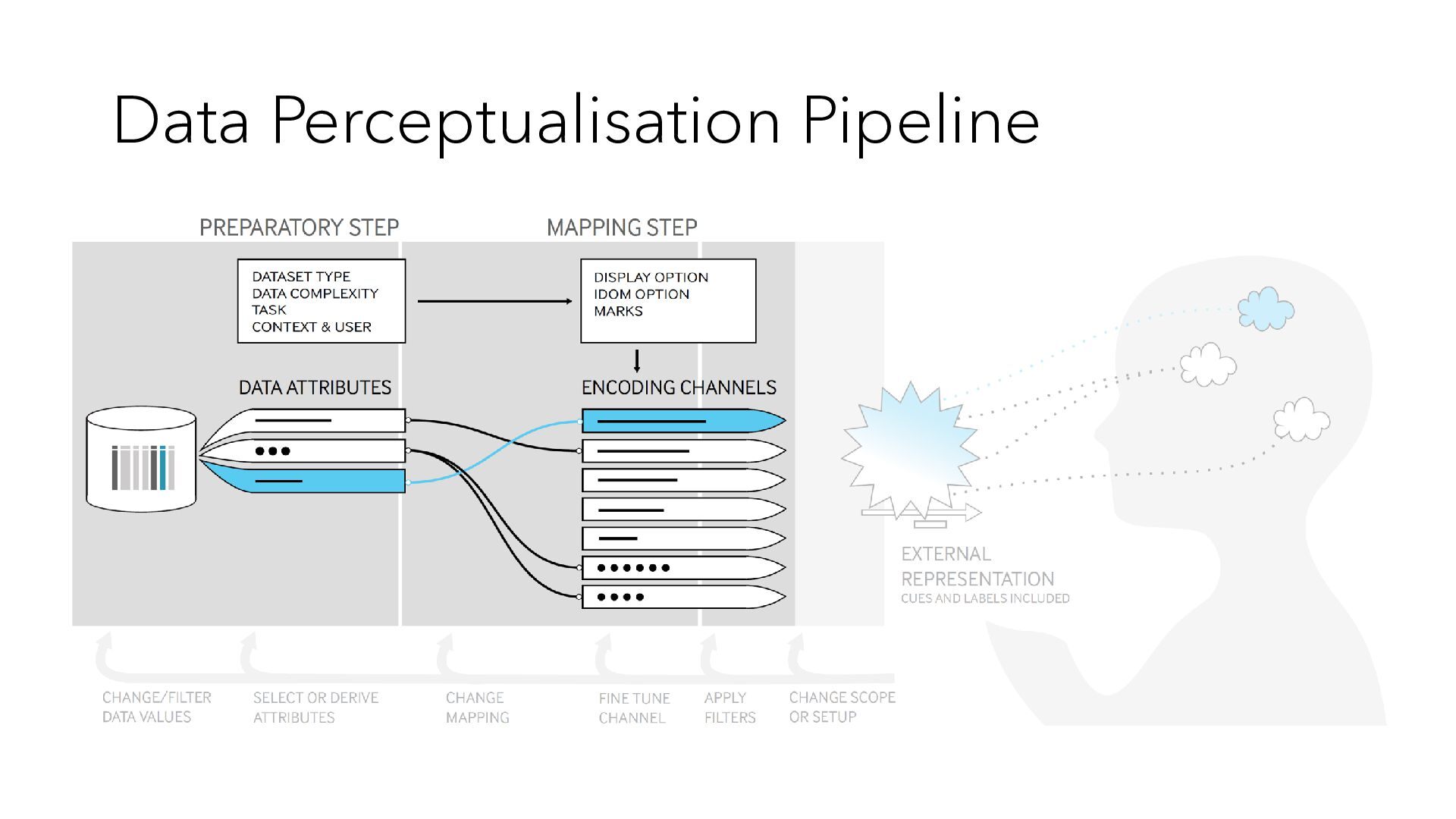
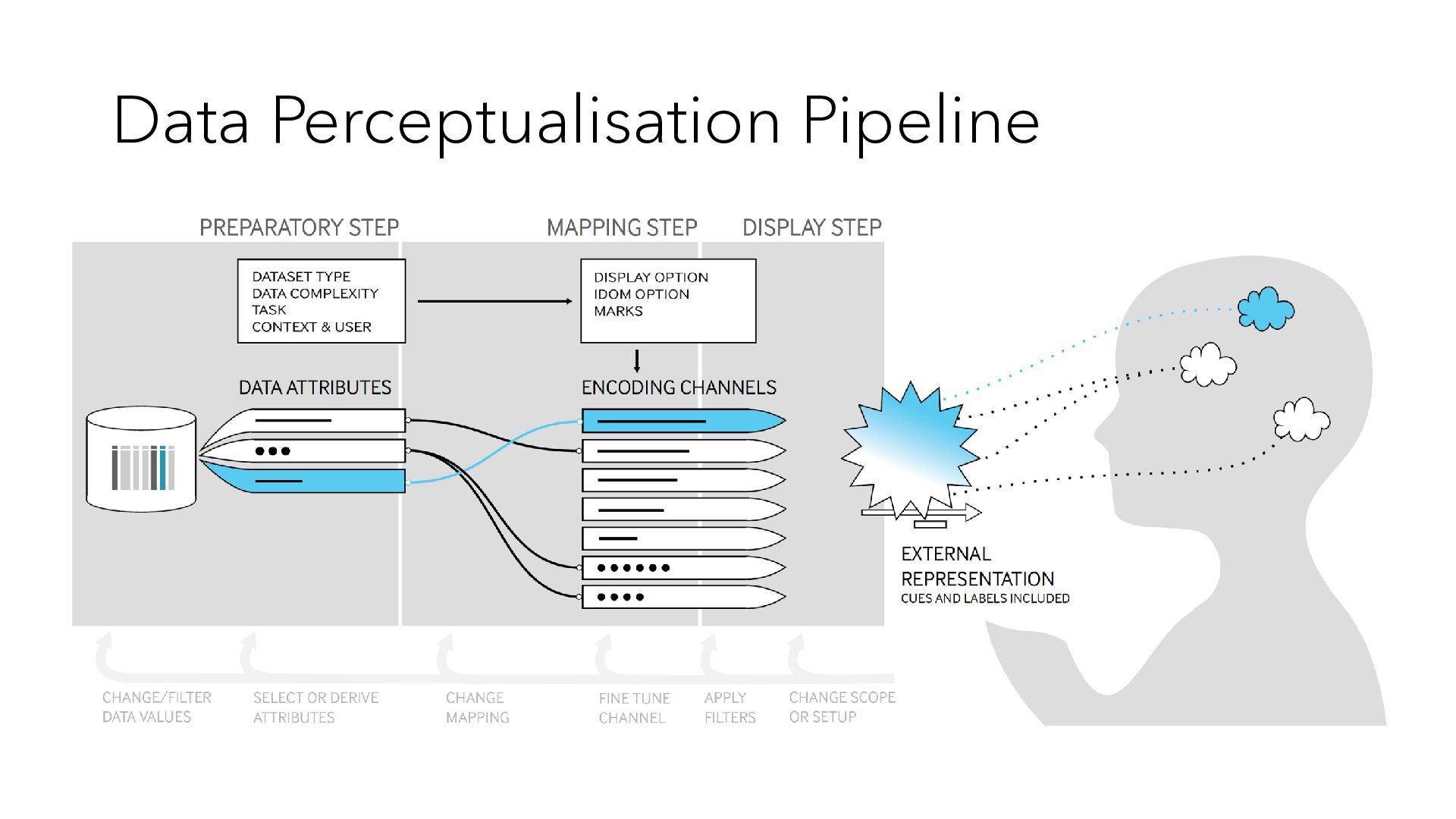
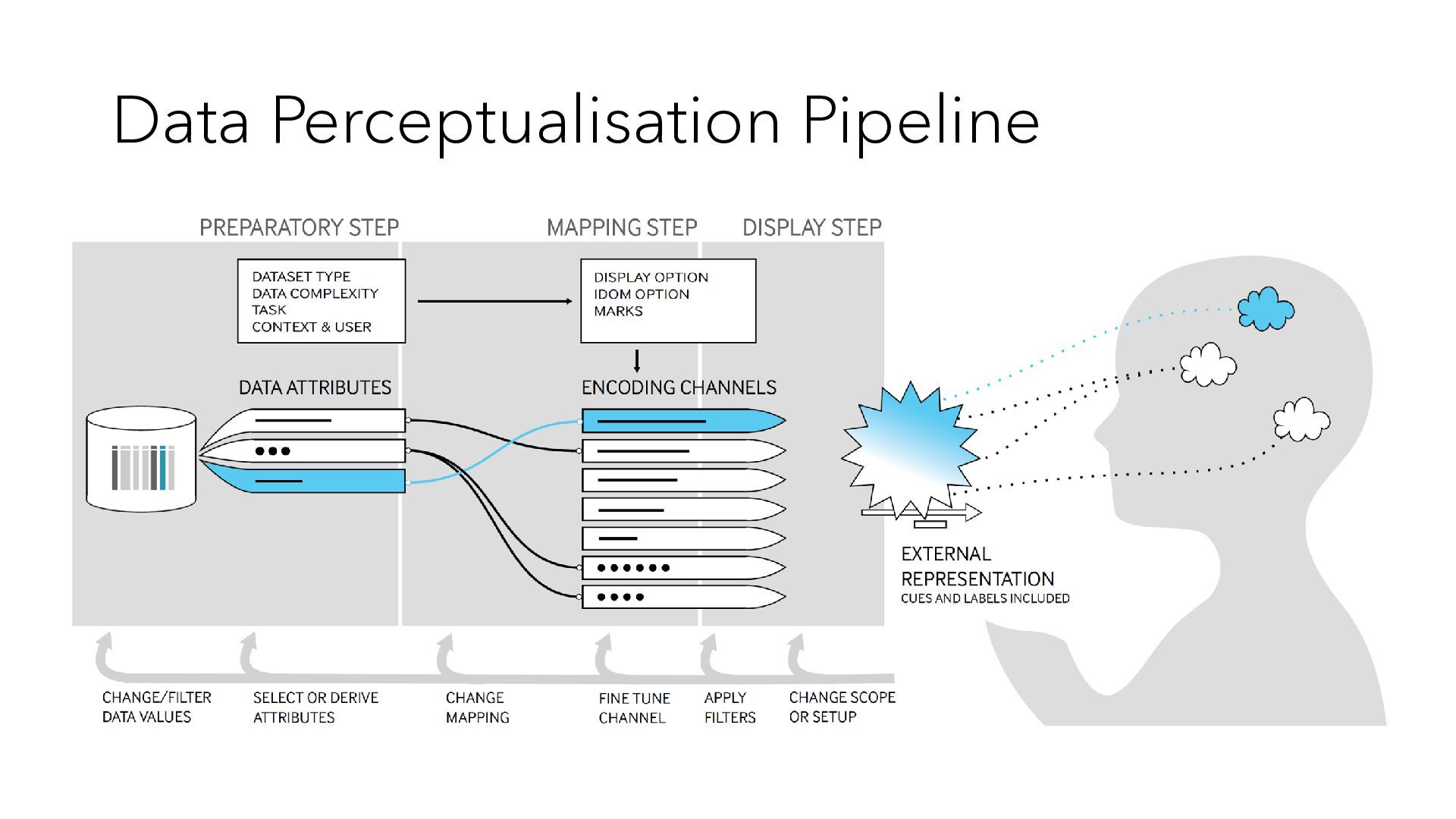
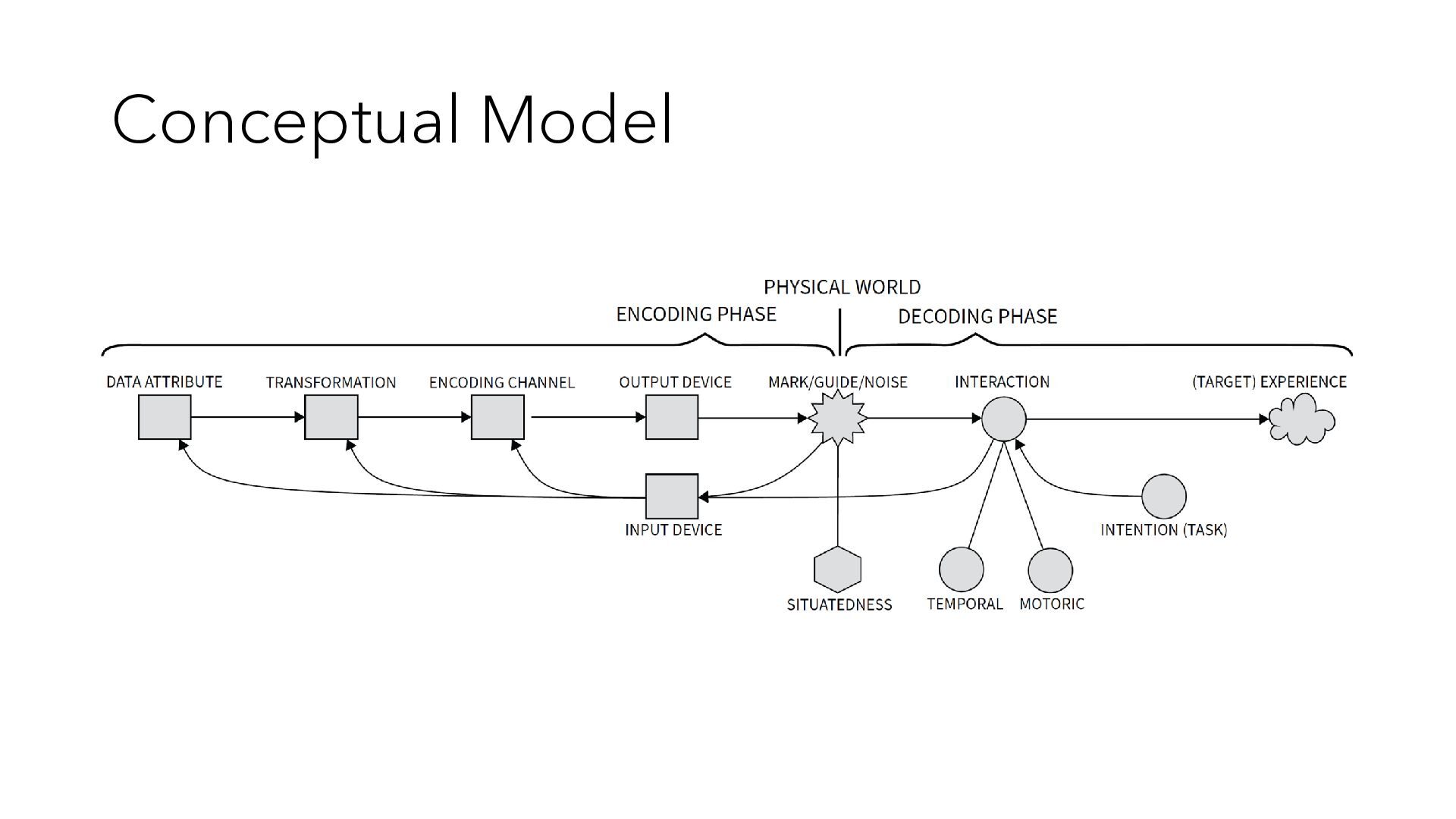
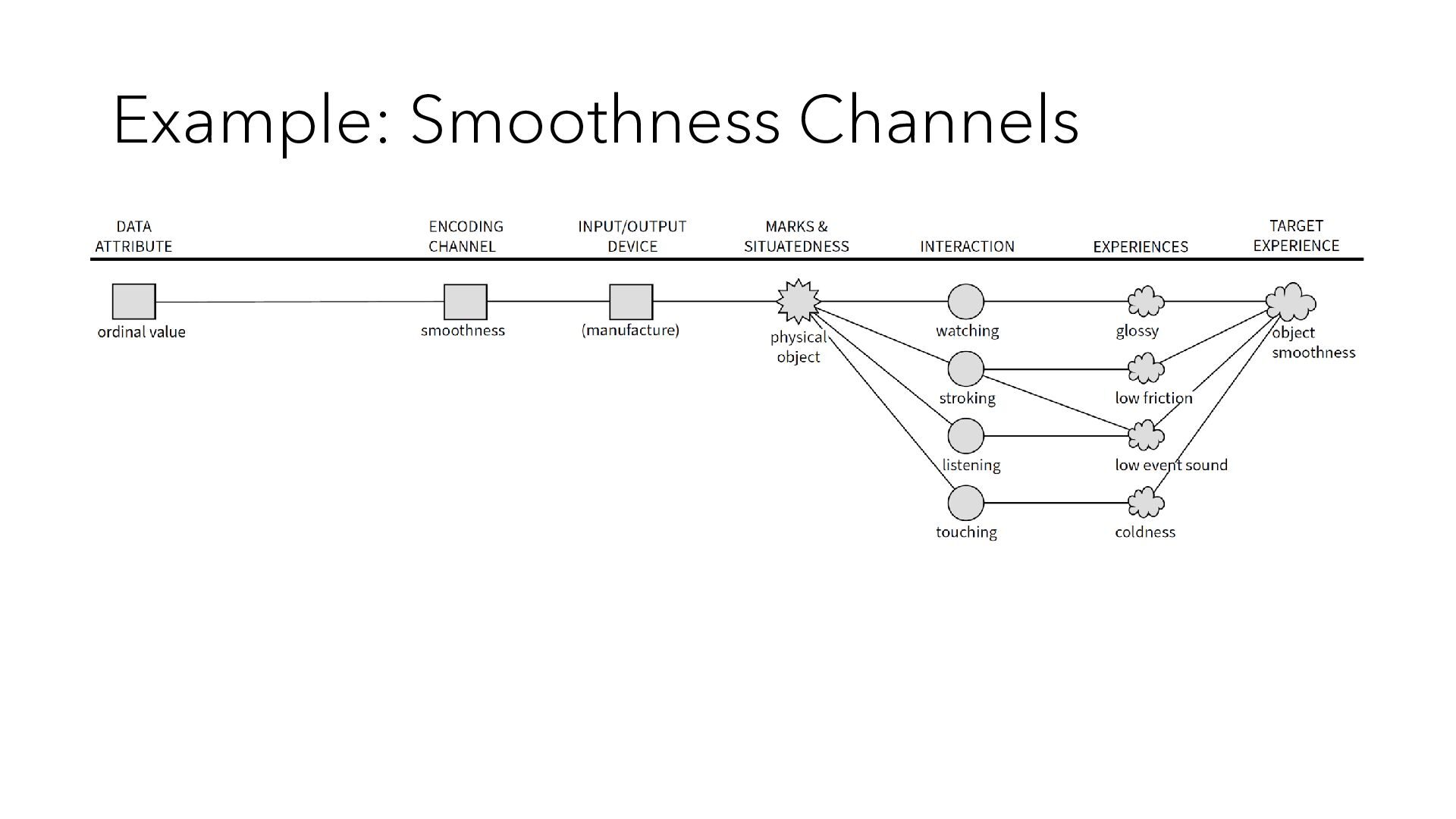
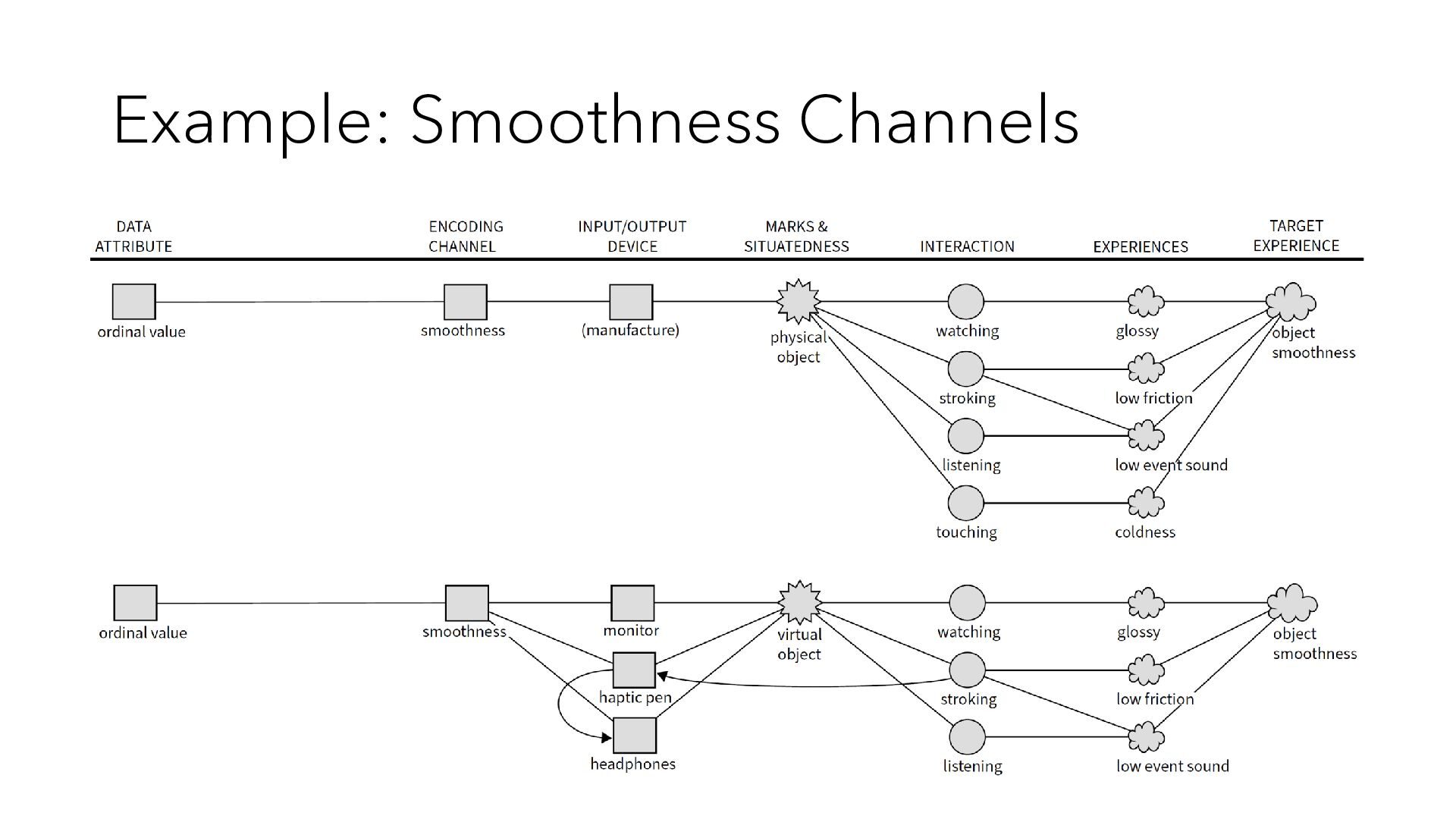
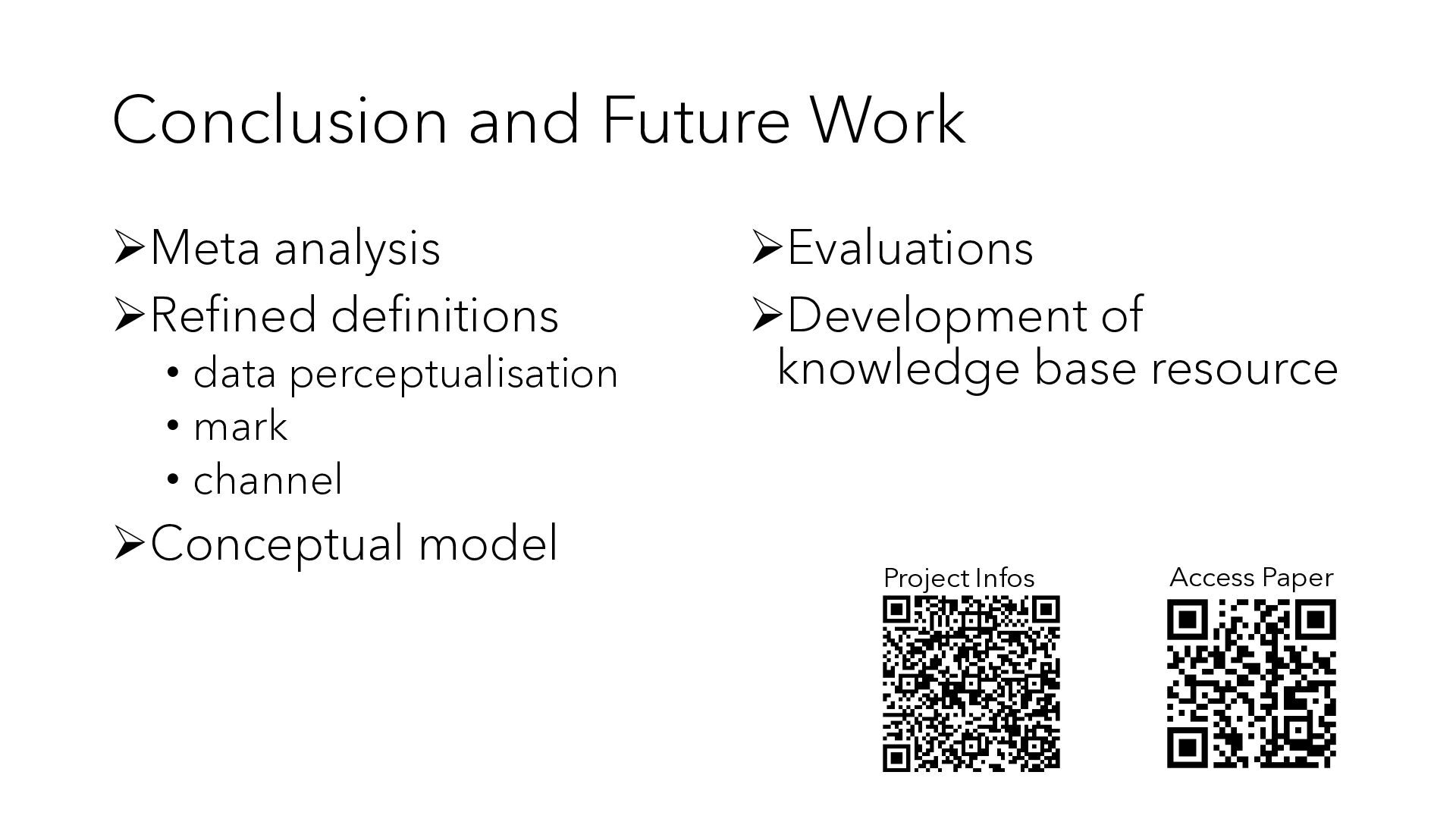
To inform the design of visualisations, sonifications, data physicalisations and other multisensory interfaces, designers and researchers draw on insights, studies, resources and guidelines from a broad range of research disciplines. We have investigated opportunities and challenges of establishing a unified data perceptualisation design theory that fosters interdisciplinary collaboration and knowledge sharing. Therefore, we conducted a meta-analysis of existing subfields and theories, considering both current practices and future visions. To address current shortcomings in defining and documenting related work—issues that hinder accessibility—we present several contributions, including a refined definition of encoding channels, a data perceptualisation pipeline and a conceptual model for representing multisensory data mappings that accounts for situatedness, interaction style, intention and multisensory experience.
Research paper: https://beatsigner.com/publications/towards-a-unifying-and-accessible-data-perceptualisation-design-theory.pdf


 signer
 hisaokatsumi
 nnchiba
 sokikatayama
 afroscript
 institutdelelevage
 ldcn
ldcn
 microbaseinc
 takehaya
 hellosct1
 koide3
 sabderemane
 aleyda
 tapps
tapps
 axbom
axbom
 rmw
rmw
 sstephenson
 kneath
 tenderlove
 tammyeverts
 wjessup
 lara
lara
 ivargrimstad