Share
Embed
Sociovirology
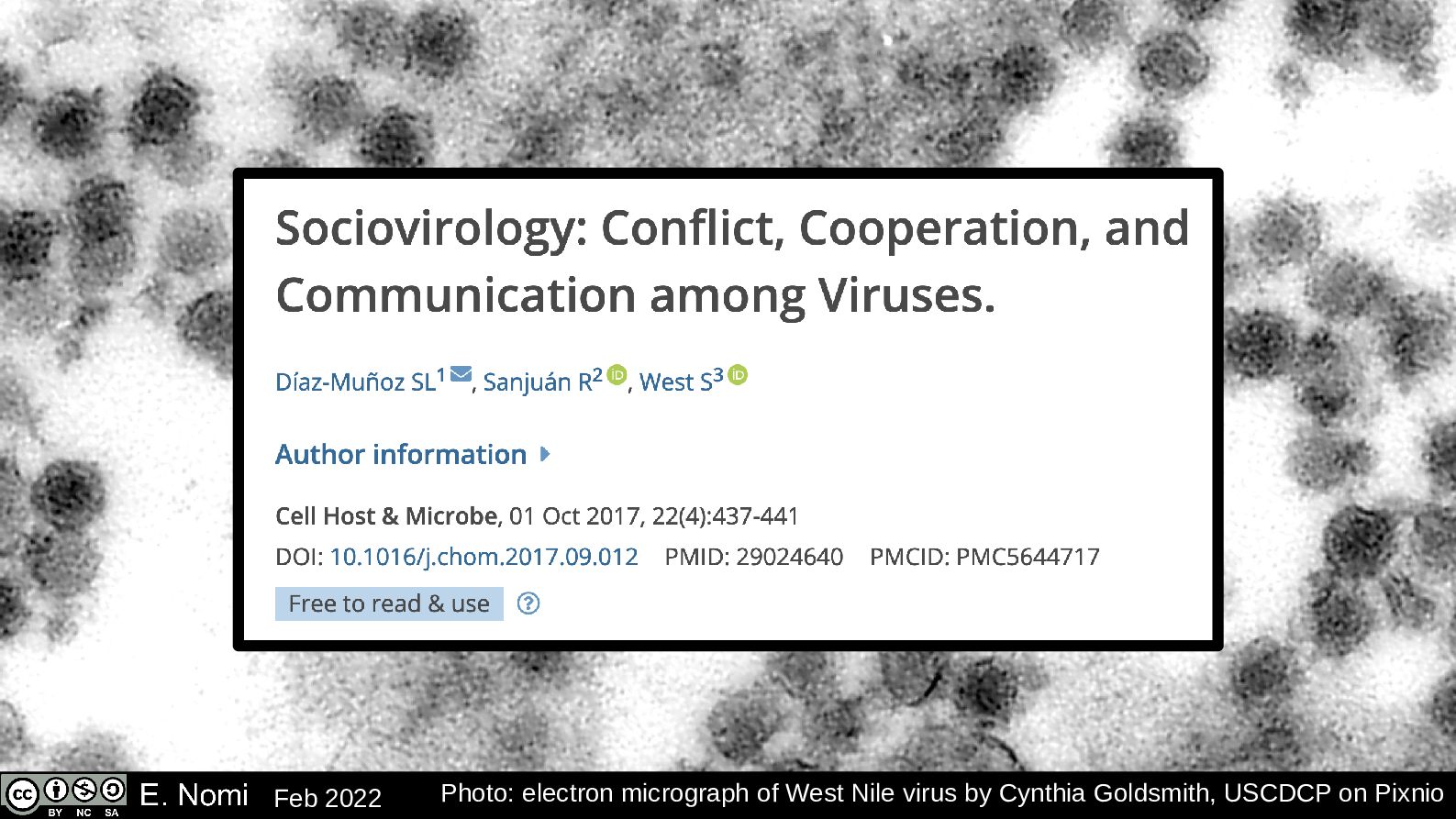
The following presentation is based on this paper, which looked at social interactions between viruses and the application of social evolution theory to observed virus behaviour:
Díaz-Muñoz, S. L., Sanjuán, R., & West, S. (2017). Sociovirology: Conflict, Cooperation, and Communication among Viruses. Cell host & microbe, 22(4), 437–441. https://doi.org/10.1016/j.chom.2017.09.012
Sociovirology © 2022 by U. Nomi vs. Parasites, licensed under CC BY-NC-SA 4.0
U. Nomi vs. Parasites
March 03, 2026
Transcript
38 slides
-
Photo: electron micrograph of West Nile virus by Cynthia Goldsmith,
USCDCP on Pixnio Feb 2022 -
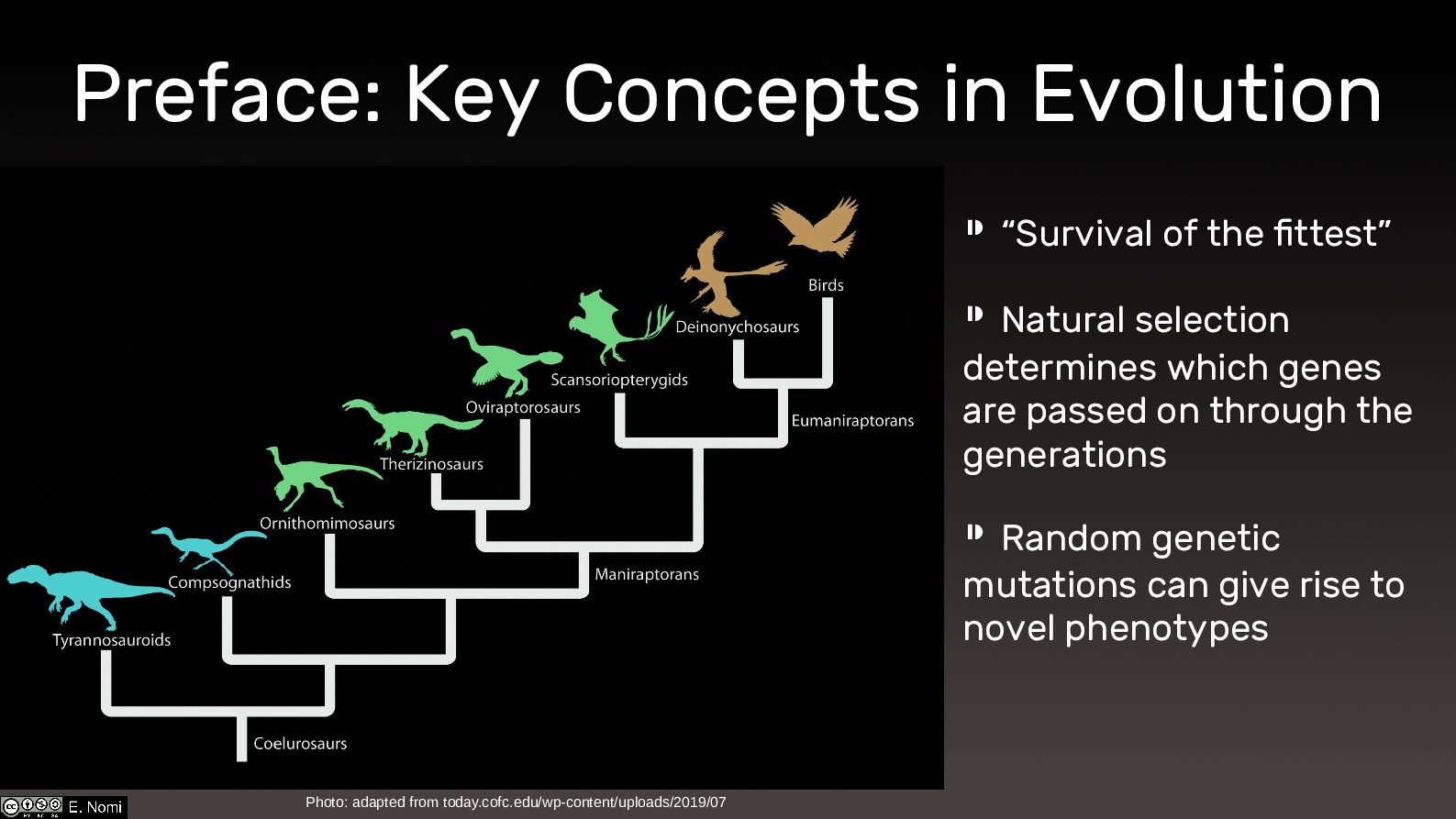
Photo: adapted from today.cofc.edu/wp-content/uploads/2019/07 Preface: Key Concepts in Evolution ⁍
“Survival of the fittest” ⁍ Natural selection determines which genes are passed on through the generations ⁍ Random genetic mutations can give rise to novel phenotypes -
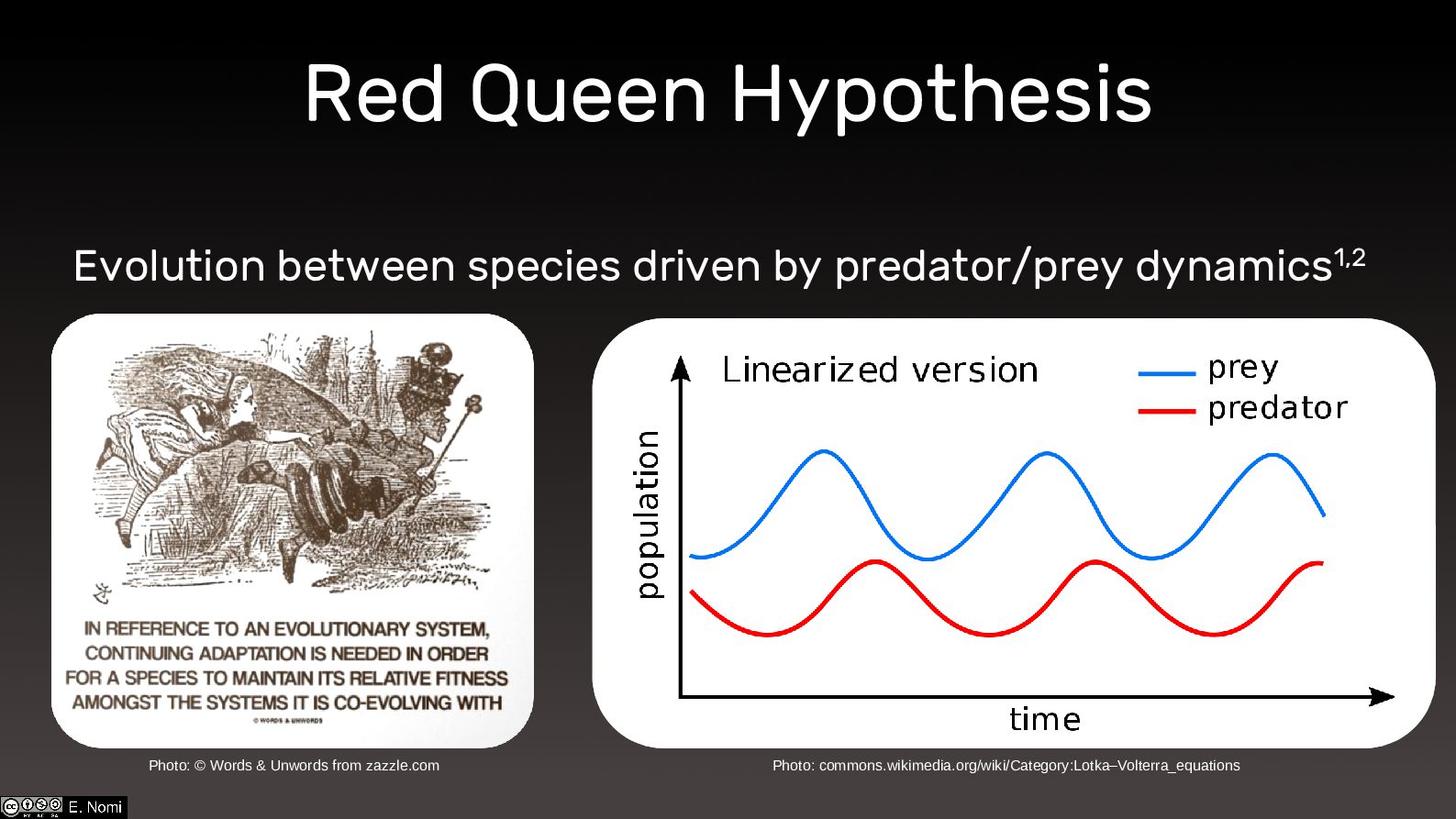
Red Queen Hypothesis Photo: commons.wikimedia.org/wiki/Category:Lotka–Volterra_equations Evolution between species driven by
predator/prey dynamics1,2 Photo: © Words & Unwords from zazzle.com -
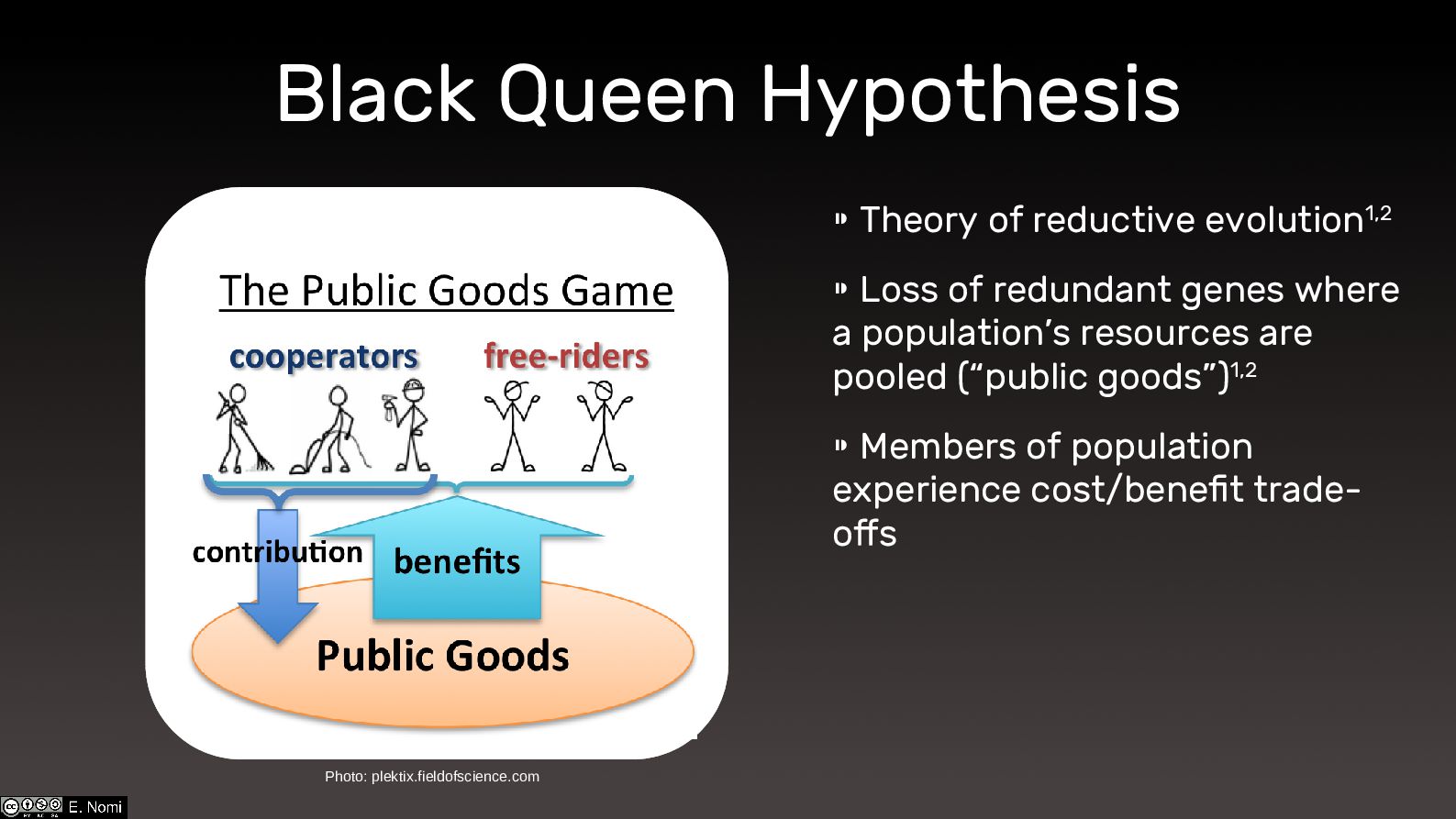
Black Queen Hypothesis ⁍ Theory of reductive evolution1,2 ⁍ Loss
of redundant genes where a population’s resources are pooled (“public goods”)1,2 ⁍ Members of population experience cost/benefit trade- offs Photo: plektix.fieldofscience.com -
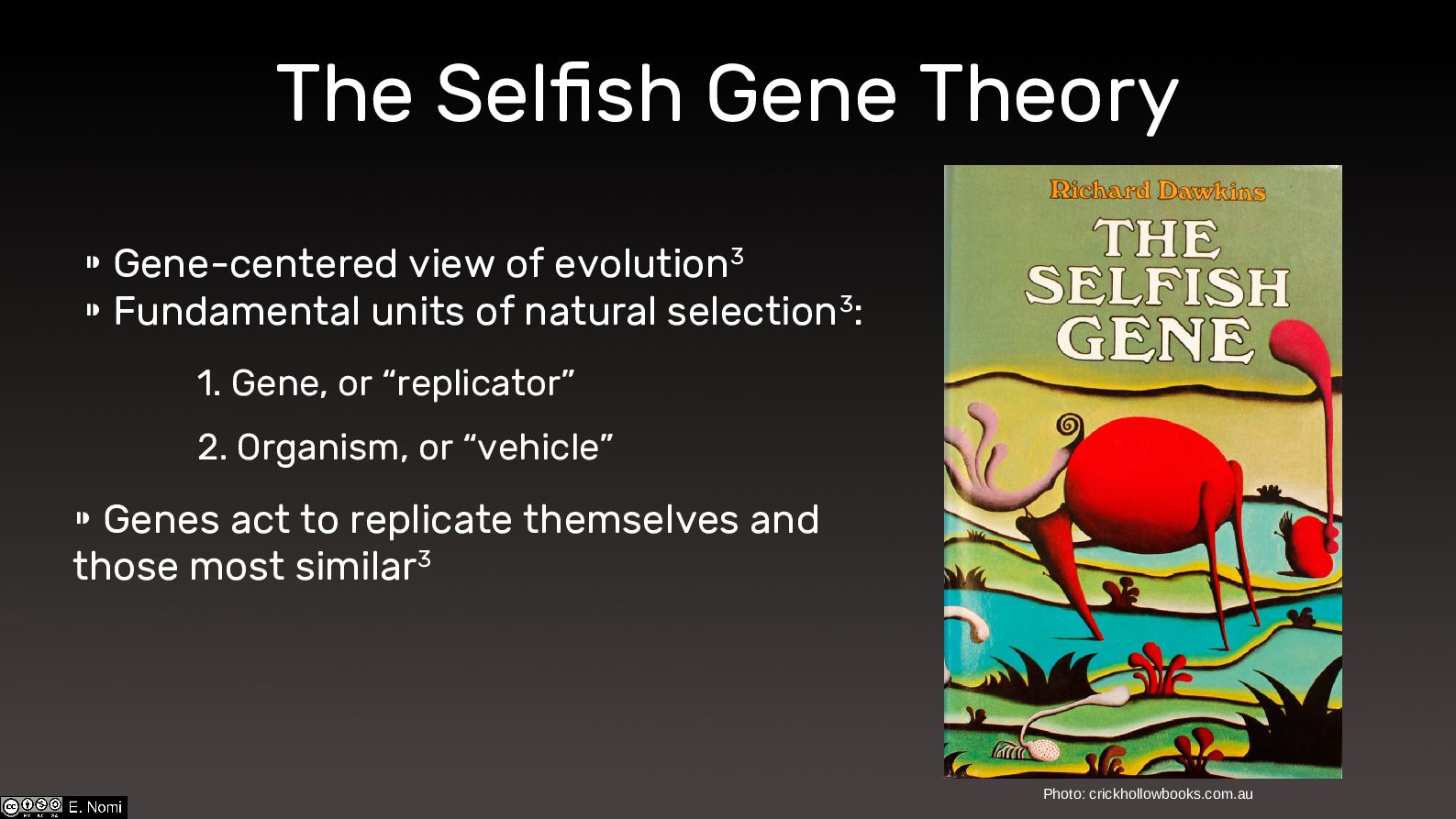
⁍ Gene-centered view of evolution3 ⁍ Fundamental units of natural
selection3: 1. Gene, or “replicator” 2. Organism, or “vehicle” ⁍ Genes act to replicate themselves and those most similar3 The Selfish Gene Theory Photo: crickhollowbooks.com.au -
Social Evolution Theory ⁍ Originally developed to explain animal behavior
⁍ Explains social behavior in terms of evolution4 ⁍ Can be applied to microorganisms4 Photo: “Sociobiology: The New Synthesis.” Wilson, Edward O. Cambridge MA: Belknap Press of Harvard University Press, 1975. Accessed from raptisrarebooks.com. -
Social Evolution Theory Photo: “Sociobiology: The New Synthesis.” Wilson, Edward
O. Cambridge MA: Belknap Press of Harvard University Press, 1975. Accessed from raptisrarebooks.com. ⁍ Cooperative traits that benefit others are favored by natural selection if they benefit the fitness of the individual performing them5. ⁍ Cooperative traits cannot evolve merely by providing a benefit to a population5. -
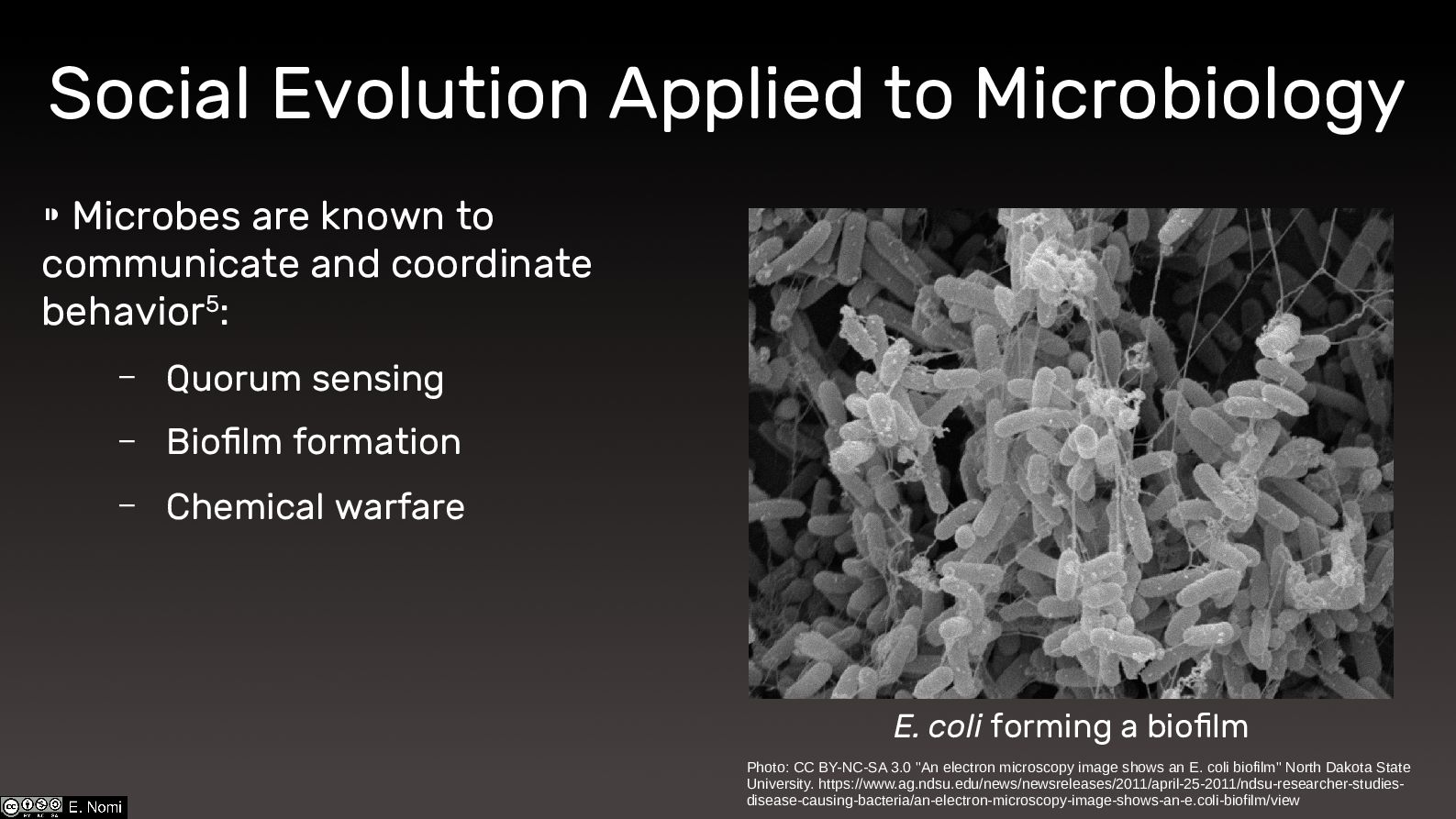
⁍ Microbes are known to communicate and coordinate behavior5: –
Quorum sensing – Biofilm formation – Chemical warfare Social Evolution Applied to Microbiology Photo: CC BY-NC-SA 3.0 "An electron microscopy image shows an E. coli biofilm" North Dakota State University. https://www.ag.ndsu.edu/news/newsreleases/2011/april-25-2011/ndsu-researcher-studies- disease-causing-bacteria/an-electron-microscopy-image-shows-an-e.coli-biofilm/view E. coli forming a biofilm -
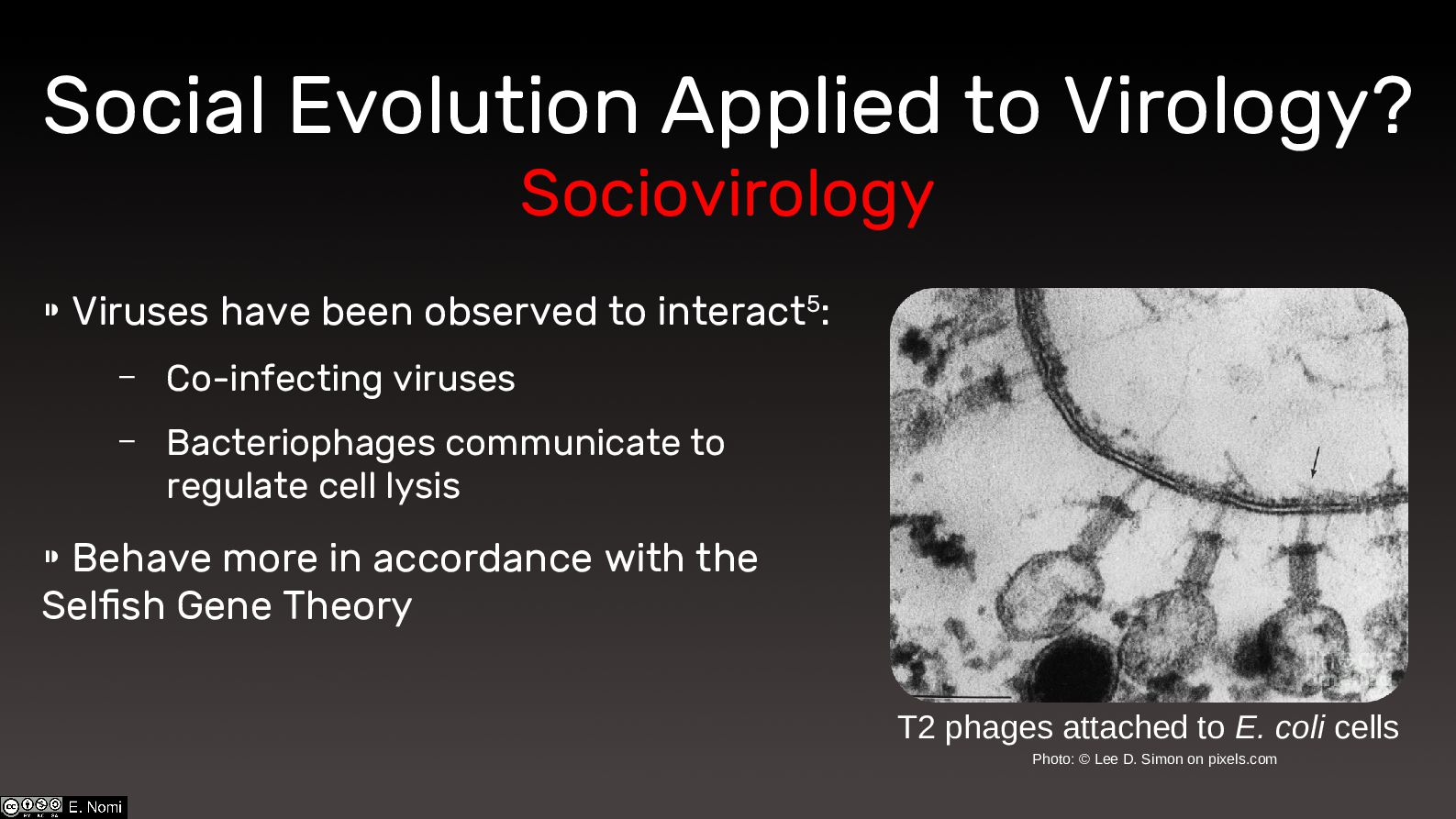
⁍ Viruses have been observed to interact5: – Co-infecting viruses
– Bacteriophages communicate to regulate cell lysis ⁍ Behave more in accordance with the Selfish Gene Theory Social Evolution Applied to Virology ? Sociovirology T2 phages attached to E. coli cells Photo: © Lee D. Simon on pixels.com -
Sociovirology “ ⁍ Socio-” implies: – Anthropomorphic – Personal motives
– Political motives Photo: vecteezy.com -
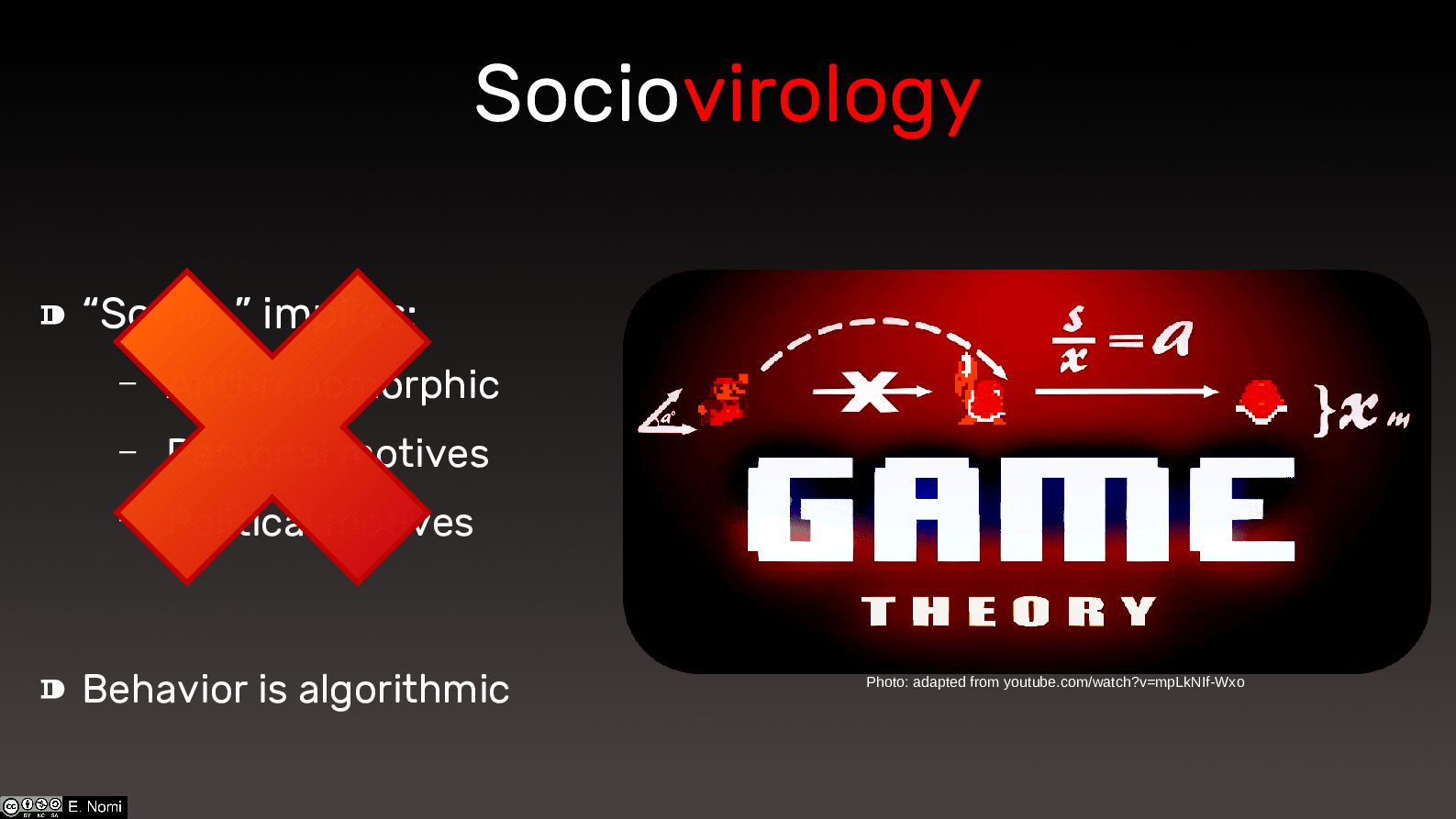
“ ⁍ Socio-” implies: – Anthropomorphic – Personal motives –
Political motives Sociovirology ⁍ Behavior is algorithmic Photo: adapted from youtube.com/watch?v=mpLkNIf-Wxo -
Sociovirology ⁍ Arguably, viruses aren’t even alive6 – Replicates only
within living cells by pirating cellular machinery – Principal biological function is to replicate Photo: adapted from youtube.com/watch?v=mpLkNIf-Wxo -
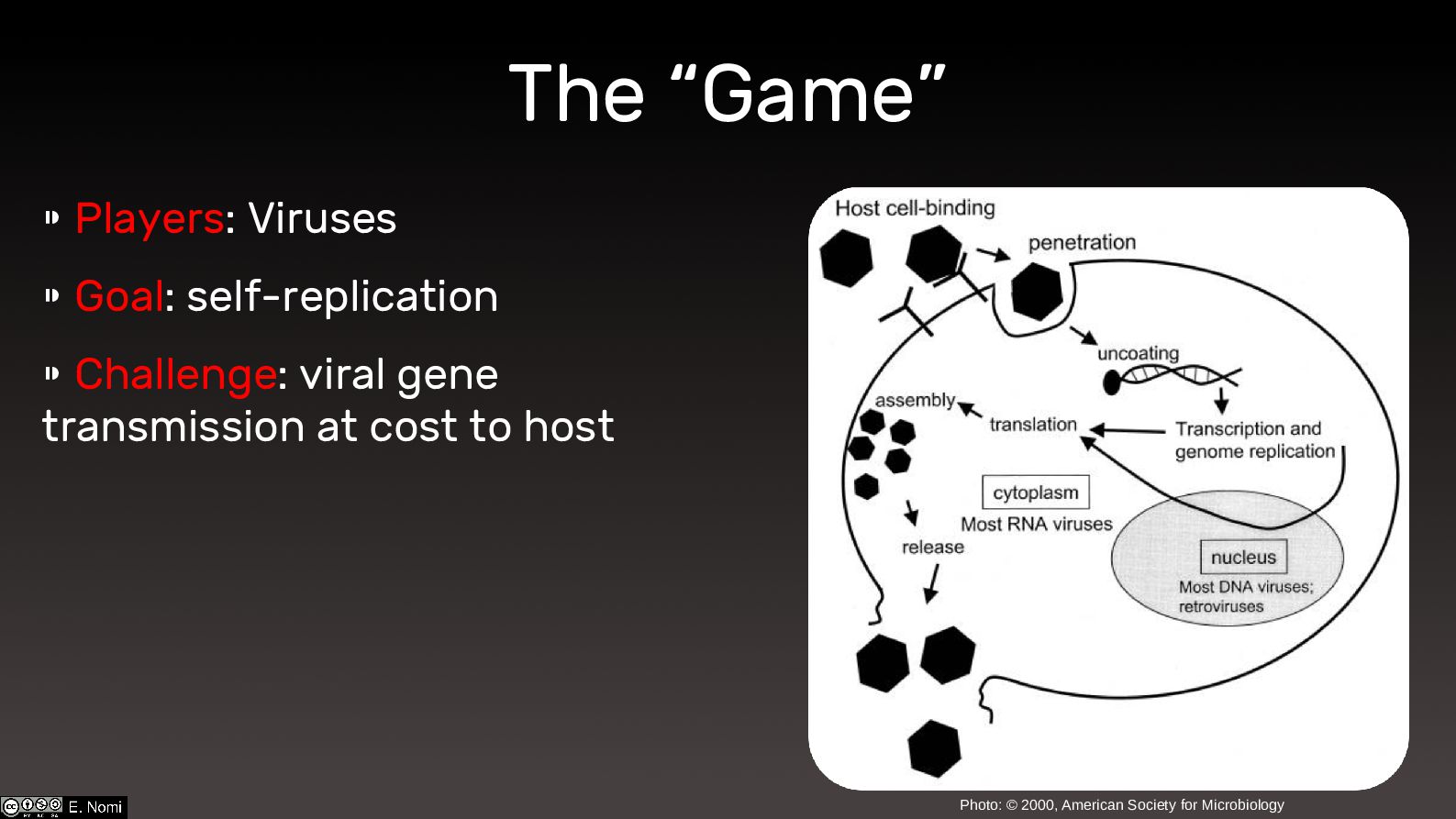
⁍ Players: Viruses ⁍ Goal: self-replication ⁍ Challenge: viral gene
transmission at cost to host The “Game” Photo: © 2000, American Society for Microbiology -
Photo: electron micrograph of hepatitis by USCDCP on Pixnio And
now, onto the article -
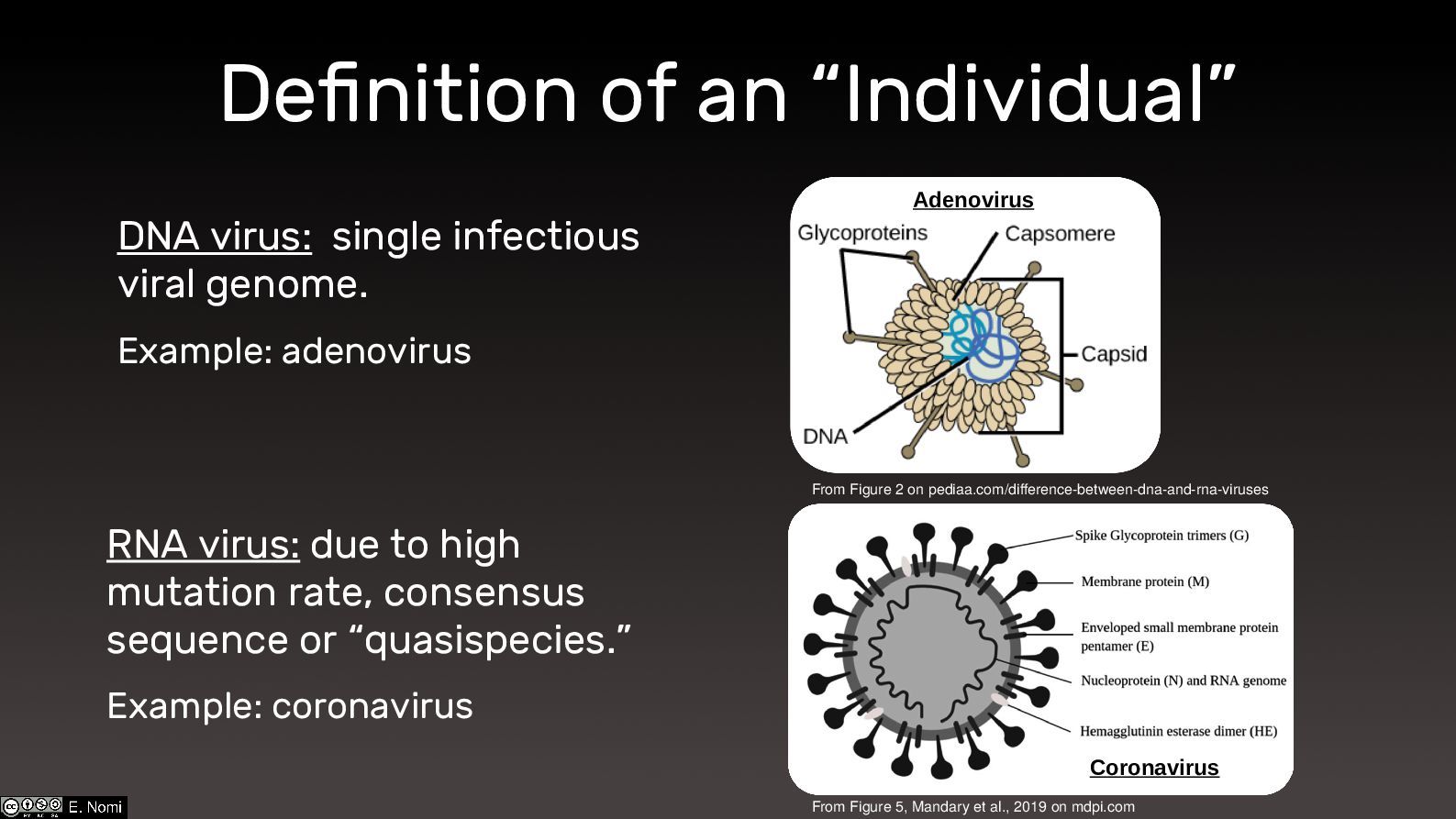
Definition of an “Individual” DNA virus: single infectious viral genome.
Example: adenovirus RNA virus: due to high mutation rate, consensus sequence or “quasispecies.” Example: coronavirus Coronavirus From Figure 2 on pediaa.com/difference-between-dna-and-rna-viruses From Figure 5, Mandary et al., 2019 on mdpi.com Adenovirus -
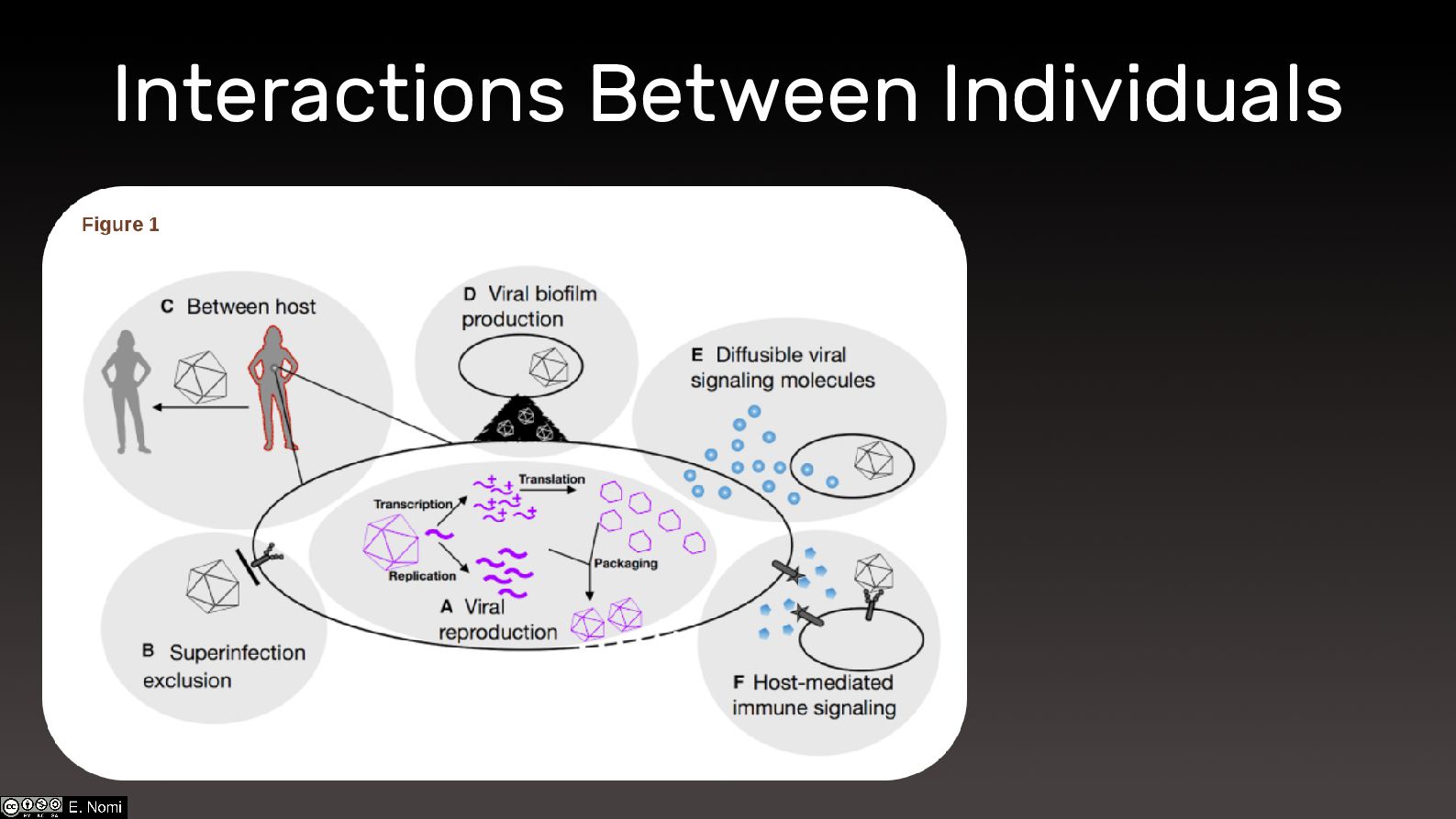
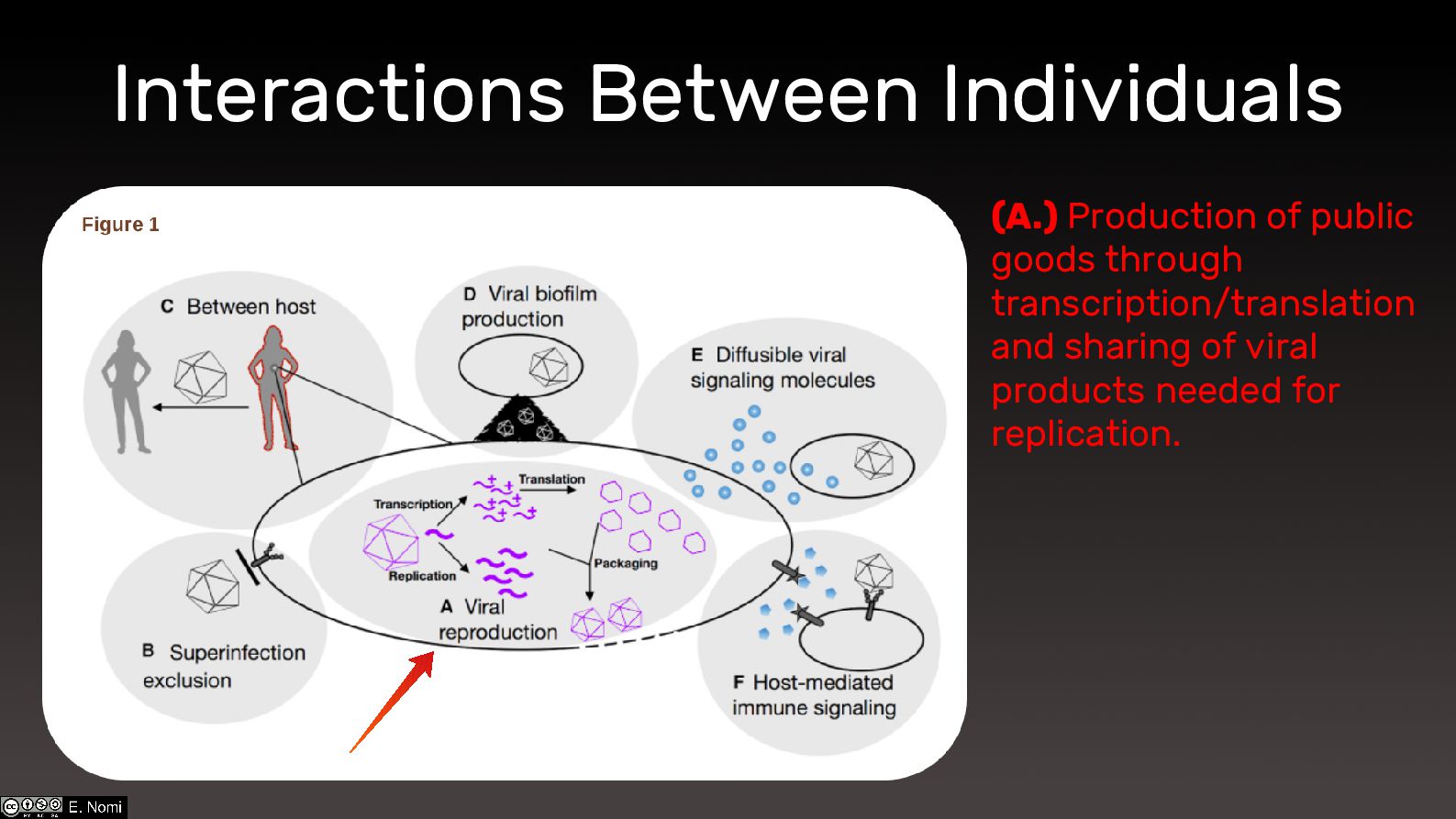
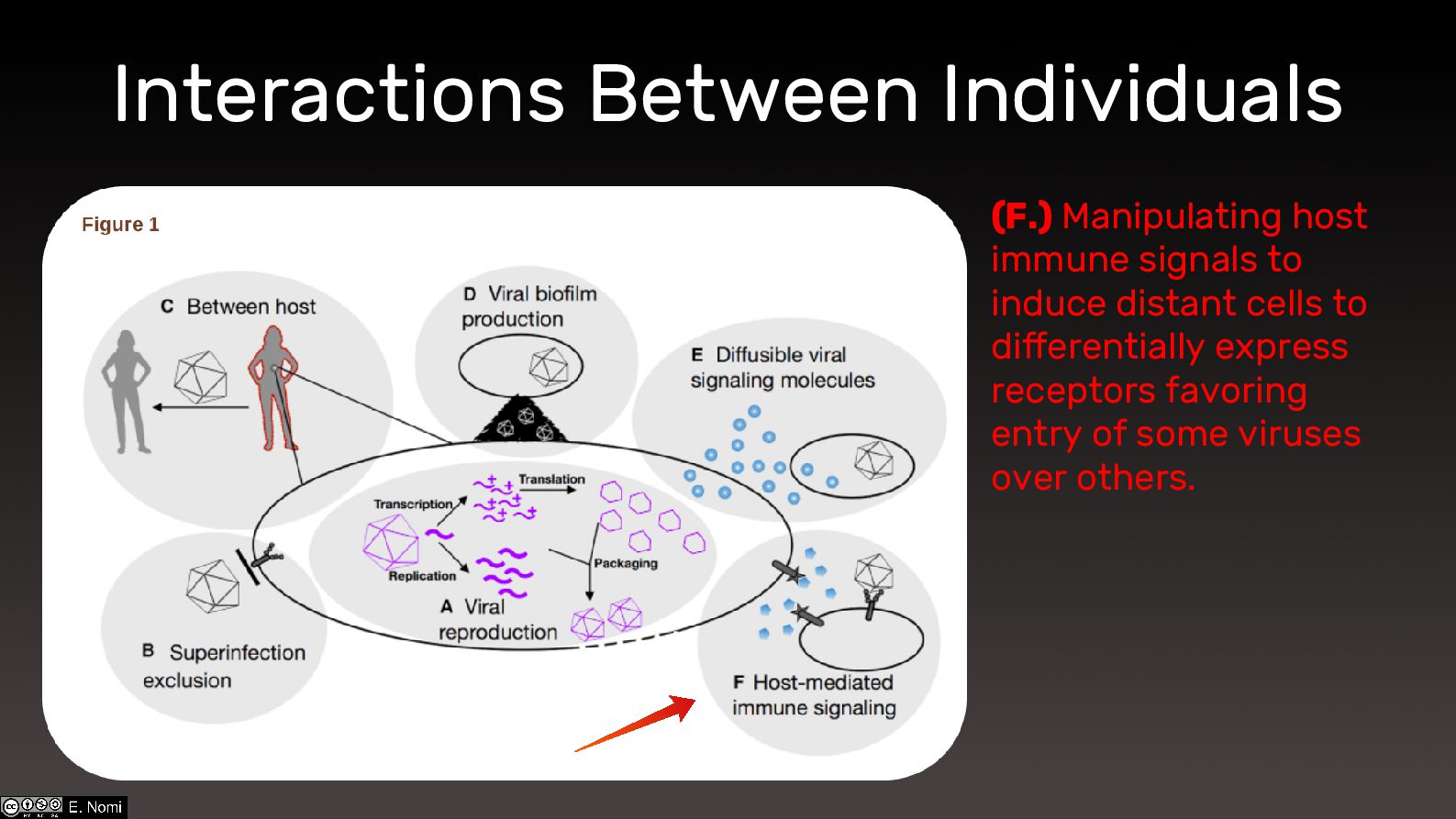
(A.) Production of public goods through transcription/translation and sharing of
viral products needed for replication. Interactions Between Individuals -
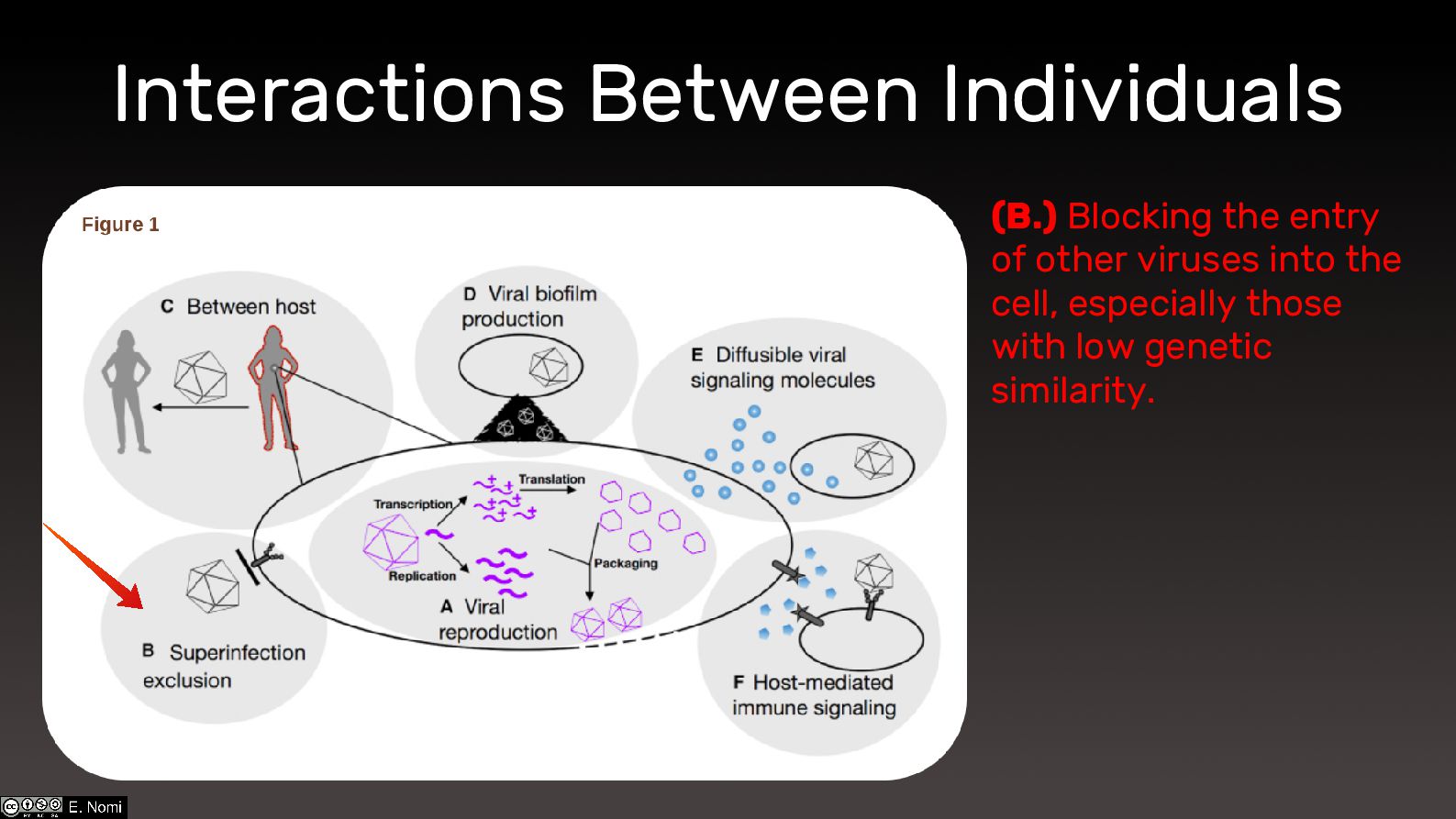
(B.) Blocking the entry of other viruses into the cell,
especially those with low genetic similarity. Interactions Between Individuals -
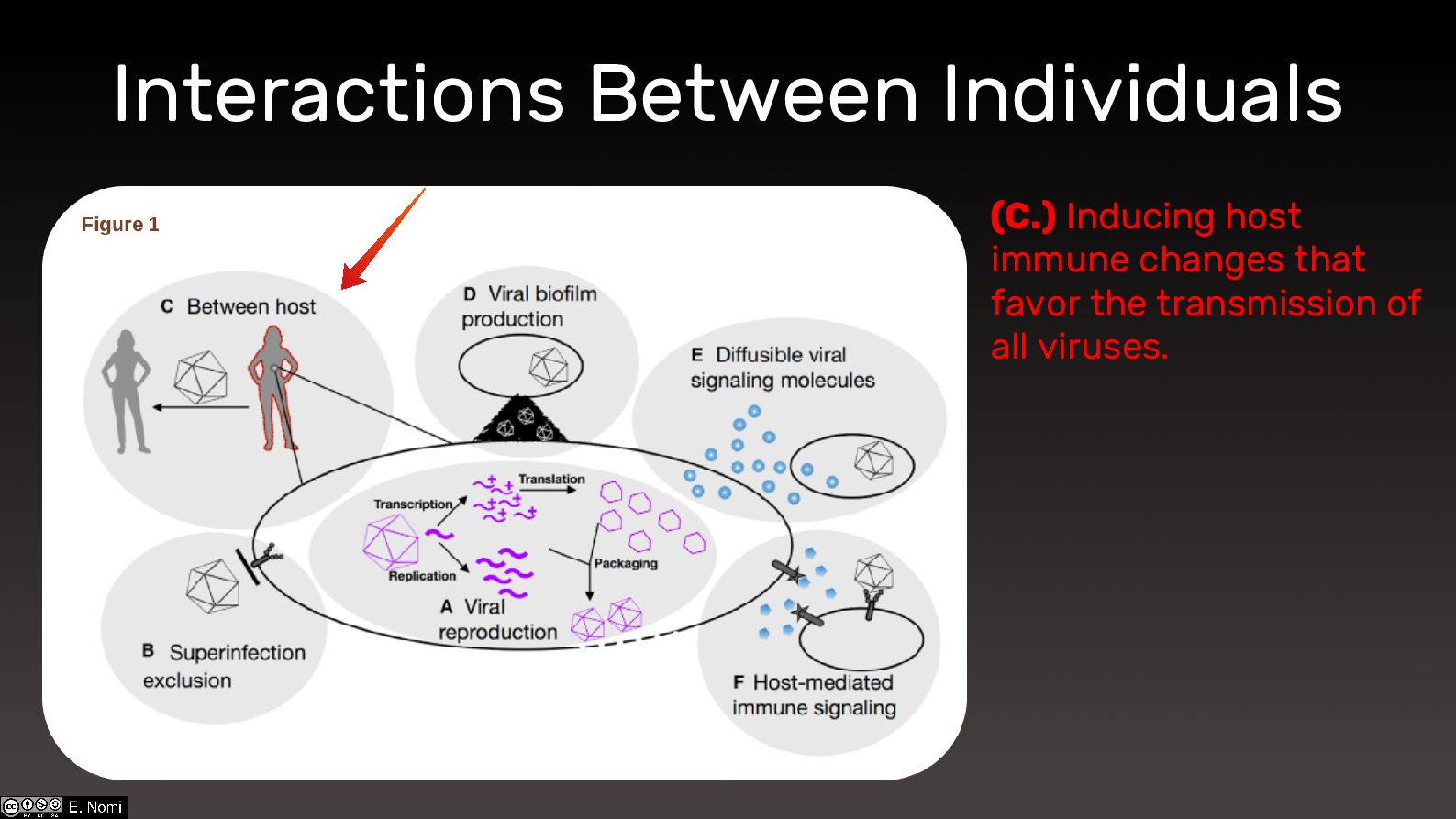
(C.) Inducing host immune changes that favor the transmission of
all viruses. Interactions Between Individuals -
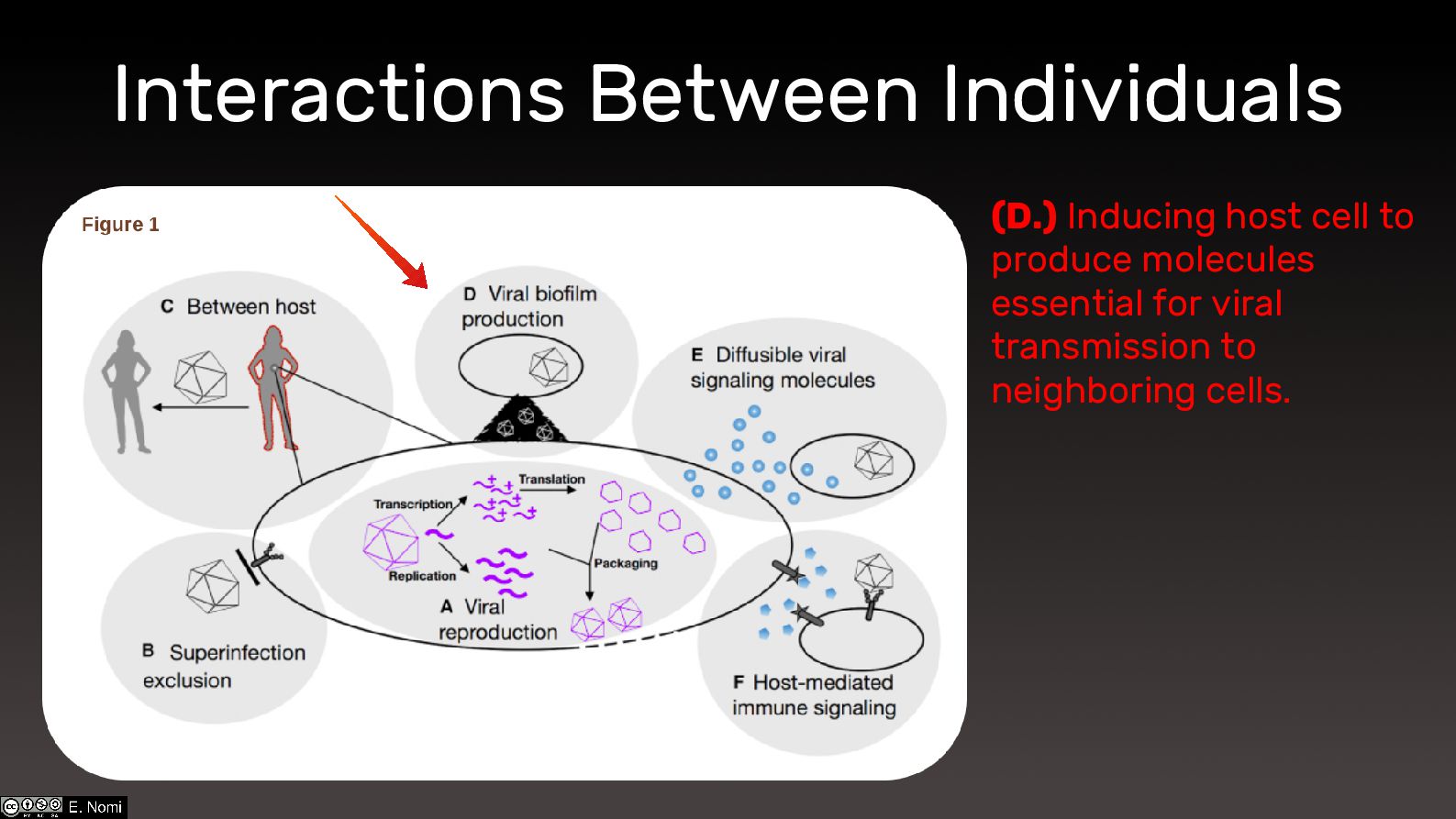
(D.) Inducing host cell to produce molecules essential for viral
transmission to neighboring cells. Interactions Between Individuals -
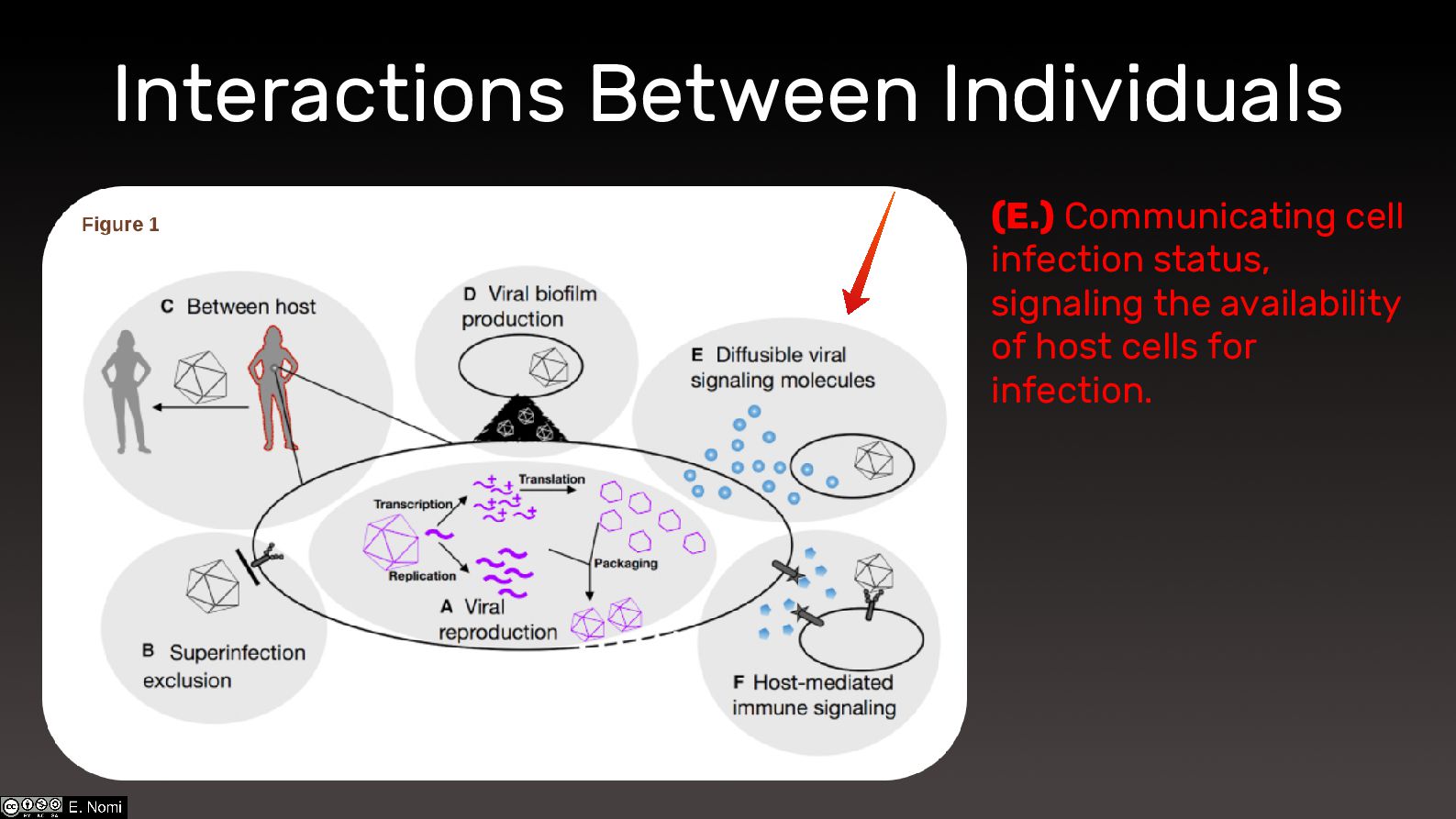
(E.) Communicating cell infection status, signaling the availability of host
cells for infection. Interactions Between Individuals -
(F.) Manipulating host immune signals to induce distant cells to
differentially express receptors favoring entry of some viruses over others. Interactions Between Individuals -
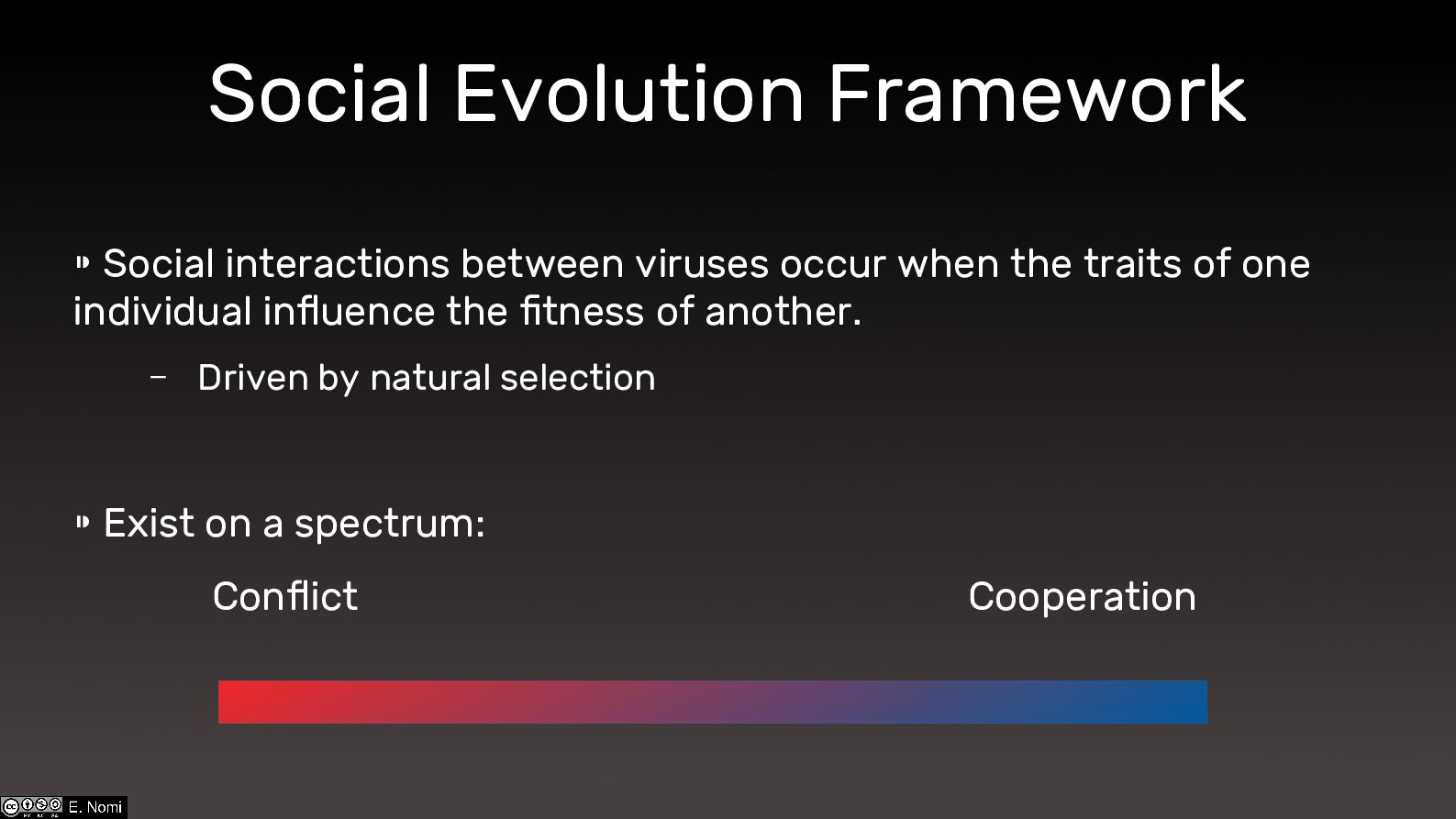
Social Evolution Framework ⁍ Social interactions between viruses occur when
the traits of one individual influence the fitness of another. – Driven by natural selection ⁍ Exist on a spectrum: Conflict Cooperation -
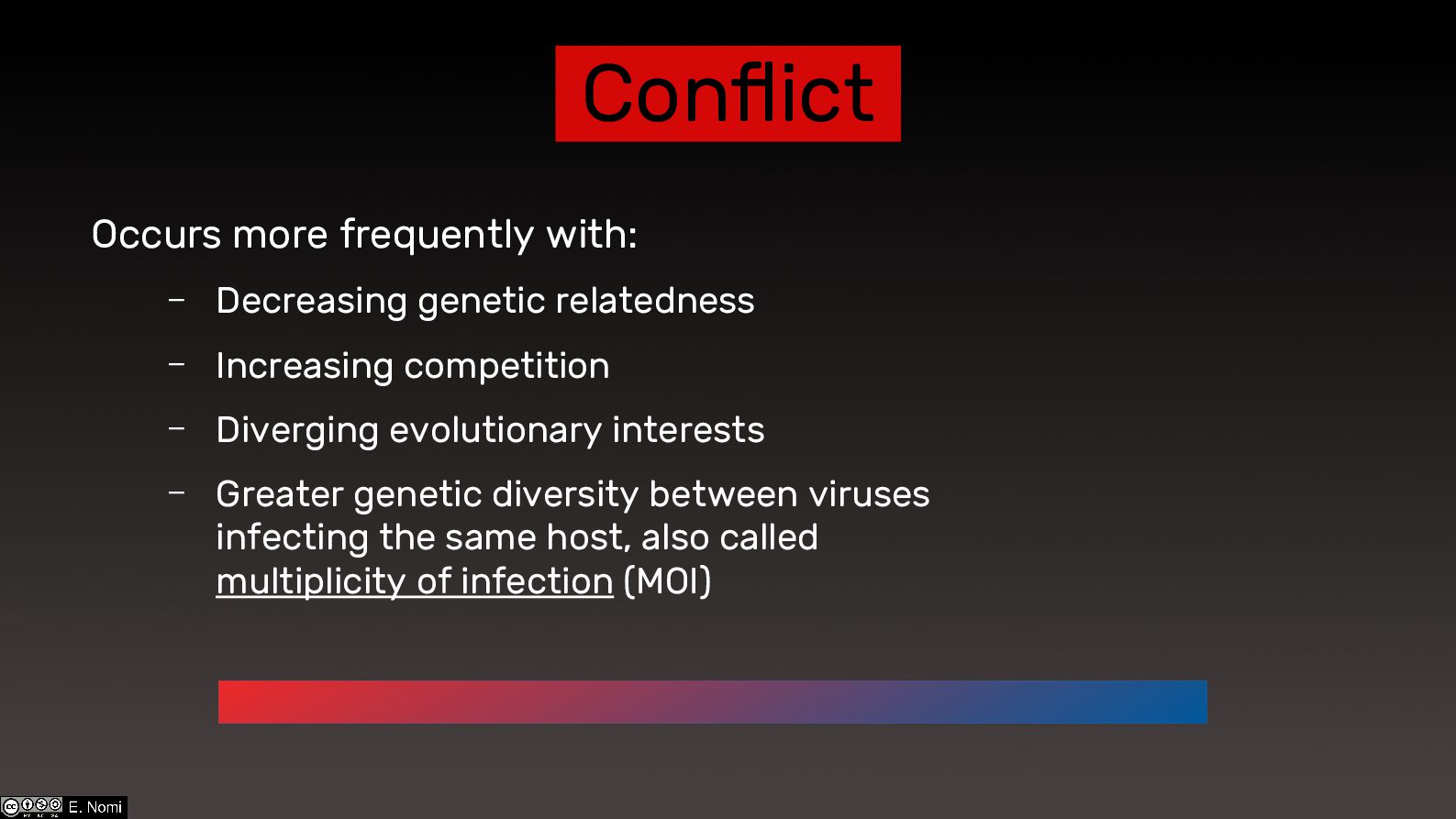
Conflict Occurs more frequently with: – Decreasing genetic relatedness –
Increasing competition – Diverging evolutionary interests – Greater genetic diversity between viruses infecting the same host, also called multiplicity of infection (MOI) -
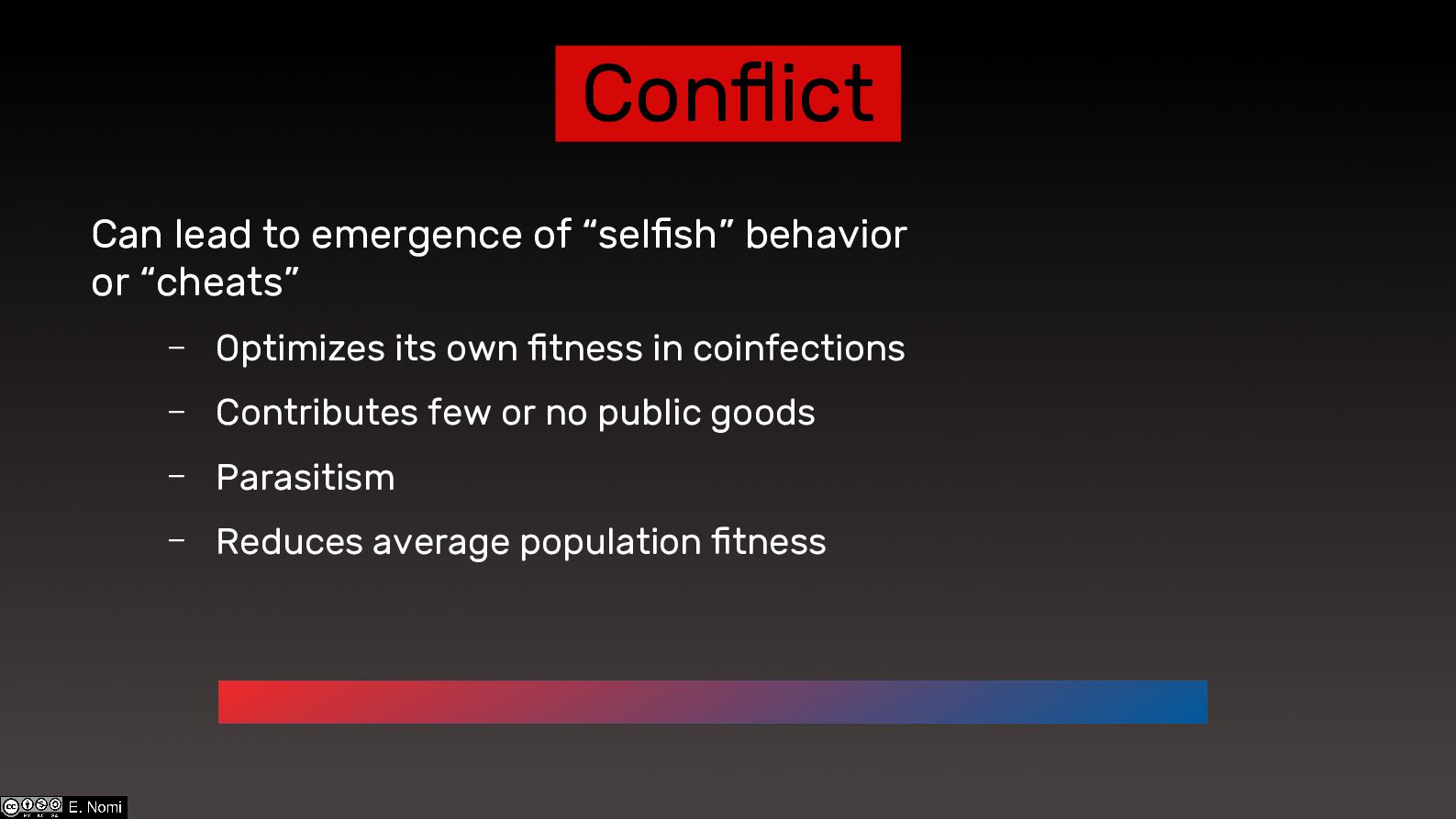
Conflict Can lead to emergence of “selfish” behavior or “cheats”
– Optimizes its own fitness in coinfections – Contributes few or no public goods – Parasitism – Reduces average population fitness -
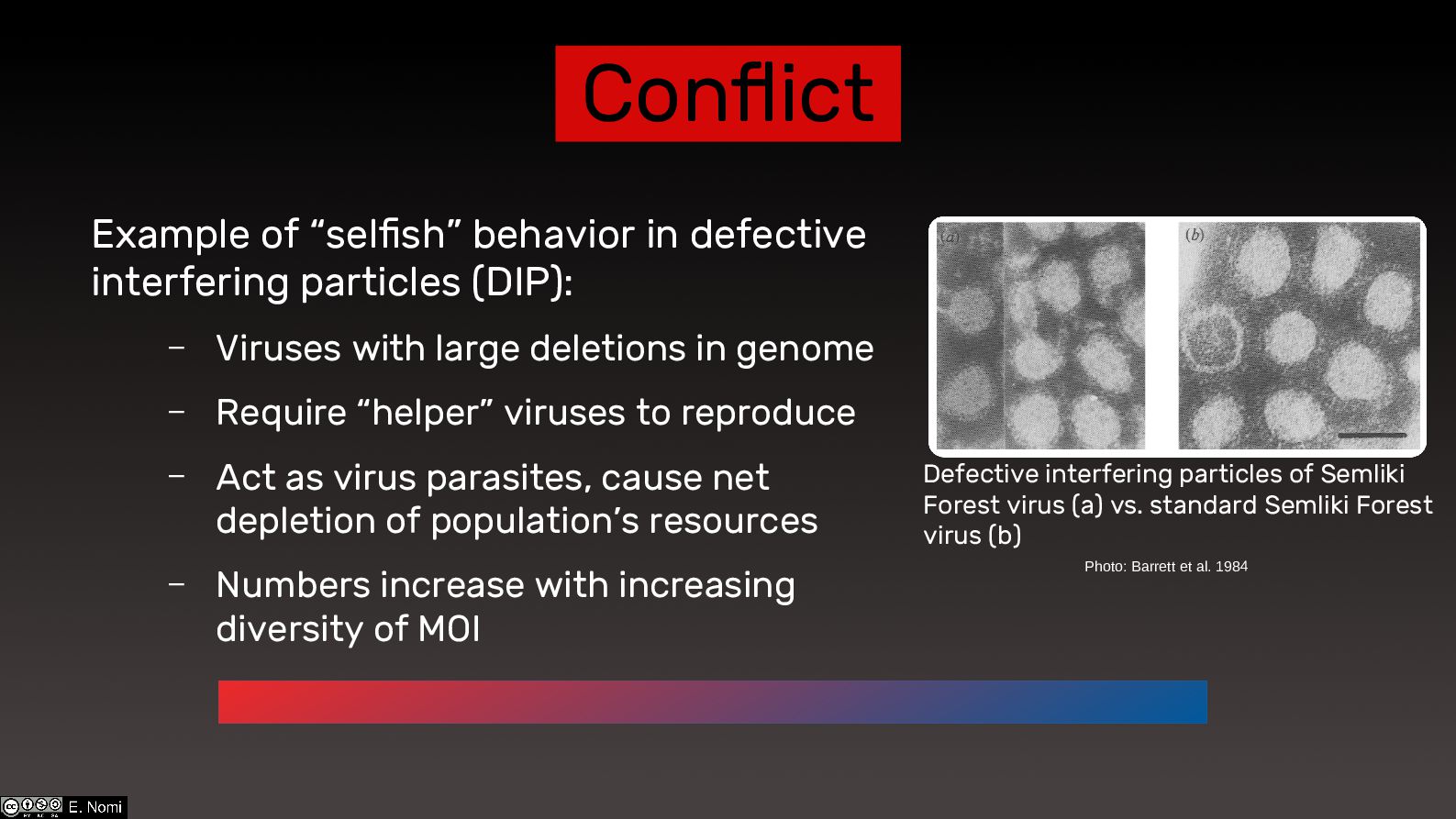
Conflict Example of “selfish” behavior in defective interfering particles (DIP):
– Viruses with large deletions in genome – Require “helper” viruses to reproduce – Act as virus parasites, cause net depletion of population’s resources – Numbers increase with increasing diversity of MOI Defective interfering particles of Semliki Forest virus (a) vs. standard Semliki Forest virus (b) Photo: Barrett et al. 1984 -
Cooperation Occurs more frequently with: – Increasing genetic relatedness (kin
selection) – Decreasing competition – Shared interests – Mutual compensation for genetic defects (genetic complementation) -
Cooperation Can lead to emergence of “heterotypic cooperation” – Mutually
beneficial cooperation between genetically distinct individuals – Overall population fitness increases with higher incidence of cooperation – Found in viruses that act as co- infections, such as influenza viruses -
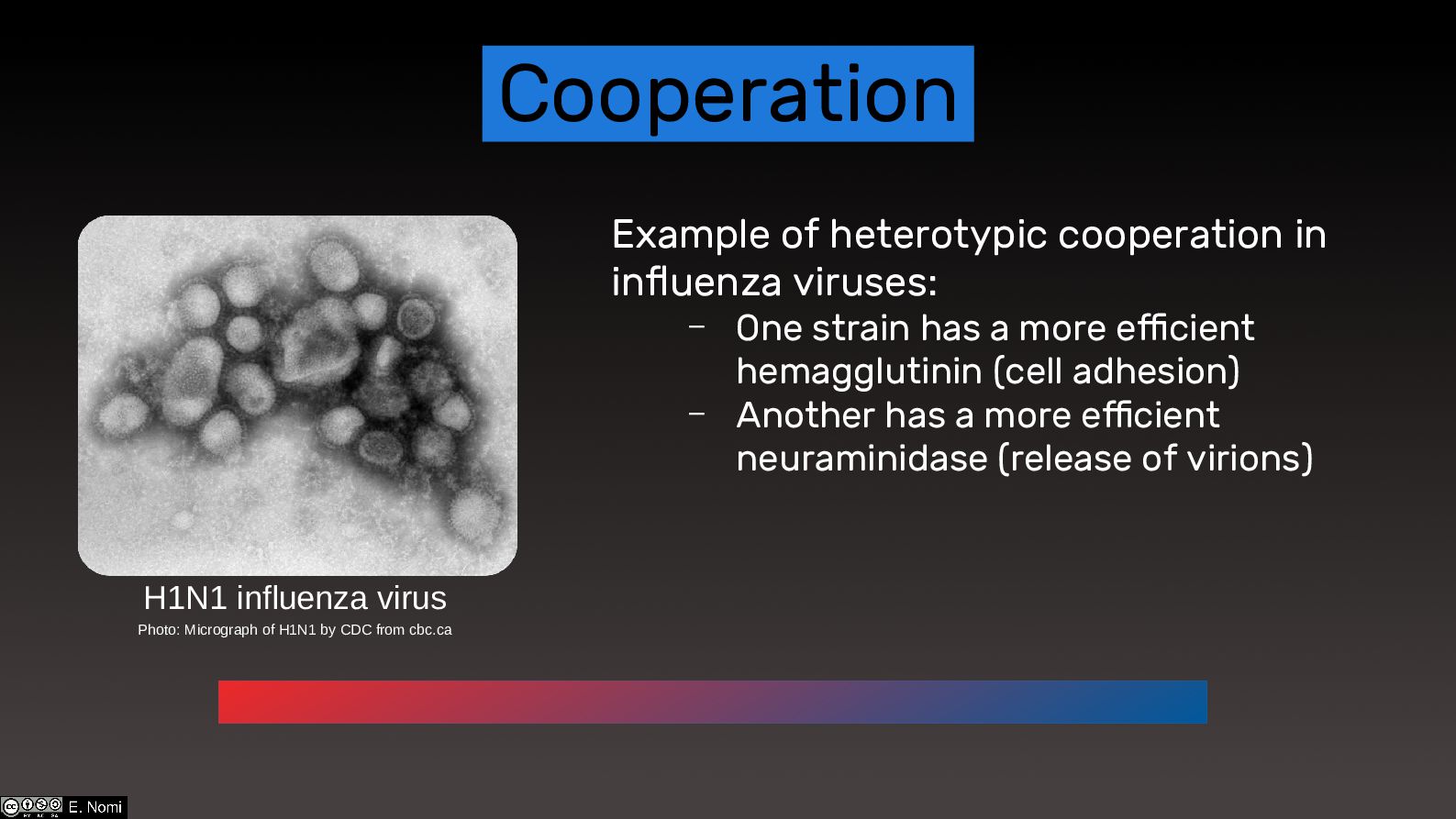
Cooperation Example of heterotypic cooperation in influenza viruses: – One
strain has a more efficient hemagglutinin (cell adhesion) – Another has a more efficient neuraminidase (release of virions) H1N1 influenza virus Photo: Micrograph of H1N1 by CDC from cbc.ca -
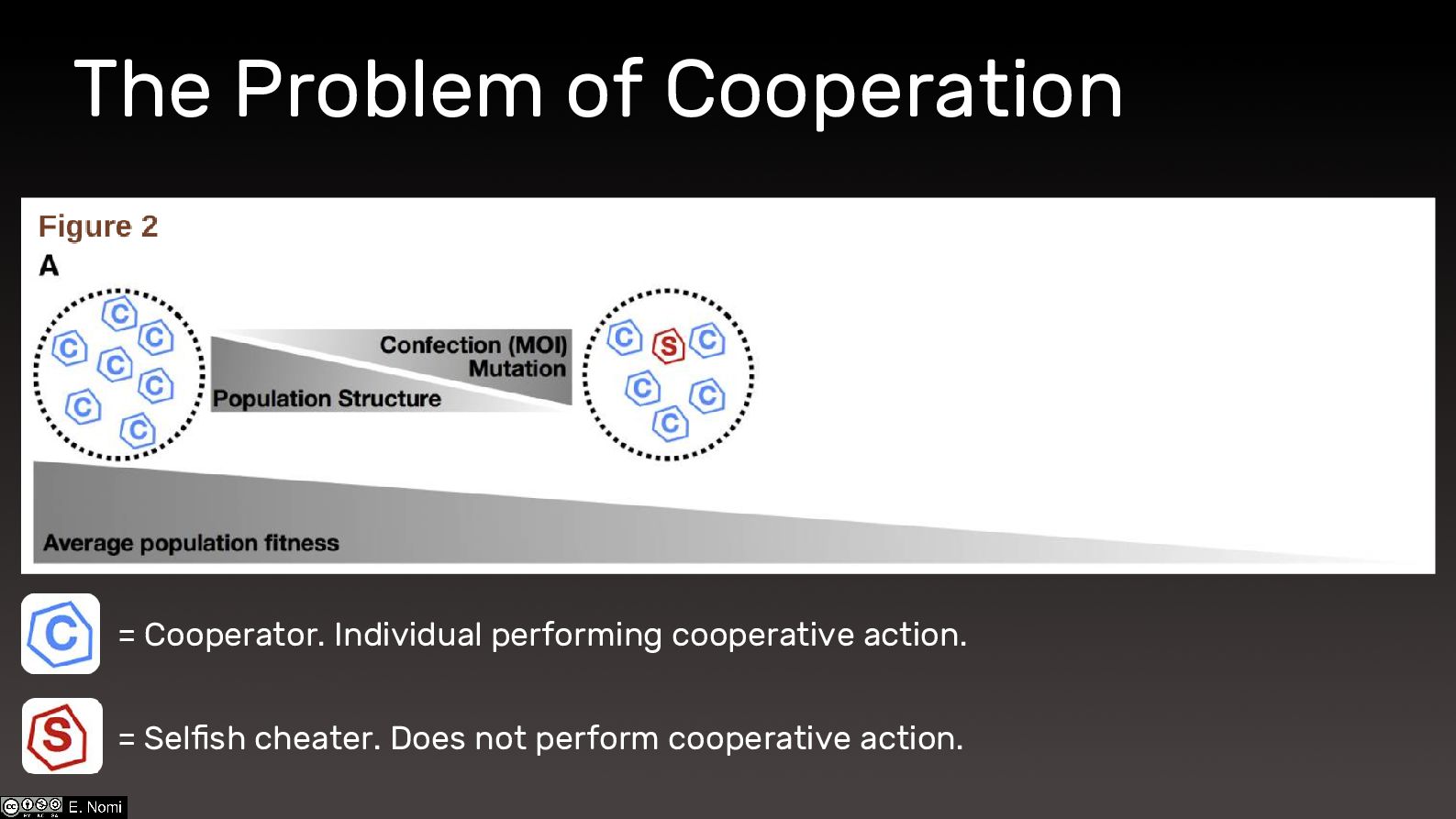
The Problem of Cooperation = Cooperator. Individual performing cooperative action.
= Selfish cheater. Does not perform cooperative action. -
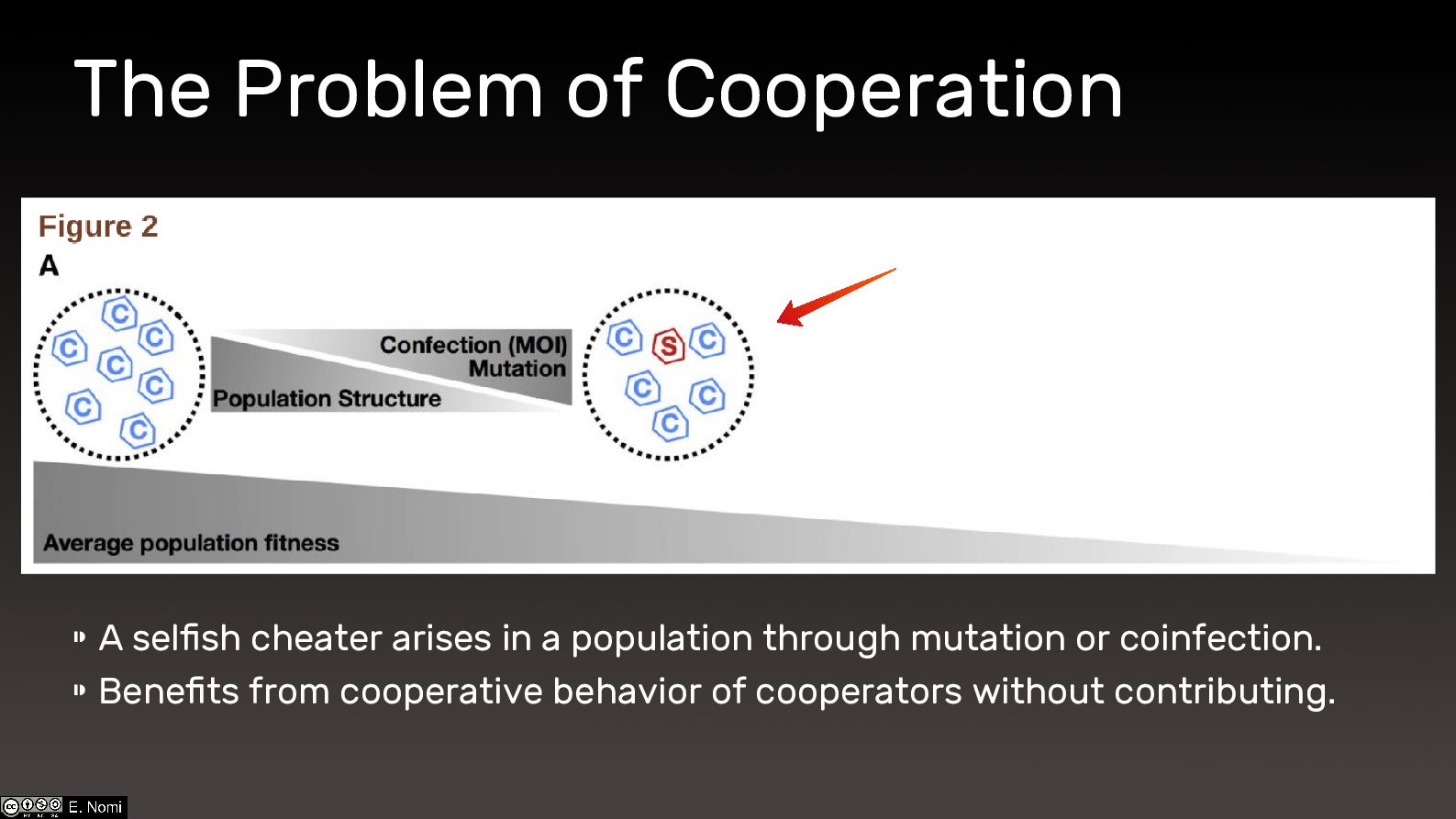
The Problem of Cooperation ⁍ A selfish cheater arises in
a population through mutation or coinfection. ⁍ Benefits from cooperative behavior of cooperators without contributing. -
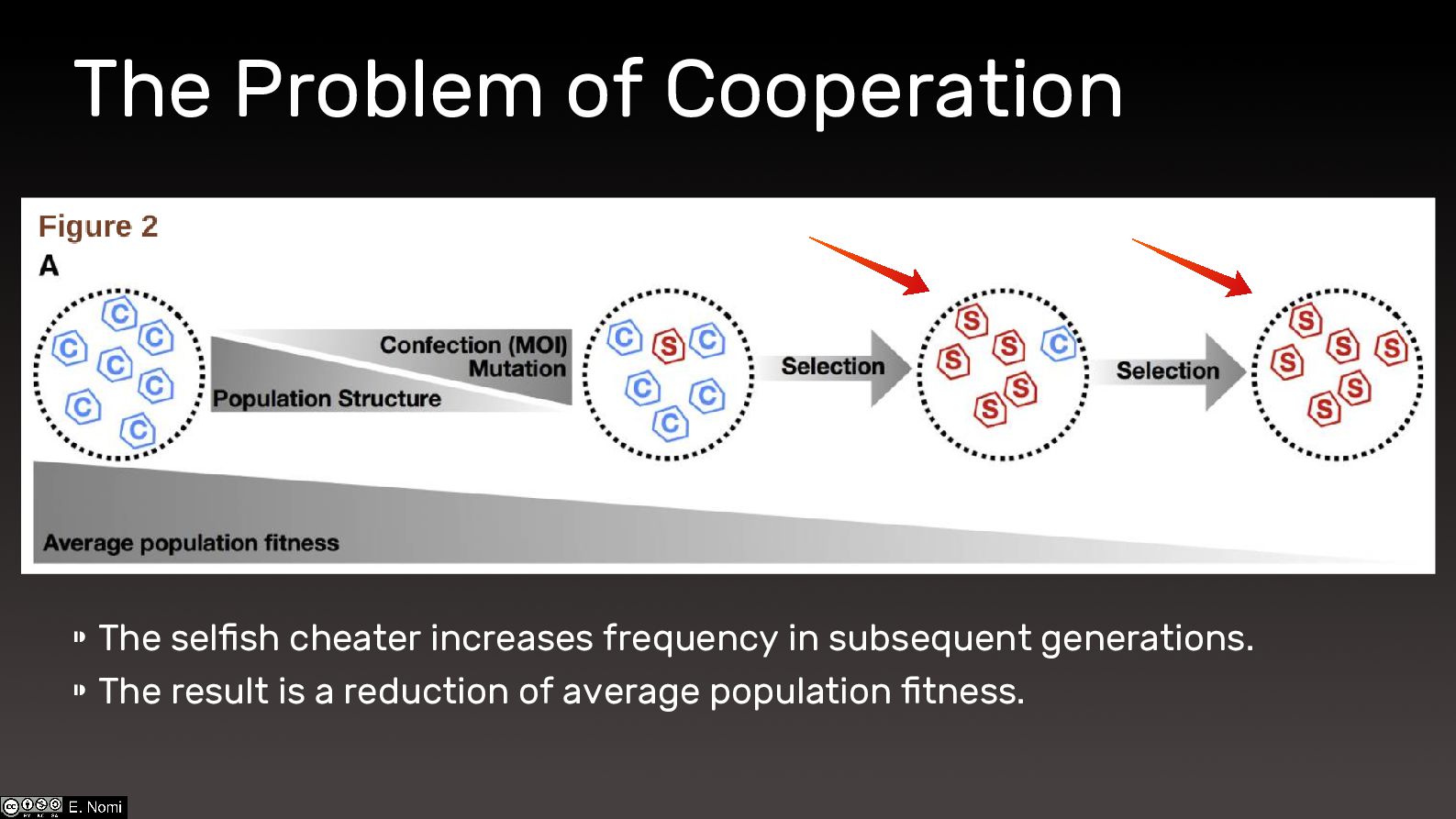
The Problem of Cooperation ⁍ The selfish cheater increases frequency
in subsequent generations. ⁍ The result is a reduction of average population fitness. -
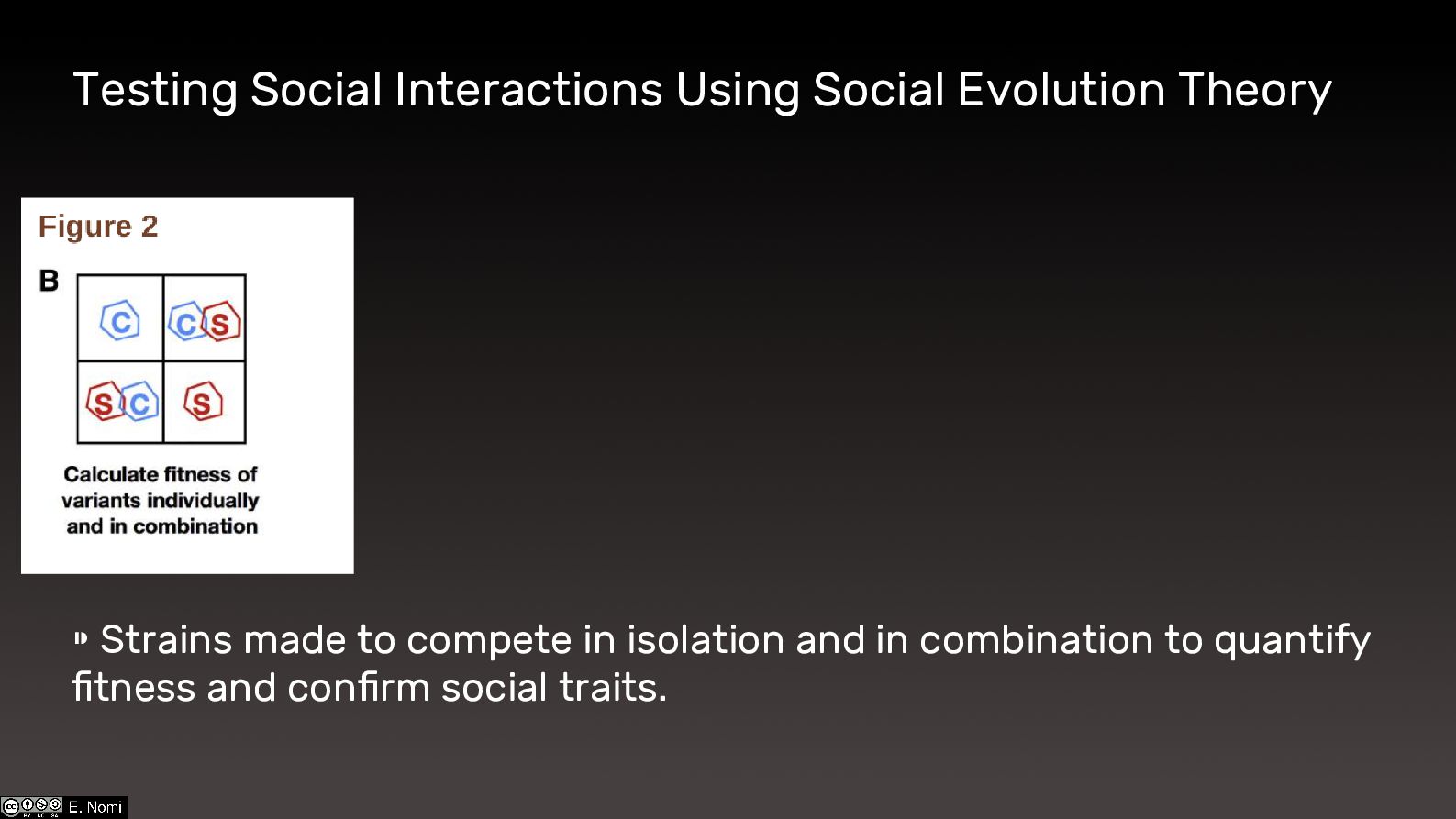
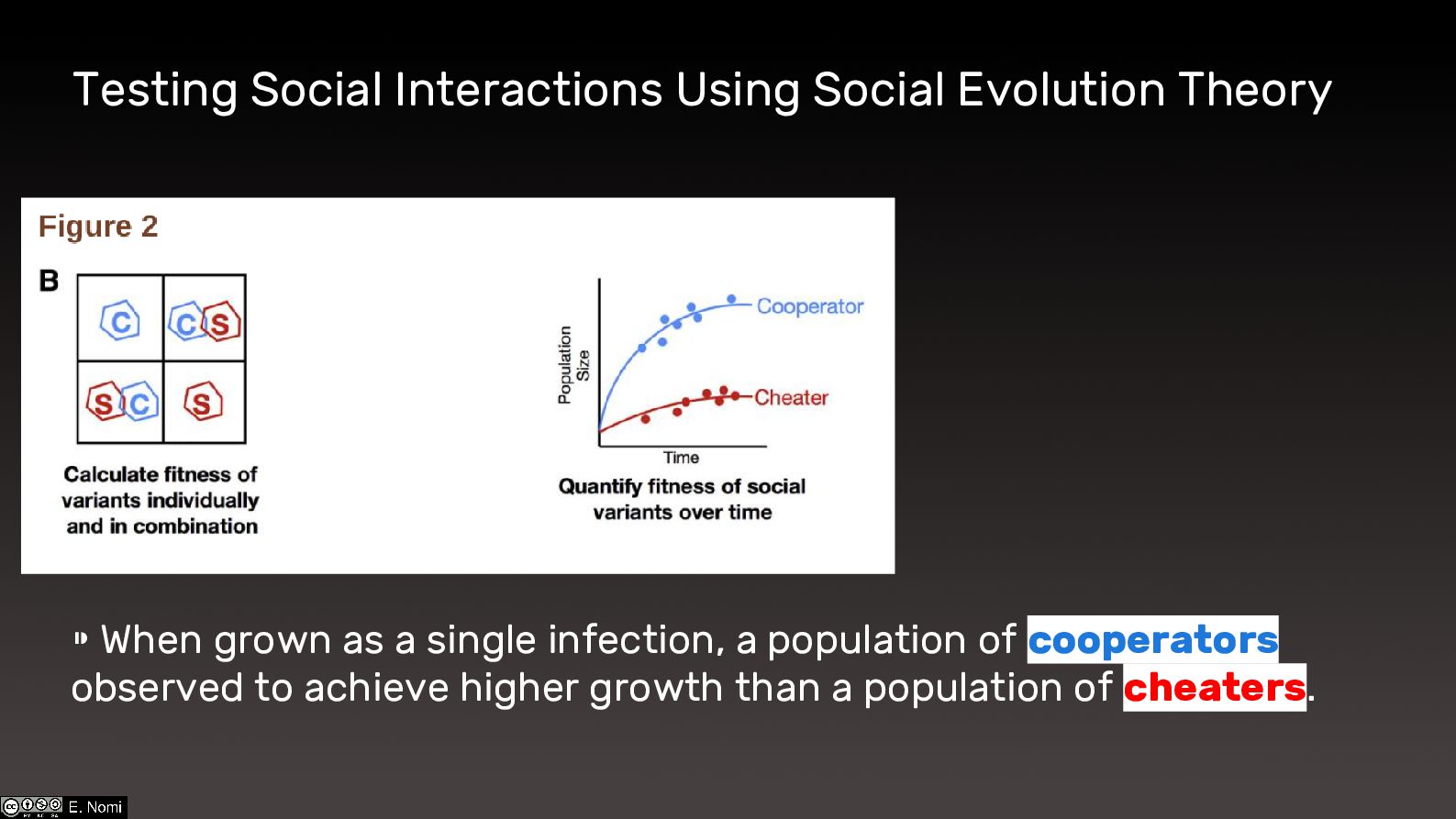
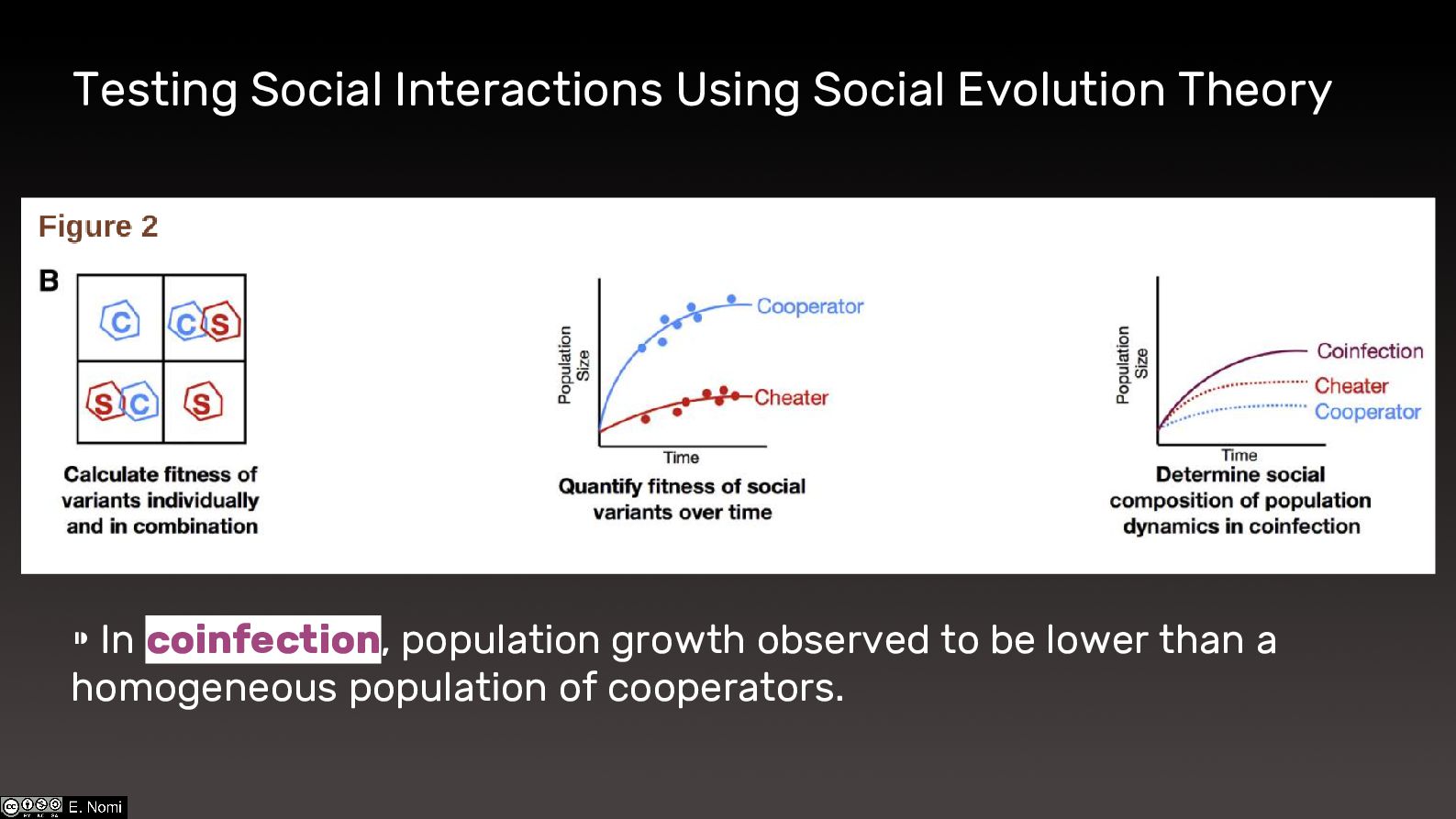
Testing Social Interactions Using Social Evolution Theory ⁍ Strains made
to compete in isolation and in combination to quantify fitness and confirm social traits. -
Testing Social Interactions Using Social Evolution Theory ⁍ When grown
as a single infection, a population of cooperators observed to achieve higher growth than a population of cheaters. -
Testing Social Interactions Using Social Evolution Theory ⁍ In coinfection,
population growth observed to be lower than a homogeneous population of cooperators. -
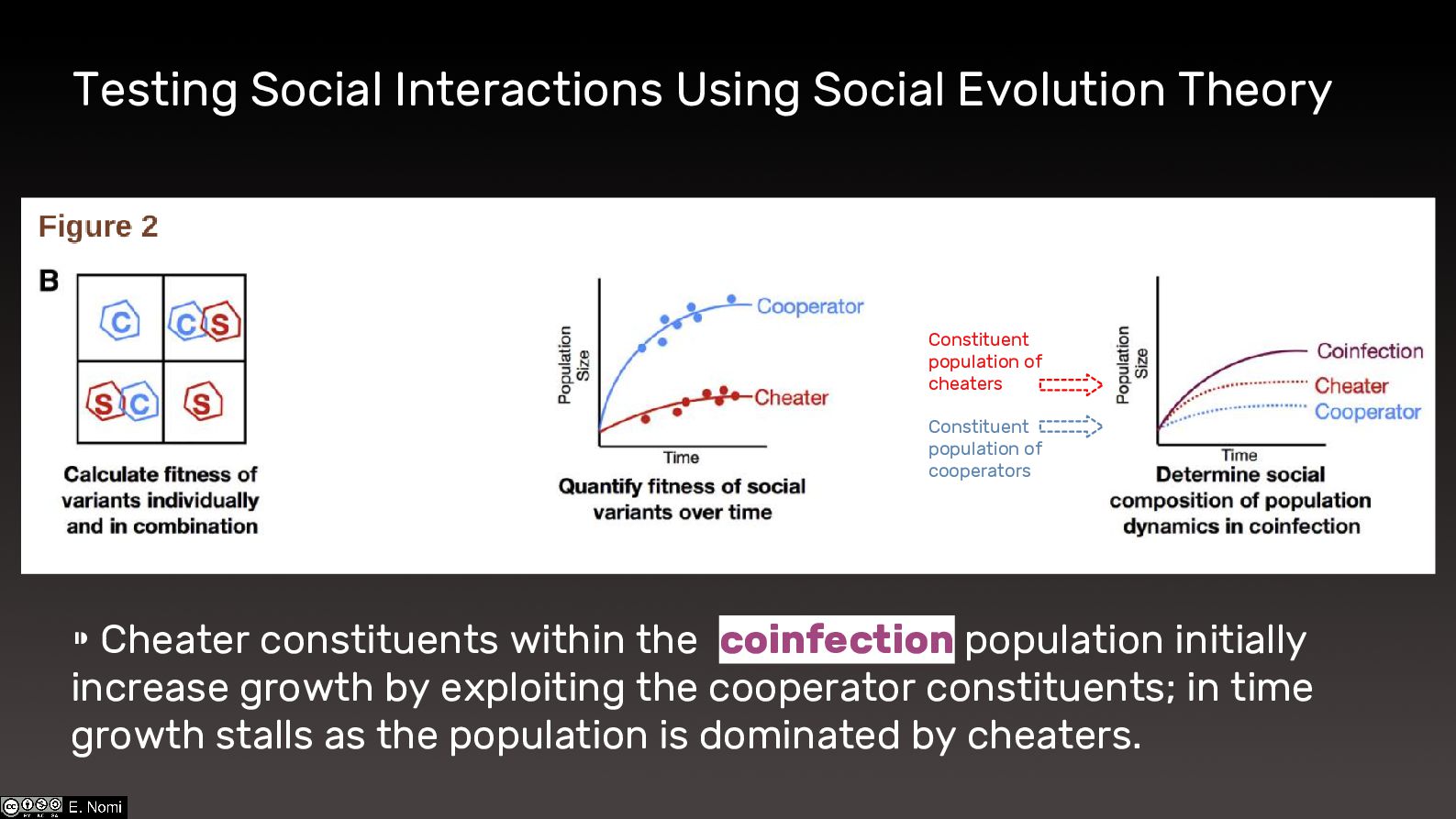
Testing Social Interactions Using Social Evolution Theory ⁍ Cheater constituents
within the coinfection population initially increase growth by exploiting the cooperator constituents; in time growth stalls as the population is dominated by cheaters. Constituent population of cheaters Constituent population of cooperators -
Conclusions ⁍ Viruses are observed to have social interactions that
can be understood using social evolution theory ⁍ Targeting virus-virus interactions can lead to new treatment strategies – Attenuated vaccines of DIPs could increase cheating behaviors and reduce fitness of virus populations – Epidemiologists could consider the population fitness effects of “cheating” to predict the best strategies for limiting transmission of infectious viruses – Knowledge of bacteriophage interactions could improve phage therapy -
References 1. Morris, J. J., Lenski, R. E., & Zinser,
E. R. (2012). The Black Queen Hypothesis: evolution of dependencies through adaptive gene loss. mBio, 3(2), e00036-12. https://doi.org/10.1128/mBio.00036-12 2. Mas, A., Jamshidi, S., Lagadeuc, Y., Eveillard, D., & Vandenkoornhuyse, P. (2016). Beyond the Black Queen Hypothesis. The ISME journal, 10(9), 2085–2091. https://doi.org/10.1038/ismej.2016.22 3. Dawkins, R. (2006). The Selfish Gene. Oxford University Press. 4. West, S., Griffin, A., Gardner, A., Diggle, S. P. (2006). Social evolution theory for microorganisms. Nat Rev Microbiol, 4, 597–607. https://doi.org/10.1038/nrmicro1461 5. Díaz-Muñoz, S. L., Sanjuán, R., & West, S. (2017). Sociovirology: Conflict, Cooperation, and Communication among Viruses. Cell host & microbe, 22(4), 437–441. https://doi.org/10.1016/j.chom.2017.09.012 6. Koonin, E. V. & Starokadomskyy, P. (2016). Are viruses alive? The replicator paradigm sheds decisive light on an old but misguided question. Stud Hist Philos Biol Biomed Sci, 59, 125-34. https://doi.org/10.1016/j.shpsc.2016.02.016