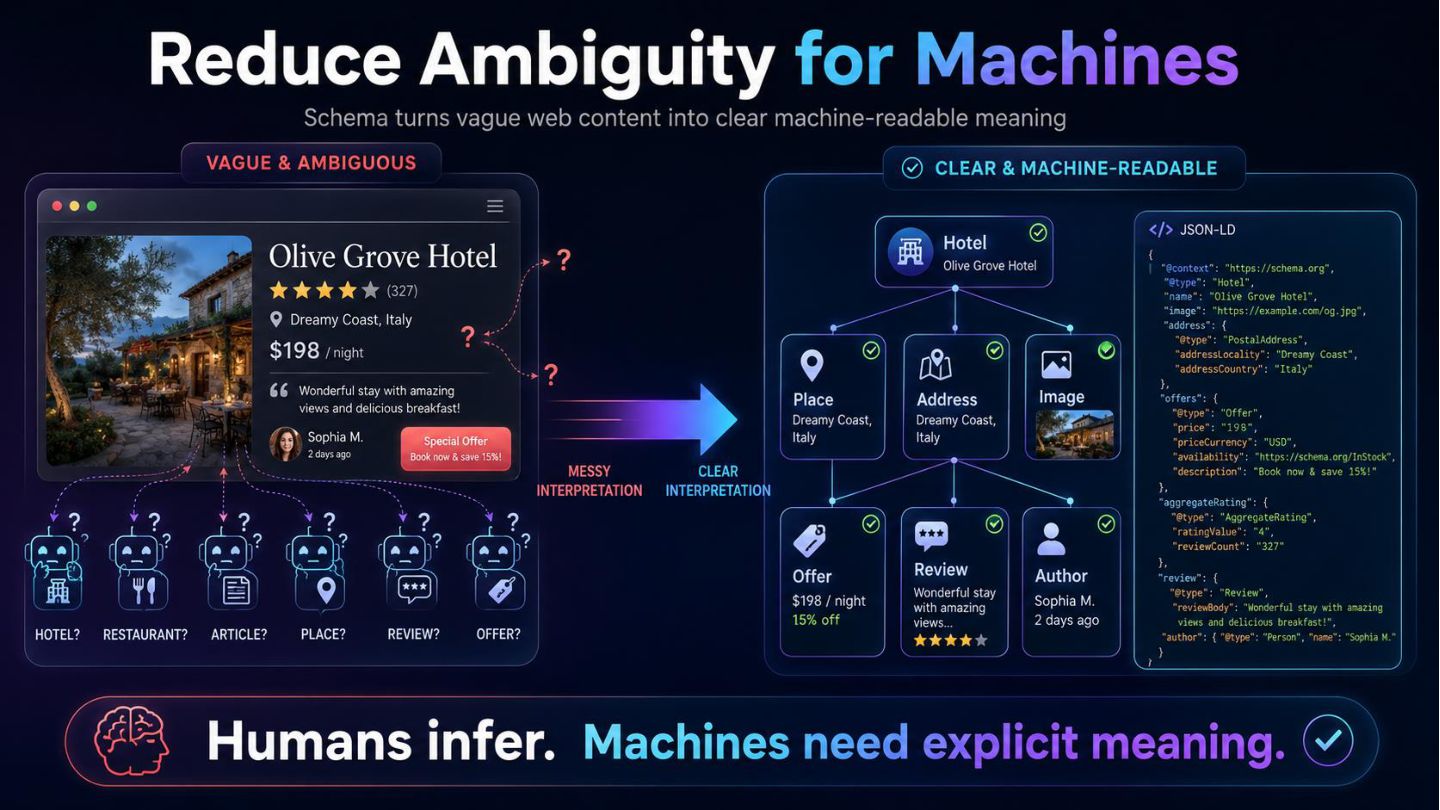
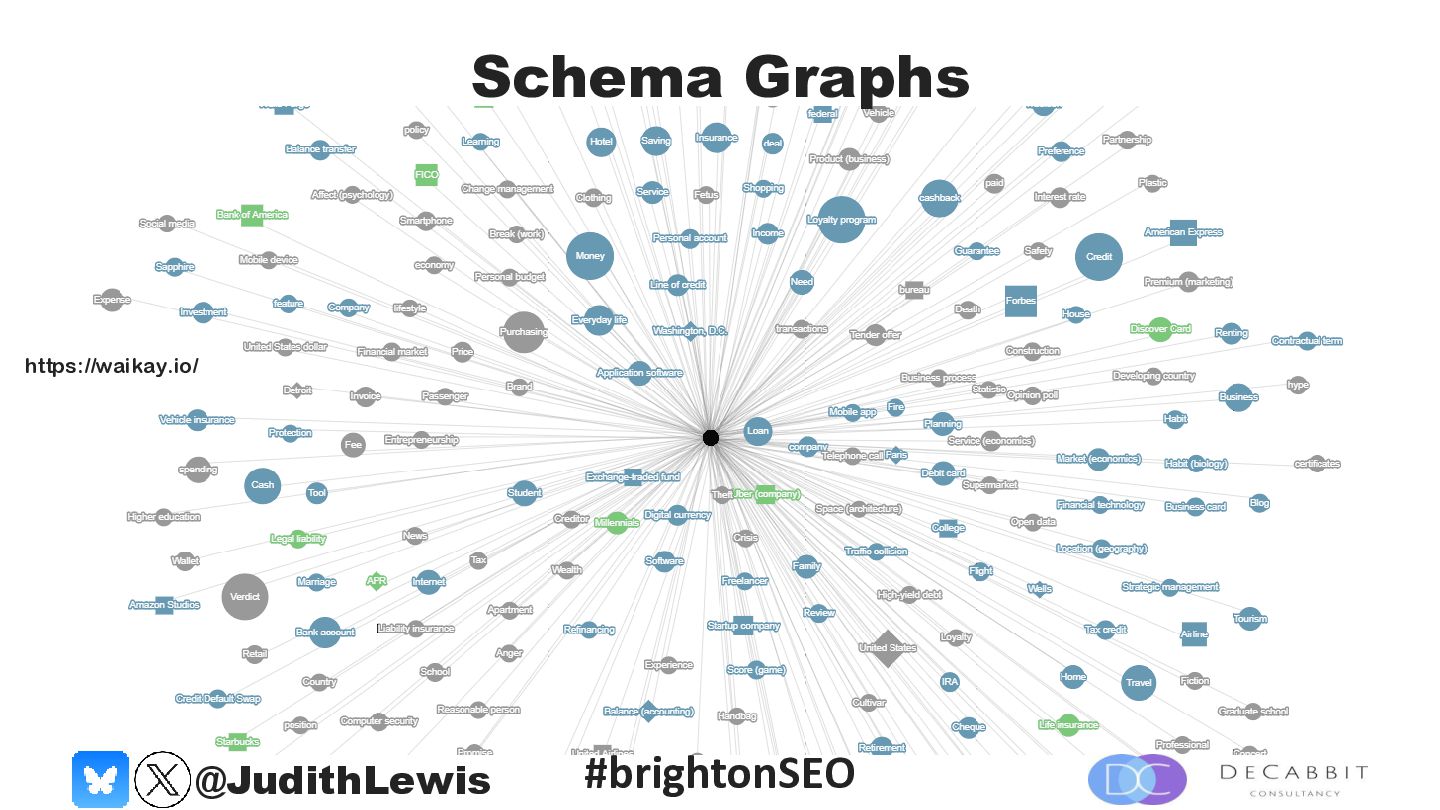
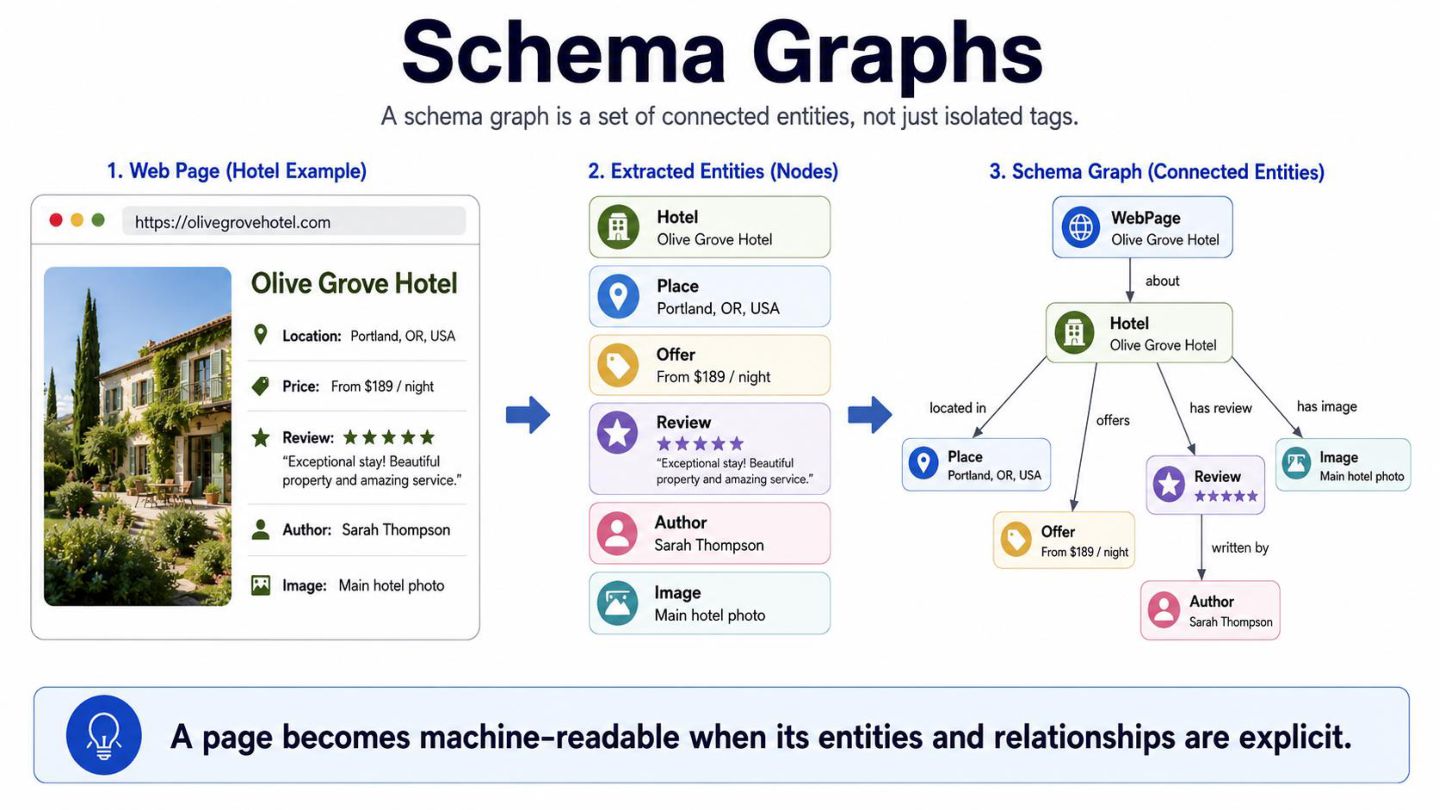
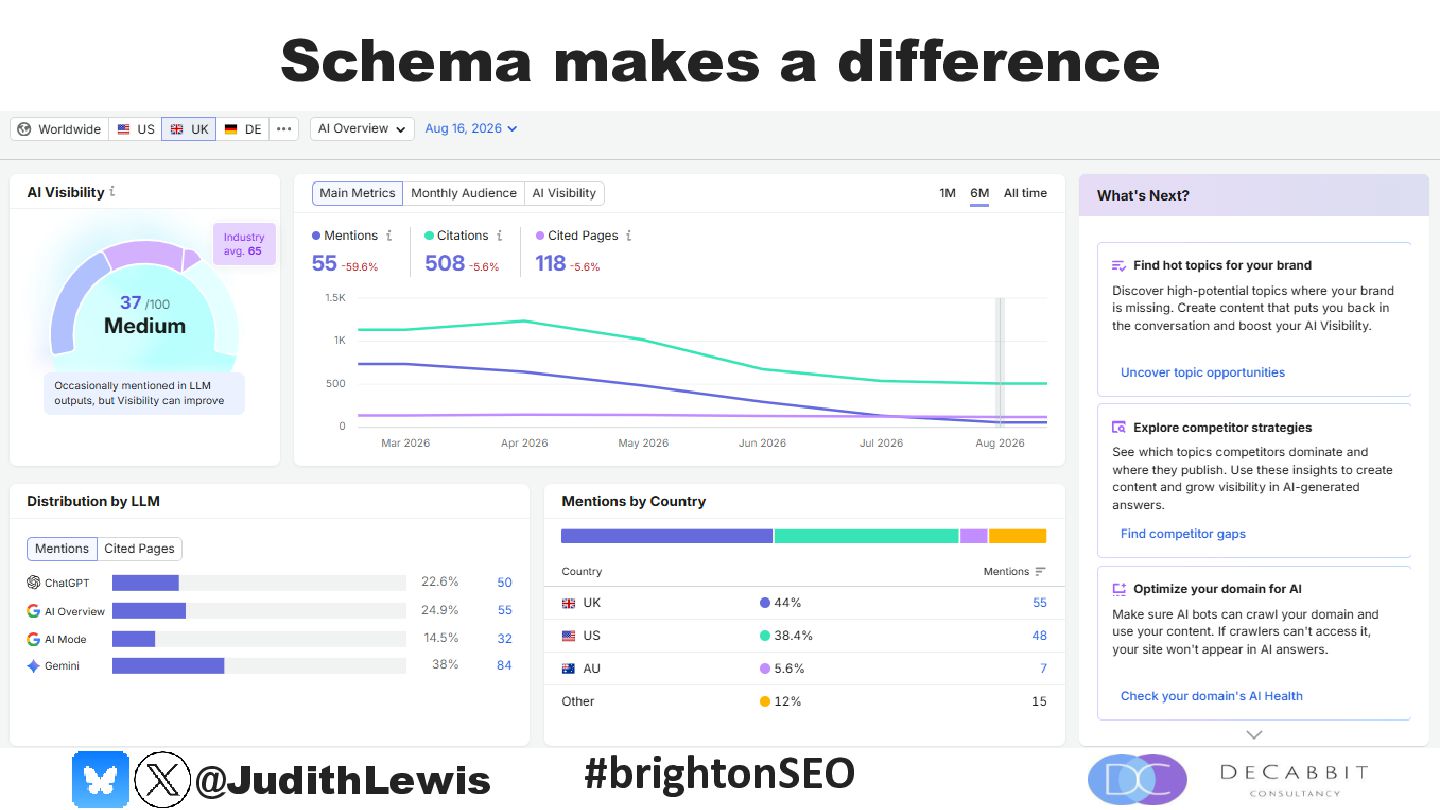
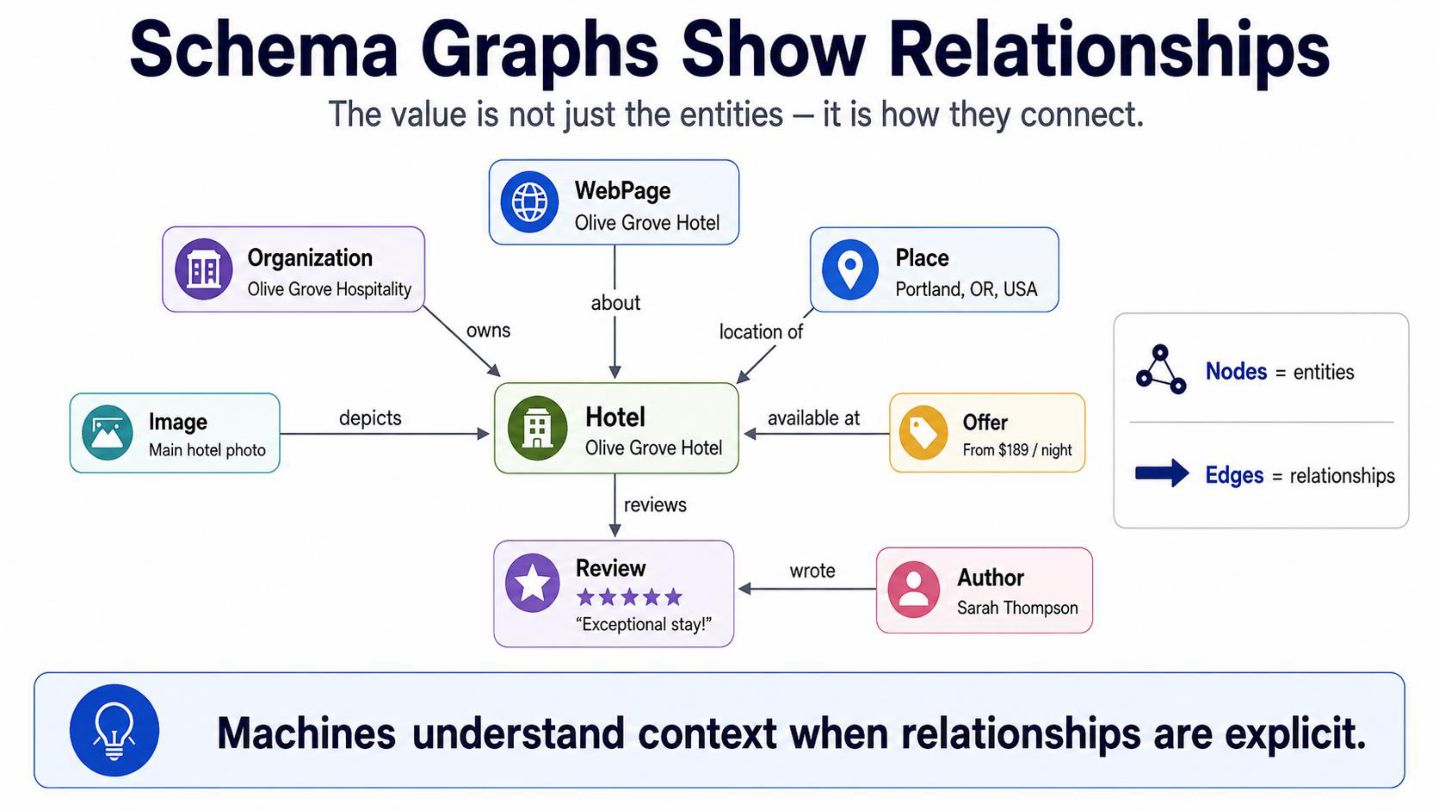
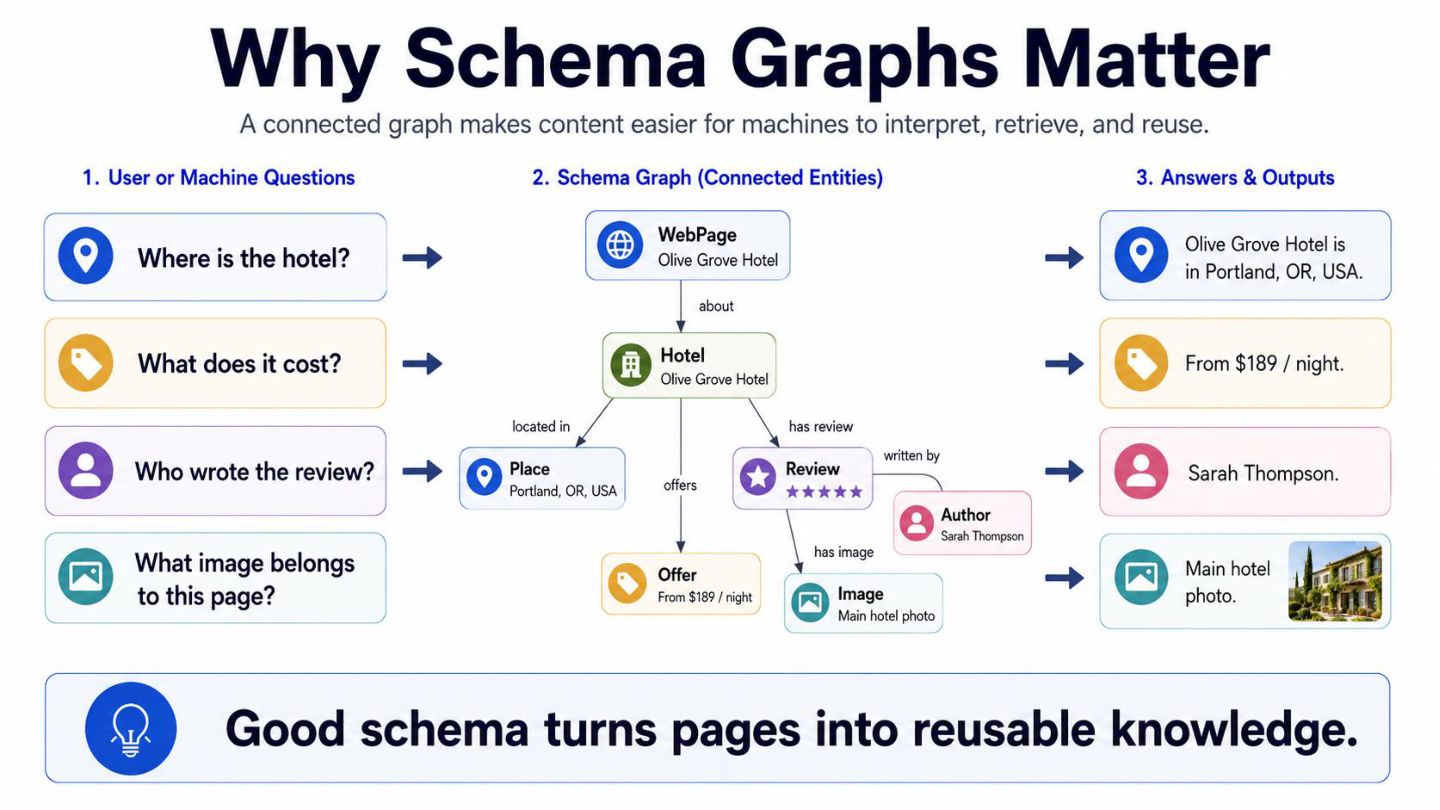
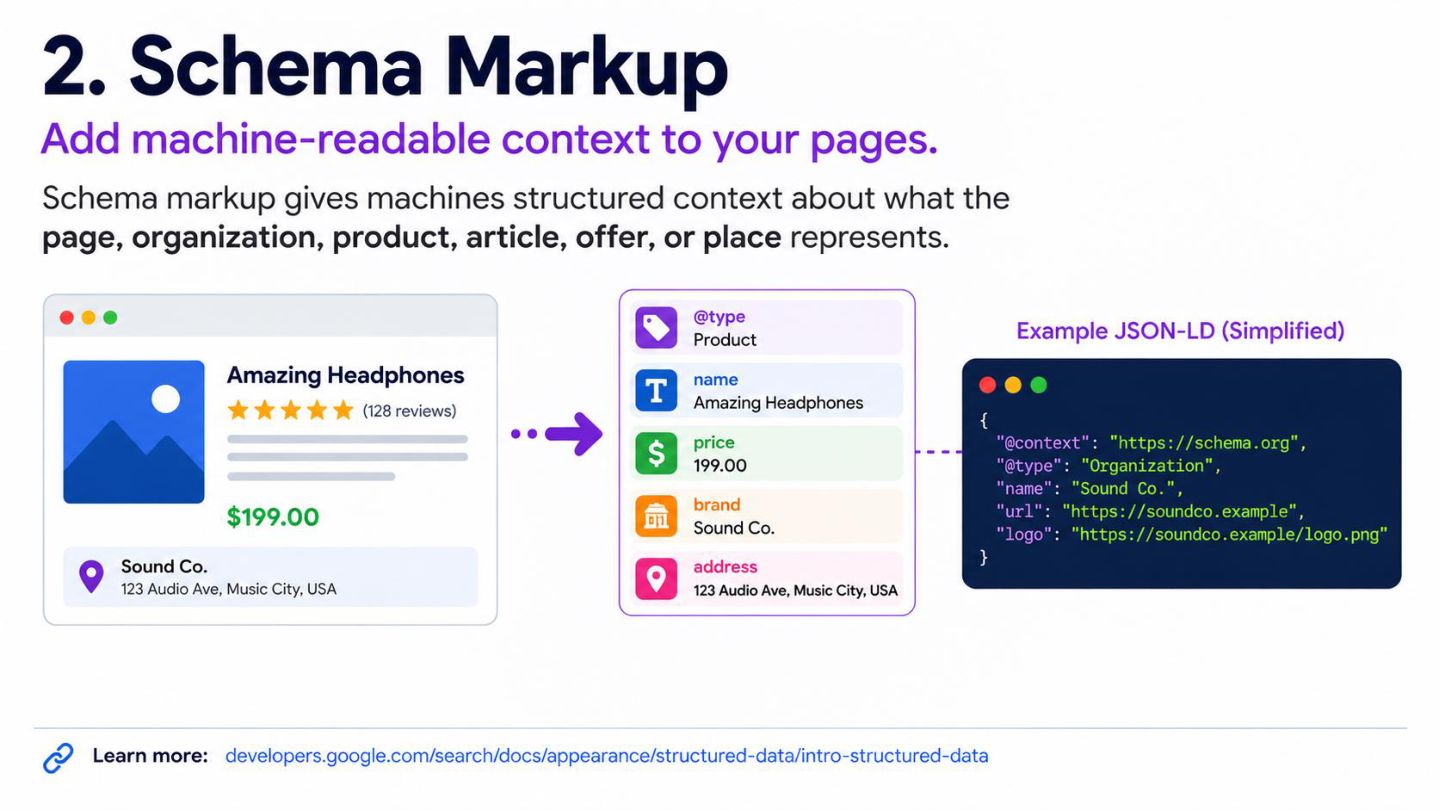
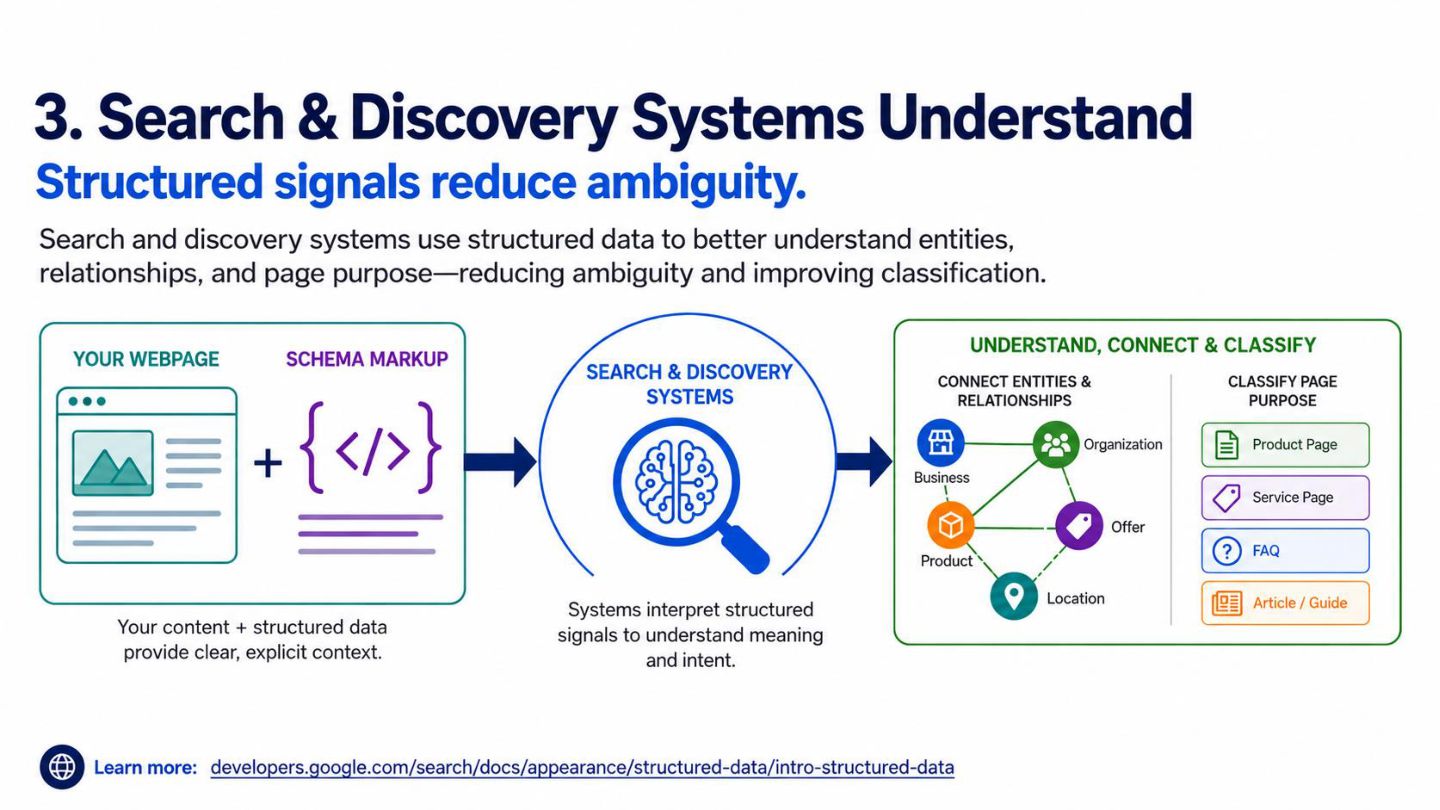
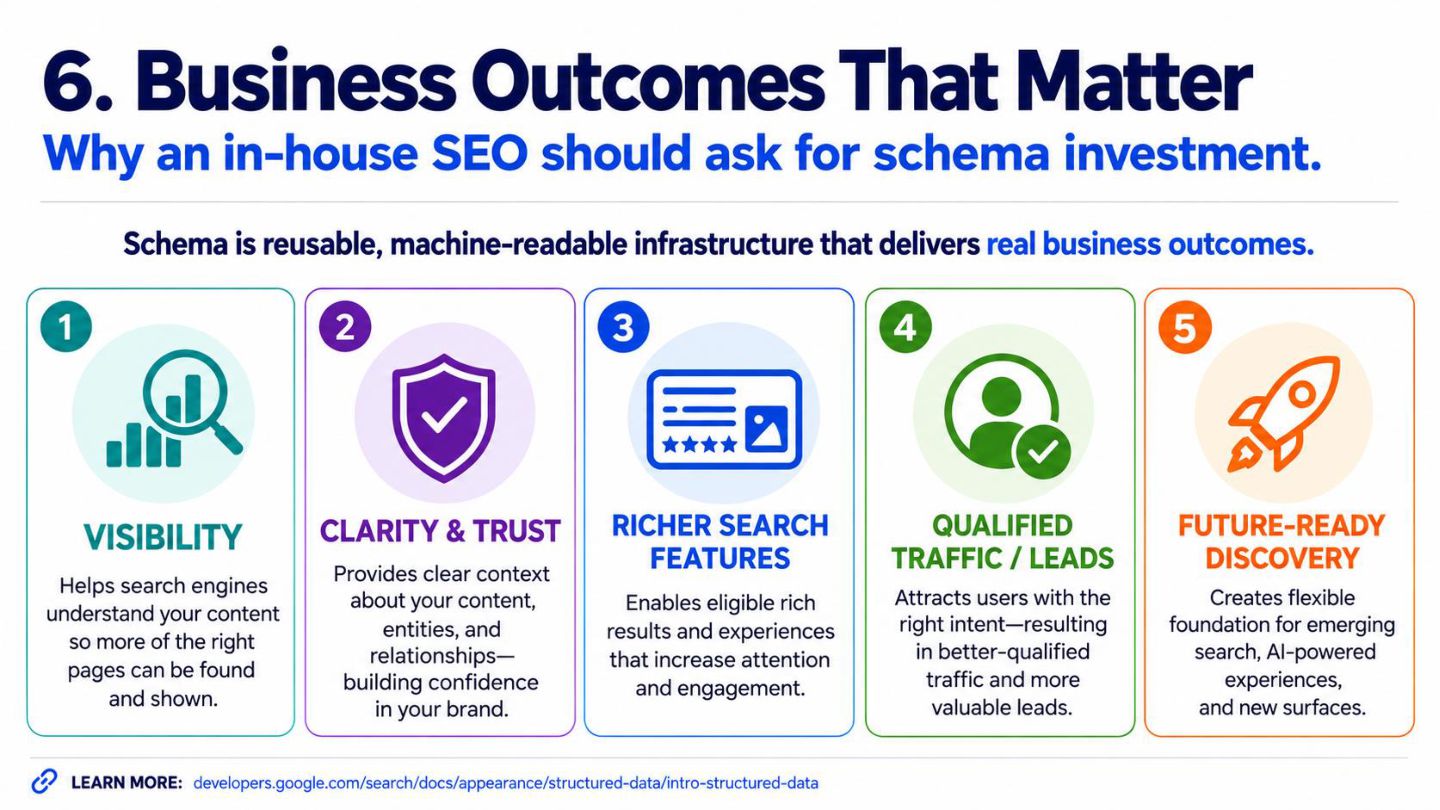
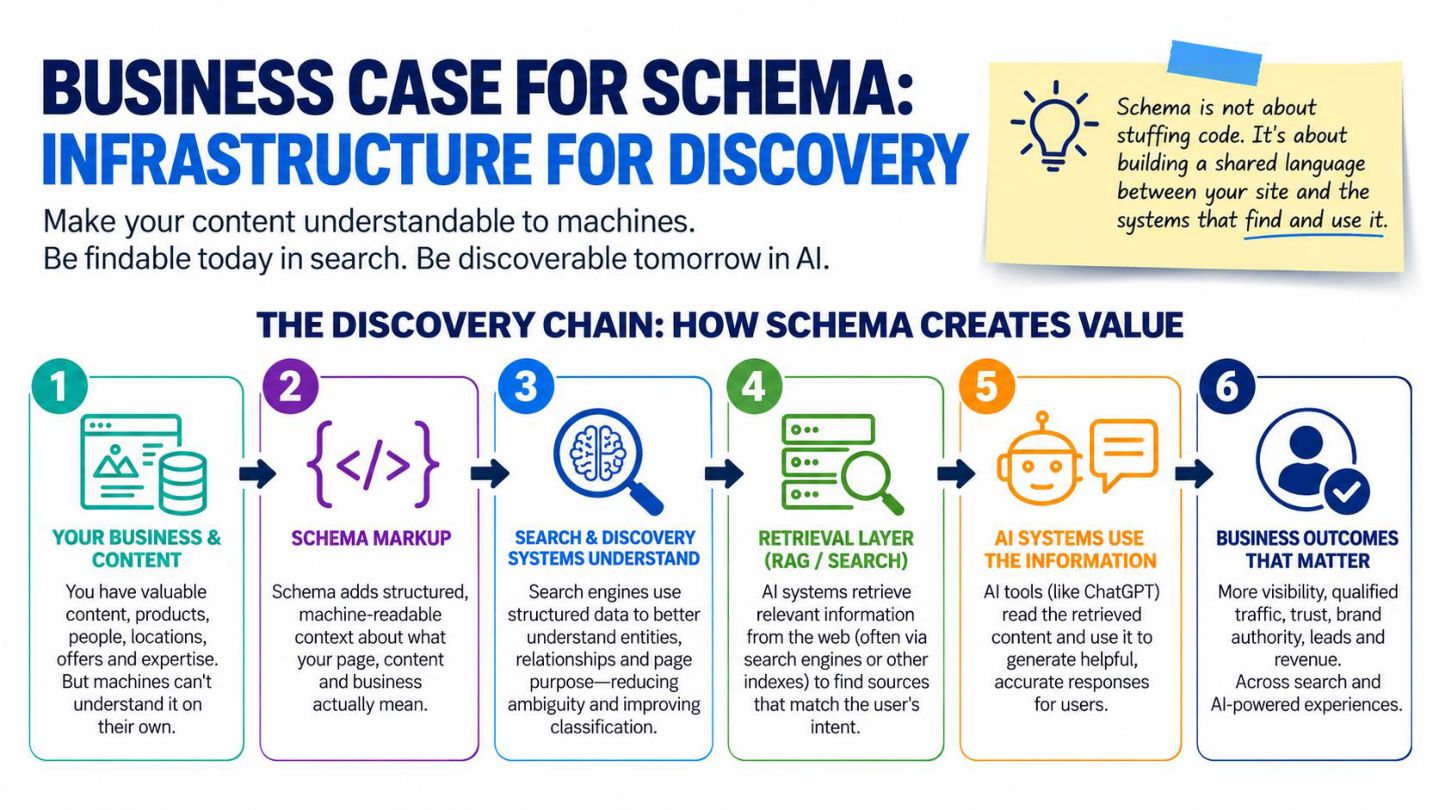
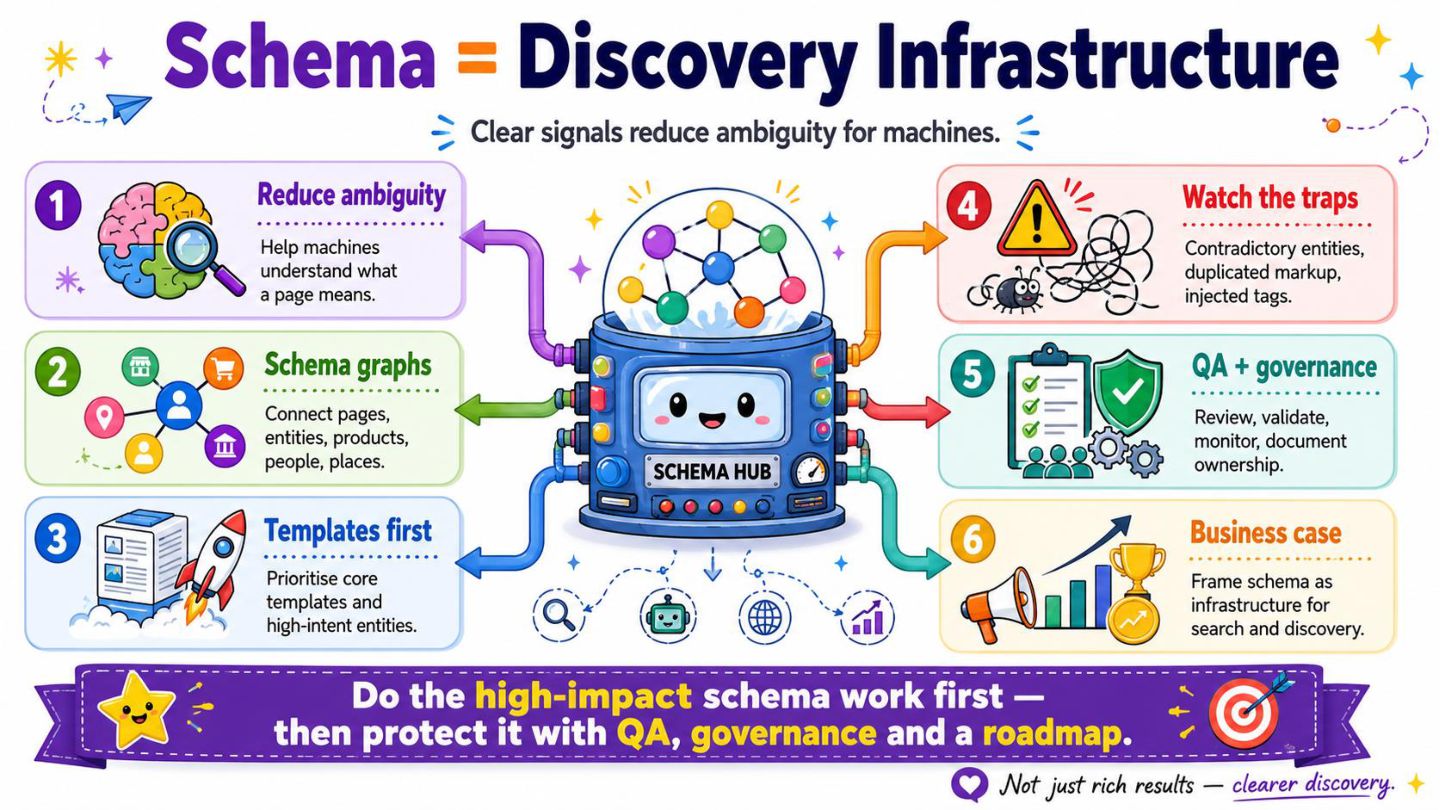
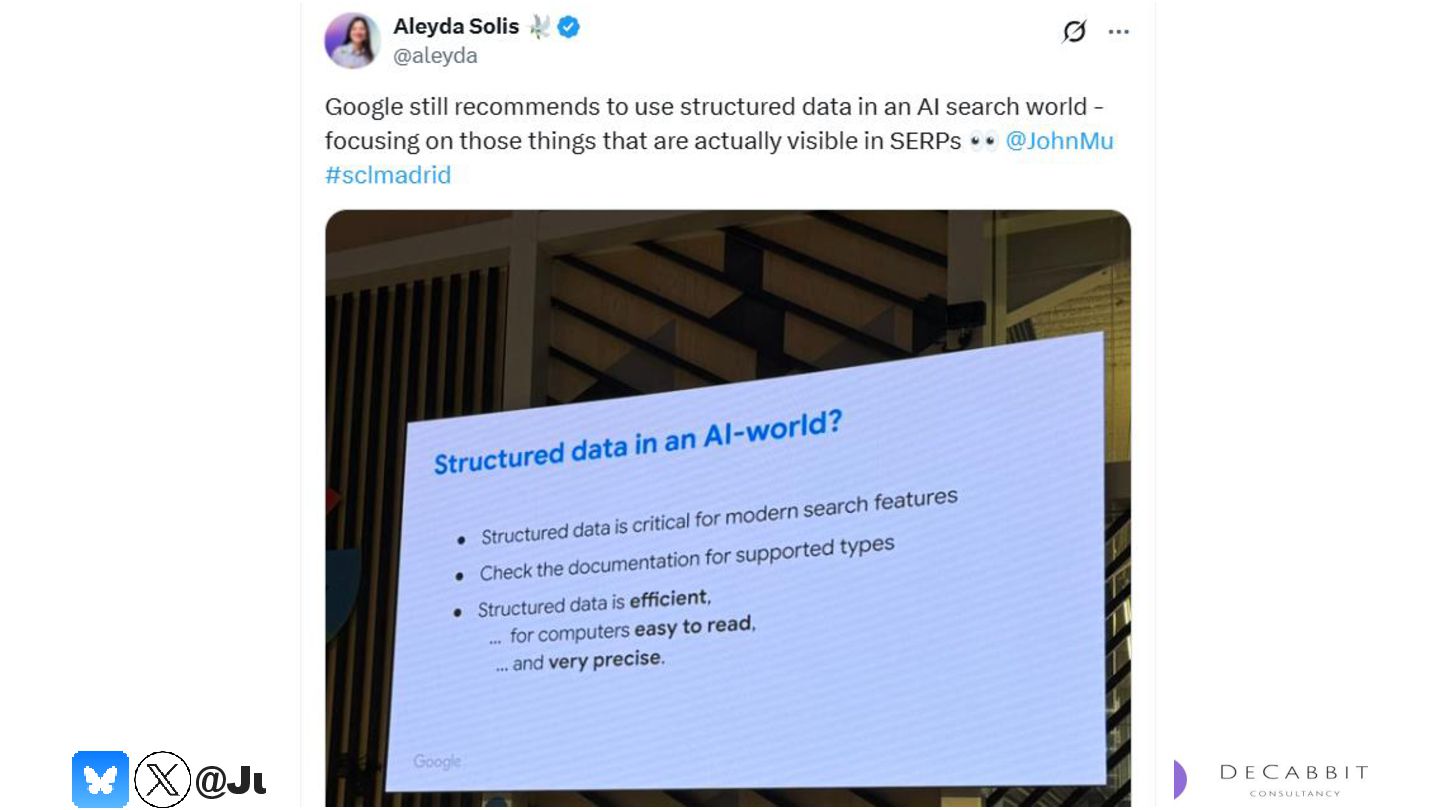
Schema is shifting from "nice-to-have for rich results" to "interpretation infrastructure" that reduces ambiguity for machines.
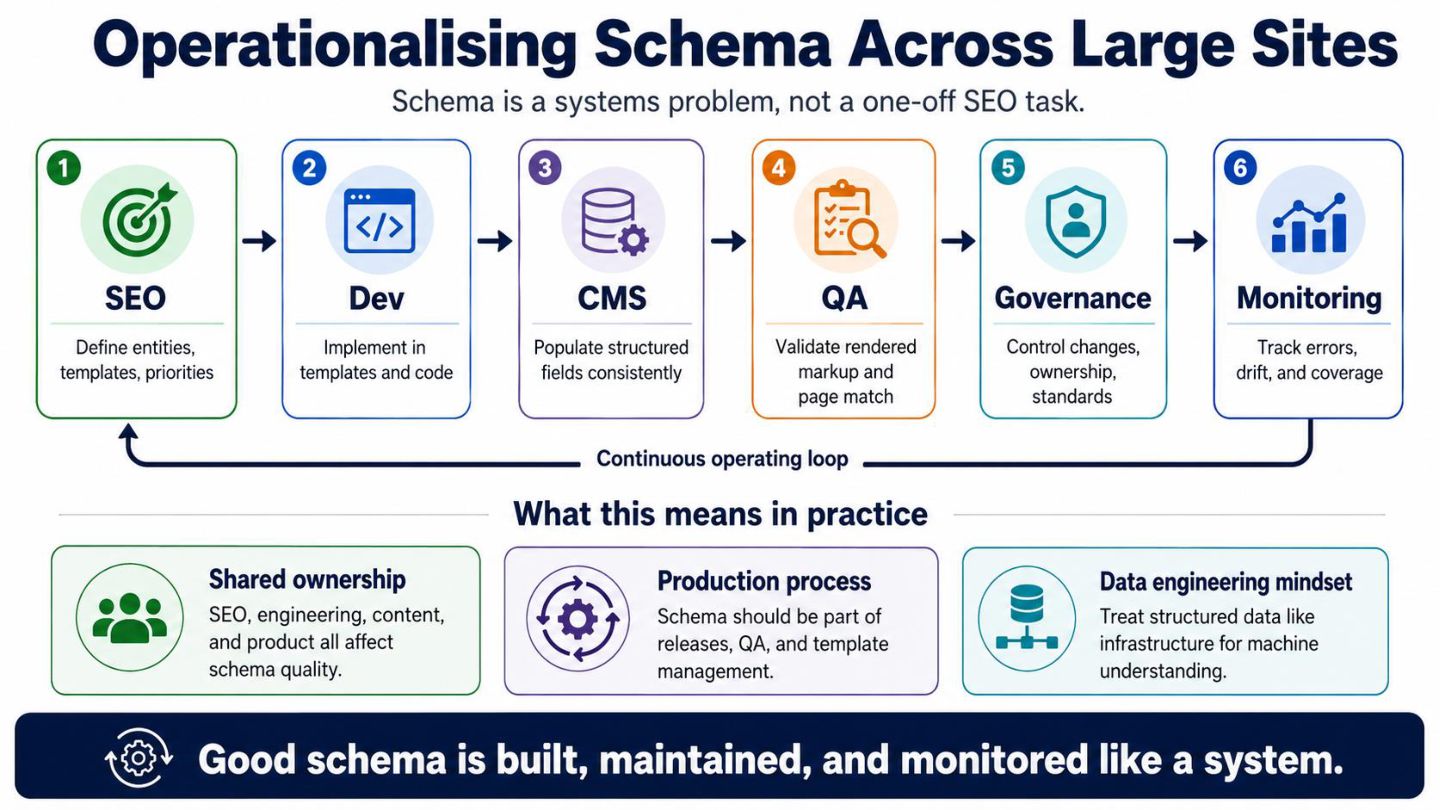
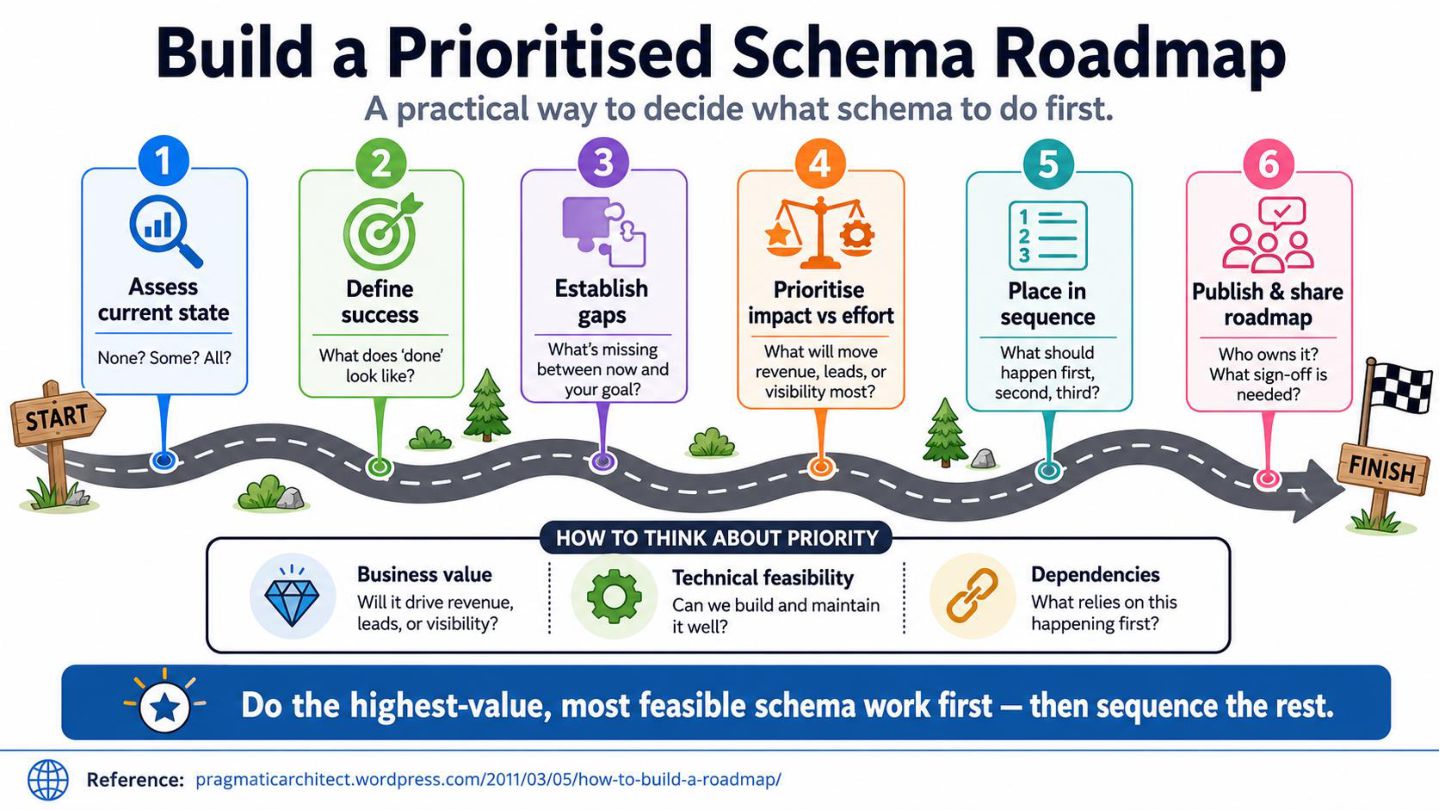
This session delved into schema graphs, template-first rollouts, and the QA needs that are boring but necessary. The focus of this presentation was pragmatic: which schema work tends to pay off, how to operationalise it across large sites, and how to communicate it internally as data engineering—worthy of investment.
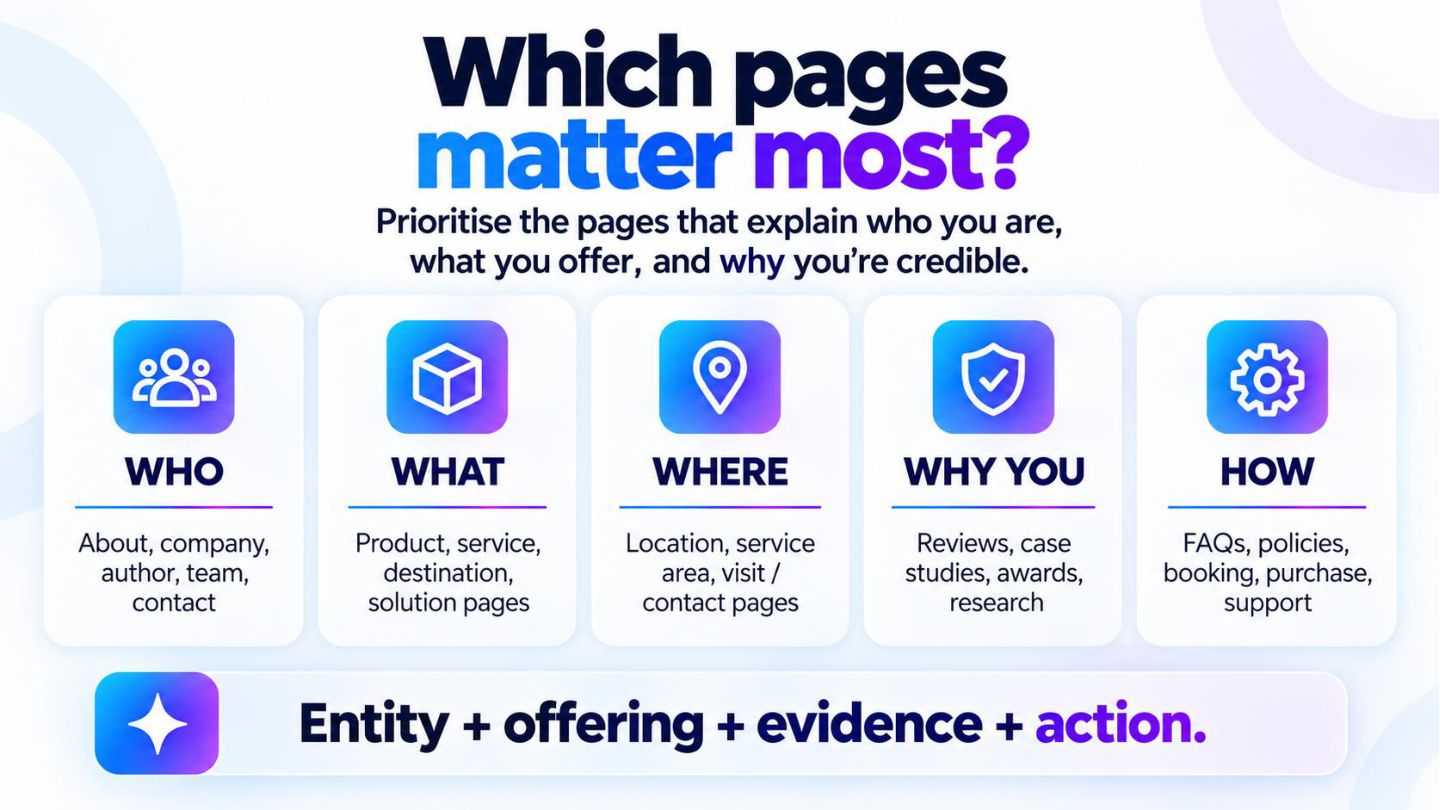
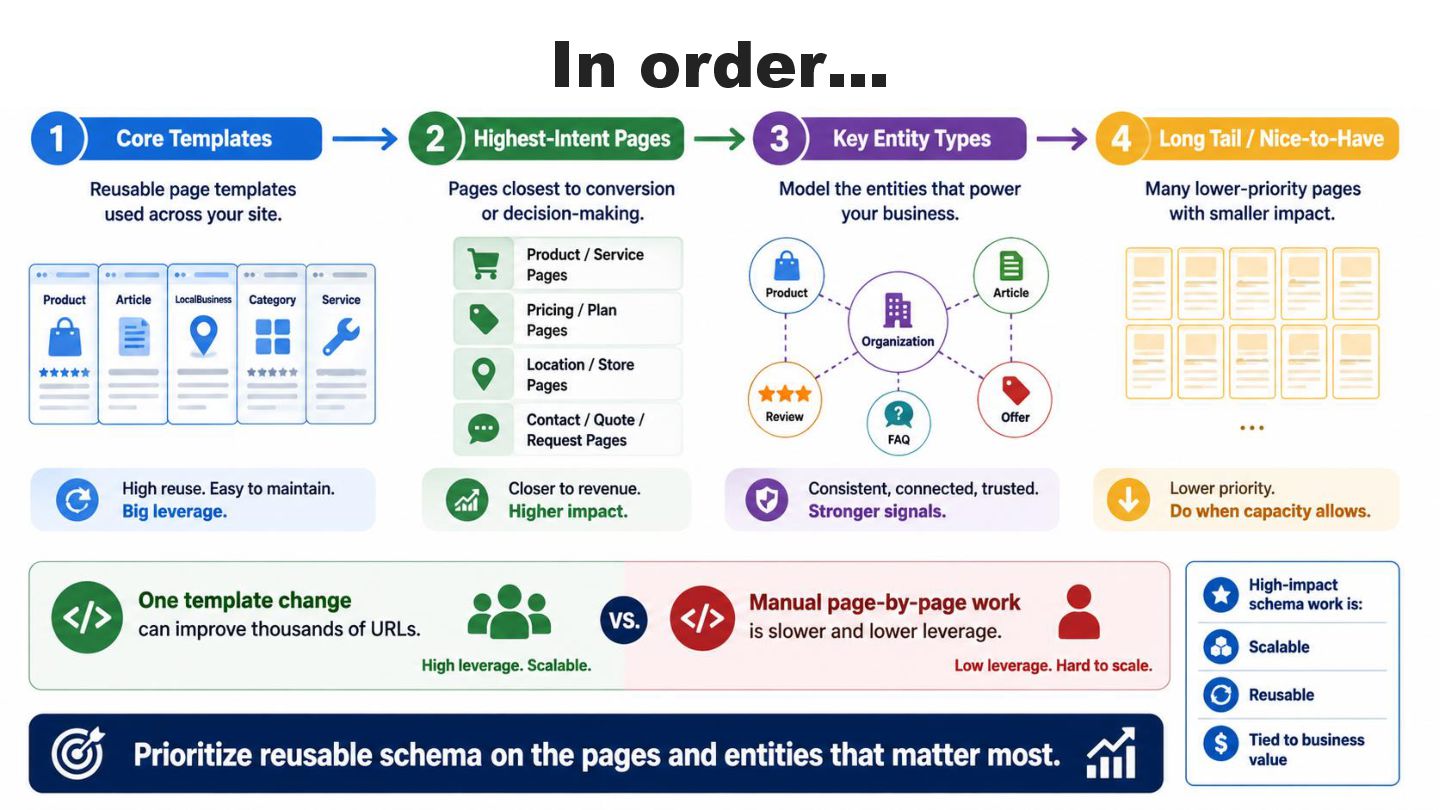
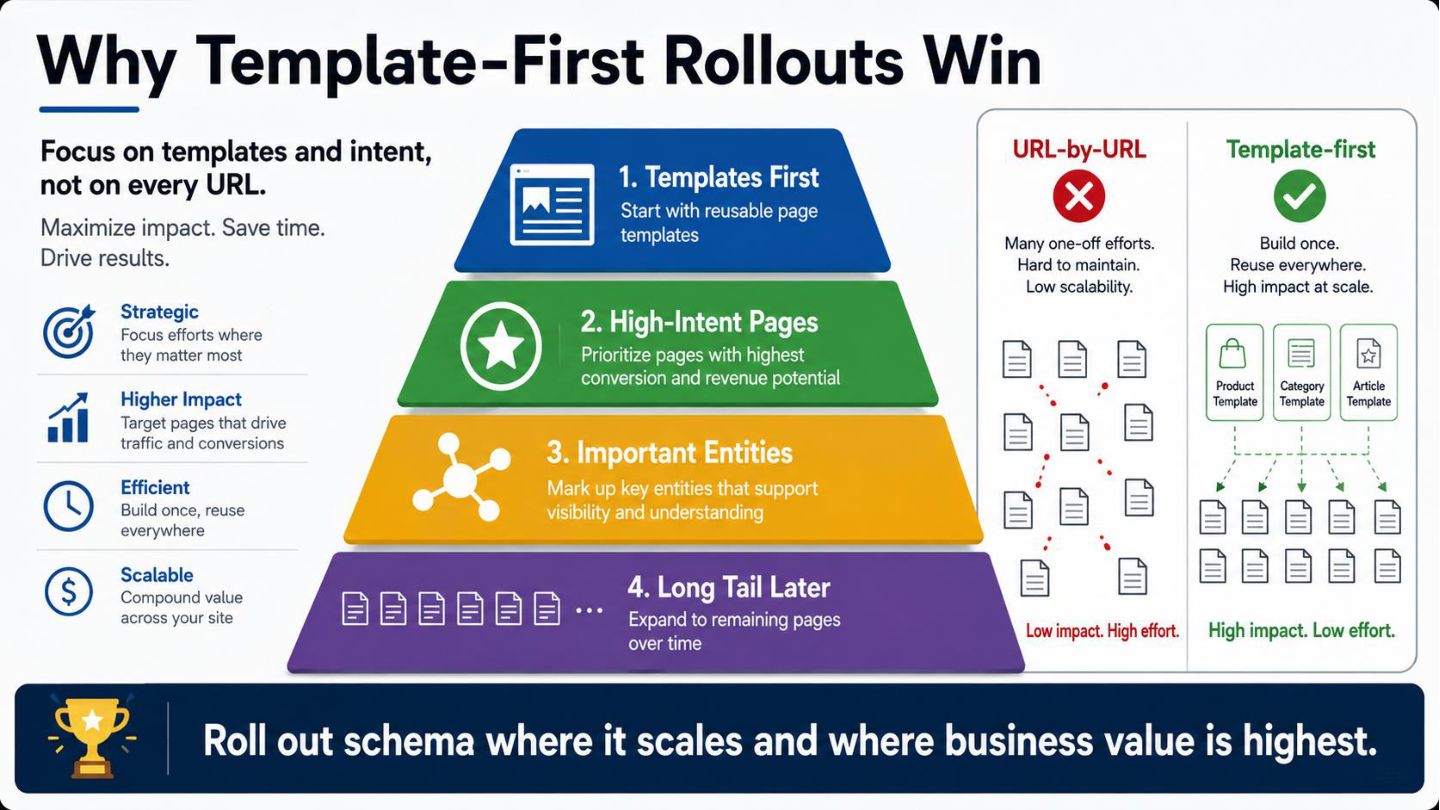
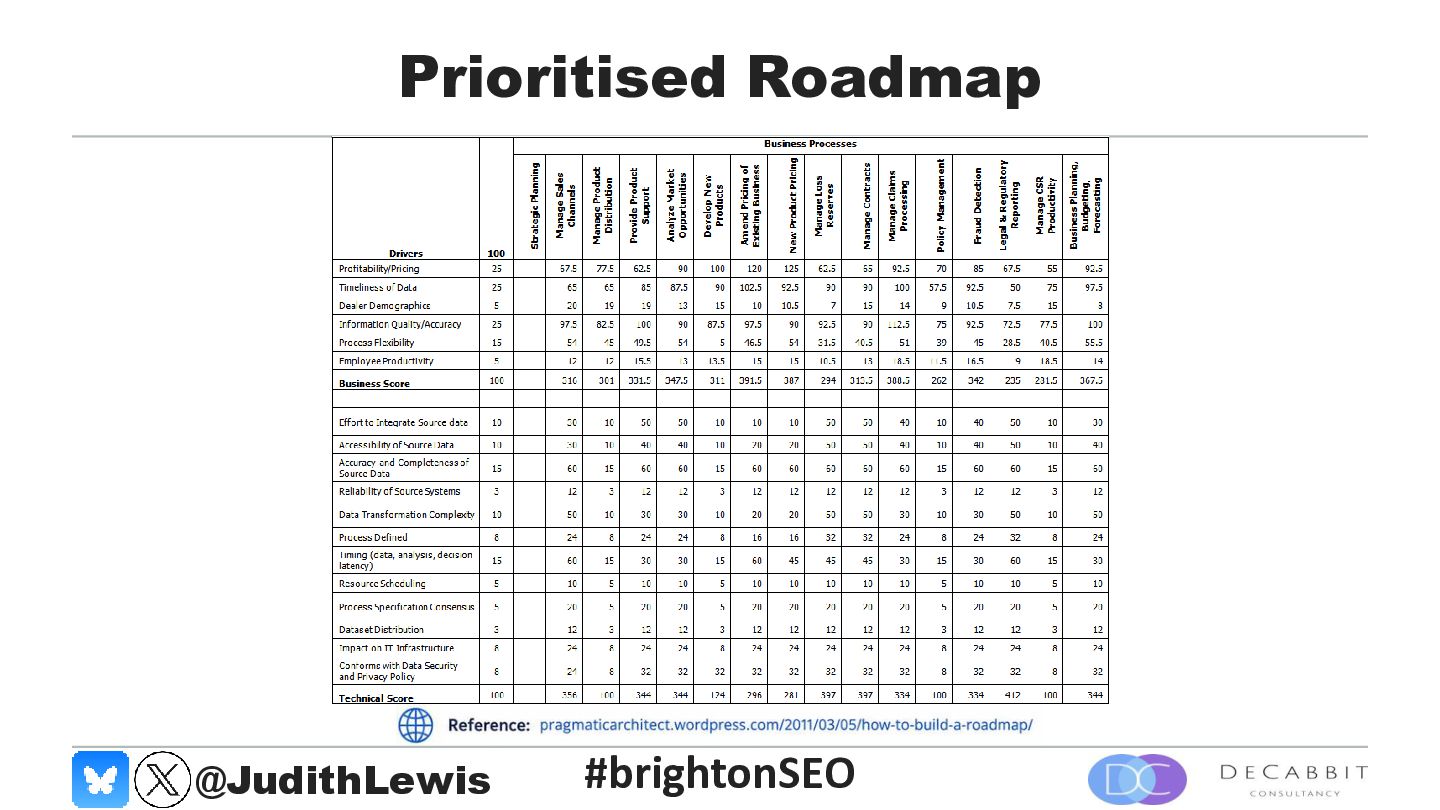
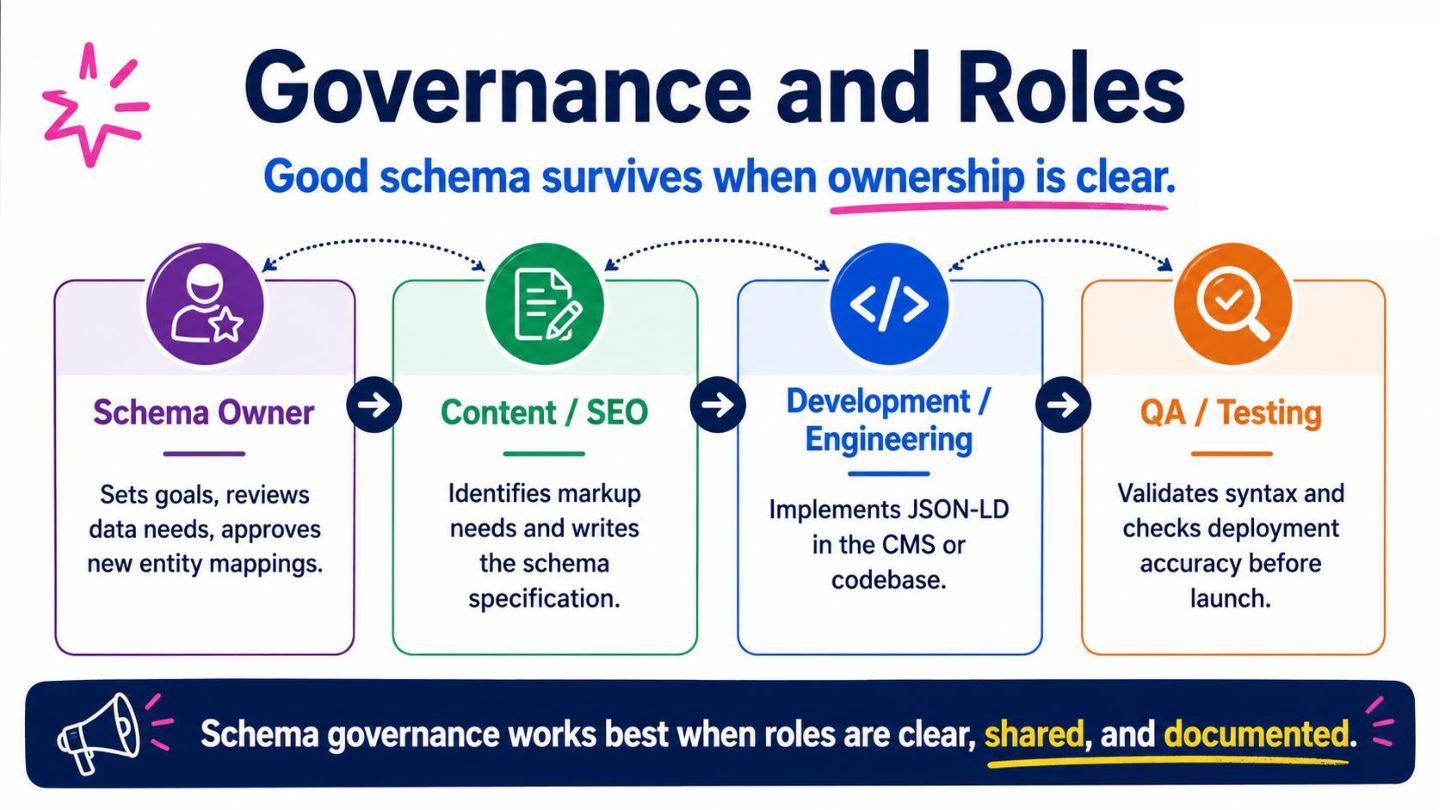
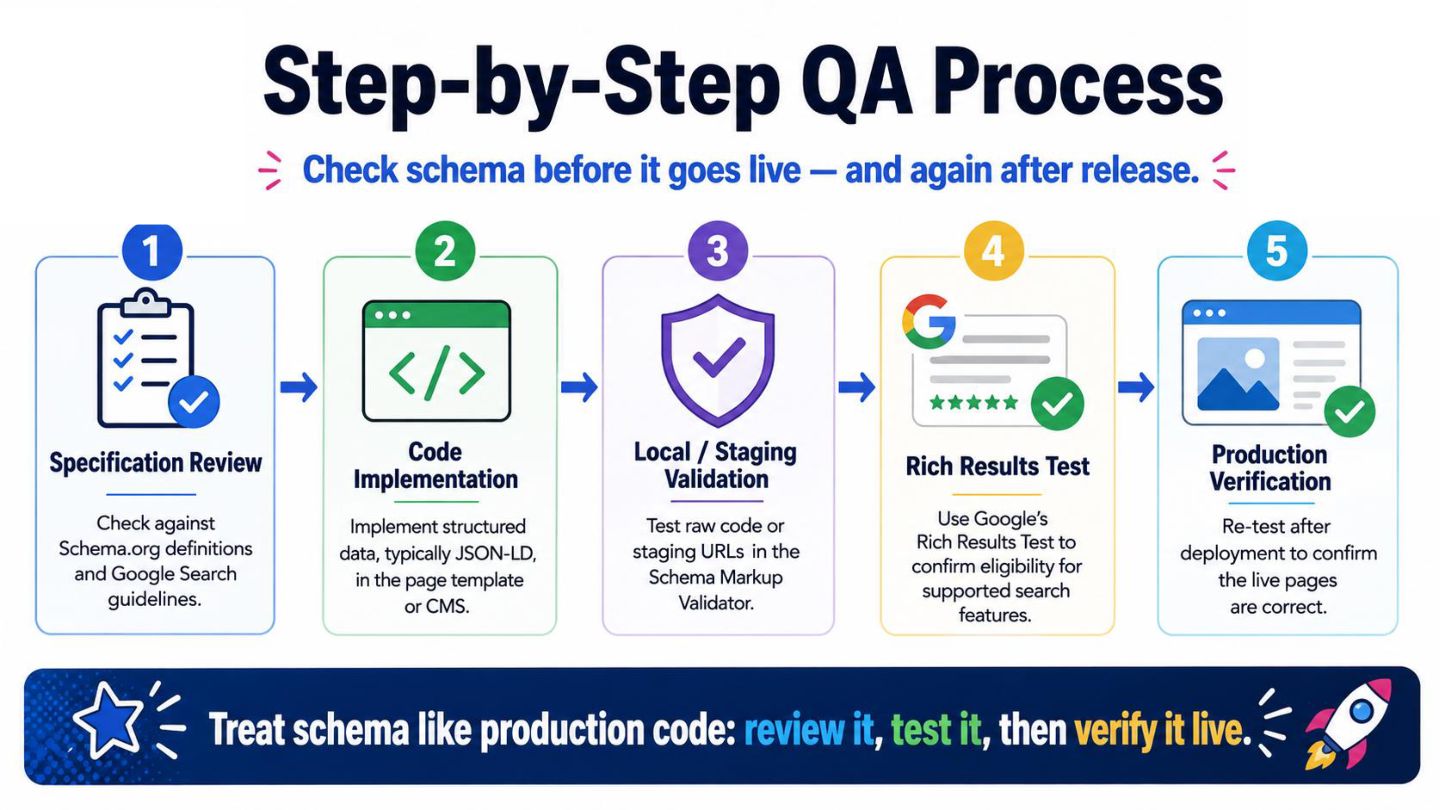
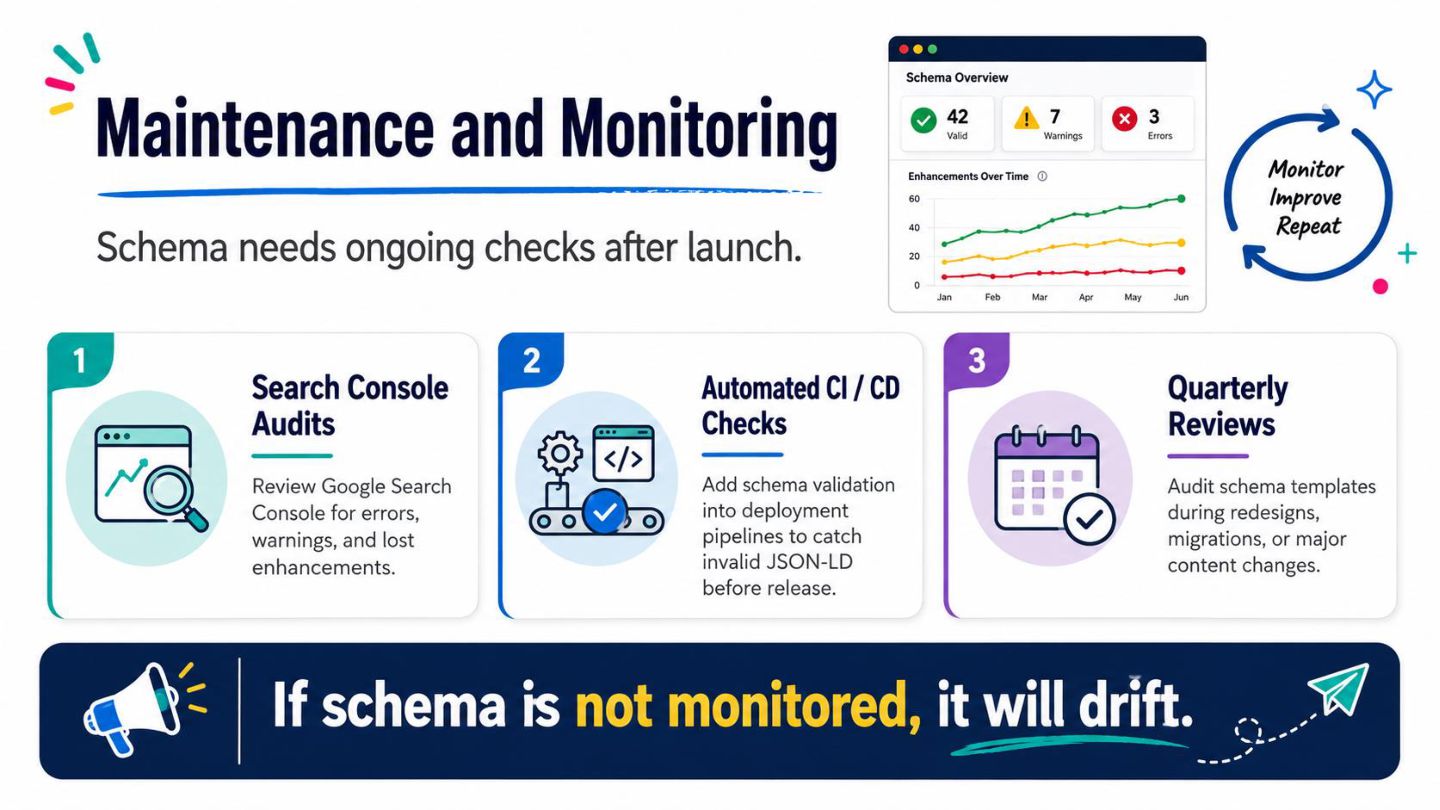
To stay focused on things that make a business impact, this session will deliver a prioritised schema roadmap (templates first; highest-intent entities) to help attendees, a QA and governance process to prevent silent schema failures, and help for those in-house (or even for agencies) to create an internal business case framing schema as infrastructure for discovery.
All in 20 minutes so as can be imagined, there are a lot of slides which deliver detailed summaries of the points without excess of bullet points which get tedious or boring essays on slides. It does make this deck more compact but each slide is packed with delicious details.
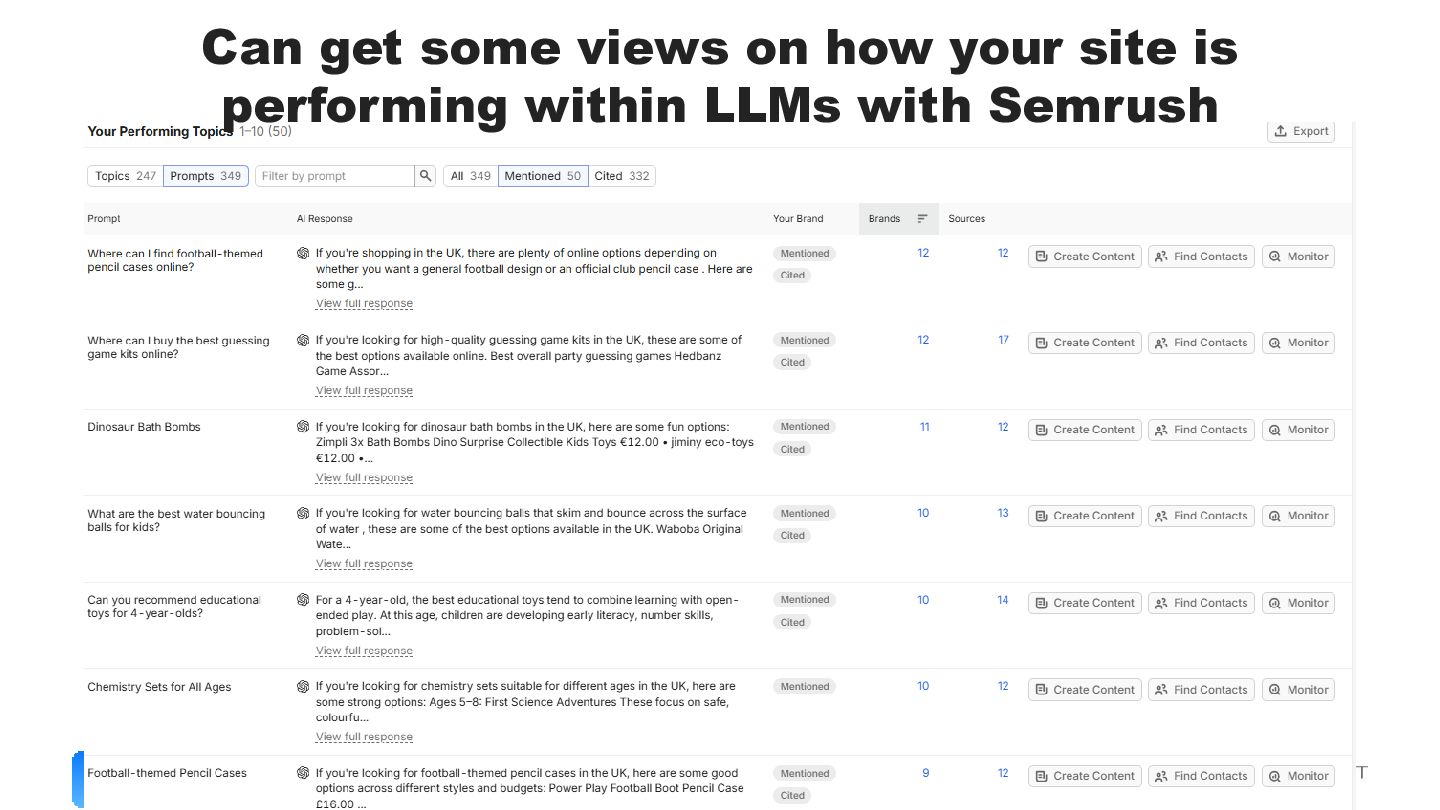
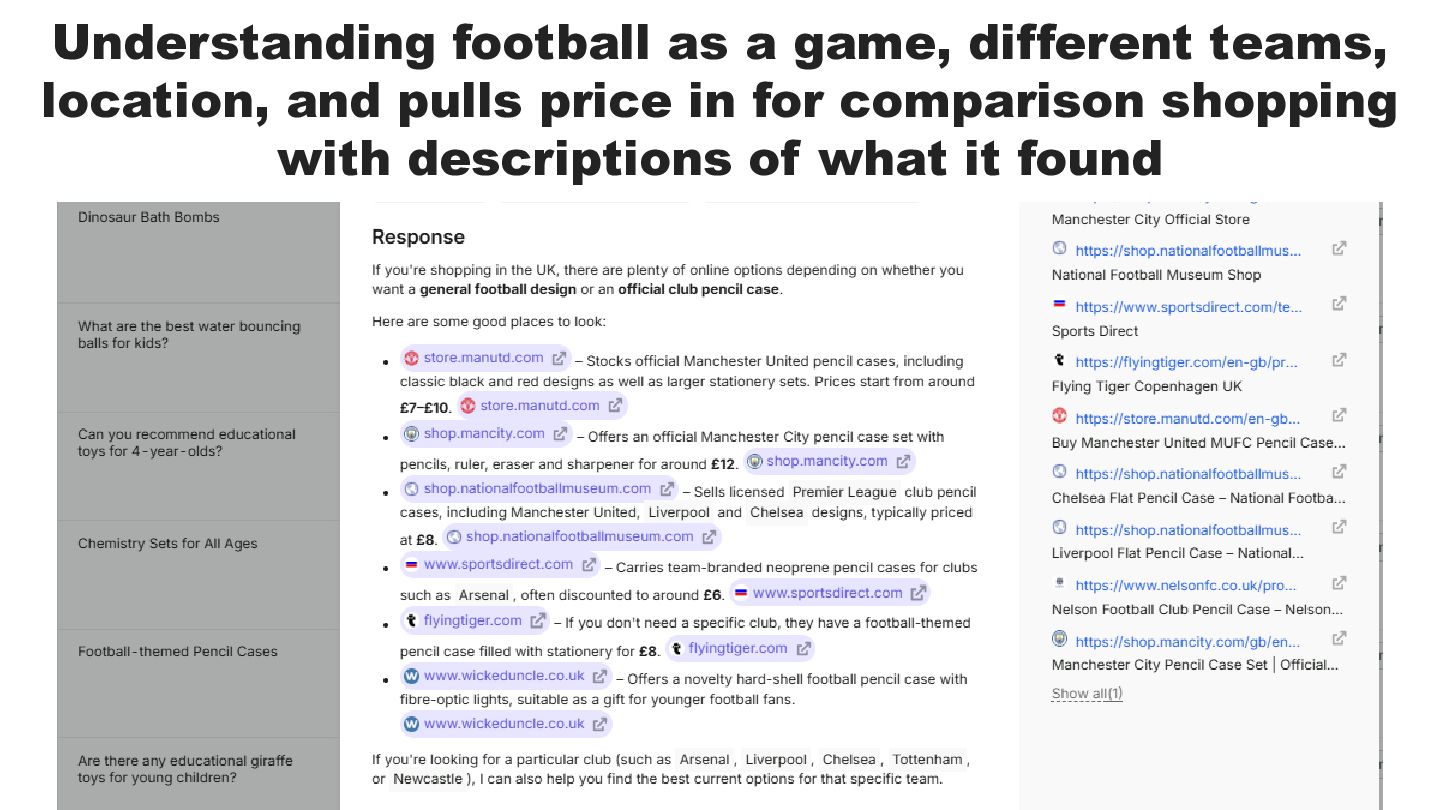
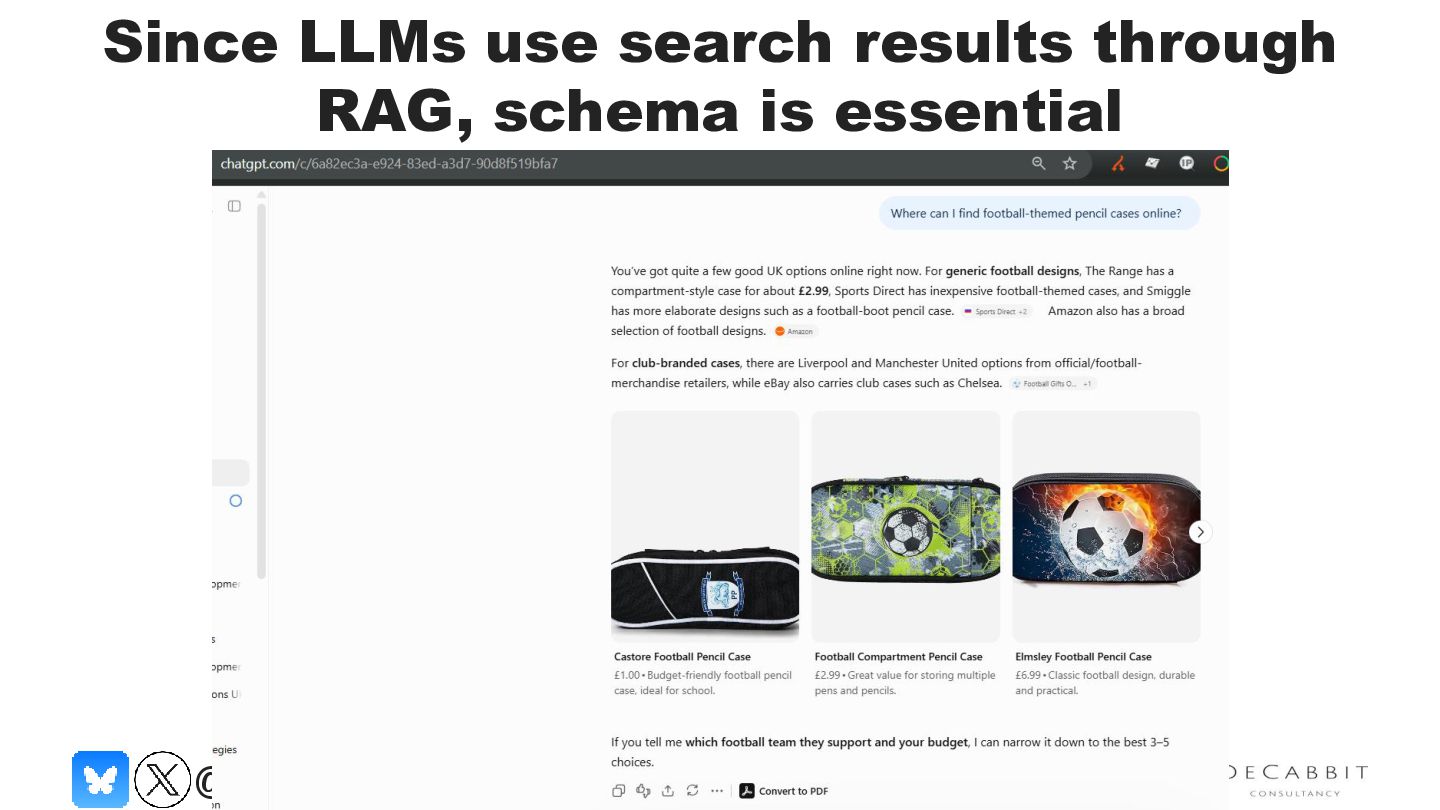
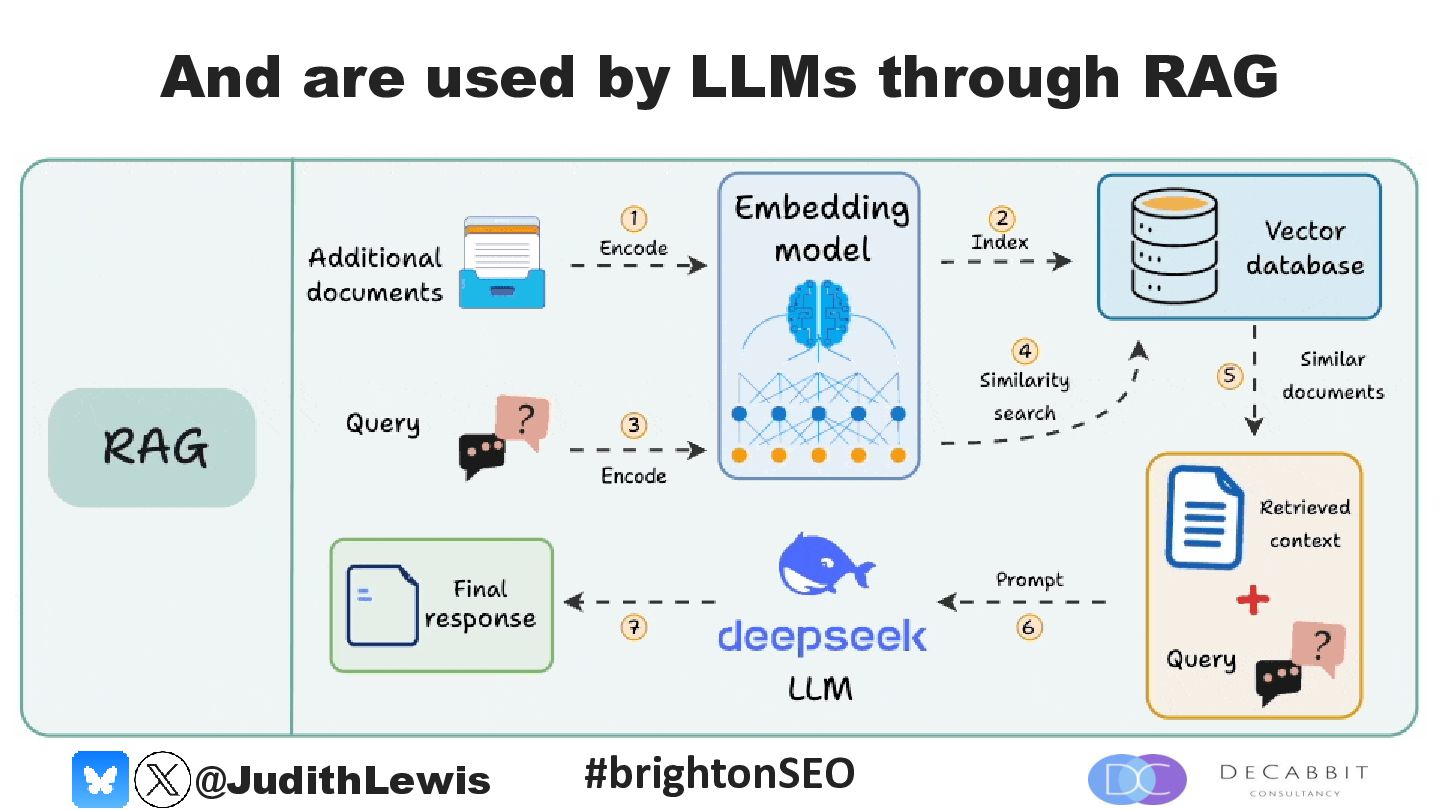
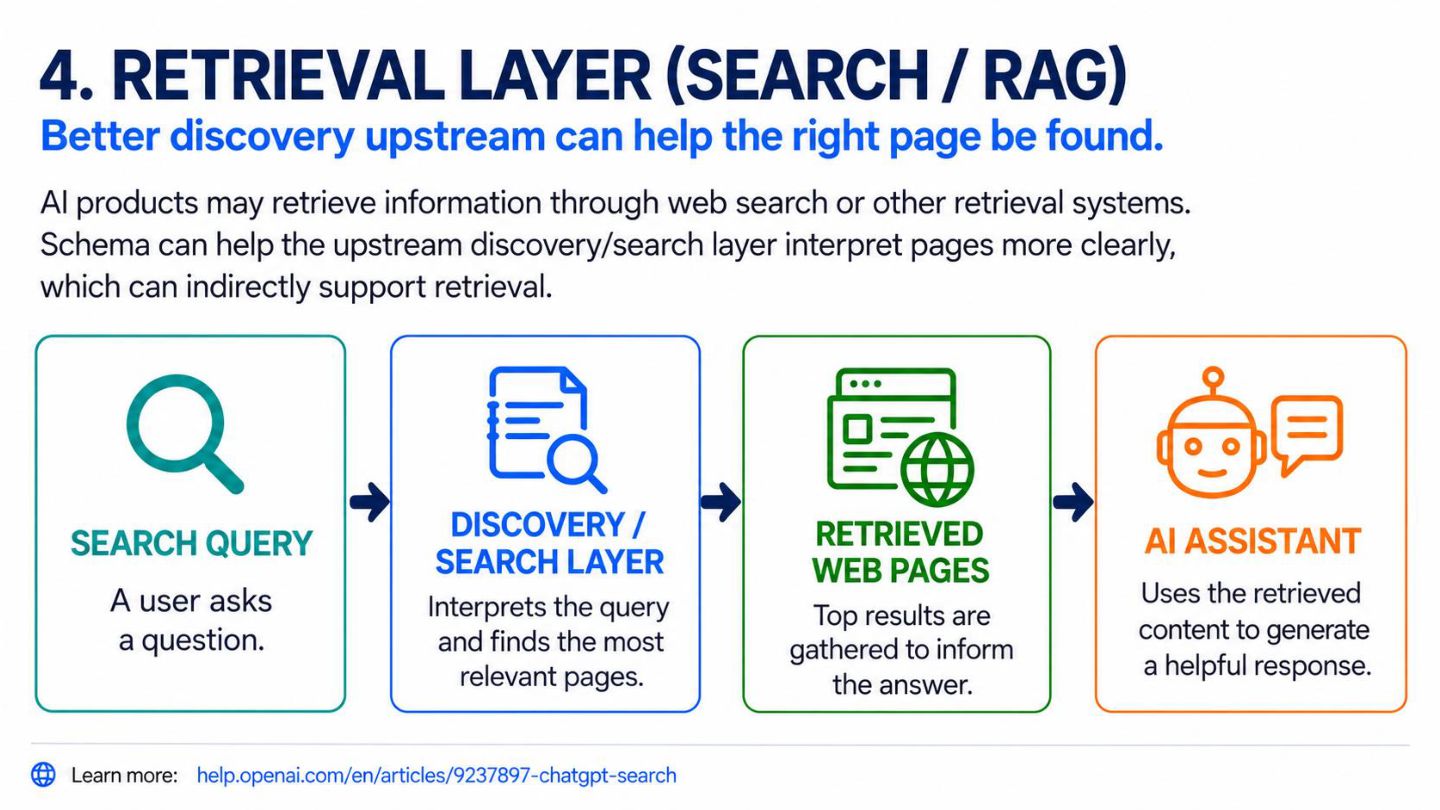
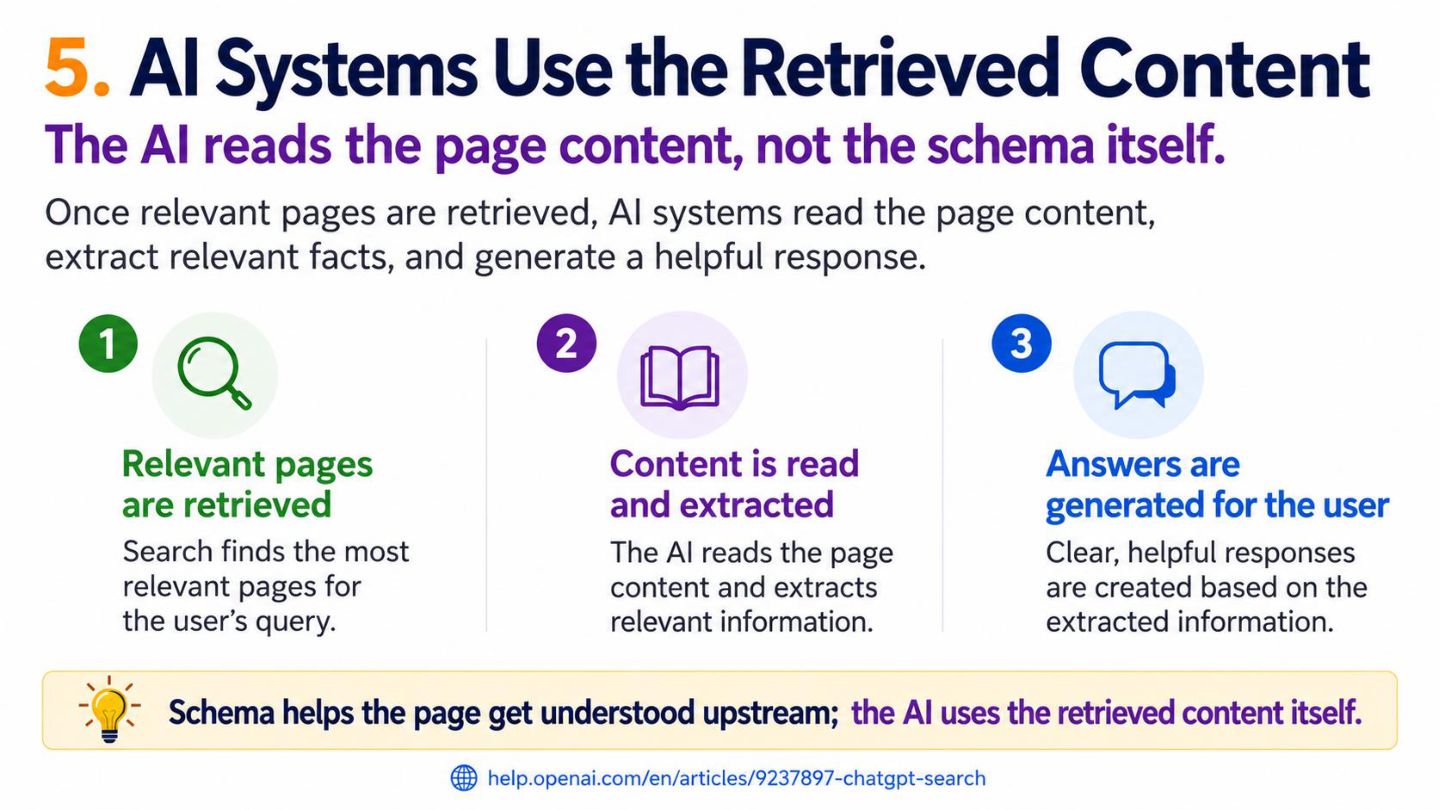
LLM do not 'understand' schema, they do not encode schema elements within their databases, schema does not play a direct part in relating tokens within vectors. To better understand how transformers work, and how they store and retrieve information, I recommend 3 Blue 1 Brown and his series of videos on Deep Learning. All his videos are fantastic, making mathematics accessible and explaining how LLMs work and therefore why Schema is best for RAG.


 decabbit
 chrisleverseo
 sairu_inc
 kevinki
 stephenakadiri
 tenshoku_draft
 gkoivikko
 katarinadahlin
.png) samanyougarg
samanyougarg
 portentint
 speedyindexteam
 aleyda
 mclloyd
 samlambert
 mojombo
 ianozsvald
 frankvandijk
 lauravandoore
 eileencodes
 auna
auna
 chrislema
 schlessera
 colly
colly