18A PBO Status We are The Eye Above NPC, and we exist because of the cry for help from our Wildlife Rangers, our Endangered Species and Eco Systems that are under threat.
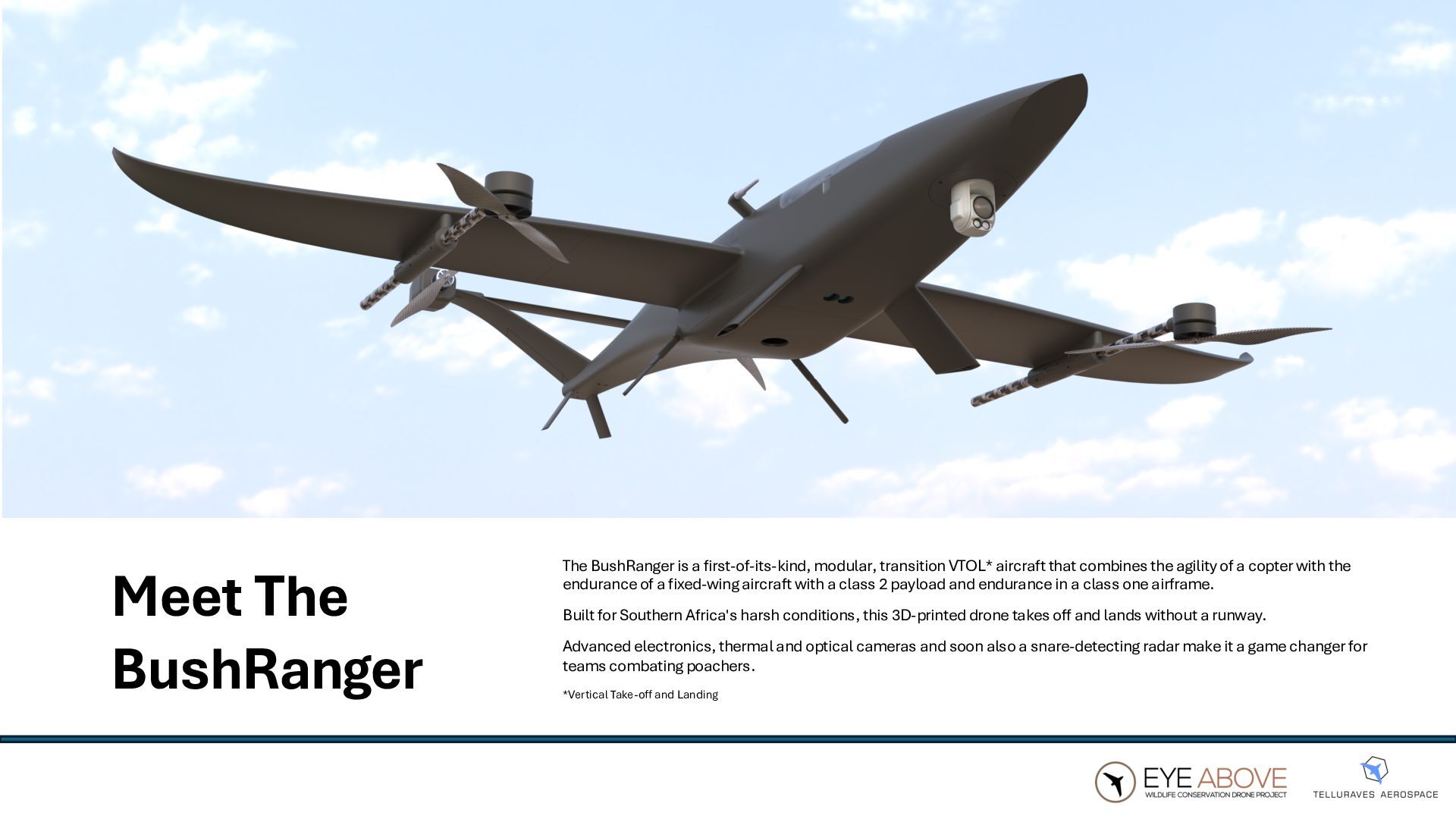
VTOL* aircraft that combines the agility of a copter with the endurance of a fixed-wing aircraft with a class 2 payload and endurance in a class one airframe. Built for Southern Africa's harsh conditions, this 3D-printed drone takes off and lands without a runway. Advanced electronics, thermal and optical cameras and soon also a snare-detecting radar make it a game changer for teams combating poachers. *Vertical Take-off and Landing
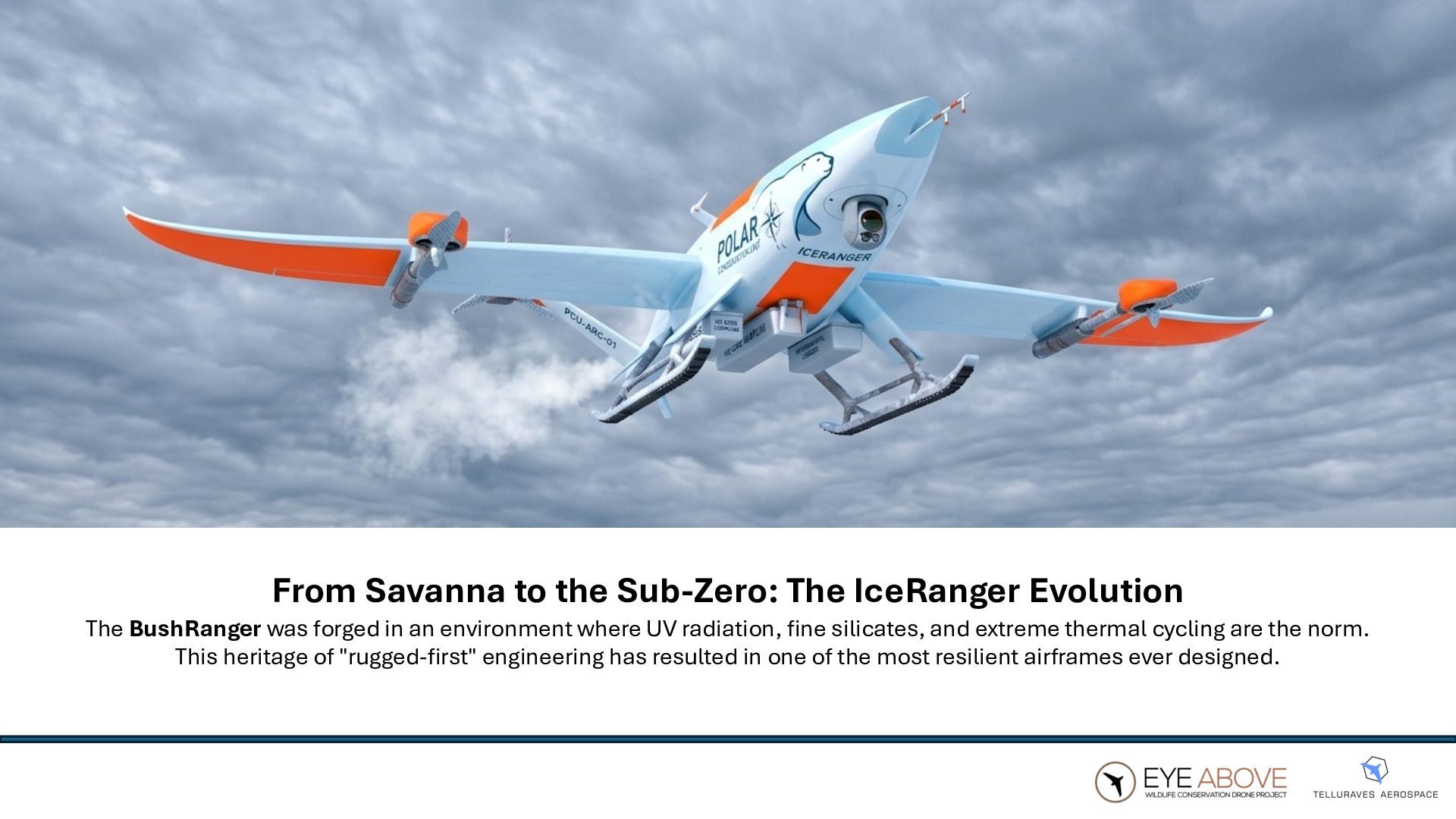
was forged in an environment where UV radiation, fine silicates, and extreme thermal cycling are the norm. This heritage of "rugged-first" engineering has resulted in one of the most resilient airframes ever designed.
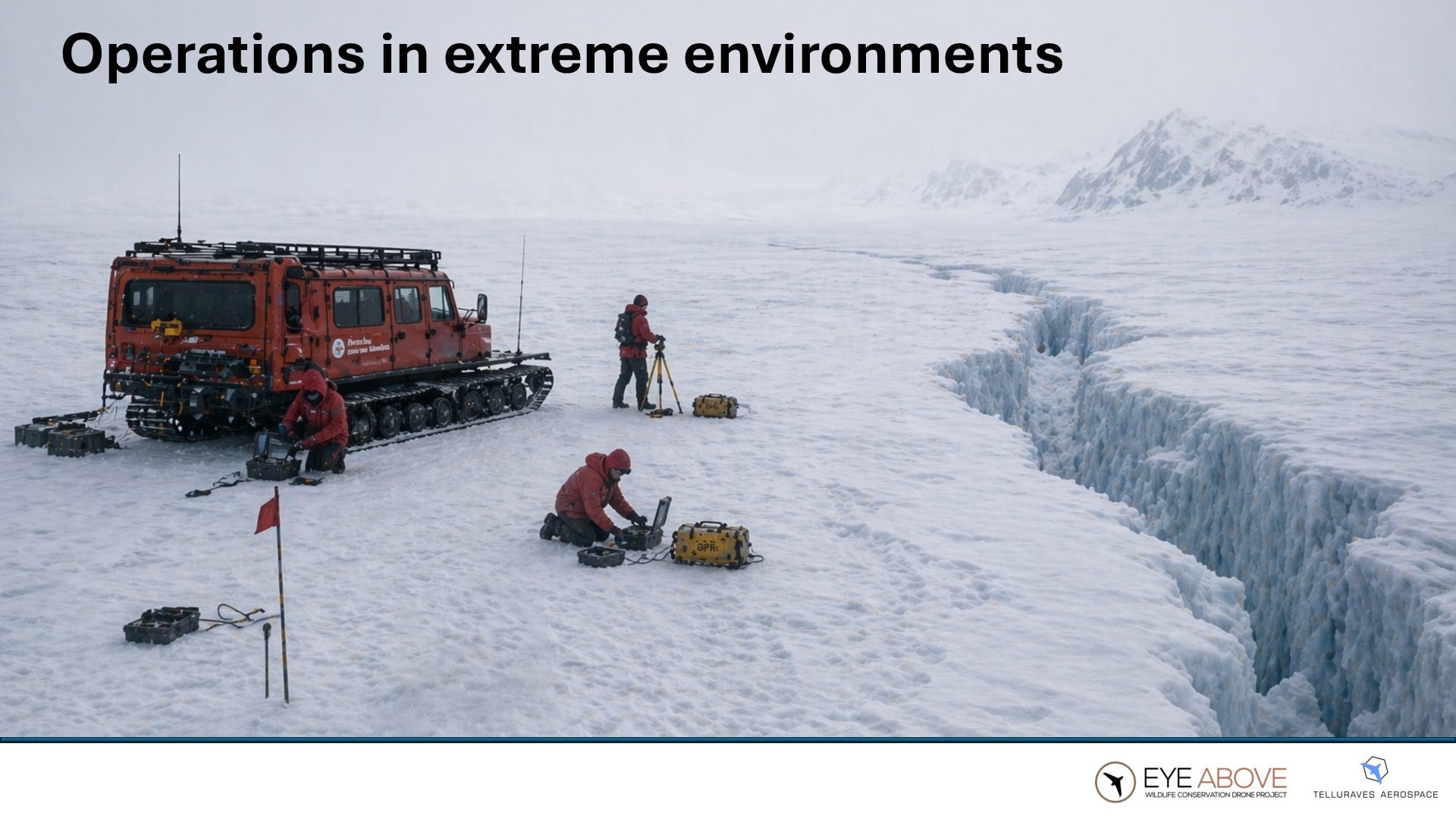
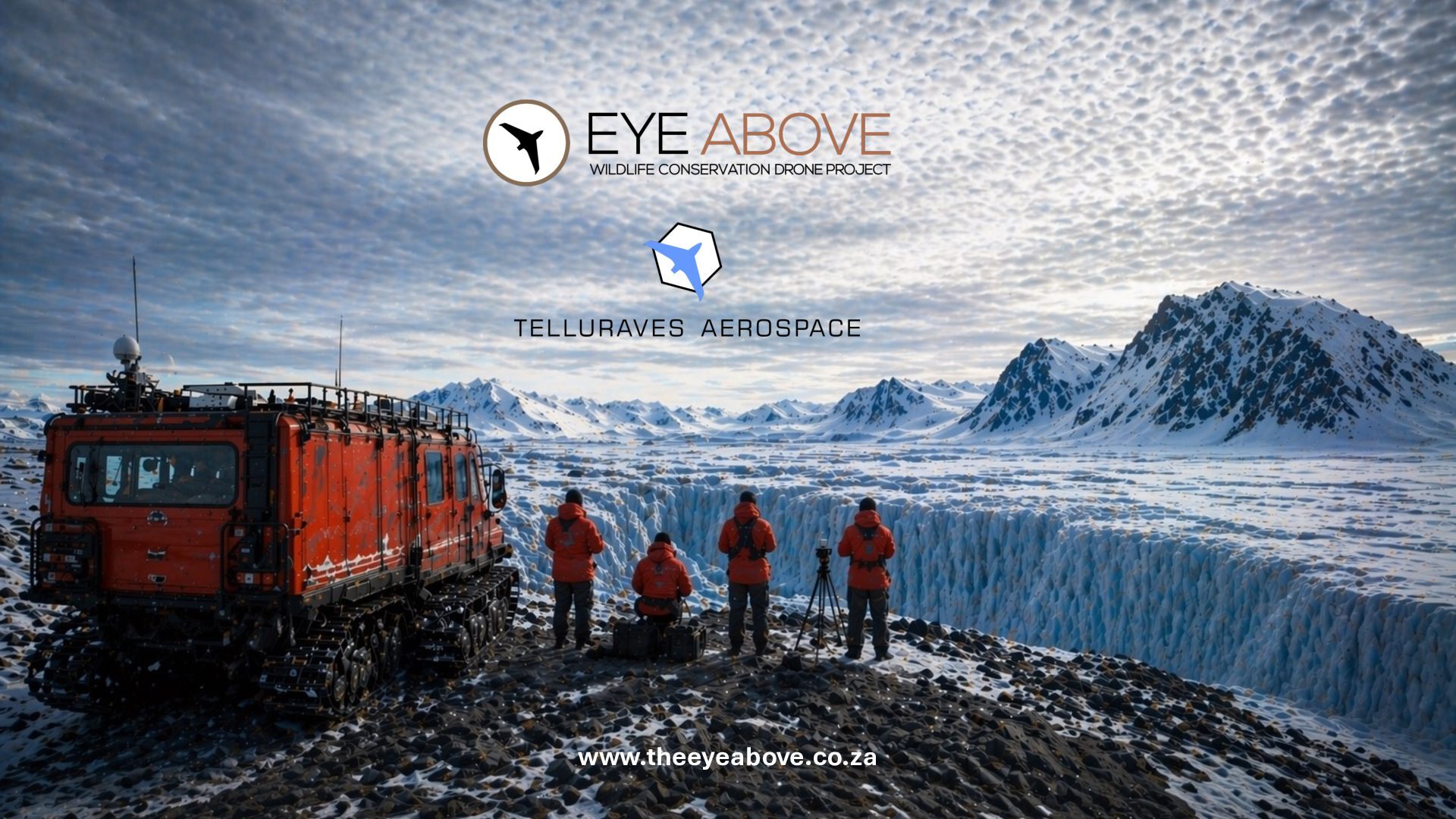
and MJF PA12 components that provide the torsional rigidity needed to handle high-speed turbulence in the Kruger are now being leveraged for the Antarctic. • The Benefit: While traditional composites can become brittle in extreme cold, our specific lattice densities and material choices are designed to maintain structural integrity at temperatures where standard airframes fail. – BushRanger components have already been tested in the Antarctic 2. The IceRanger Mission Profile The IceRanger derivative would not just be a "cold-weather version"—it would be a dedicated polar logistical and safety asset designed for: • Crevasse & Obstacle Detection: Using downward-facing sensors (such as LiDAR or specialized optical arrays) to map expedition routes, identifying hidden snow bridges and rifts long before ground teams reach them. • Long-Range Aerial Surveying: Utilizing the high-efficiency VTOL platform to cover vast areas of the ice shelf that are otherwise inaccessible or too dangerous for manned flight. • Critical "Last-Mile" Logistics: Delivering emergency medical supplies, specialized tools, or critical replacement parts (like GPR components) to remote teams in minutes rather than hours. 3. Technical Hardening for the Antarctic To move from the bush to the poles, the proposed IceRanger would incorporate several mission-specific upgrades: • Thermal Management: Replacing the radial cooling fins used in the heat of the bush with an insulated, "cold-soaked" battery compartment and internal heating elements to ensure optimal discharge rates. • Aerodynamic Protection: Protected pitot tubes to prevent "icing up" during flight through supercooled moisture. • High-Visibility Livery: Transitioning from "Bush-Camo" to high-contrast safety orange and arctic white to ensure visual tracking against the flat light of the ice. • Operational Insight: In the Antarctic, "the unexpected can be devastating." The IceRanger would be built to turn the unexpected into a data point, providing the "Eye Above" that keeps ground expeditions safe.


 ipfevents
 trycycle
 takusamar
 voginip
 estie
estie
 bonotake
 analokmaus
 masakiokuda
.jpg) lychee1223
lychee1223
 sshimizu2006
 mickey_0226
 minecr
 eileencodes
 tapps
tapps
 szymonslowik
 nikkihalliwell
 gurzu
gurzu
 mayatellez
 ryanjones
 rkaga
rkaga
 aleyda
 chriscoyier
 jnunemaker