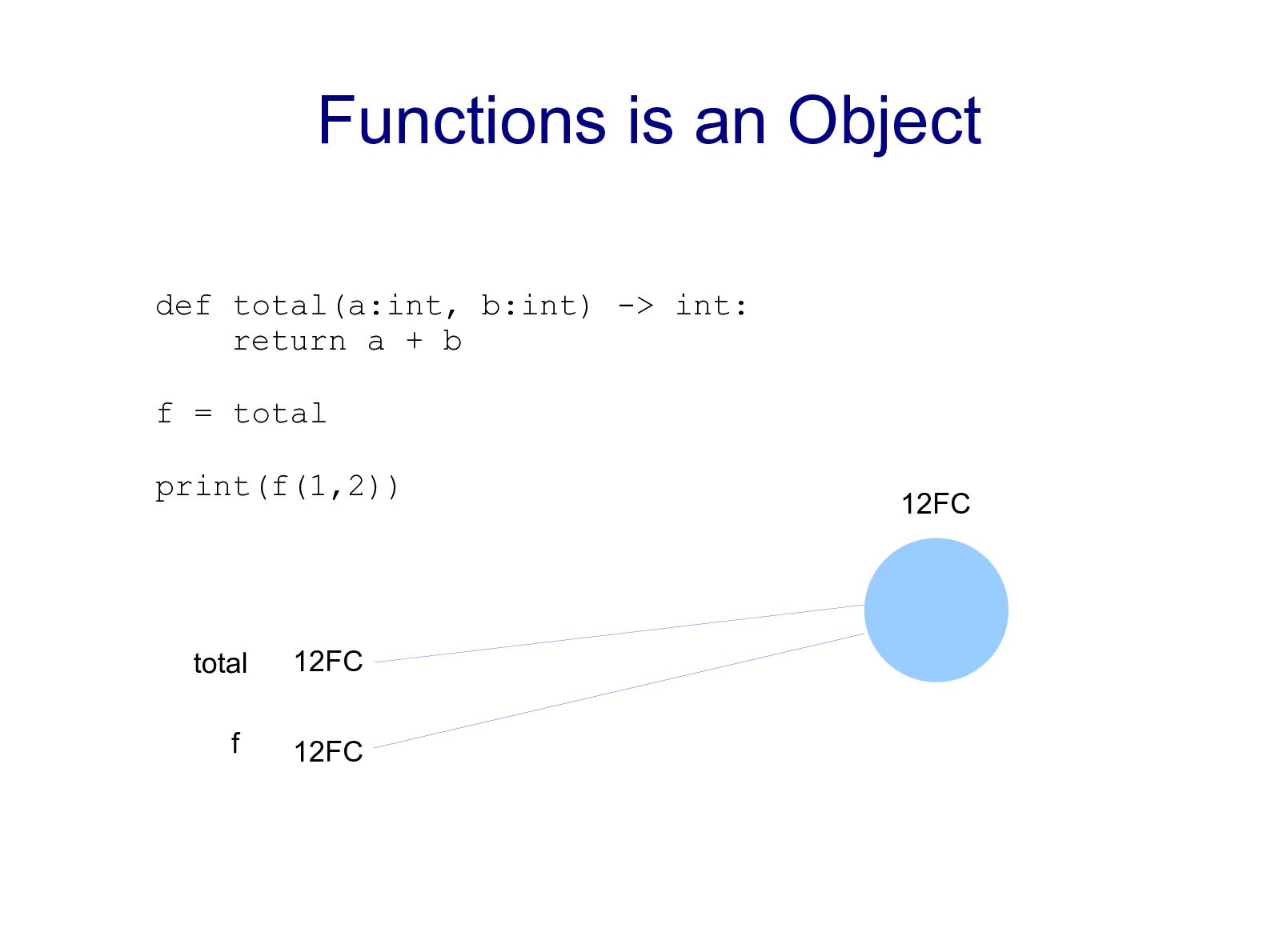
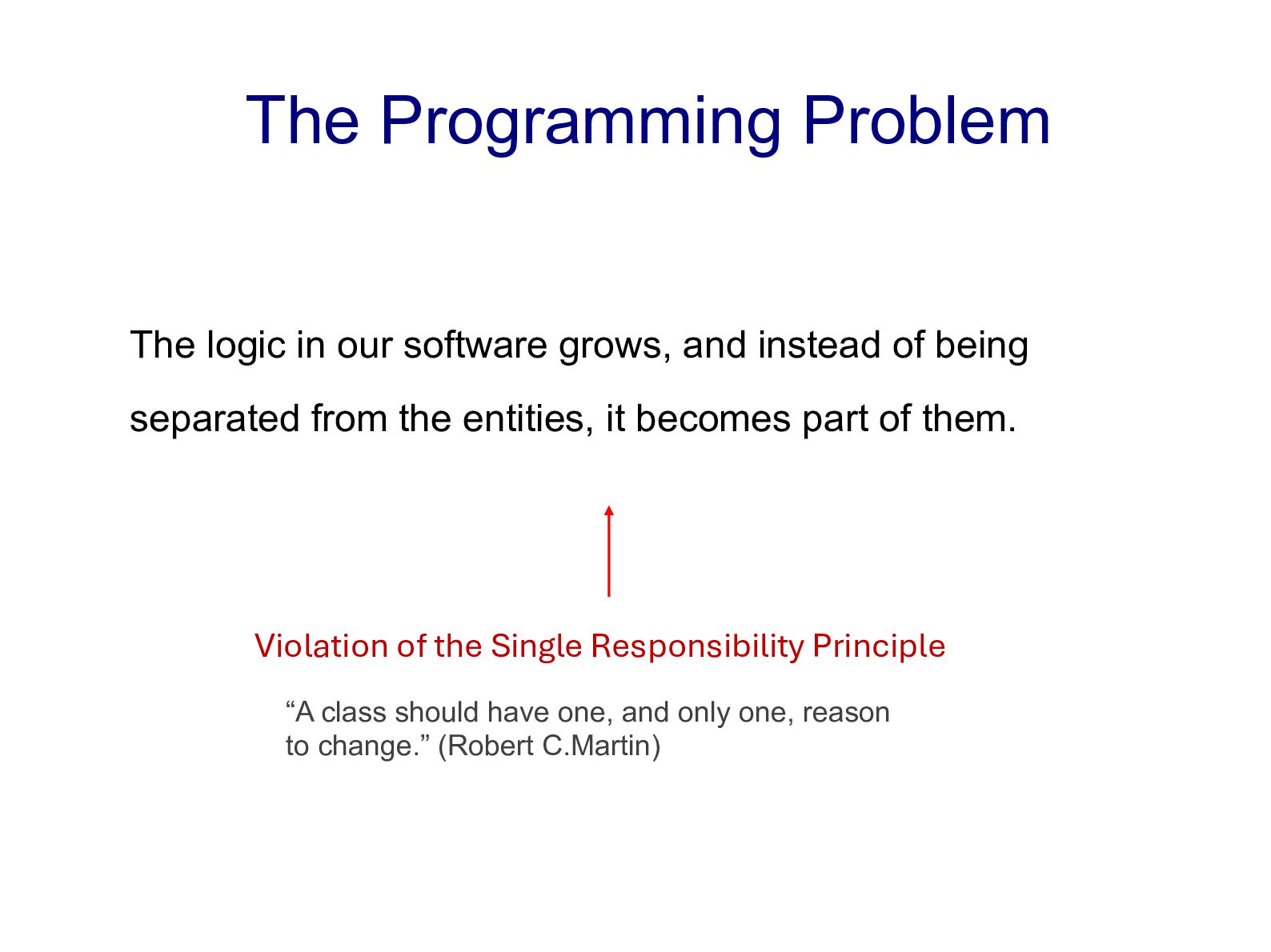
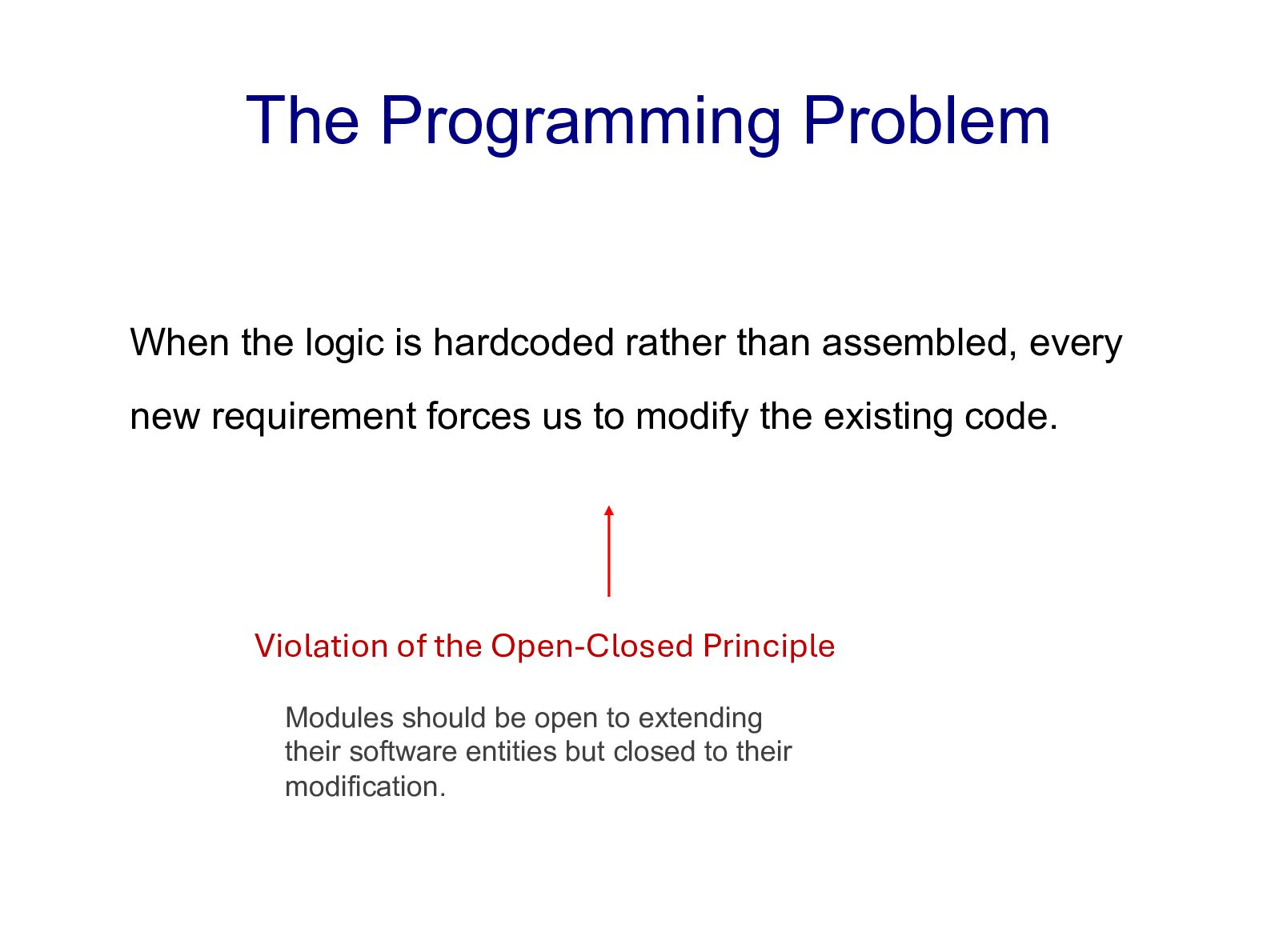
As software systems evolve, their business logic often becomes increasingly complex. Logic that initially seems simple gradually gets embedded in classes and entities, making the code harder to maintain, extend, and reuse. Every new requirement may force developers to modify existing implementations, increasing complexity and the risk of introducing defects.
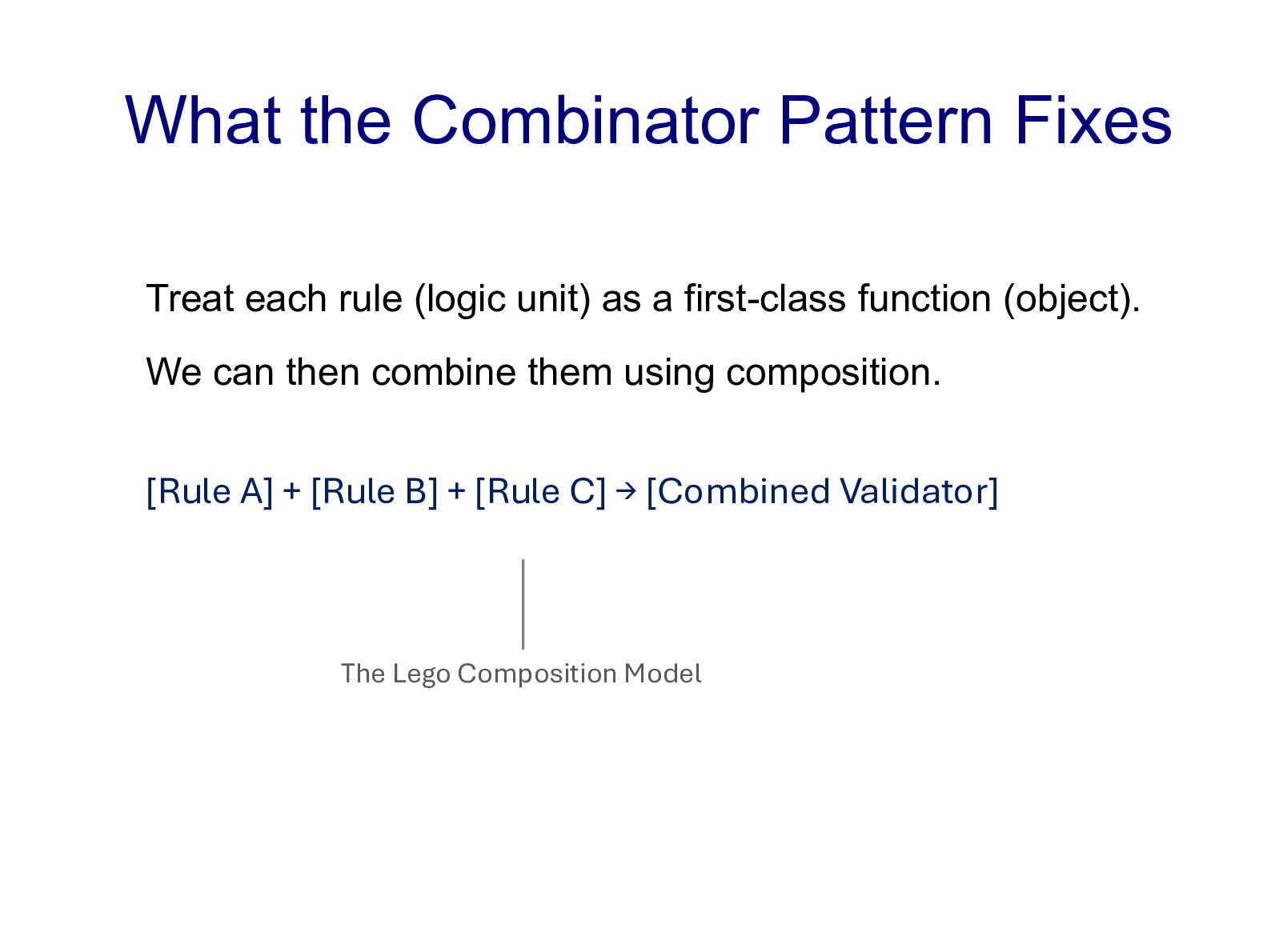
The Combinator Design Pattern offers an elegant way to address these challenges. Instead of implementing complex logic as tightly coupled control flow, we can represent individual rules as independent, first-class functions and compose them to construct more sophisticated behavior.
This presentation explores the Combinator Pattern from both theoretical and practical perspectives, showing how Python's support for first-class functions enables flexible, reusable software components.
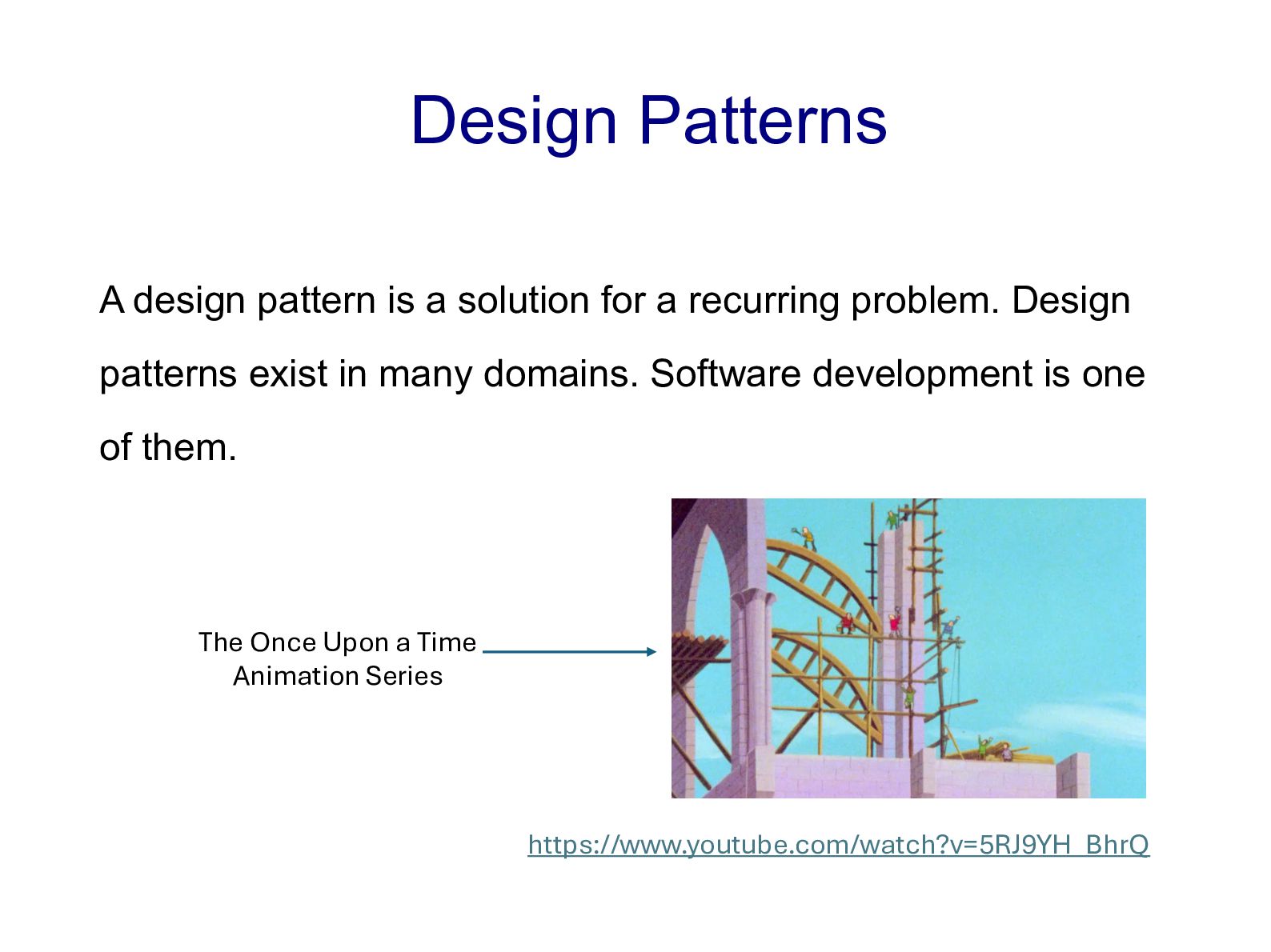
We begin by reviewing first-class objects in Python and the role of design patterns in solving recurring software development problems. We then examine common design challenges, including business logic accumulating within entities and the difficulties that arise when requirements change.
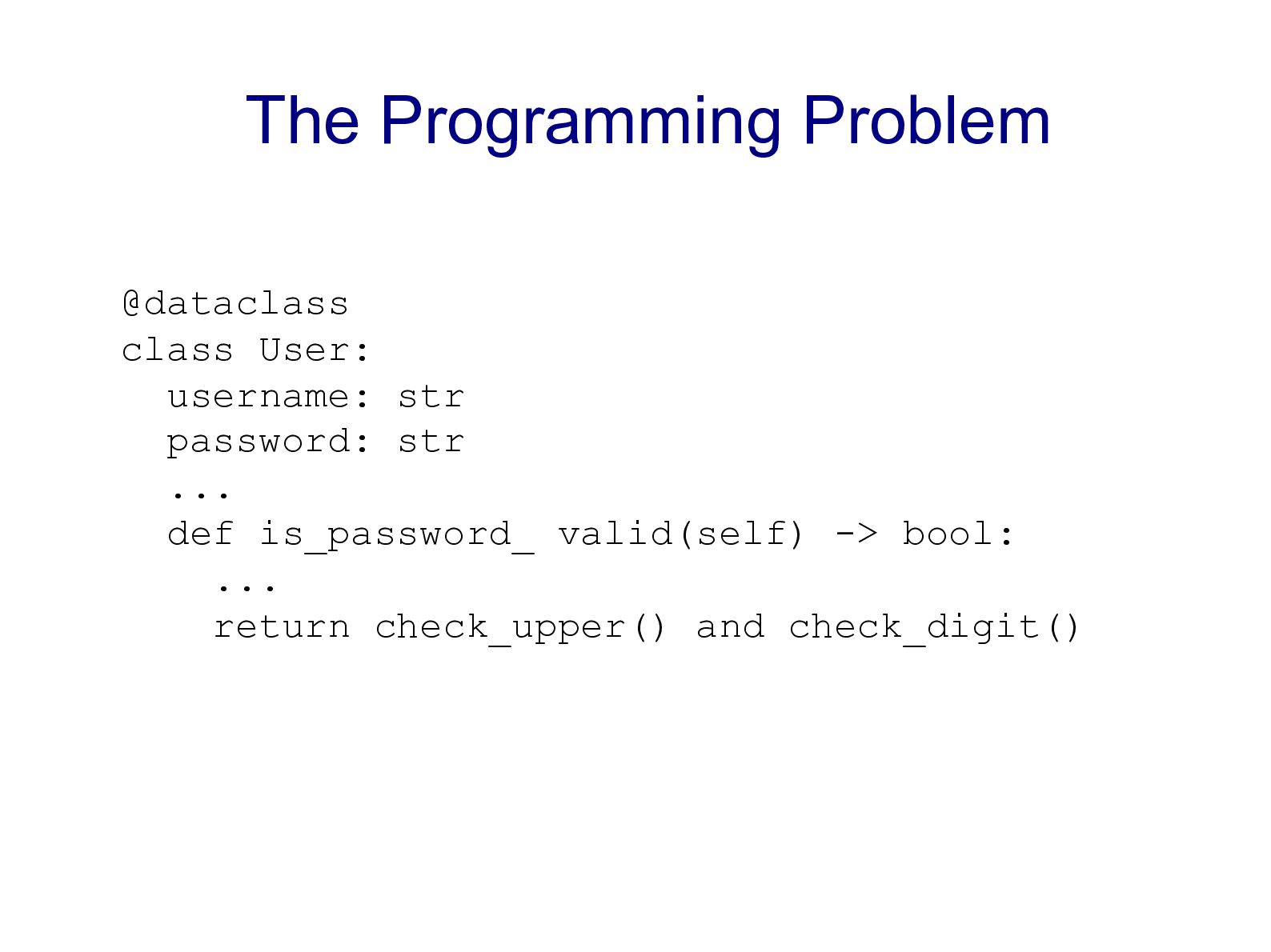
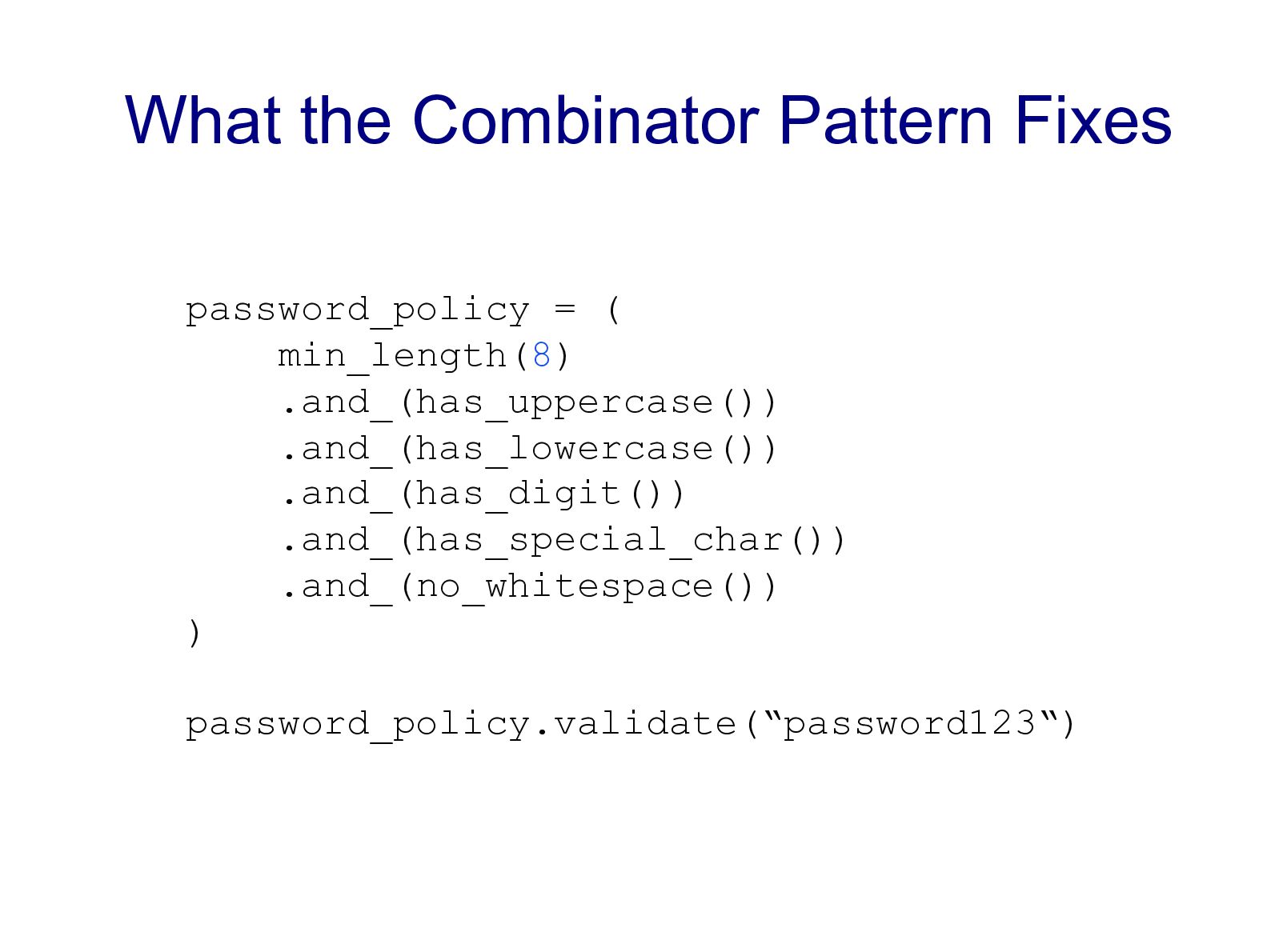
Using password validation as a practical example, we show how you can define individual validation rules independently and combine them into more complex validation policies. Rather than hardcoding validation logic inside a class, we can assemble the required behavior from reusable building blocks.
The presentation also examines how the Combinator Pattern supports fundamental object-oriented design principles:
- Single Responsibility Principle (SRP): Separating individual logic units from the entities that use them, improving separation of concerns.
- Open-Closed Principle (OCP): Allowing developers to introduce new combinations of behavior without modifying existing logic units.
- Code Maintainability: Making implementations easier to understand, extend, and maintain by organizing logic into small, reusable components.
One of the central messages of this presentation is that complex software behavior does not necessarily require complex implementations. By modeling logic as composable units, developers can create flexible solutions that adapt more easily to changing requirements.
The Combinator Pattern demonstrates how thoughtful software design can simplify development while improving code quality and maintainability.
These slides are intended for Python developers, software architects, and anyone interested in design patterns, functional composition, and building cleaner, more maintainable software.
More information about this talk and the code samples it uses can be found at https://lifemichael.com/en/exploring-the-combinator-pattern-at-python-summit-2026/


 lifemichael
 glaforge
 gogutan
 mohab1
 maimyyym
 pei0804
 codmoninc
 yuuuuuuu168
 kairim0
 koukihosaka
 yazm
 ivry_presentationmaterials
 greenmidori
 akihiro_kokubo
 kneath
 geshan
 elsirapls
 reverentgeek
 ipullrank
 tammyeverts
 cassininazir
 watany
 helenjbeal
 marcelosomers
 carmenintech