Spec-Driven Development with AI

Spec-Driven Development with AI
These slides accompany my academic seminar, "Spec-Driven Development with AI," delivered at the Holon Institute of Technology (HIT) in Israel.
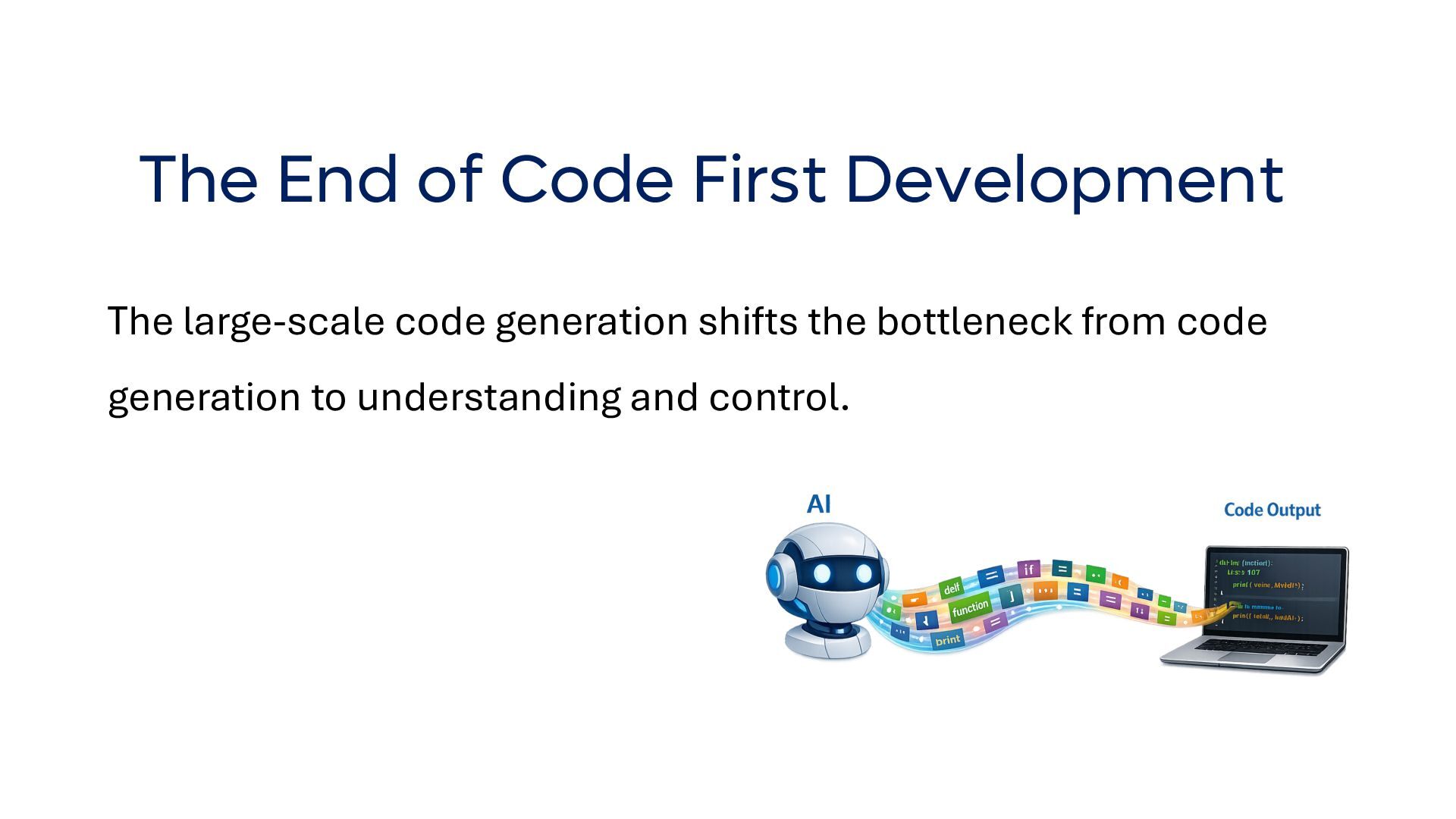
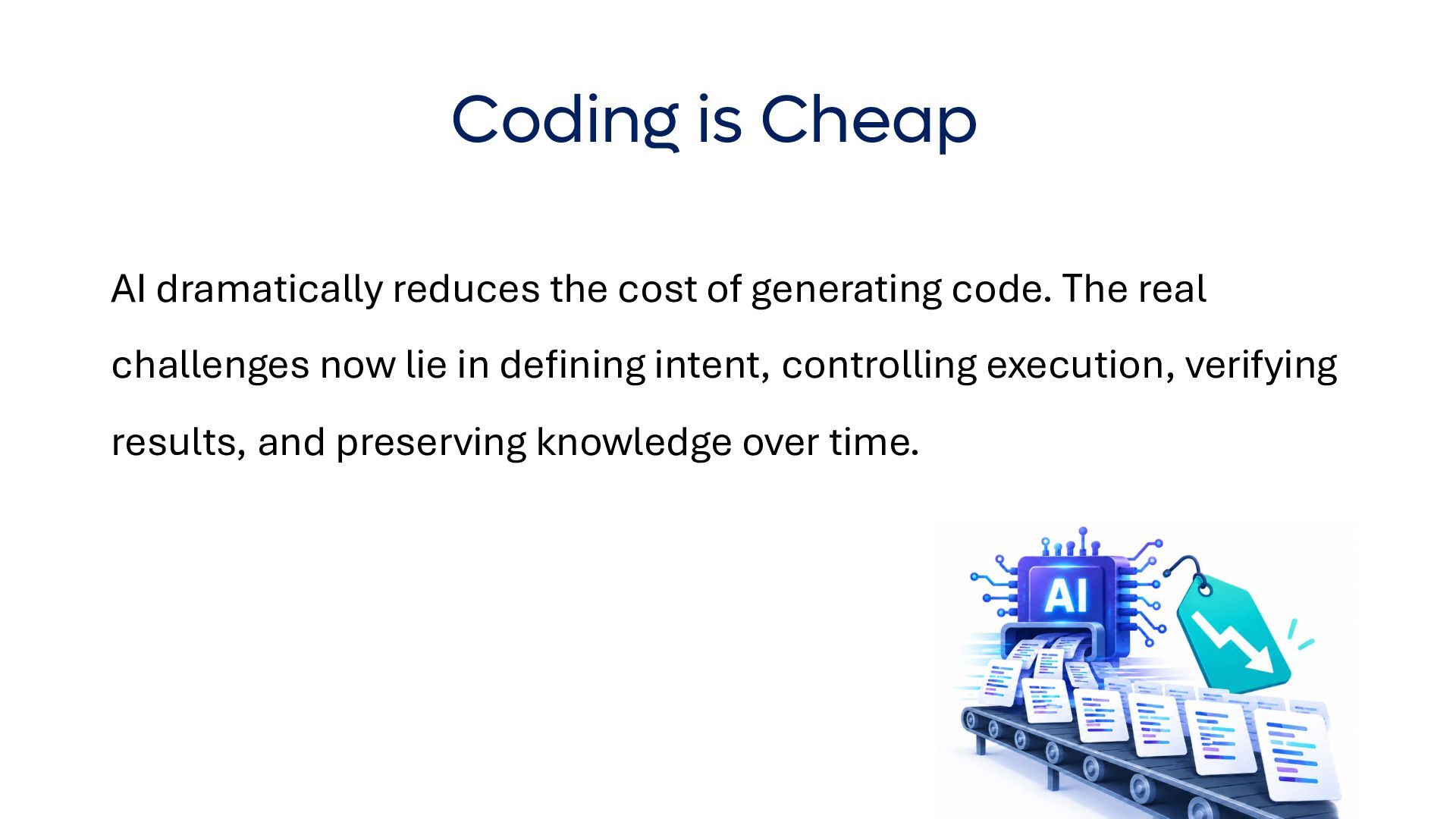
As artificial intelligence becomes increasingly capable of generating software, the traditional software development process is undergoing a fundamental transformation. The primary challenge is gradually shifting from writing code to clearly defining requirements, designing systems, maintaining control over AI-generated implementations, and orchestrating AI agents.
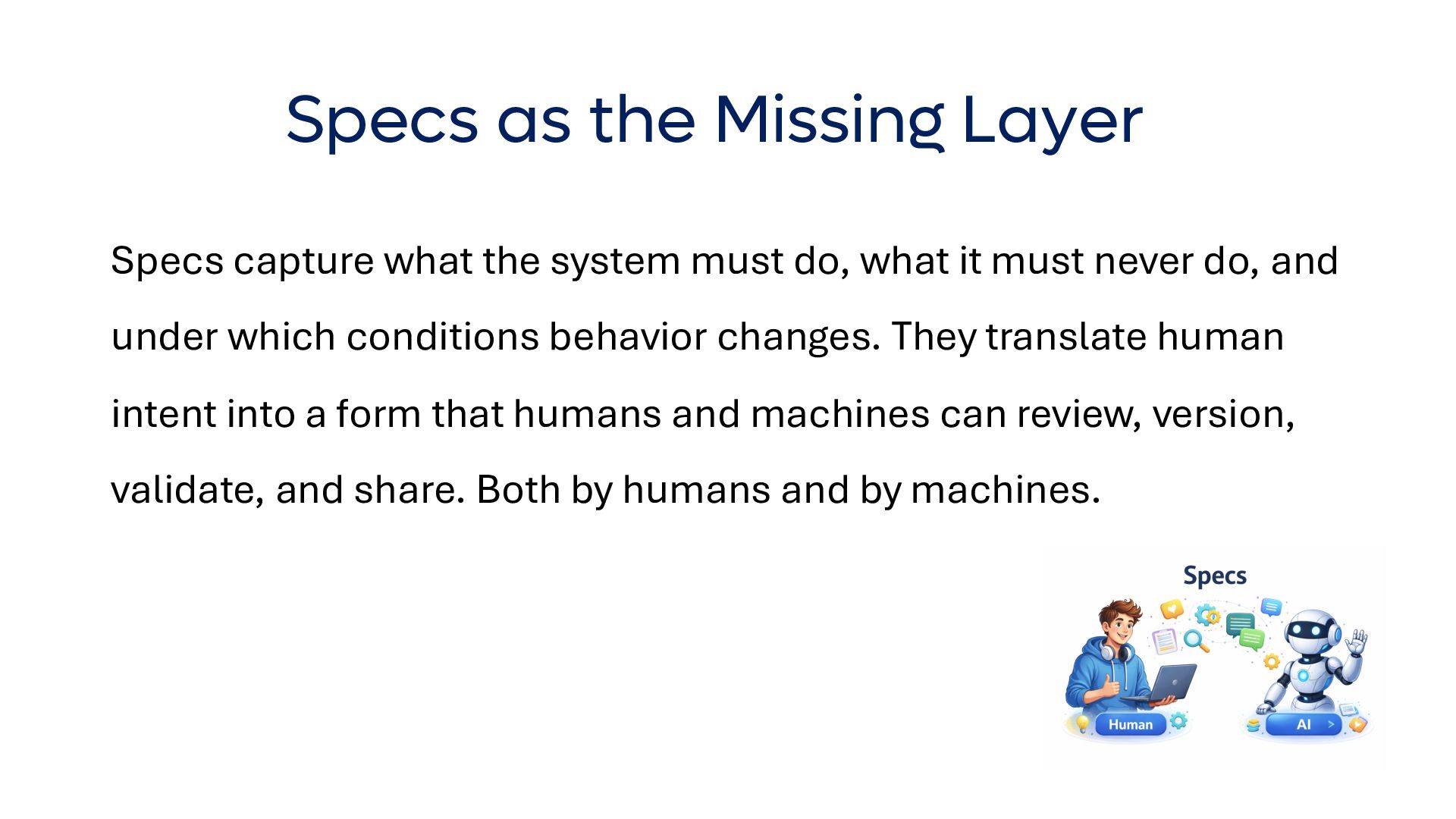
This seminar explores Spec-Driven Development (SDD) as an emerging approach to AI-assisted software engineering. Rather than relying on loosely structured prompts, as commonly happens with vibe coding, SDD places specifications at the center of the development process. These specifications capture human intent and guide implementation, testing, architectural decisions, and ongoing maintenance.
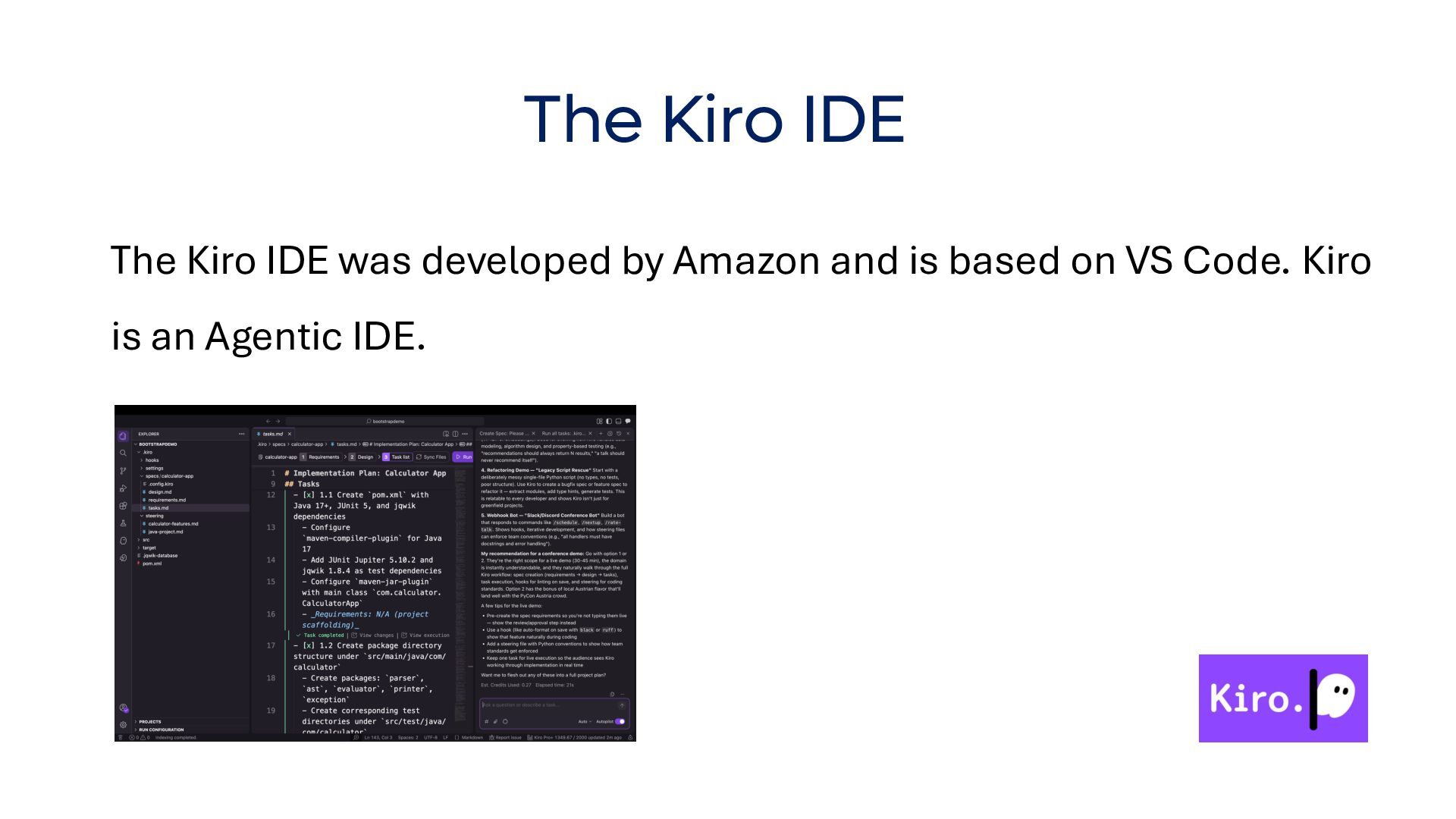
The presentation uses Kiro IDE, Amazon's agentic development environment, to demonstrate how Spec-Driven Development can be implemented in practice.
Topics covered in the slides include:
From Code-First to Spec-Driven Development: Understanding why AI-generated code changes the fundamental challenges of software engineering.
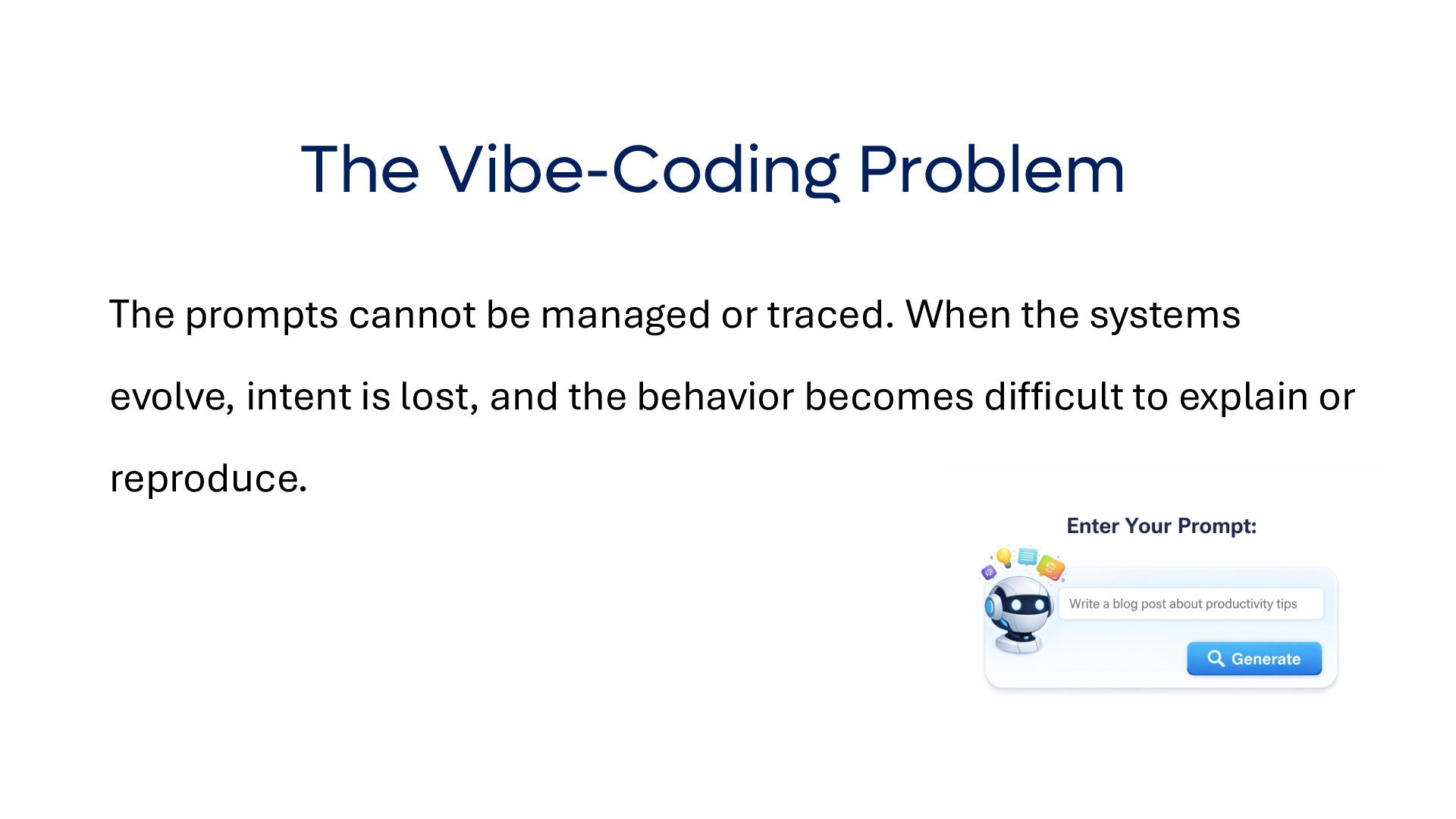
The Limitations of Vibe Coding: Exploring the challenges of traceability, reproducibility, maintainability, and preserving human intent.
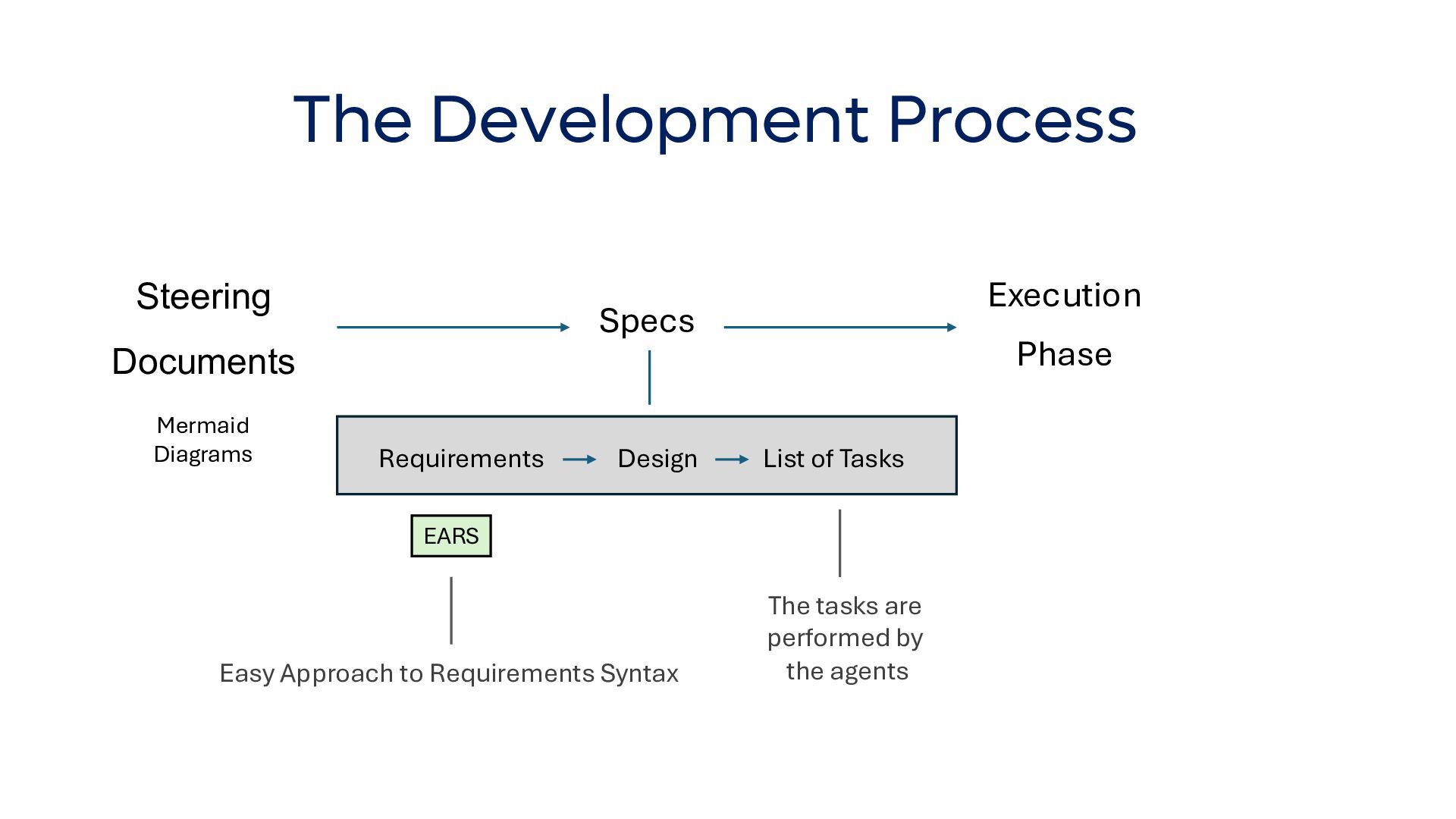
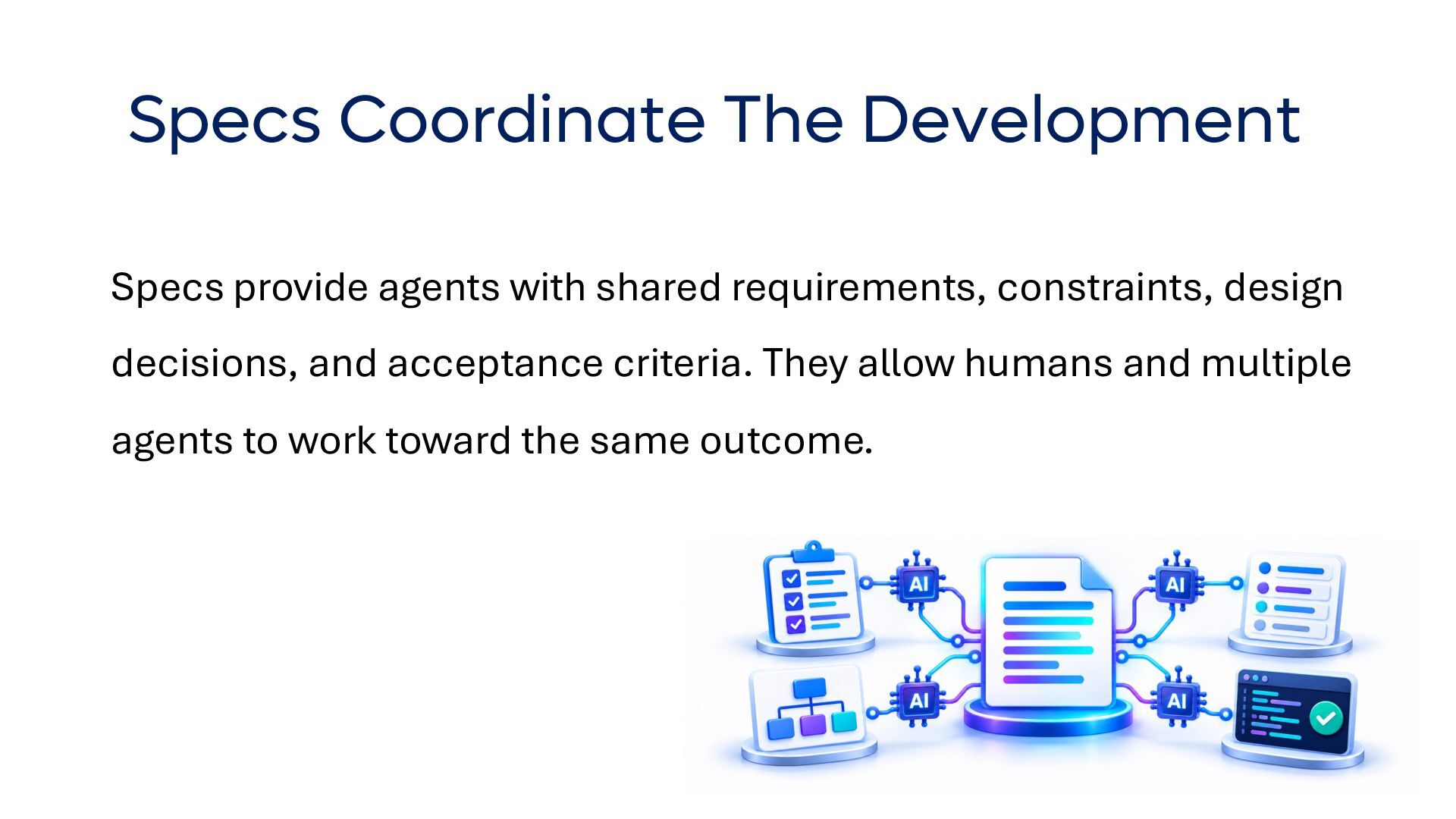
Specifications as the Foundation: Using structured requirements, technical designs, and implementation tasks to guide AI-assisted development.
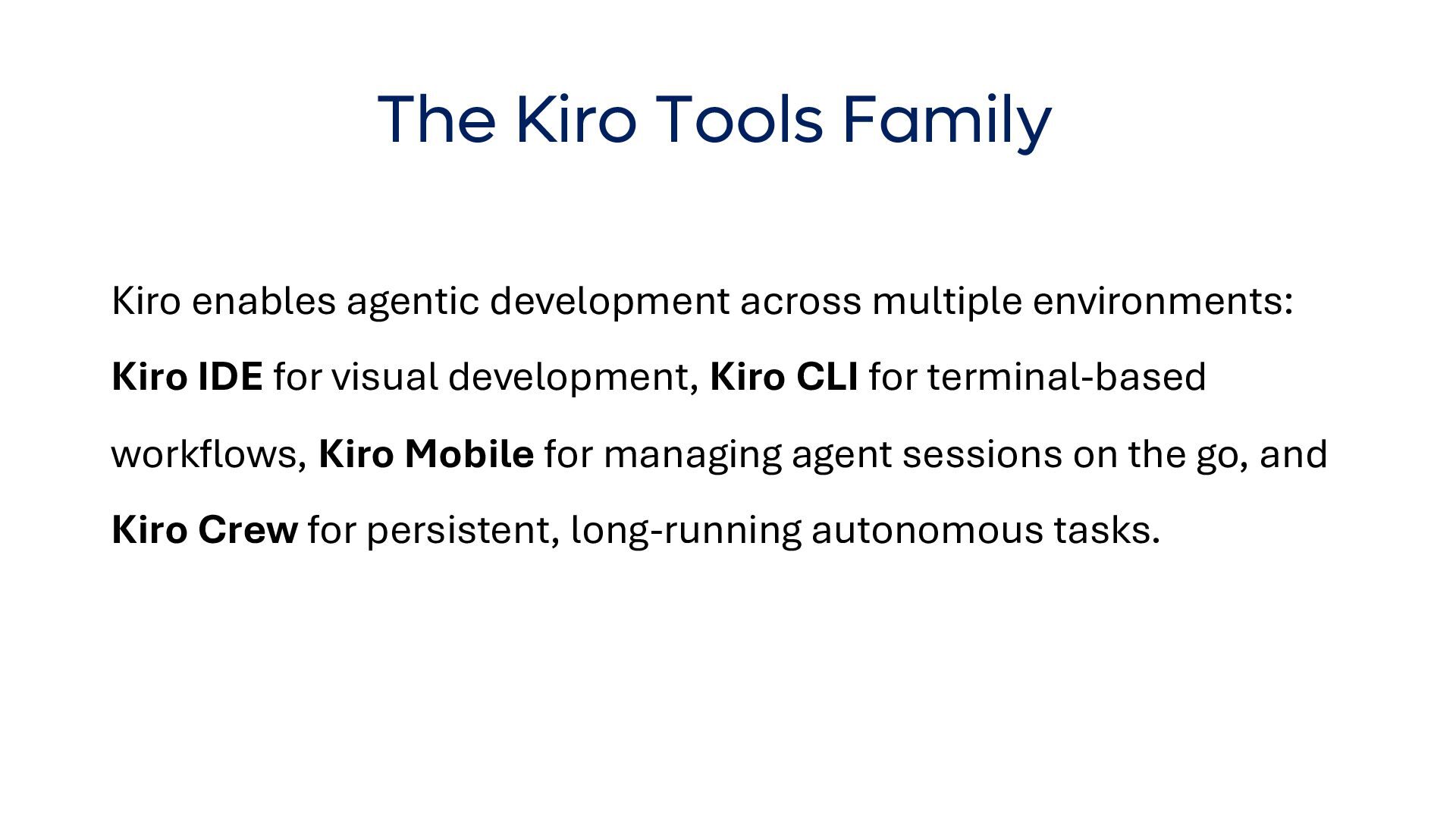
Kiro IDE and Its Ecosystem: Introducing Kiro IDE and its tools for agentic software development.
Steering Documents and Development Workflows: Providing AI agents with project context, development guidelines, and architectural constraints.
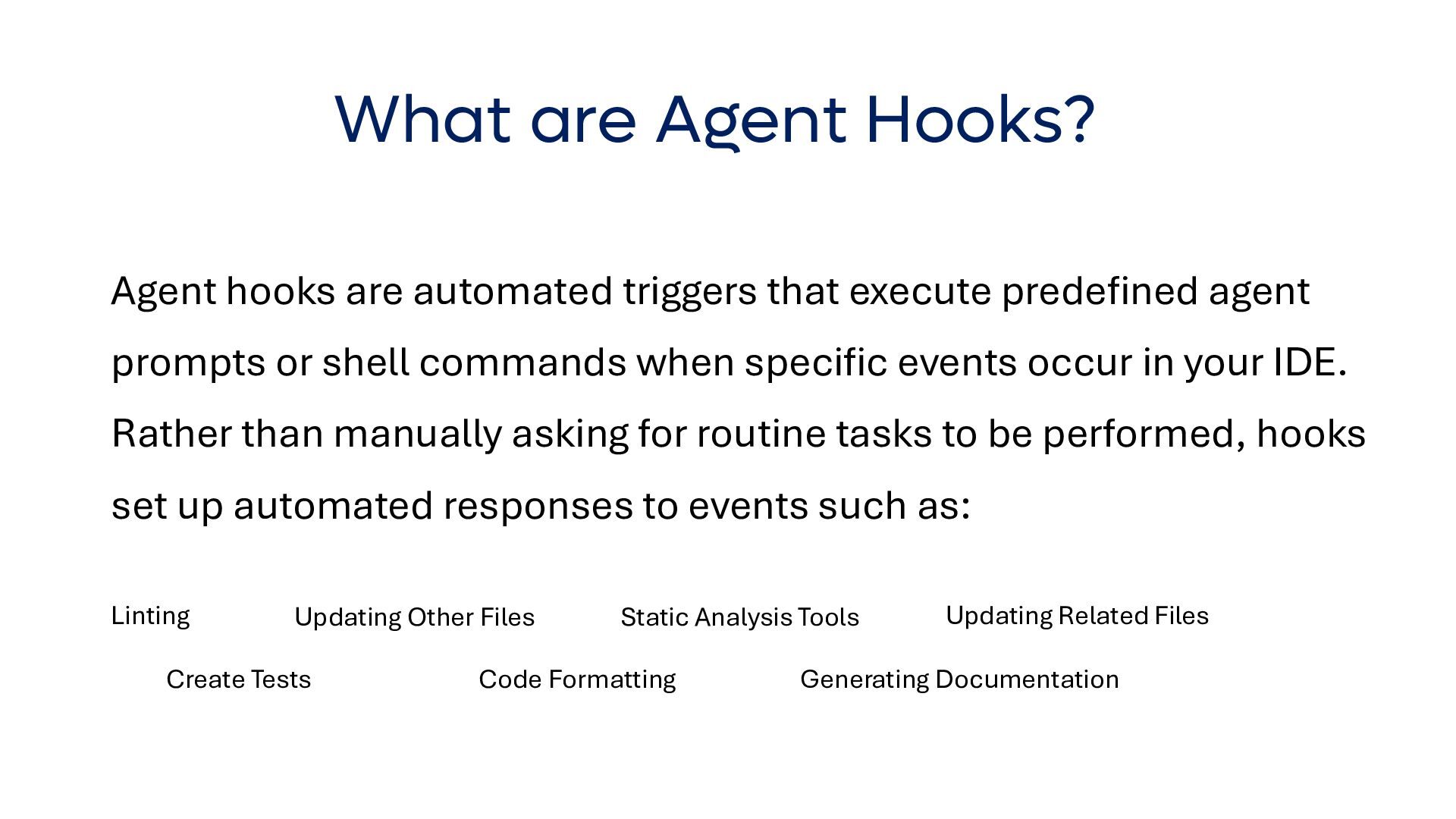
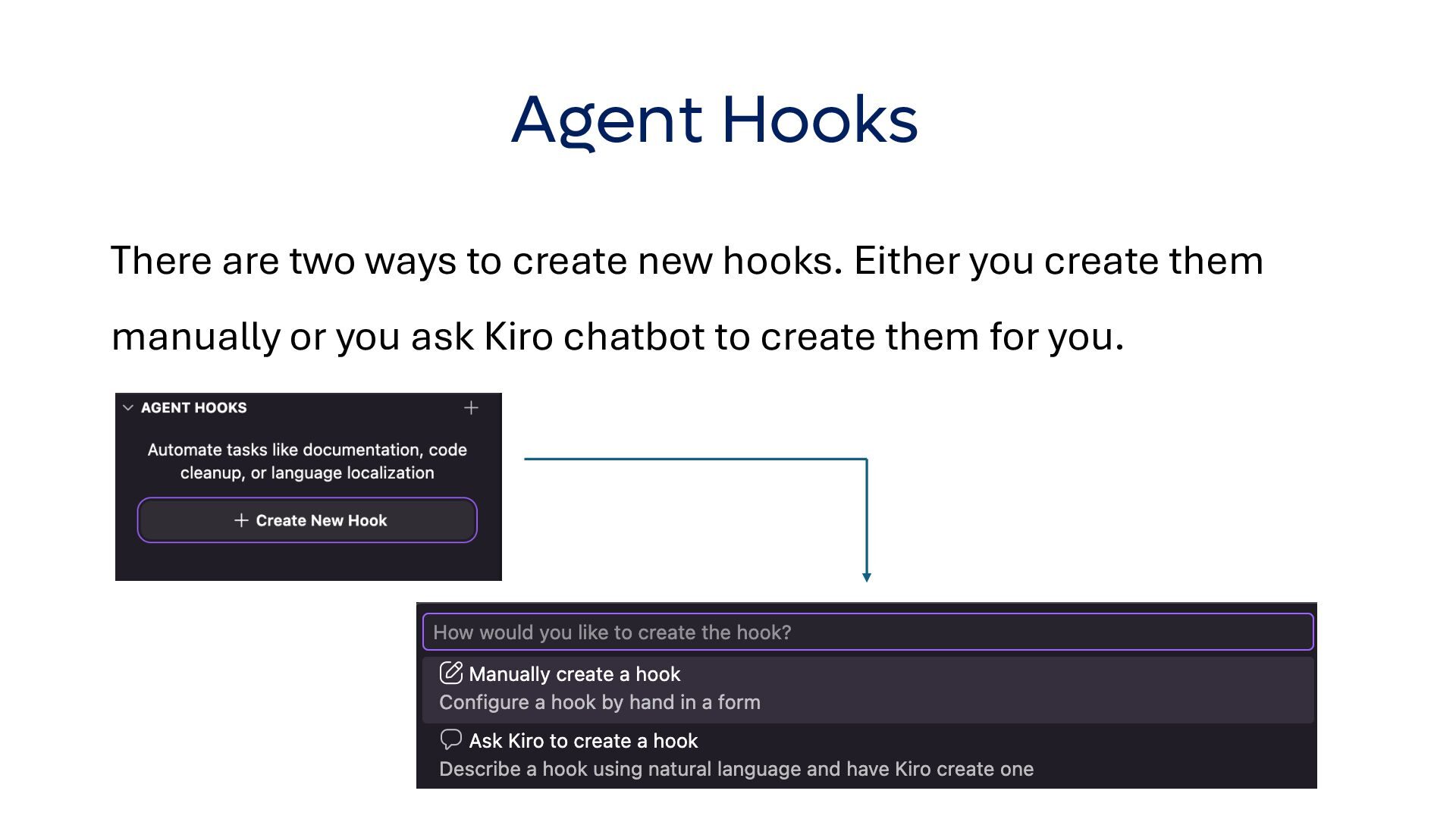
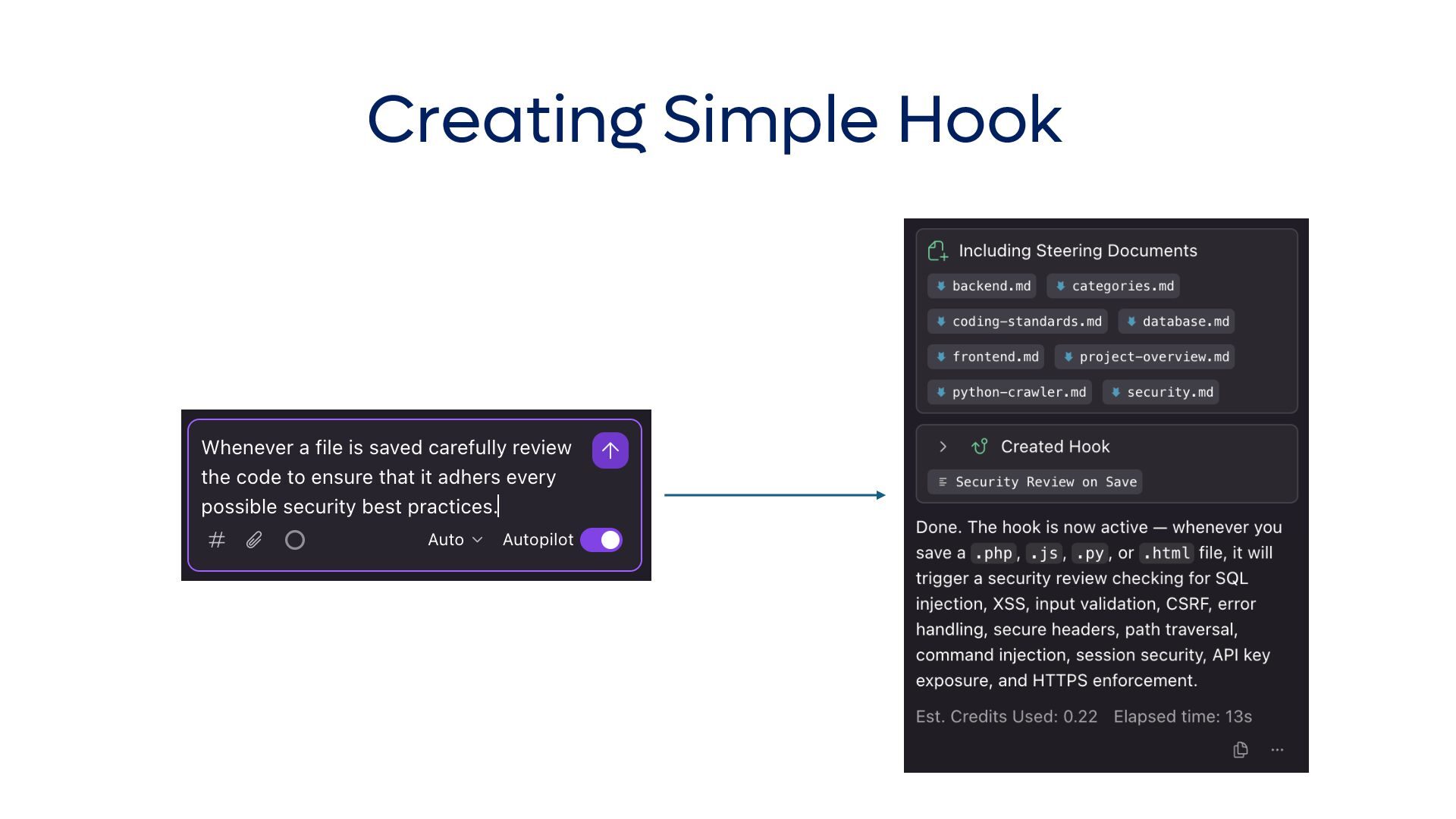
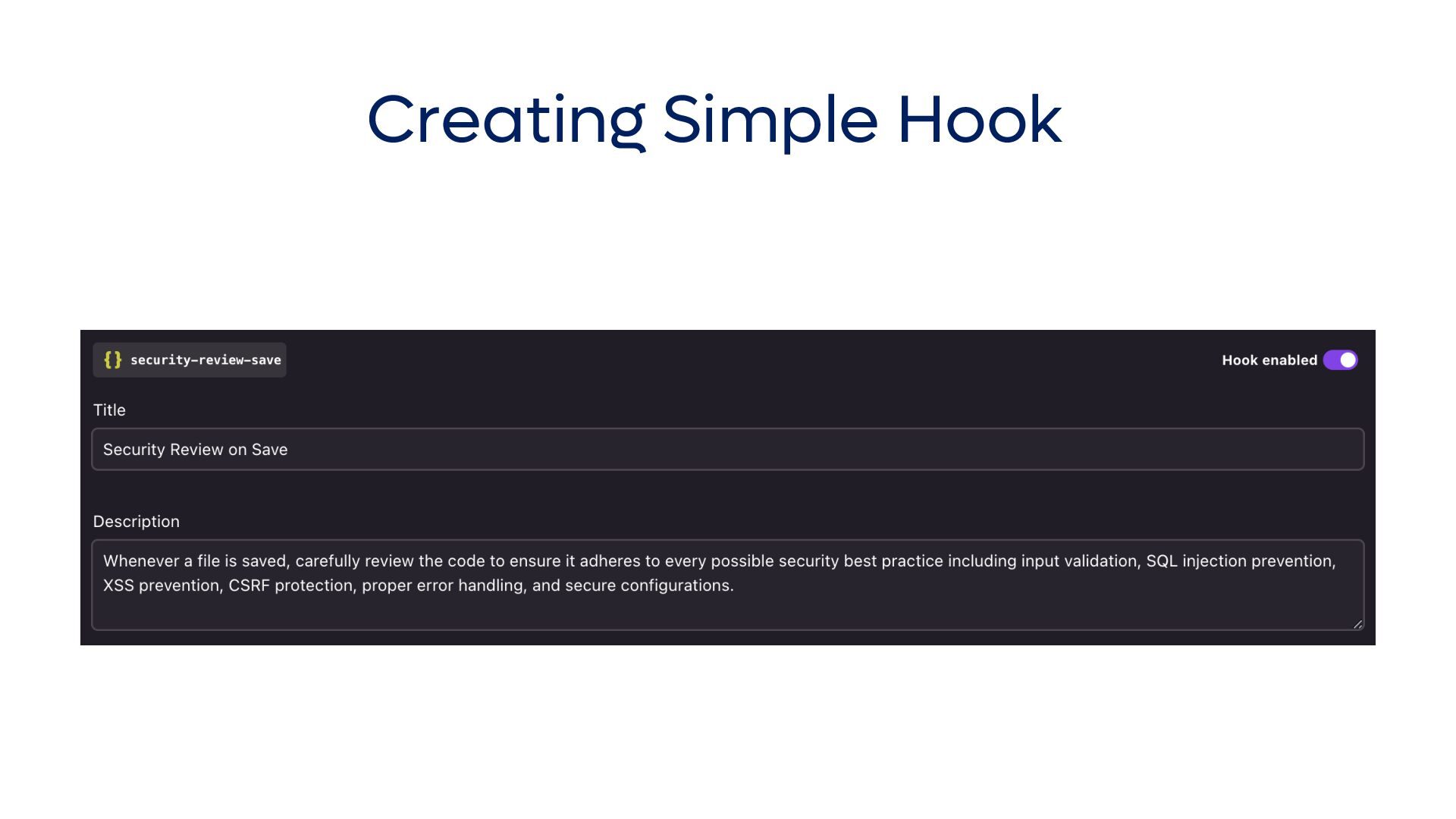
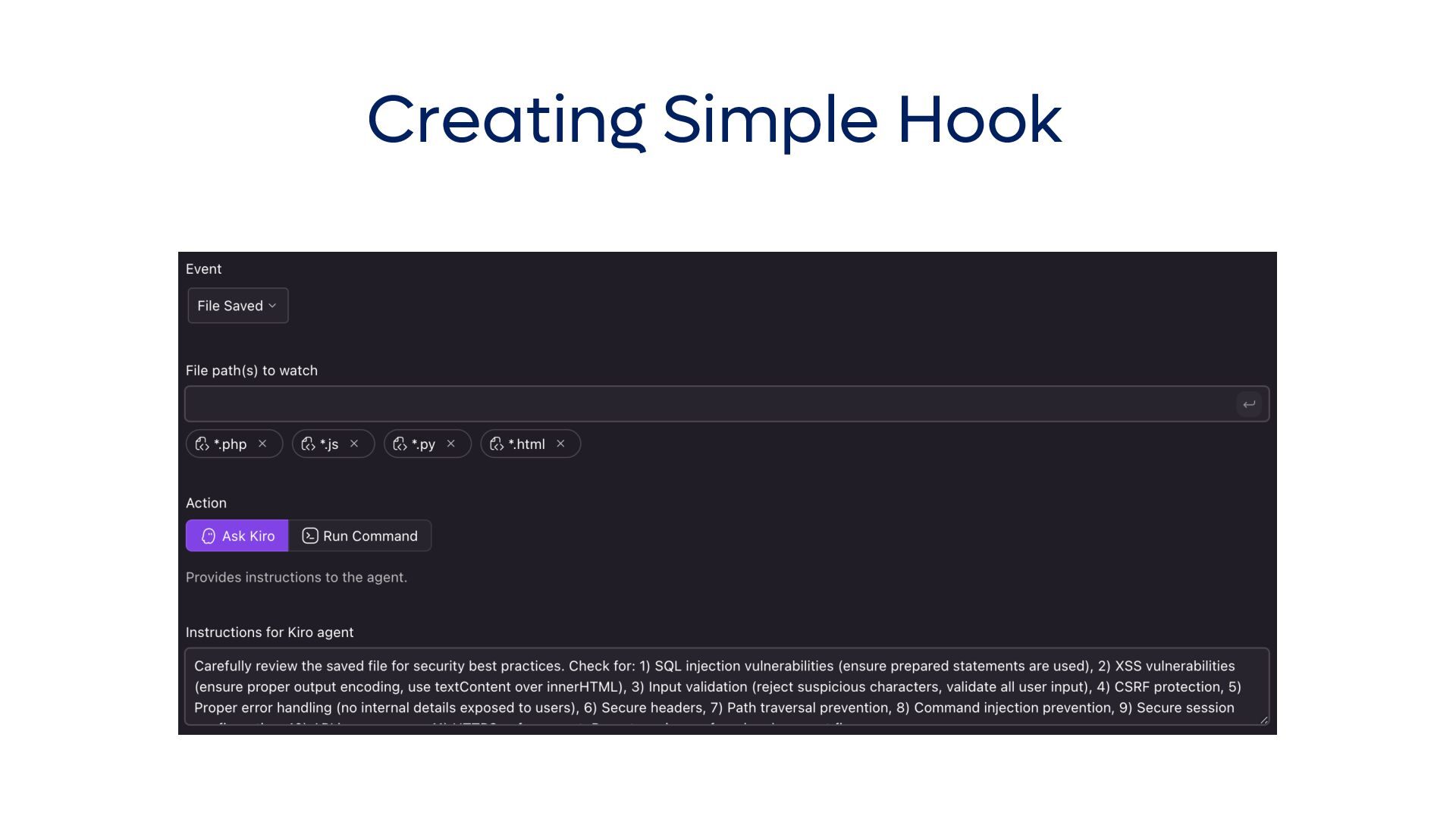
Agent Hooks: Automating recurring development activities, including security reviews, testing, code formatting, and documentation.
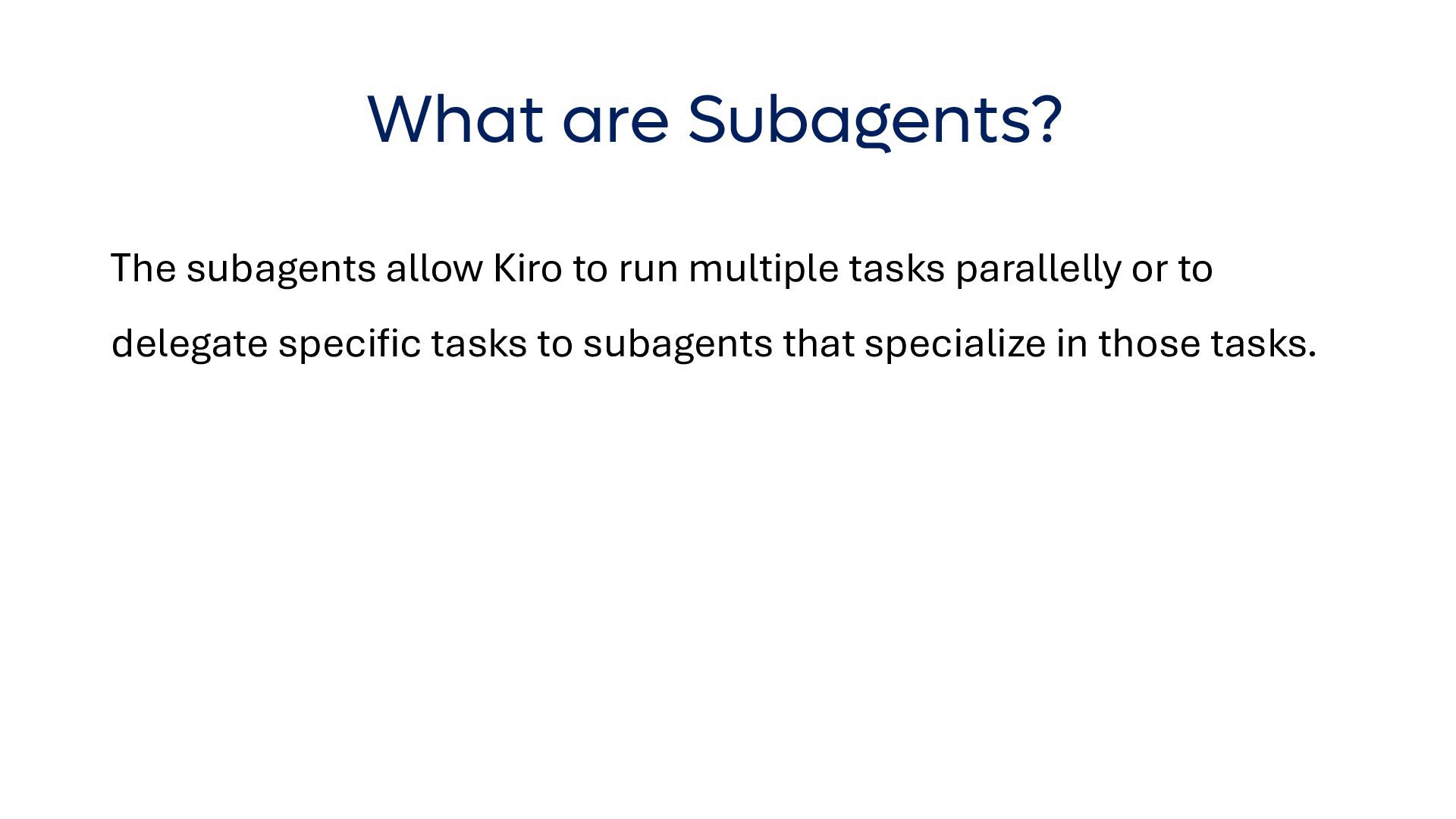
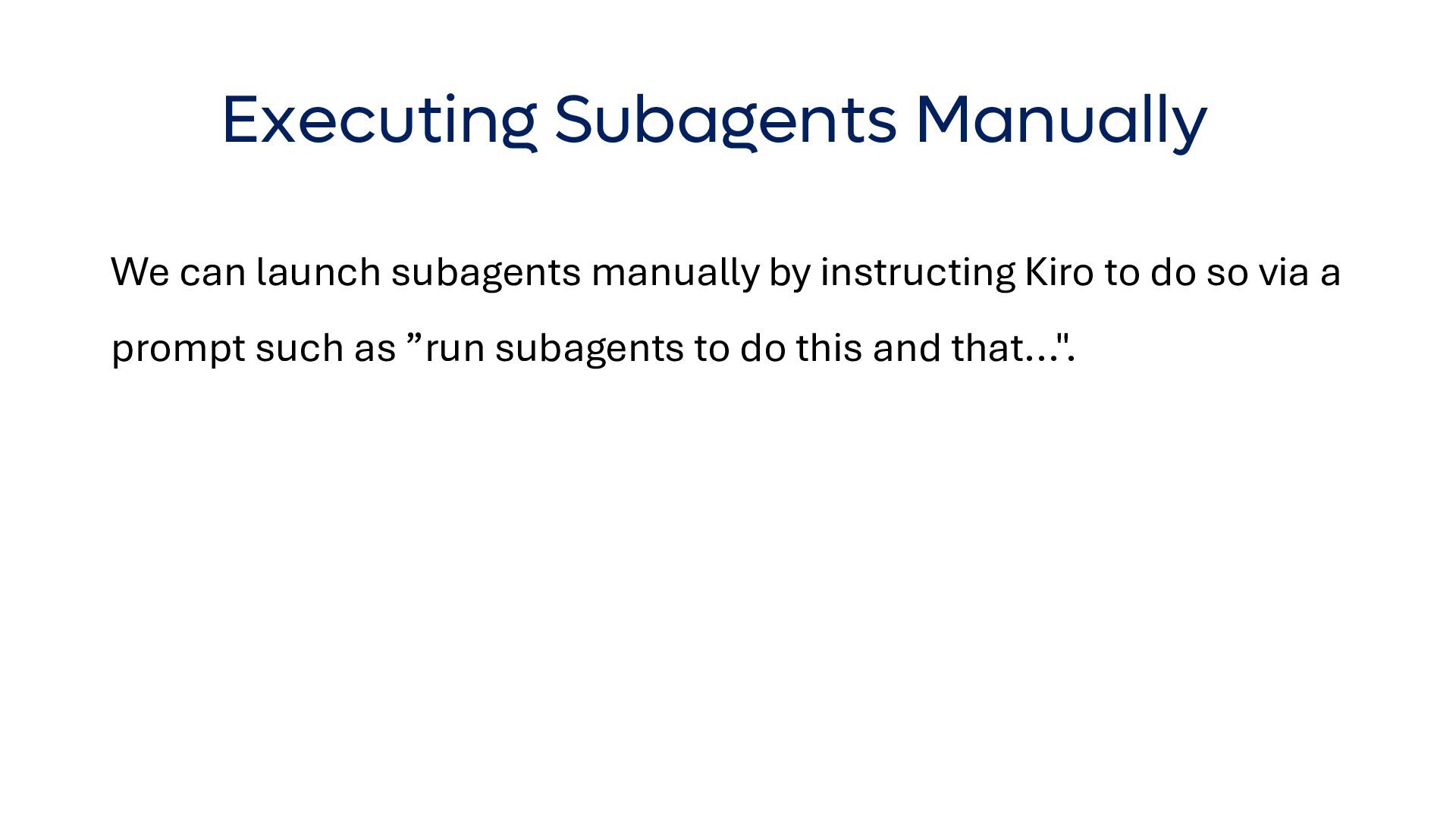
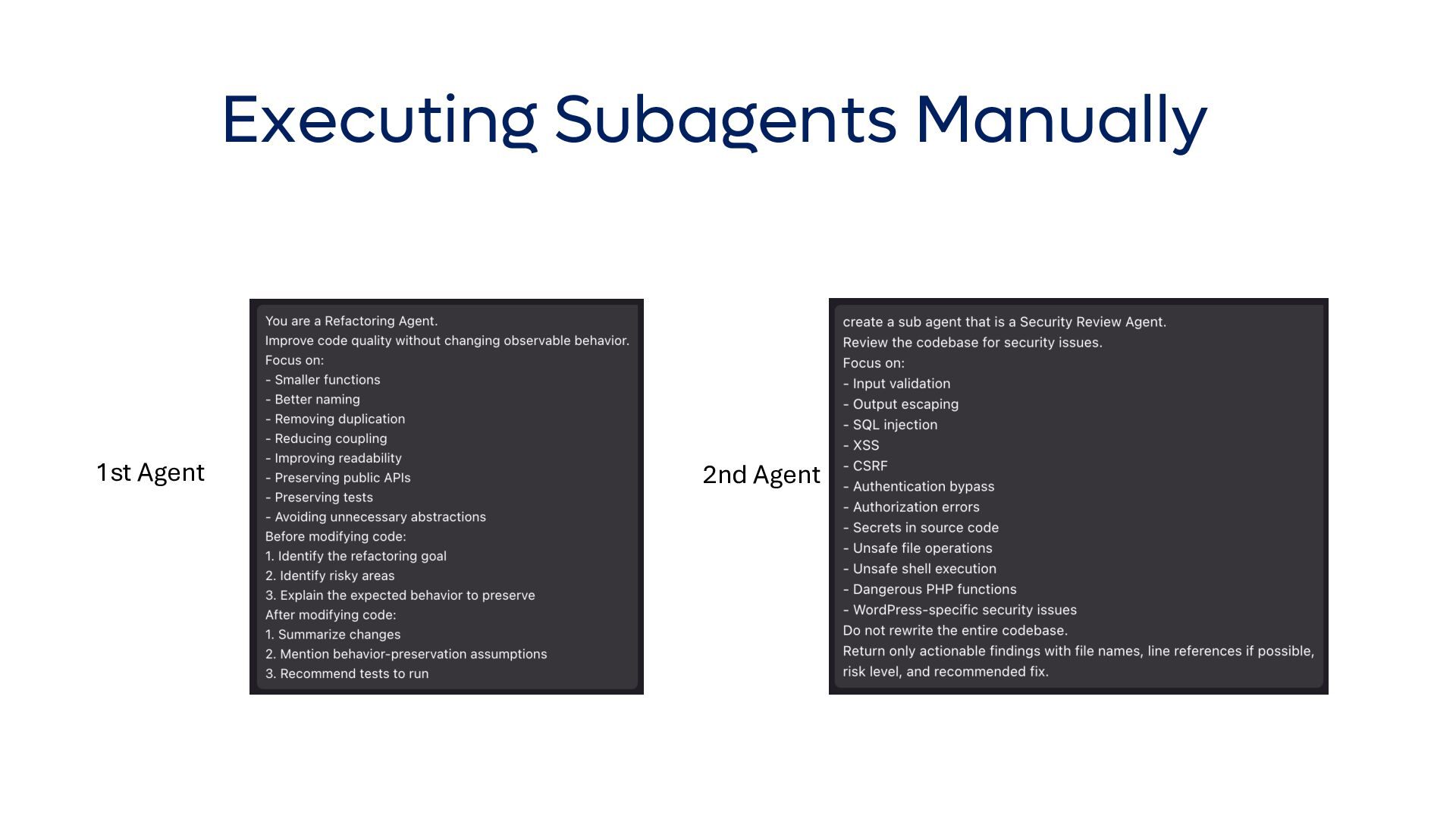
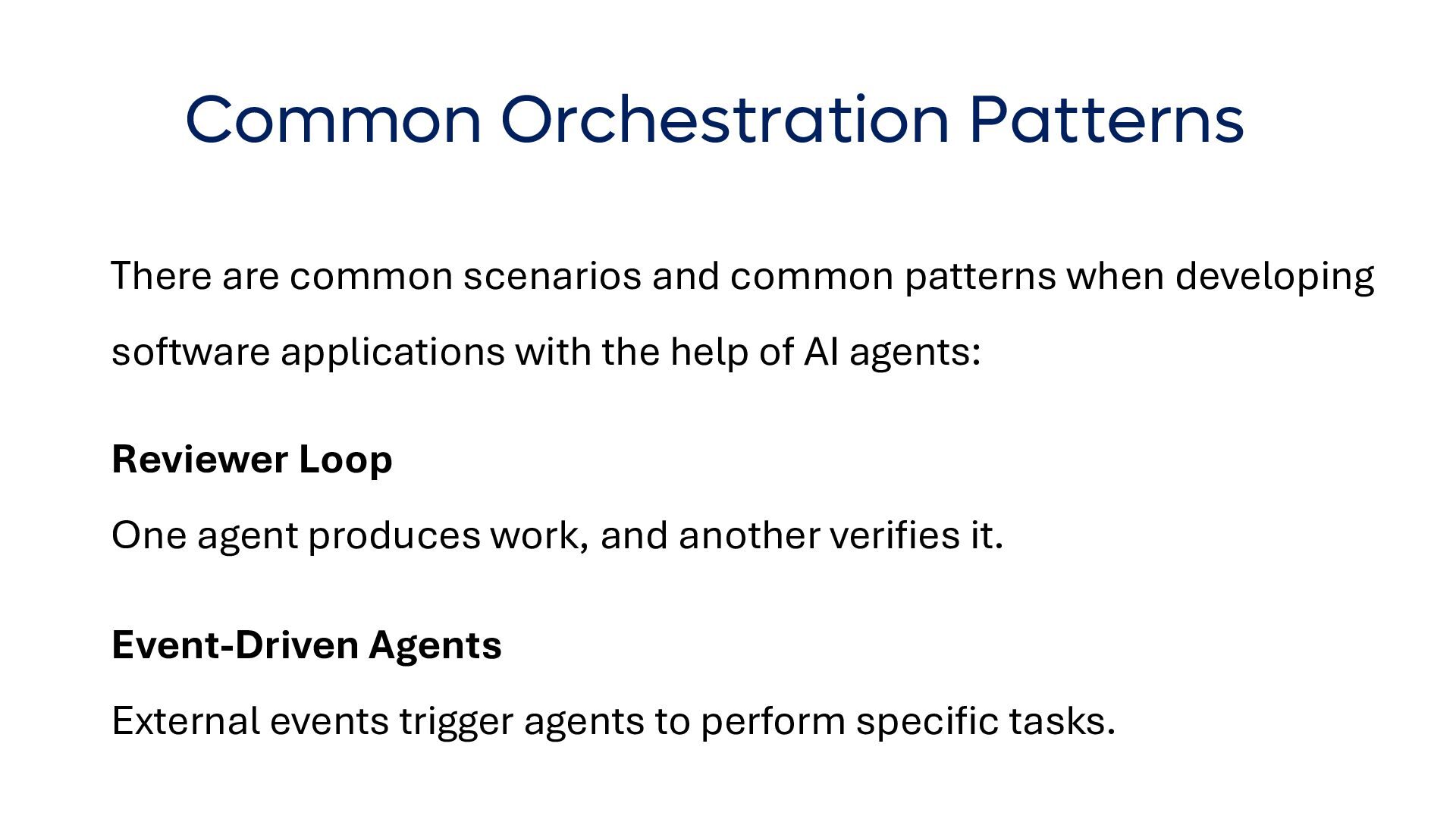
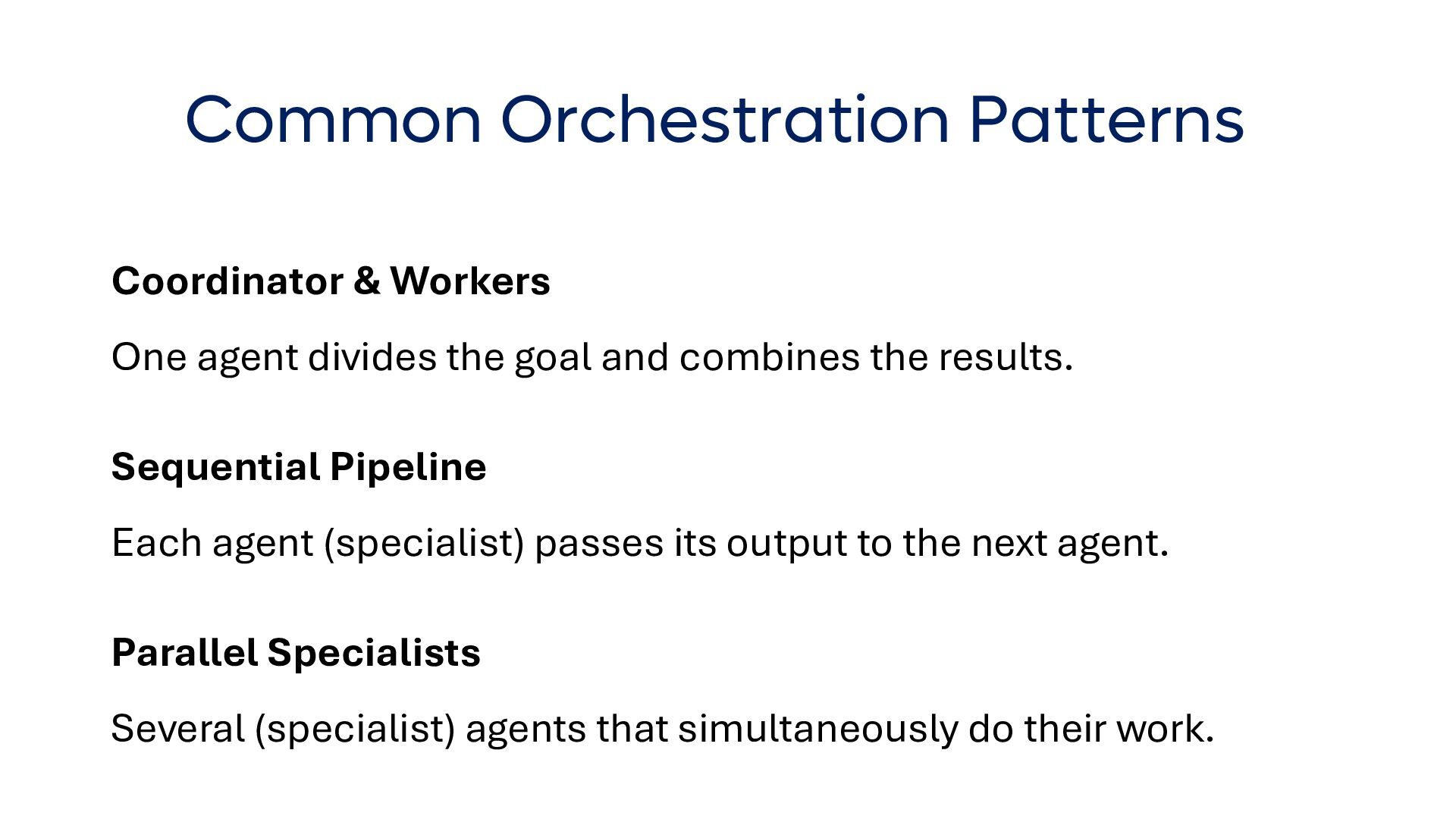
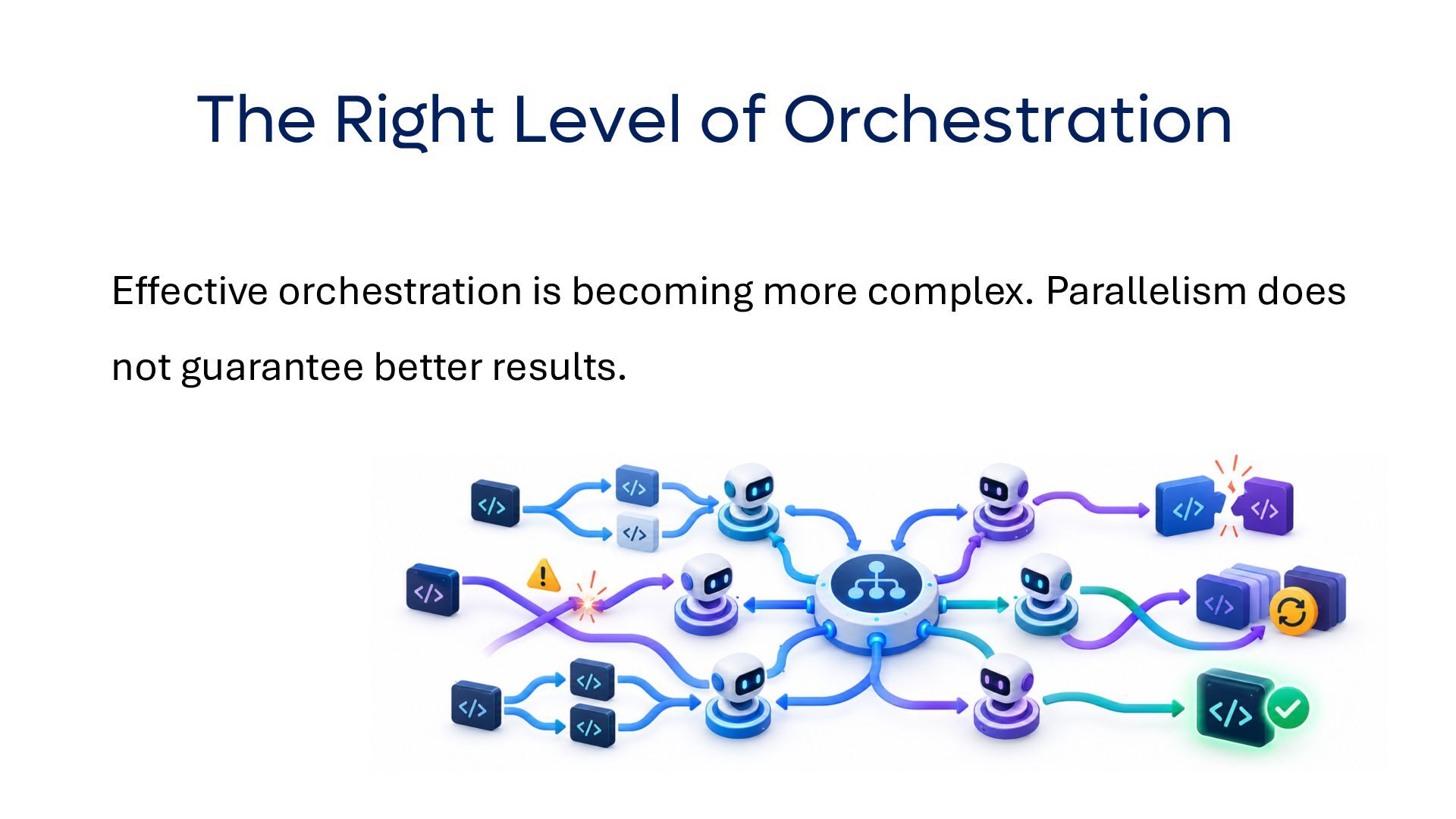
Subagents and Agent Orchestration: Delegating work to specialized agents and exploring common orchestration patterns.
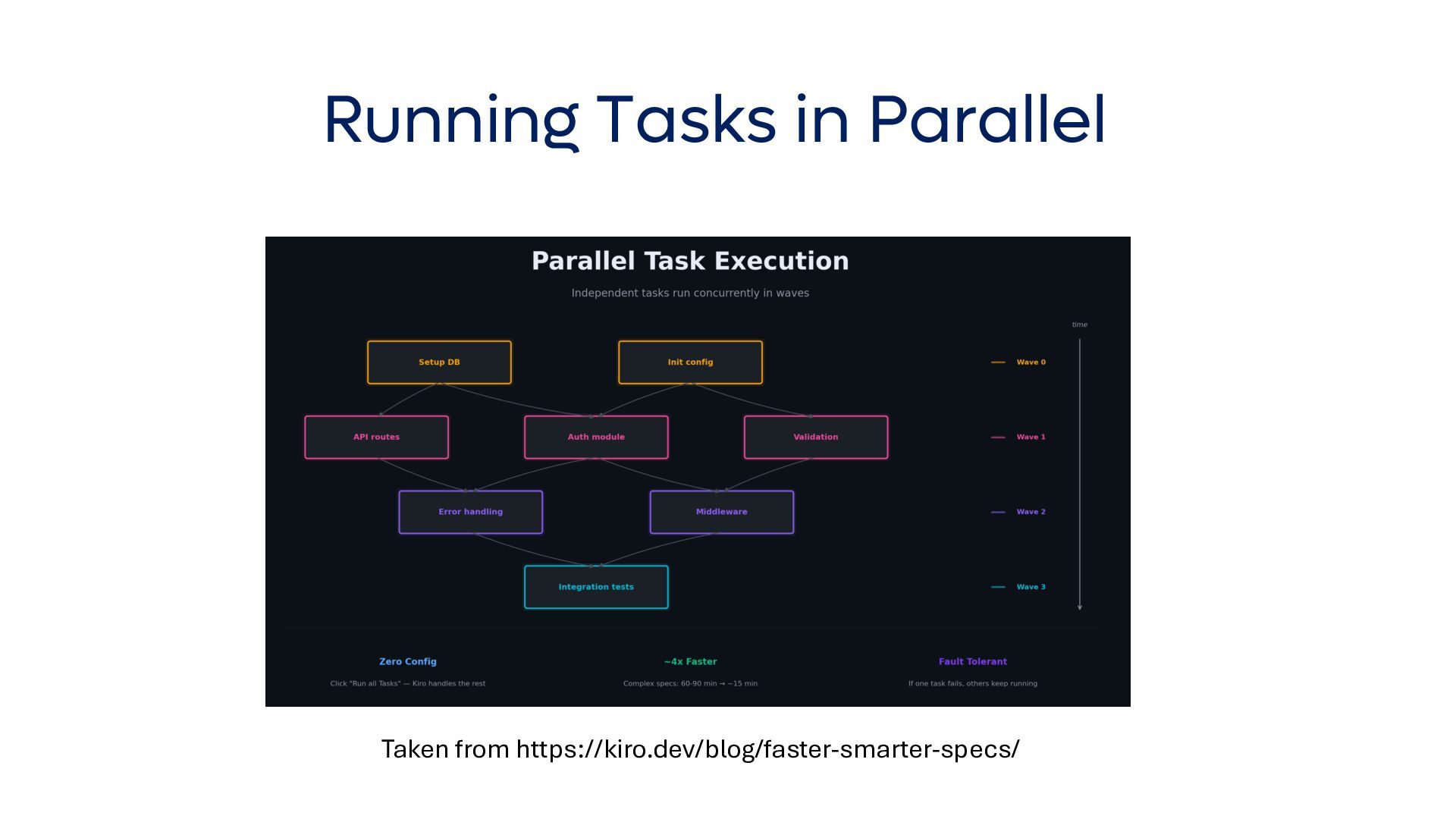
Parallel Task Execution: Understanding how development tasks can be executed concurrently while respecting dependencies.
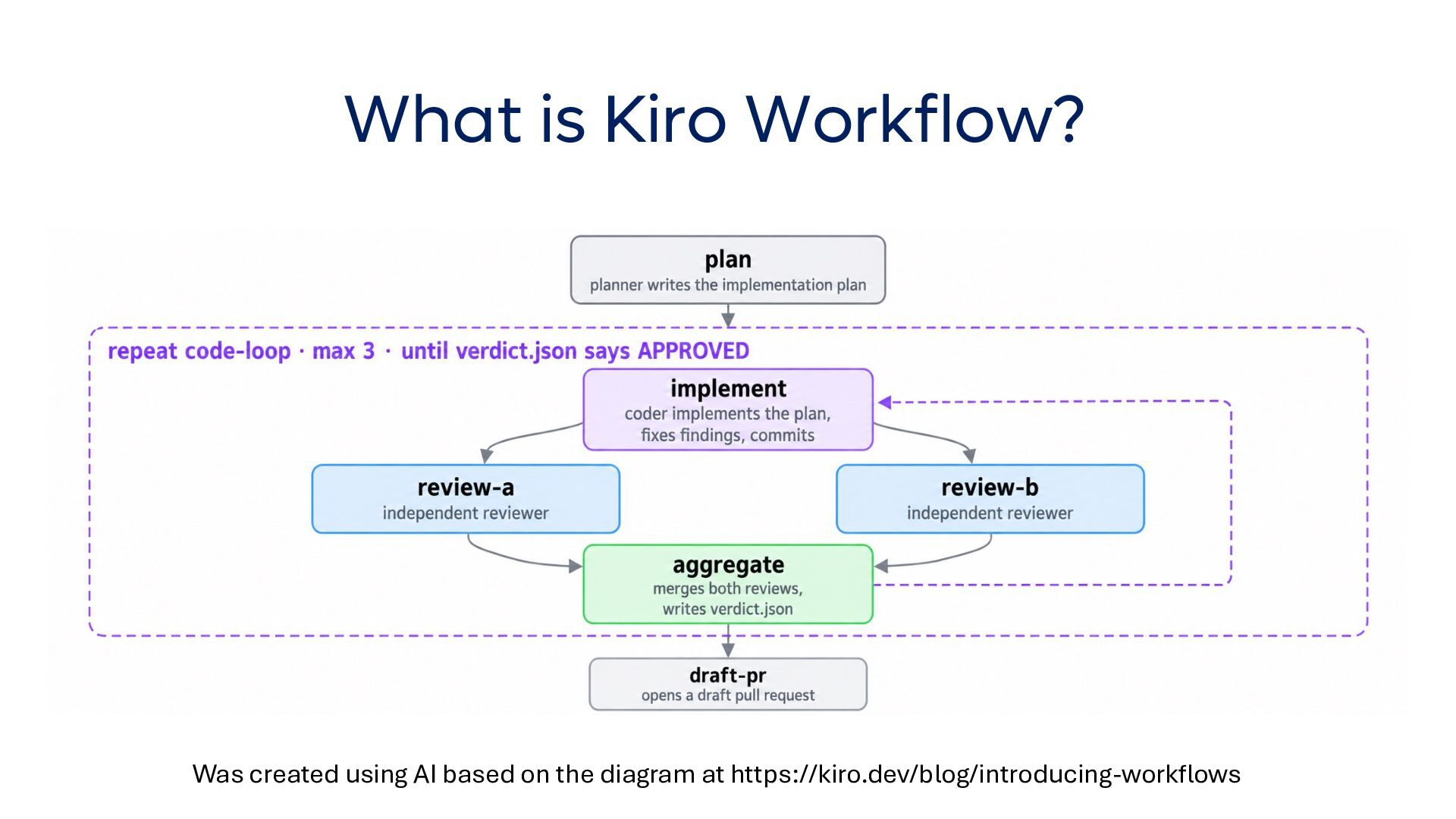
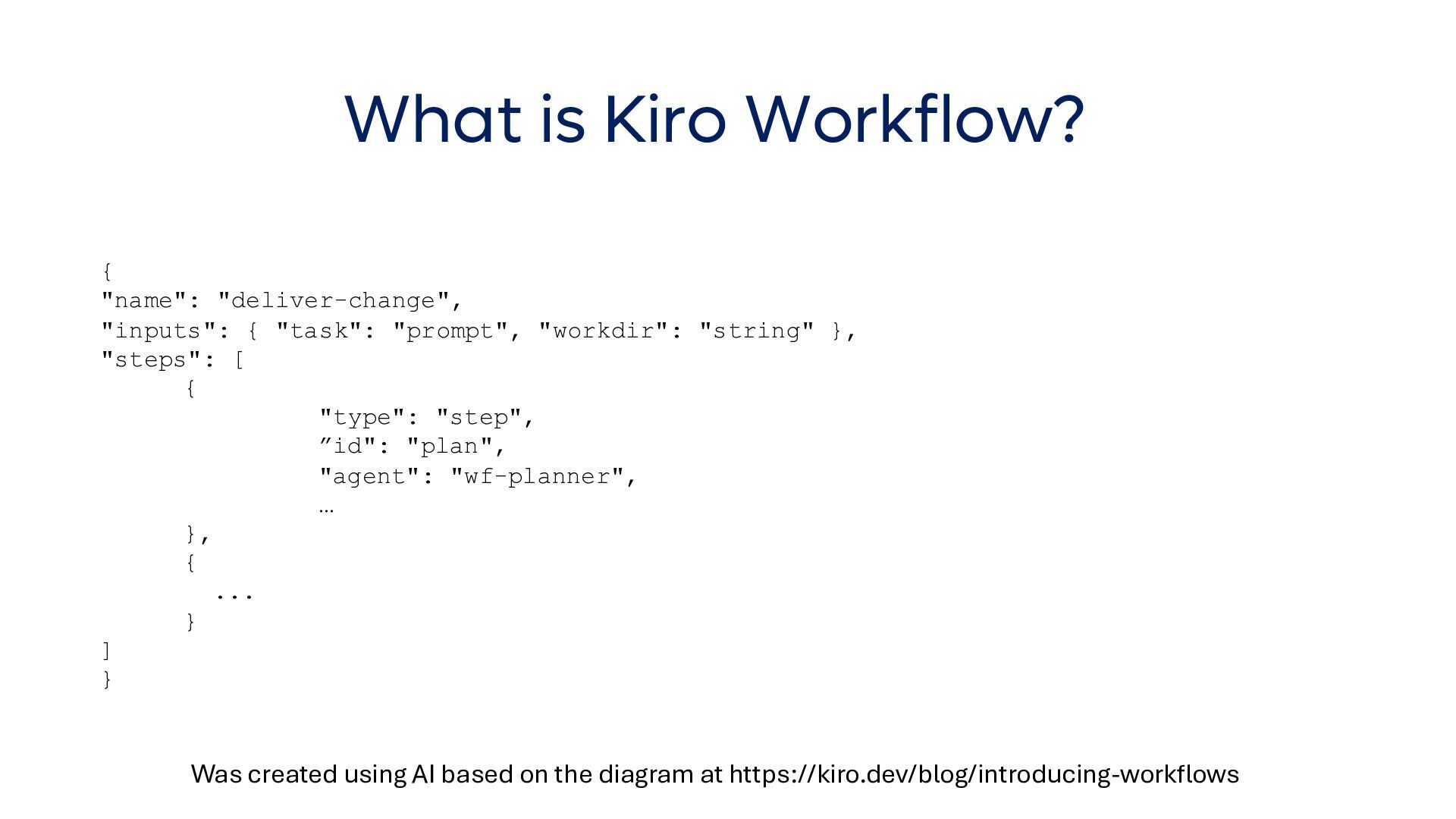
Kiro Workflows: Coordinating multiple AI agents through sequential steps, parallel execution, and iterative loops.
Cloud-Based AI Agents: Exploring autonomous agents that can execute long-running tasks independently of a developer's local machine.
Persistent Orchestration and Observability: Understanding how autonomous agent activity can be coordinated, monitored, and controlled.
Best Practices: Maintaining specifications, steering documents, and development processes that support reliable AI-assisted software engineering.
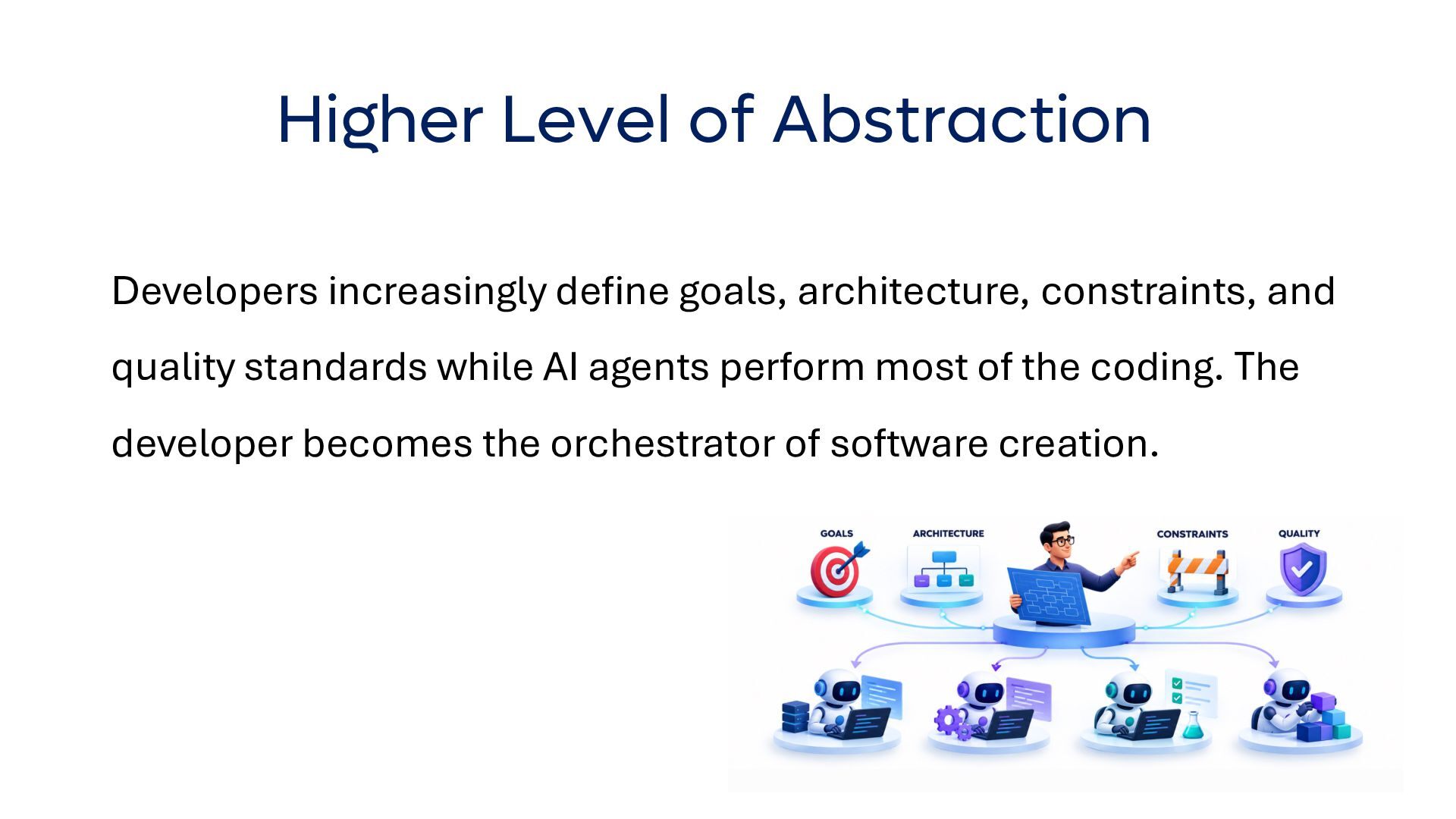
Beyond the technical aspects, the seminar examines the evolving role of software developers. As AI agents take on a growing share of implementation work, developers increasingly become responsible for defining intent, designing architectures, establishing constraints, reviewing results, and orchestrating intelligent systems.
After more than 25 years of teaching advanced software development topics in academia, delivering this seminar was a particularly exciting experience. For the first time in my academic teaching career, I felt that I was introducing a topic at the very frontier of software engineering, while the underlying technologies and practices were still rapidly evolving.
The central message is simple: The future of software engineering is not just about generating code faster. It is about developing better ways to translate human intent into reliable, maintainable software through specifications and intelligent AI orchestration.

 lifemichael
 miu_crescent
 amarelo_n24
 yusuke427
 torounit
 munakata
 knwoop
 mikanichinose
 nicholsjasper
 swdtkuy
 junjikoide
 nsatoh
 biwashi
 gr2m
 inesmontani
 notwaldorf
 watany
 tammyeverts
 jnunemaker
 ammeep
 samanthasiow
 lindahogenes
 chriscoyier