Spec-Driven Development with Kiro IDE: Building AI-Aligned Software Through Living Specifications
As Artificial Intelligence becomes increasingly capable of generating code, the challenges of software development are shifting from writing code to defining requirements, managing complexity, maintaining control, and ensuring that AI-generated solutions align with human intentions.
Spec-Driven Development (SDD) introduces a structured approach in which specifications become the central source of truth, guiding AI agents throughout the software development lifecycle.
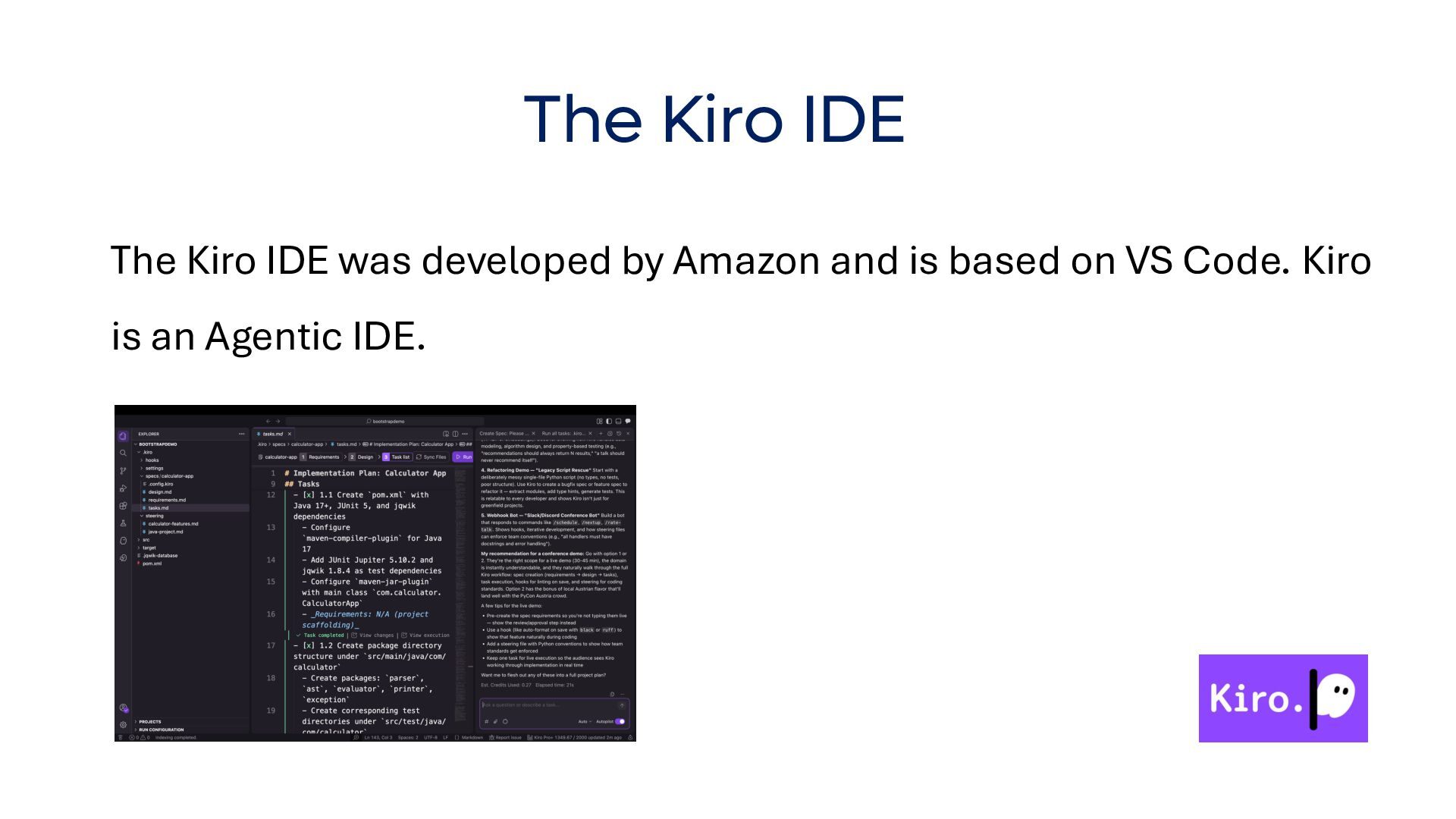
In this presentation, Haim Michael explores how Kiro IDE, Amazon's agentic development environment, supports Spec-Driven Development and enables developers to build reliable, maintainable, and AI-aligned software.
The presentation covers several key topics:
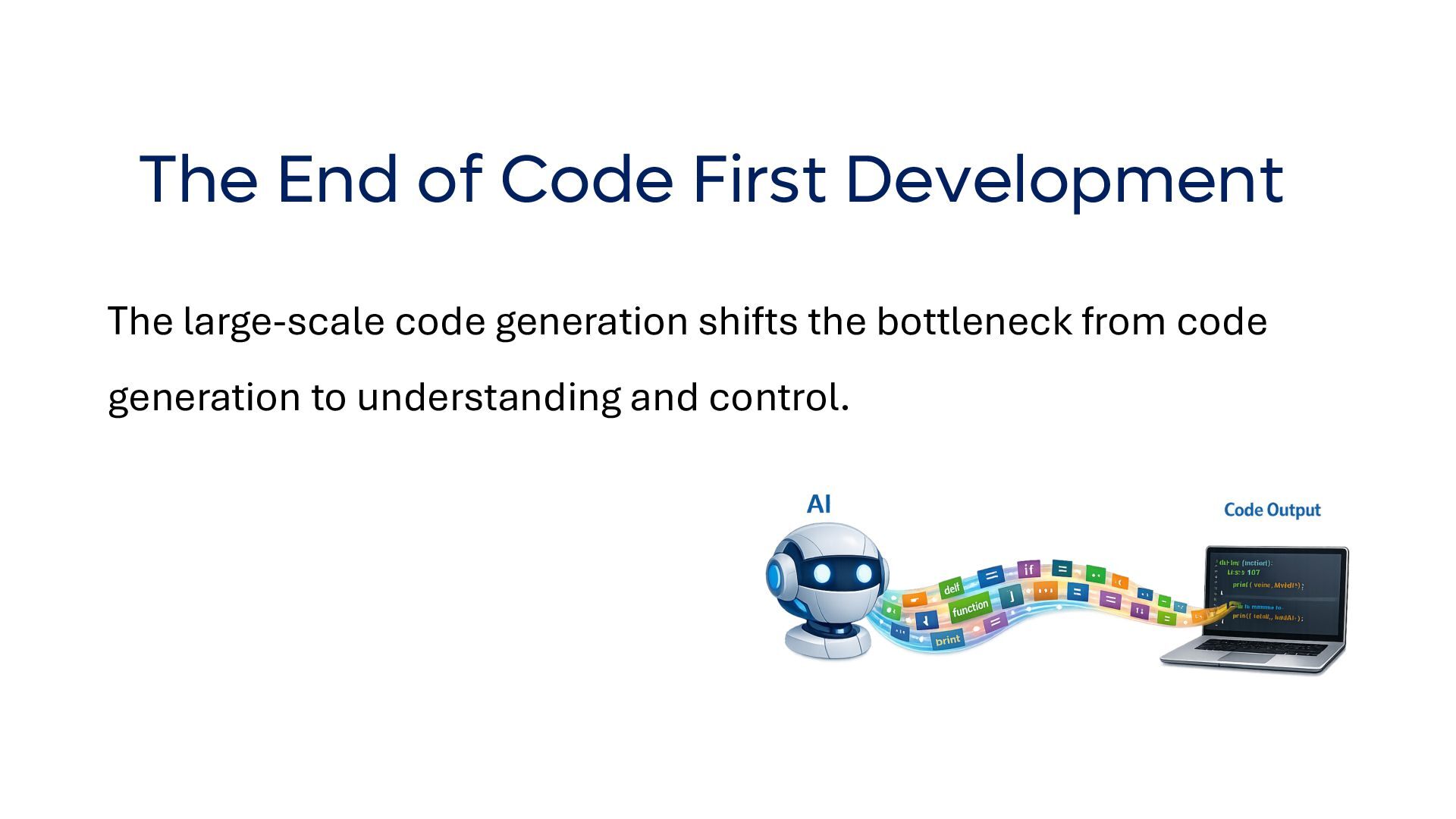
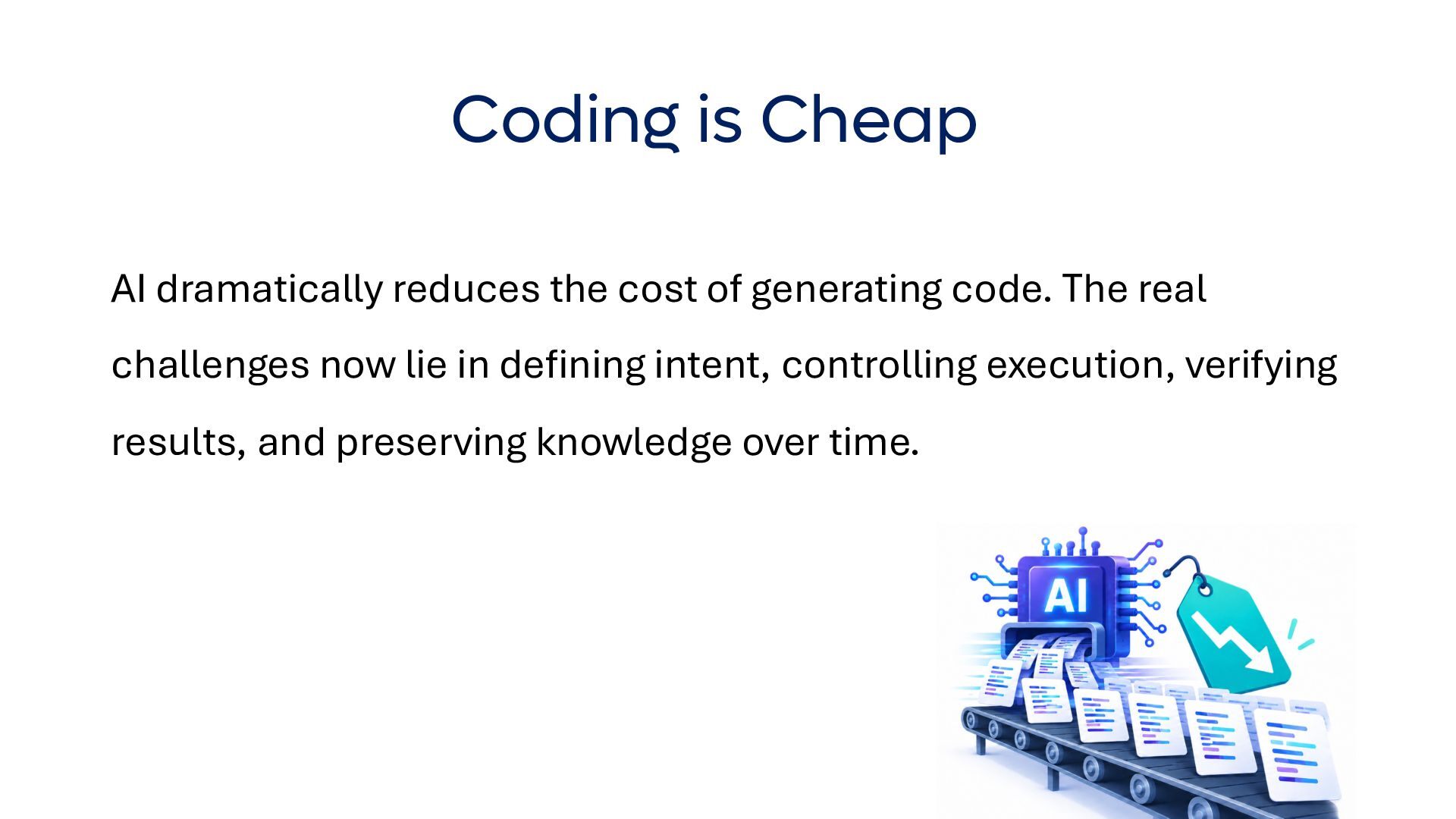
The End of Code-First Development: Understanding why AI-generated code shifts the bottleneck from implementation to specification, coordination, and verification.
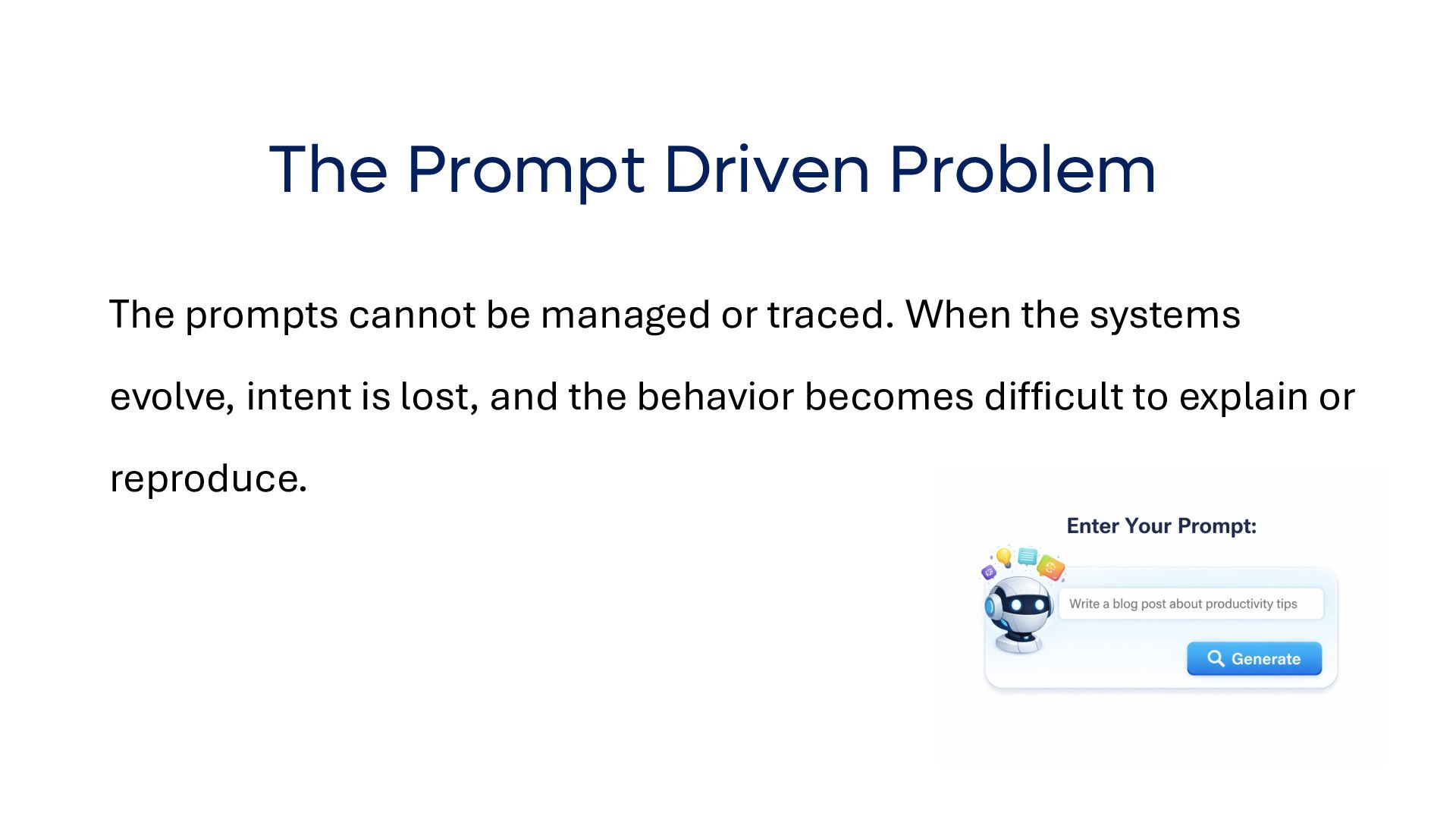
The Limitations of Prompt-Driven Development: Exploring why relying on individual prompts makes it difficult to preserve intent, trace decisions, and maintain consistency.
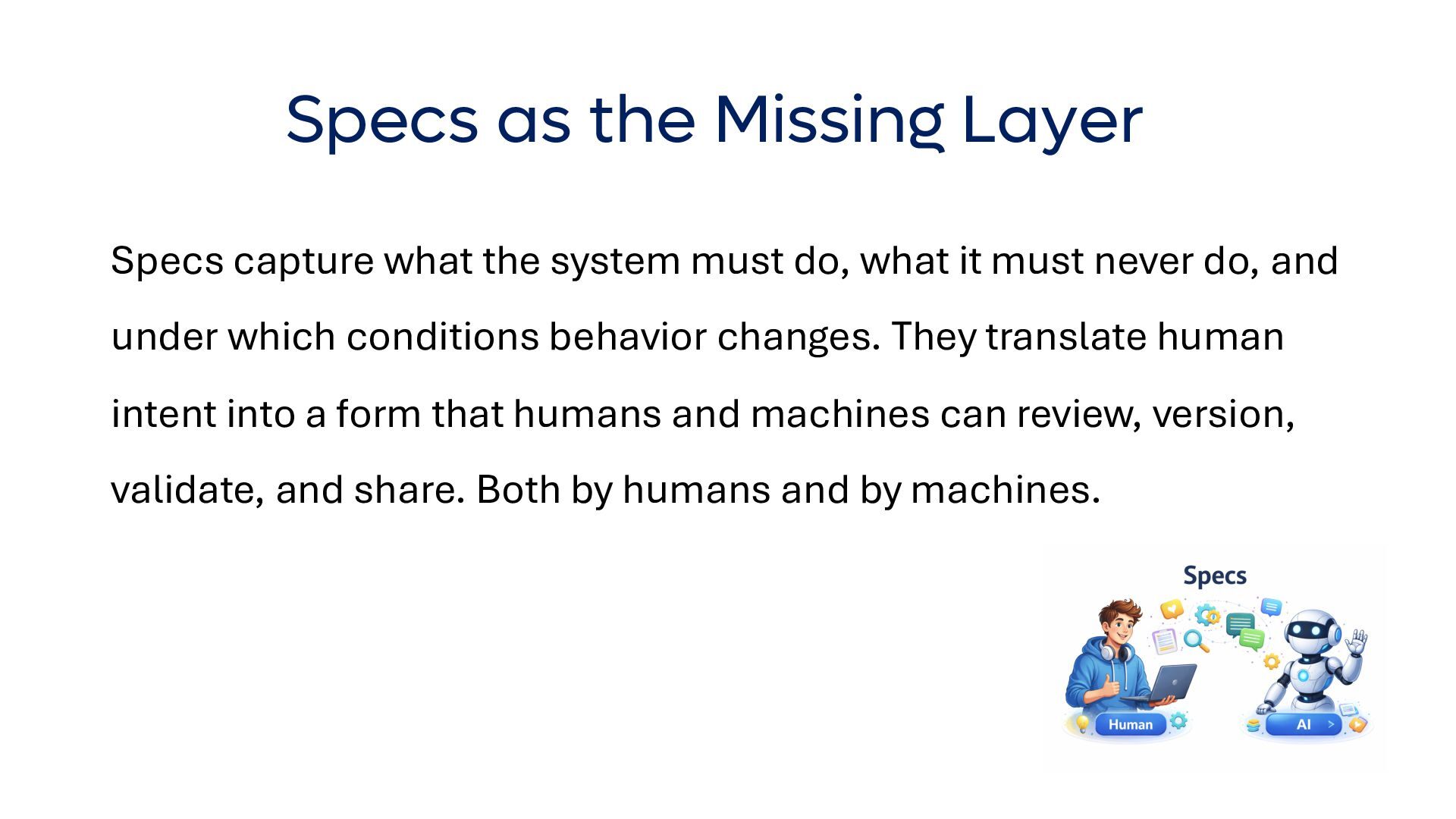
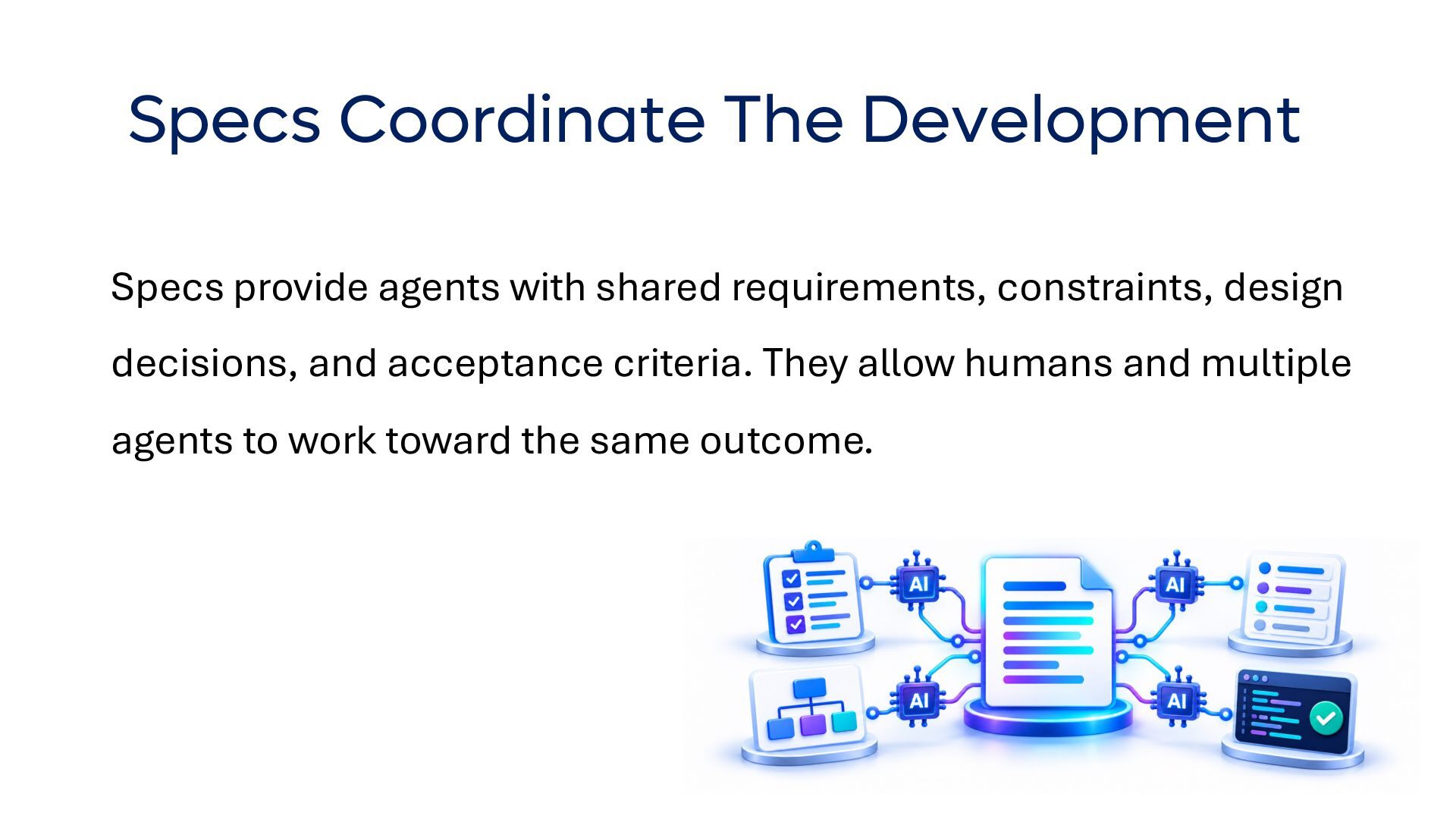
Spec-Driven Development: Using living specifications to capture requirements, constraints, architecture, and acceptance criteria.
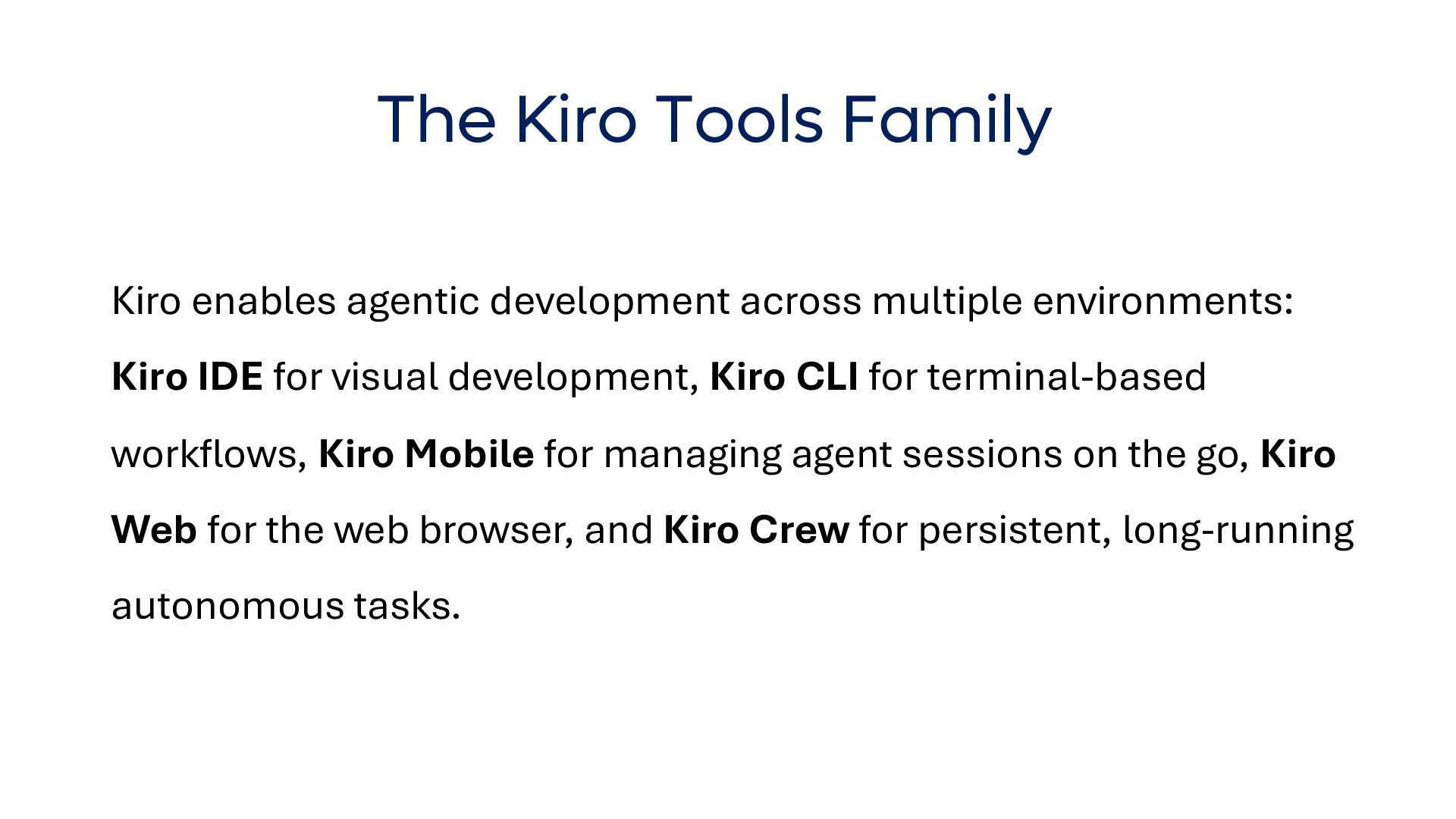
Kiro IDE and Its Ecosystem: Introducing Kiro IDE, CLI, Web, Mobile, and Crew.
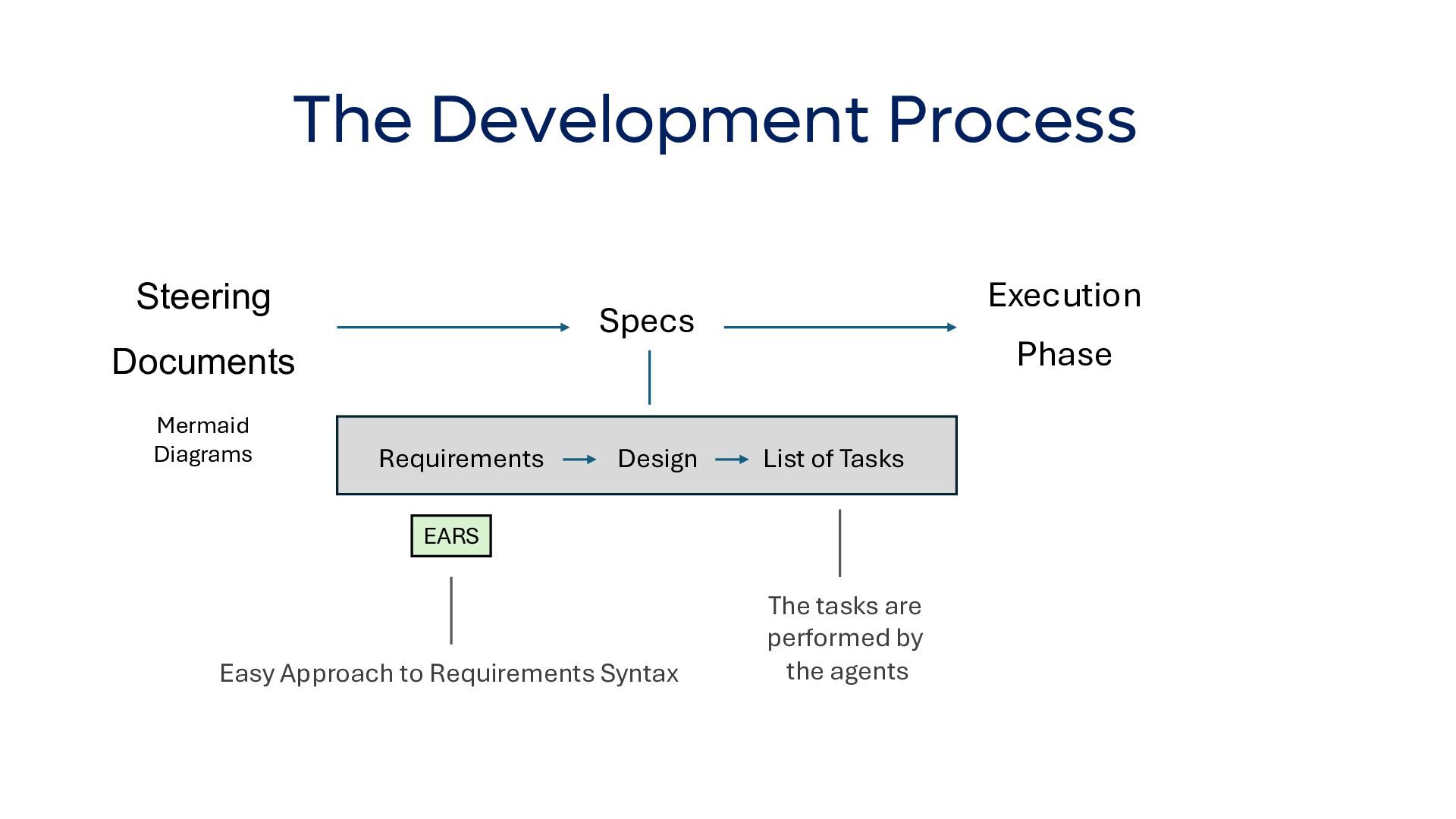
The Development Process: Moving from steering documents and EARS-based requirements to technical design, implementation tasks, and AI-assisted execution.
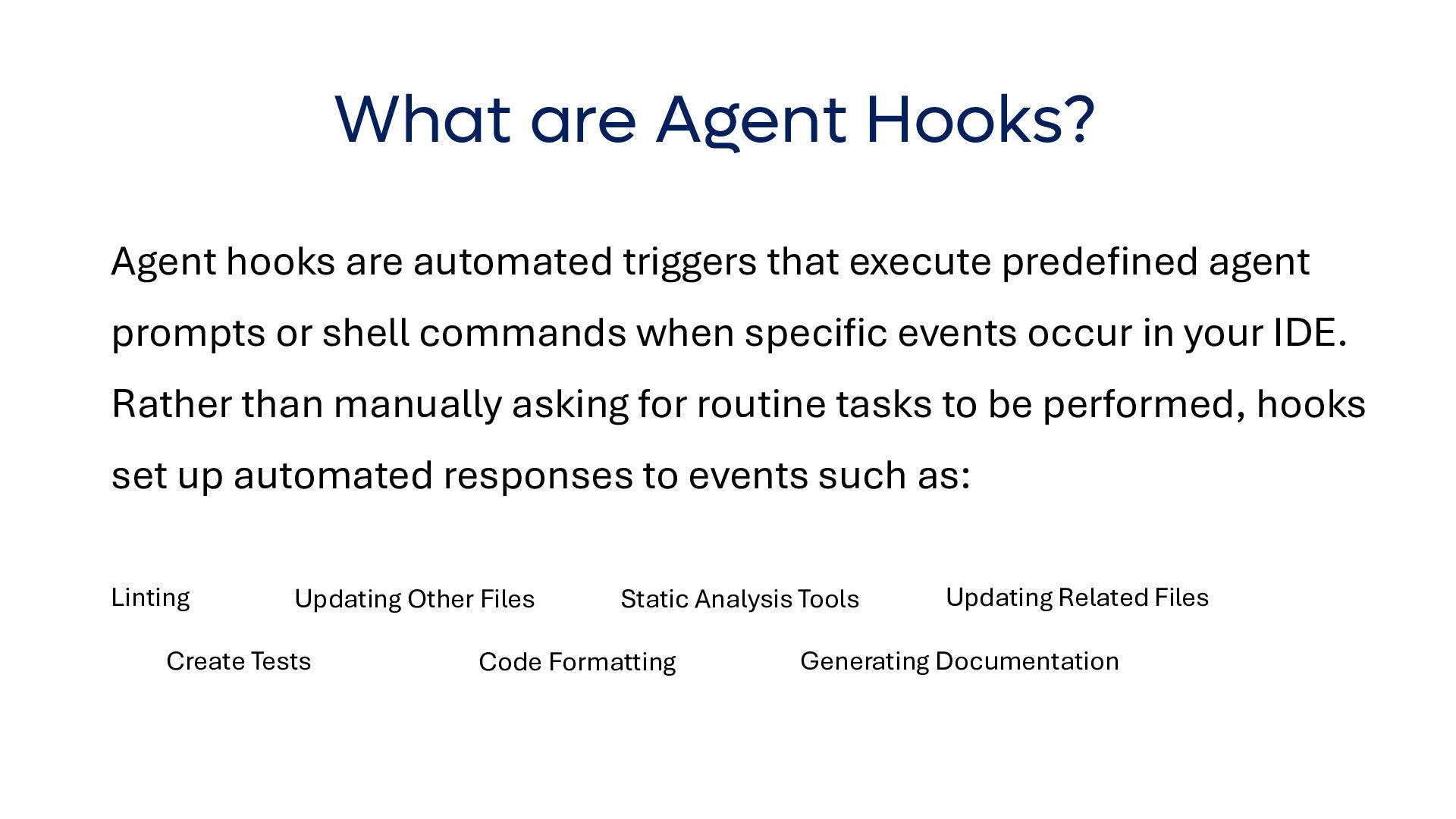
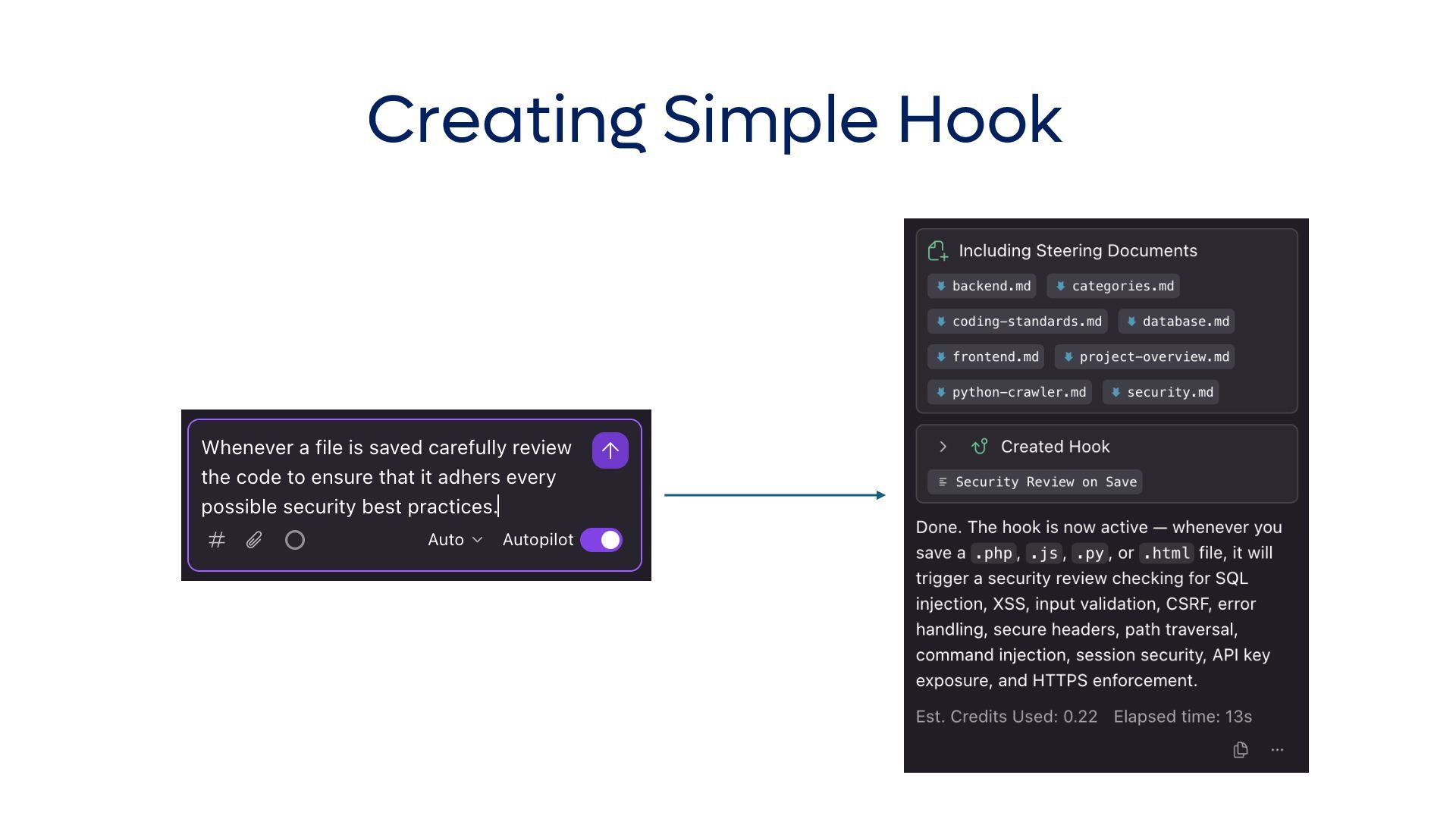
Agent Hooks: Automating recurring activities such as code reviews, security checks, testing, formatting, and documentation.
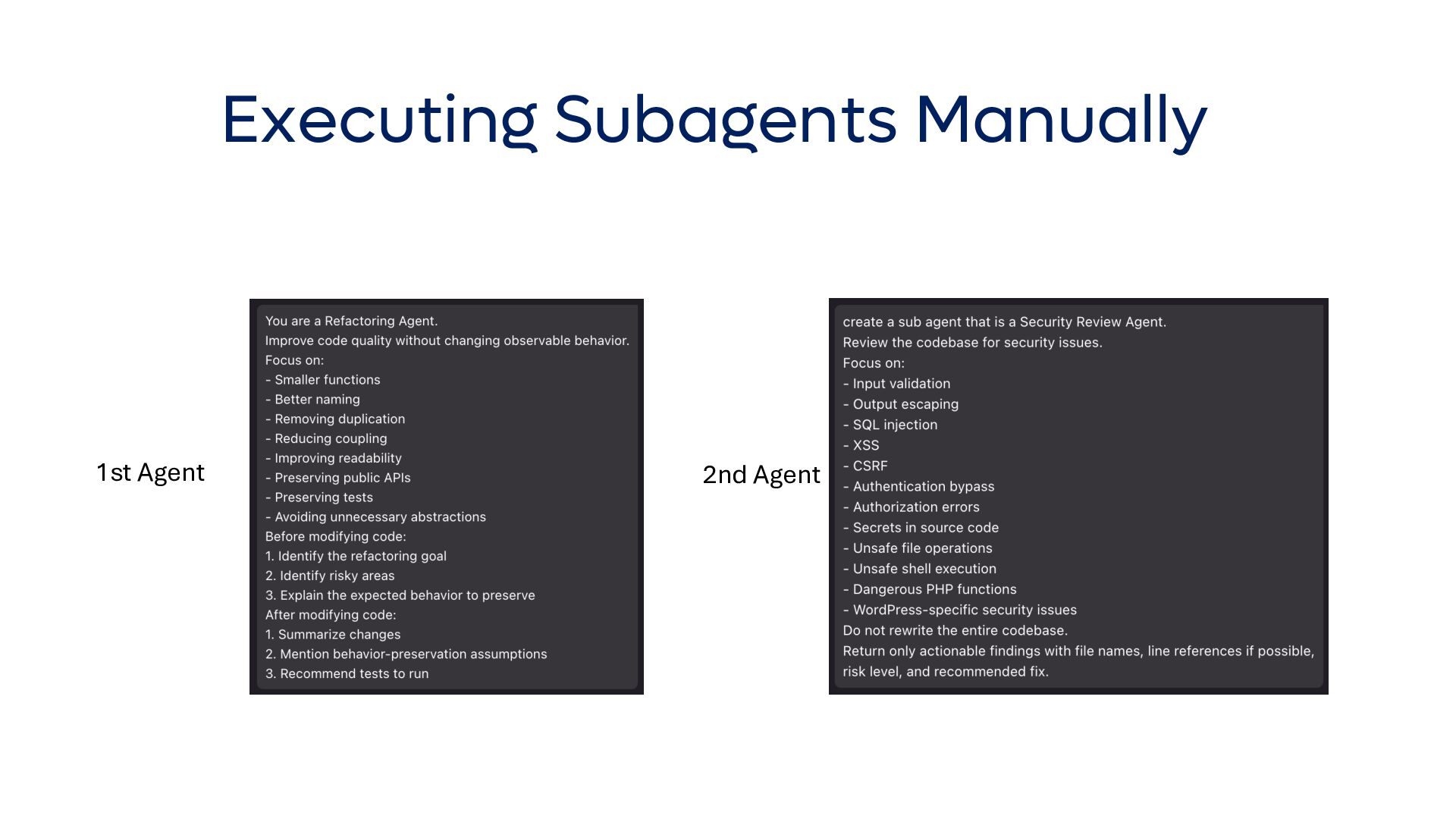
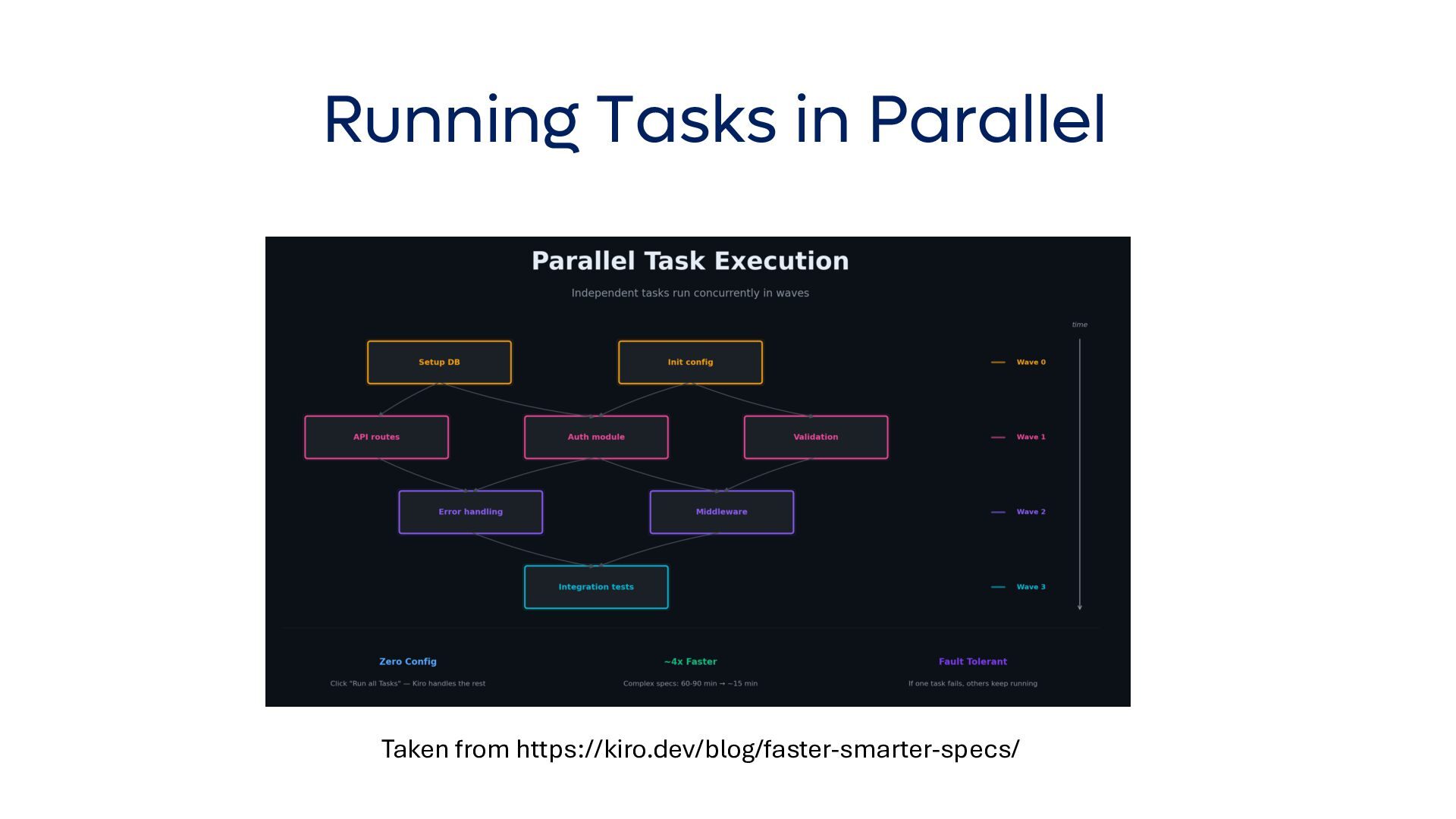
Subagents and Parallel Execution: Delegating specialized tasks to AI agents and executing independent development tasks concurrently.
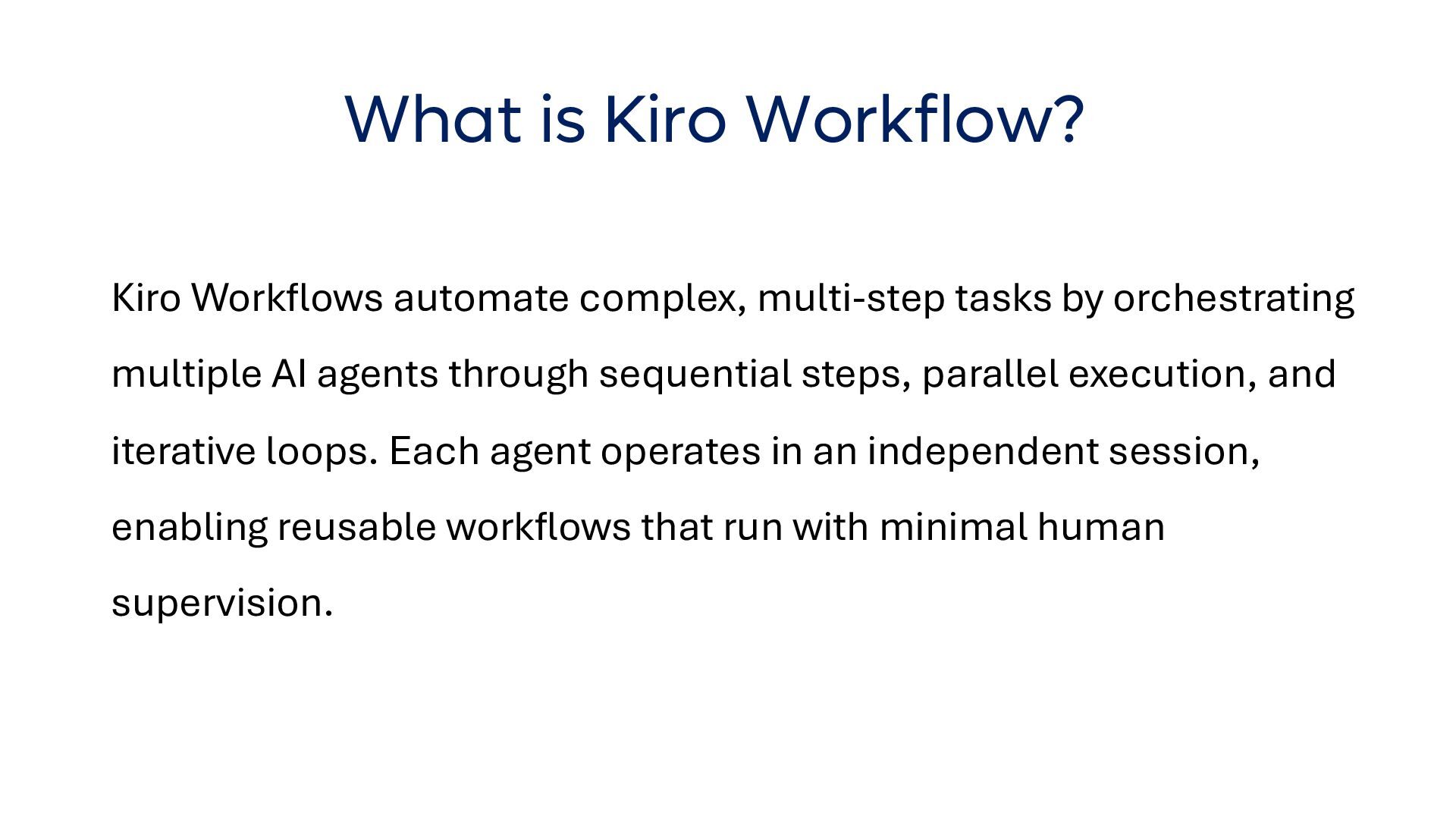
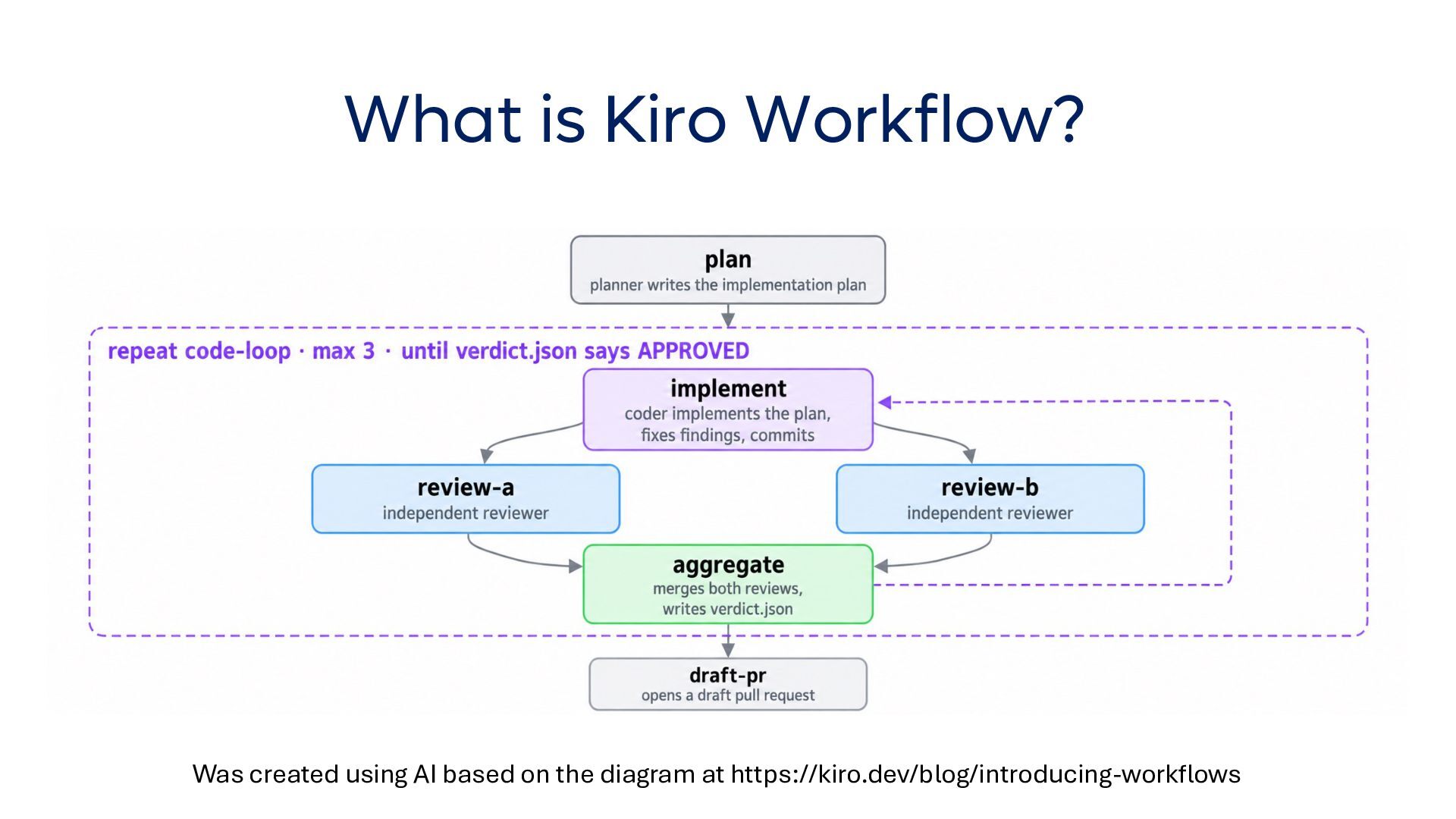
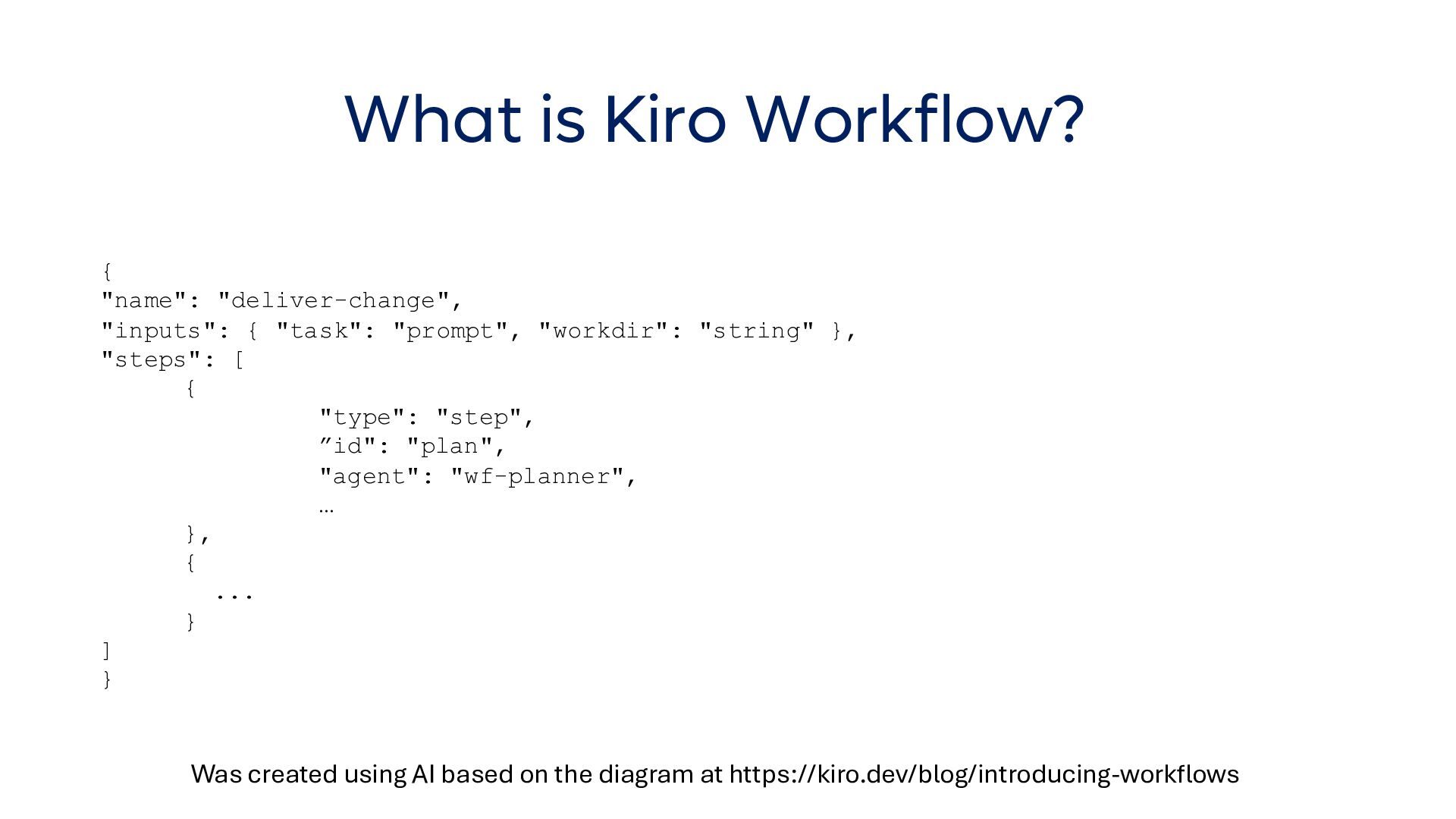
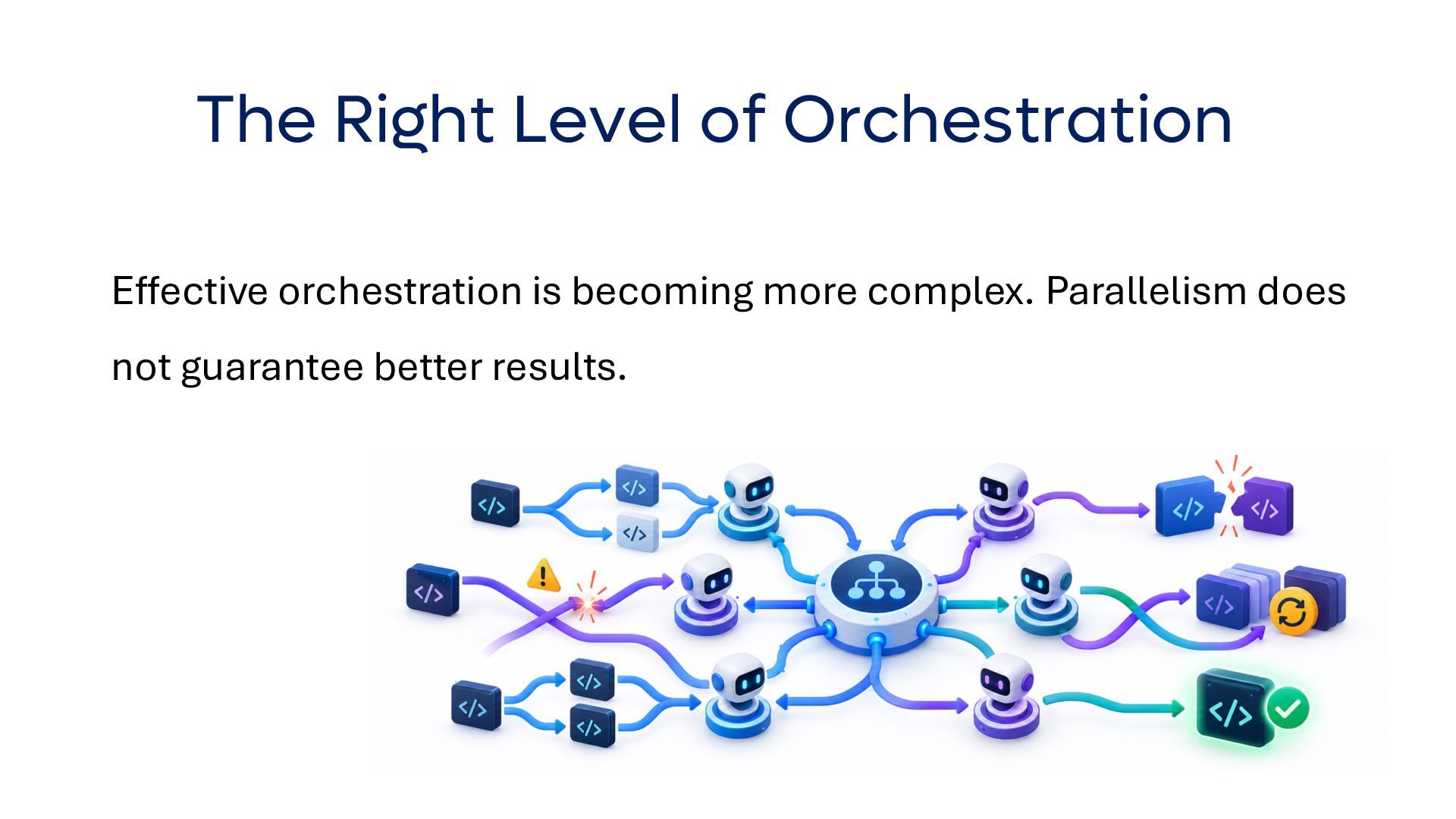
Kiro Workflows: Orchestrating complex, multi-step development processes using sequential tasks, parallel agents, and iterative loops.
Cloud-Based AI Agents: Enabling autonomous agents to handle long-running activities, monitoring, incident response, code reviews, and recurring tasks.
Persistent Orchestration and Observability: Using Kiro Crew to coordinate ongoing activities while maintaining visibility into agent execution, approvals, and results.
Best Practices: Keeping specifications updated, maintaining detailed steering documents, reviewing technical designs, optimizing AI capabilities through MCP servers, Skills, and Powers, and choosing the appropriate level of orchestration.
The central message is that the future of software development is not about generating more code. It is about defining intent precisely, orchestrating AI agents effectively, and maintaining control over the entire development process.
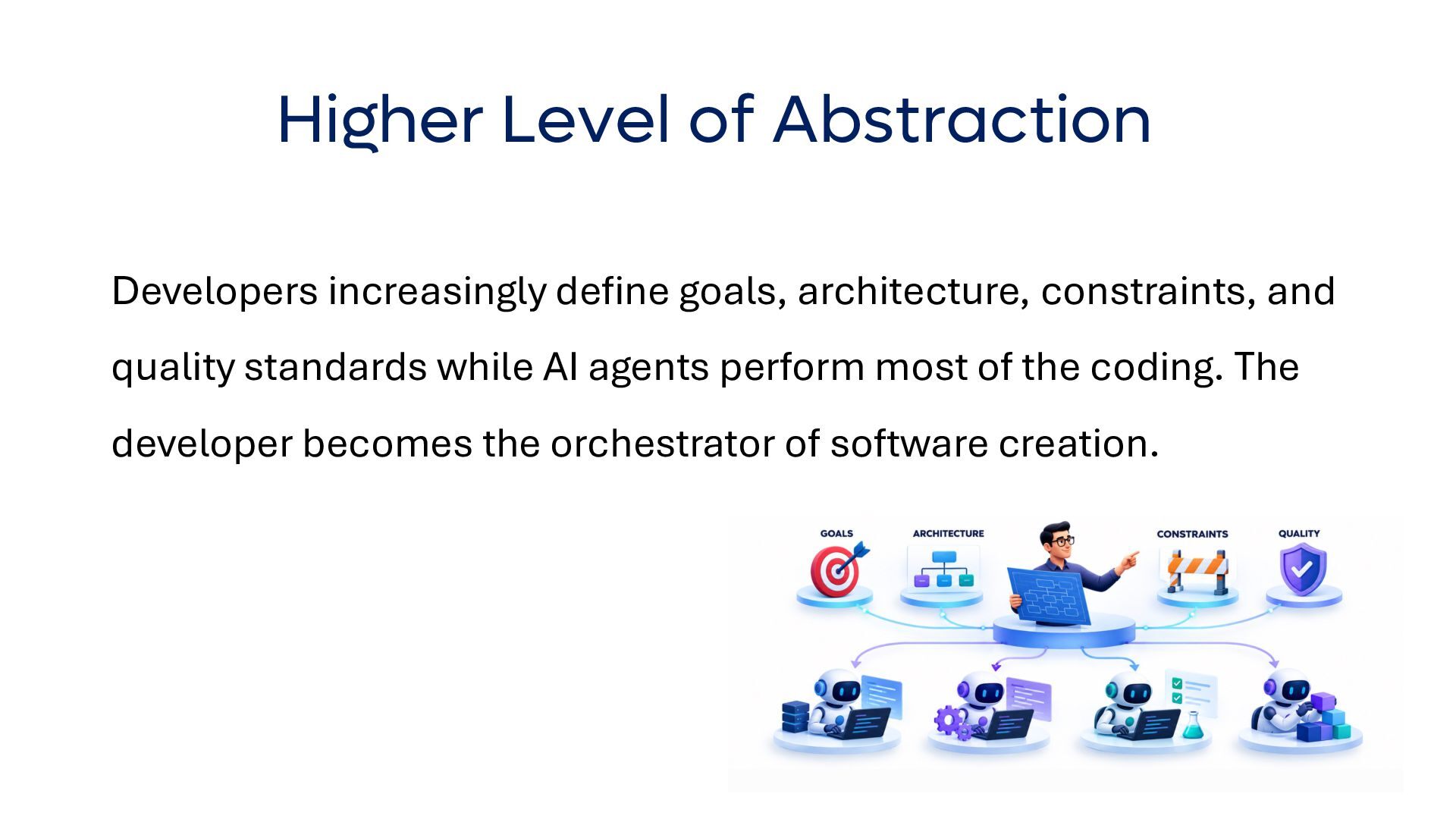
As code generation becomes increasingly inexpensive, software developers move to a higher level of abstraction, focusing on architecture, requirements, constraints, quality assurance, and coordination.
Living specifications become the foundation that keeps humans and AI agents aligned, enabling software systems to evolve without losing their original intent.
About the Speaker
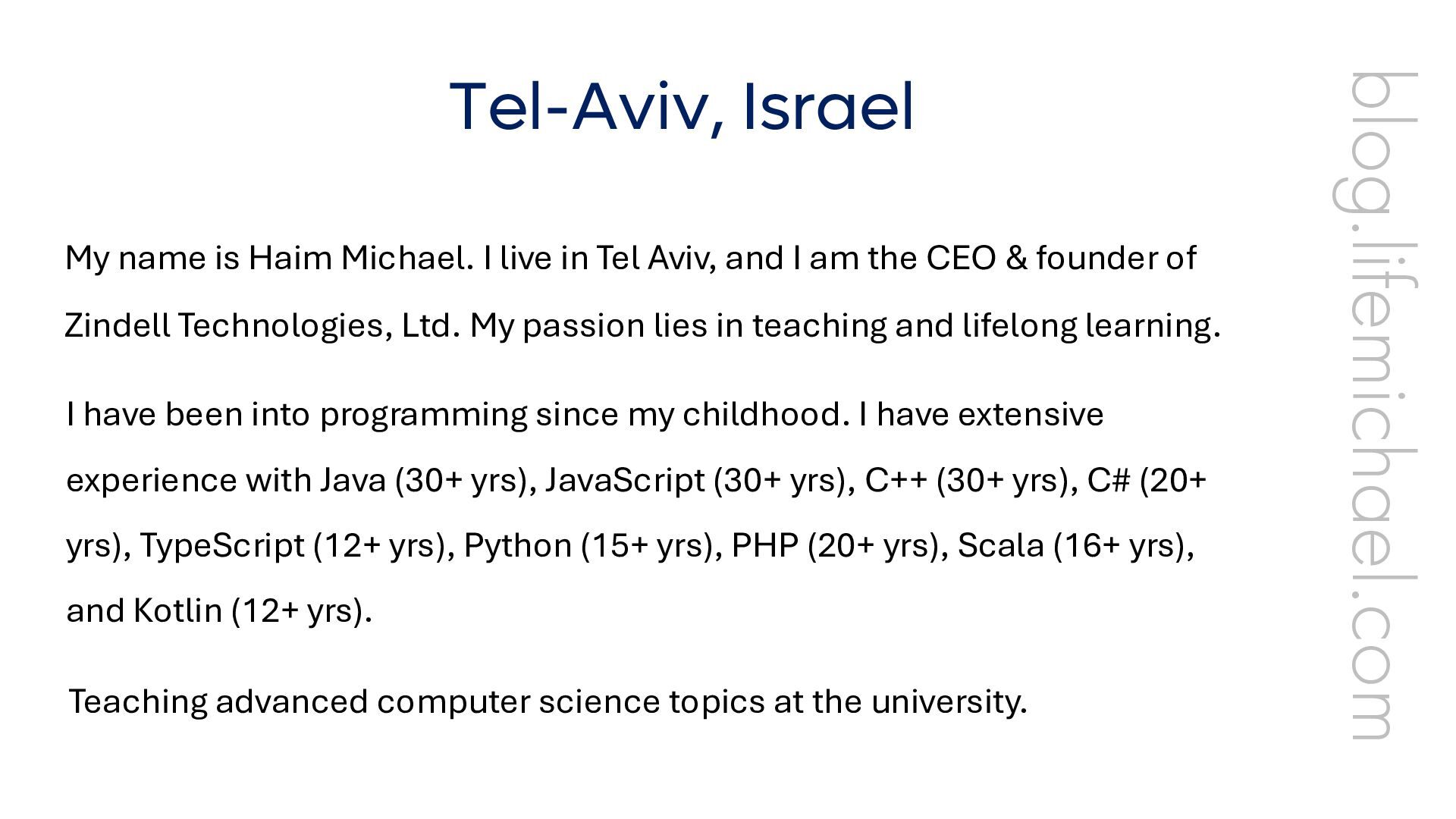
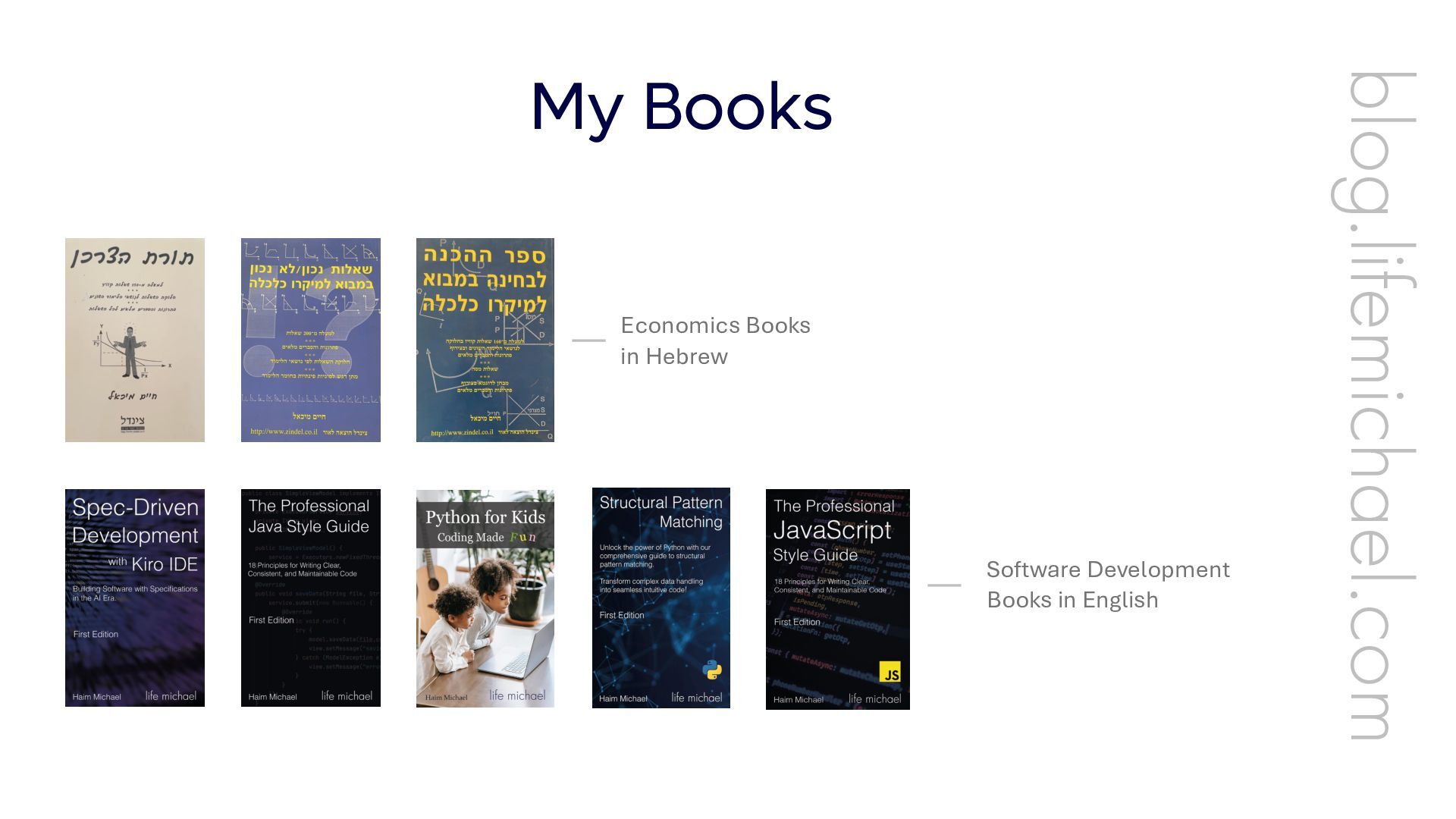
Haim Michael is the Founder and CEO of Zindell Technologies, a software architect, author, university lecturer, and technology trainer with more than 25 years of programming experience. He is also a Kiro Ambassador, AWS Community Builder, and Oracle ACE Associate.
Website: https://blog.lifemichael.com
LinkedIn: https://linkedin.com/in/lifemichael
Kiro IDE: https://kiro.dev
Blog Post: https://lifemichael.com/en/full-stack-conf-sofia-2026-exploring-spec-driven-development-and-ai-agent-orchestration-with-kiro-ide/

 lifemichael
 kmiya84377
 munenick
 staka121
 yoshimura_datam
 _awache
 ginjihayashi
 munakata
 daitak
 nejumi
 miu_crescent
 shotashiratori
 kaminashi
 pauljervisheath
 palkan
 sergeychernyshev
 eileencodes
 kristinabergwall1
 skipperchong
 mayatellez
 ryanjones
 thoeni
 tomoyanonymous
 retrage
 inesmontani