functional sizing Advisor for risk management Alliance for payroll tax (Keten loonheffingen) Strategic advisor The Dutch alliance on data and tax on wages (Loonaangifteketen ) Ivo Nas – Dutch Tax Administration (Belastingdienst) 16-10-2025
Tax administration has many large-scale software development projects. However, project forecasts are way too optimistic. Teamed up with IT control department (Eric Bom & Rob de Munnik). Our center for functional sizing and project data 21-10-2025
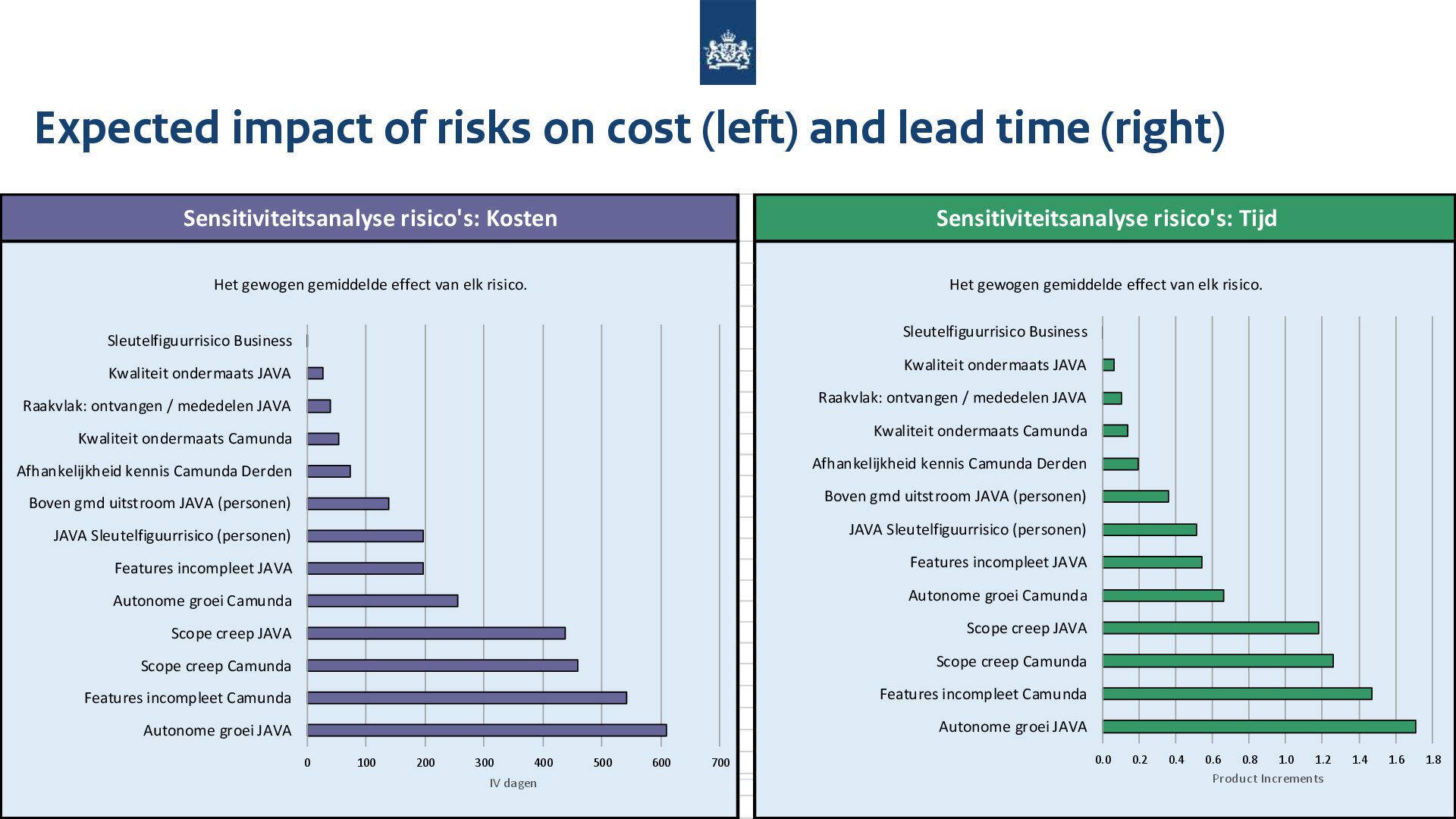
project business cases, and make better predictions regarding project duration and costs. Main pillars for the model: 1. Scientific based approach 2. Model as a good predictor 3. Transparency • Quantify uncertainties and risks • Generate multiple project scenarios (optimistic, realistic & security) • Give decision-makers options: how much uncertainty is acceptable? Risk-driven approach to project forecasting, because…
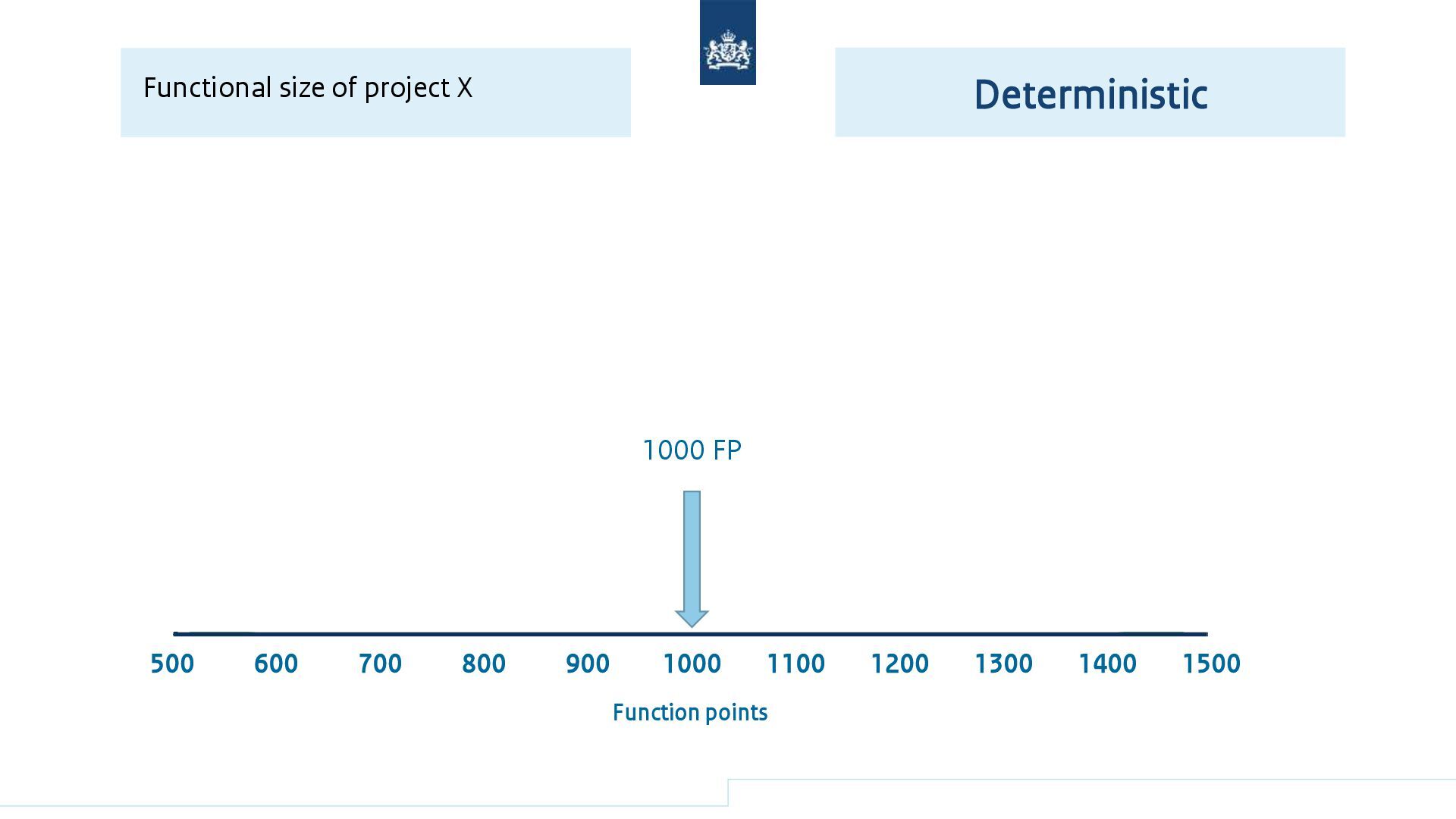
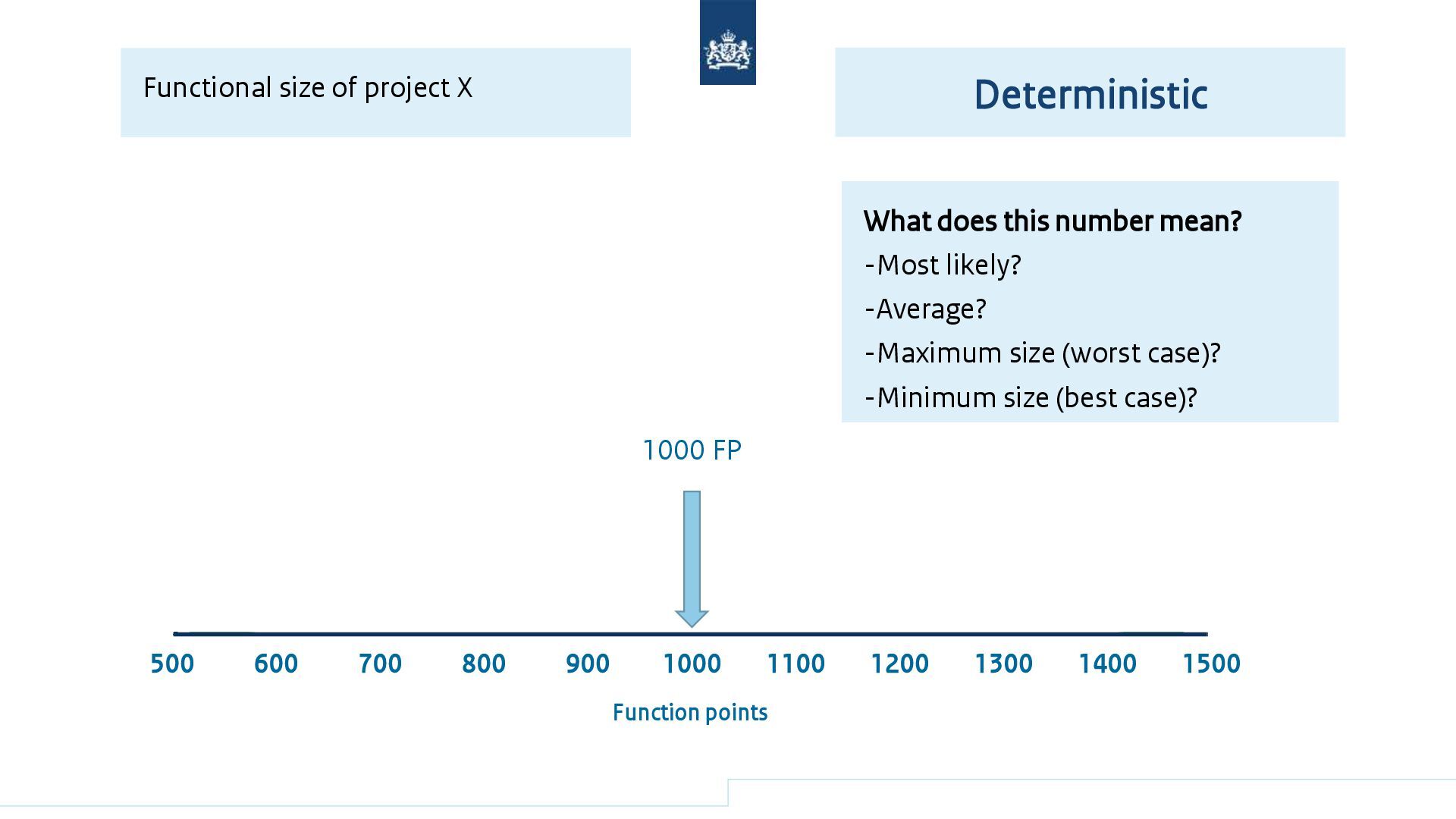
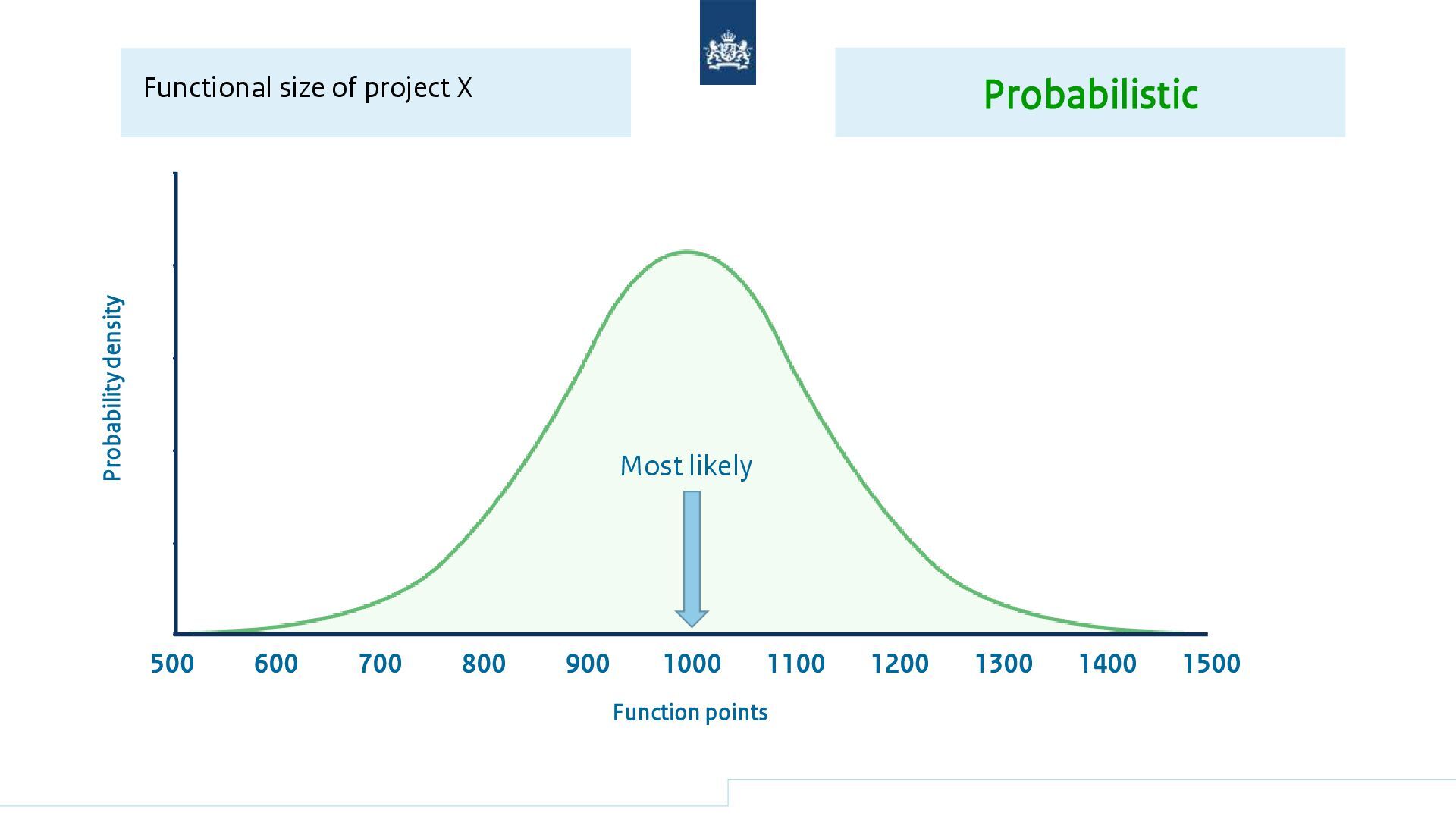
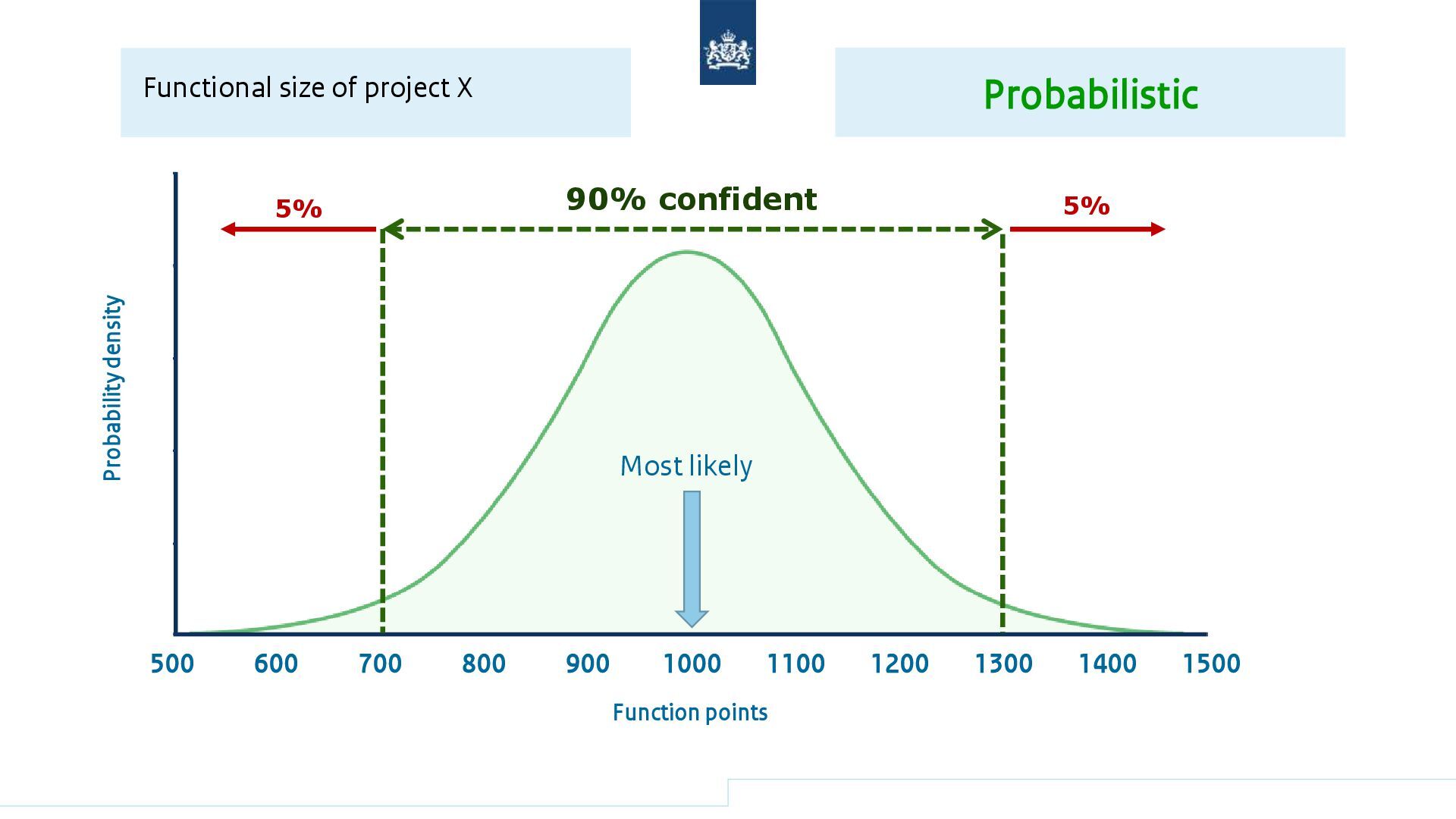
1500 Function points Kansdichtheid 1000 FP Functional size of project X Deterministic What does this number mean? -Most likely? -Average? -Maximum size (worst case)? -Minimum size (best case)?
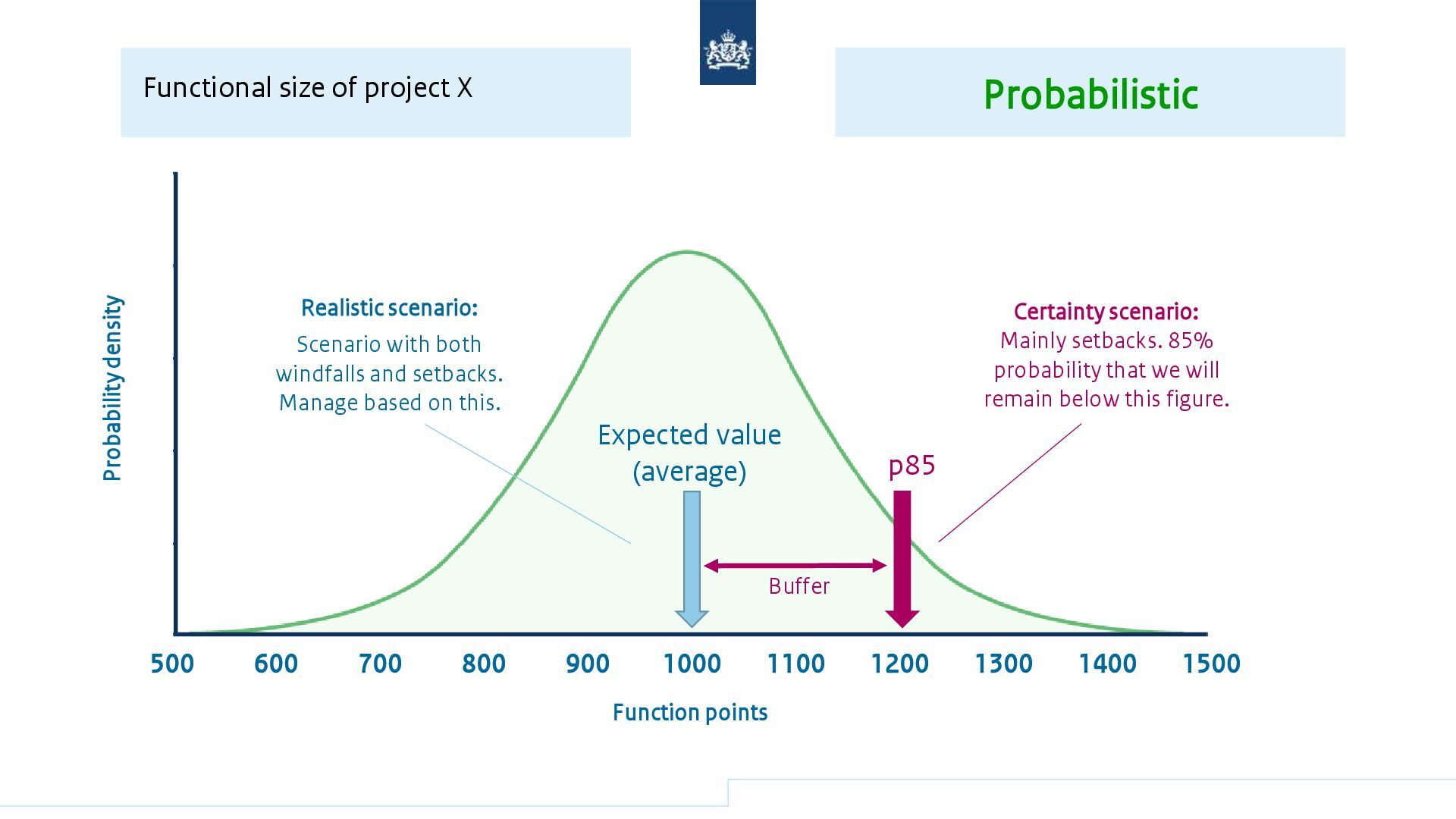
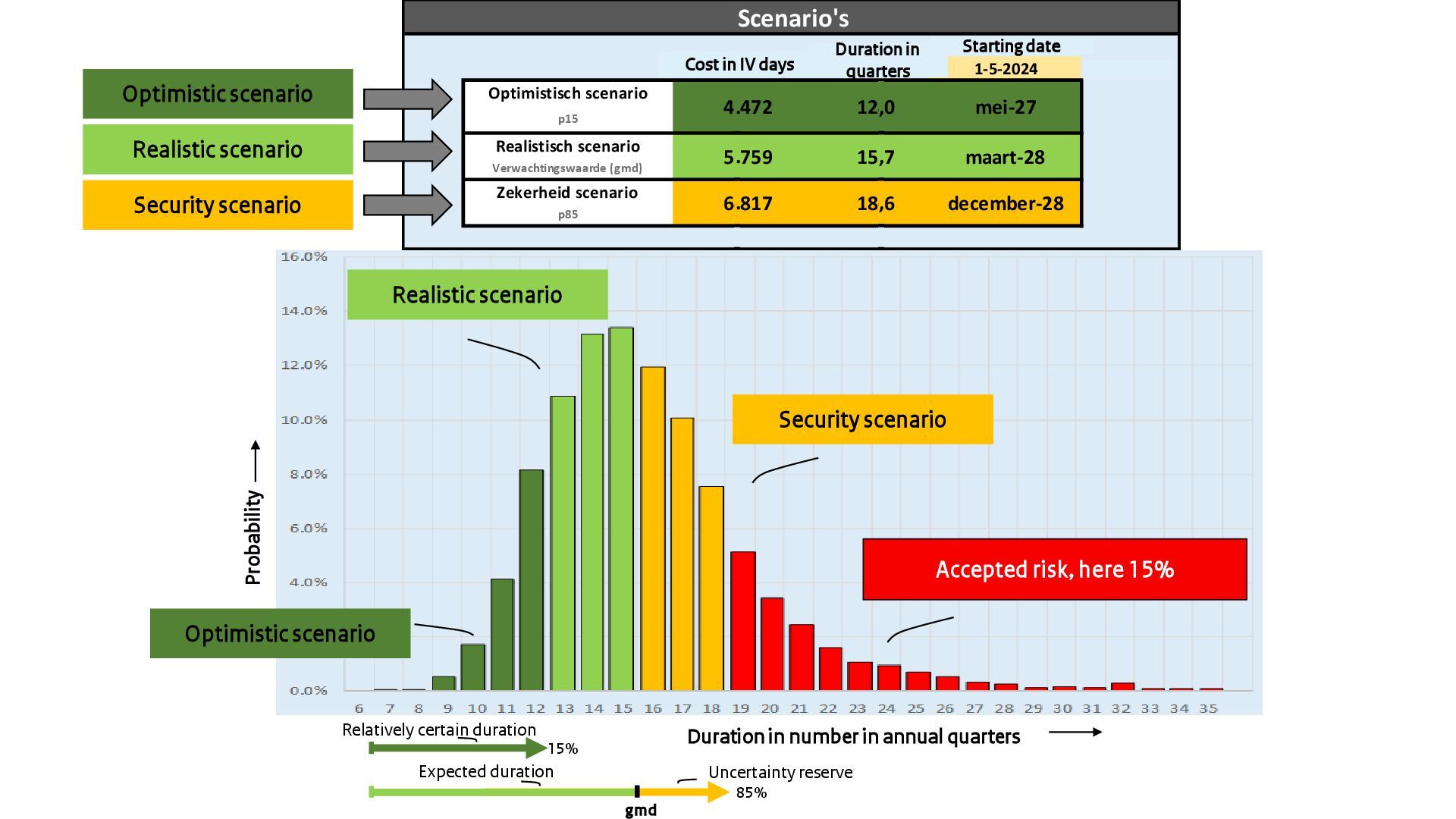
1500 Function points Probability density Expected value (average) Functional size of project X Probabilistic p85 Buffer Certainty scenario: Mainly setbacks. 85% probability that we will remain below this figure. Realistic scenario: Scenario with both windfalls and setbacks. Manage based on this.
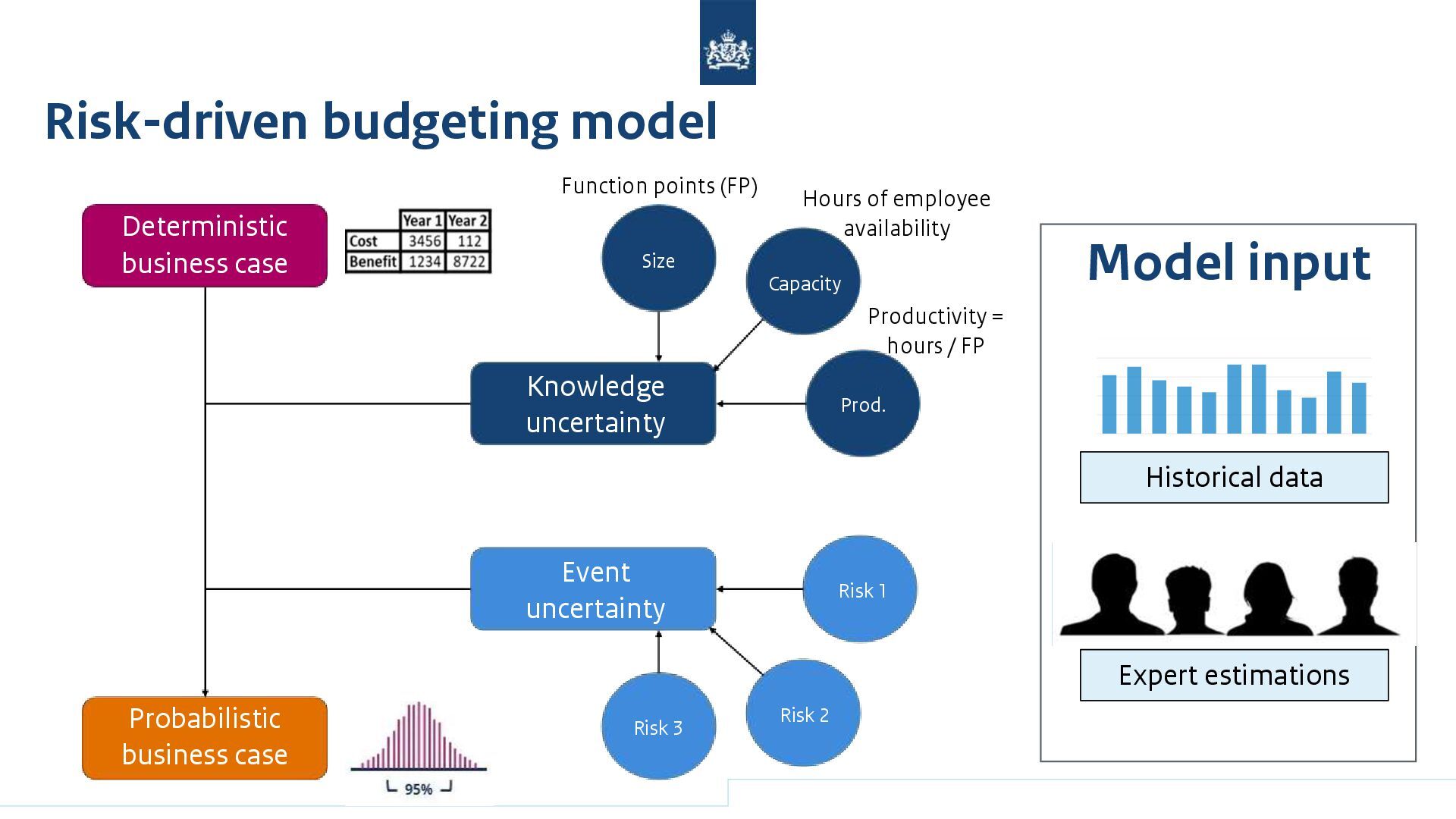
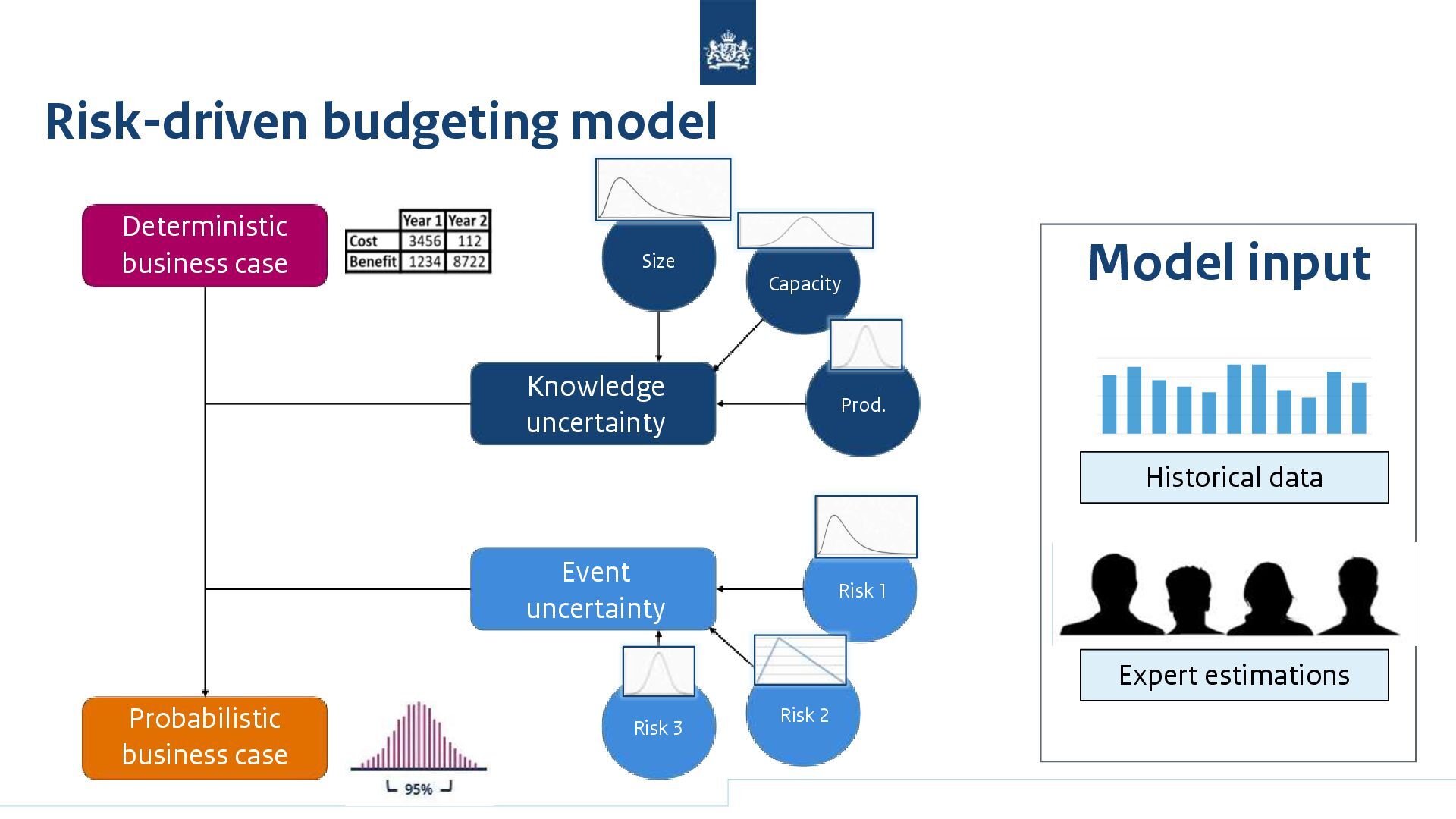
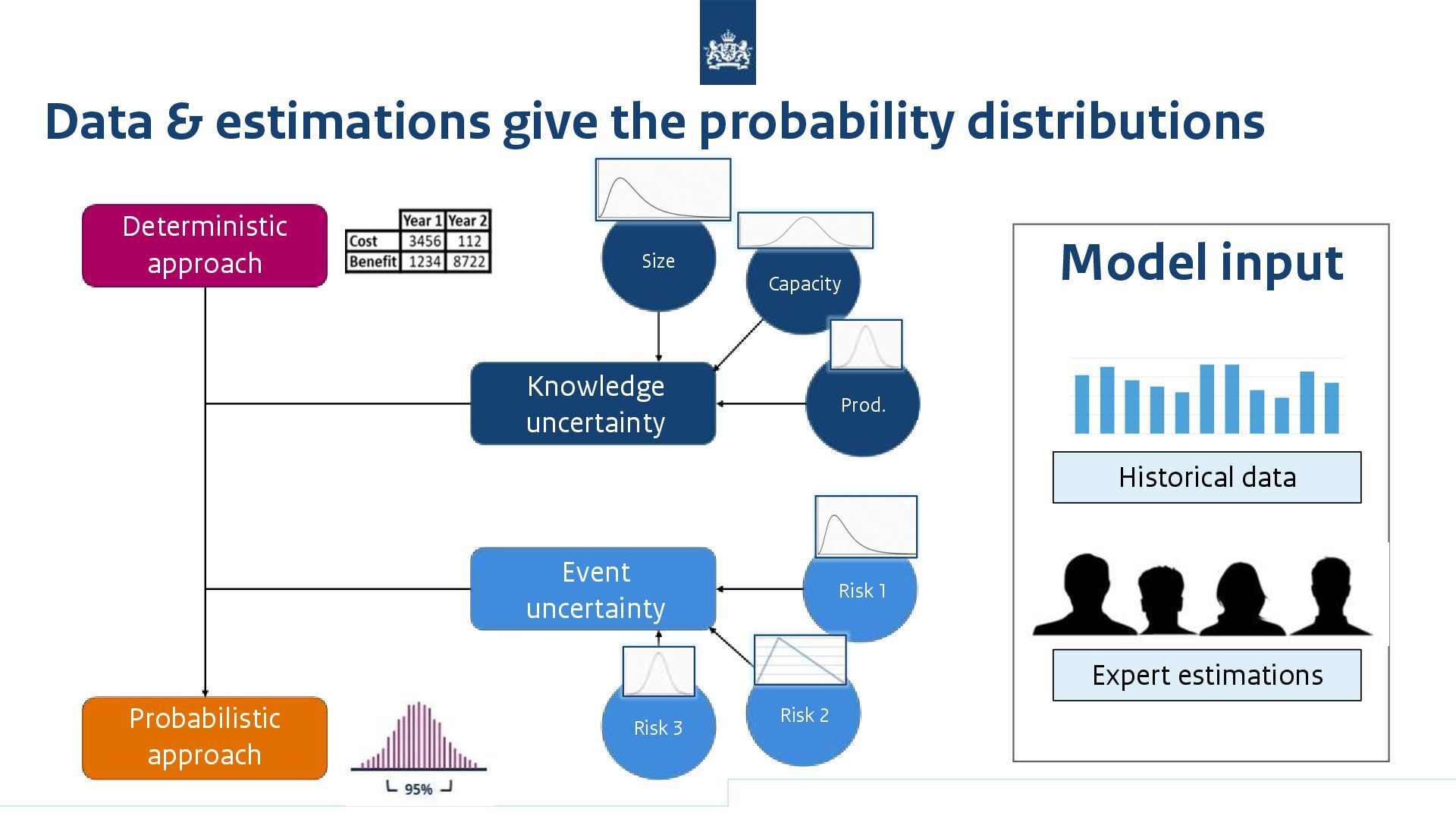
of employee availability Productivity = hours / FP Deterministic business case Probabilistic business case Knowledge uncertainty Event uncertainty Risk 1 Risk 2 Risk 3 Function points (FP) Size Capacity Prod.
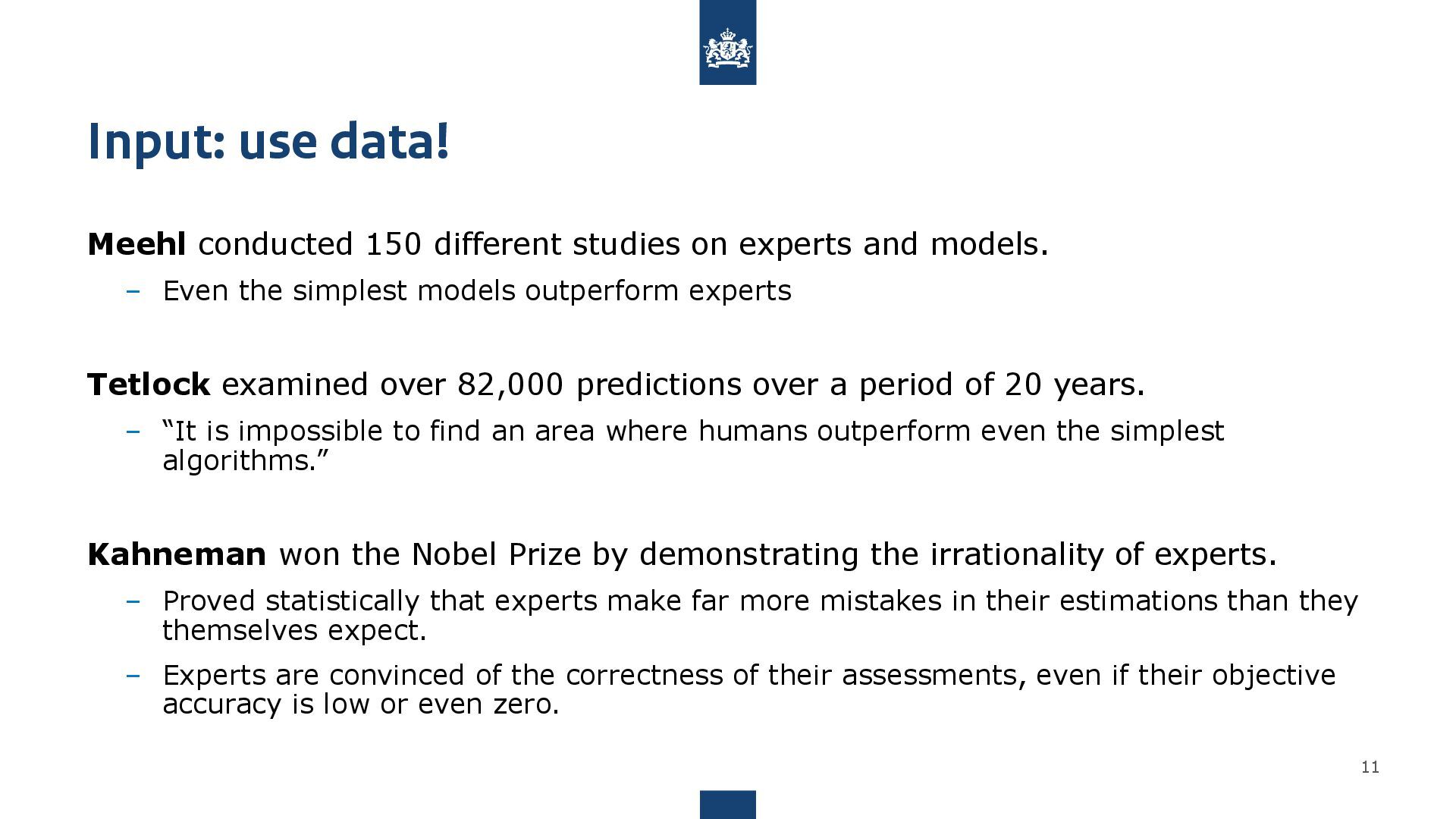
Even the simplest models outperform experts Tetlock examined over 82,000 predictions over a period of 20 years. – “It is impossible to find an area where humans outperform even the simplest algorithms.” Kahneman won the Nobel Prize by demonstrating the irrationality of experts. – Proved statistically that experts make far more mistakes in their estimations than they themselves expect. – Experts are convinced of the correctness of their assessments, even if their objective accuracy is low or even zero. Input: use data! 11
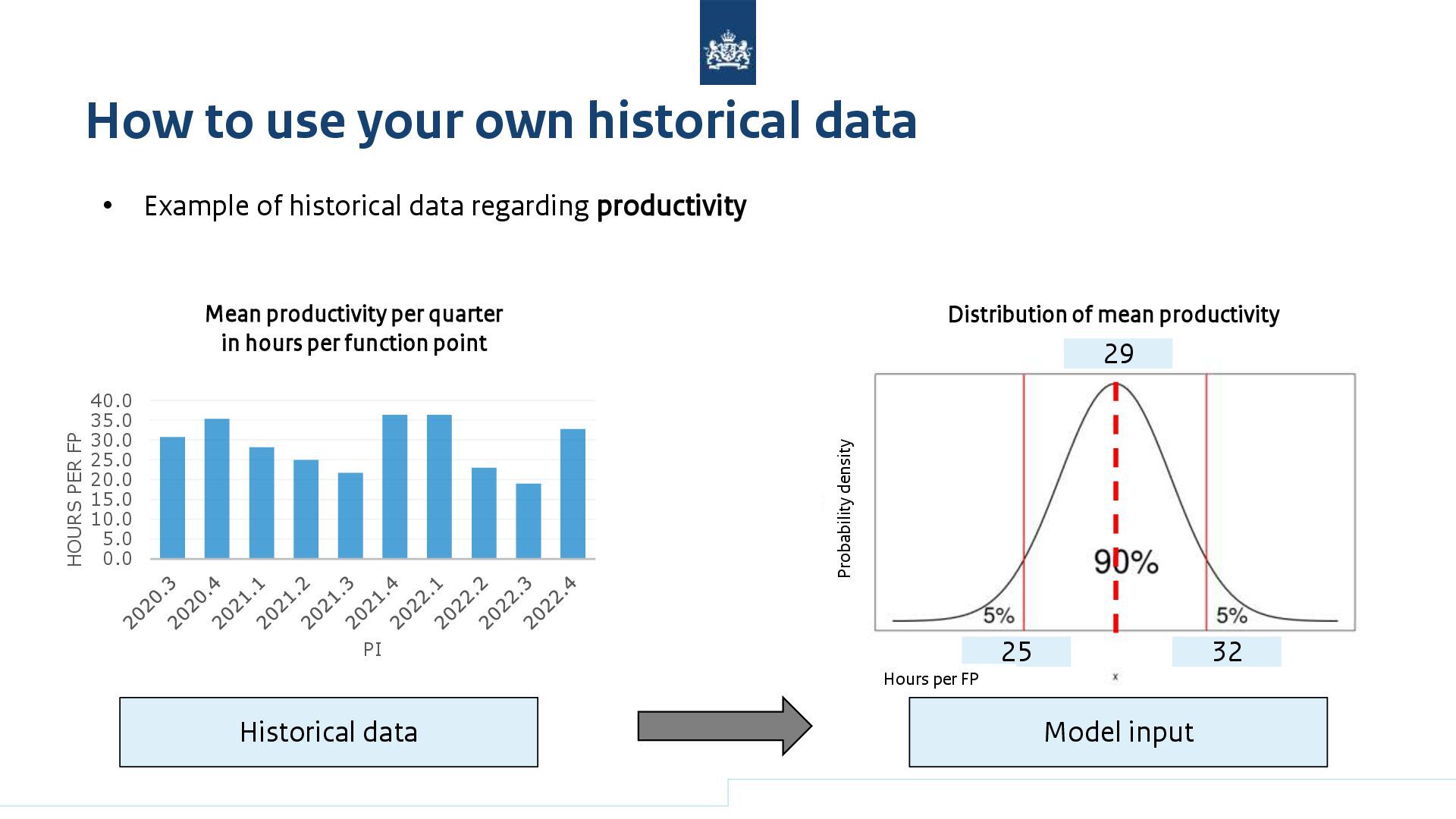
quarter in hours per function point 25 32 29 Historical data Model input 0.0 5.0 10.0 15.0 20.0 25.0 30.0 35.0 40.0 HOURS PER FP PI • Example of historical data regarding productivity Distribution of mean productivity Probability density Hours per FP
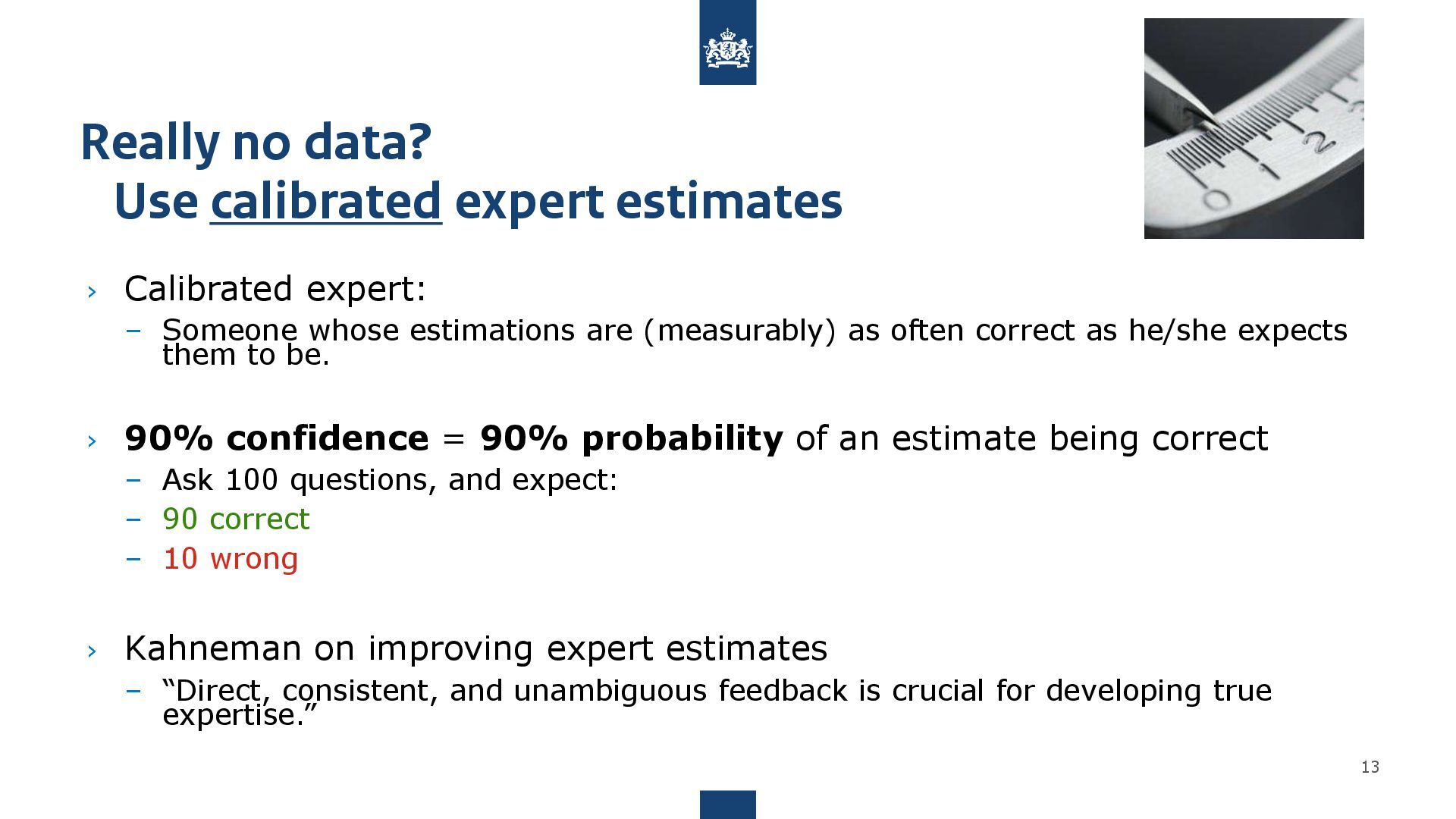
often correct as he/she expects them to be. › 90% confidence = 90% probability of an estimate being correct – Ask 100 questions, and expect: – 90 correct – 10 wrong › Kahneman on improving expert estimates – “Direct, consistent, and unambiguous feedback is crucial for developing true expertise.” Really no data? Use calibrated expert estimates 13
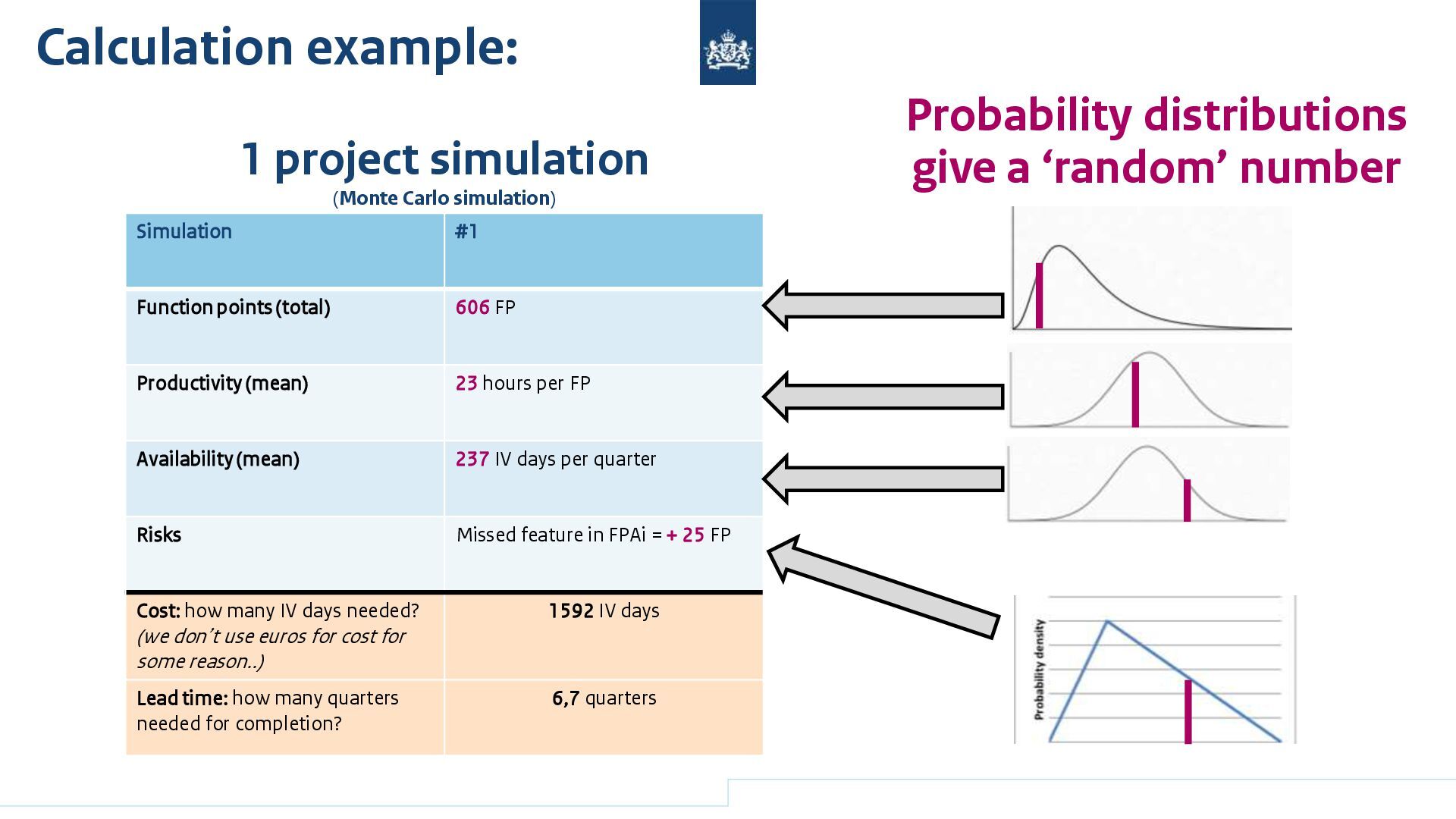
hours per FP Availability (mean) 237 IV days per quarter Risks Missed feature in FPAi = + 25 FP Cost: how many IV days needed? (we don’t use euros for cost for some reason..) 1592 IV days Lead time: how many quarters needed for completion? 6,7 quarters Probability distributions give a ‘random’ number 1 project simulation (Monte Carlo simulation) Calculation example:
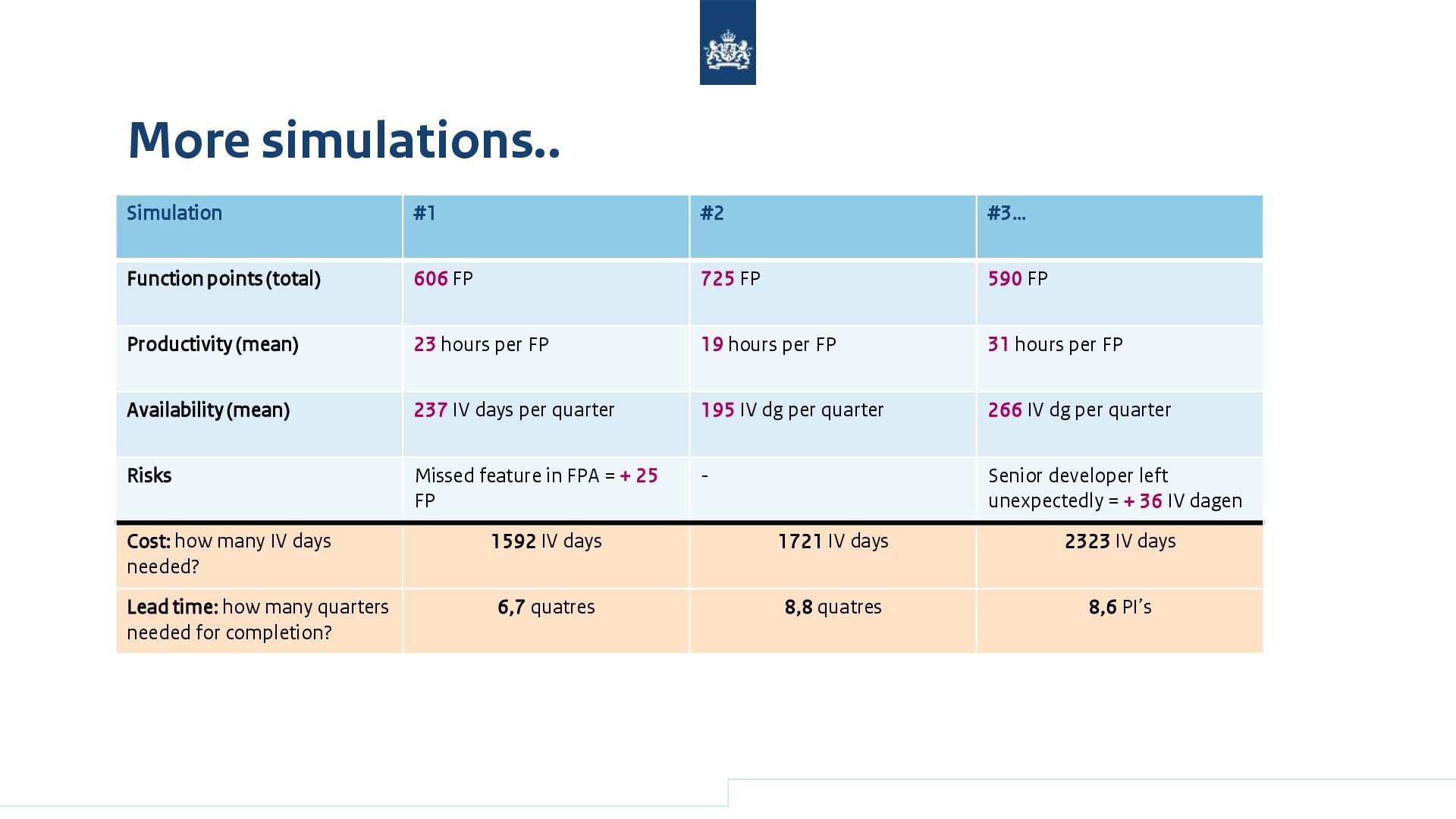
FP 725 FP 590 FP Productivity (mean) 23 hours per FP 19 hours per FP 31 hours per FP Availability (mean) 237 IV days per quarter 195 IV dg per quarter 266 IV dg per quarter Risks Missed feature in FPA = + 25 FP - Senior developer left unexpectedly = + 36 IV dagen Cost: how many IV days needed? 1592 IV days 1721 IV days 2323 IV days Lead time: how many quarters needed for completion? 6,7 quatres 8,8 quatres 8,6 PI’s
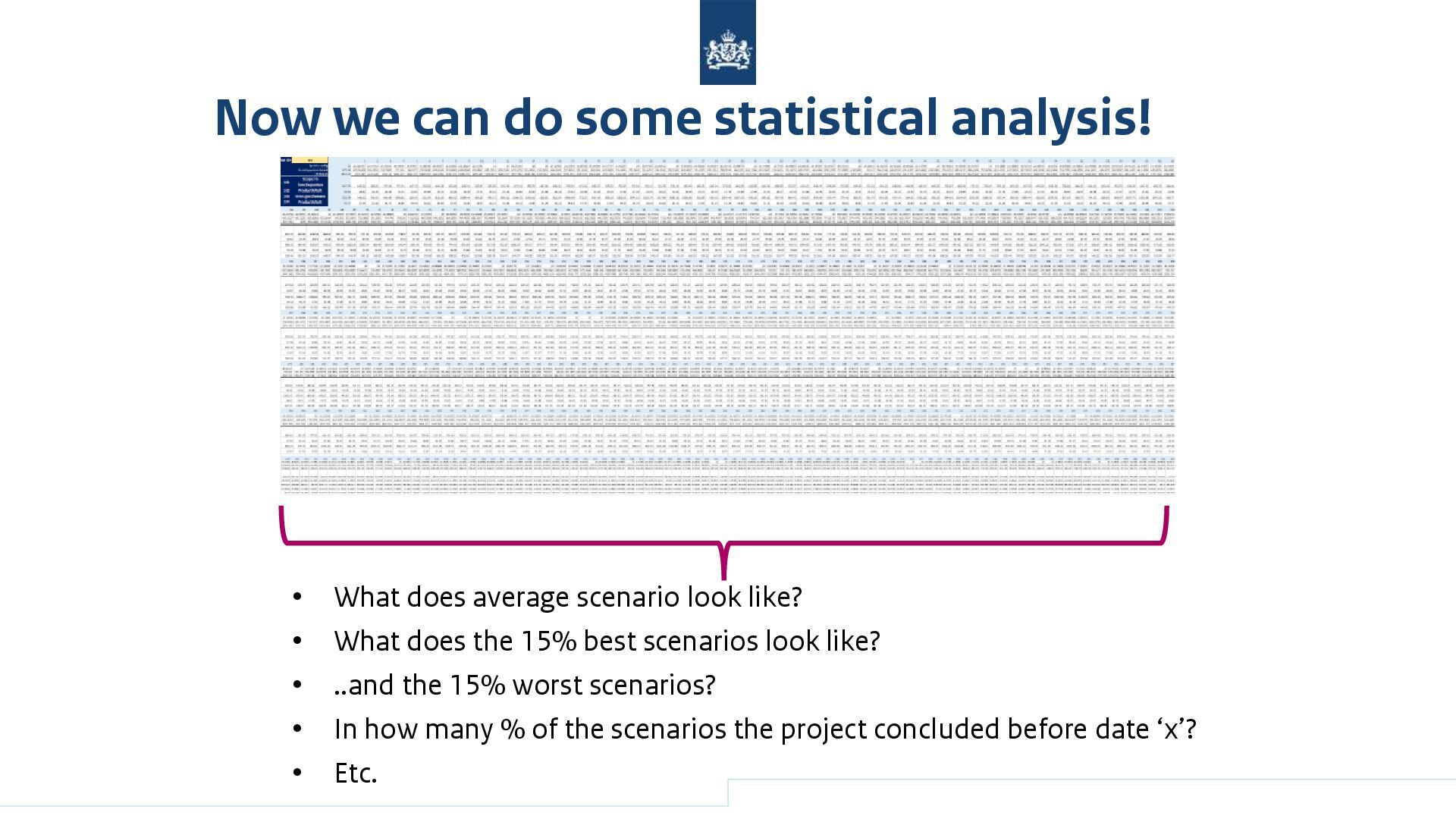
the 15% best scenarios look like? • ..and the 15% worst scenarios? • In how many % of the scenarios the project concluded before date ‘x’? • Etc. Now we can do some statistical analysis!
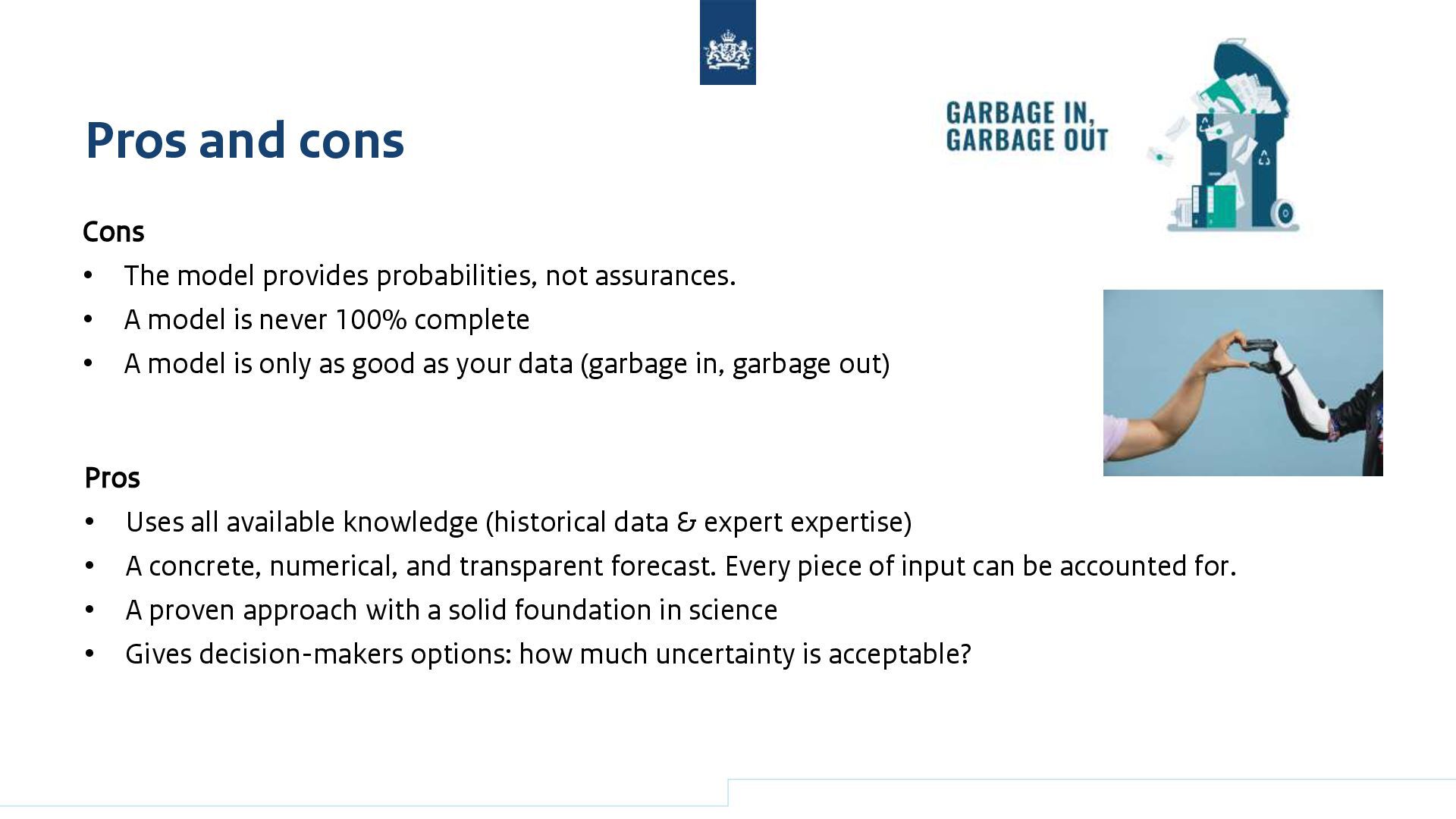
assurances. • A model is never 100% complete • A model is only as good as your data (garbage in, garbage out) Pros • Uses all available knowledge (historical data & expert expertise) • A concrete, numerical, and transparent forecast. Every piece of input can be accounted for. • A proven approach with a solid foundation in science • Gives decision-makers options: how much uncertainty is acceptable?


 nesmaoffice
 yatabe
 signer
 frievea
 hiragahh
 suisan
 3l4l5
 soudai
 pawan_pharm
 tasusu
 dragon2
 moore
 eileencodes
 baasie
 khoart
 rmw
 axbom
 rkaga
 portentint
 soysaucechin
 addyosmani
 stephaniewalter
 codingconduct