Introduction to Biochemistry and Cell Organization in Pharmacy
Explore biochemistry fundamentals, key scientists, cell structures, and their roles in pharmacy, including drug design, metabolism, and cellular functions.
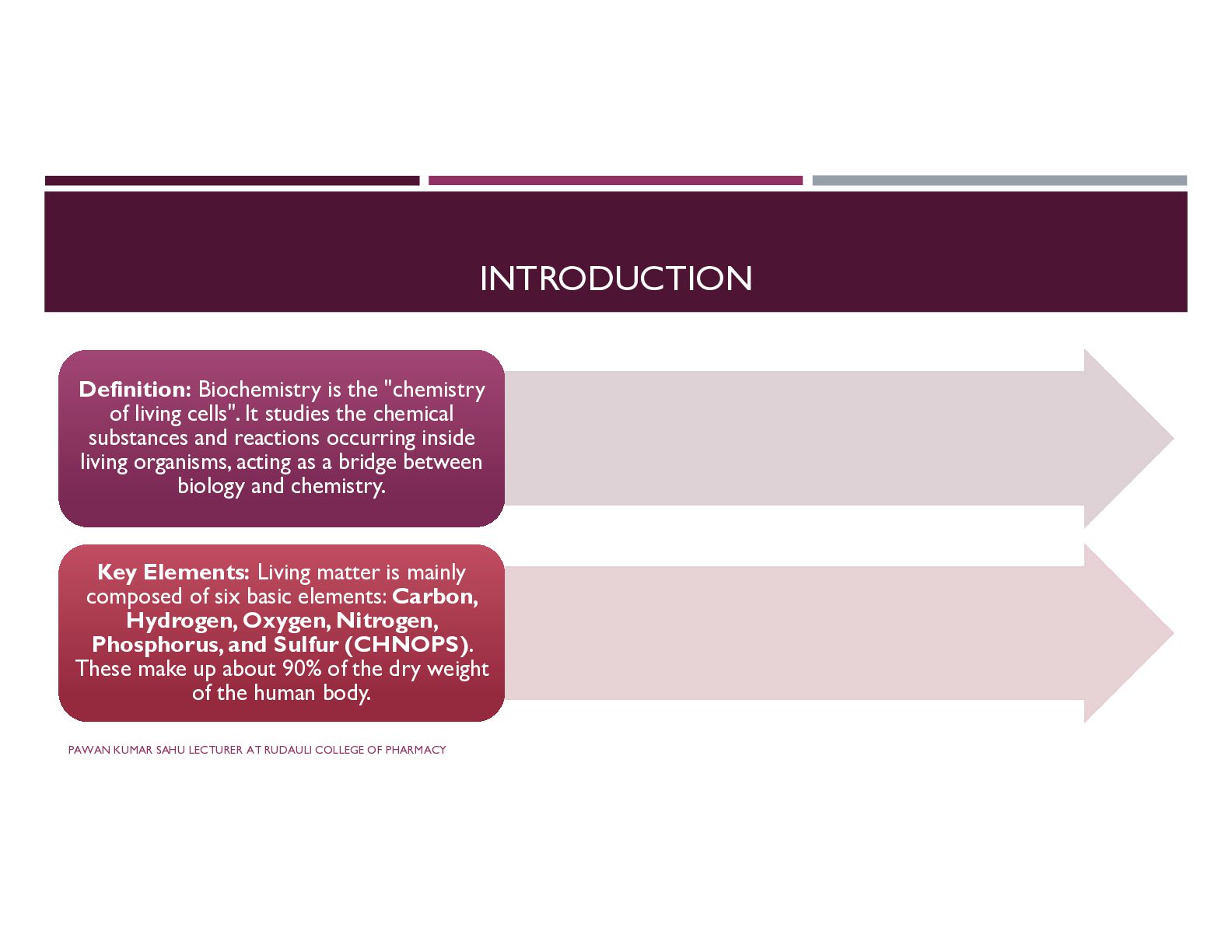
studies the chemical substances and reactions occurring inside living organisms, acting as a bridge between biology and chemistry. Key Elements: Living matter is mainly composed of six basic elements: Carbon, Hydrogen, Oxygen, Nitrogen, Phosphorus, and Sulfur (CHNOPS). These make up about 90% of the dry weight of the human body. PAWAN KUMAR SAHU LECTURER AT RUDAULI COLLEGE OF PHARMACY
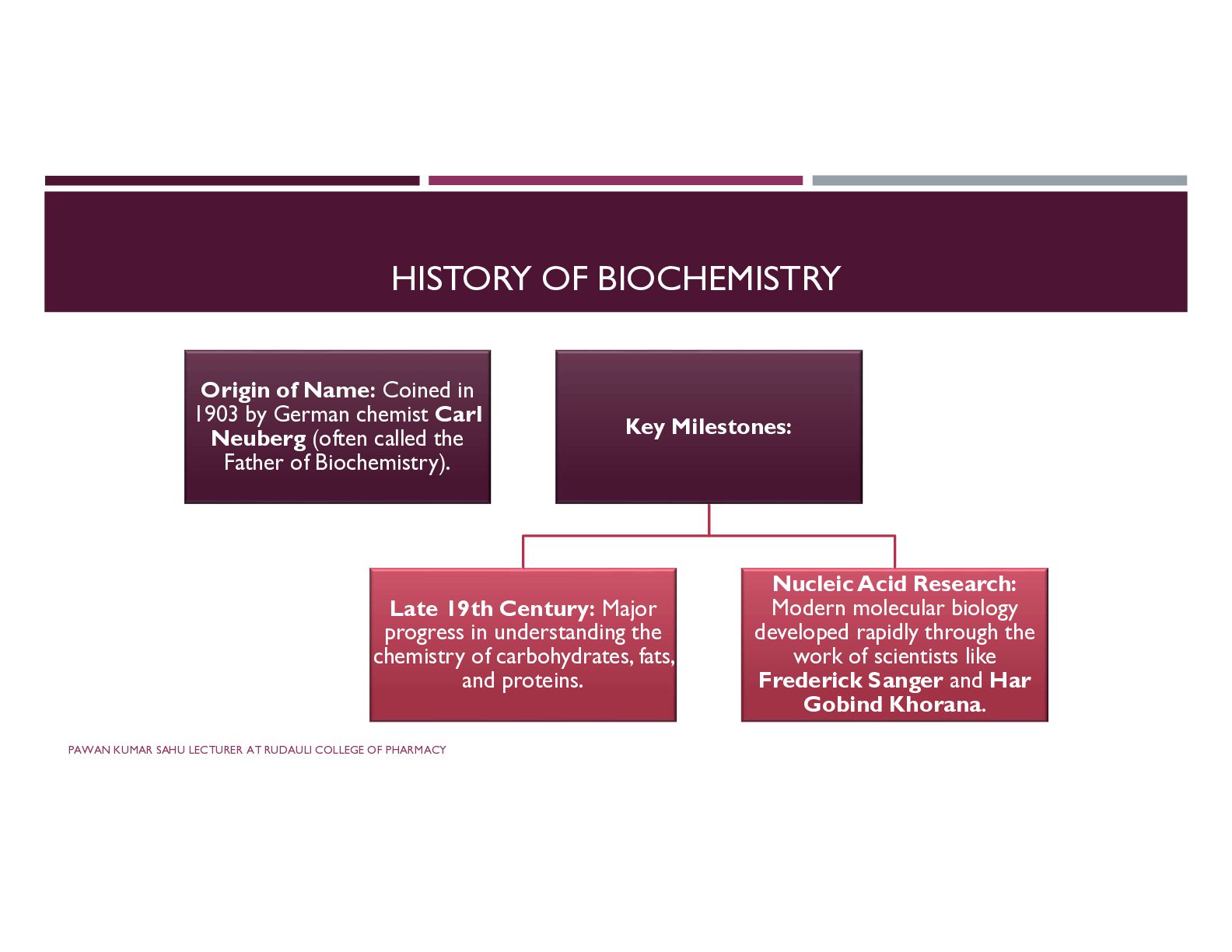
German chemist Carl Neuberg (often called the Father of Biochemistry). Key Milestones: Late 19th Century: Major progress in understanding the chemistry of carbohydrates, fats, and proteins. PAWAN KUMAR SAHU LECTURER AT RUDAULI COLLEGE OF PHARMACY Nucleic Acid Research: Modern molecular biology developed rapidly through the work of scientists like Frederick Sanger and Har Gobind Khorana.
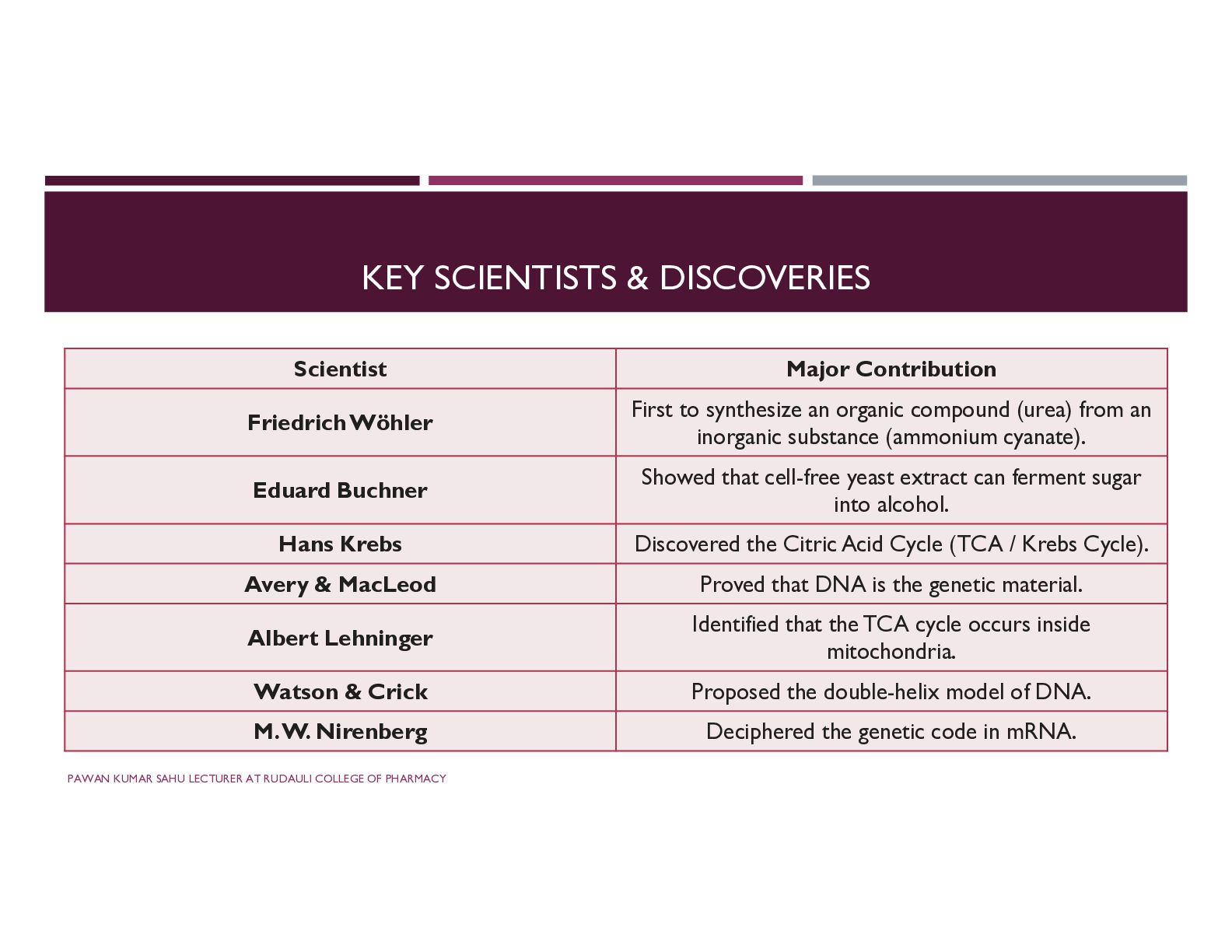
to synthesize an organic compound (urea) from an inorganic substance (ammonium cyanate). Eduard Buchner Showed that cell-free yeast extract can ferment sugar into alcohol. Hans Krebs Discovered the Citric Acid Cycle (TCA / Krebs Cycle). Avery & MacLeod Proved that DNA is the genetic material. Albert Lehninger Identified that the TCA cycle occurs inside mitochondria. Watson & Crick Proposed the double-helix model of DNA. M. W. Nirenberg Deciphered the genetic code in mRNA. PAWAN KUMAR SAHU LECTURER AT RUDAULI COLLEGE OF PHARMACY
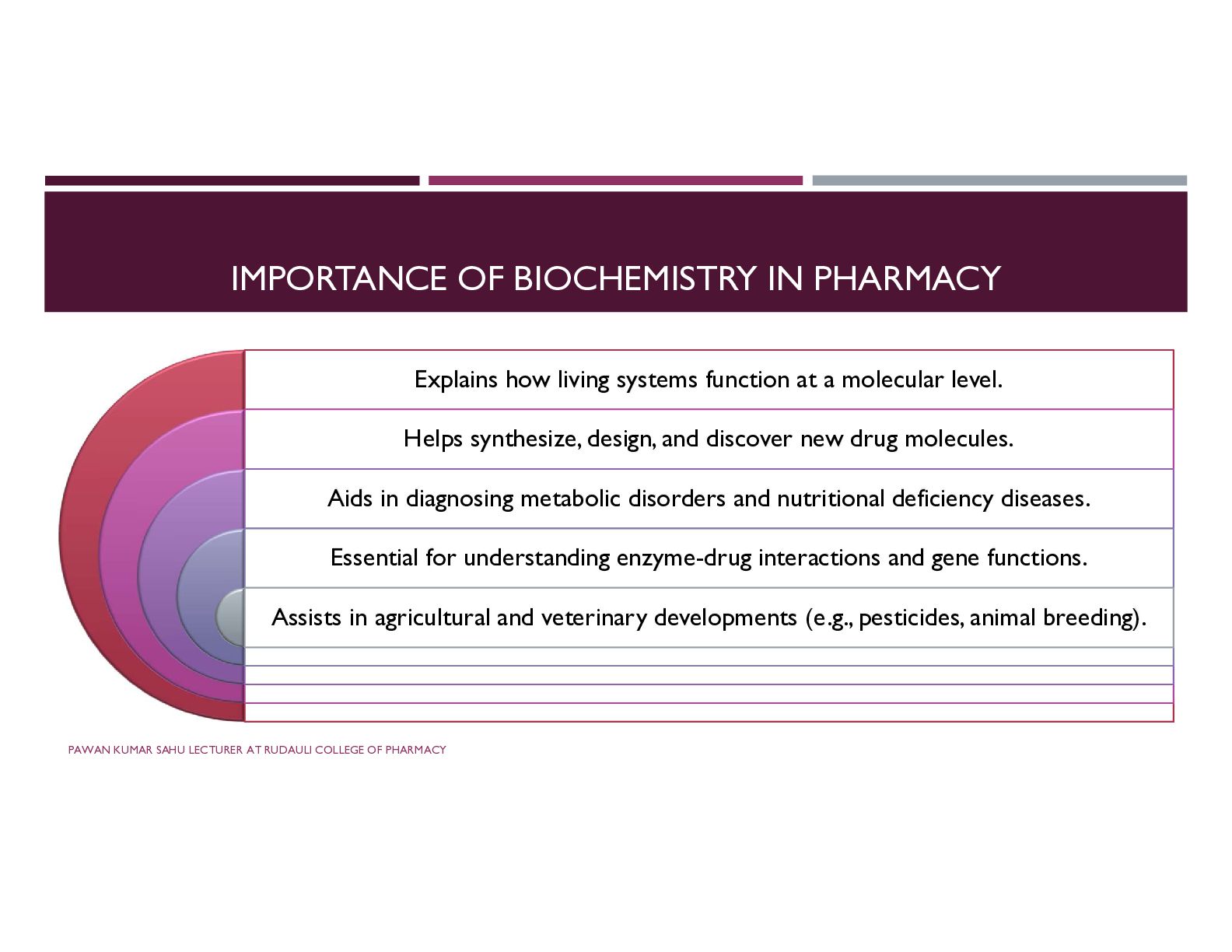
at a molecular level. Helps synthesize, design, and discover new drug molecules. Aids in diagnosing metabolic disorders and nutritional deficiency diseases. Essential for understanding enzyme-drug interactions and gene functions. Assists in agricultural and veterinary developments (e.g., pesticides, animal breeding). PAWAN KUMAR SAHU LECTURER AT RUDAULI COLLEGE OF PHARMACY
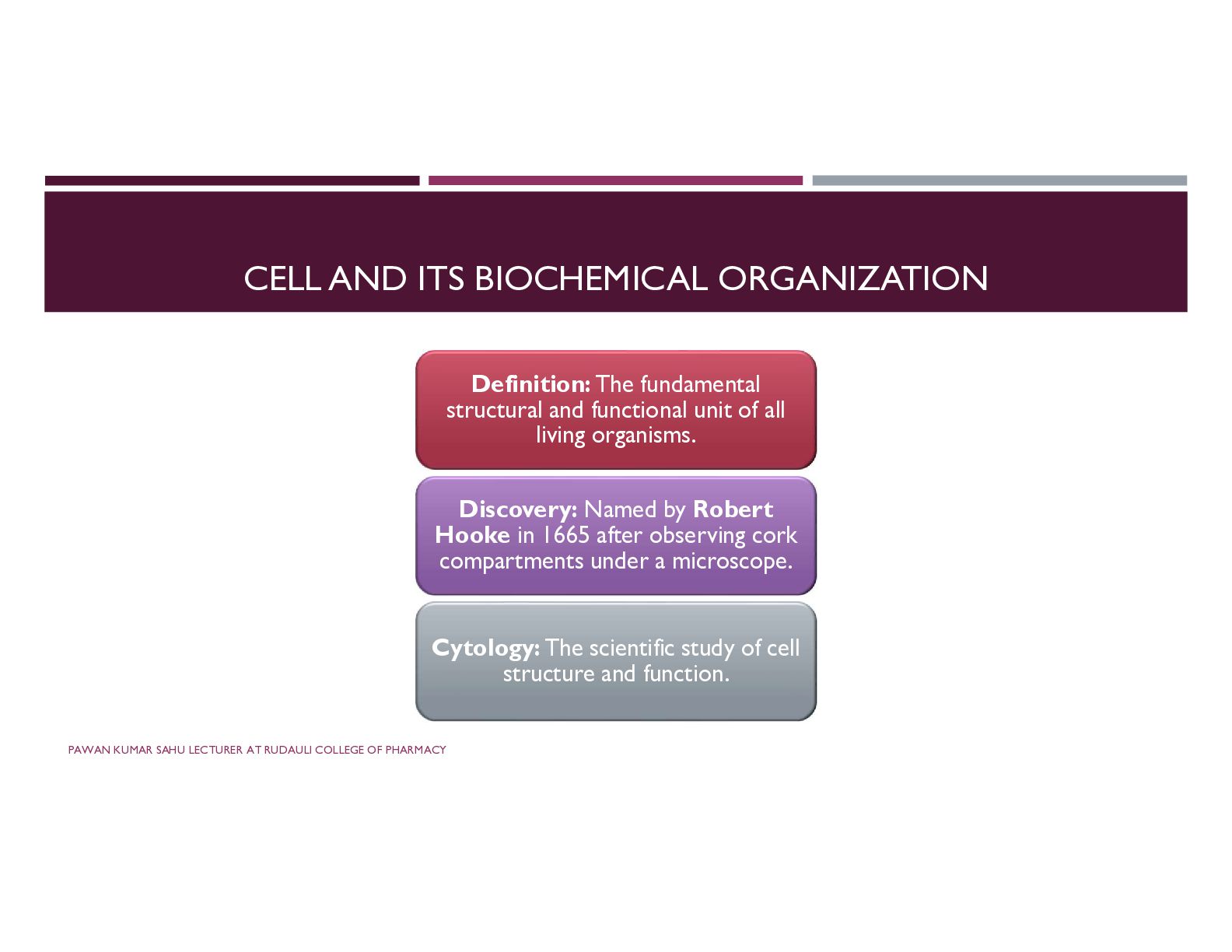
functional unit of all living organisms. Discovery: Named by Robert Hooke in 1665 after observing cork compartments under a microscope. Cytology: The scientific study of cell structure and function. PAWAN KUMAR SAHU LECTURER AT RUDAULI COLLEGE OF PHARMACY
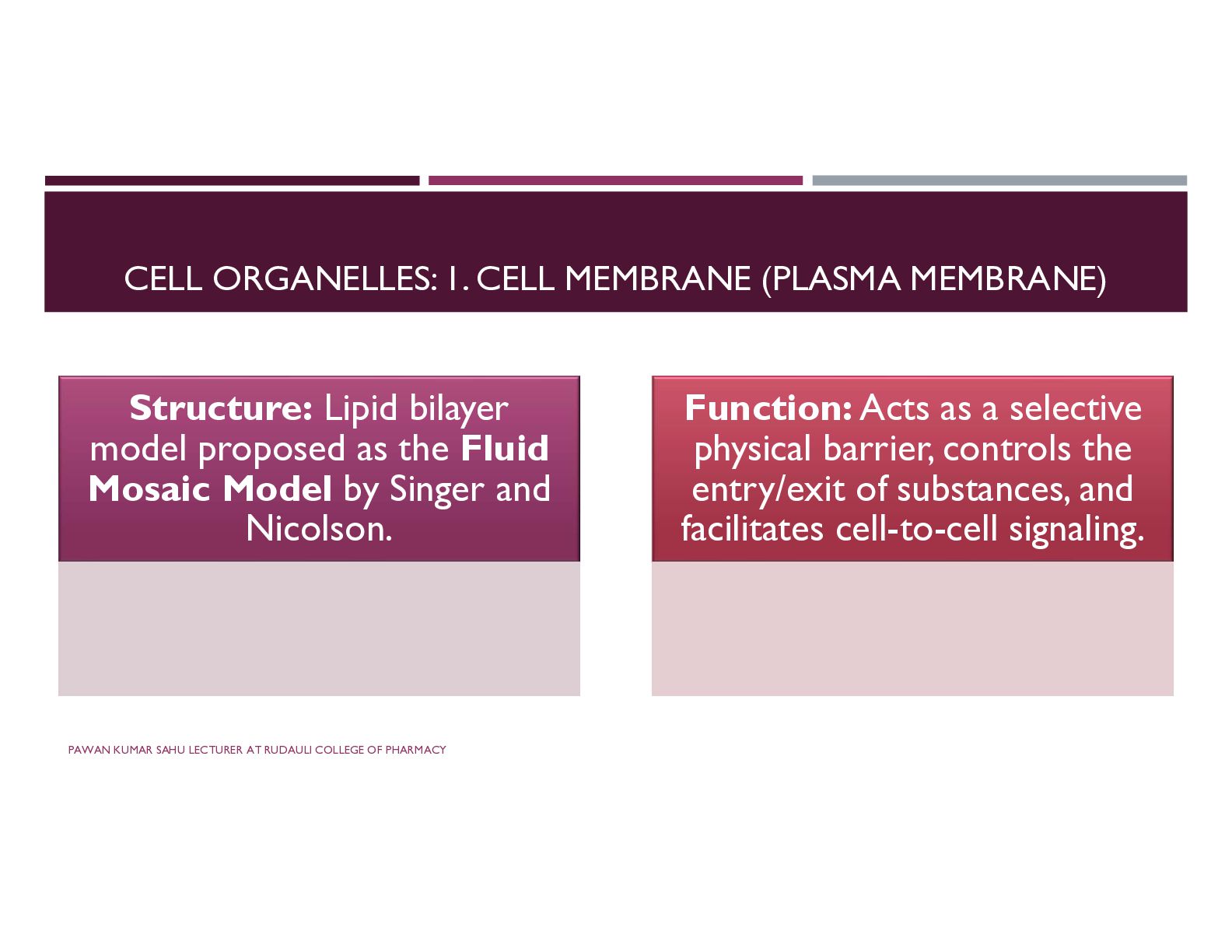
model proposed as the Fluid Mosaic Model by Singer and Nicolson. PAWAN KUMAR SAHU LECTURER AT RUDAULI COLLEGE OF PHARMACY Function: Acts as a selective physical barrier, controls the entry/exit of substances, and facilitates cell-to-cell signaling.
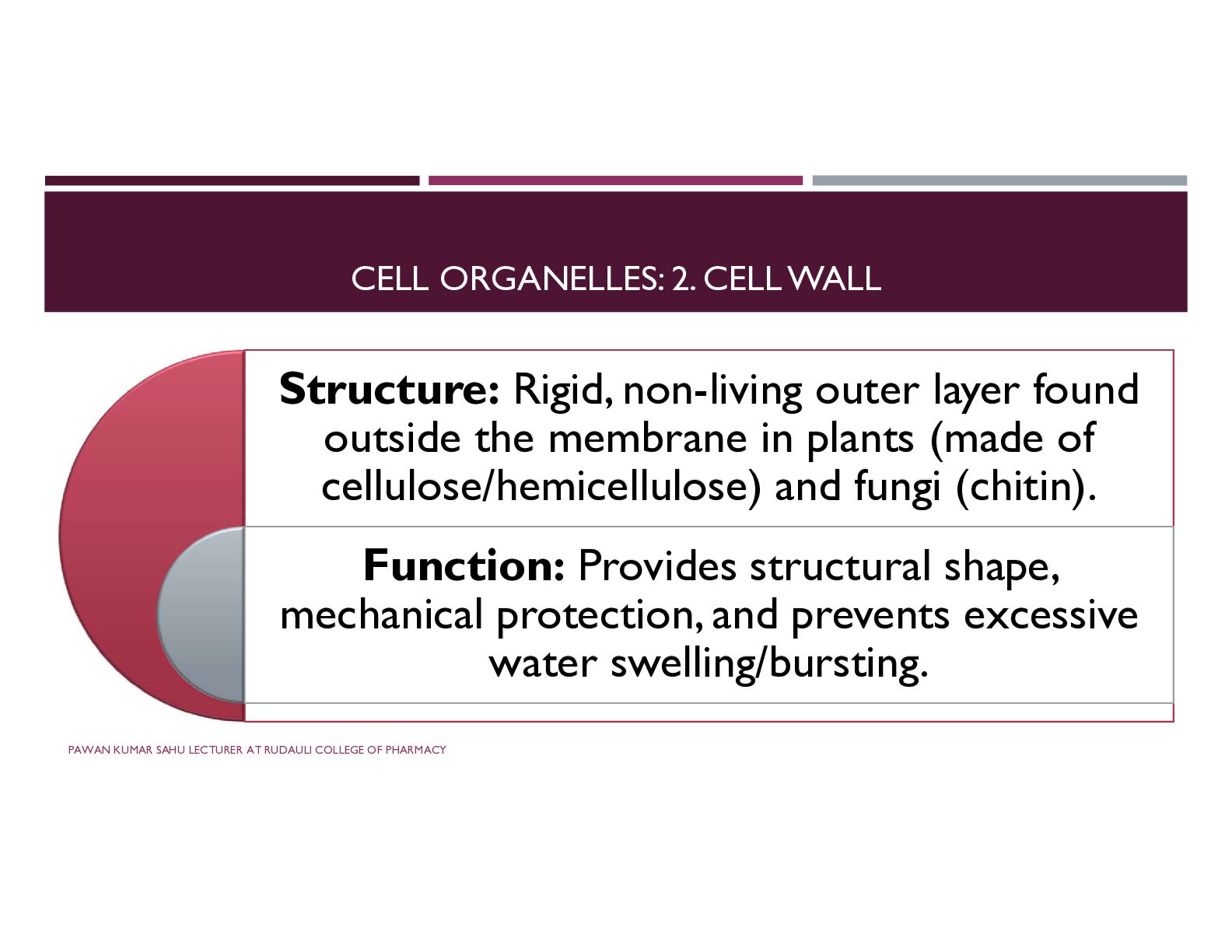
found outside the membrane in plants (made of cellulose/hemicellulose) and fungi (chitin). Function: Provides structural shape, mechanical protection, and prevents excessive water swelling/bursting. PAWAN KUMAR SAHU LECTURER AT RUDAULI COLLEGE OF PHARMACY
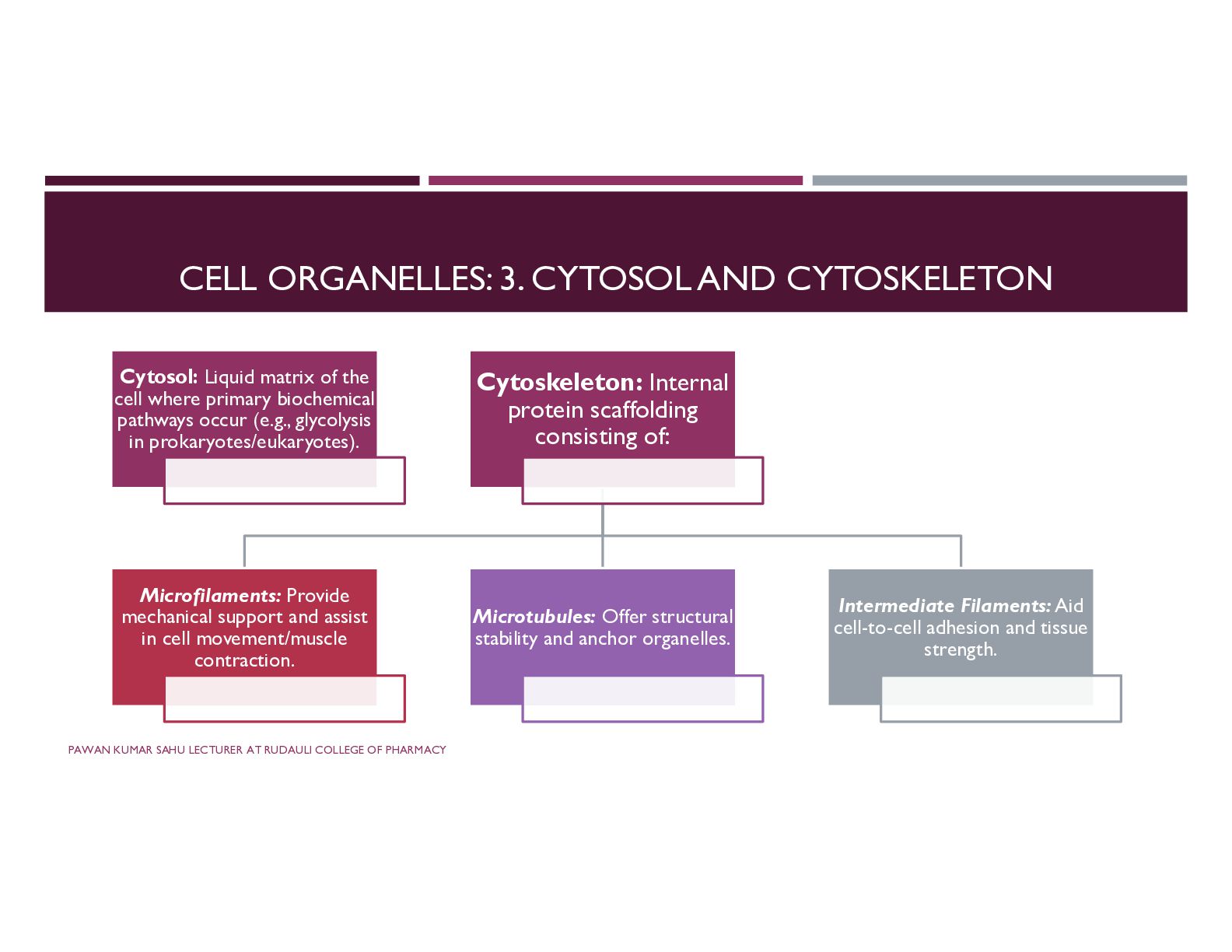
the cell where primary biochemical pathways occur (e.g., glycolysis in prokaryotes/eukaryotes). Cytoskeleton: Internal protein scaffolding consisting of: Microfilaments: Provide mechanical support and assist in cell movement/muscle contraction. Microtubules: Offer structural stability and anchor organelles. PAWAN KUMAR SAHU LECTURER AT RUDAULI COLLEGE OF PHARMACY Intermediate Filaments: Aid cell-to-cell adhesion and tissue strength.
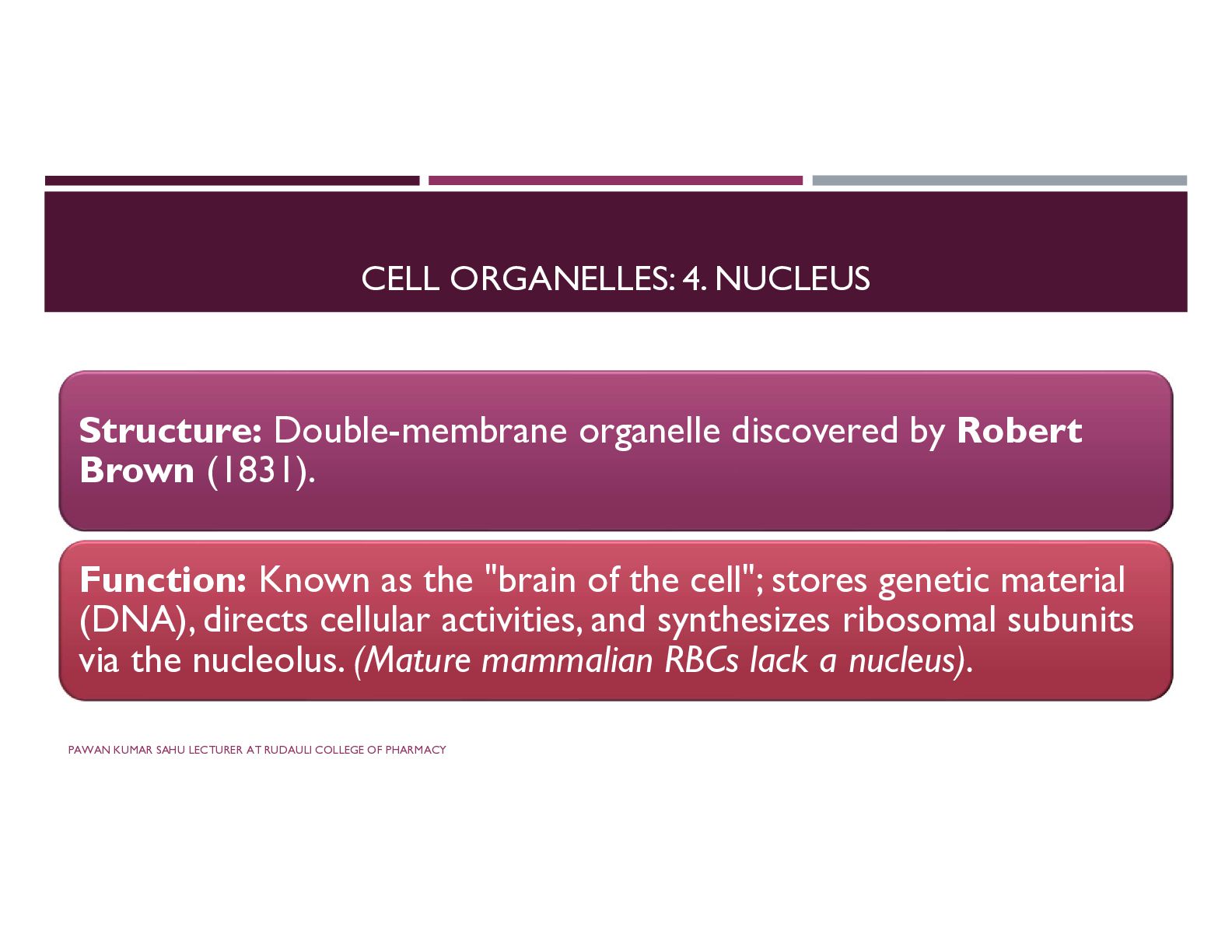
Brown (1831). Function: Known as the "brain of the cell"; stores genetic material (DNA), directs cellular activities, and synthesizes ribosomal subunits via the nucleolus. (Mature mammalian RBCs lack a nucleus). PAWAN KUMAR SAHU LECTURER AT RUDAULI COLLEGE OF PHARMACY
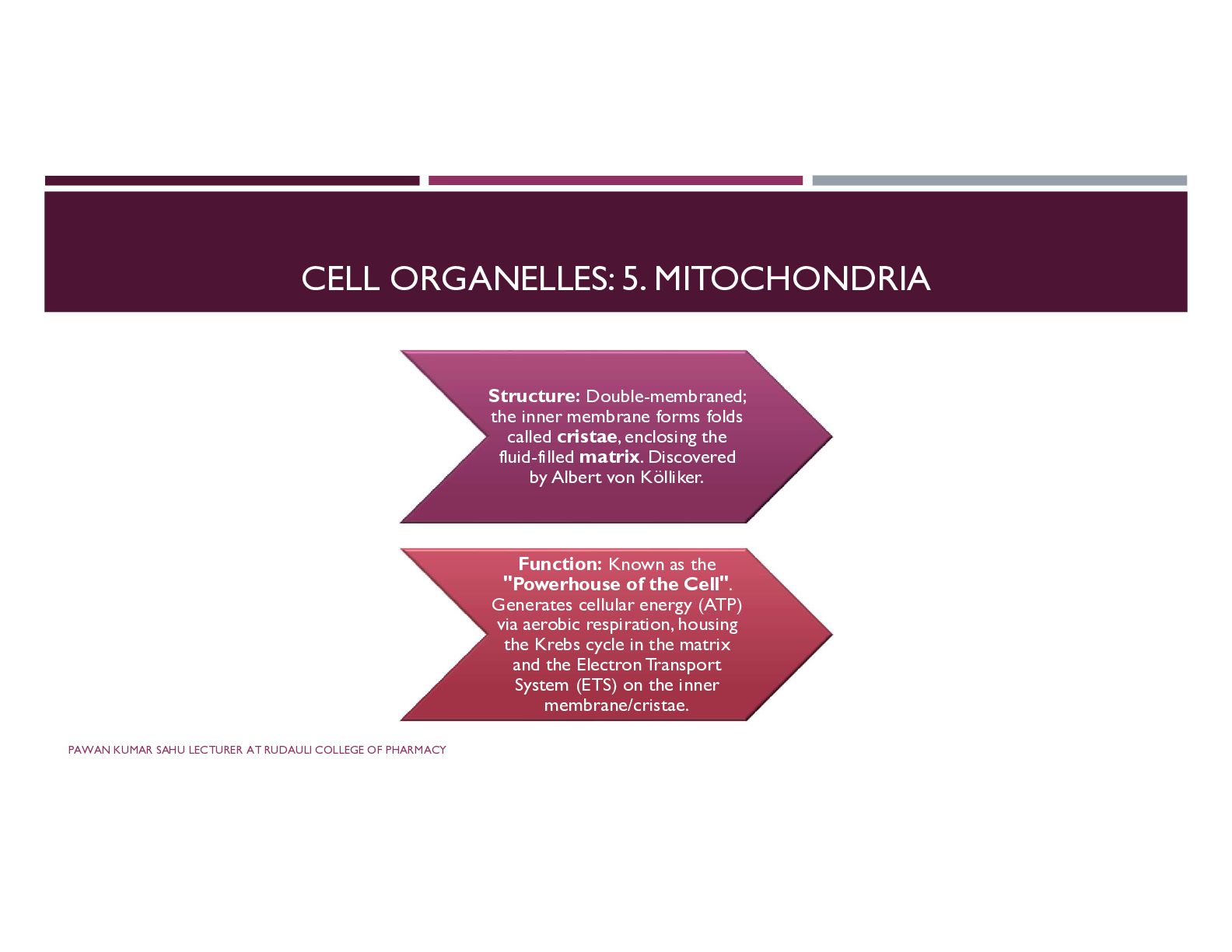
folds called cristae, enclosing the fluid-filled matrix. Discovered by Albert von Kölliker. Function: Known as the "Powerhouse of the Cell". Generates cellular energy (ATP) via aerobic respiration, housing the Krebs cycle in the matrix and the Electron Transport System (ETS) on the inner membrane/cristae. PAWAN KUMAR SAHU LECTURER AT RUDAULI COLLEGE OF PHARMACY
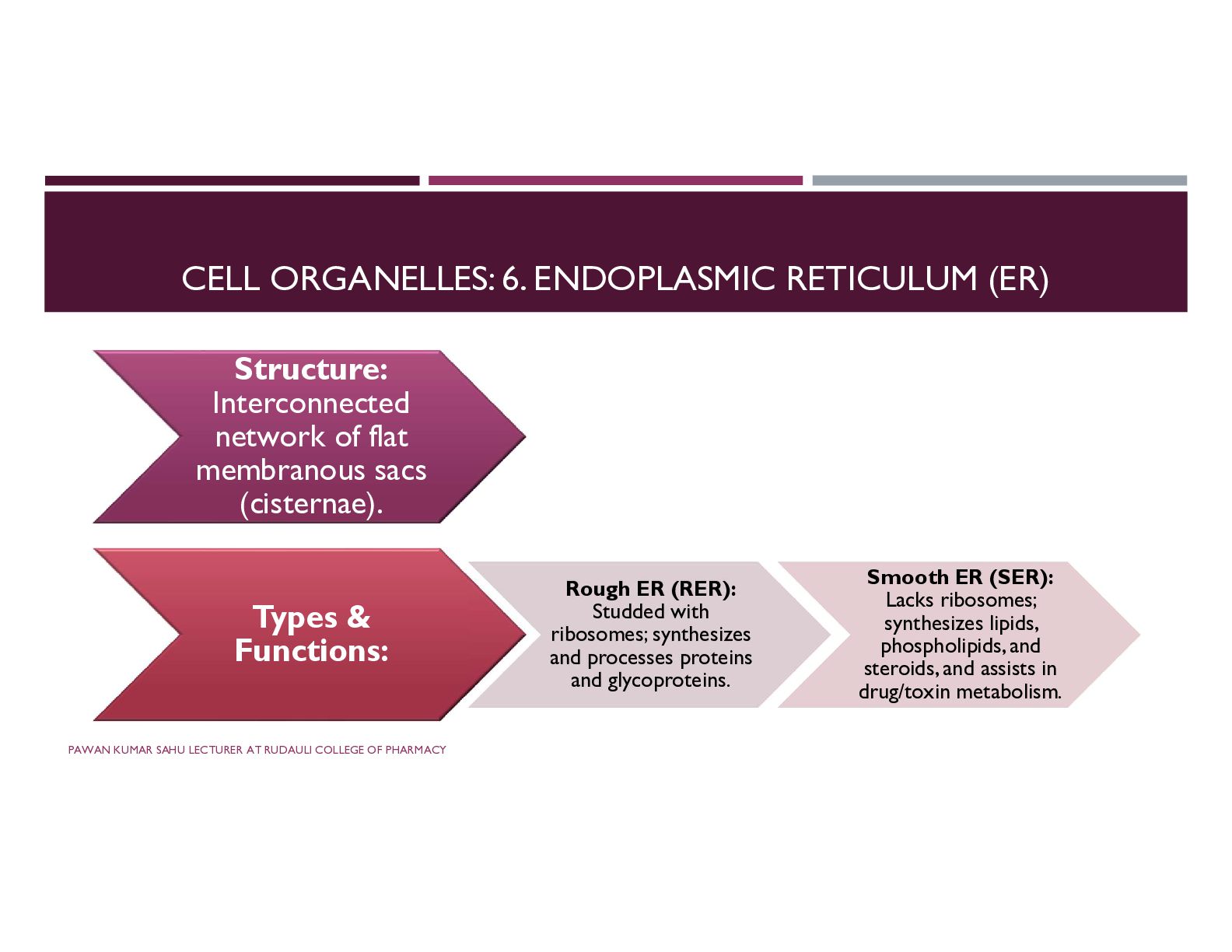
flat membranous sacs (cisternae). Types & Functions: PAWAN KUMAR SAHU LECTURER AT RUDAULI COLLEGE OF PHARMACY Rough ER (RER): Studded with ribosomes; synthesizes and processes proteins and glycoproteins. Smooth ER (SER): Lacks ribosomes; synthesizes lipids, phospholipids, and steroids, and assists in drug/toxin metabolism.
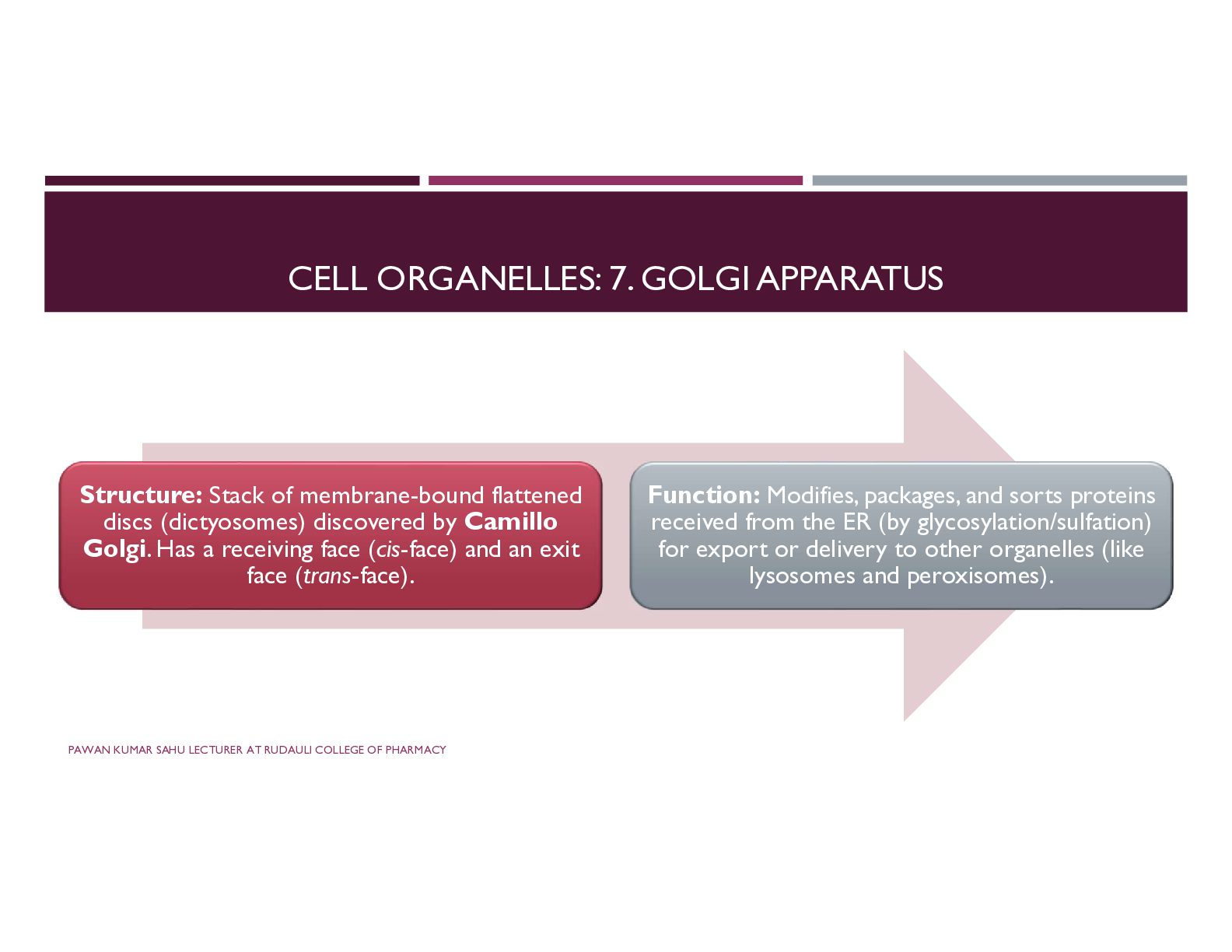
discs (dictyosomes) discovered by Camillo Golgi. Has a receiving face (cis-face) and an exit face (trans-face). PAWAN KUMAR SAHU LECTURER AT RUDAULI COLLEGE OF PHARMACY Function: Modifies, packages, and sorts proteins received from the ER (by glycosylation/sulfation) for export or delivery to other organelles (like lysosomes and peroxisomes).
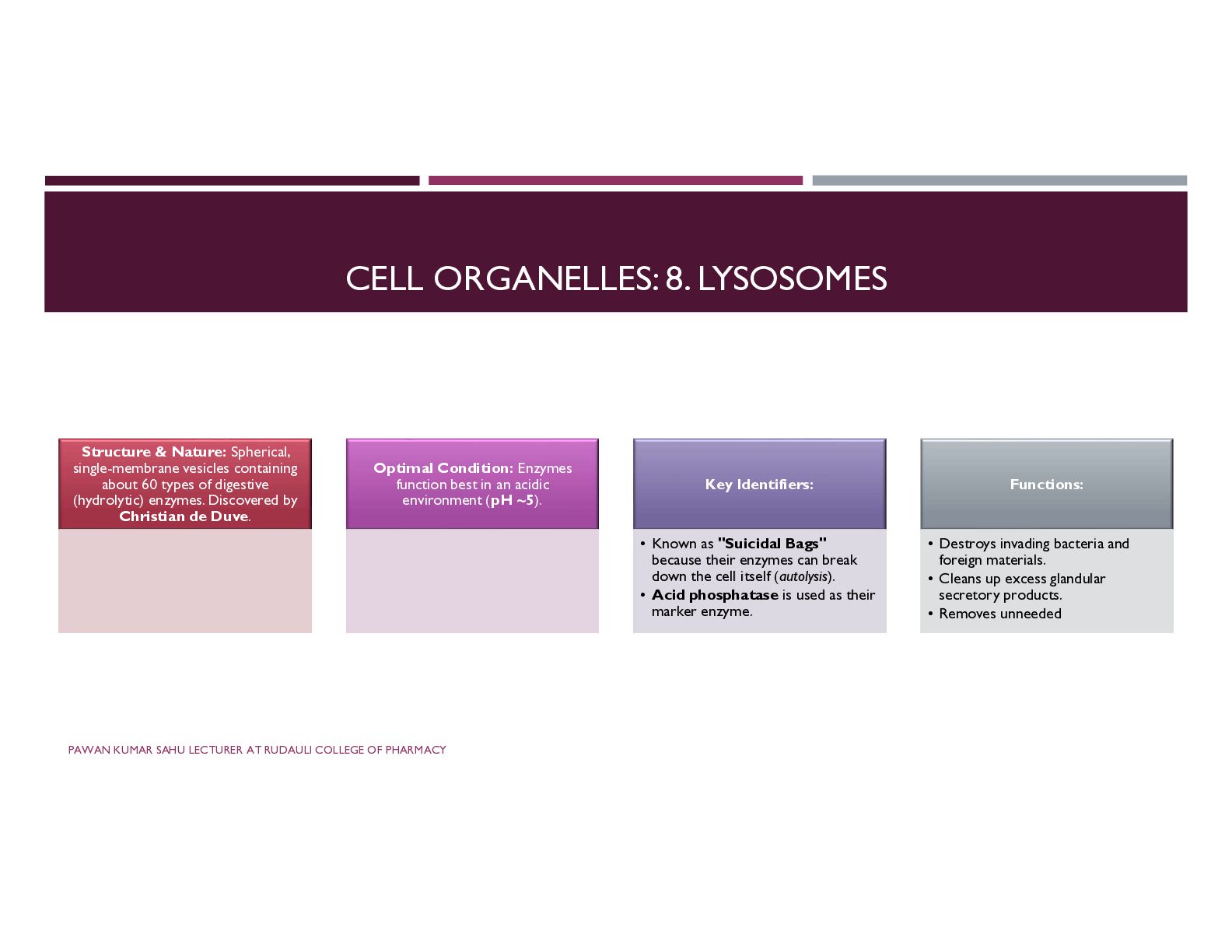
containing about 60 types of digestive (hydrolytic) enzymes. Discovered by Christian de Duve. Optimal Condition: Enzymes function best in an acidic environment (pH ~5). Key Identifiers: • Known as "Suicidal Bags" because their enzymes can break down the cell itself (autolysis). • Acid phosphatase is used as their marker enzyme. PAWAN KUMAR SAHU LECTURER AT RUDAULI COLLEGE OF PHARMACY Functions: • Destroys invading bacteria and foreign materials. • Cleans up excess glandular secretory products. • Removes unneeded
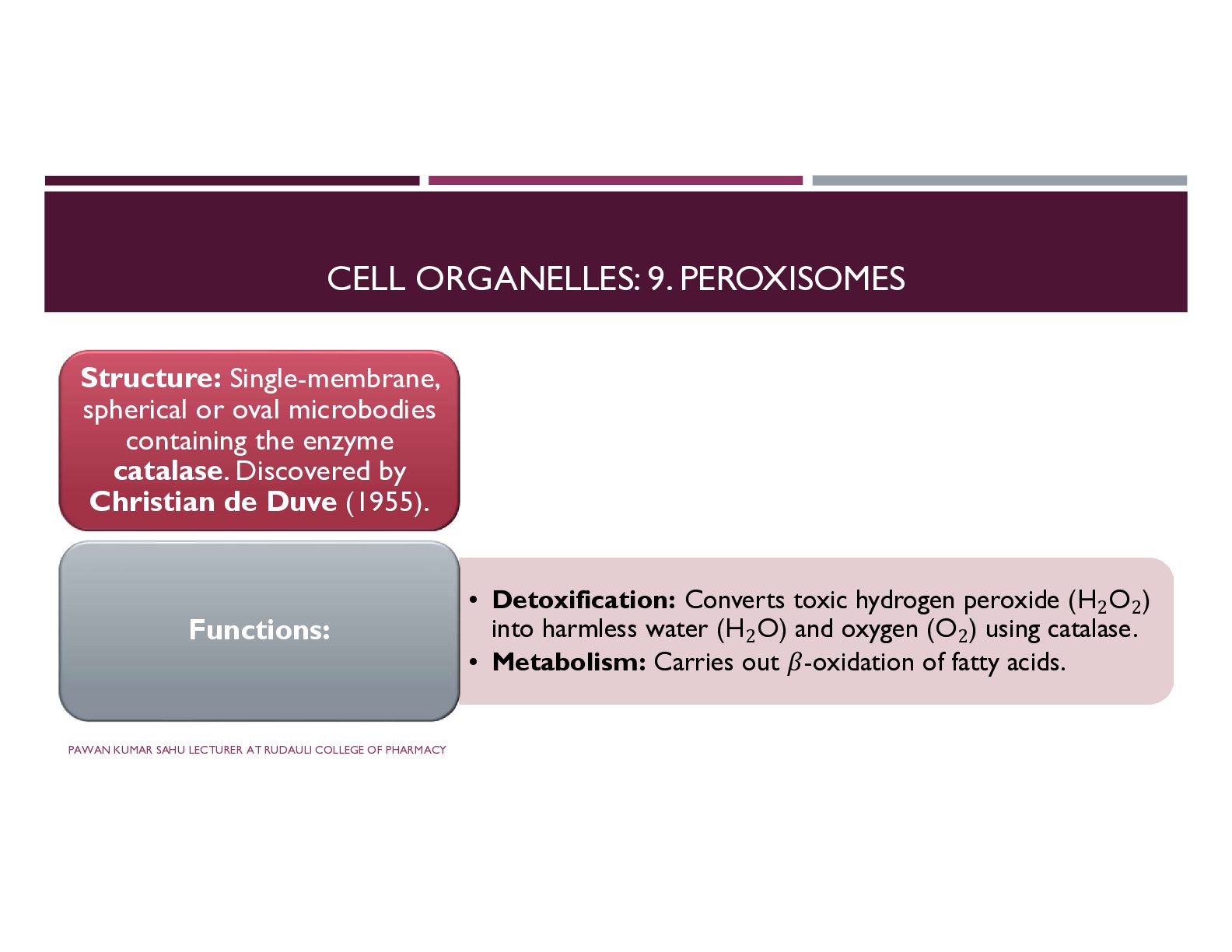
containing the enzyme catalase. Discovered by Christian de Duve (1955). Functions: PAWAN KUMAR SAHU LECTURER AT RUDAULI COLLEGE OF PHARMACY • Detoxification: Converts toxic hydrogen peroxide (H2 O2 ) into harmless water (H2 O) and oxygen (O2 ) using catalase. • Metabolism: Carries out 𝛽-oxidation of fatty acids.
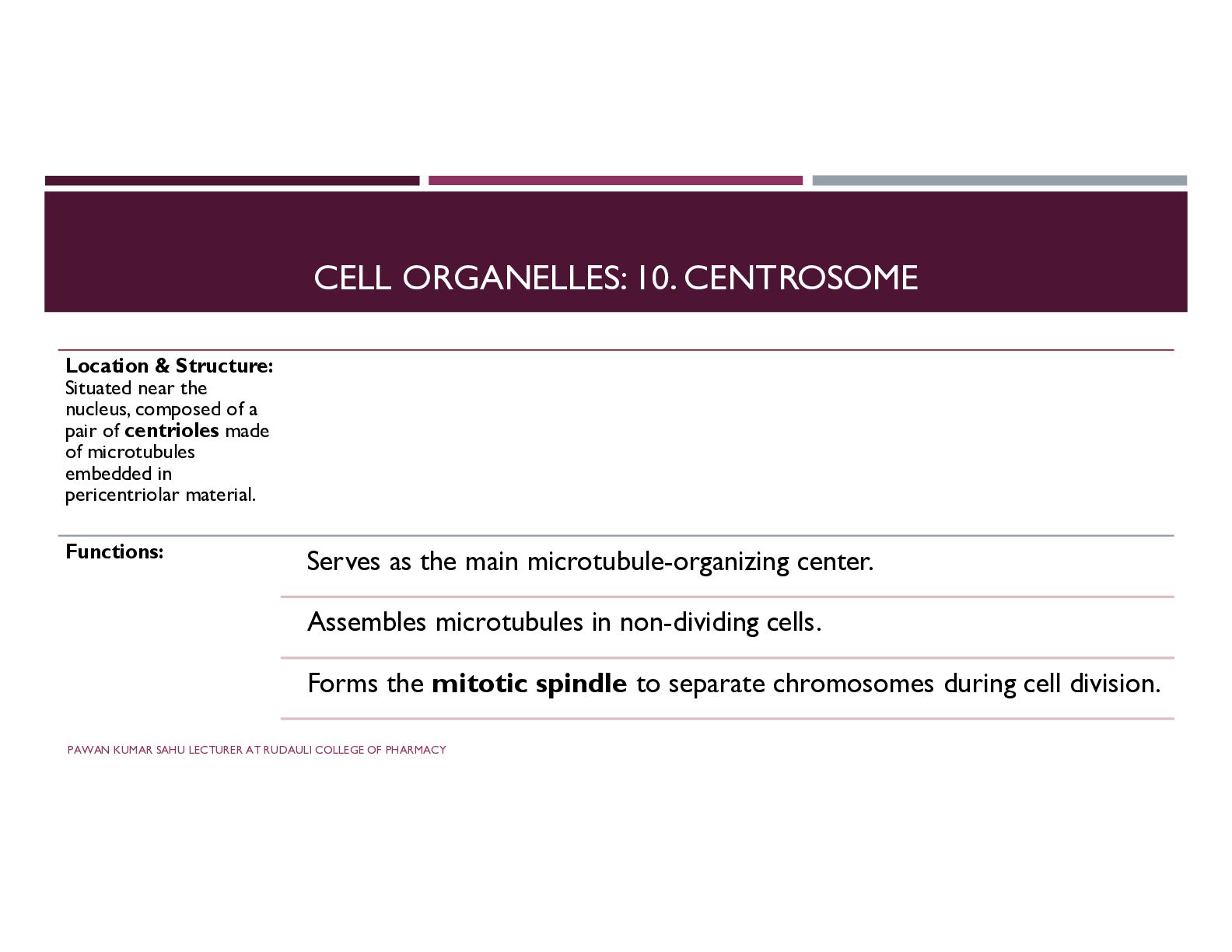
nucleus, composed of a pair of centrioles made of microtubules embedded in pericentriolar material. Functions: Serves as the main microtubule-organizing center. Assembles microtubules in non-dividing cells. Forms the mitotic spindle to separate chromosomes during cell division. PAWAN KUMAR SAHU LECTURER AT RUDAULI COLLEGE OF PHARMACY
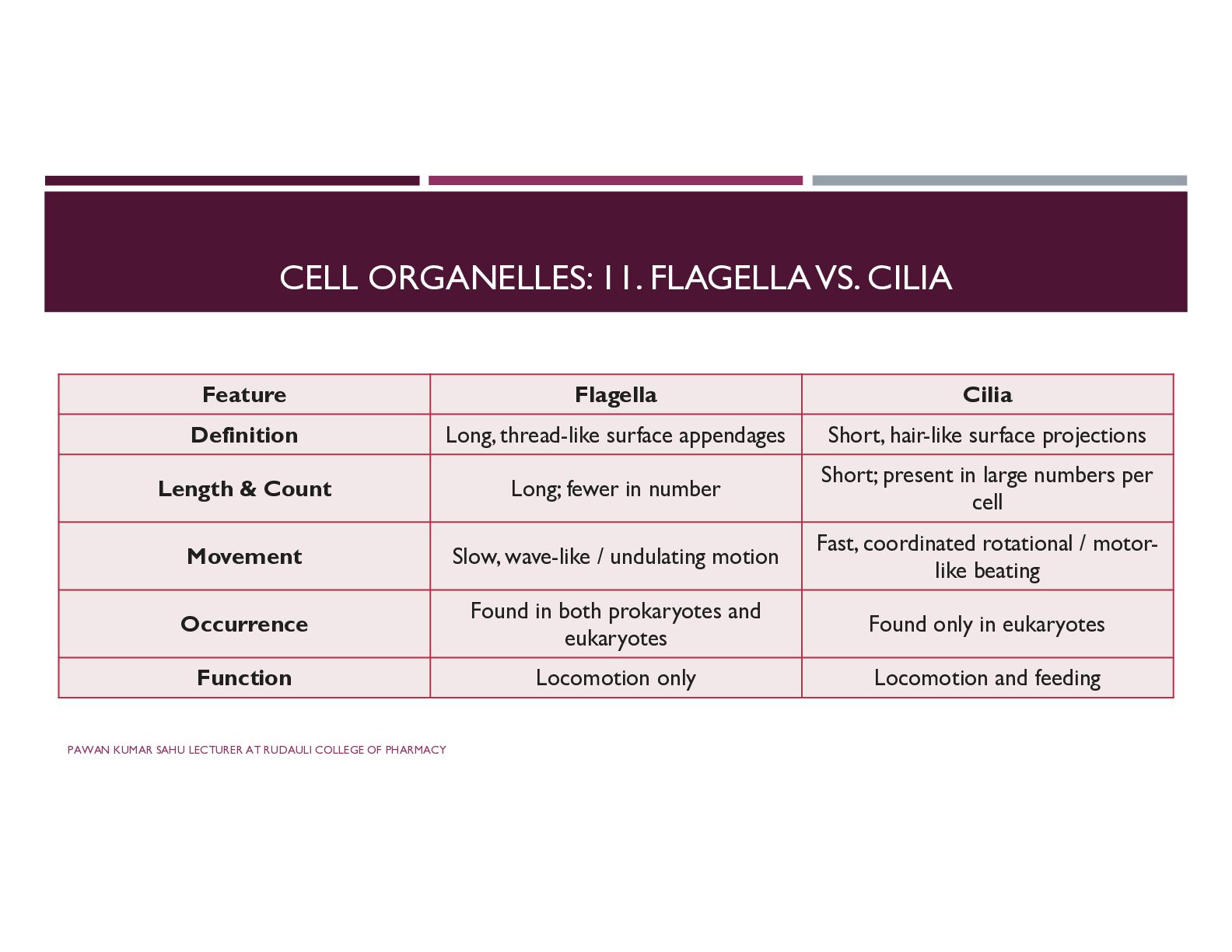
Long, thread-like surface appendages Short, hair-like surface projections Length & Count Long; fewer in number Short; present in large numbers per cell Movement Slow, wave-like / undulating motion Fast, coordinated rotational / motorlike beating Occurrence Found in both prokaryotes and eukaryotes Found only in eukaryotes Function Locomotion only Locomotion and feeding PAWAN KUMAR SAHU LECTURER AT RUDAULI COLLEGE OF PHARMACY
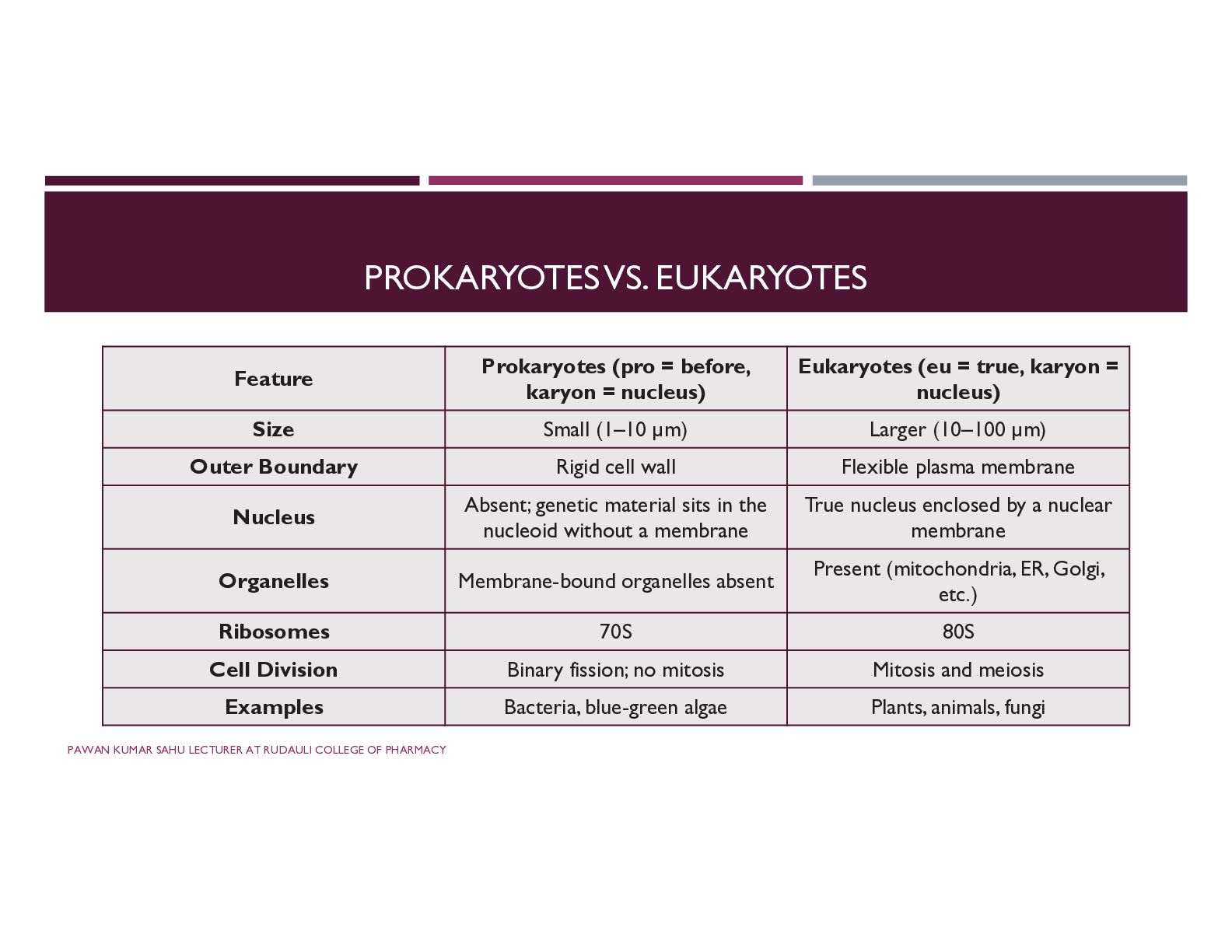
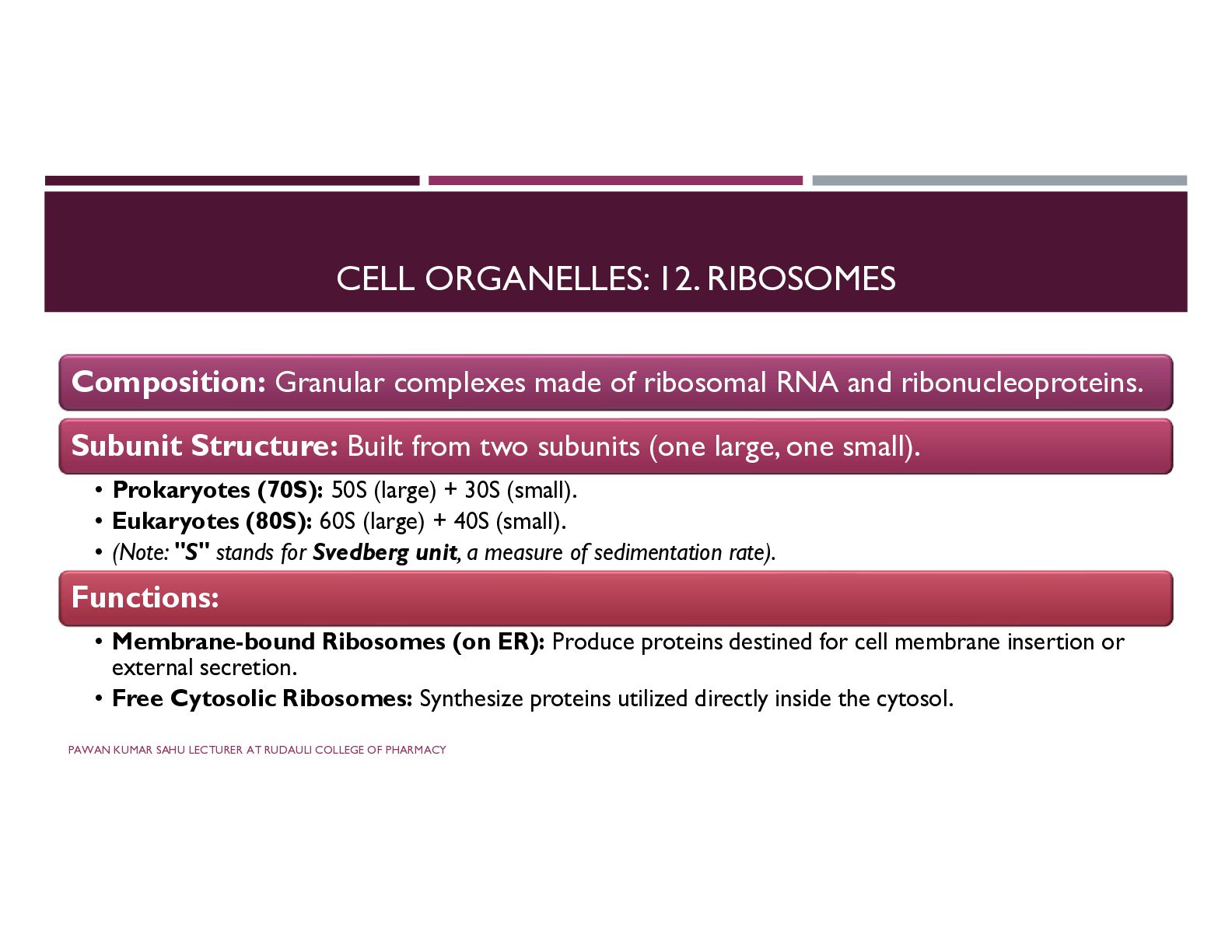
RNA and ribonucleoproteins. Subunit Structure: Built from two subunits (one large, one small). • Prokaryotes (70S): 50S (large) + 30S (small). • Eukaryotes (80S): 60S (large) + 40S (small). • (Note: "S" stands for Svedberg unit, a measure of sedimentation rate). Functions: • Membrane-bound Ribosomes (on ER): Produce proteins destined for cell membrane insertion or external secretion. • Free Cytosolic Ribosomes: Synthesize proteins utilized directly inside the cytosol. PAWAN KUMAR SAHU LECTURER AT RUDAULI COLLEGE OF PHARMACY


 pawan_pharm
 terasawat
 yatabe
 matleenalaakso
 ainischool
 akiraasano
 yasslab
 3l4l5
3l4l5
 ssmedikasda
 eller86
 jdbedics
 thirion
 marktimemedia
 honzajavorek
 swwweet
 sarafernandez
 danielanewman
 tammyeverts
 kimpetersen
 jct
jct
 katiecoart
 mlcsv
mlcsv
 dugsong