Your Podcast. Everywhere. Effortlessly.
Share. Educate. Inspire. Entertain. You do you. We'll handle the rest.
→
Share
🚀 **Navigating Global Political Risk in an Inflationary Era: Insights from WTW’s Spring/Summer 2023 Index** 📈
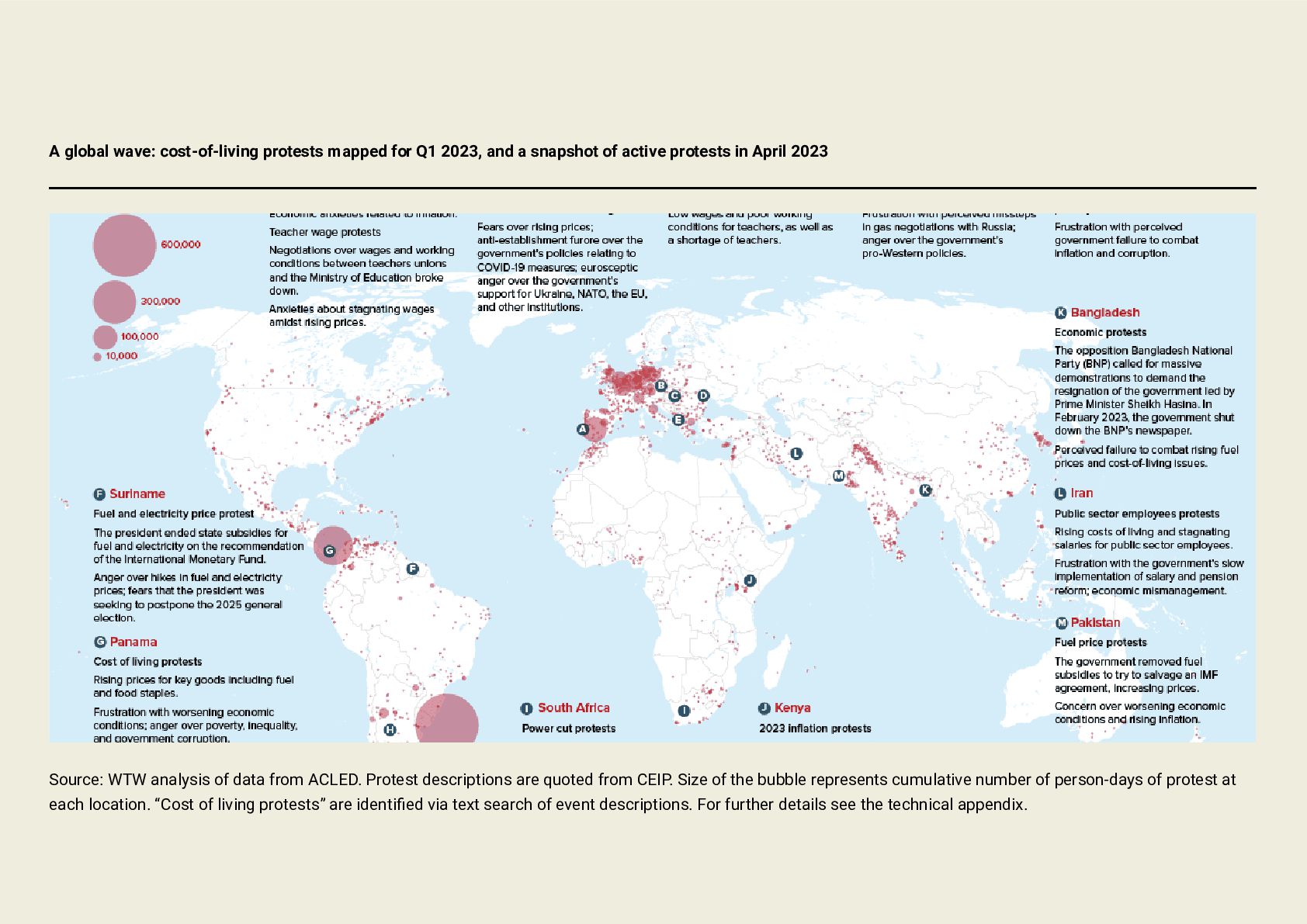
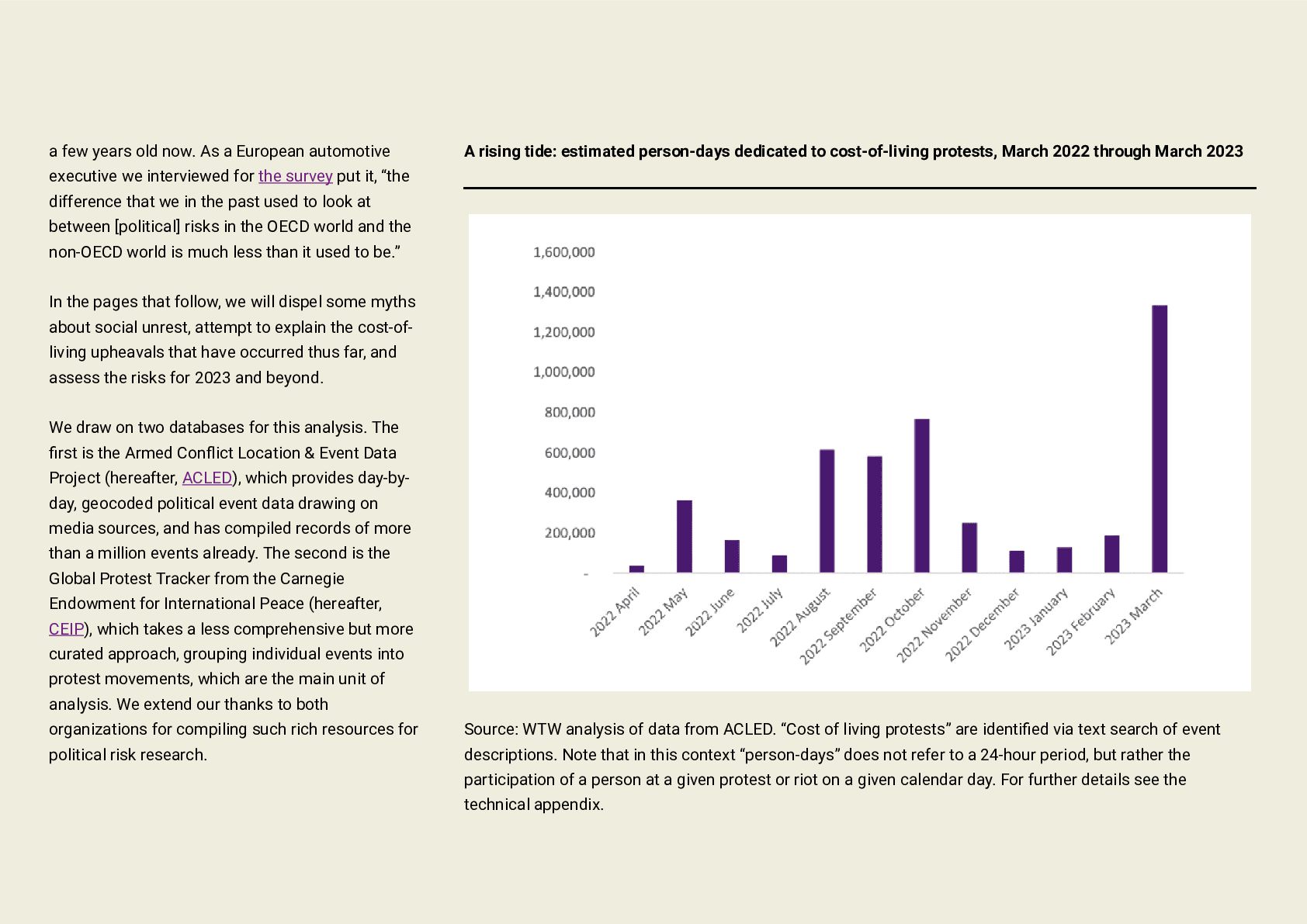
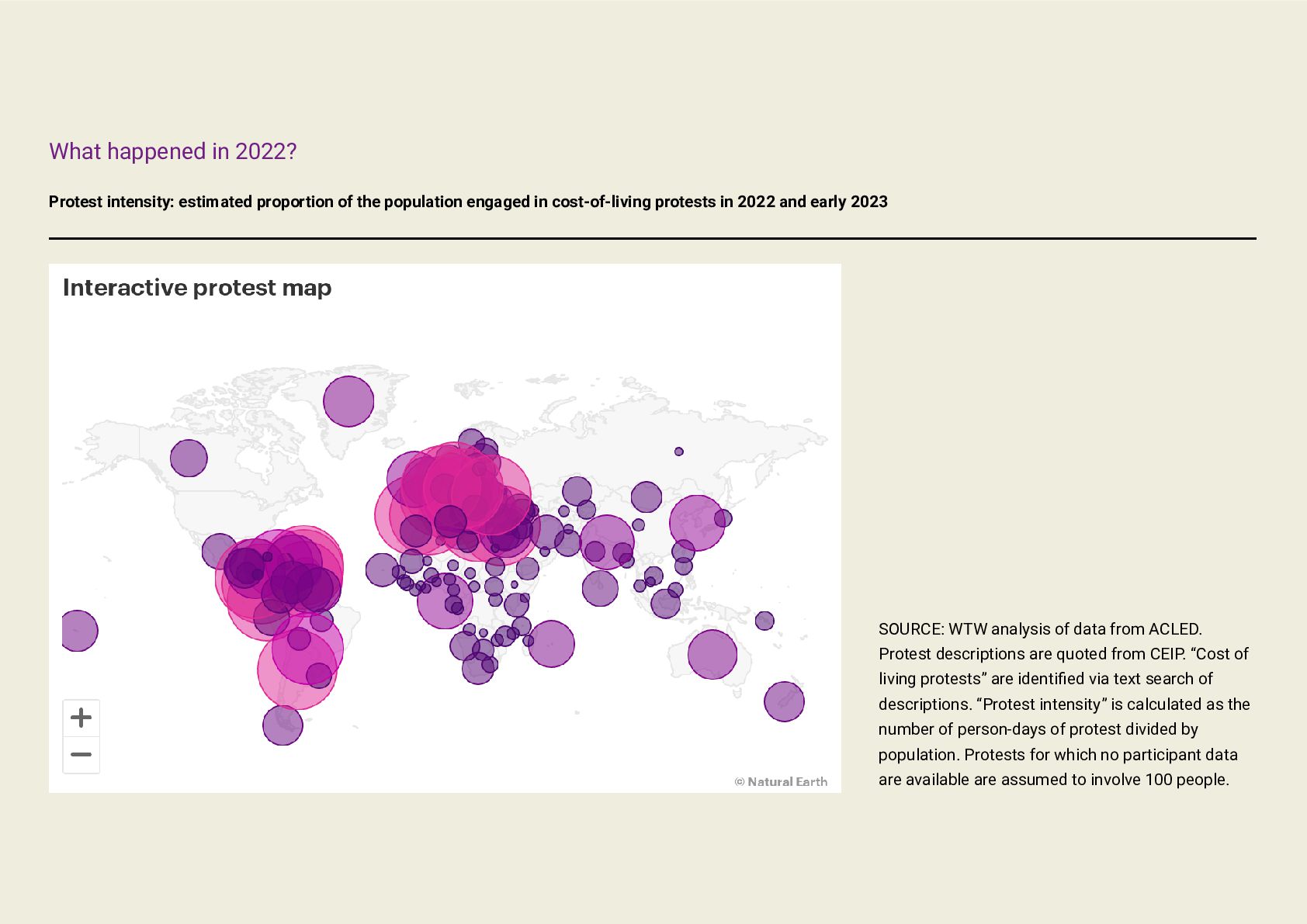
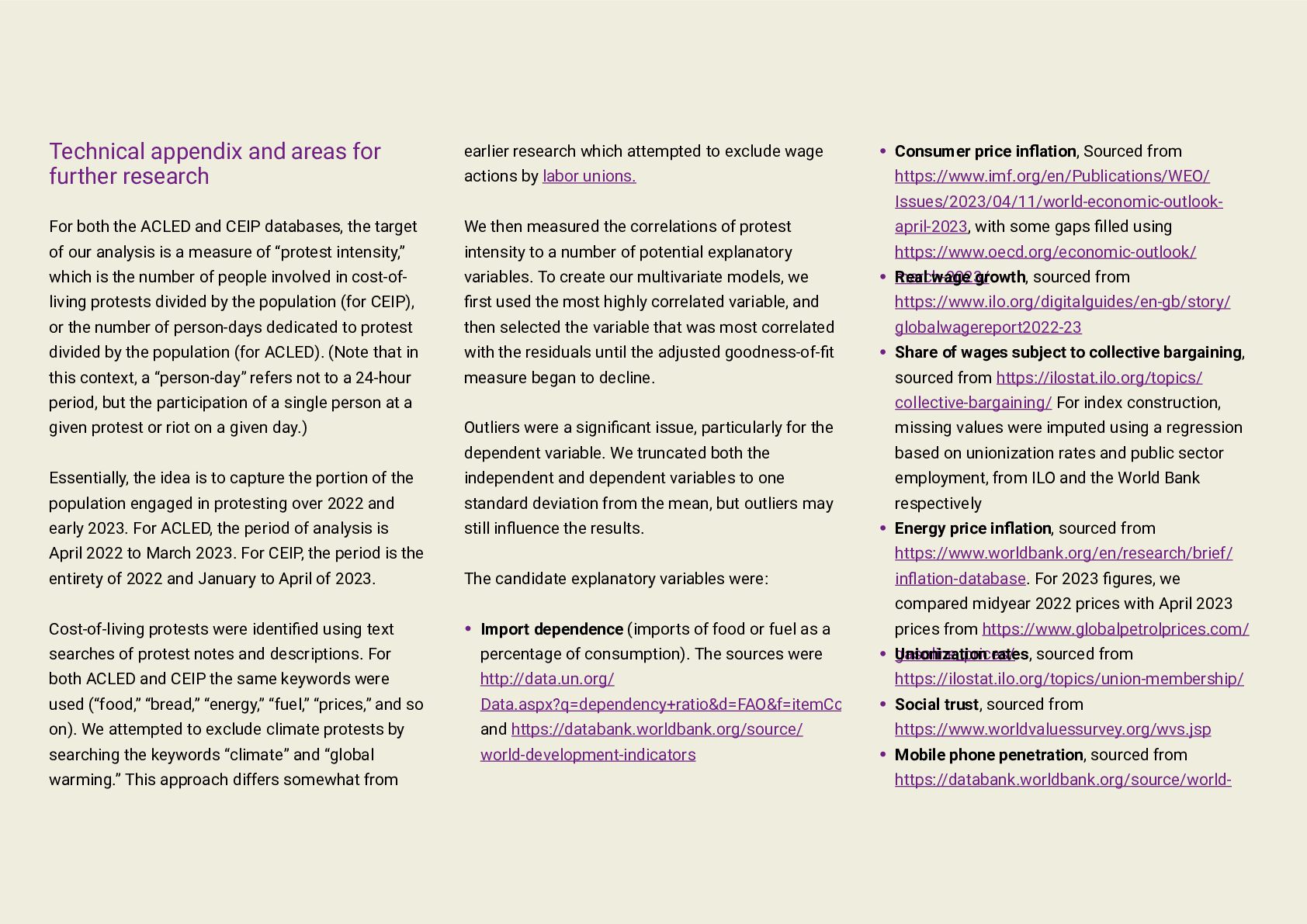
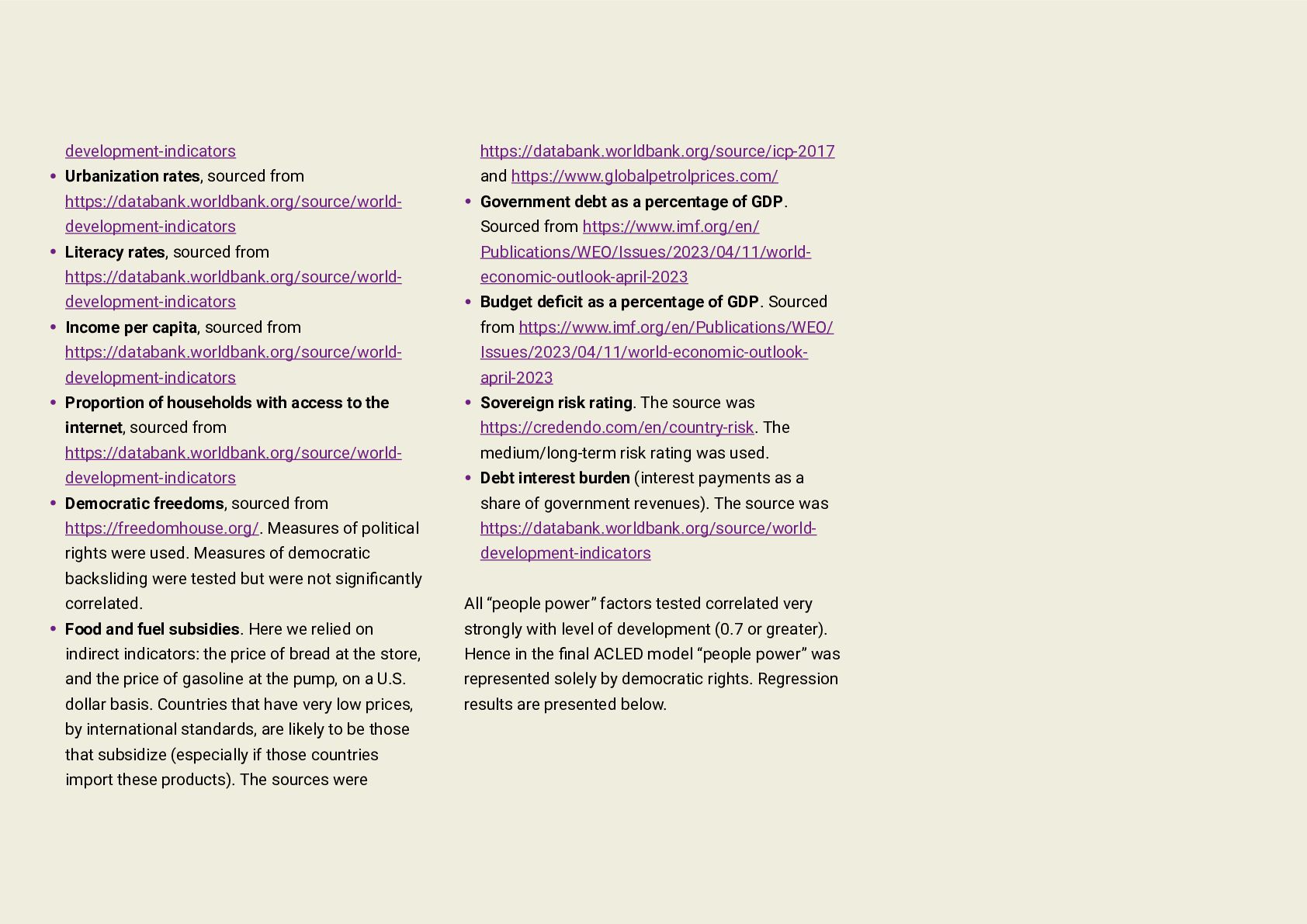
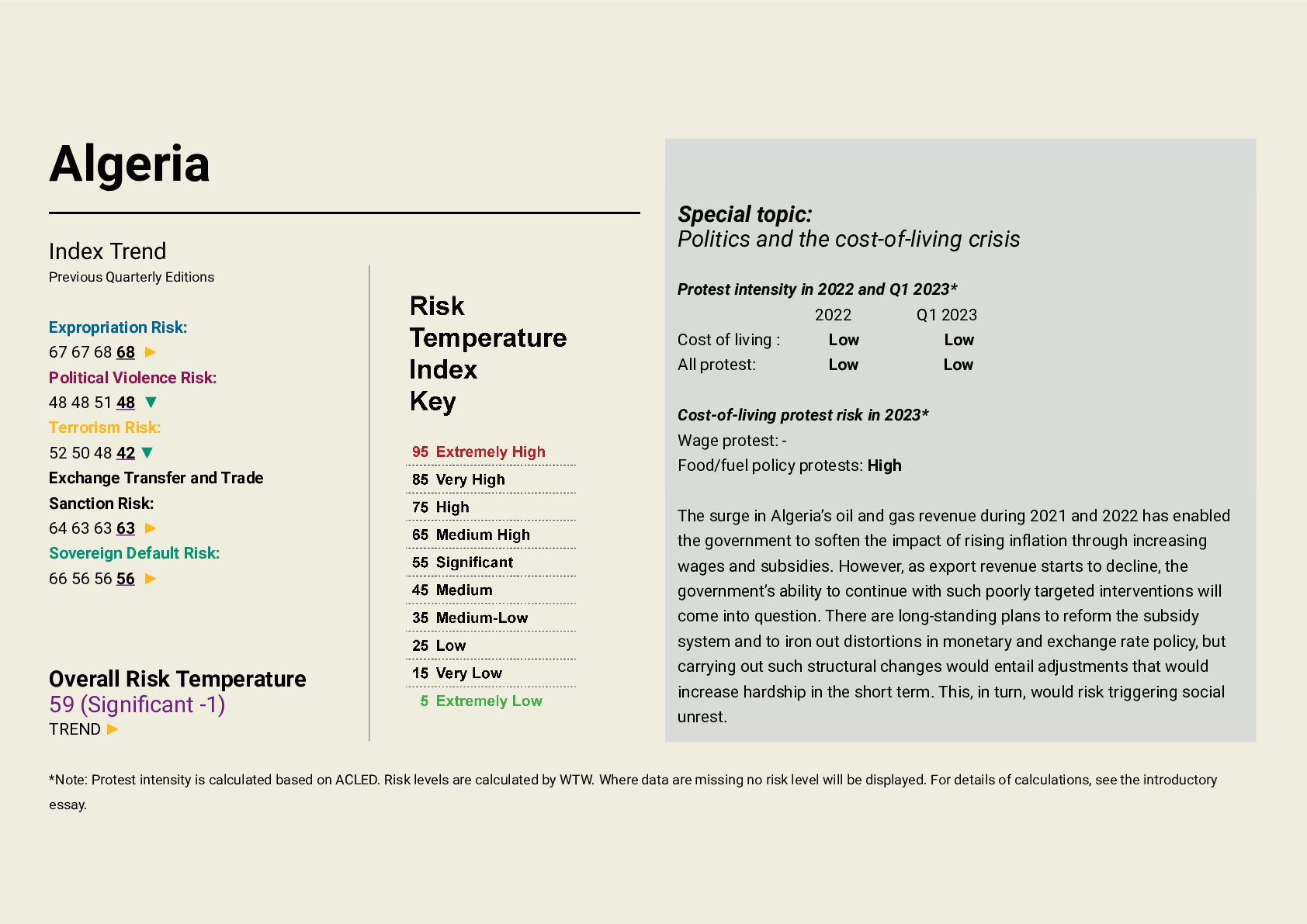
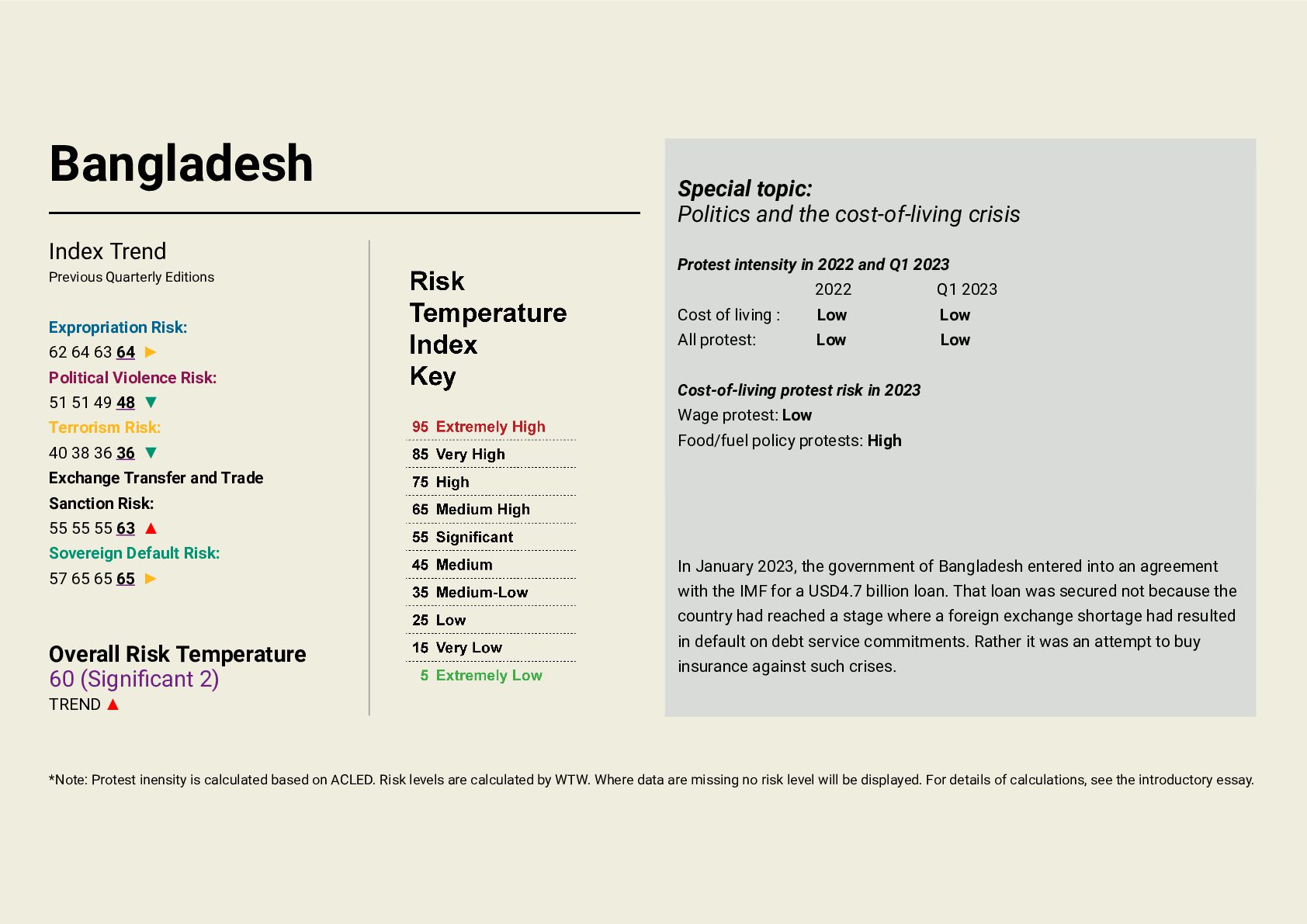
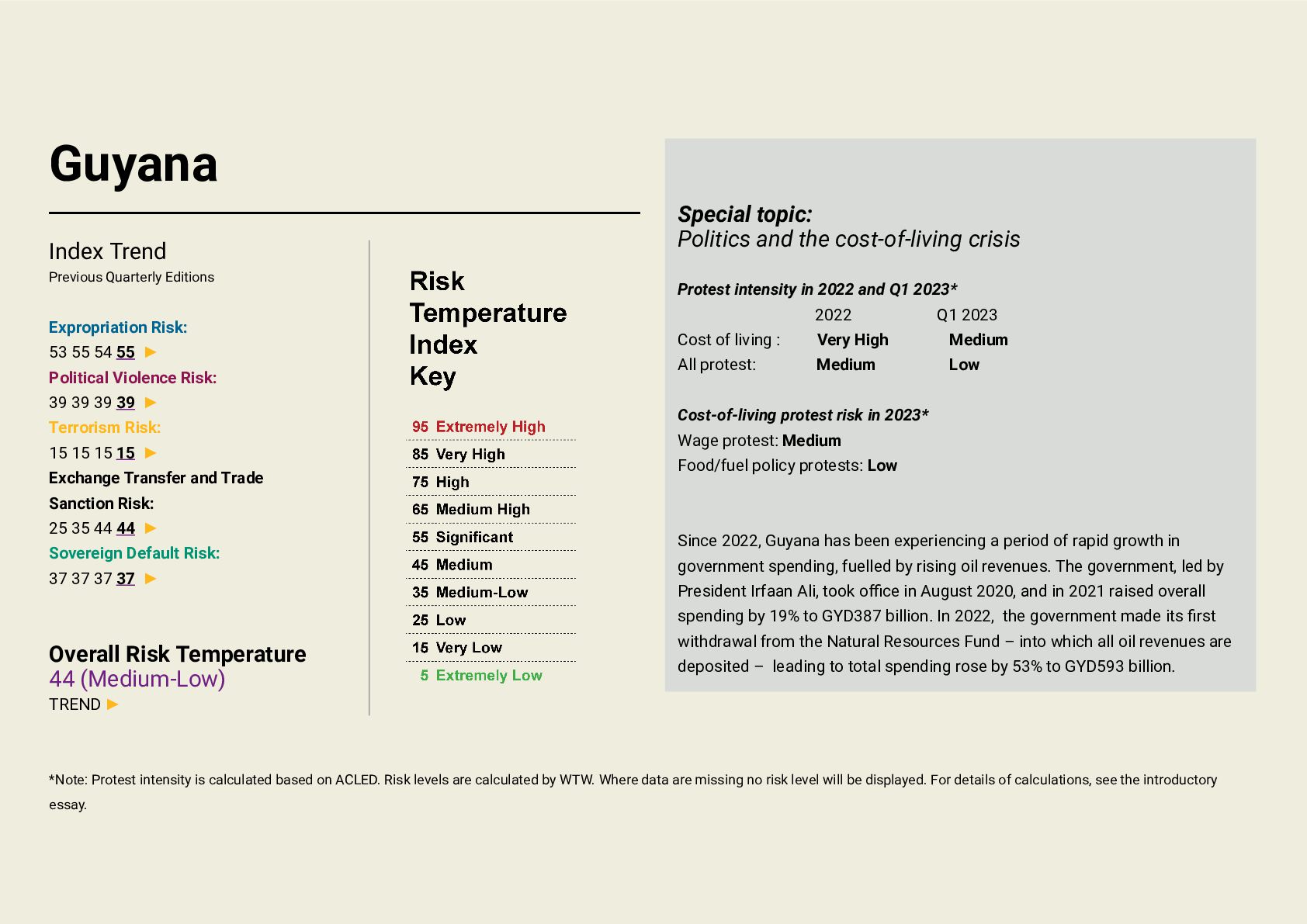
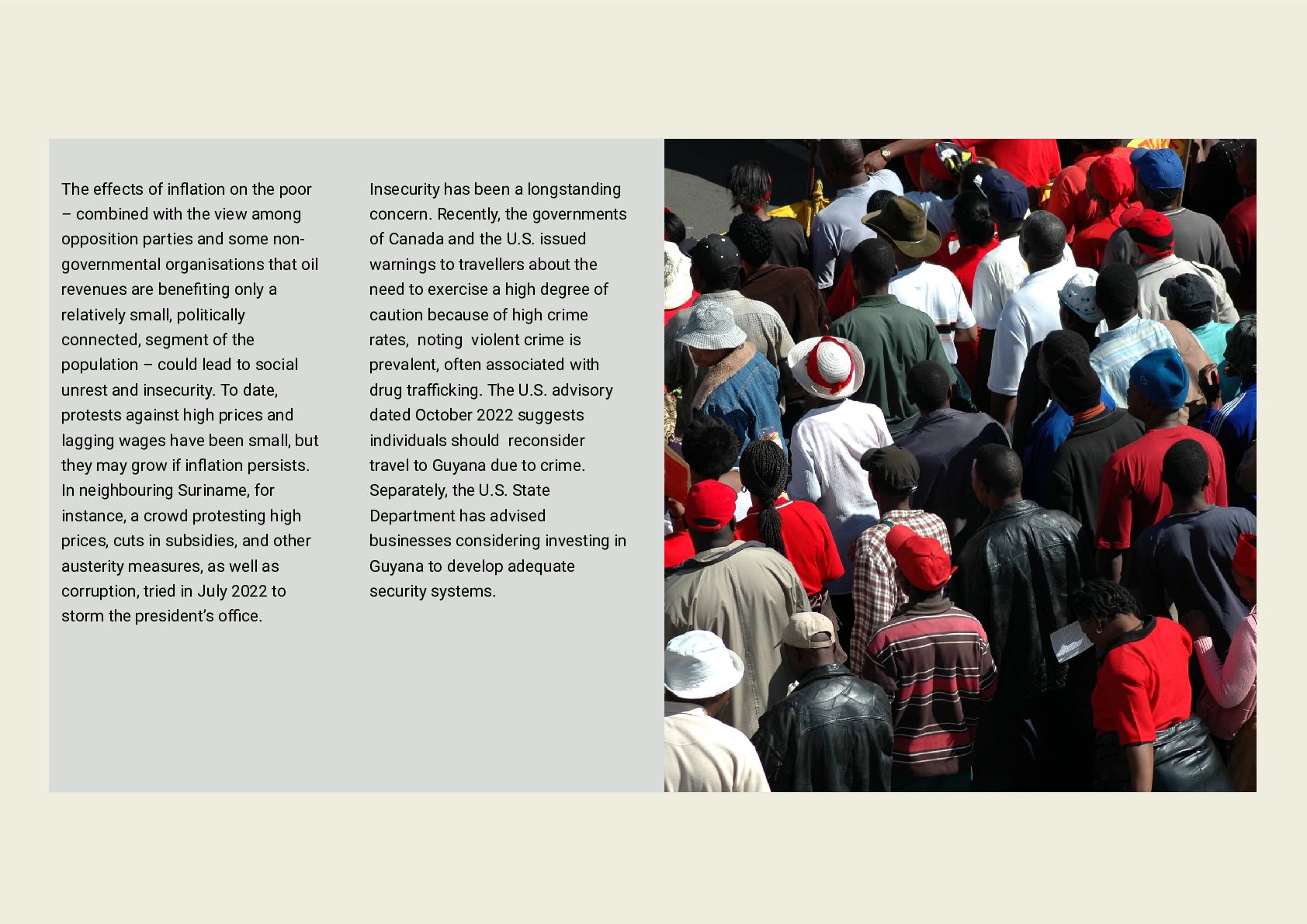
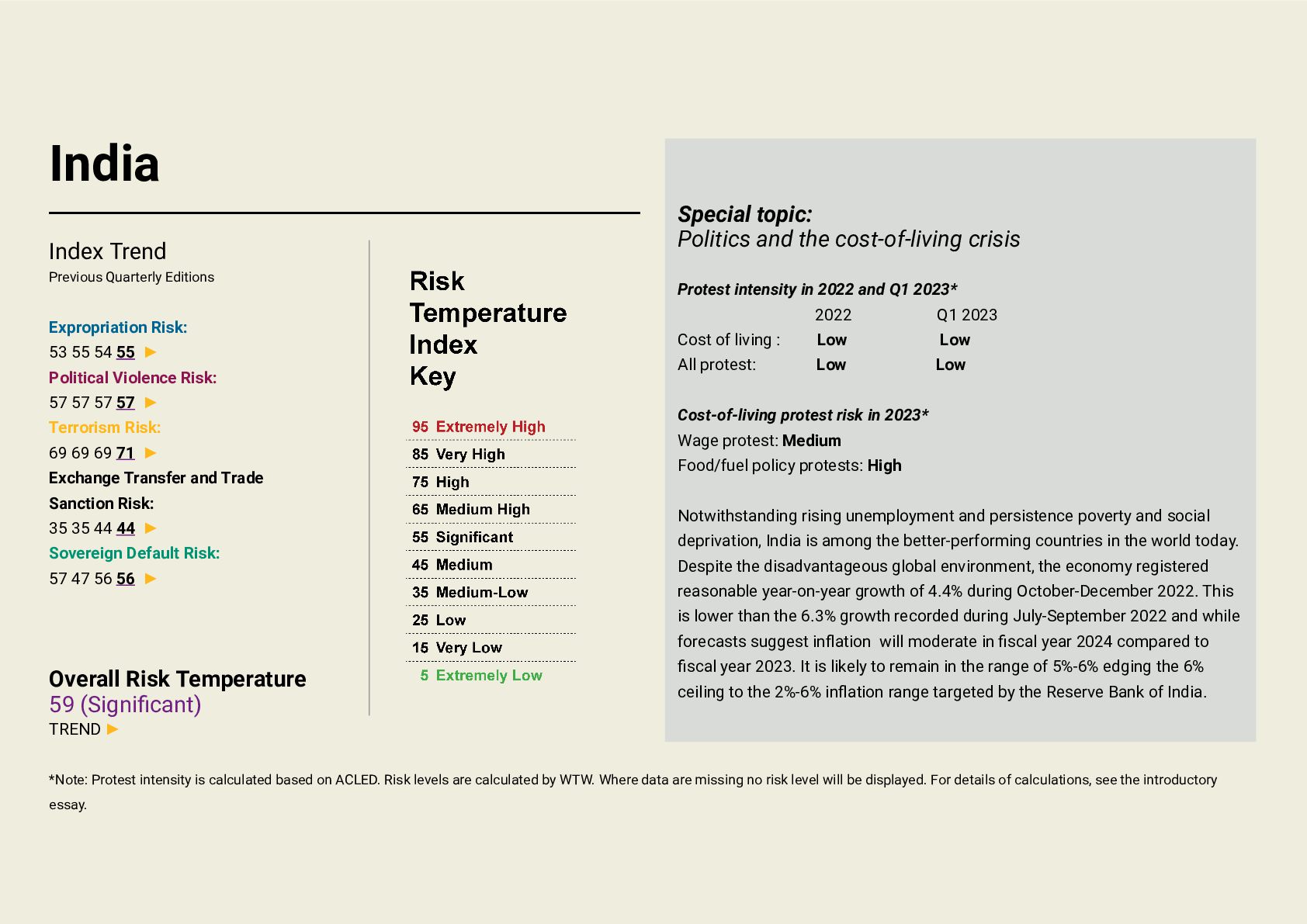
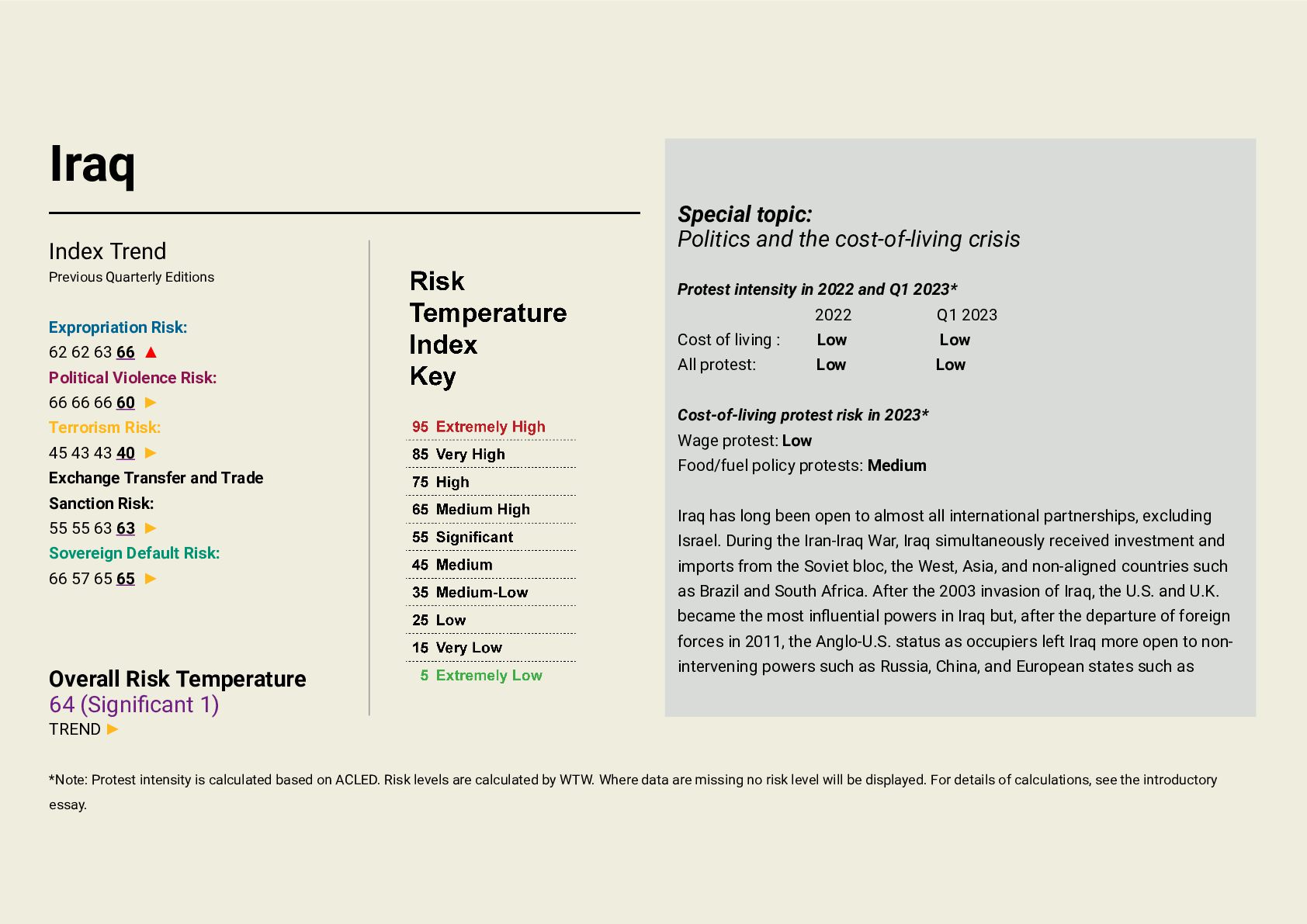
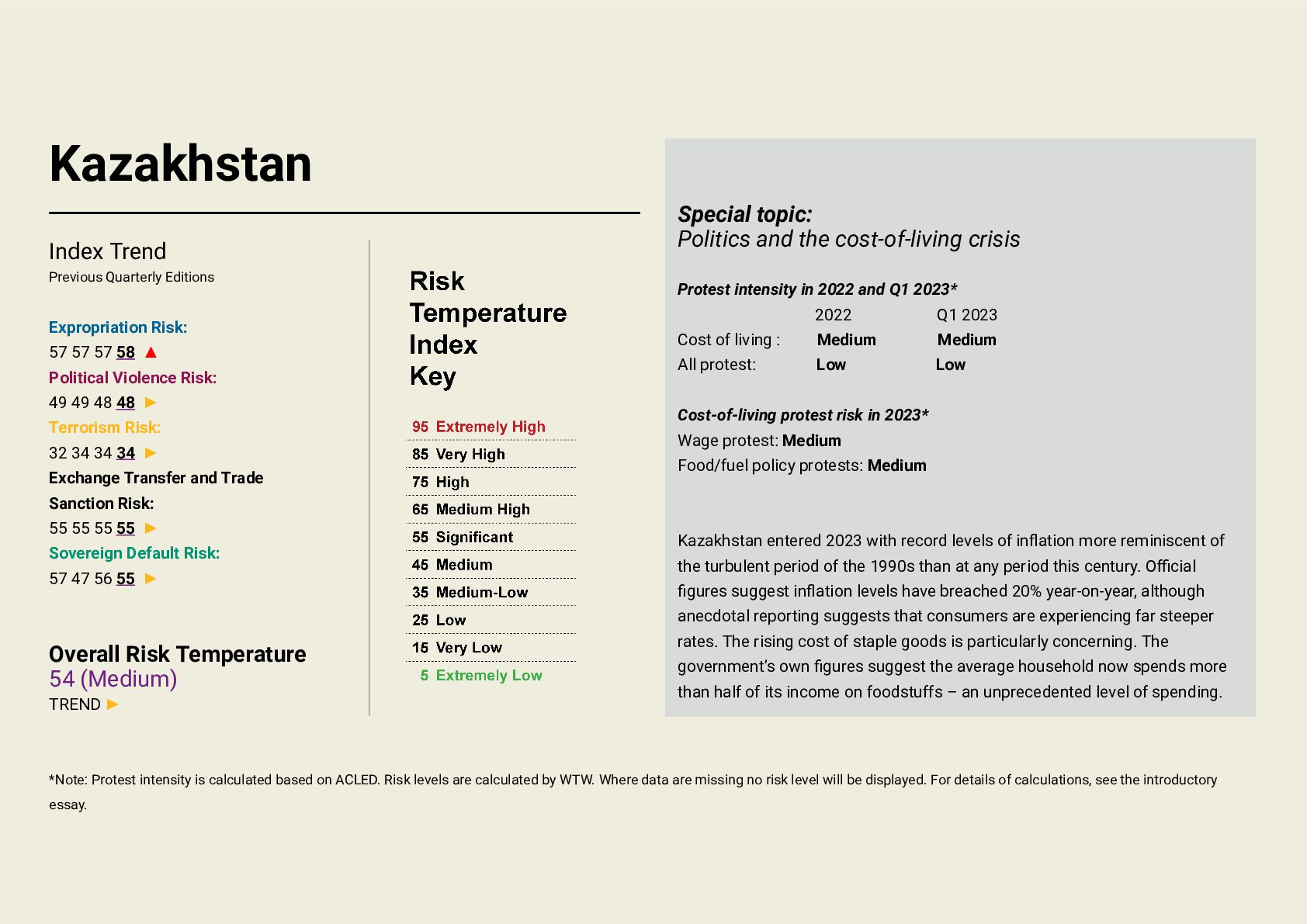
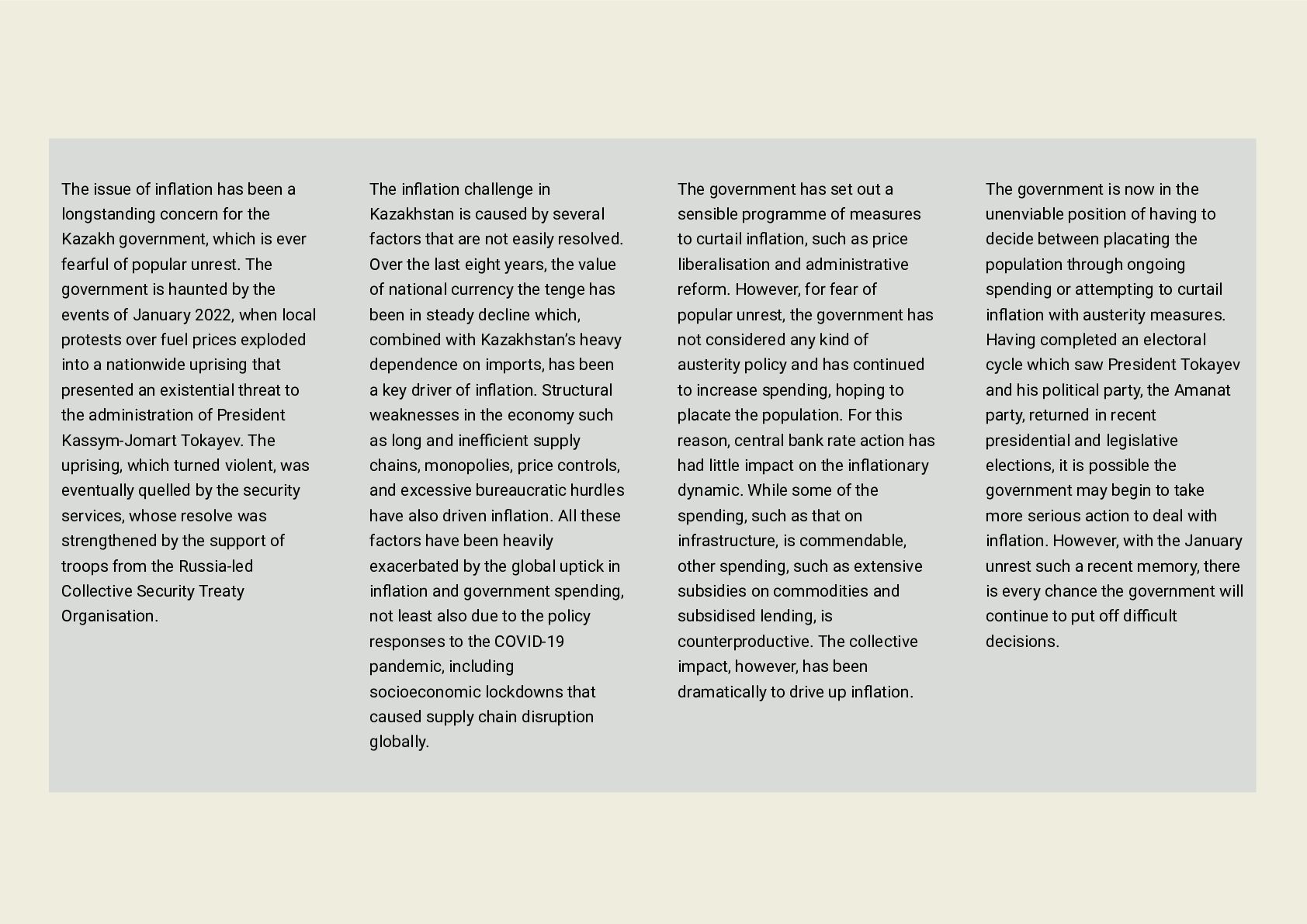
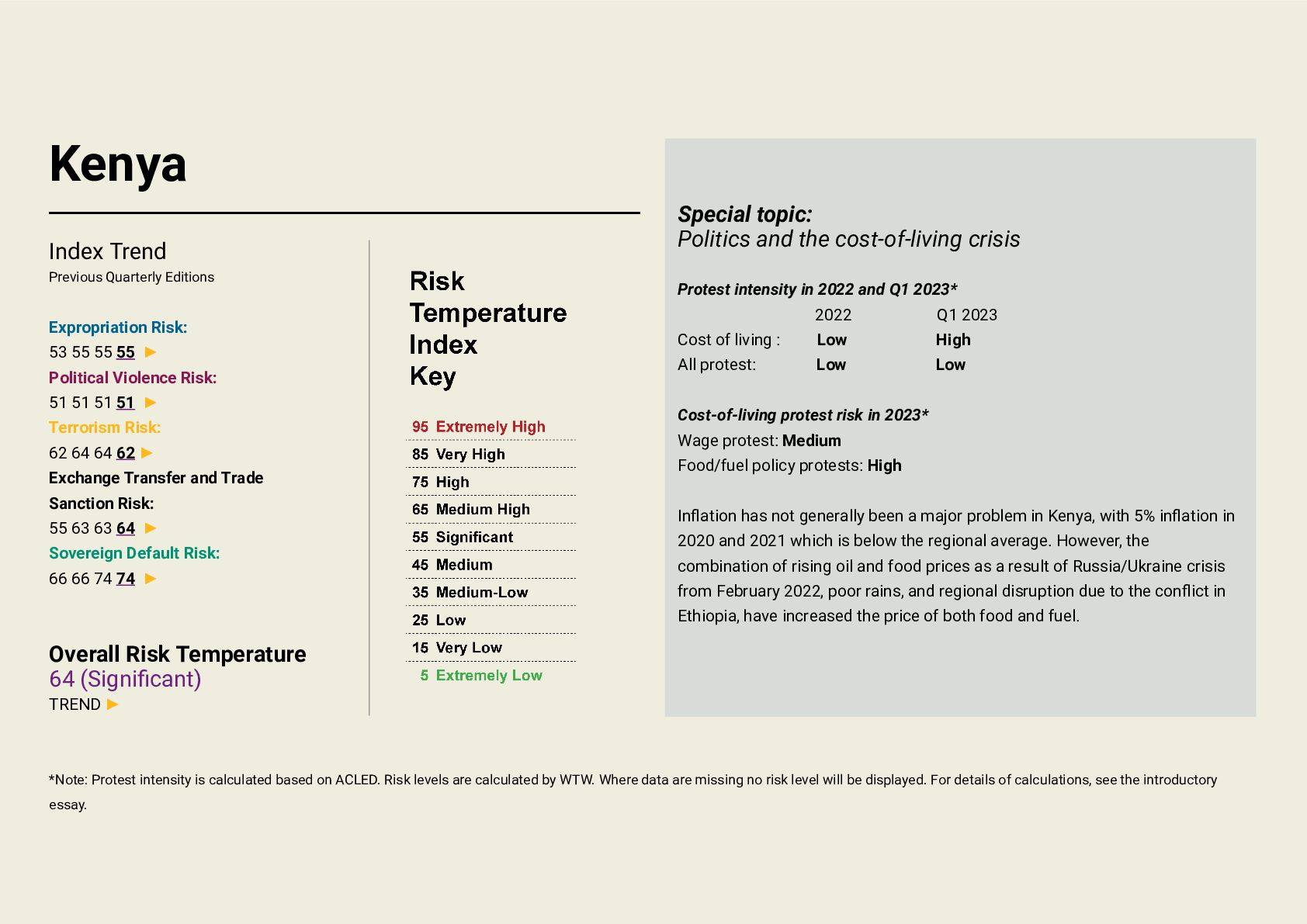
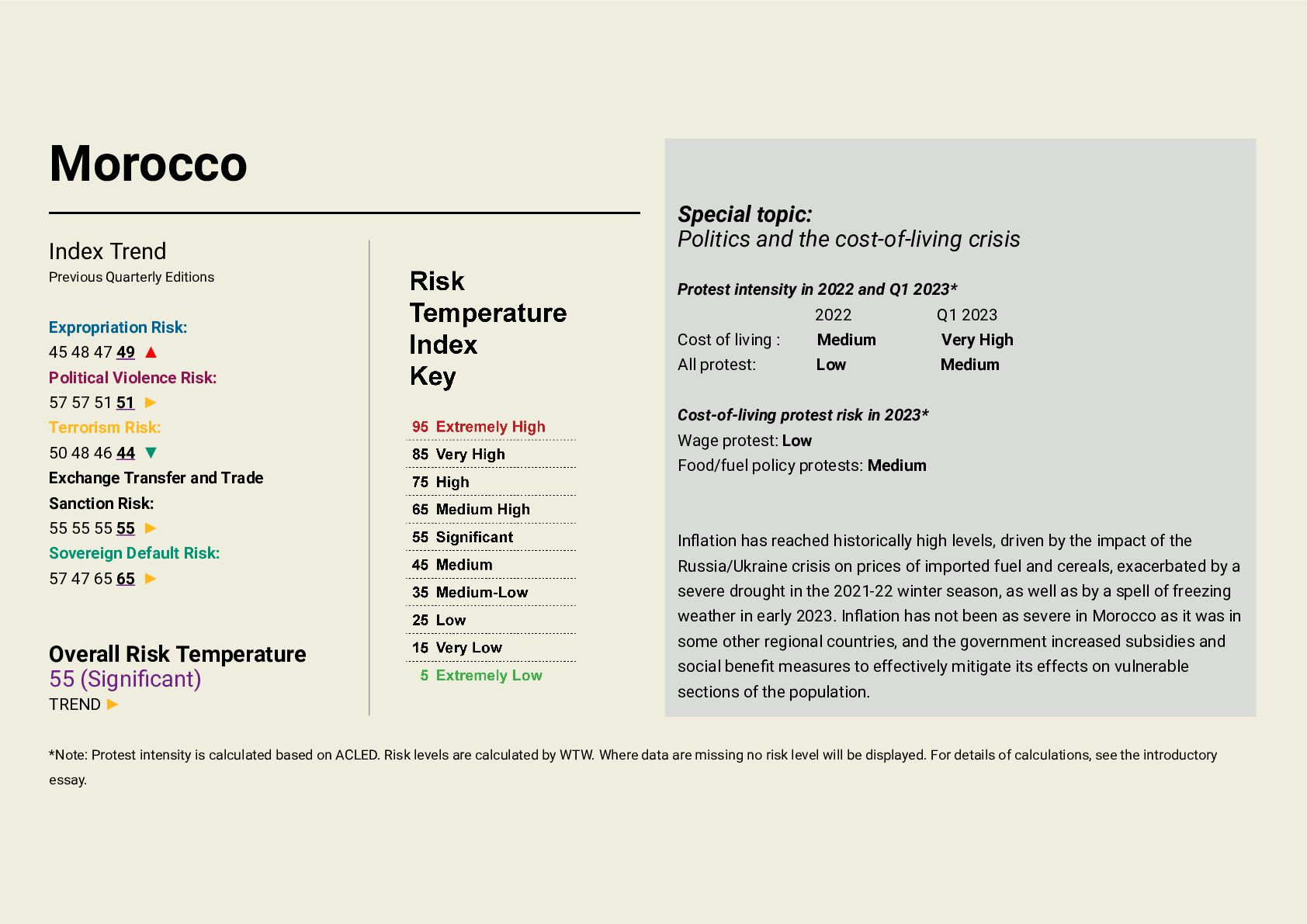
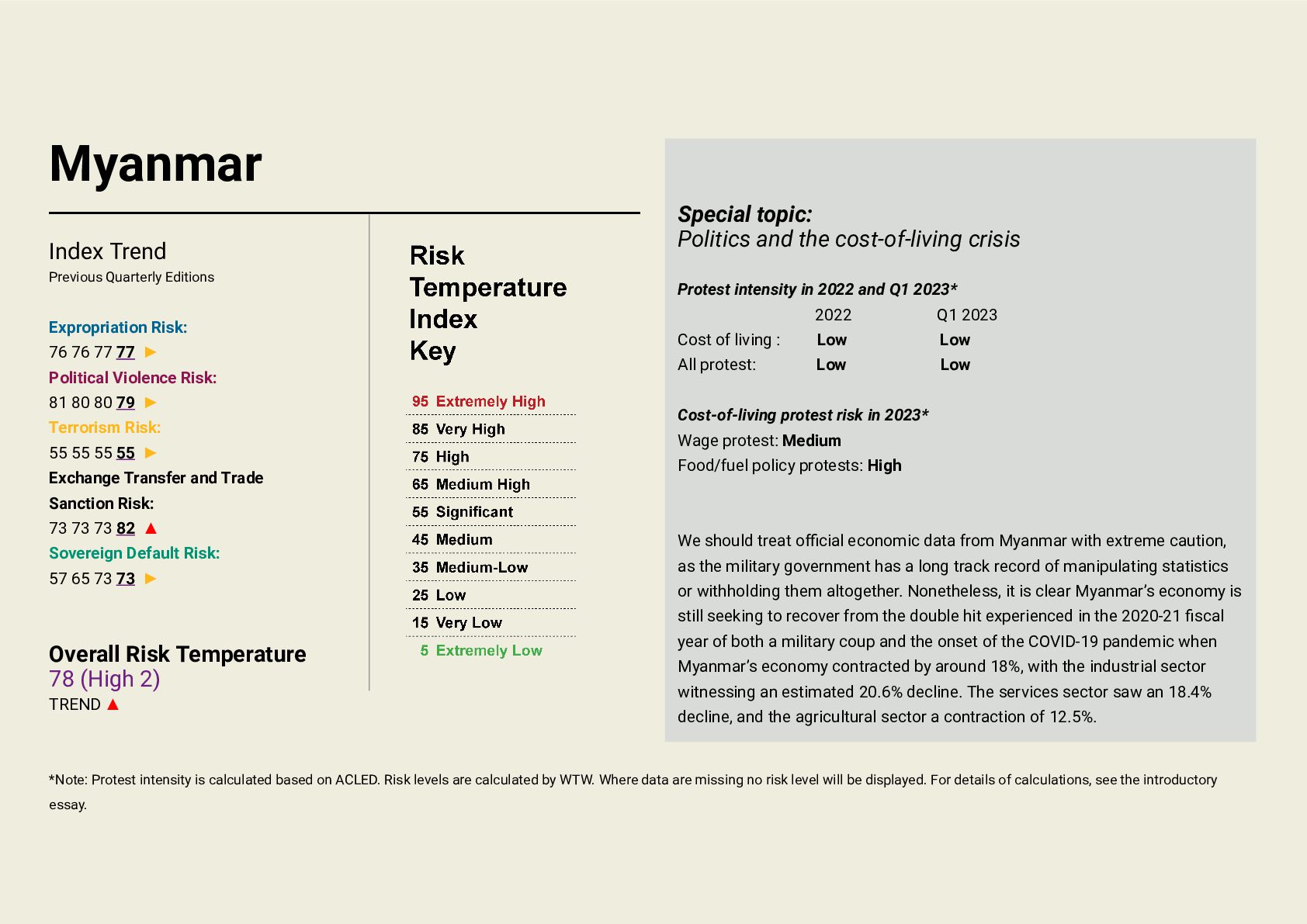
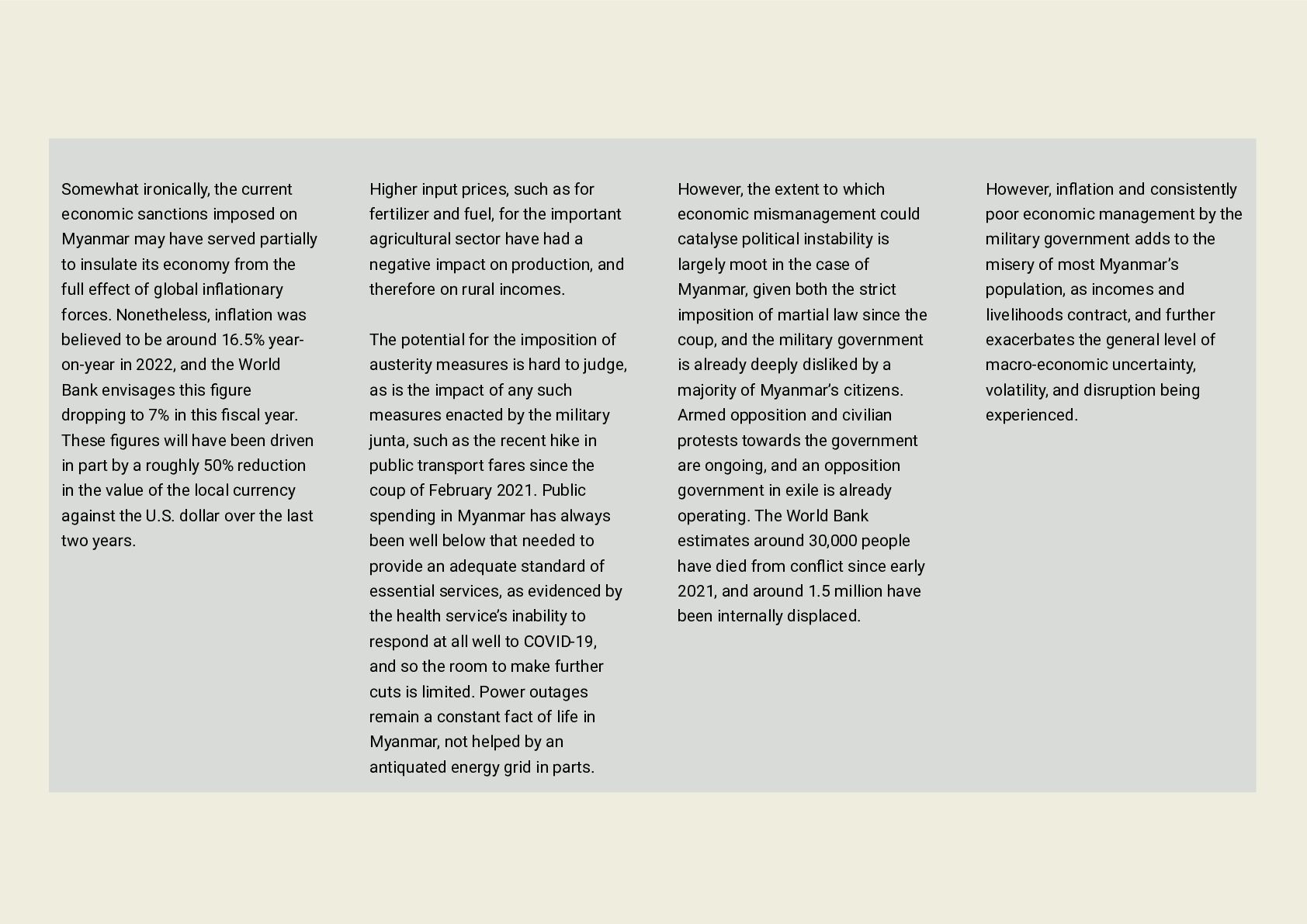
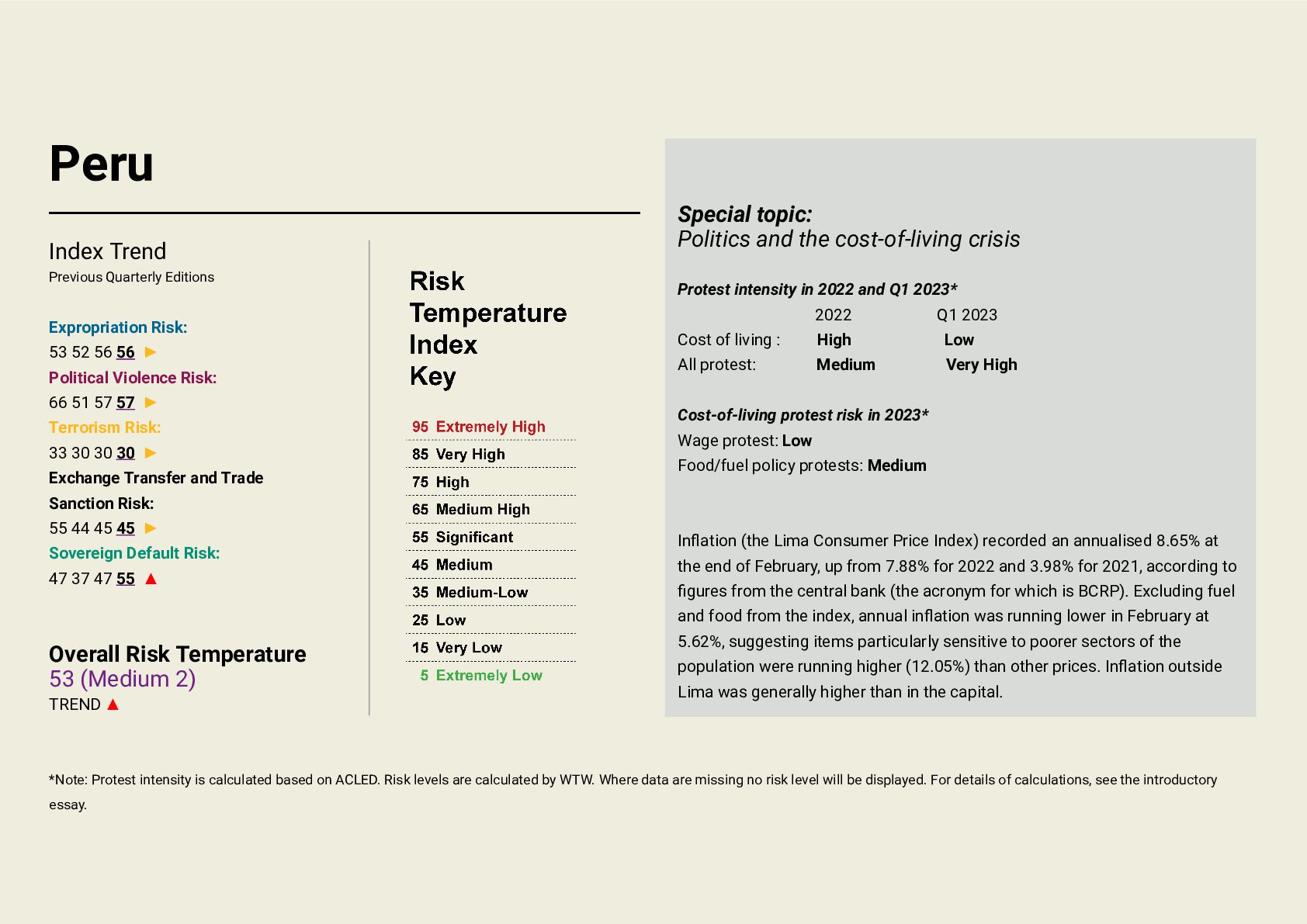
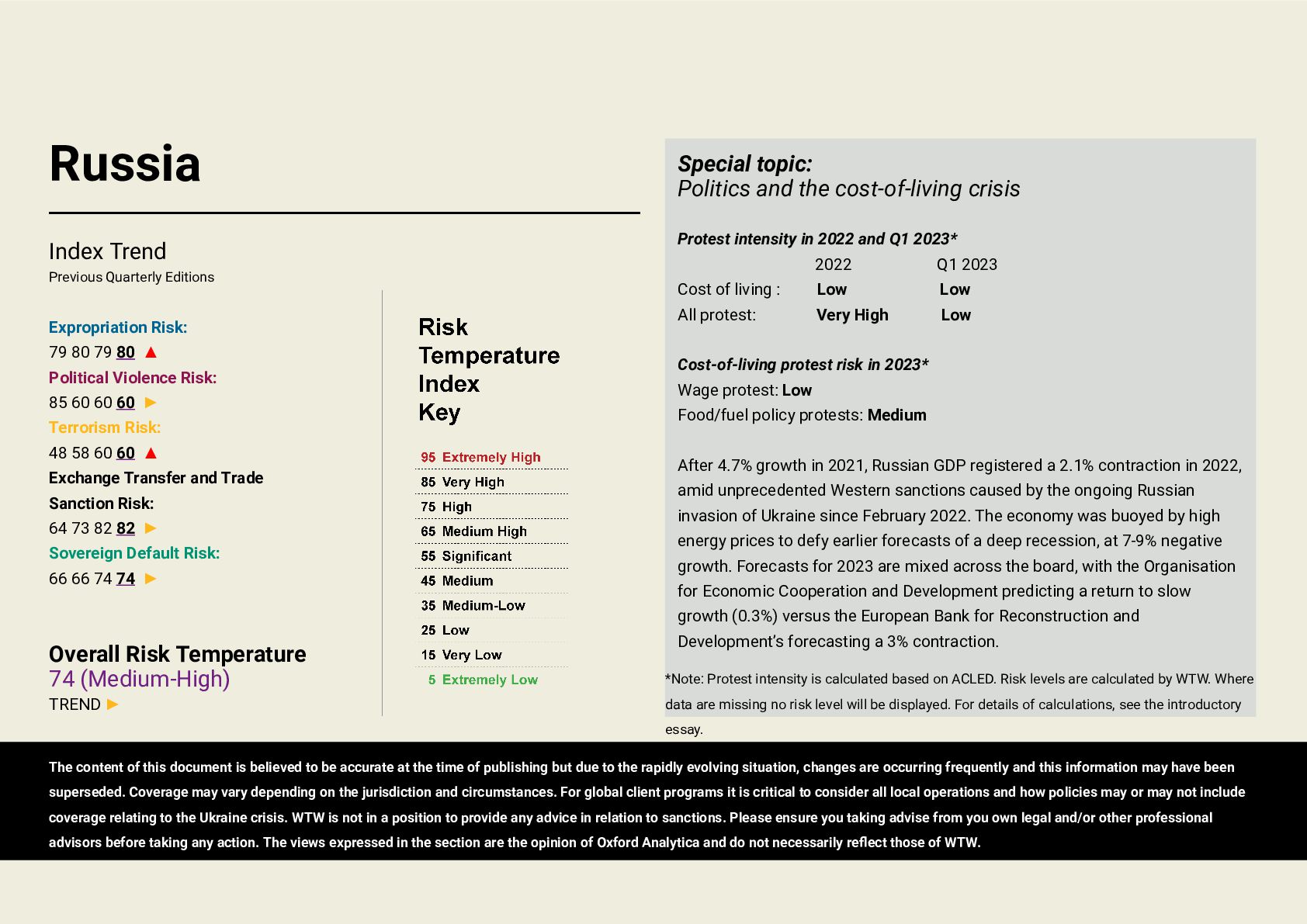
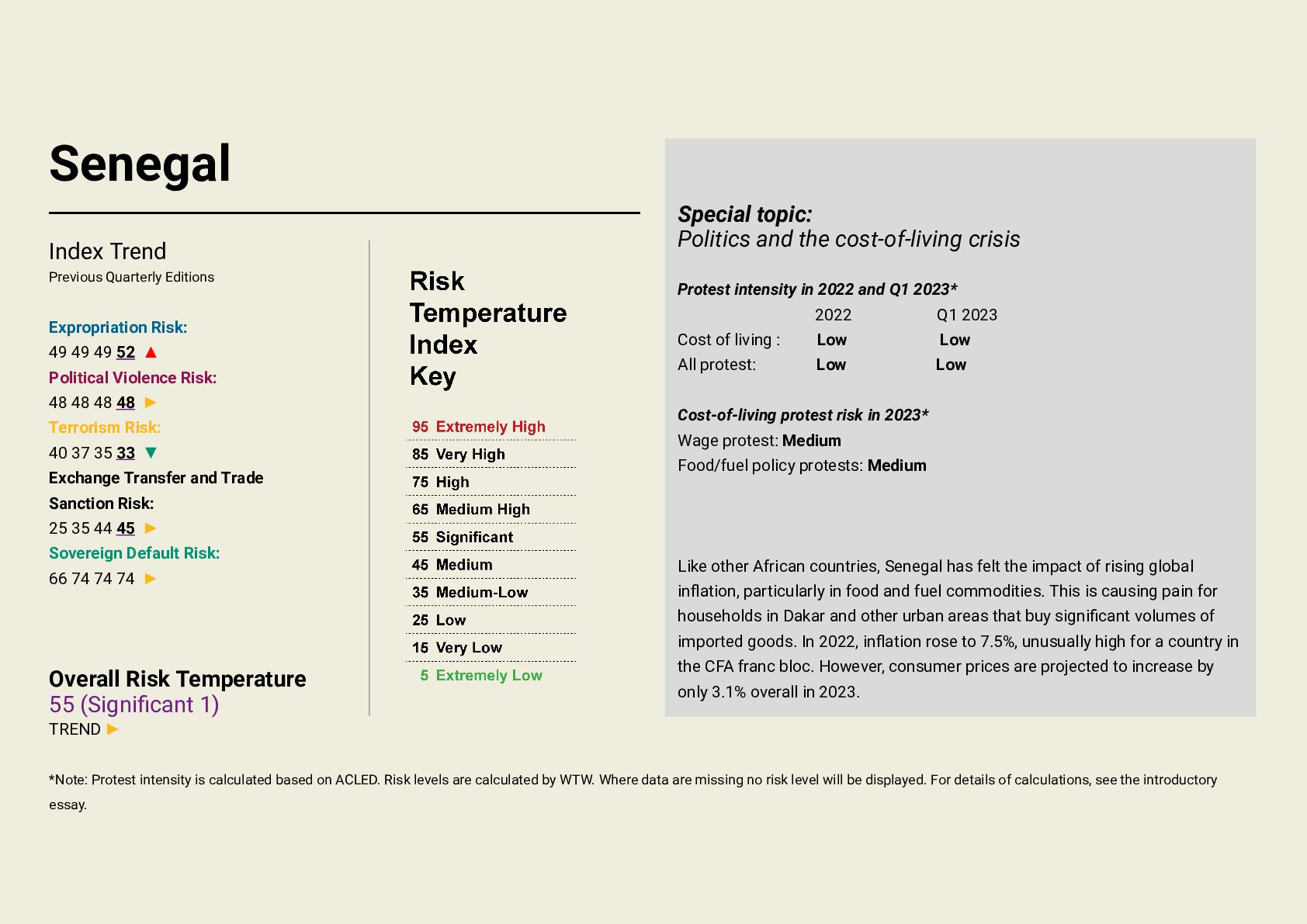
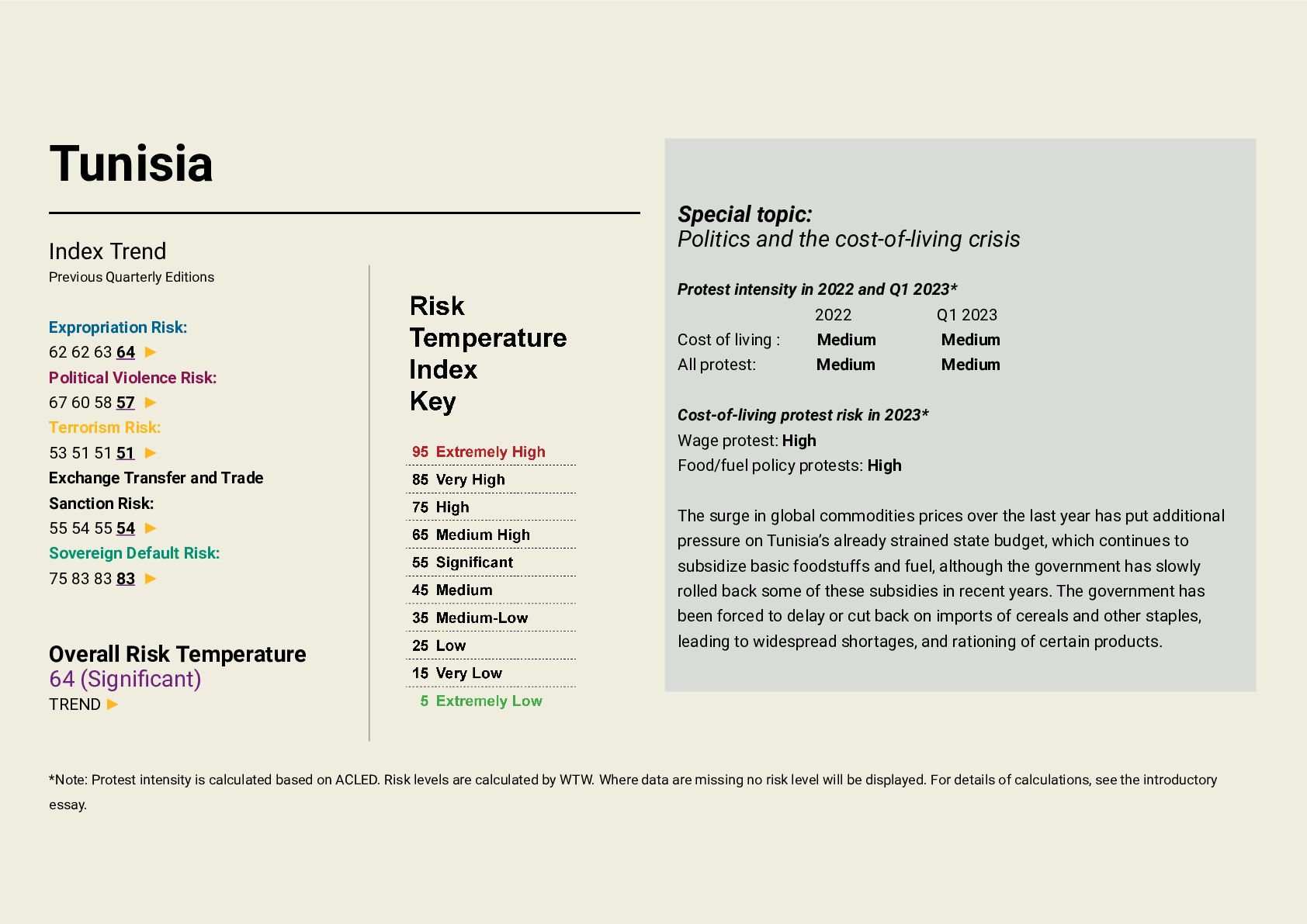
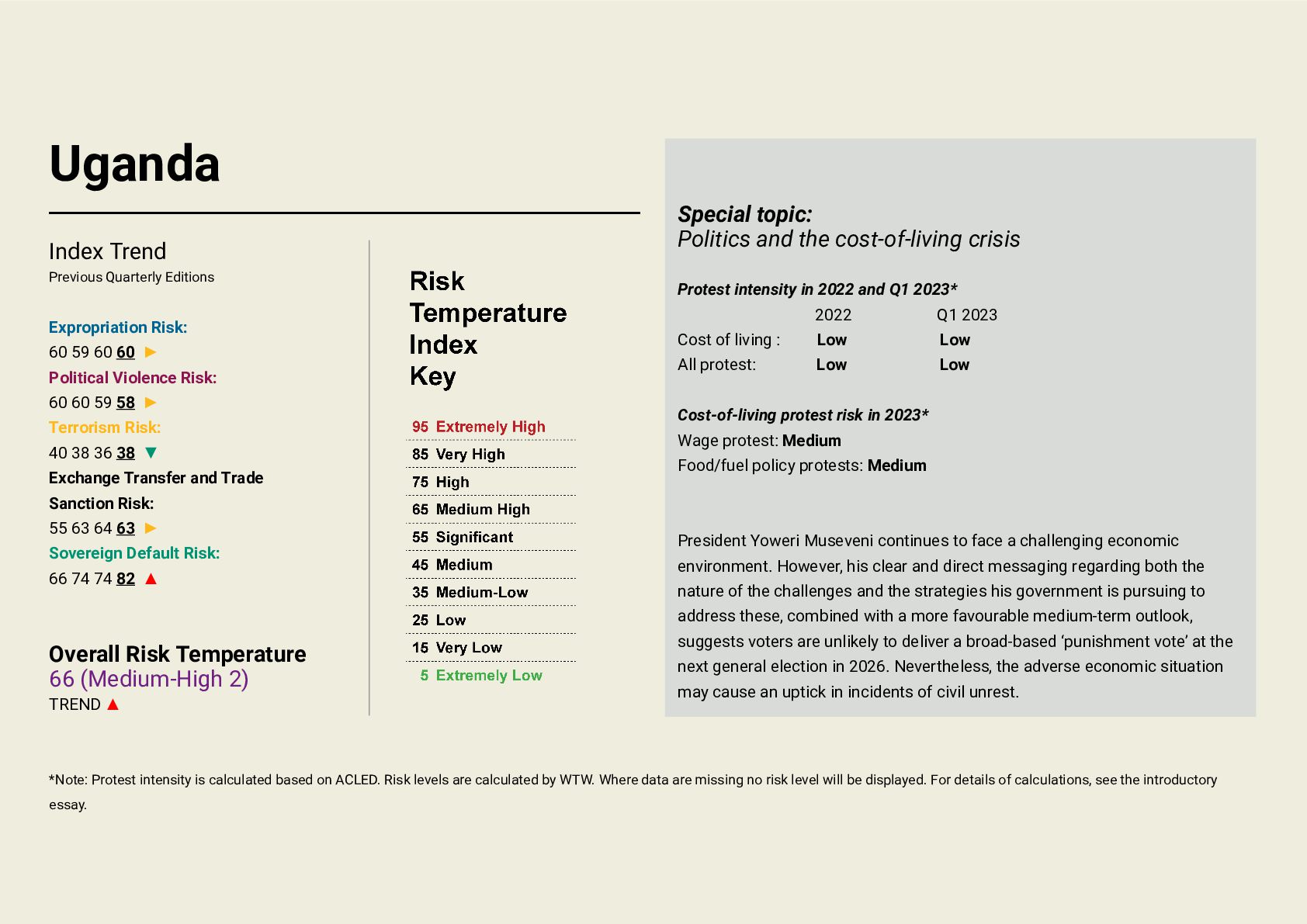
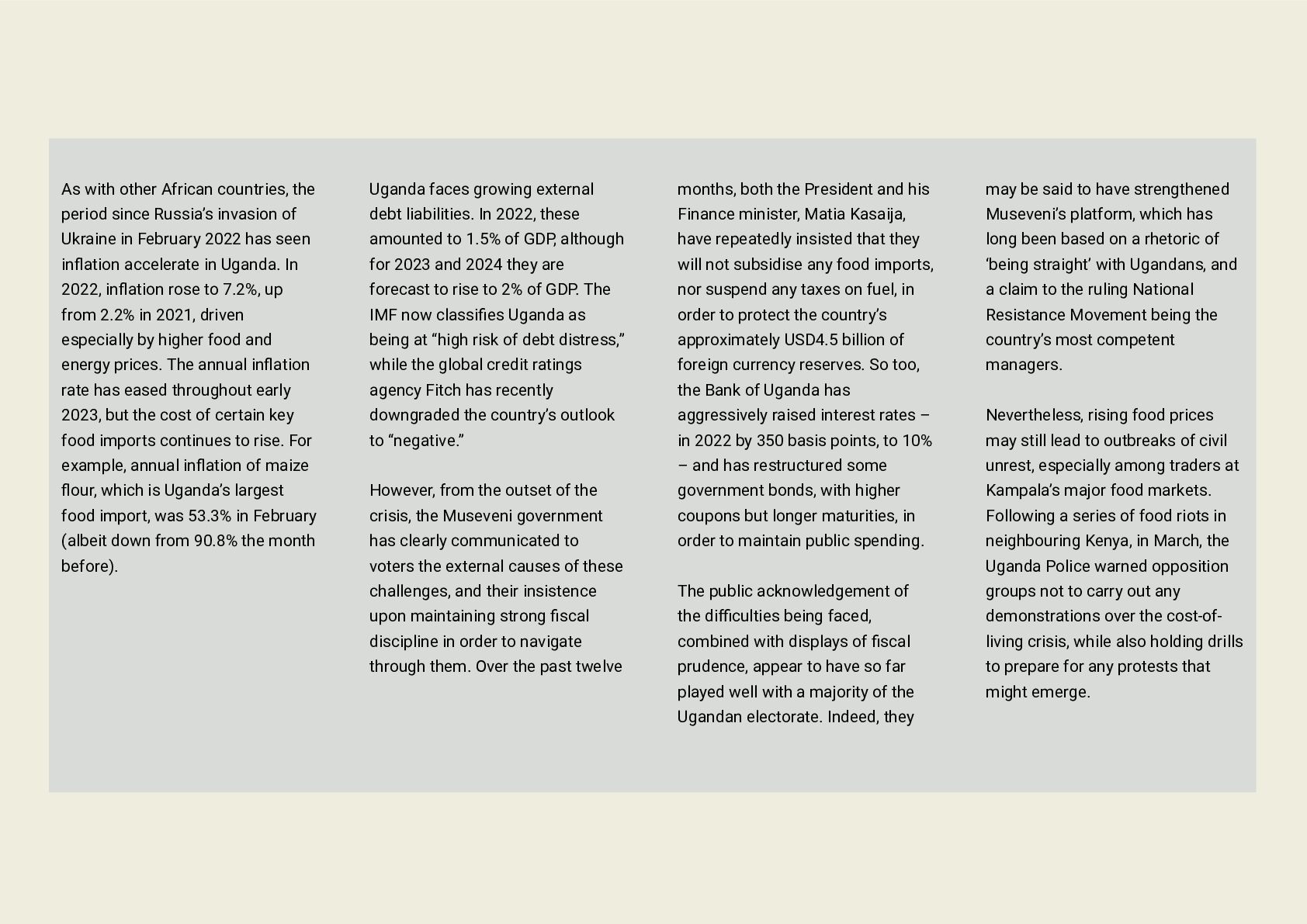
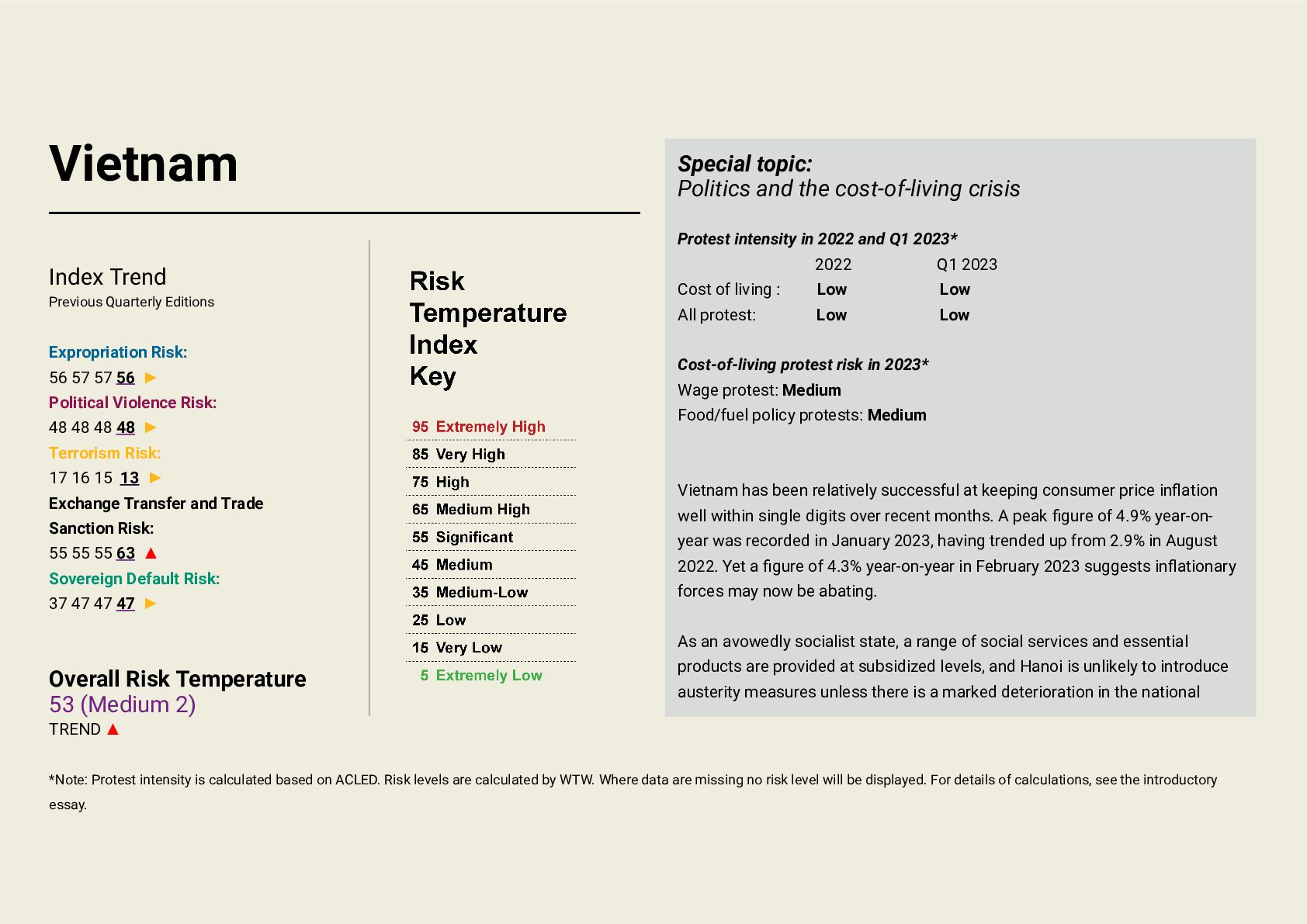
The latest **WTW Political Risk Index** (produced in collaboration with *Oxford Analytica*) challenges conventional wisdom: while we traditionally associate political risk and unrest with the developing world, soaring inflation and the cost-of-living crisis are igniting unprecedented protests across wealthy, developed nations.
Here is a comprehensive breakdown of the core trends, economic drivers, and strategic implications for corporations and insurers:
---
### 1. Dispelling Myths: "Food Riots" vs. "People Power"
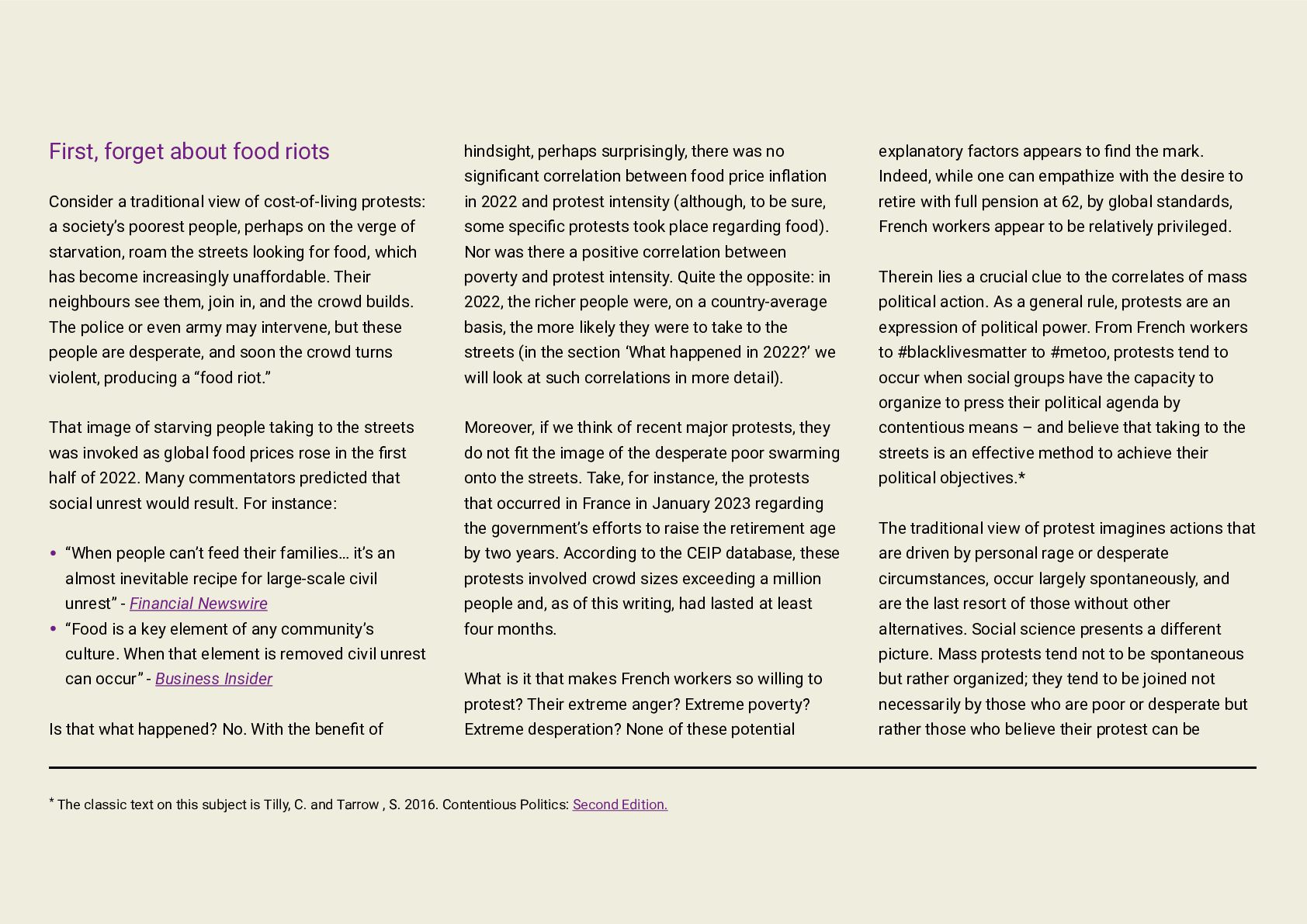
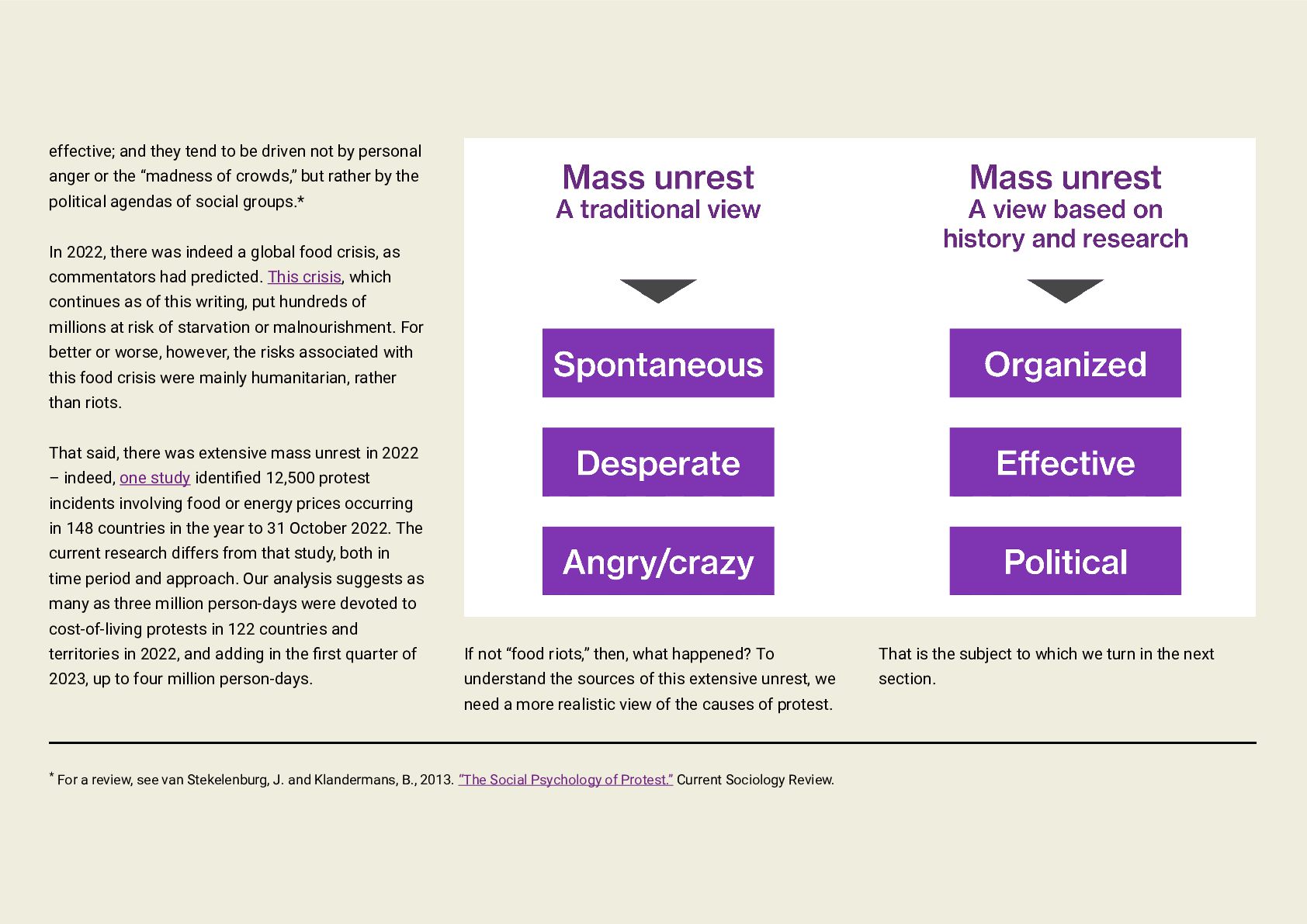
* **The Misconception:** Commentators frequently predicted widespread "food riots" driven by starving populations as global food prices spiked following the conflict in Ukraine.
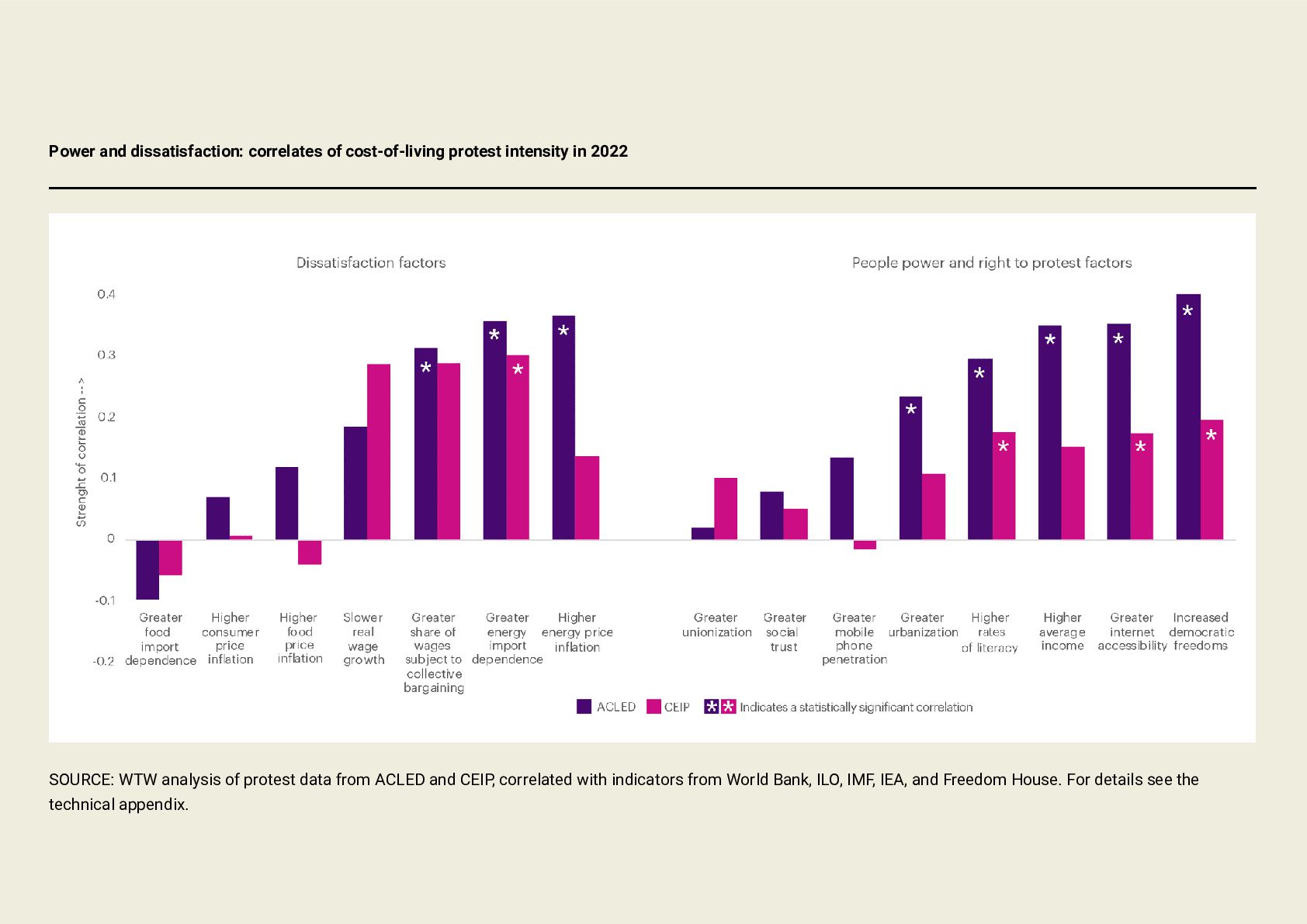
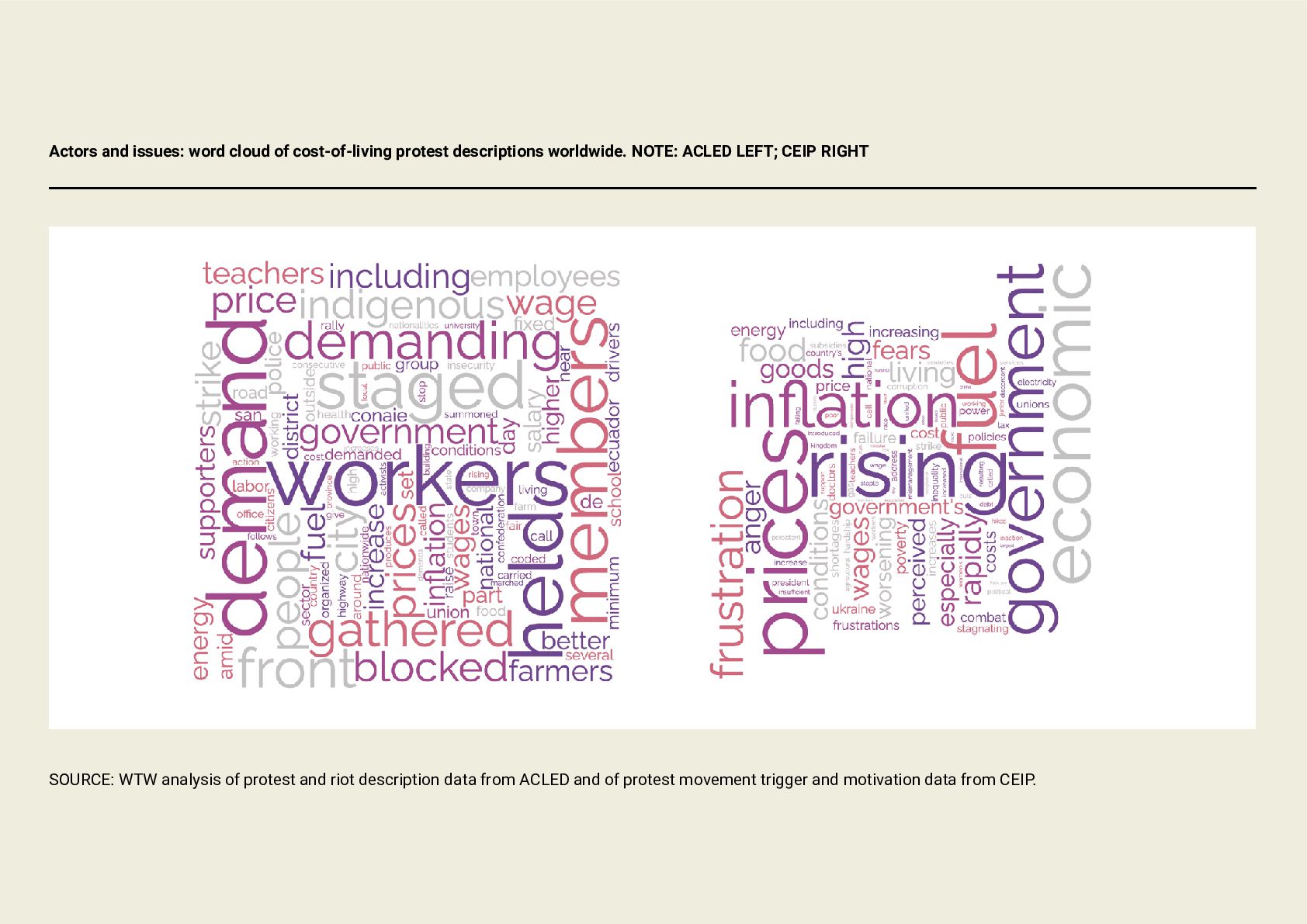
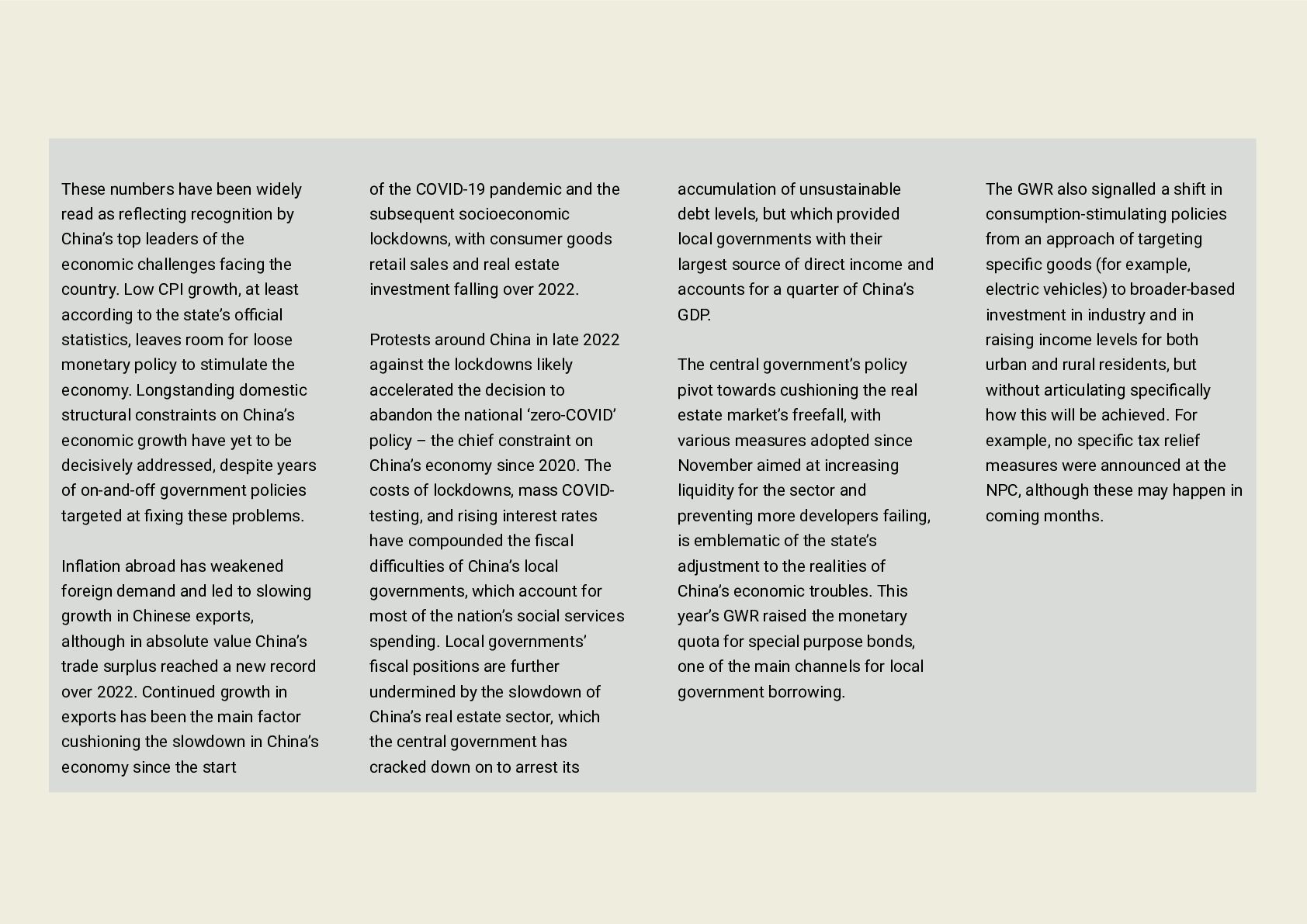
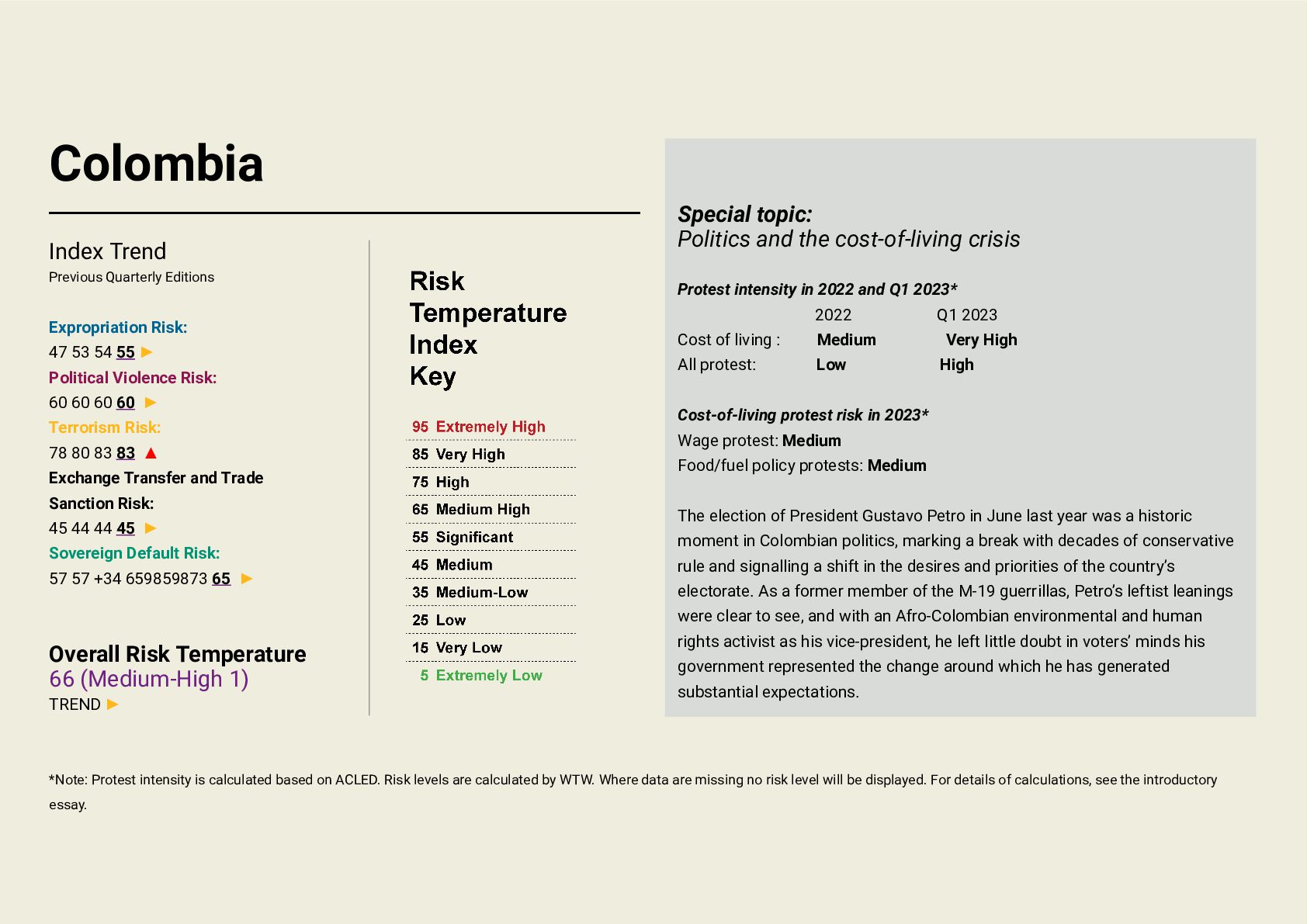
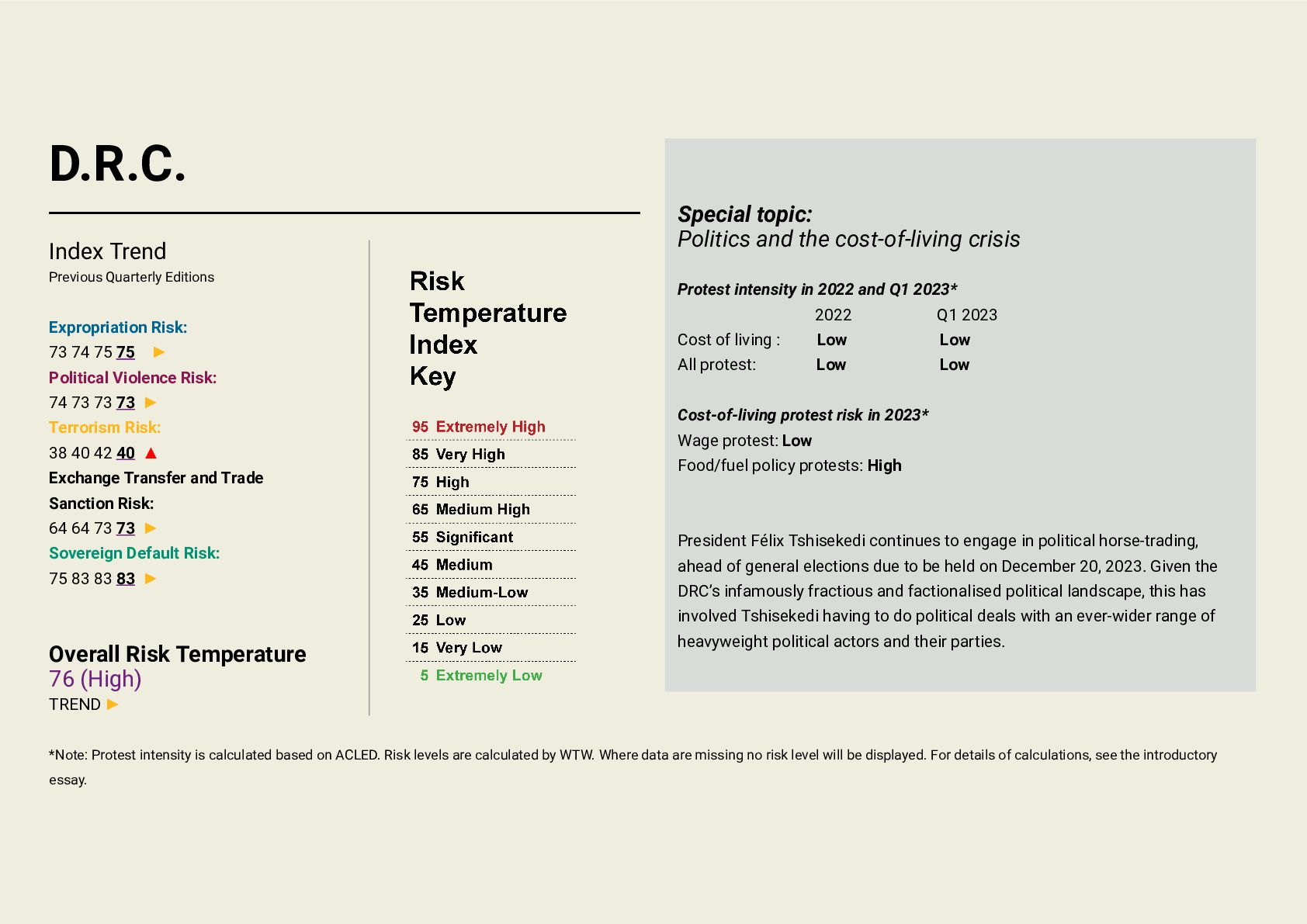
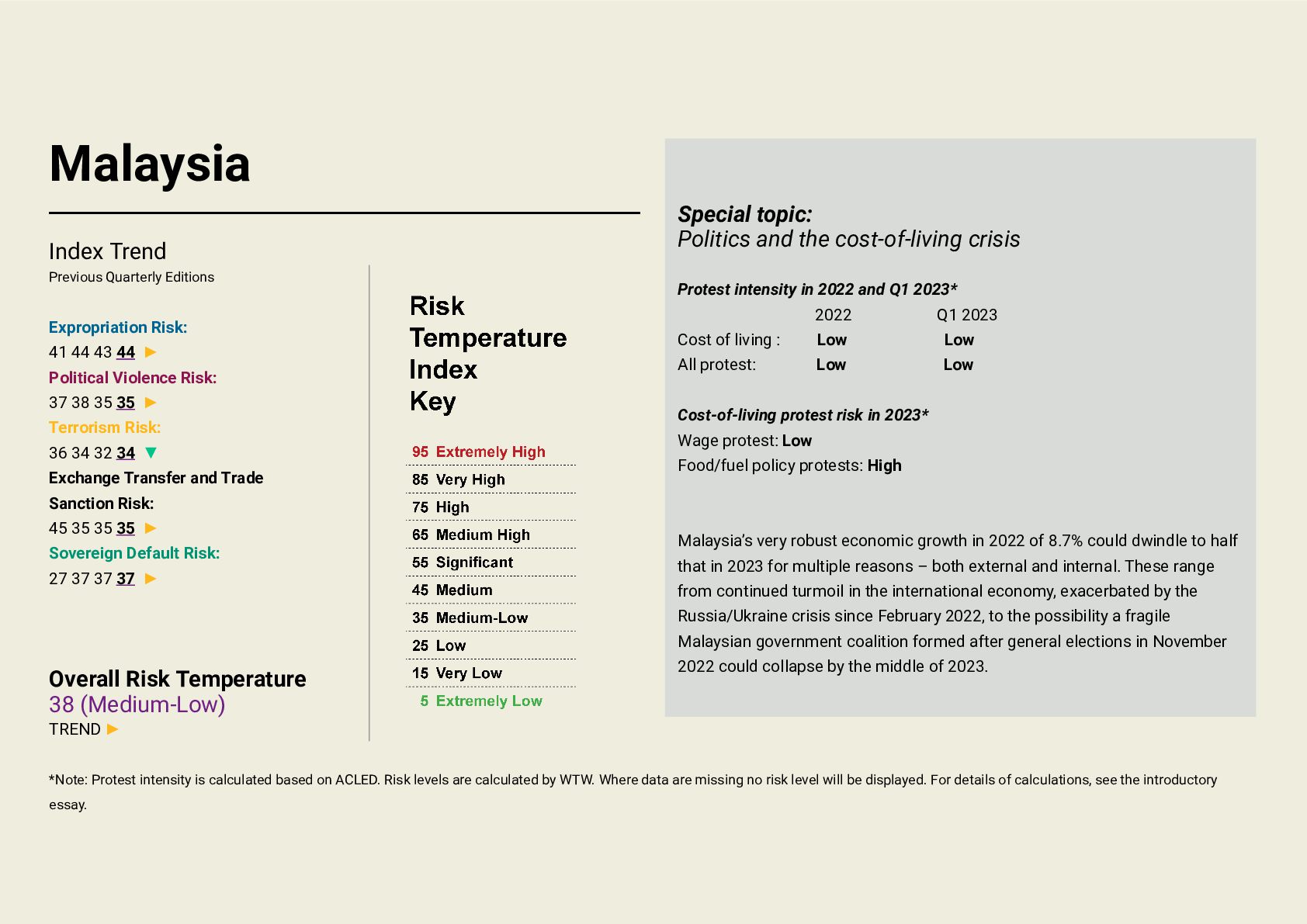
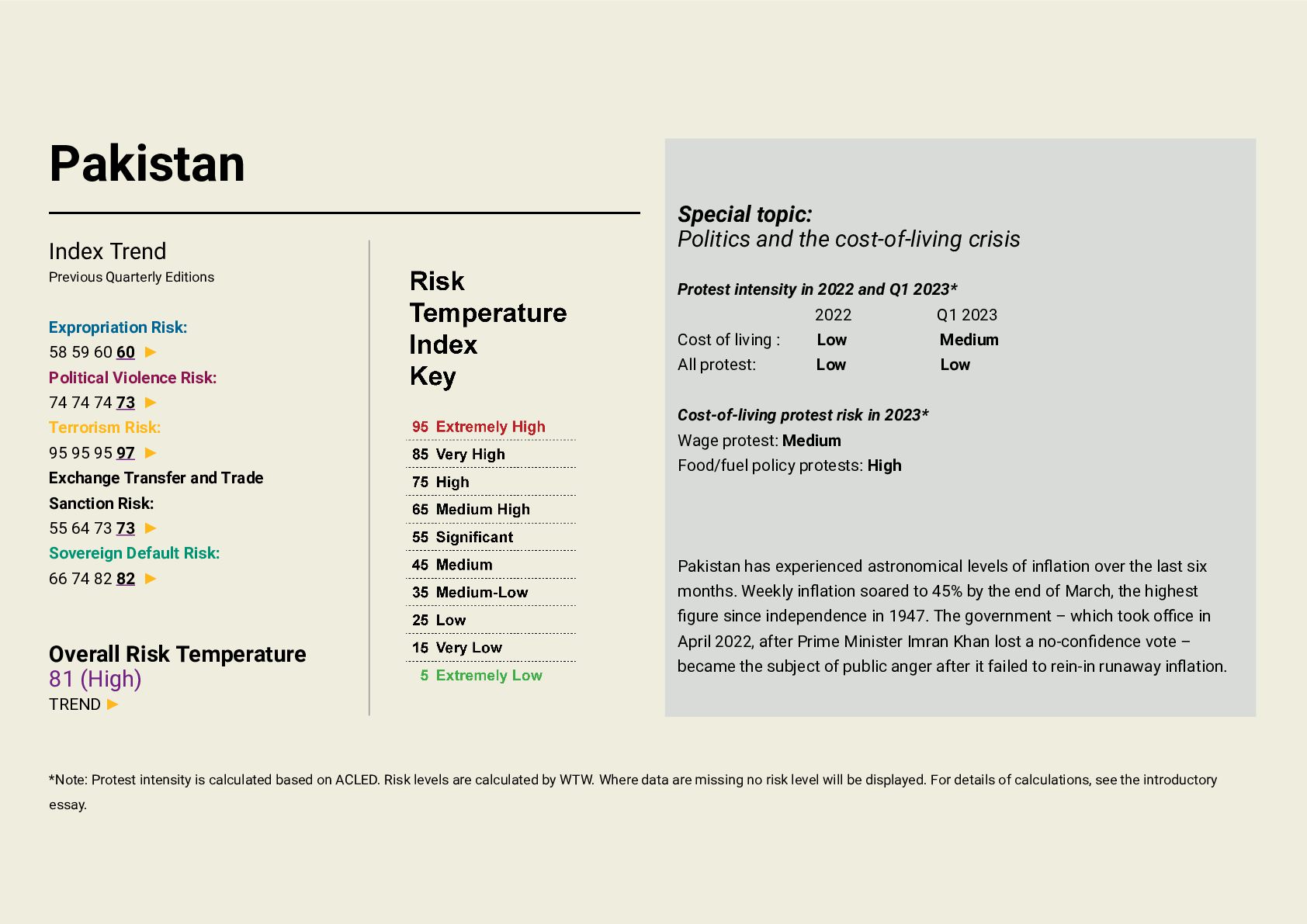
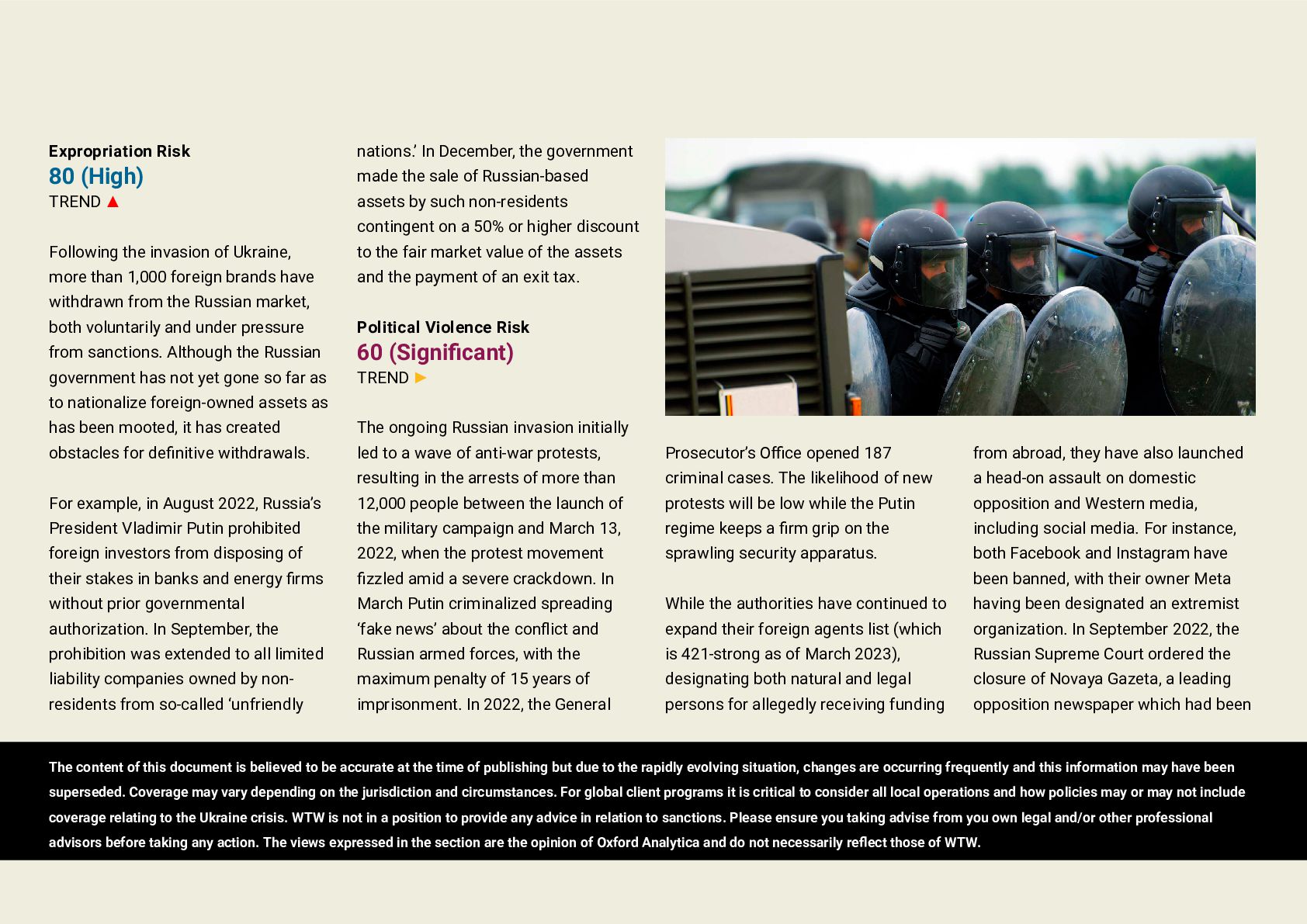
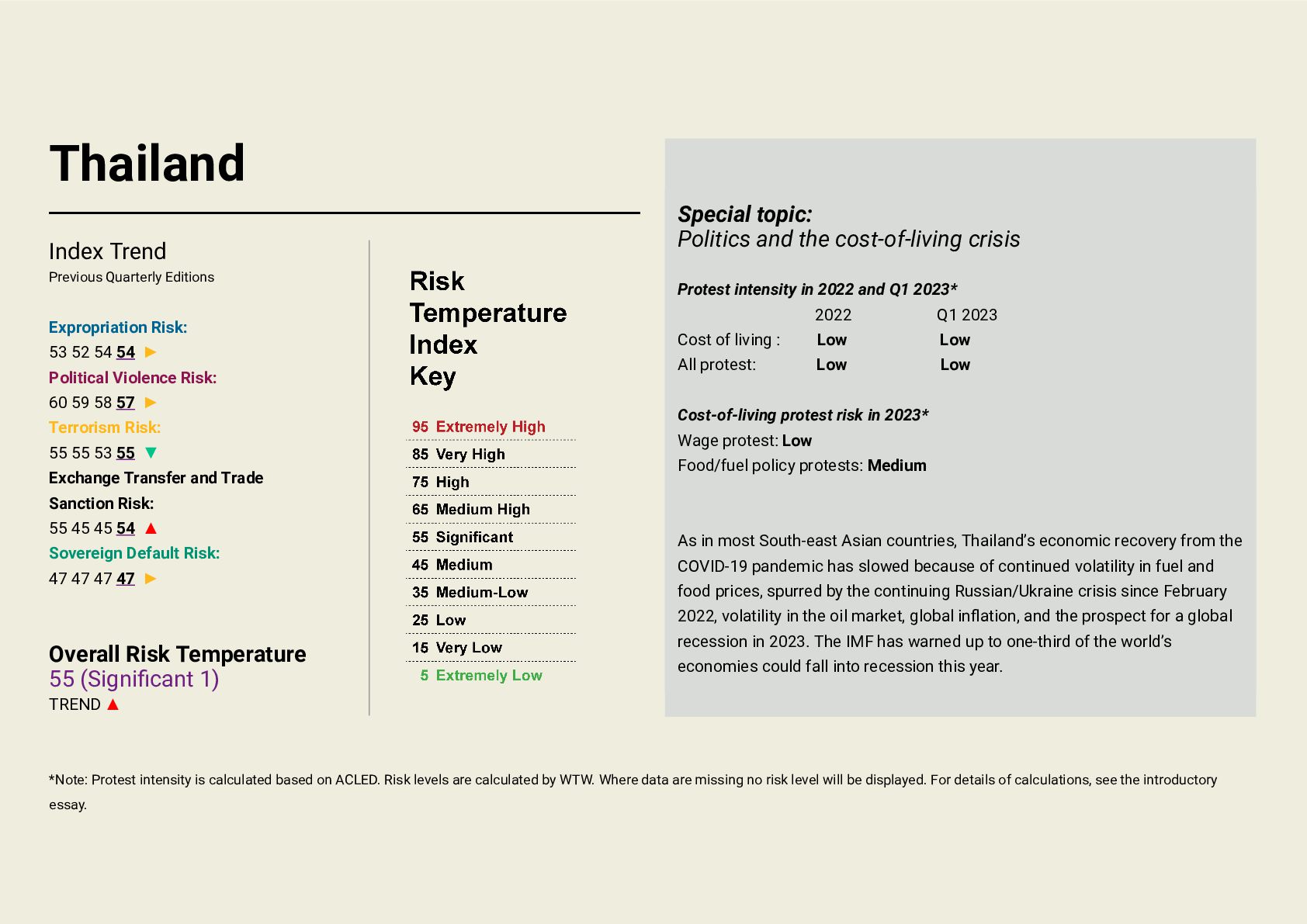
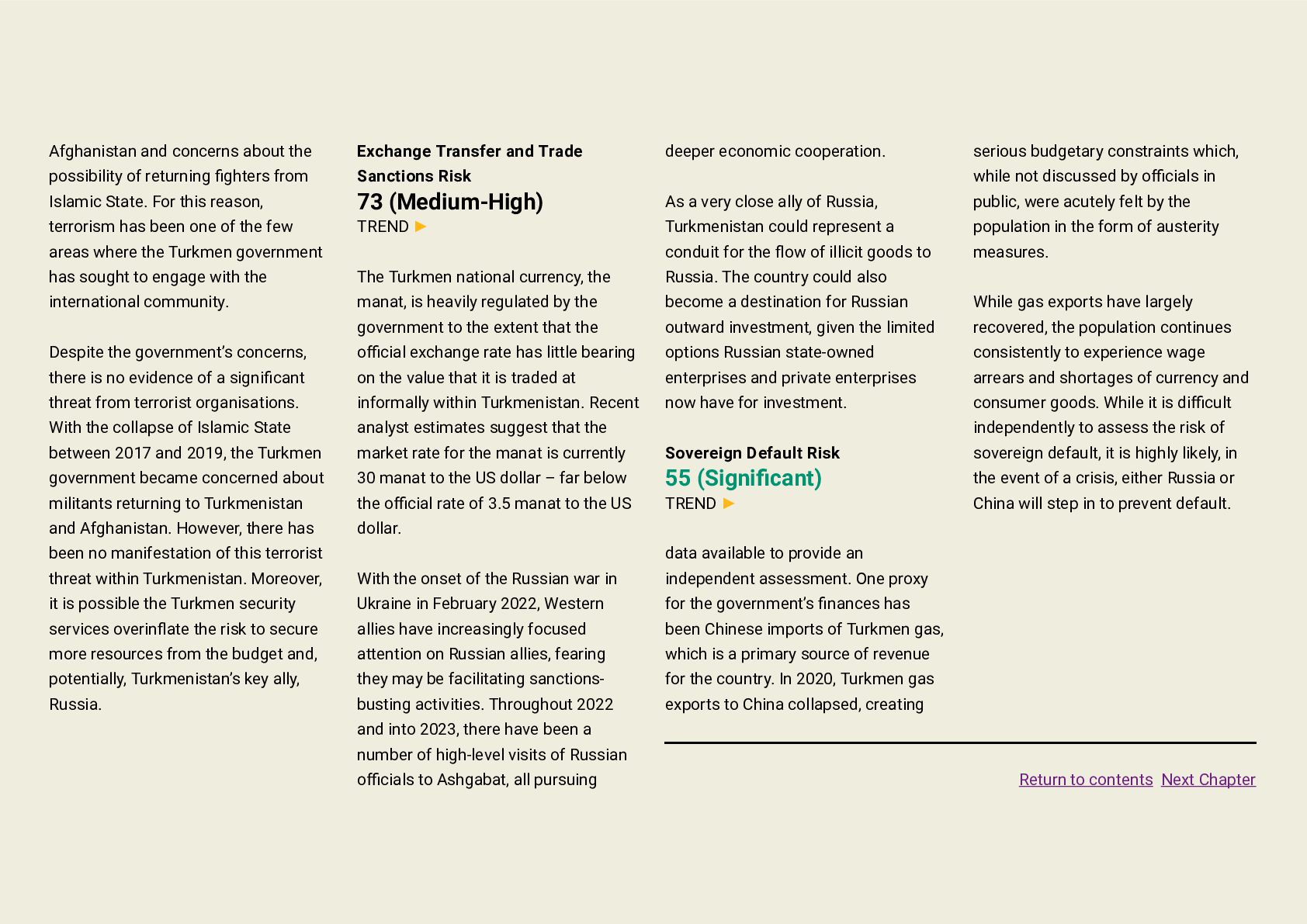
* **The Reality:** Statistical analysis reveals **no significant correlation between food price inflation/poverty and protest intensity** in 2022. Instead, protests are expressions of *political power*. They are typically organized, pursued by groups with the capacity to act, and most prevalent in *richer, more democratic countries* where citizens have the resources and freedoms to mobilize.
---
### 2. Three Scenarios Driving Global Unrest
WTW outlines three non-exclusive pathways translating economic strain into political friction:
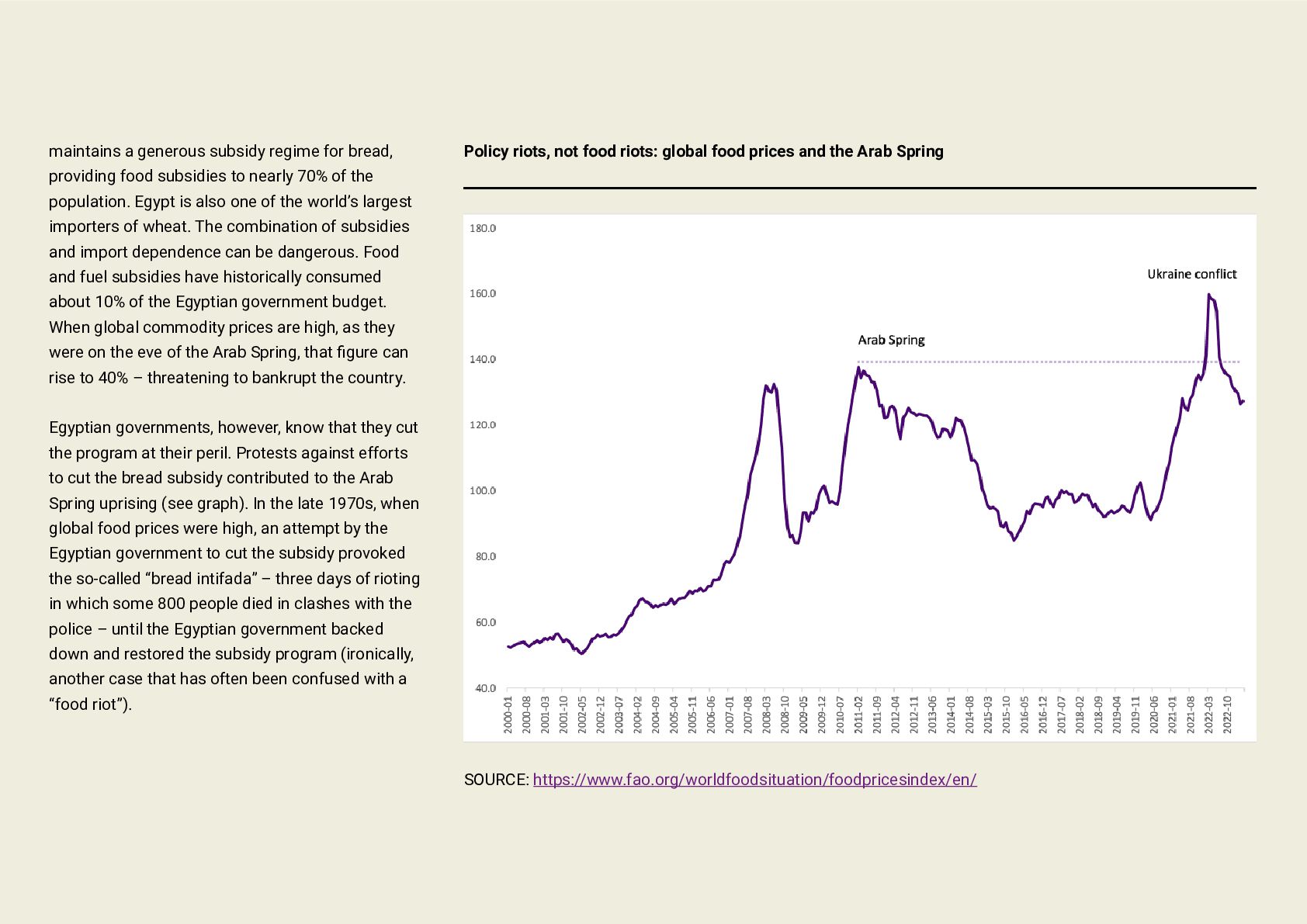
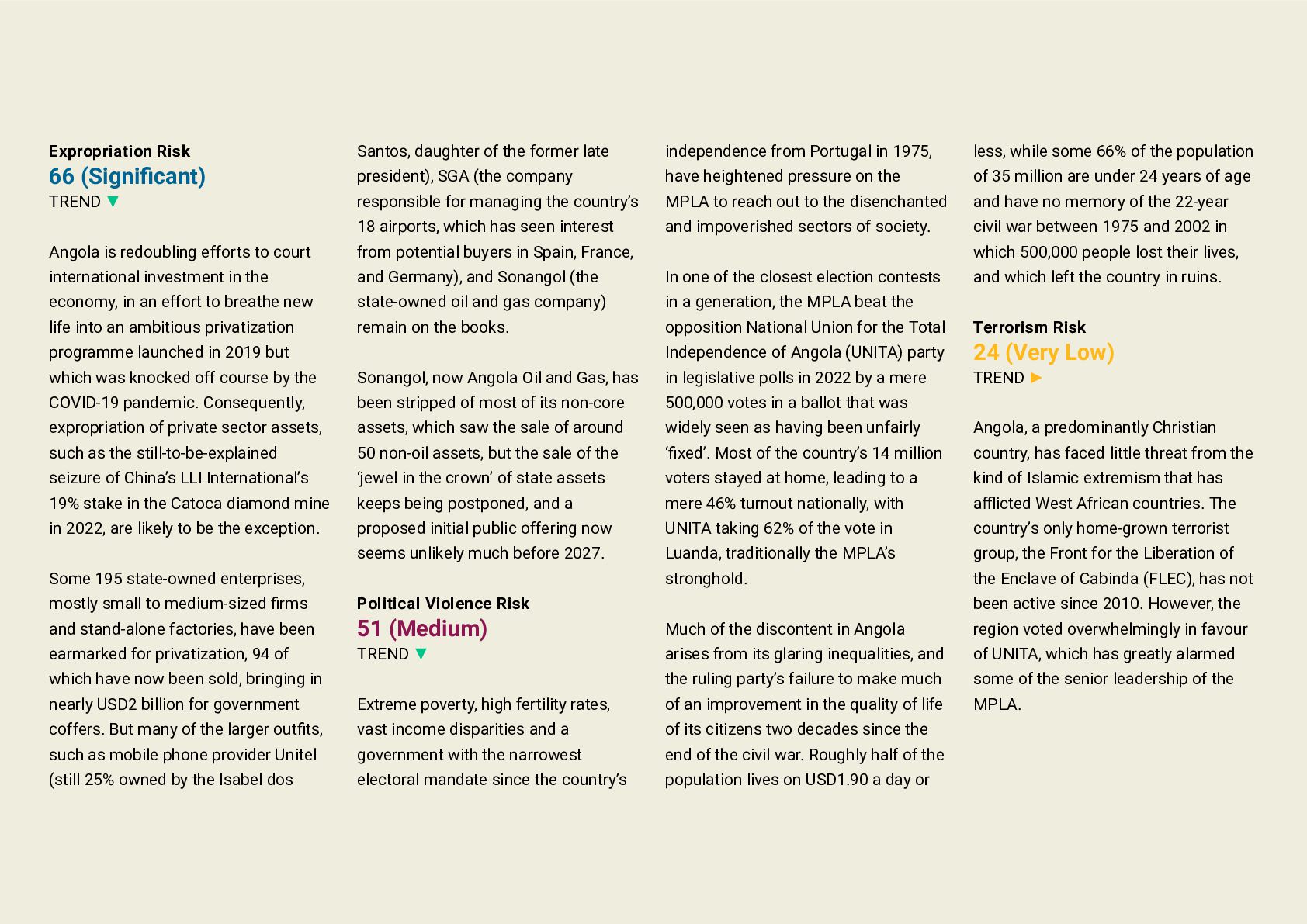
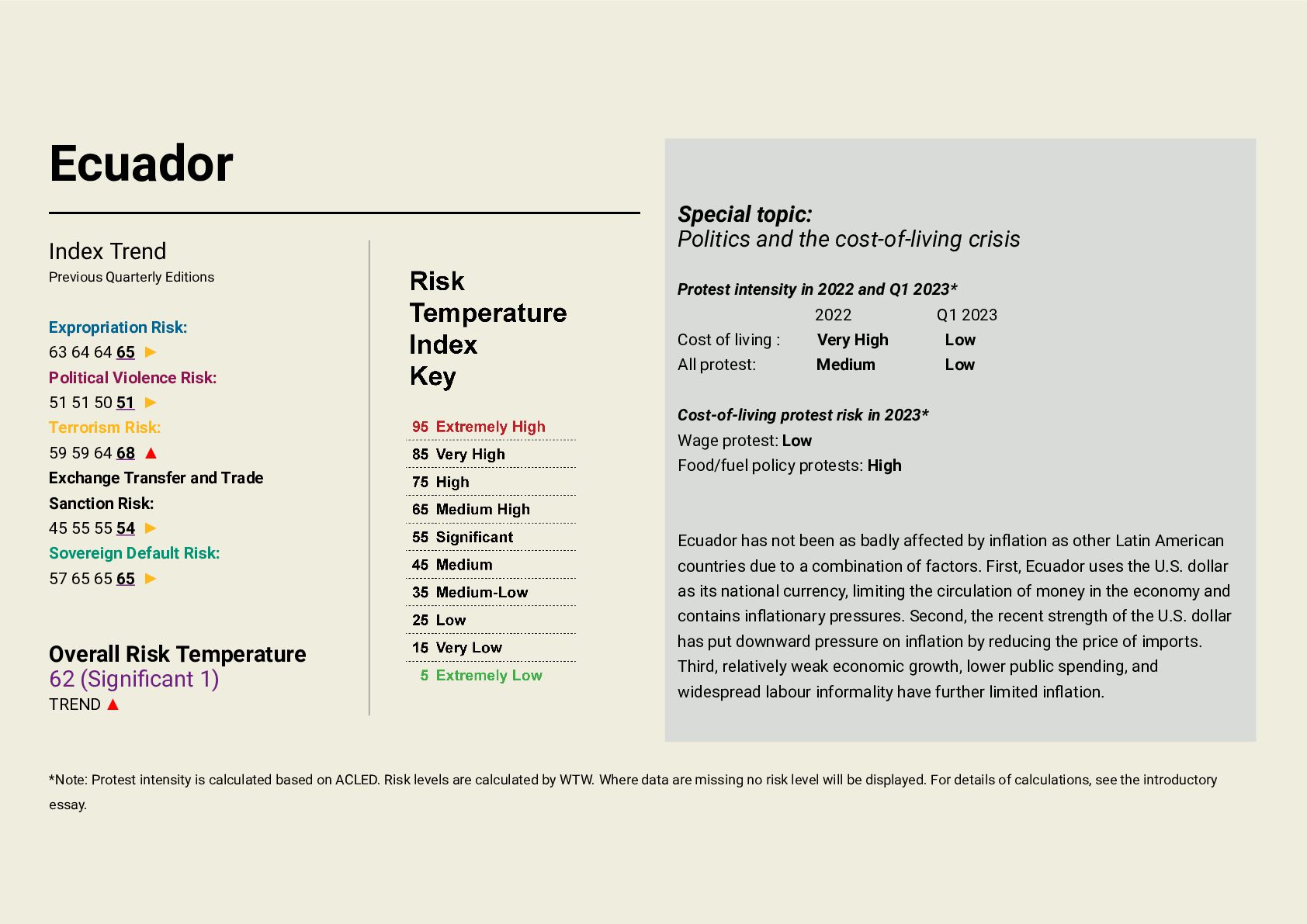
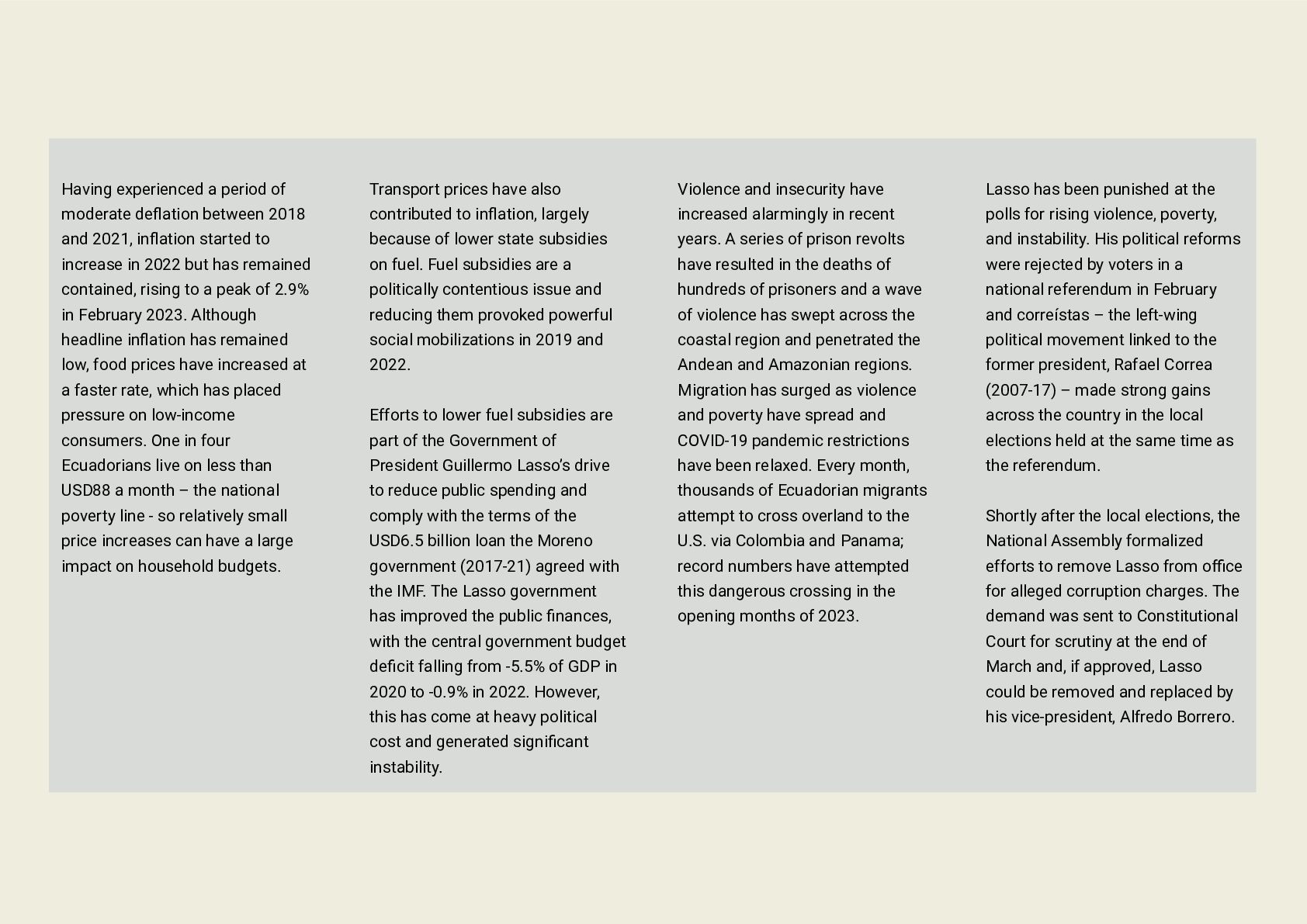
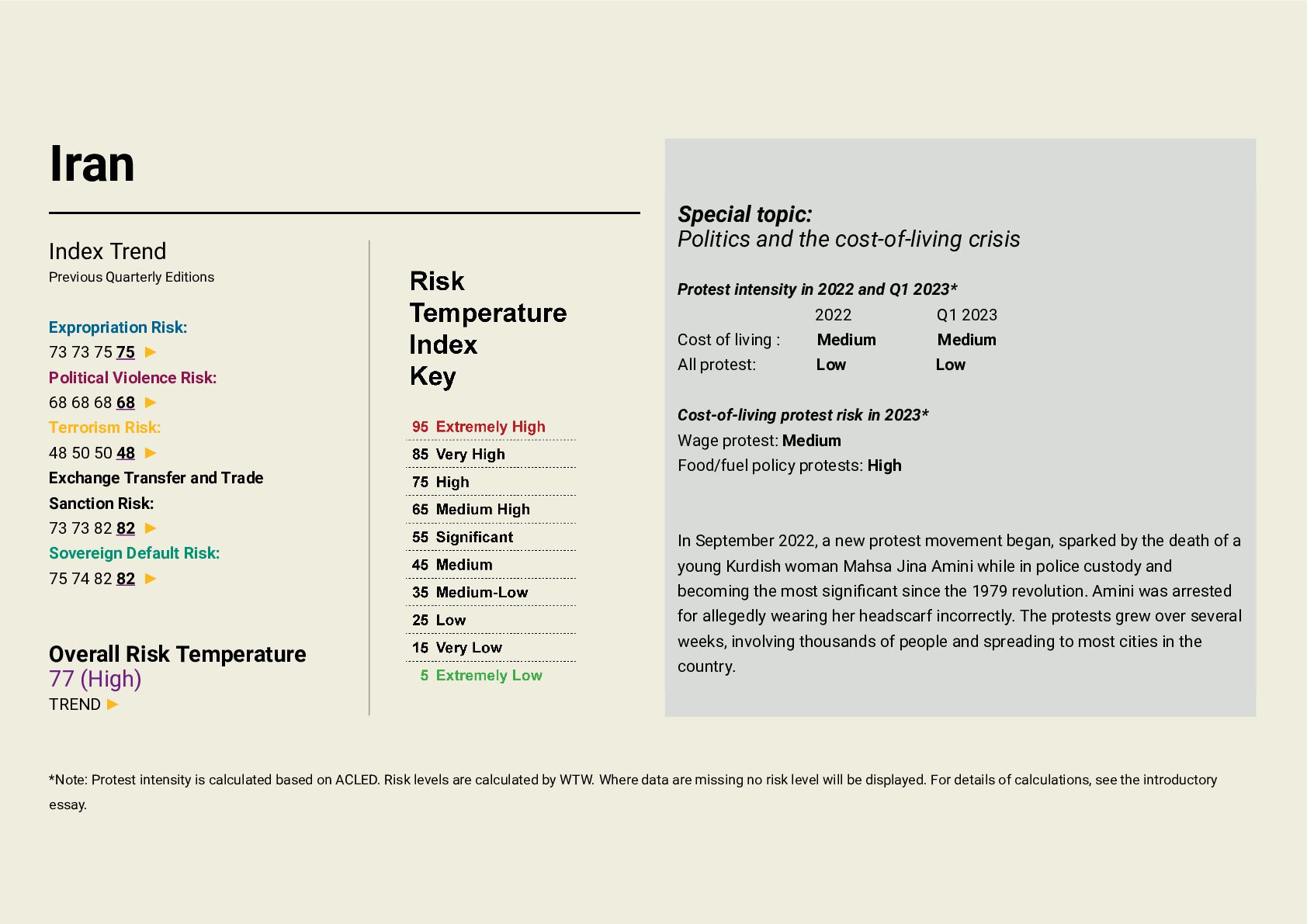
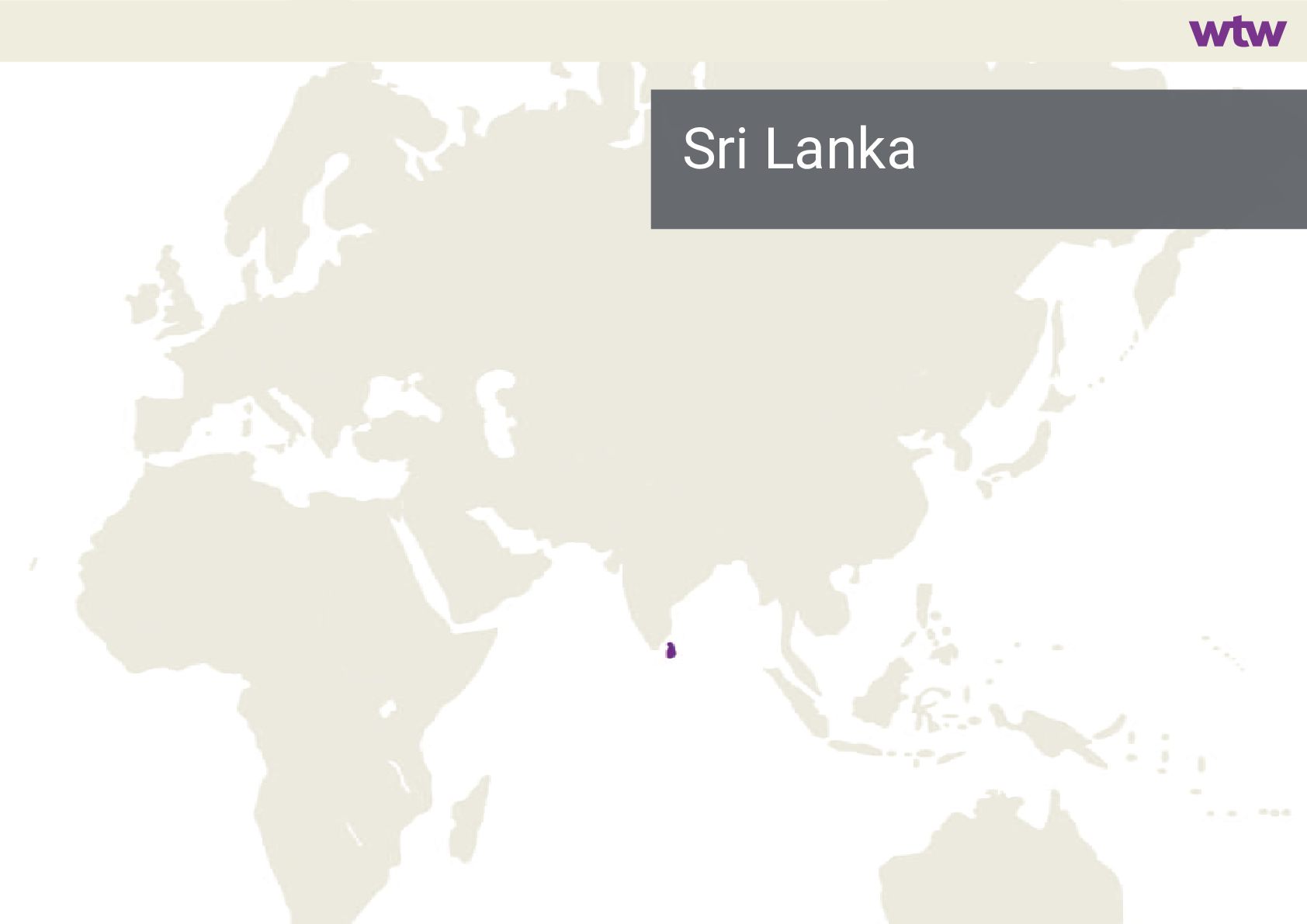
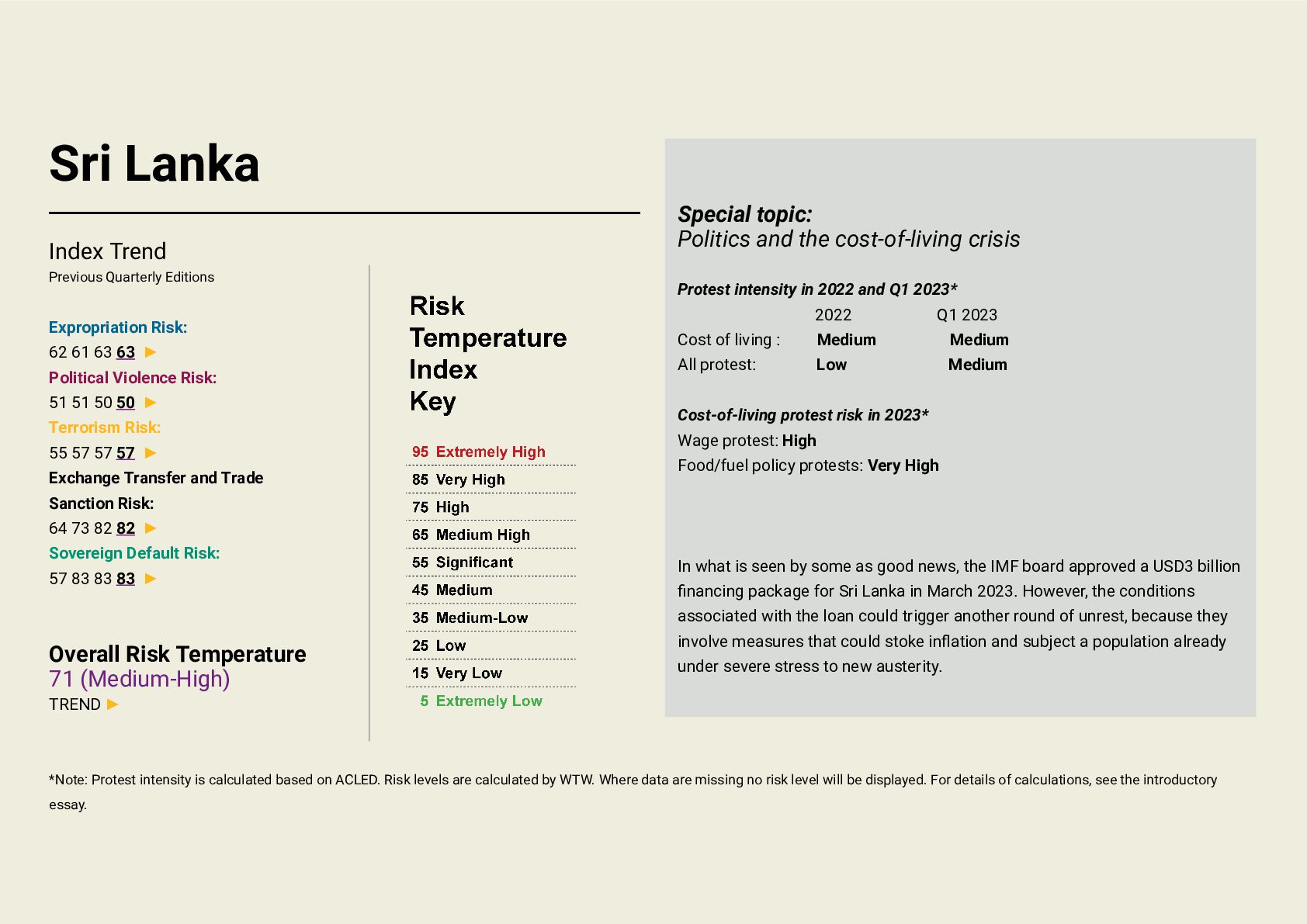
1. **Policy Protests (Scenario 1):** Triggered when governments alter price controls or cut subsidies (e.g., fuel and food subsidy reductions in emerging markets like Sri Lanka, Iran, and Ecuador). More than 70% of emerging markets regulate food prices and over 80% control energy prices, making subsidy reform a high-stakes political gamble.
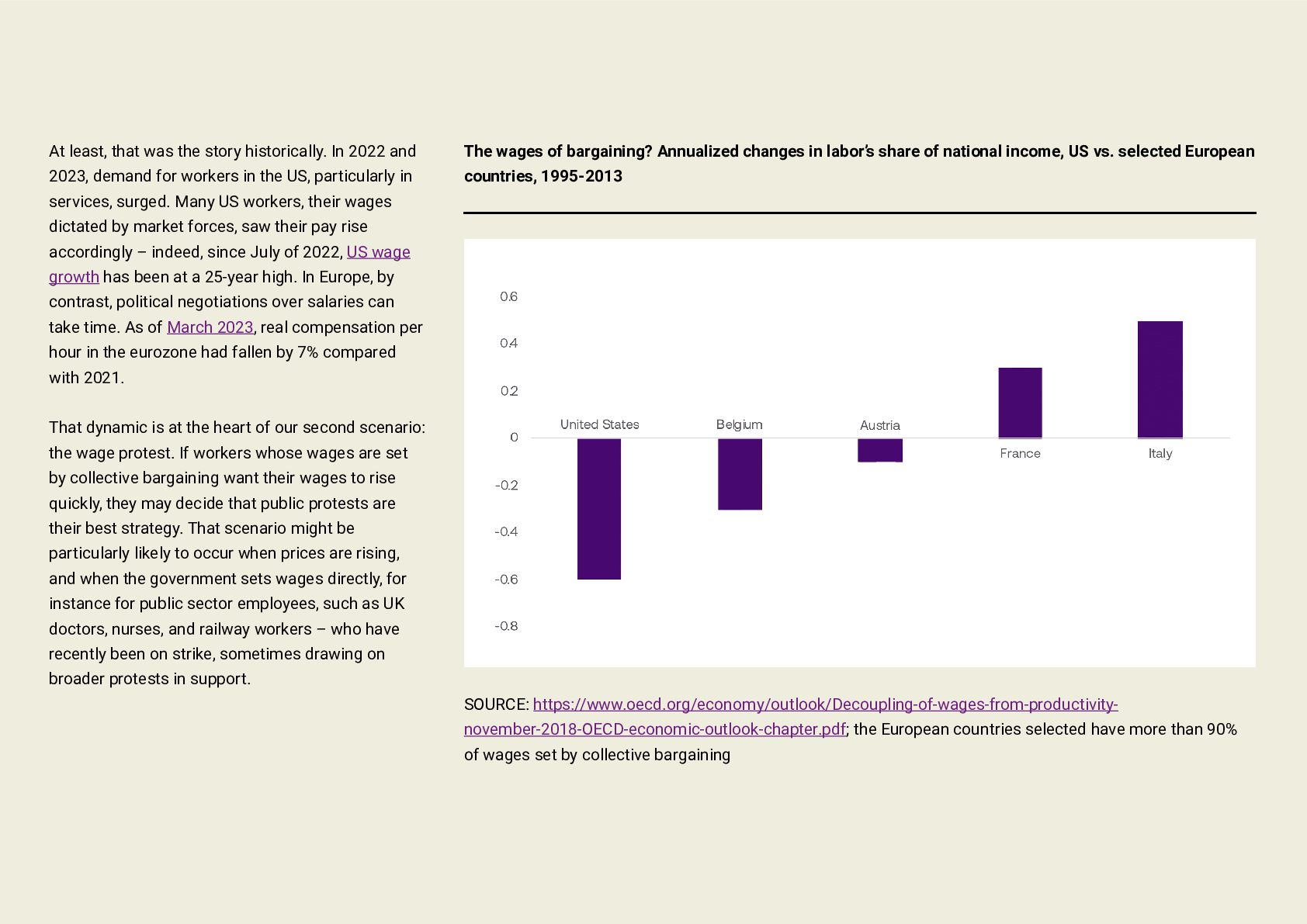
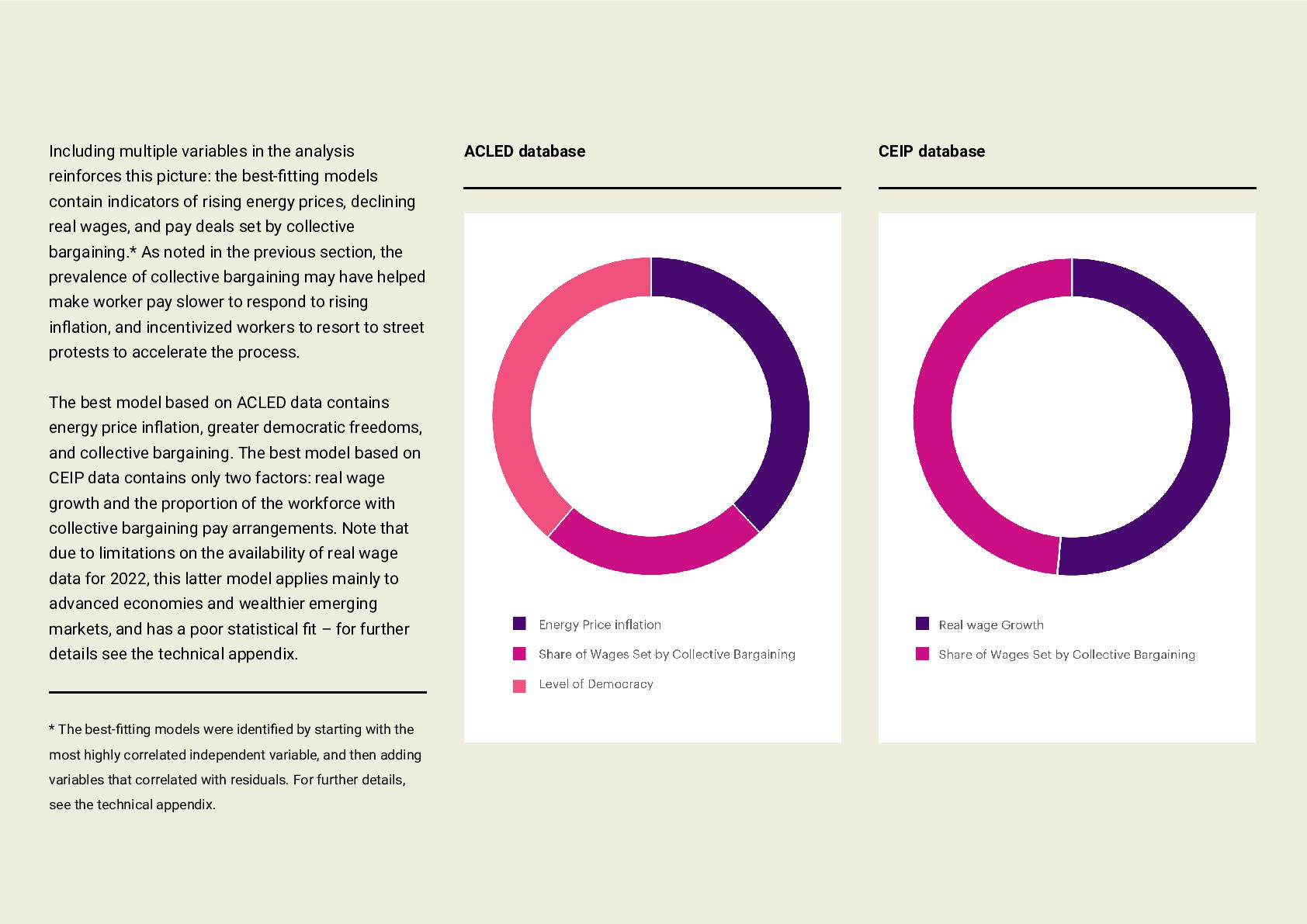
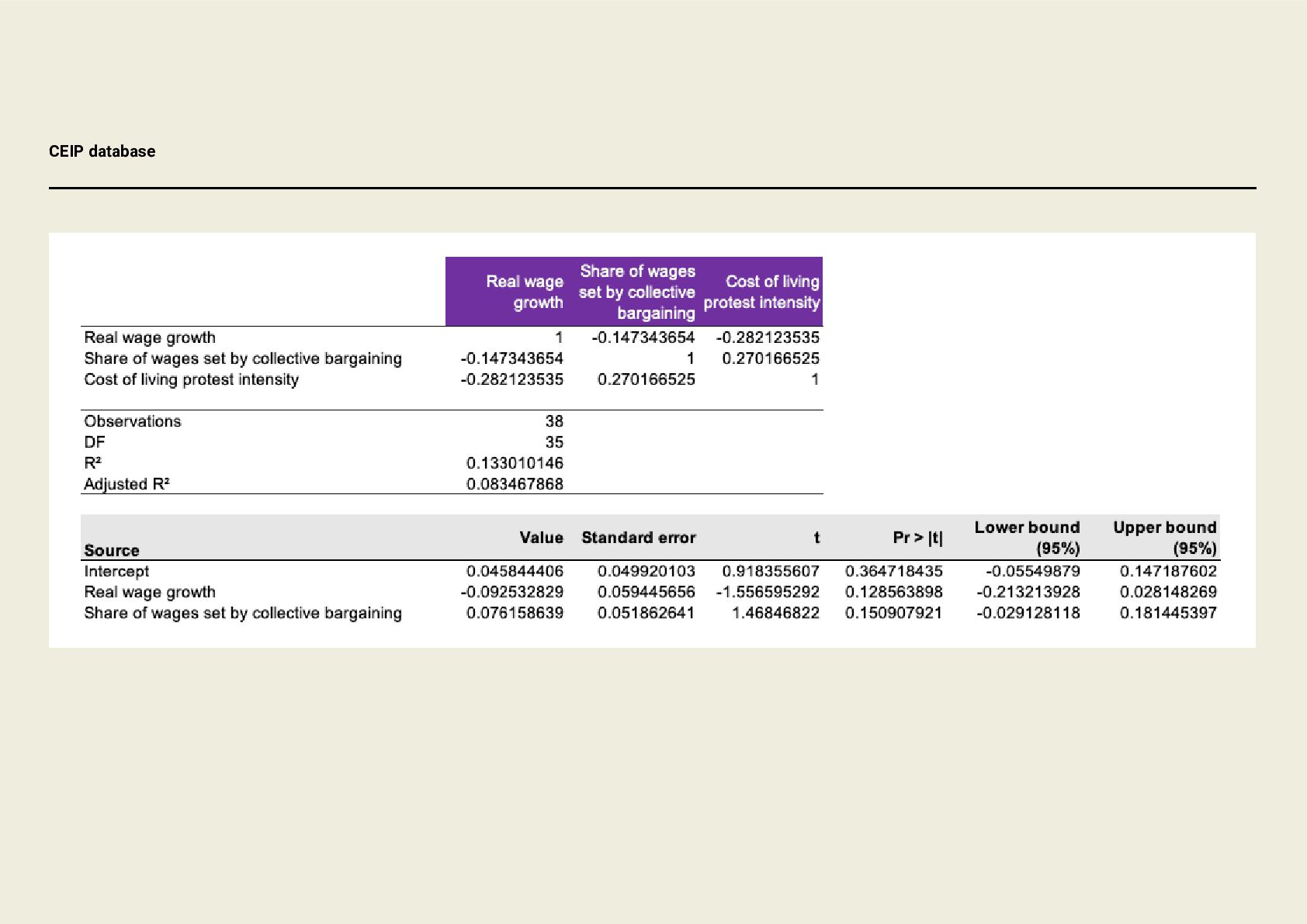
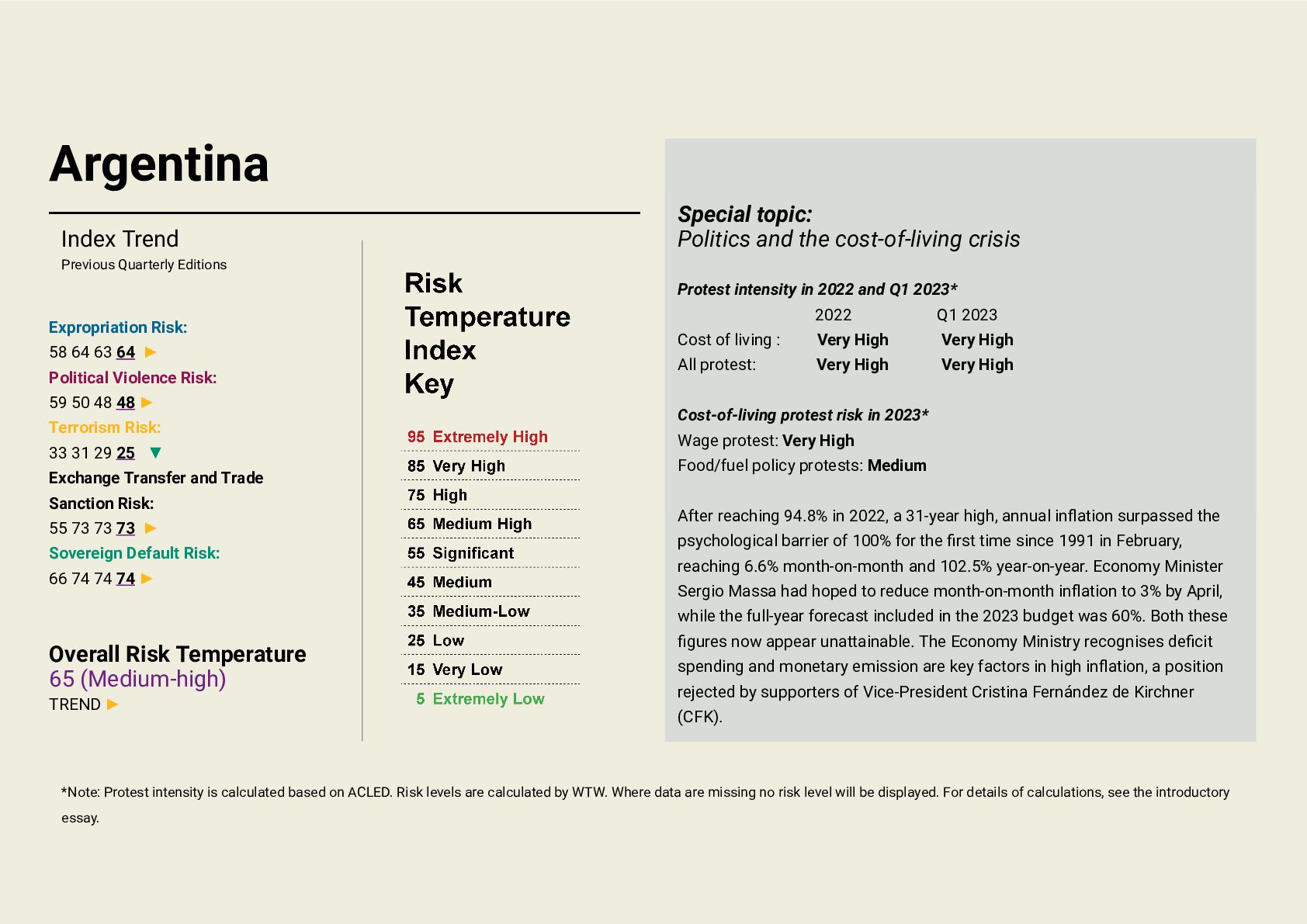
2. **Wage Protests (Scenario 2):** Dominating advanced economies (such as Western Europe), workers whose pay is determined by **collective bargaining** experienced sluggish real wage adjustments amid surging inflation, prompting widespread strikes and demonstrations.
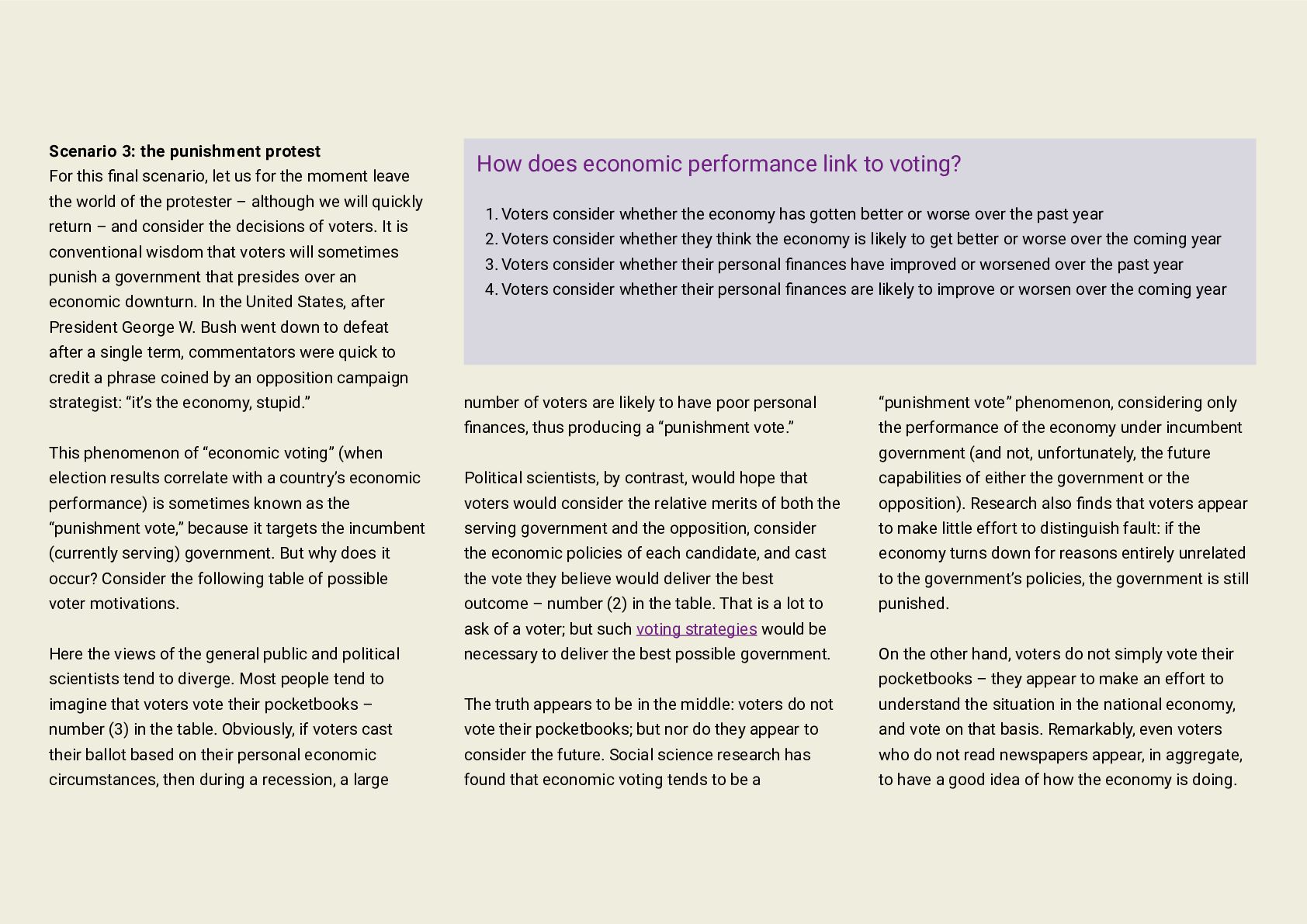
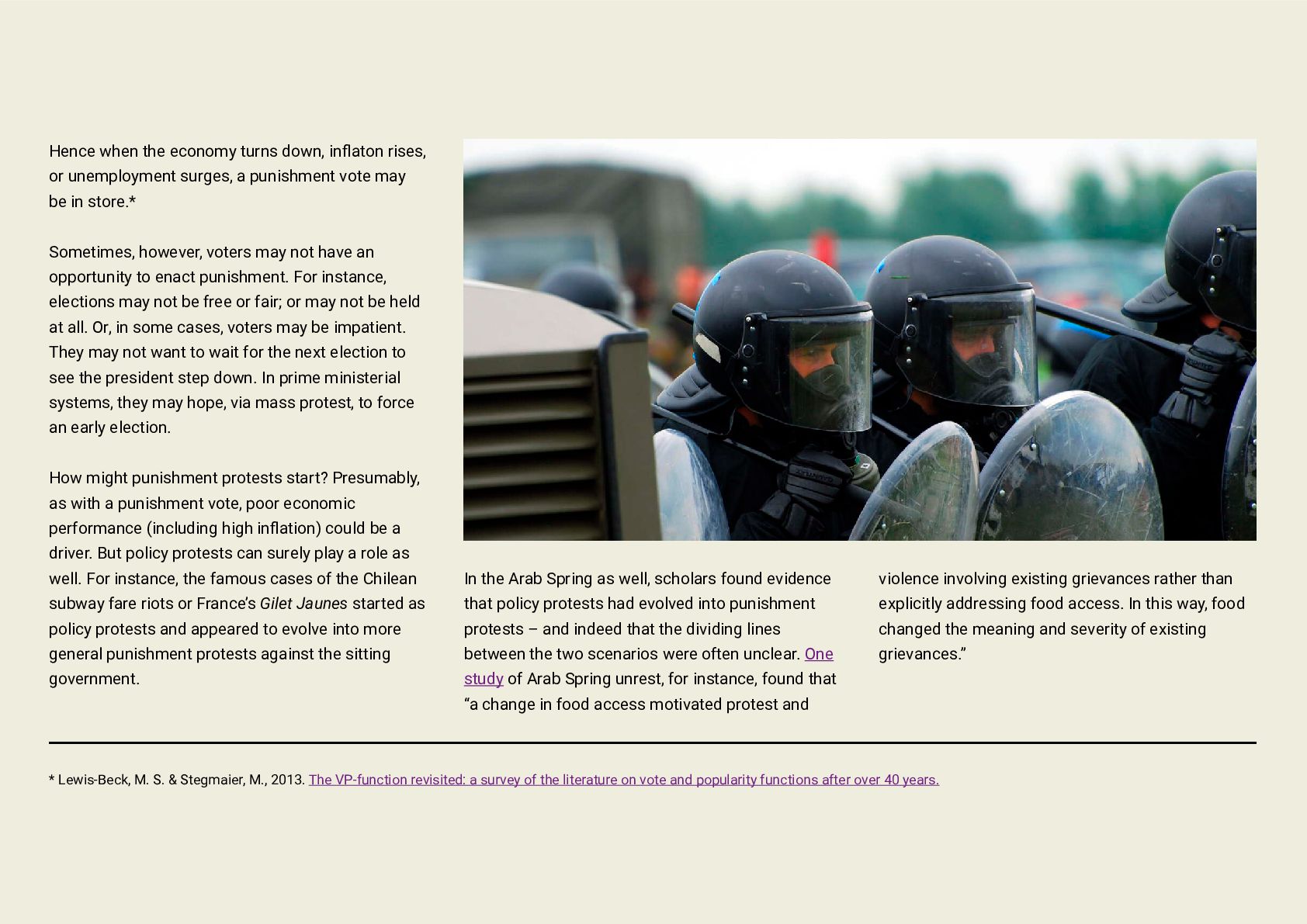
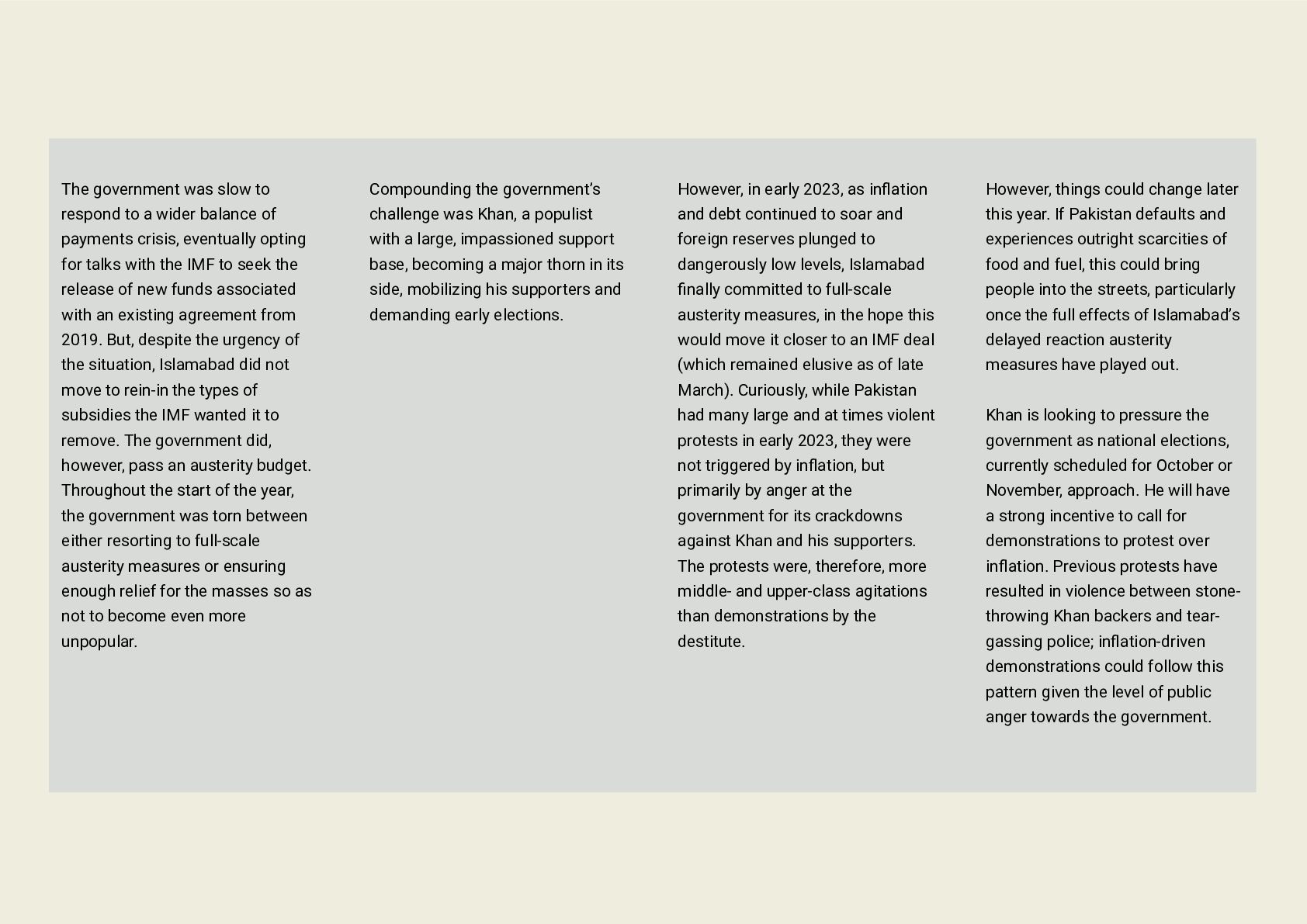
3. **Punishment Protests & Votes (Scenario 3):** Economic downturns and inflation frequently trigger "punishment votes" against incumbent administrations at the ballot box—or rapid, anti-government protests demanding early leadership changes.
---
### 3. Why Energy Trumps Food as a Protest Catalyst
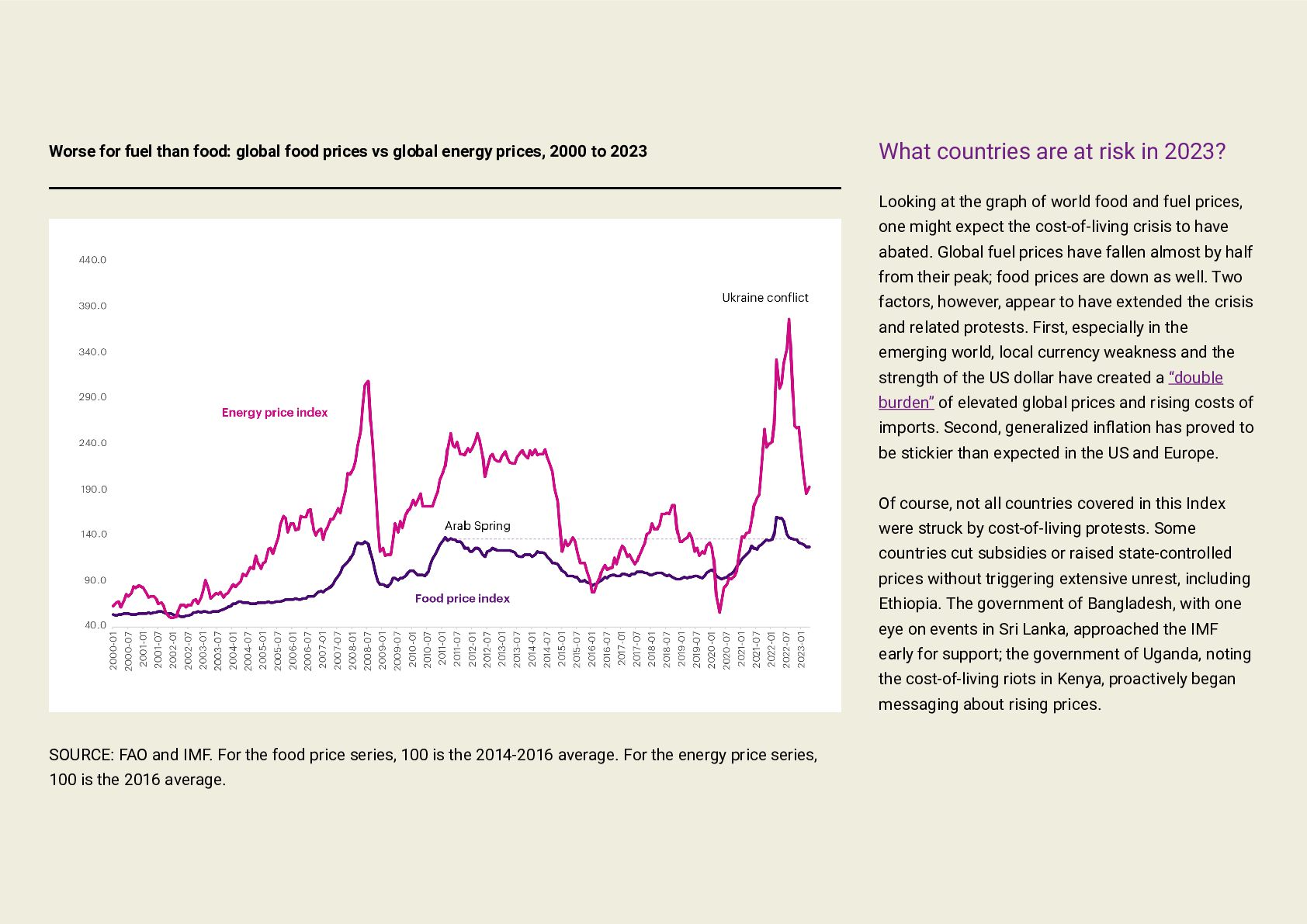
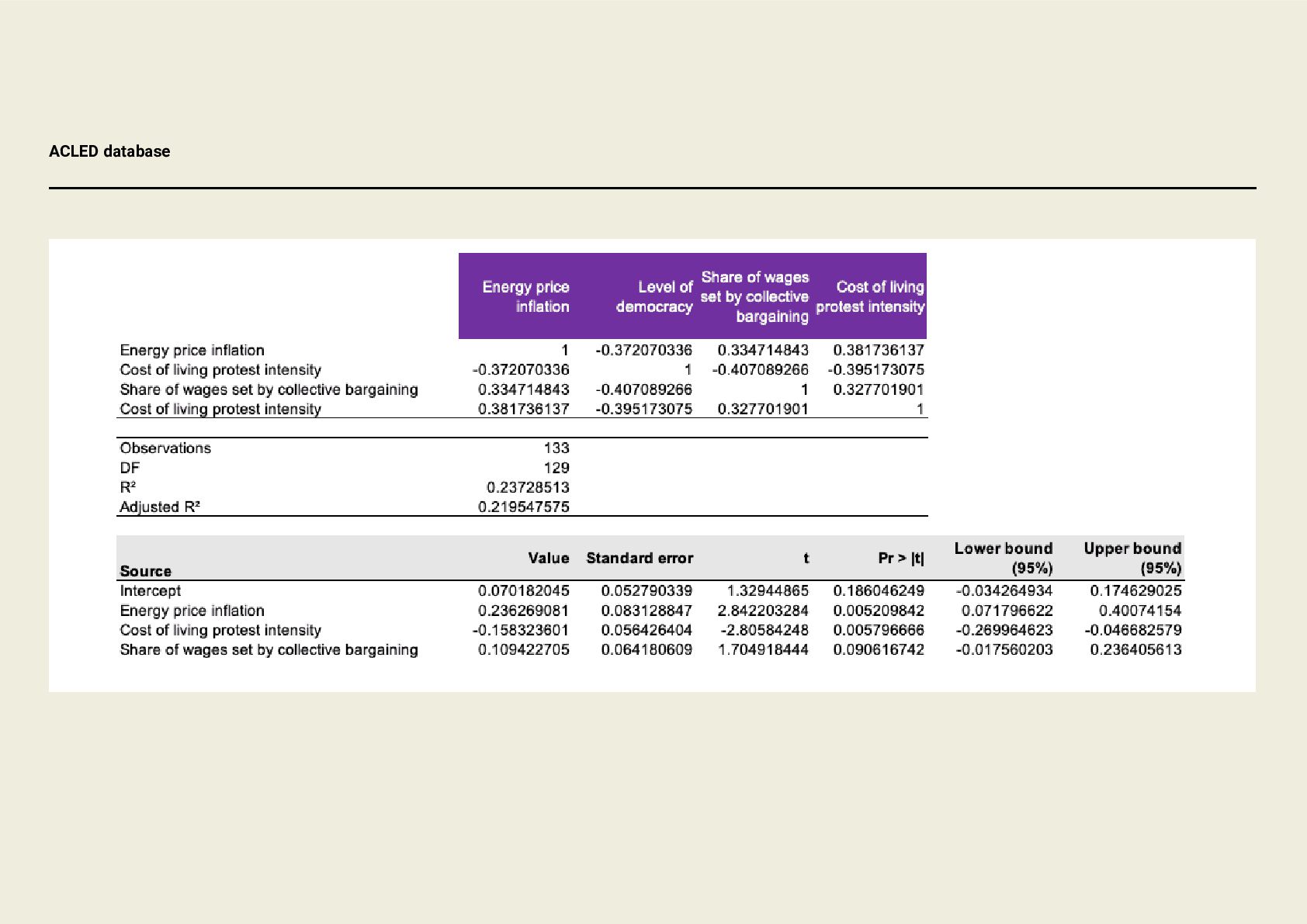
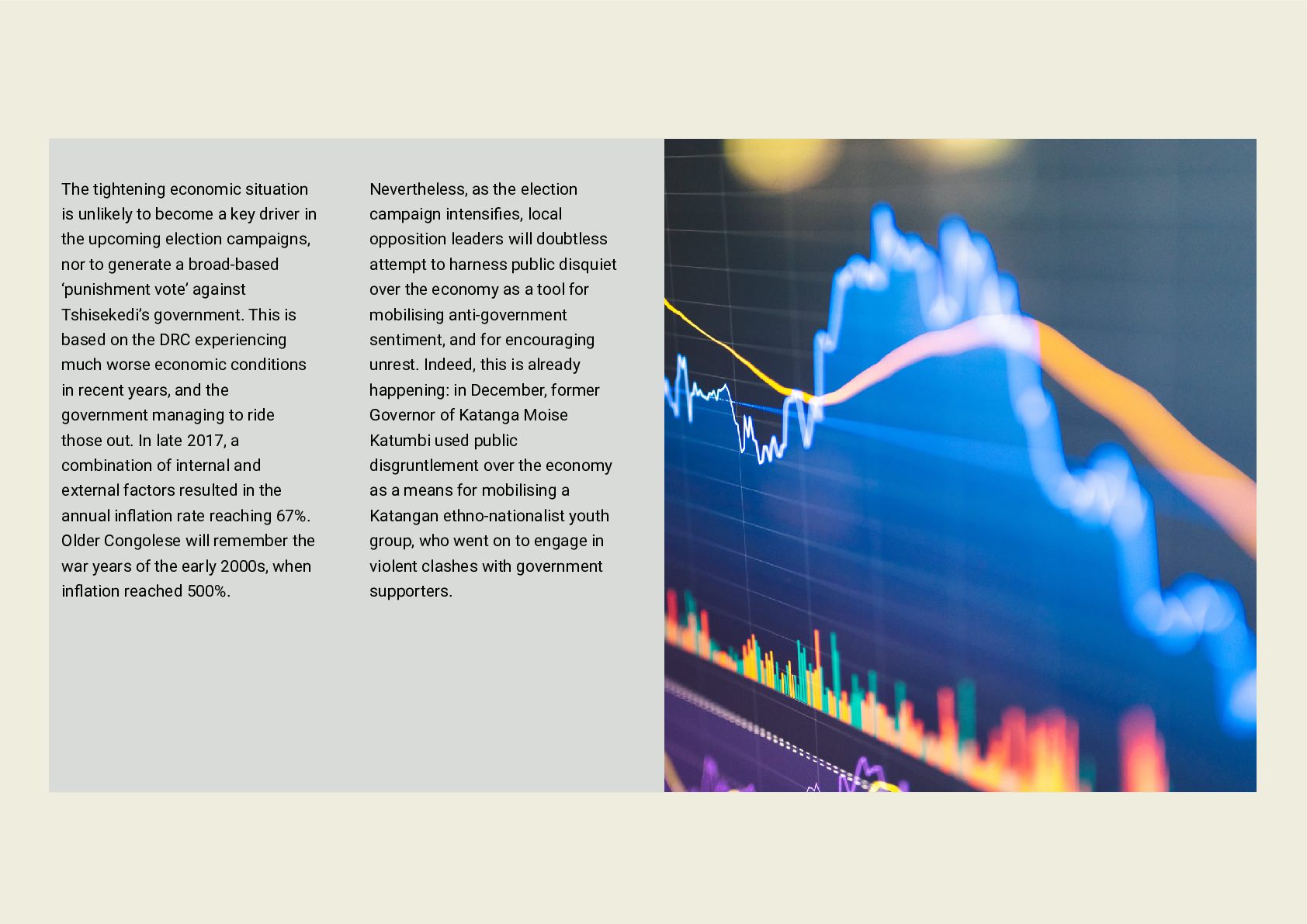
* Data indicates that **energy price inflation and energy import dependence** correlate strongly with protest intensity, whereas food metrics show weak correlation.
* **The Drivers:** Energy prices exhibited extreme volatility compared to historical norms, and fuel costs directly impact better-off social groups (such as vehicle owners) who possess greater organizational power and resources to protest.
---
### 4. 2023 Risk Indices & Strategic Business Impact
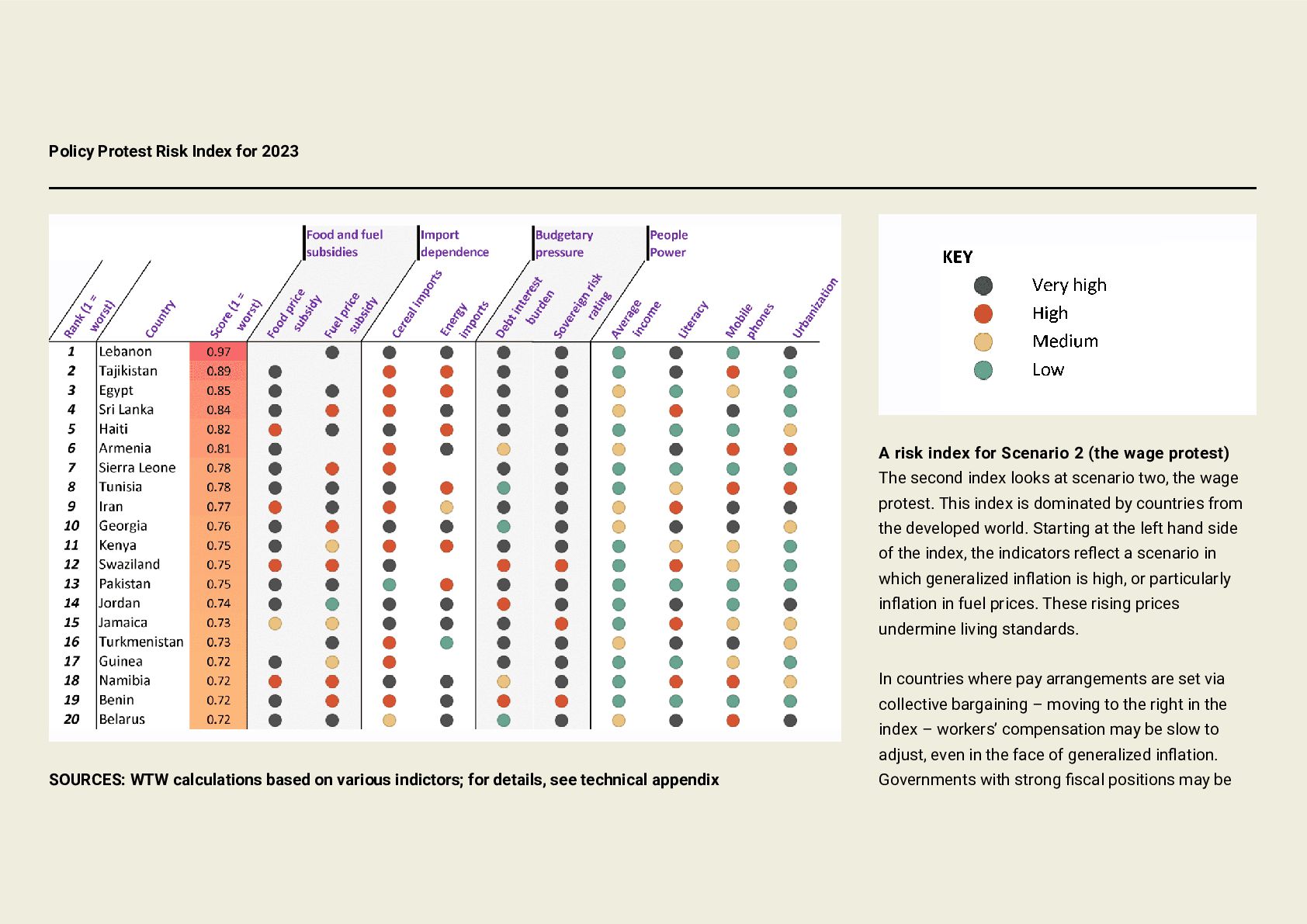
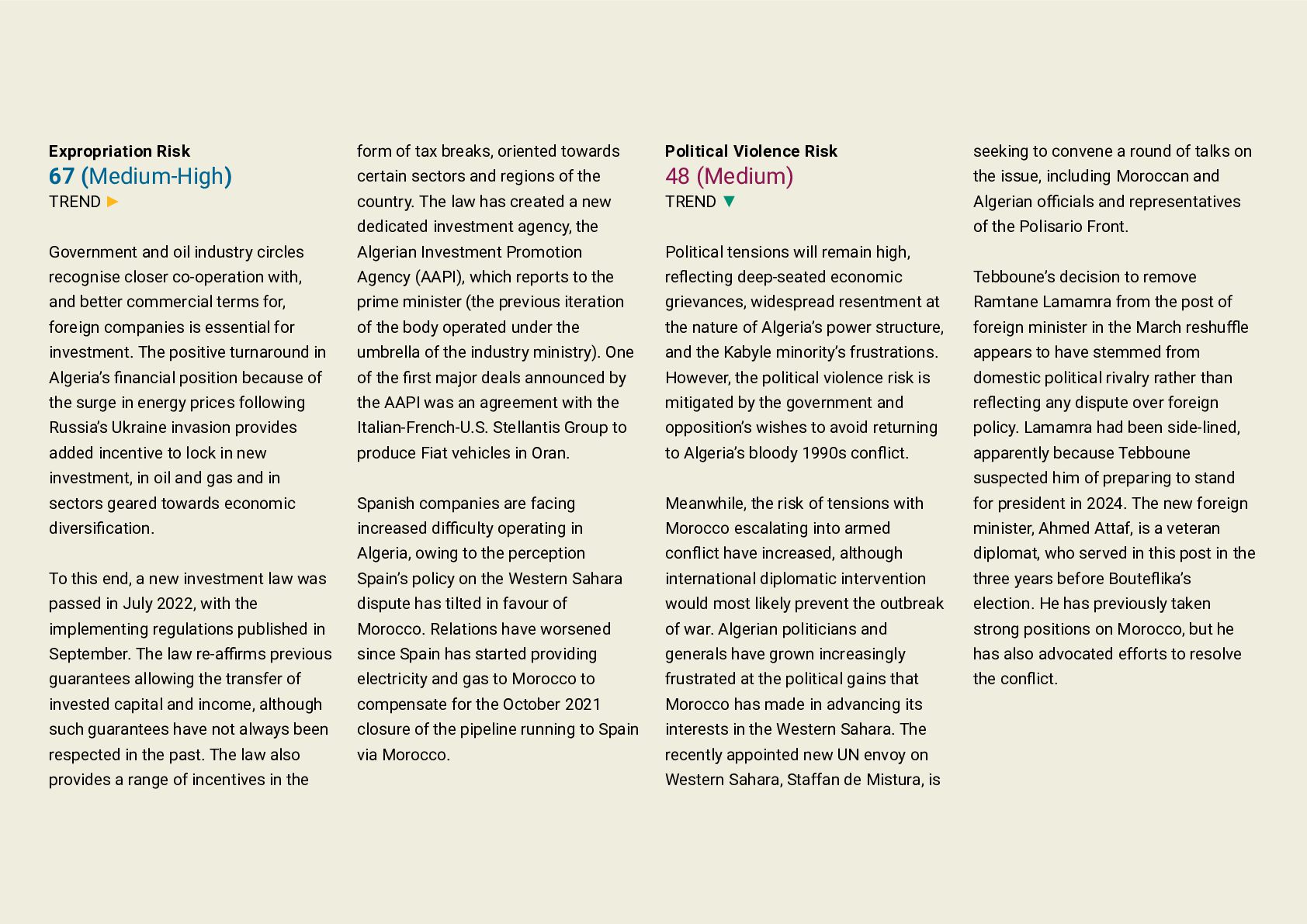
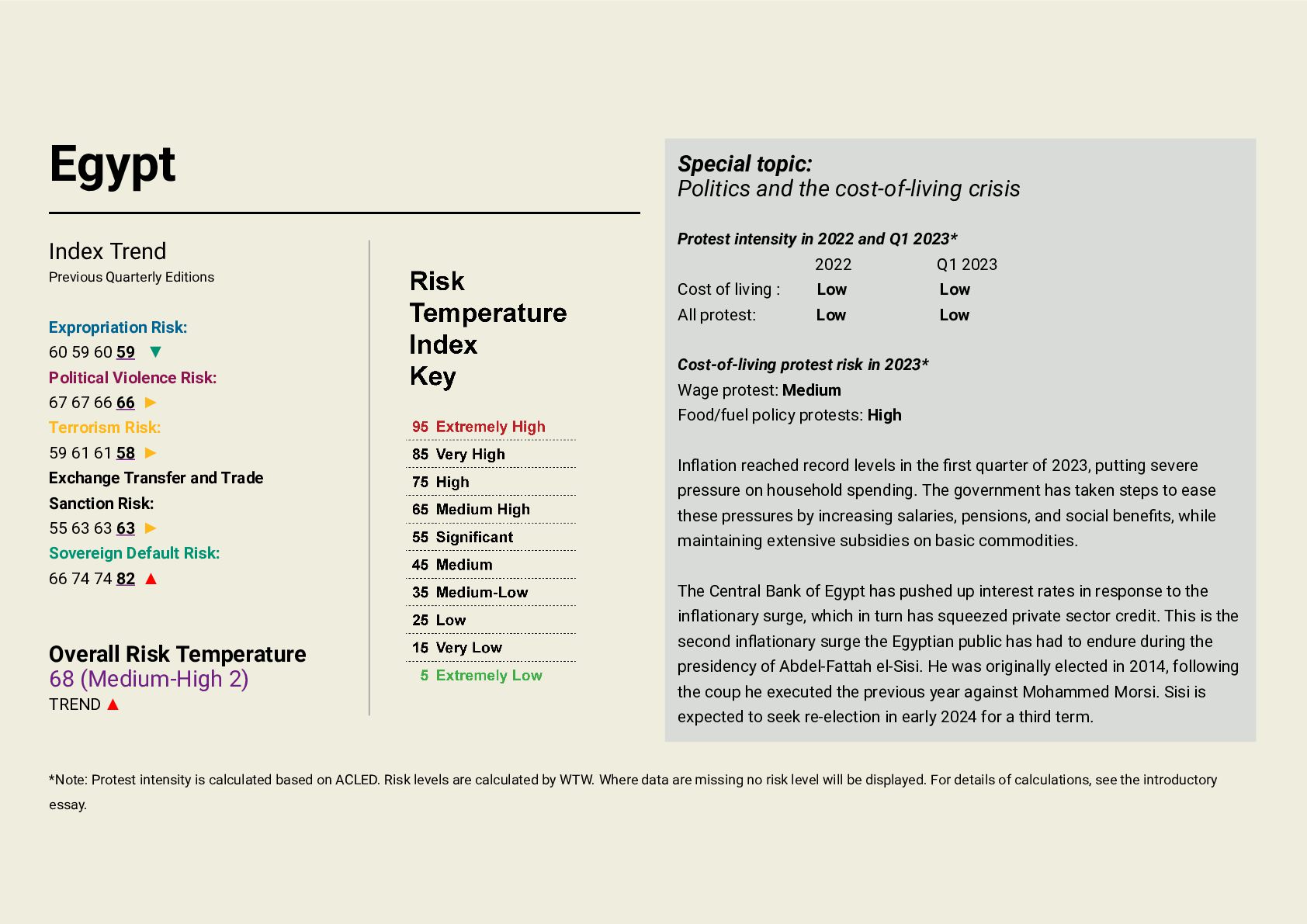
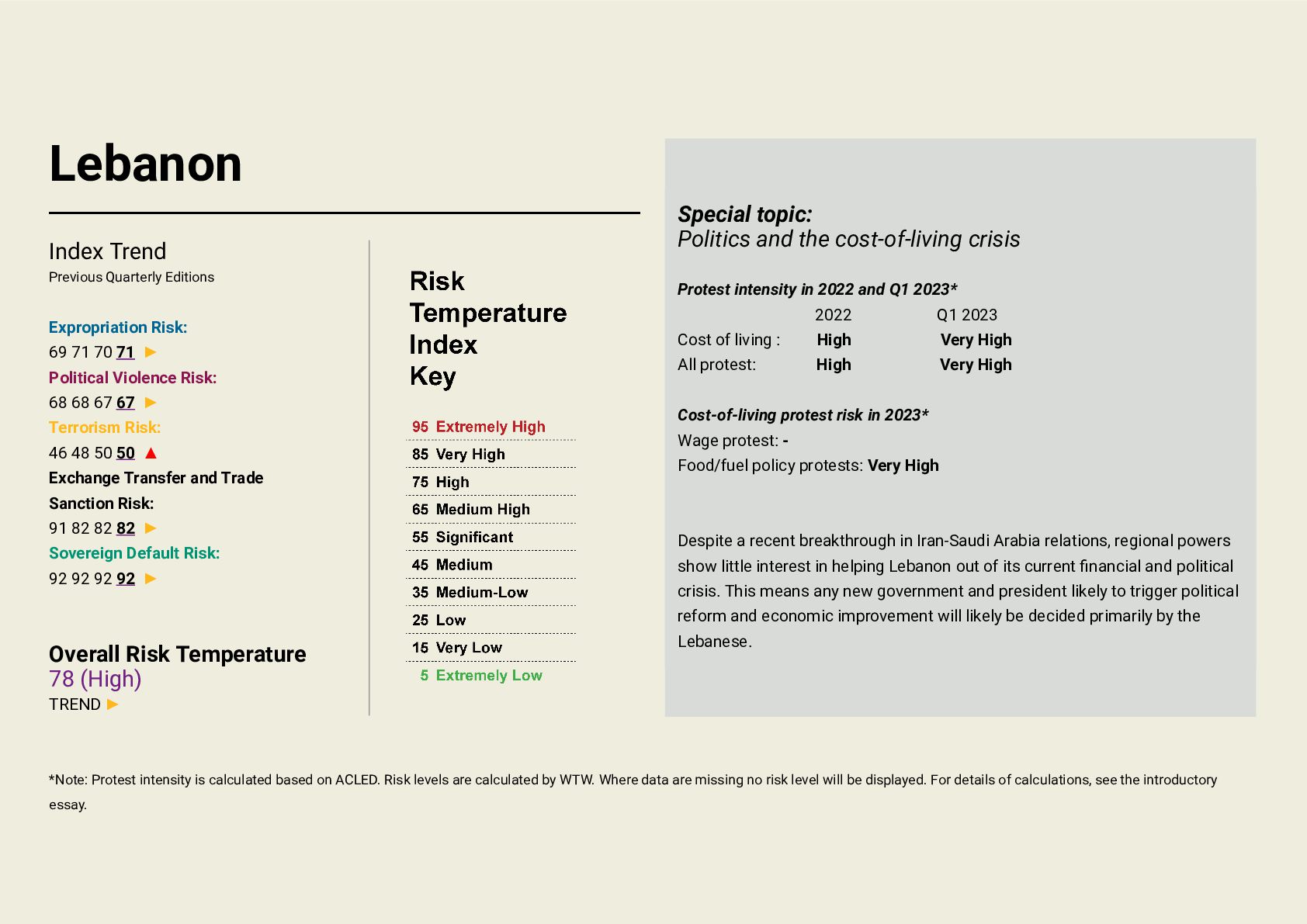
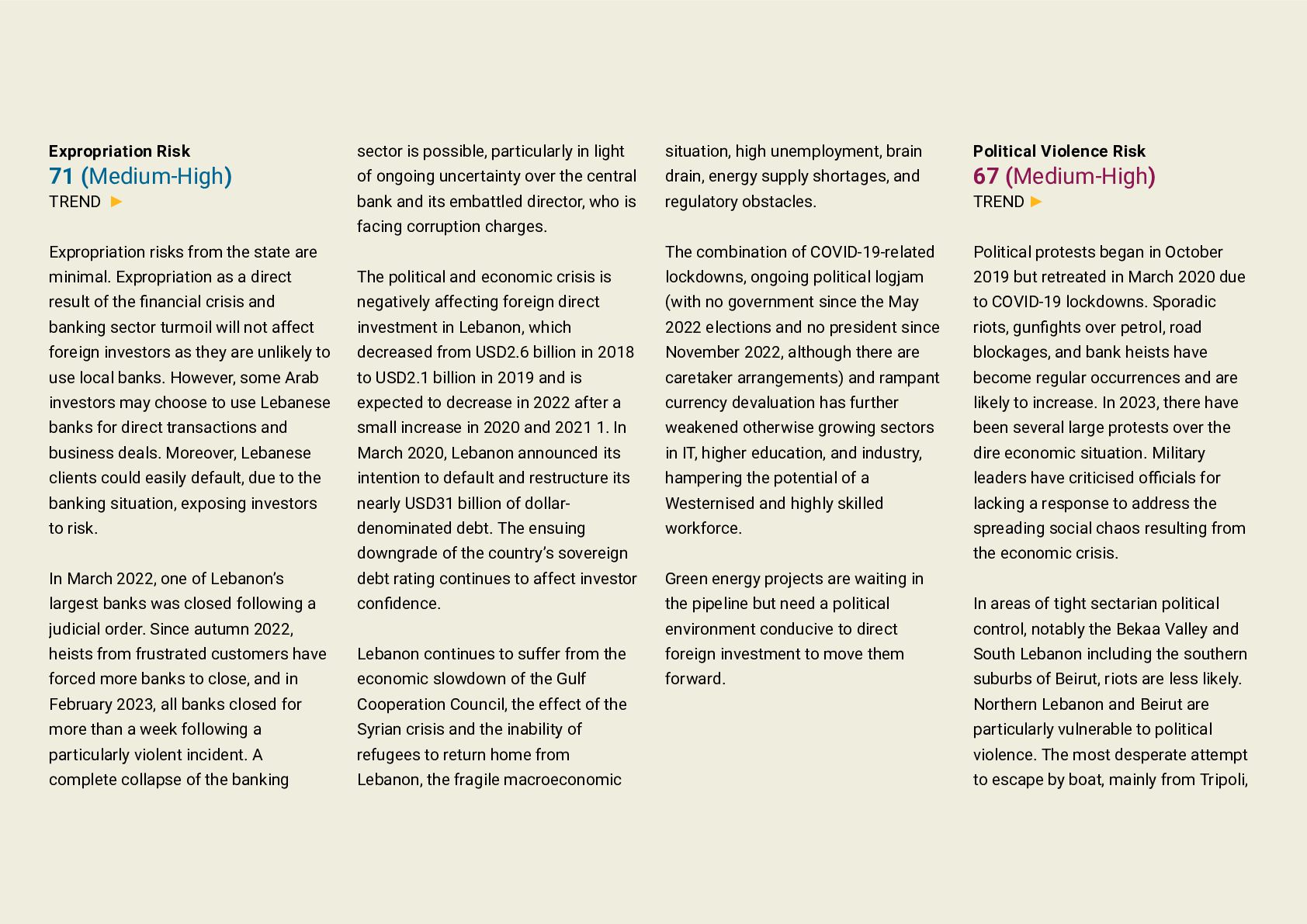
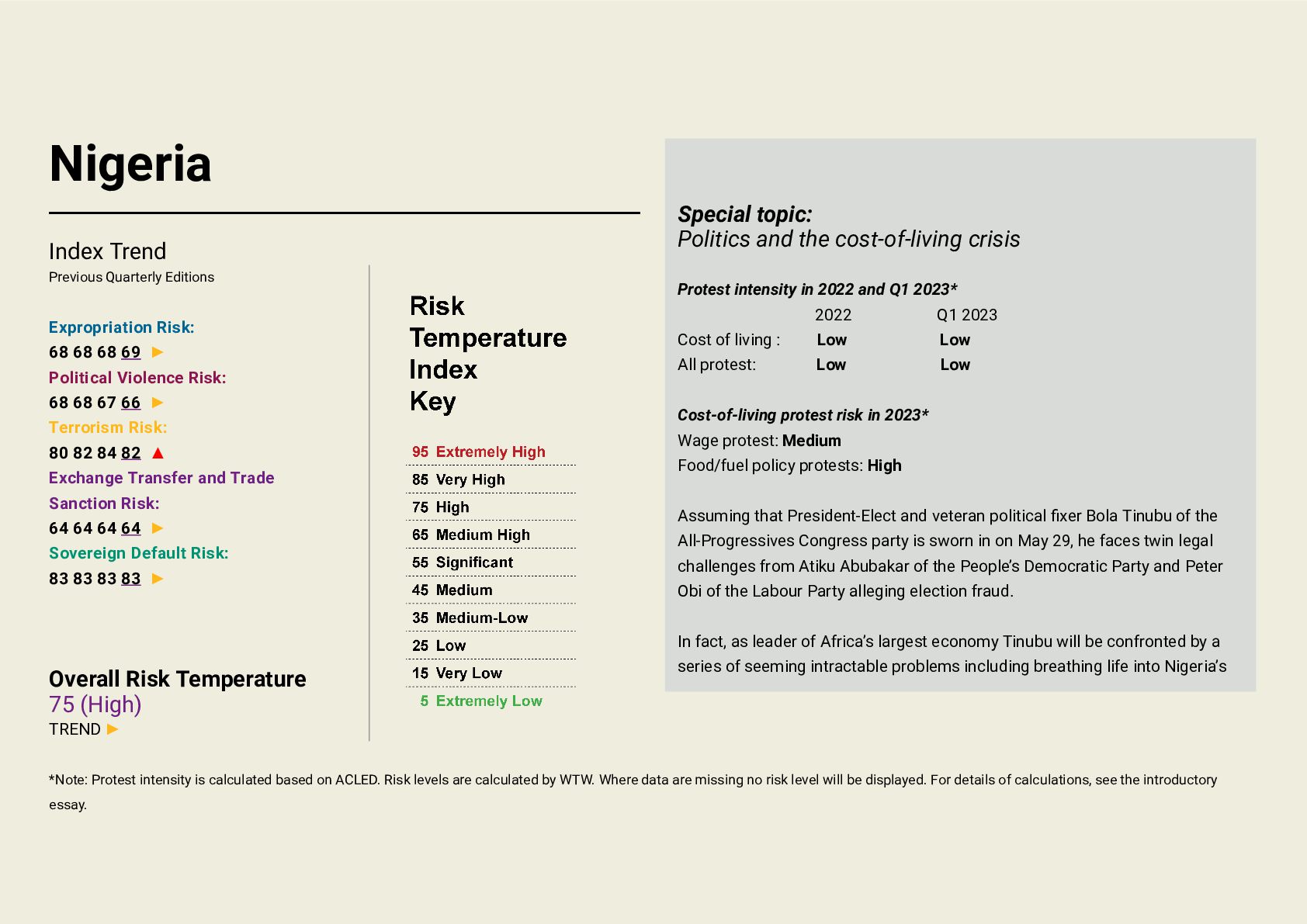
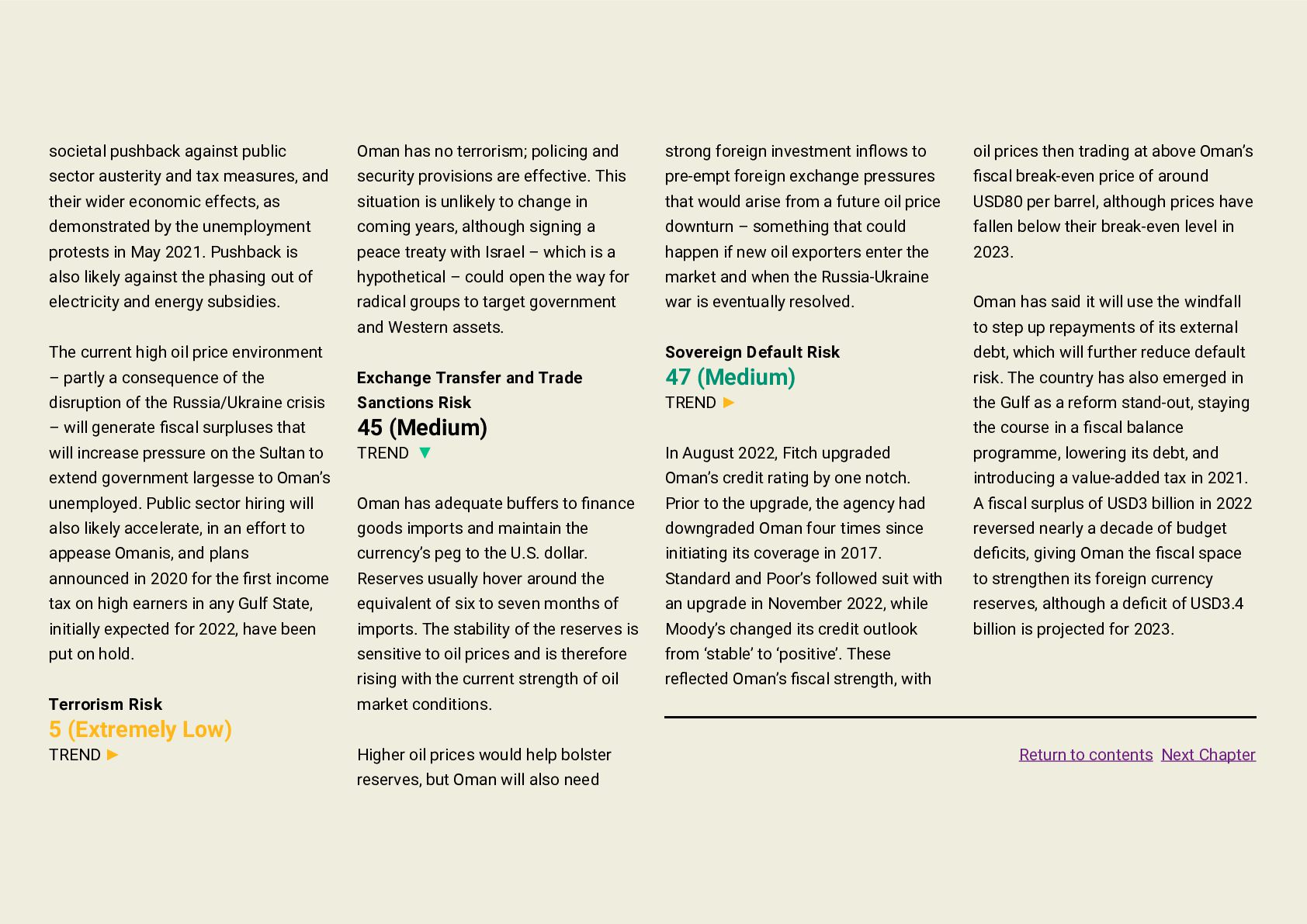
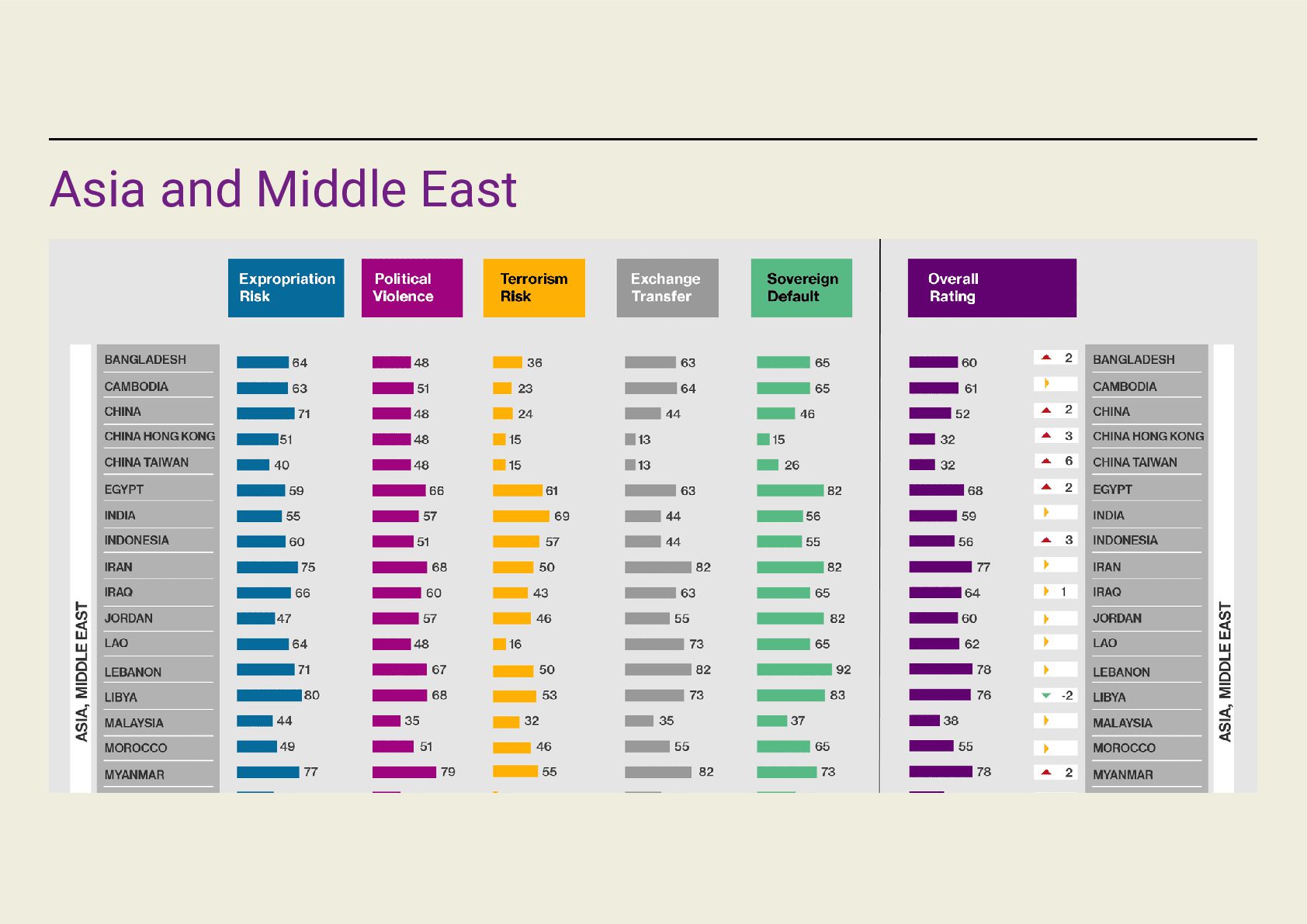
* **Policy Protest Vulnerabilities:** Nations heavily reliant on imports with weak fiscal buffers and high subsidy burdens—such as **Lebanon, Tajikistan, Egypt, Sri Lanka, and Haiti**—top the policy protest risk index.
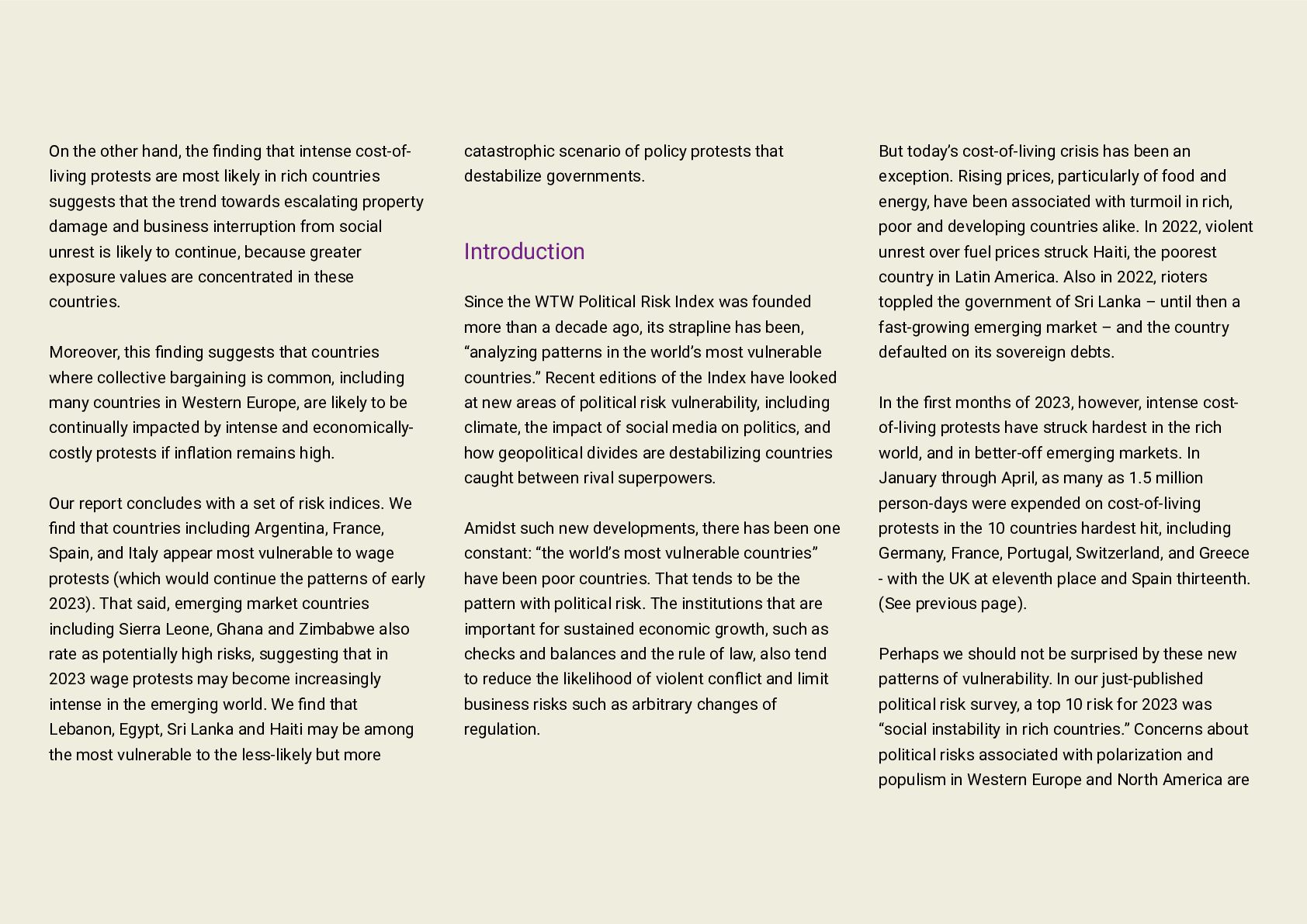
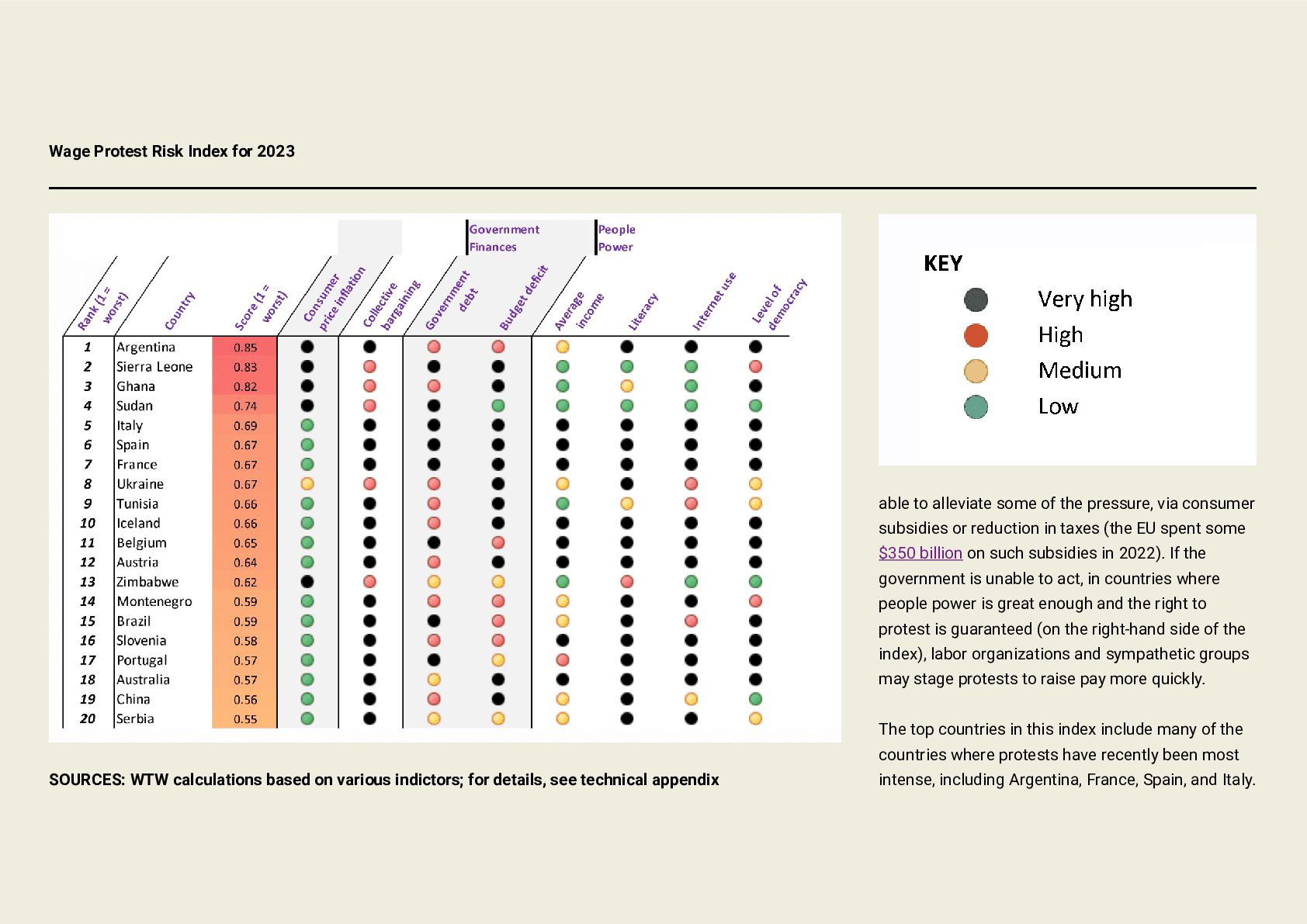
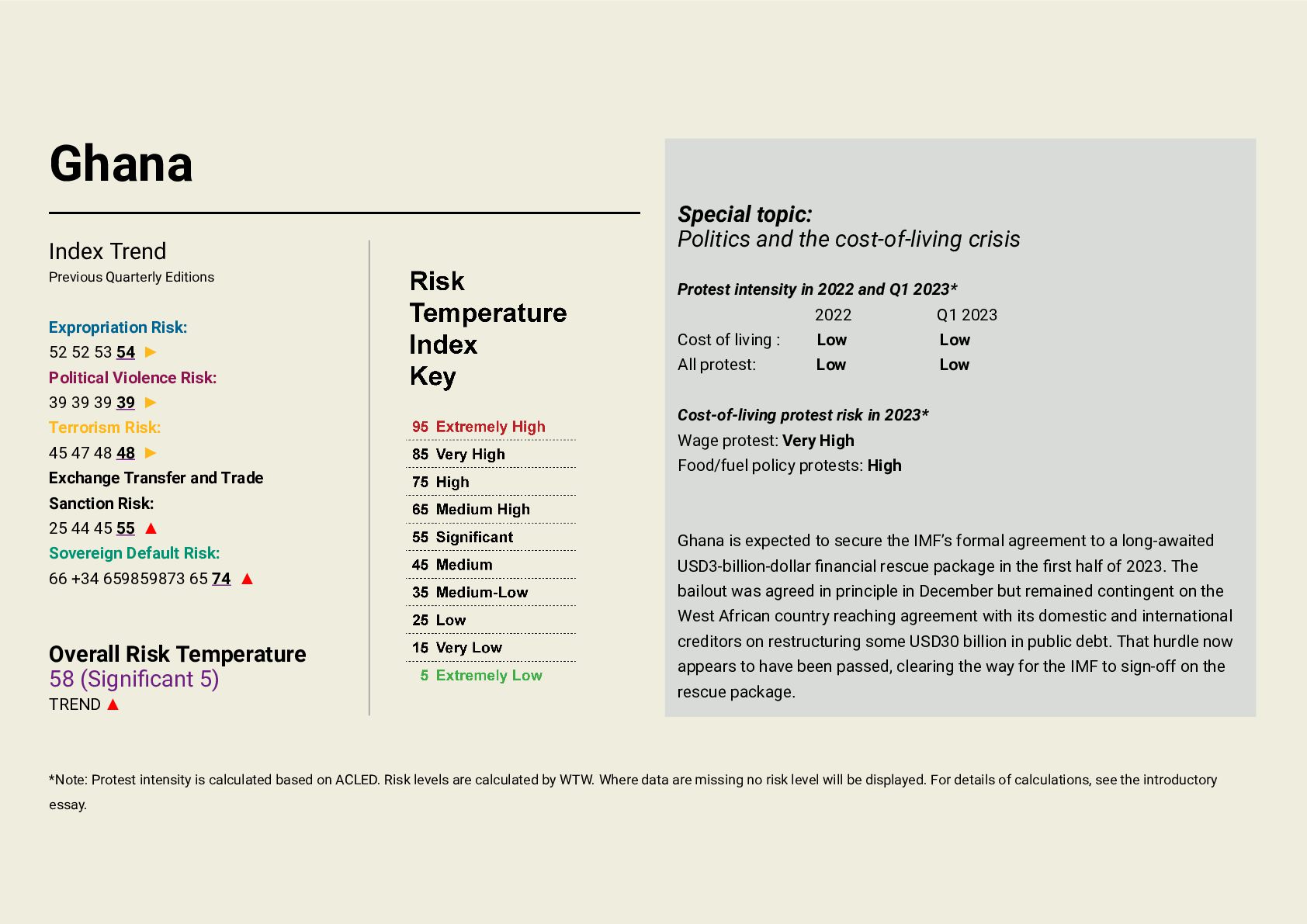
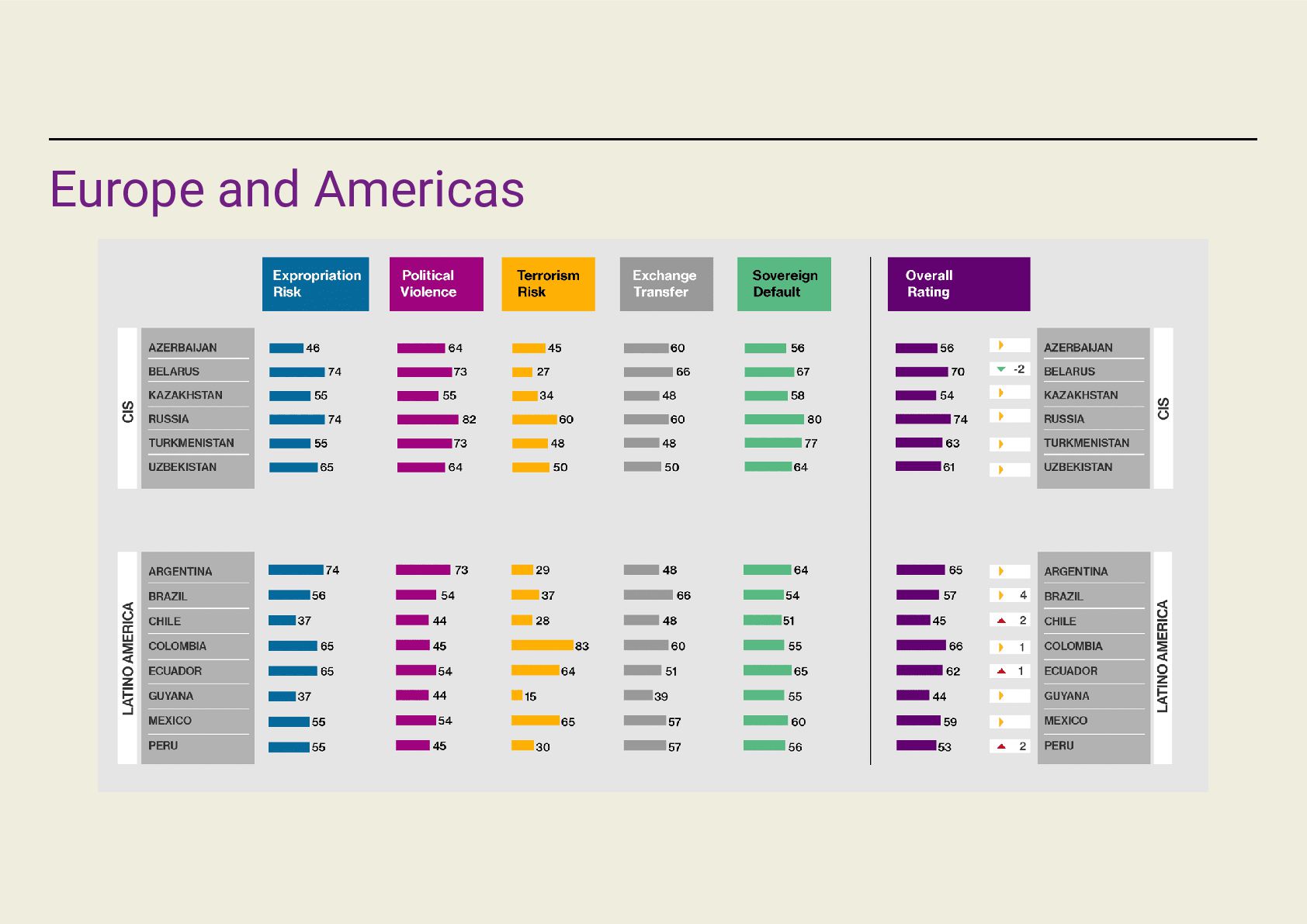
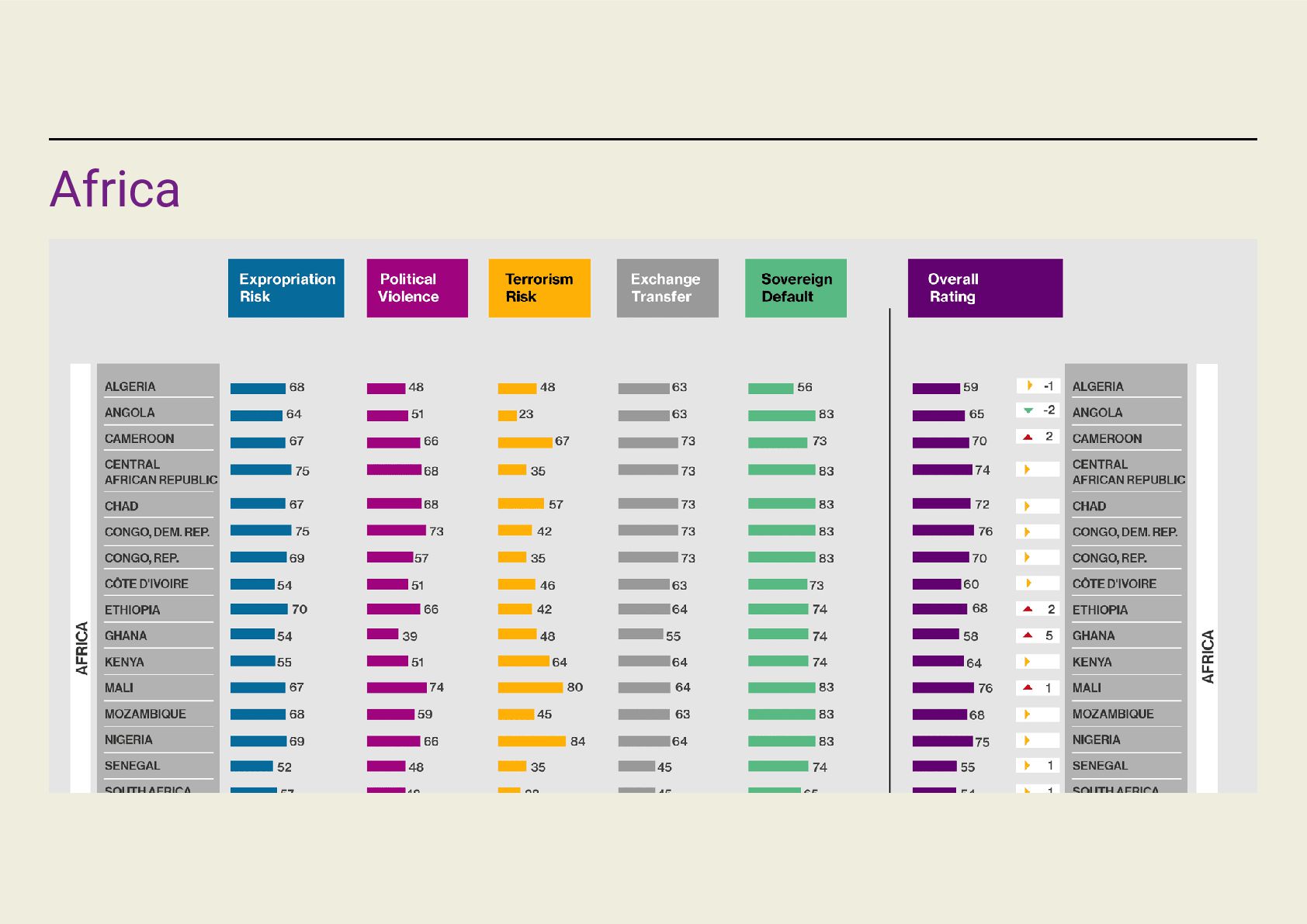
* **Wage Protest Vulnerabilities:** Advanced and upper-middle economies with high collective bargaining coverage—led by **Argentina, Sierra Leone, Ghana, Italy, Spain, and France**—face elevated risks of wage-driven disruptions.
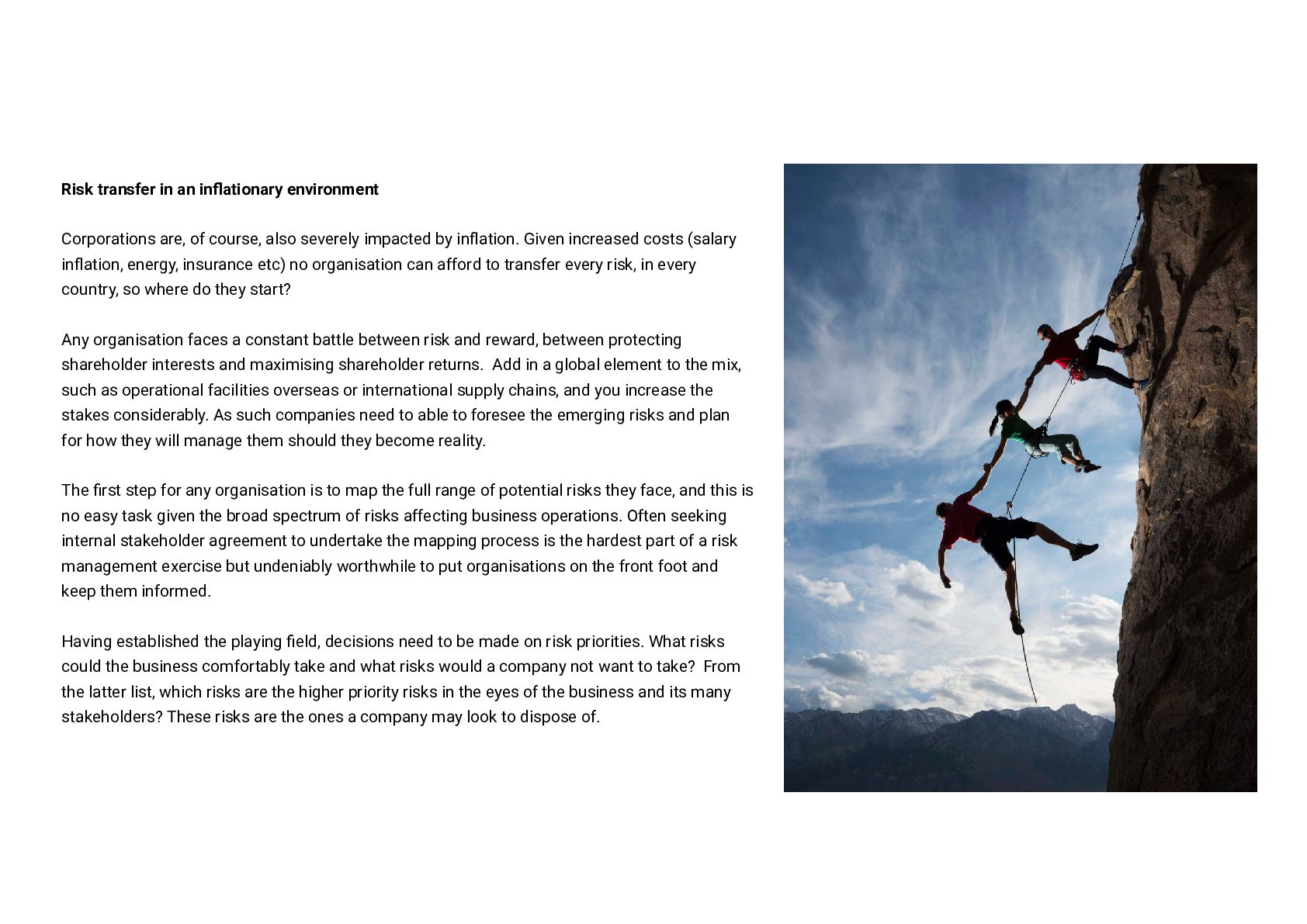
* **Insurance & Risk Transfer:** With social unrest increasingly concentrated in wealthy countries hosting massive insured asset concentrations, business interruption and property damage risks are soaring. Because Political Risk Insurance is discretionary, organizations must map exposures proactively before markets harden or capacity dries up.
---
#RiskManagement #Geopolitics #Inflation #GlobalEconomy #Insurance #SupplyChain #Leadership


 tanujp
 benedictsteele
 tamagakiyuya
 takumi4327
 mobilitytechnologies
 e5ua
 sixtypercent
 smartgate
 kazumakitao
 doiko123
 uemura2024
 kuraryu0128
 kaonavi
 marcoroth
 ivargrimstad
 marketingsoph
 sferik
 rasmusluckow
 skipperchong
 tammyeverts
 garrettdimon
 codingconduct
 soudai
 morganepeng
 davidcarrasco