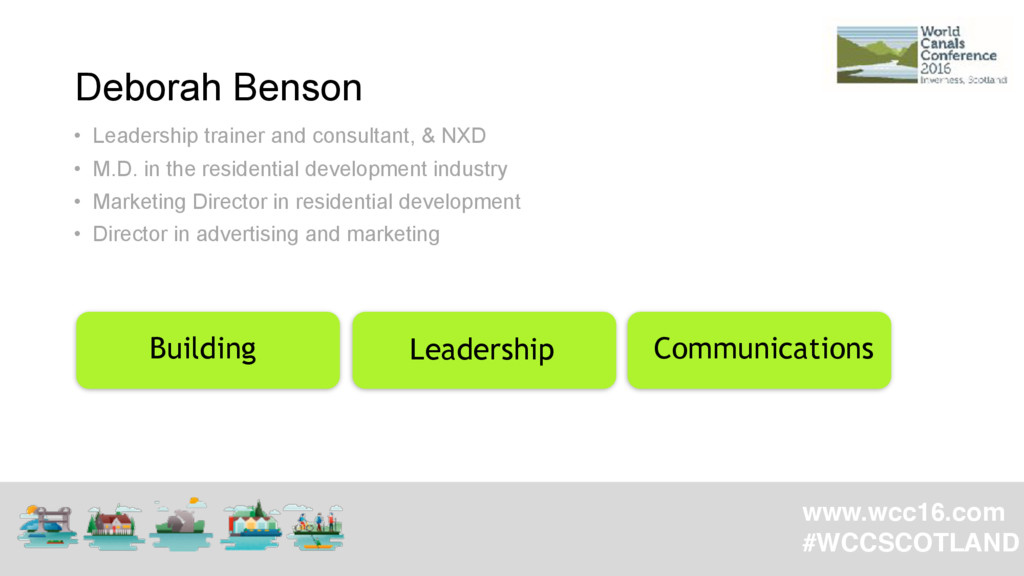
NXD • M.D. in the residential development industry • Marketing Director in residential development • Director in advertising and marketing Leadership Communications Building
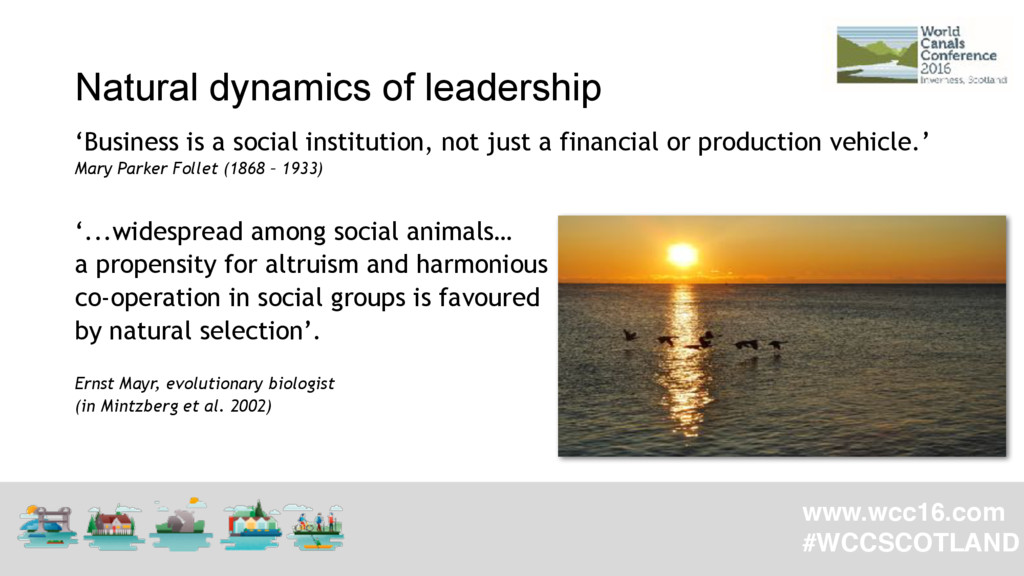
institution, not just a financial or production vehicle.’ Mary Parker Follet (1868 – 1933) ‘...widespread among social animals… a propensity for altruism and harmonious co-operation in social groups is favoured by natural selection’. Ernst Mayr, evolutionary biologist (in Mintzberg et al. 2002)
to engage people and groups outside one’s formal co and inspire them to work toward common goals, despite differences in convictions, cultural values and operating norms.’ Ibarra & Hansen (2013)
to engage people and groups outside one’s formal co and inspire them to work toward common goals, despite differences in convictions, cultural values and operating norms.’ Ibarra & Hansen (2013) Leading ‘Beyond Authority’
aid survival • Close and often long-term interaction Can deliver significant mutual benefits and create whole new outcomes, new partnerships, even new entities. Vital when: Budgets are reducing Resources are limited Demands are increasing
• Do the people in your team collaborate internally? • Do they have joint responsibilities - can they share decision making? • Are there clearly defined collective goals? • How do you deal with power/dominance issues - can you work without falling back on hierarchy? • Is conflict seen as a positive energy to be embraced and resolved as a route to better outcomes? • Do you departments interact in an open, productive manner?
explicit & implicit contractual relationships • Effort is exchanged for rewards, contingent on performance • Commitments are short term, individual group’s interests dominate • Decisions made behind closed doors rather than open communication • Innovation & risk taking are typically discouraged • The wider community is solely a competitive marketplace • Co-operation depends on the potential to satisfy own group’s interests • Leaders are negotiators and resource allocators “Every man for himself” Adapted from Bass & Avolio (1990)
a sense of purpose and a feeling of ‘family’ • Commitments are long term & groups trust each other to do what is right • Mutuality of interest, sense of shared fates and interdependence • Leaders serve as mentors, role models, coaches • Individual initiative is encouraged • Individuals/organisations can still pursue their own goals and rewards … but through self-interest aligned with a central purpose An emphasis on community-centered purpose, vision and mission
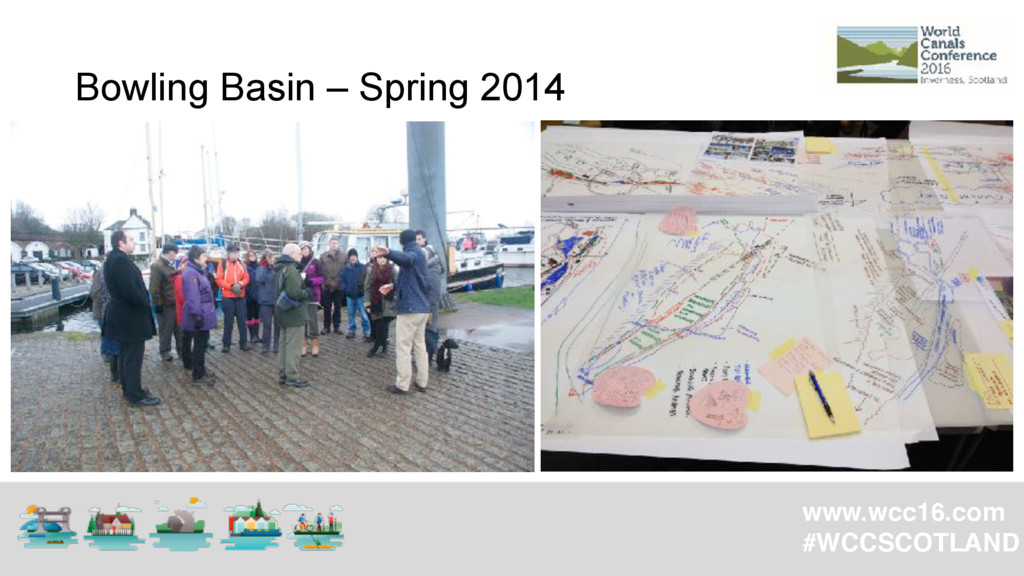
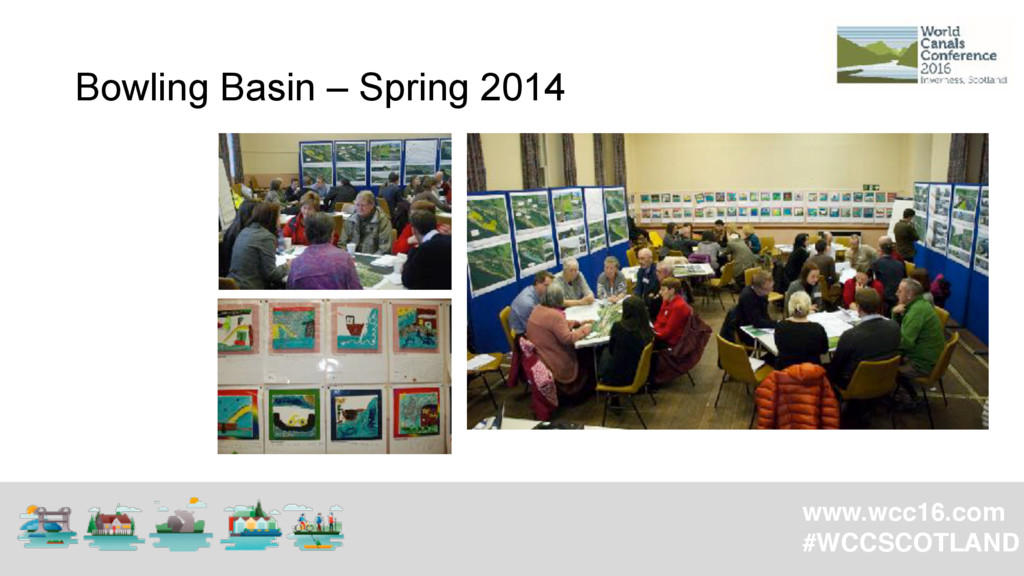
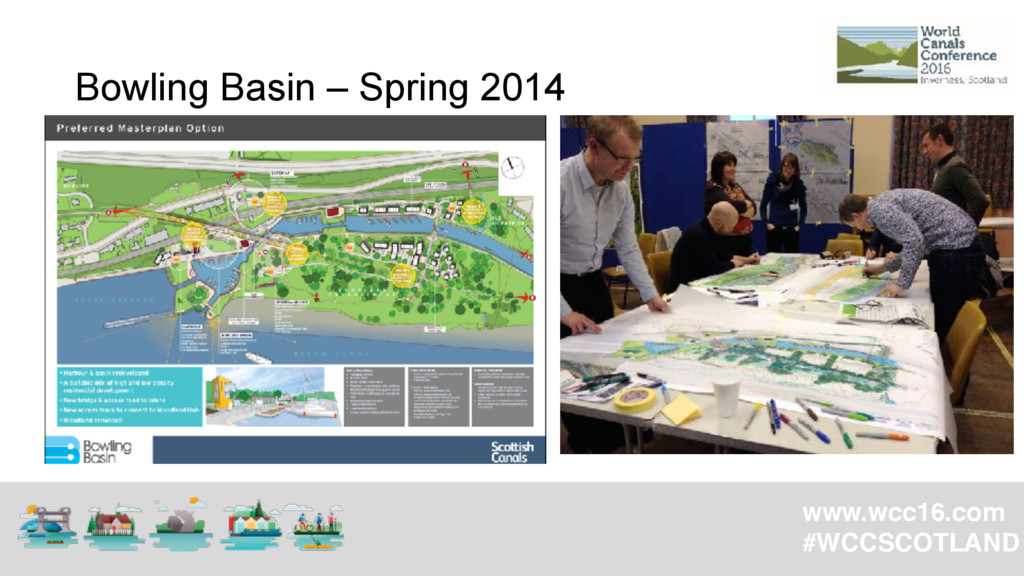
a way of working that brings people together to discuss a place, consider how it could work and to design what it could look like. • Charrettes are an intensive way of working, usually taking place over several days. • During this time, a design studio is set up on site and everyone with an interest in that place (members of the public, local authority officers, agencies, business owners etc) come together to develop their ideas.
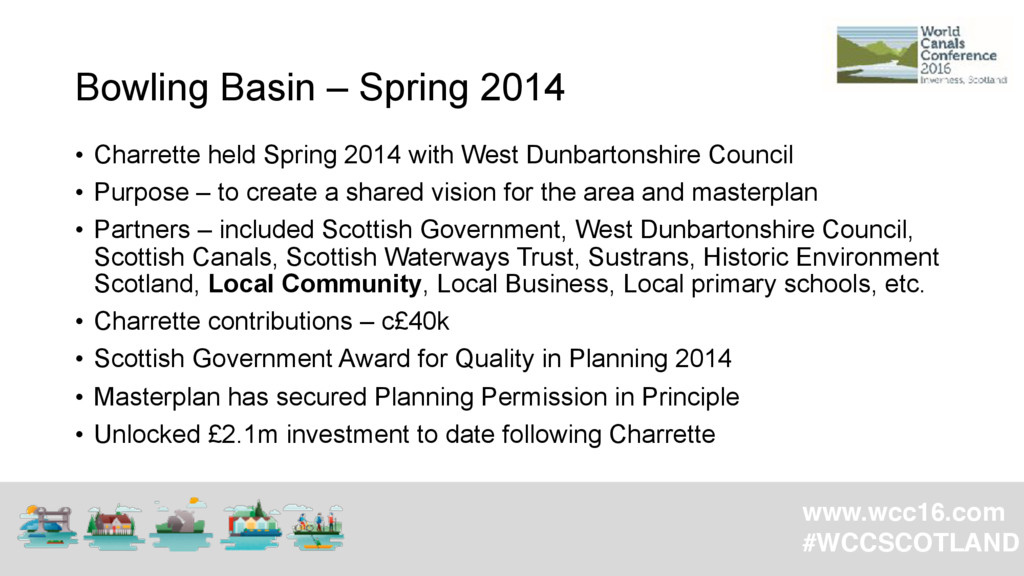
Spring 2014 with West Dunbartonshire Council • Purpose – to create a shared vision for the area and masterplan • Partners – included Scottish Government, West Dunbartonshire Council, Scottish Canals, Scottish Waterways Trust, Sustrans, Historic Environment Scotland, Local Community, Local Business, Local primary schools, etc. • Charrette contributions – c£40k • Scottish Government Award for Quality in Planning 2014 • Masterplan has secured Planning Permission in Principle • Unlocked £2.1m investment to date following Charrette
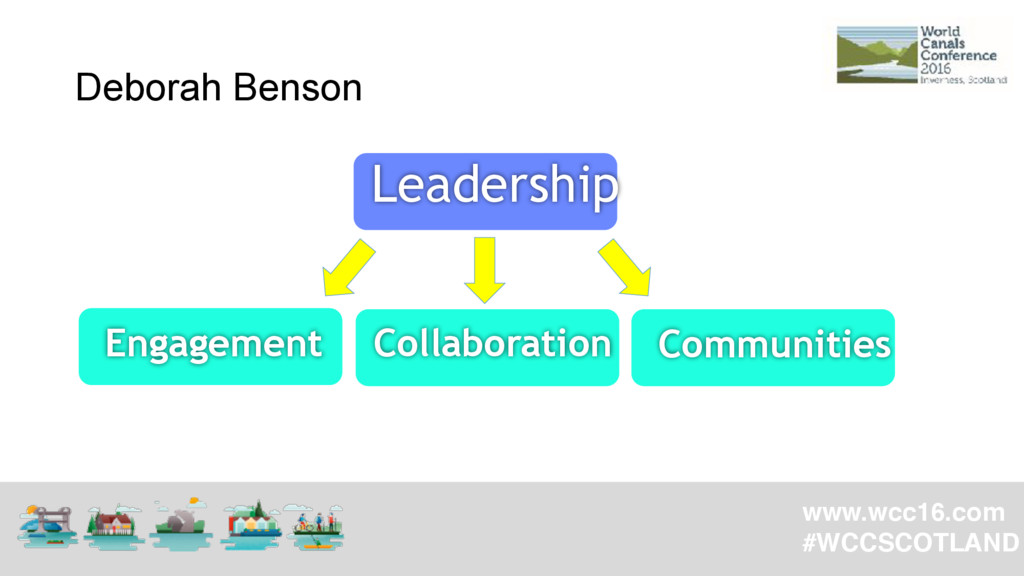
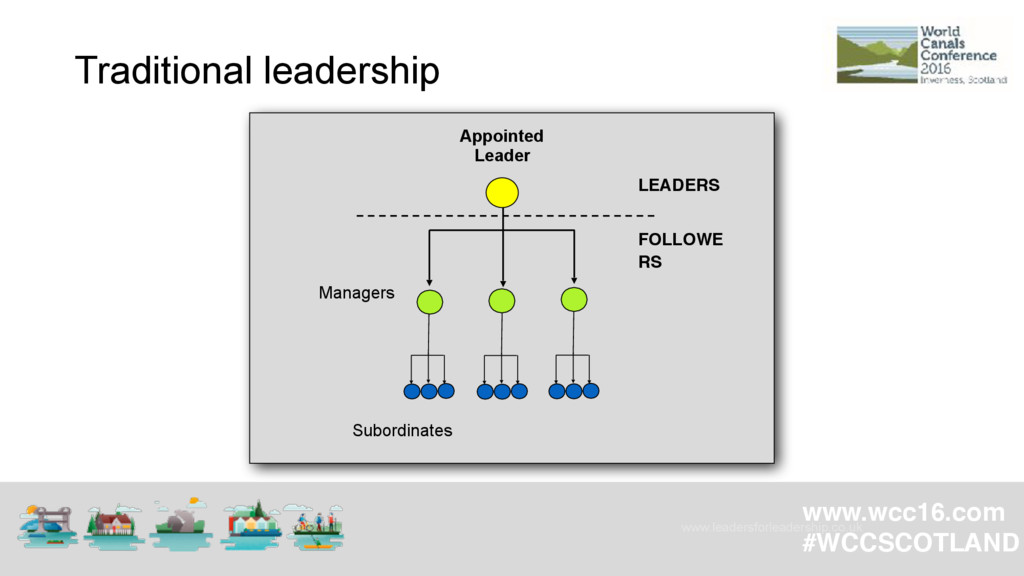
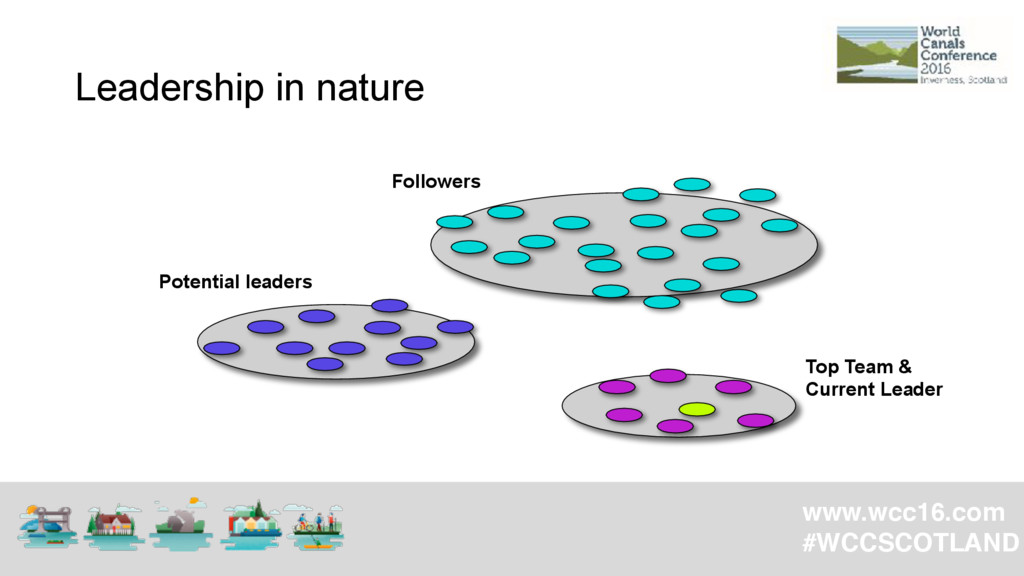
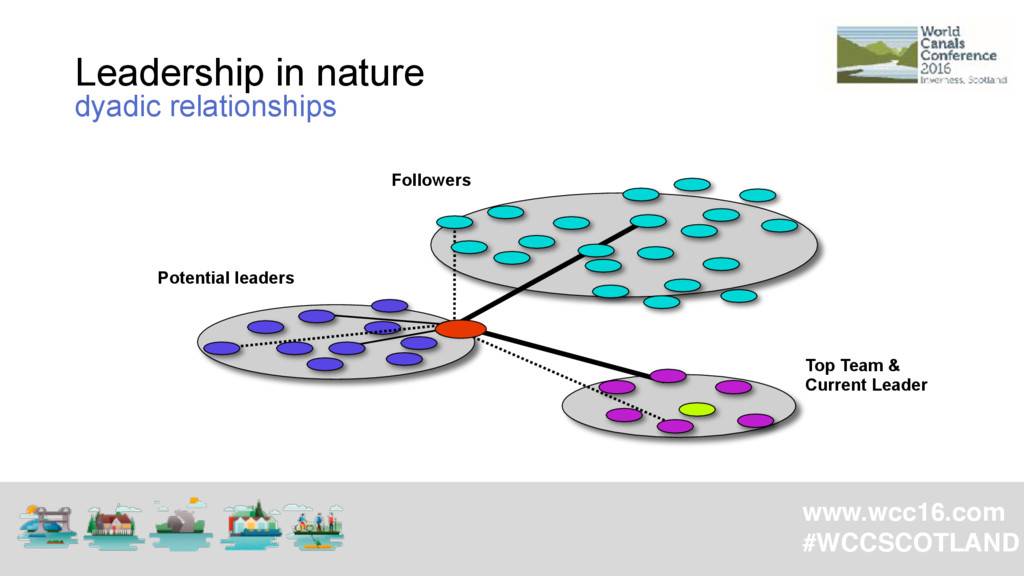
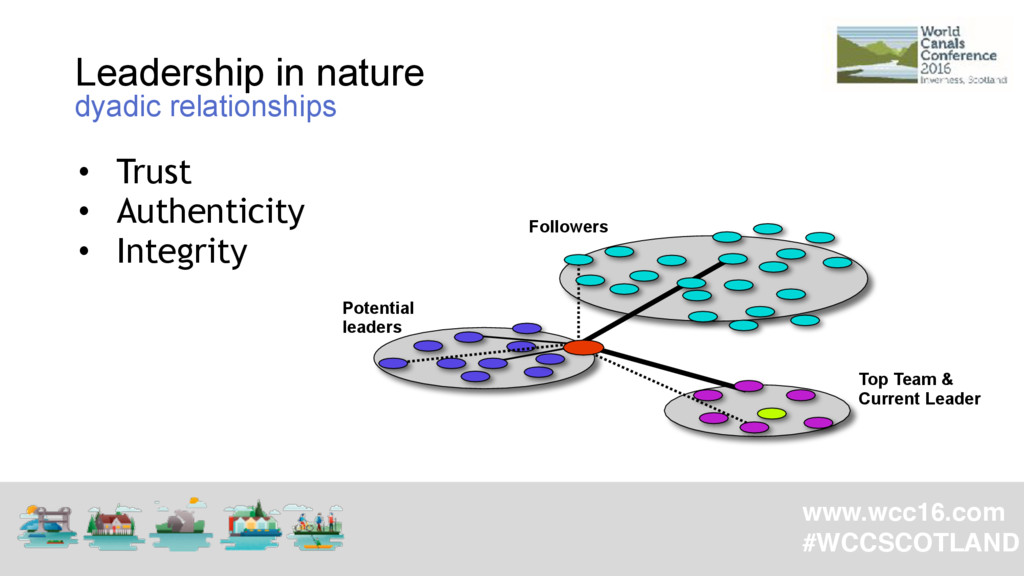
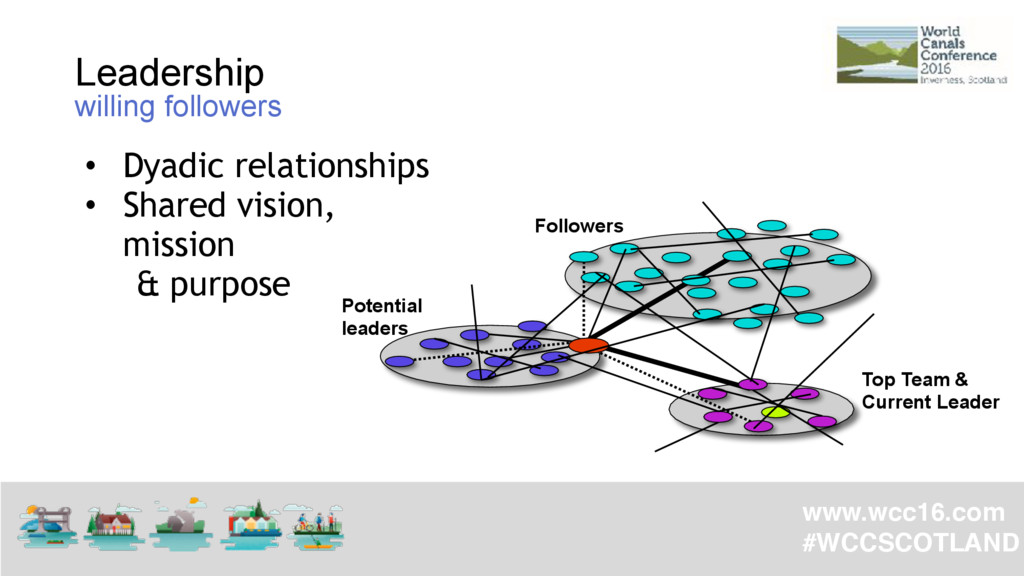
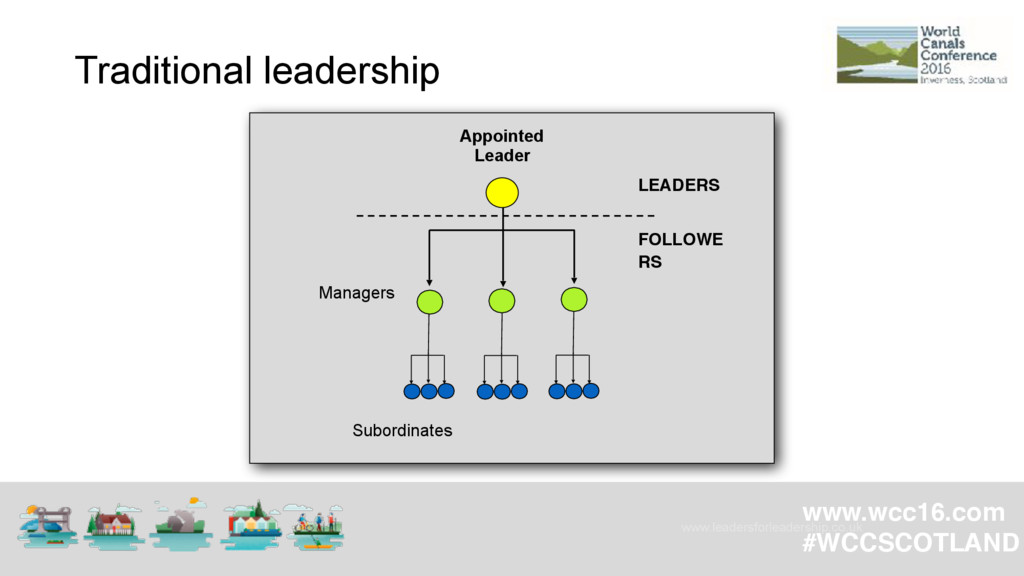
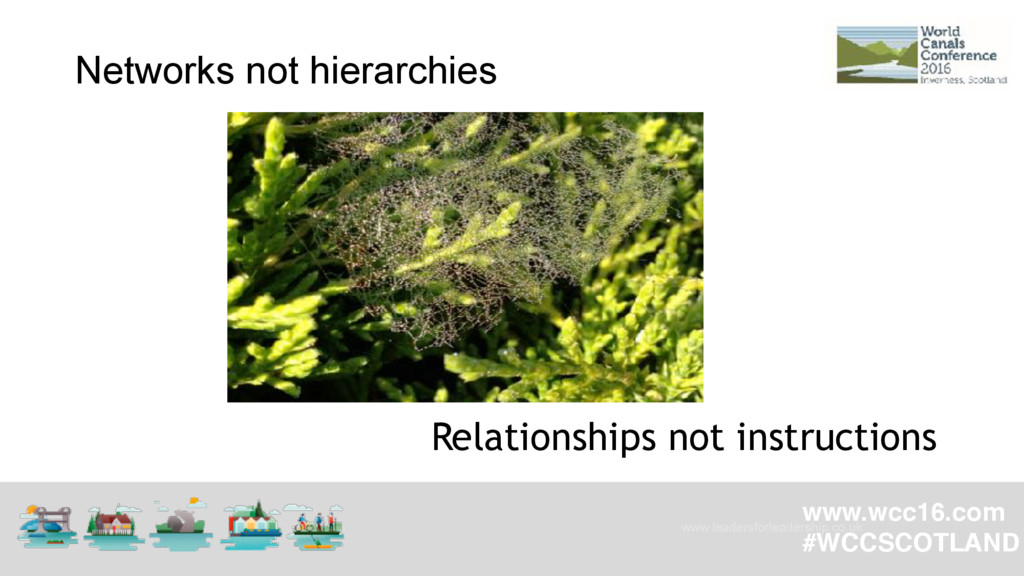
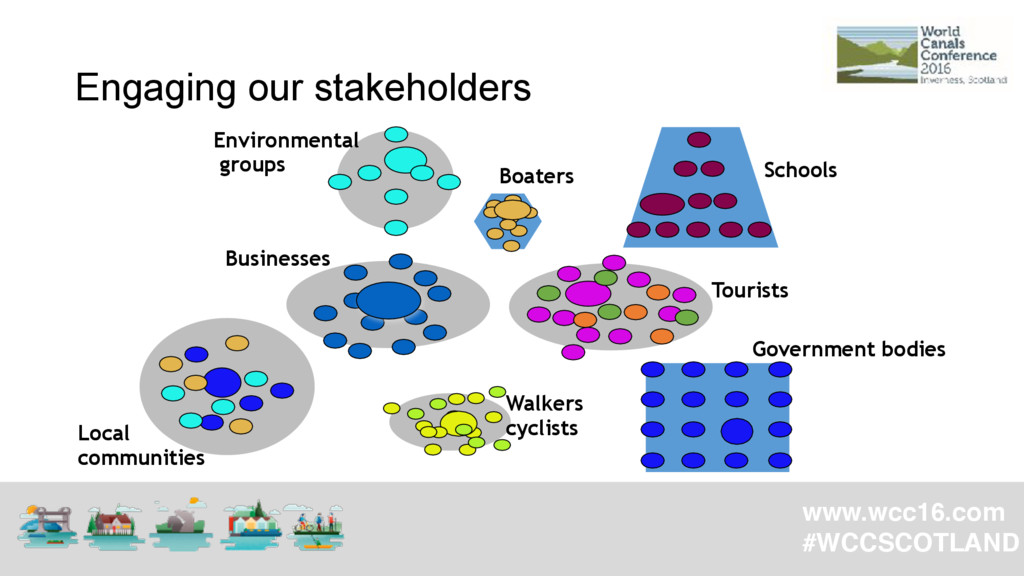
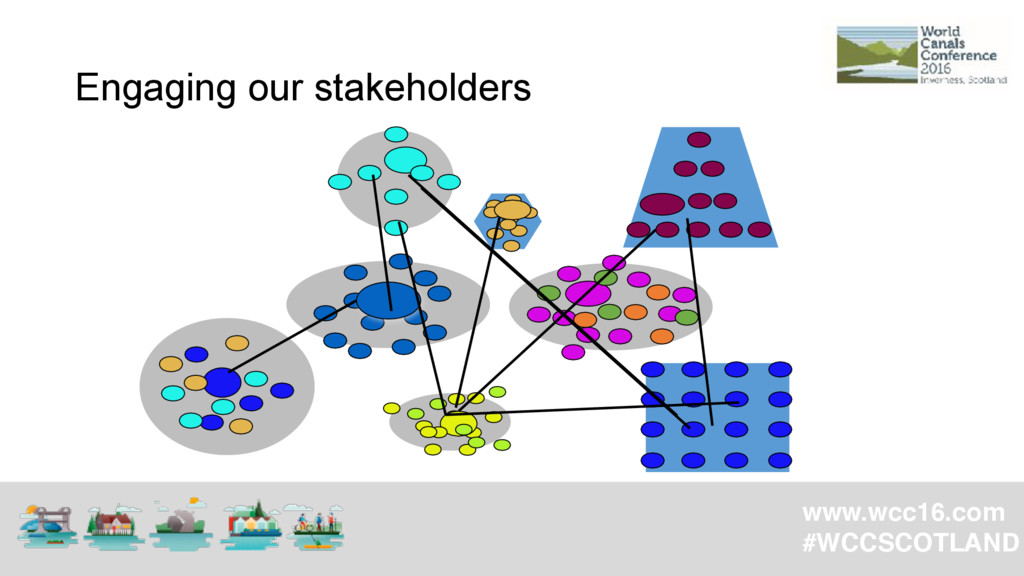
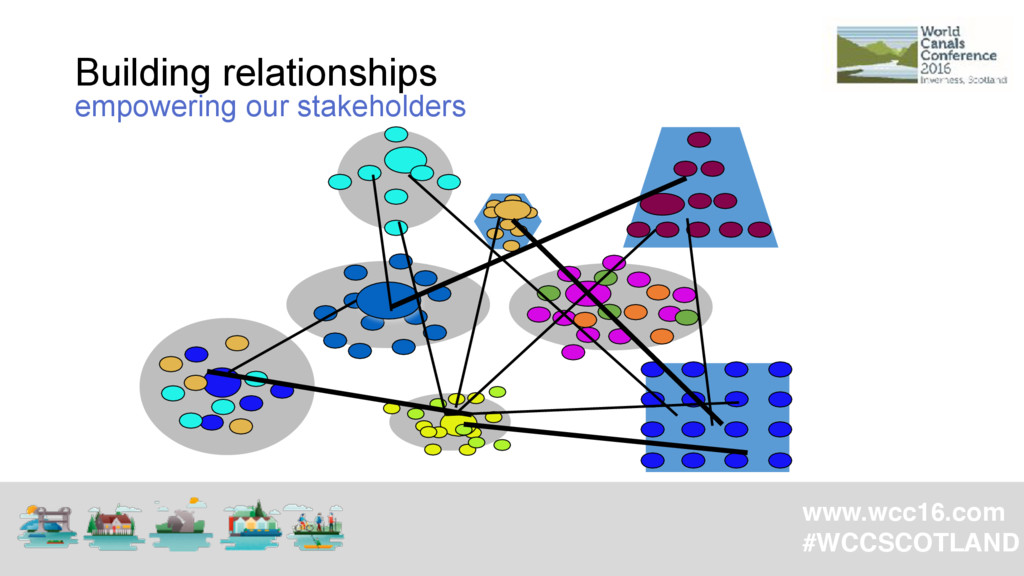
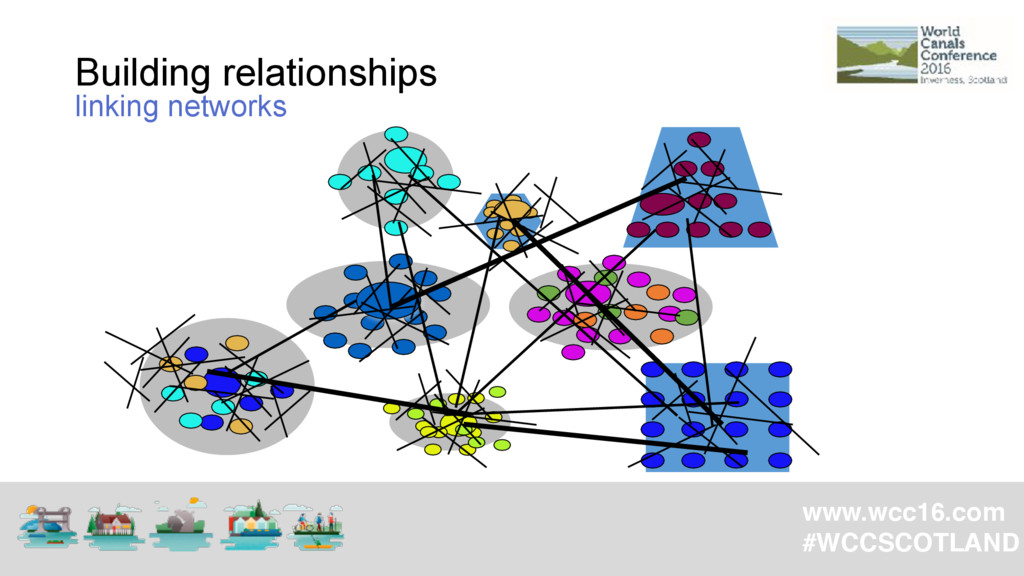
• Transformational leadership, willing followers • Pass the baton, share and distribute leadership • Operate with integrity and authenticity • Build strong dyadic relationships, based on trust • Create networks not hierarchies • Bring different groups together and ensure their voices are heard • Create a shared vision, agreed mission & purpose • Achieve exceptional outcomes


 wccscotland
.jpg) yoshikikonishi_
yoshikikonishi_
 sasukefinanciallab
 e5ua
e5ua
 uemura2024
 kaonavi
 xinghr
 advalistar
 canvasedge
 fullerene_inc
 thomaspeham
 kintotechdev
 malna
malna
 inesmontani
 trishagee
 aleyda
 maggiecrowley
 pauljervisheath
 morganepeng
 jlugia
 stephaniewalter
 badams
 nikkihalliwell
 reverentgeek






![www.wcc16.com #WCCSCOTLAND Deborah Benson [email protected] Thank you…….](https://files.speakerdeck.com/presentations/e79cb291e42a45a59db91ed95c51aced/slide_39.jpg)