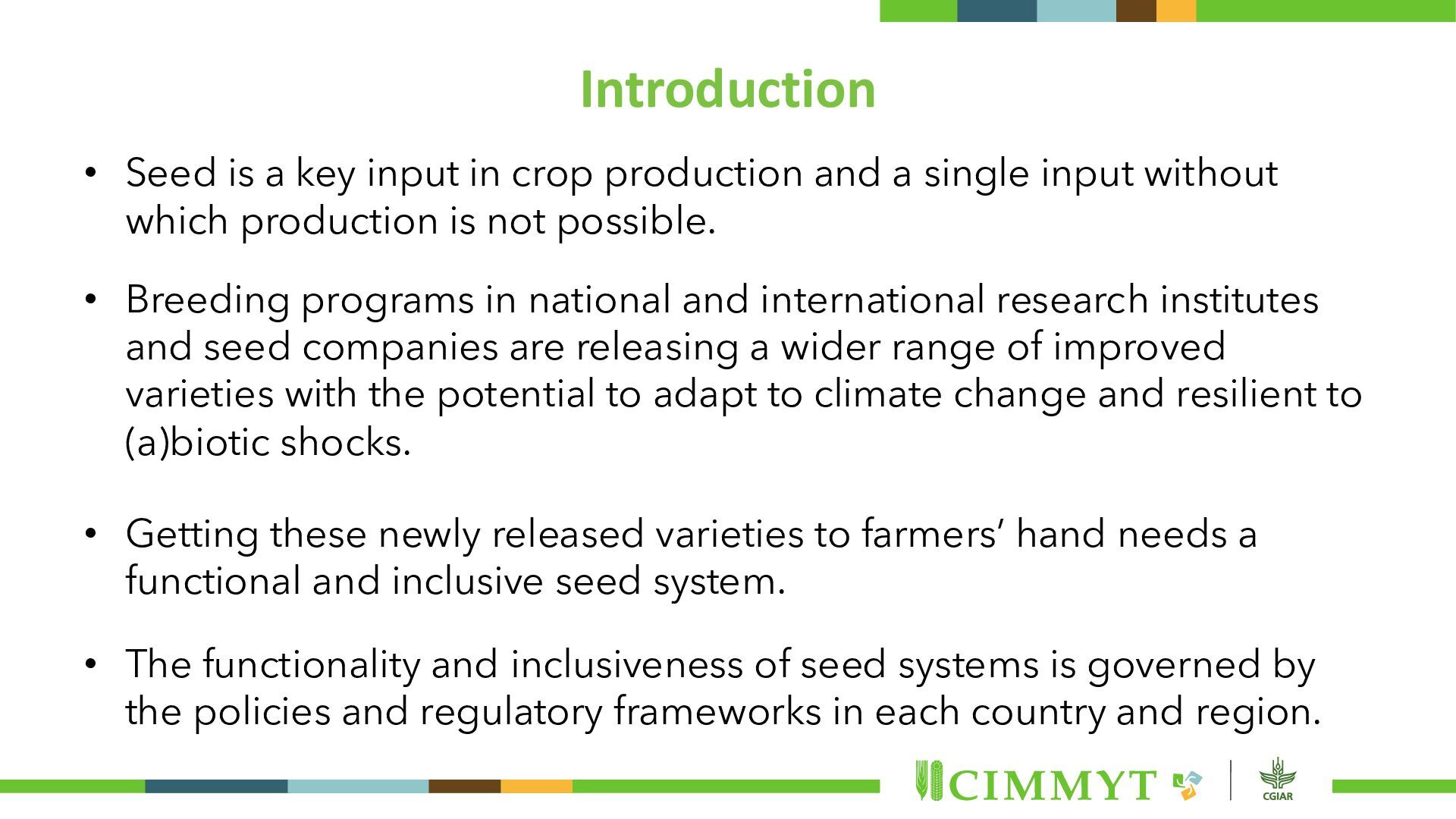
and a single input without which production is not possible. • Breeding programs in national and international research institutes and seed companies are releasing a wider range of improved varieties with the potential to adapt to climate change and resilient to (a)biotic shocks. • Getting these newly released varieties to farmers’ hand needs a functional and inclusive seed system. • The functionality and inclusiveness of seed systems is governed by the policies and regulatory frameworks in each country and region.
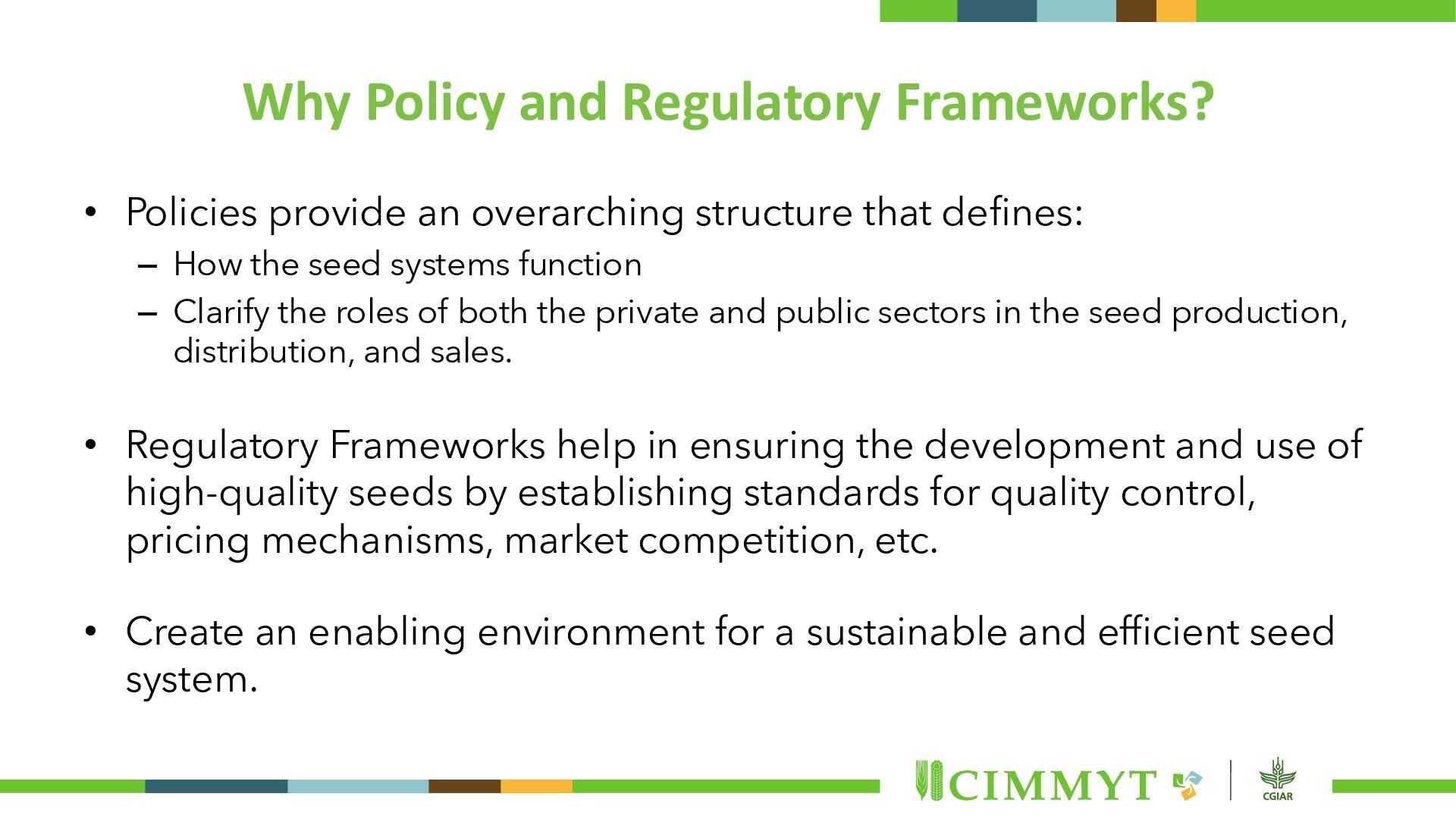
structure that defines: – How the seed systems function – Clarify the roles of both the private and public sectors in the seed production, distribution, and sales. • Regulatory Frameworks help in ensuring the development and use of high-quality seeds by establishing standards for quality control, pricing mechanisms, market competition, etc. • Create an enabling environment for a sustainable and efficient seed system.
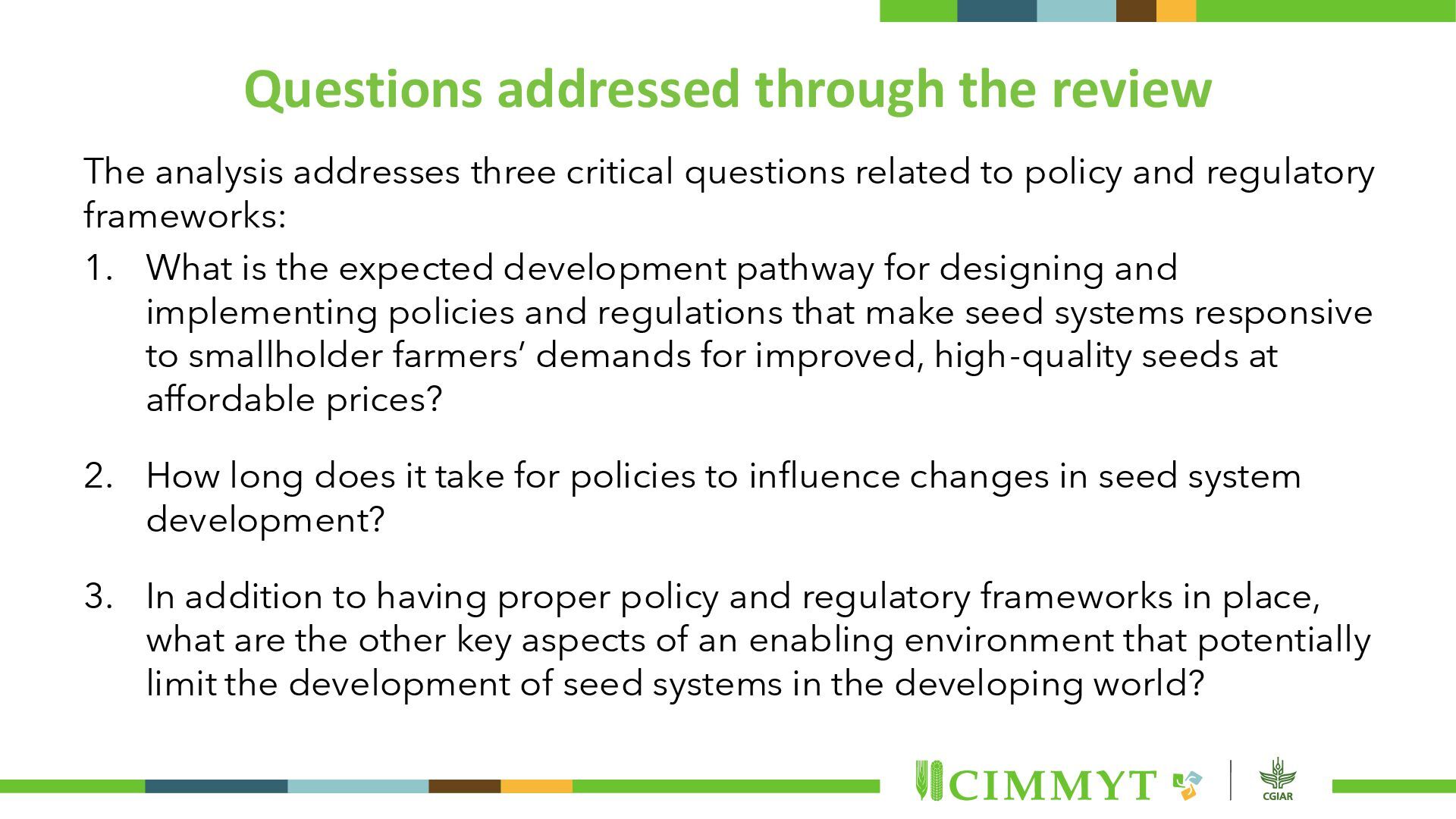
questions related to policy and regulatory frameworks: 1. What is the expected development pathway for designing and implementing policies and regulations that make seed systems responsive to smallholder farmers’ demands for improved, high-quality seeds at affordable prices? 2. How long does it take for policies to influence changes in seed system development? 3. In addition to having proper policy and regulatory frameworks in place, what are the other key aspects of an enabling environment that potentially limit the development of seed systems in the developing world?
Regulation of emergency seed supplies • Seed laboratory testing and administration • Self- and third-party seed certification • Seed counterfeit control • Unfair competition between public and private seed companies, etc.
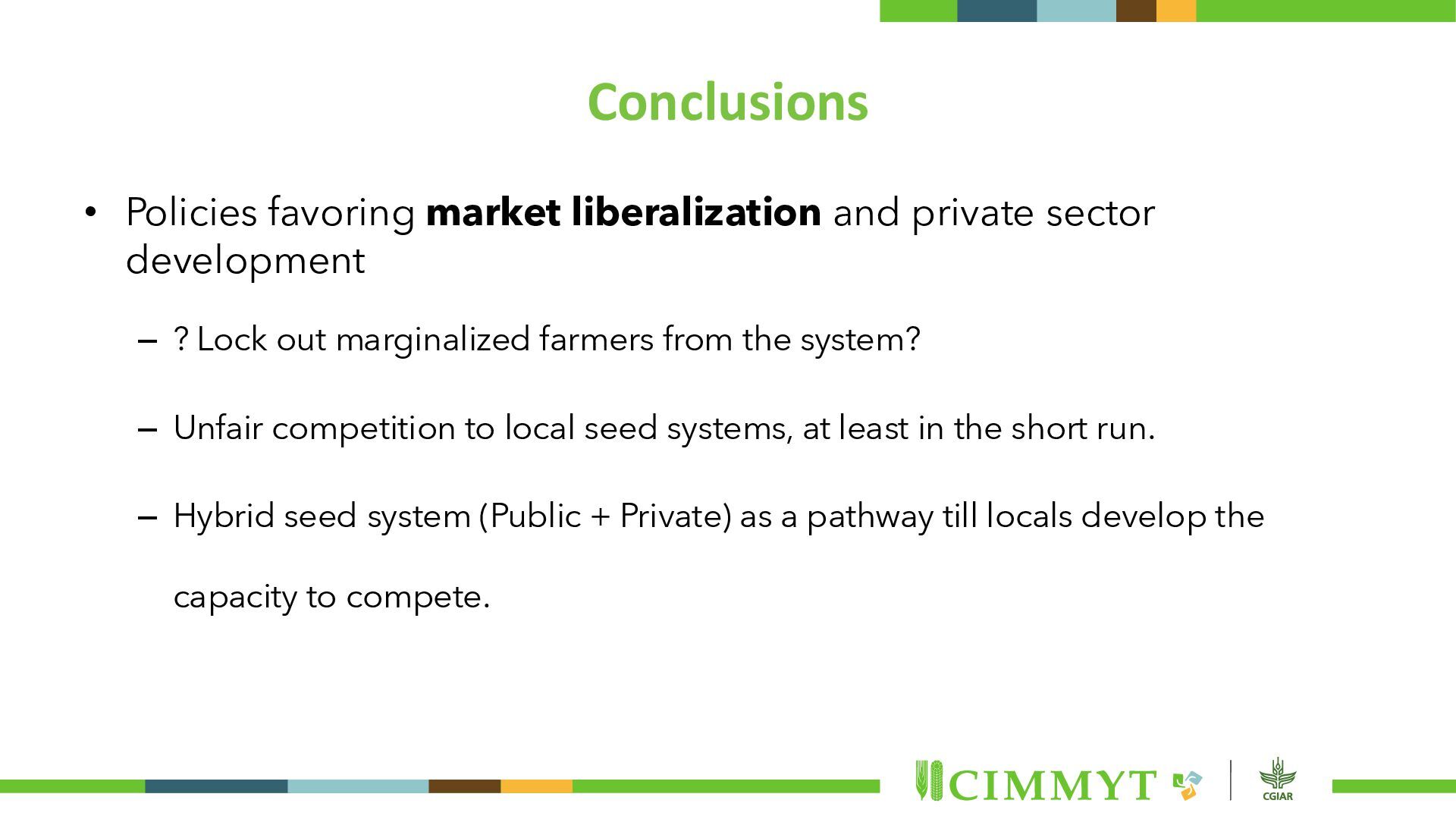
– ? Lock out marginalized farmers from the system? – Unfair competition to local seed systems, at least in the short run. – Hybrid seed system (Public + Private) as a pathway till locals develop the capacity to compete.
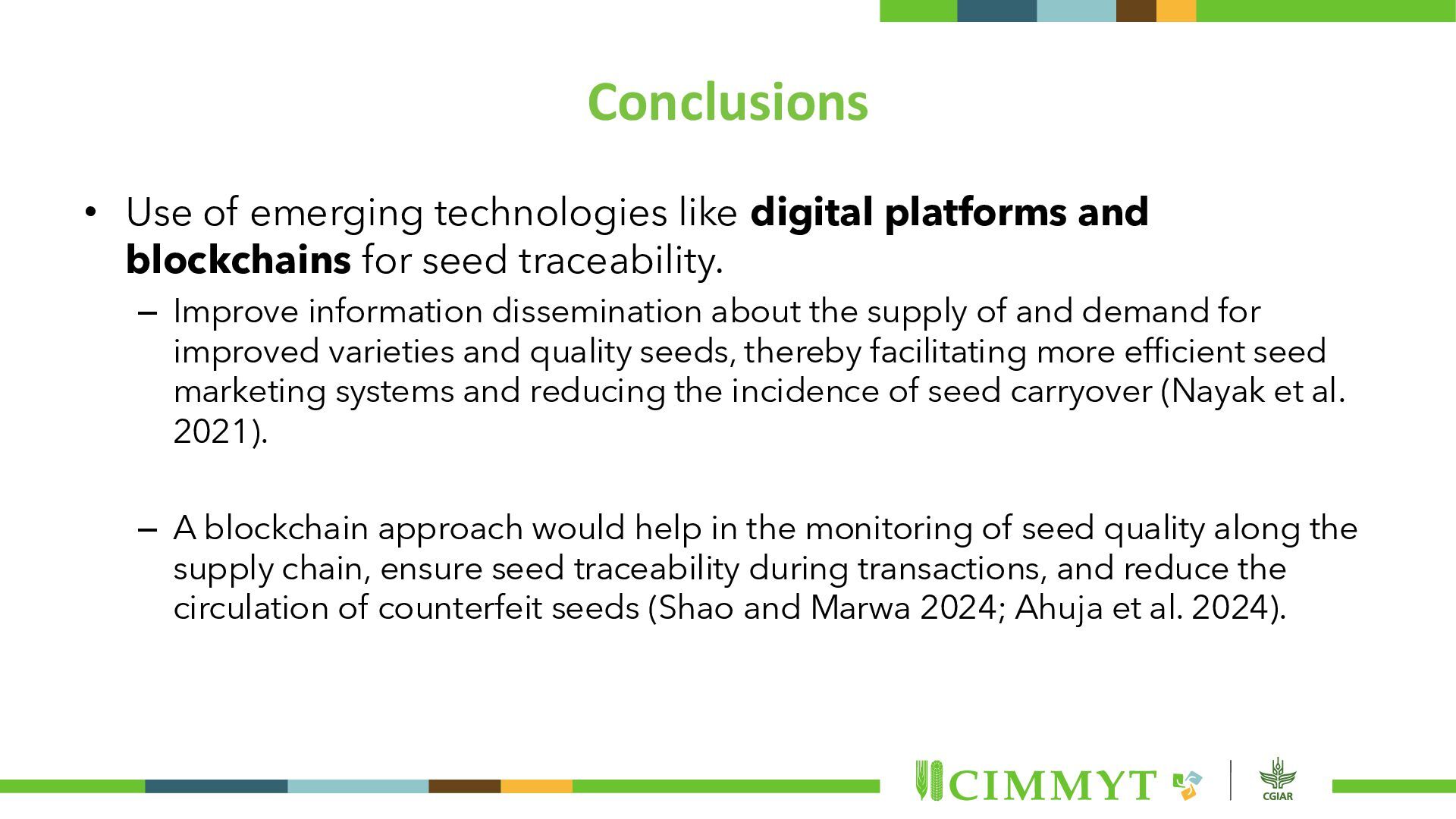
blockchains for seed traceability. – Improve information dissemination about the supply of and demand for improved varieties and quality seeds, thereby facilitating more efficient seed marketing systems and reducing the incidence of seed carryover (Nayak et al. 2021). – A blockchain approach would help in the monitoring of seed quality along the supply chain, ensure seed traceability during transactions, and reduce the circulation of counterfeit seeds (Shao and Marwa 2024; Ahuja et al. 2024).
key first step for the development of seed systems that would support the transformation of agrifood systems in SSA through improved seed technologies. – Strengthening public, private, and producer partnerships at both local and regional levels for effective implementation of policies and regulations targeting improved seed production, quality, and marketing, as well as enhancing farmers’ access to quality seeds at affordable prices. – Inter-country seed enterprises would need harmonized policy and regulatory frameworks to ensure the protection of intellectual property and boost inter- country trade in quality seeds.
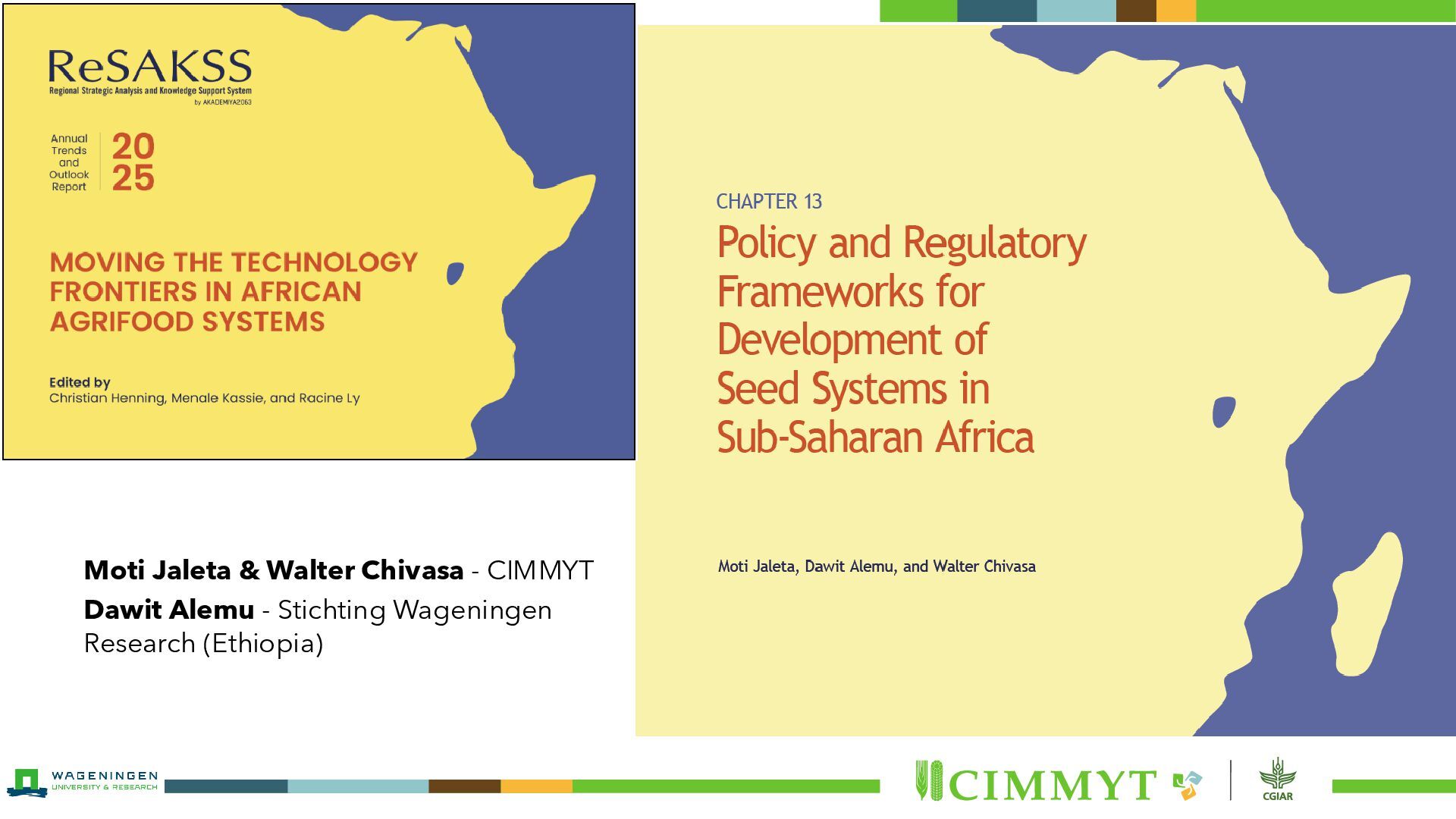
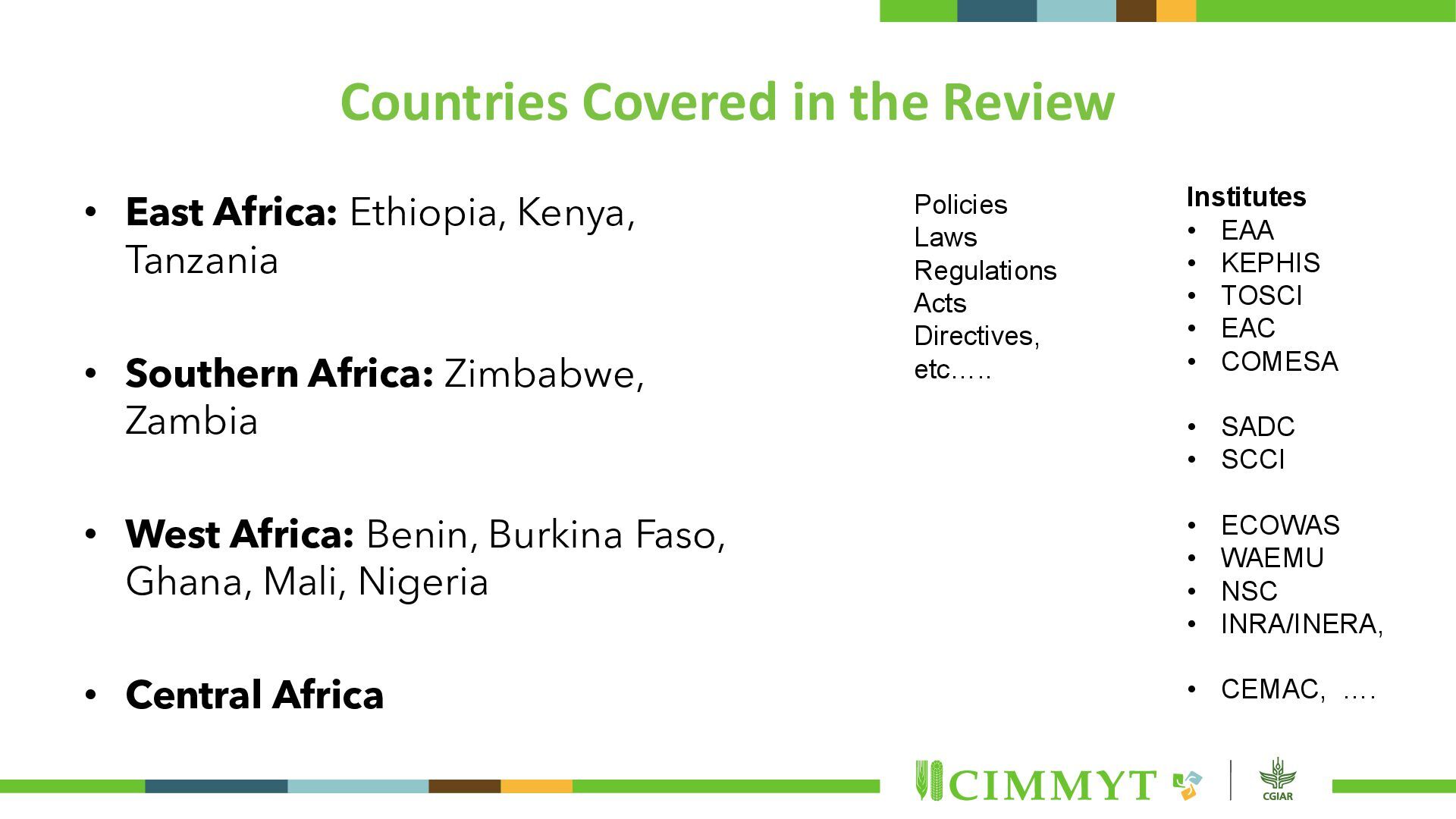
release, quality assurance, IP rights, and market organization. • Diverse reform paths taken by countries—from state-led systems to more liberalized, private-sector–driven models to pluralistic approaches that recognize the role of informal and farmer- managed seed channels. • Regional harmonization under the East African Community (EAC), the Southern African Development Community (SADC), the Economic Community of West African States (ECOWAS), and other regional economic communities (RECs) has progressed, but implementation gaps persist. • The chapter argues for seed policies that balance regulation and competition, promote climate-resilient and locally adapted varieties, and protect marginalized farmers. Moving the Technology Frontiers in African Agrifood Systems


 akademiya2063
 kento1109
 takehaya
 tkng
tkng
 rikkabotan7
 dk999
dk999
 institutdelelevage
 youten622
.png) satai
satai
 takasehideki
 hf149
hf149
 sokikatayama
 shibuiwilliam
 dugsong
 eileencodes
 aleyda
 lara
lara
 soudai
 uxyall
 baasie
 mraible
 sergeychernyshev
 kneath
 morganepeng

![Happy Reading! Appreciate any feedback at [email protected]](https://files.speakerdeck.com/presentations/6bb714aaea374250b46cdbf88036bb87/slide_10.jpg)