Upgrade to Pro — share decks privately, control downloads, hide ads and more …

It's the Empathy, Stupid!

It's the Empathy, Stupid!

Bill Clinton had the campaign slogan “It’s the economy, stupid”. The underlying idea is that healthy economy is the groundwork for a healthy society.

Some of us forgot what the groundwork of a healthy organisation is. As agile and product missionaries we bothered our boards and C-levels with practices and methods we believed in. But we couldn't convince them. Instead, they were always talking about numbers, revenues and economic aspects. I must admit that I myself am guilty as charged.

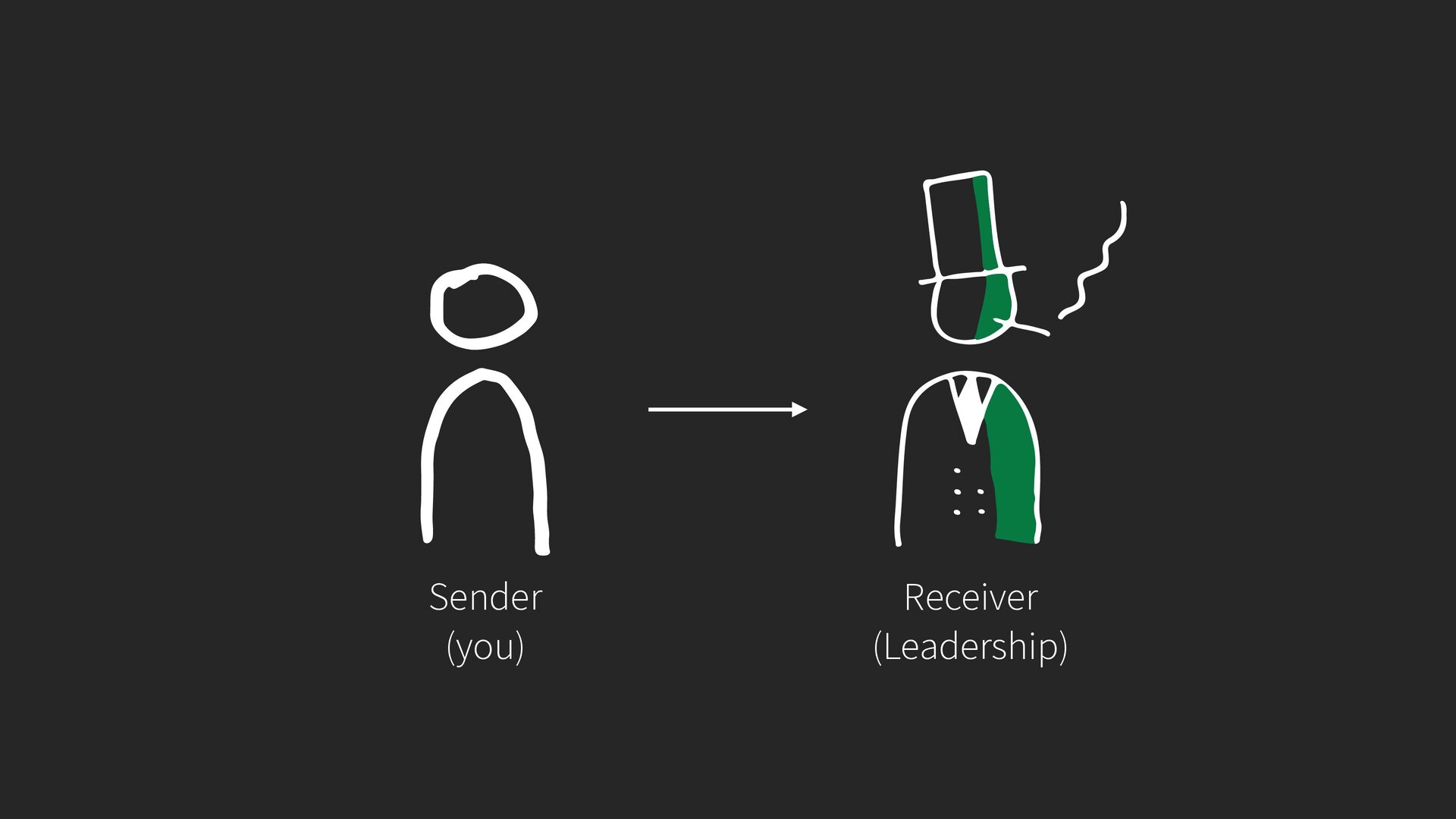
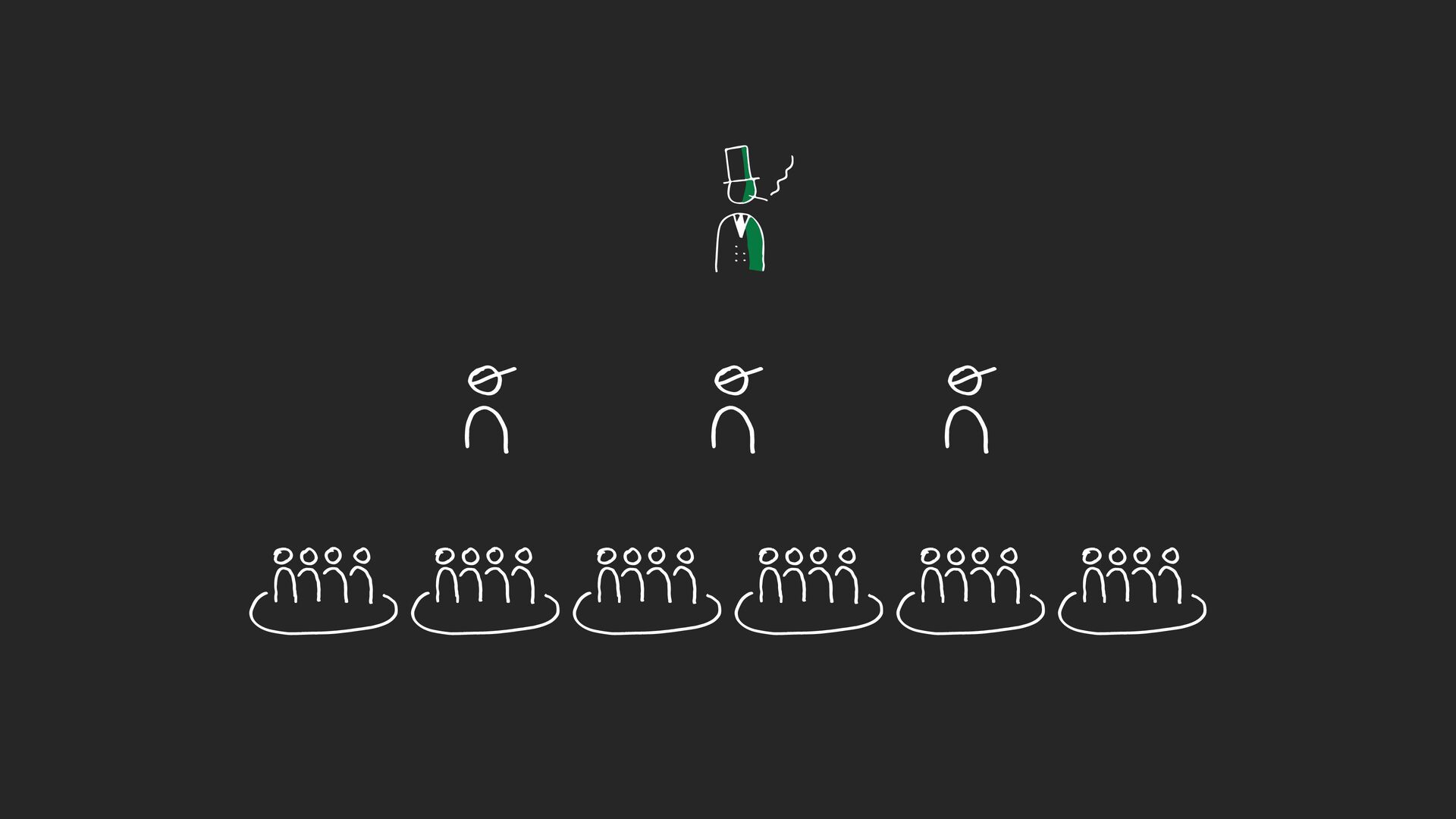
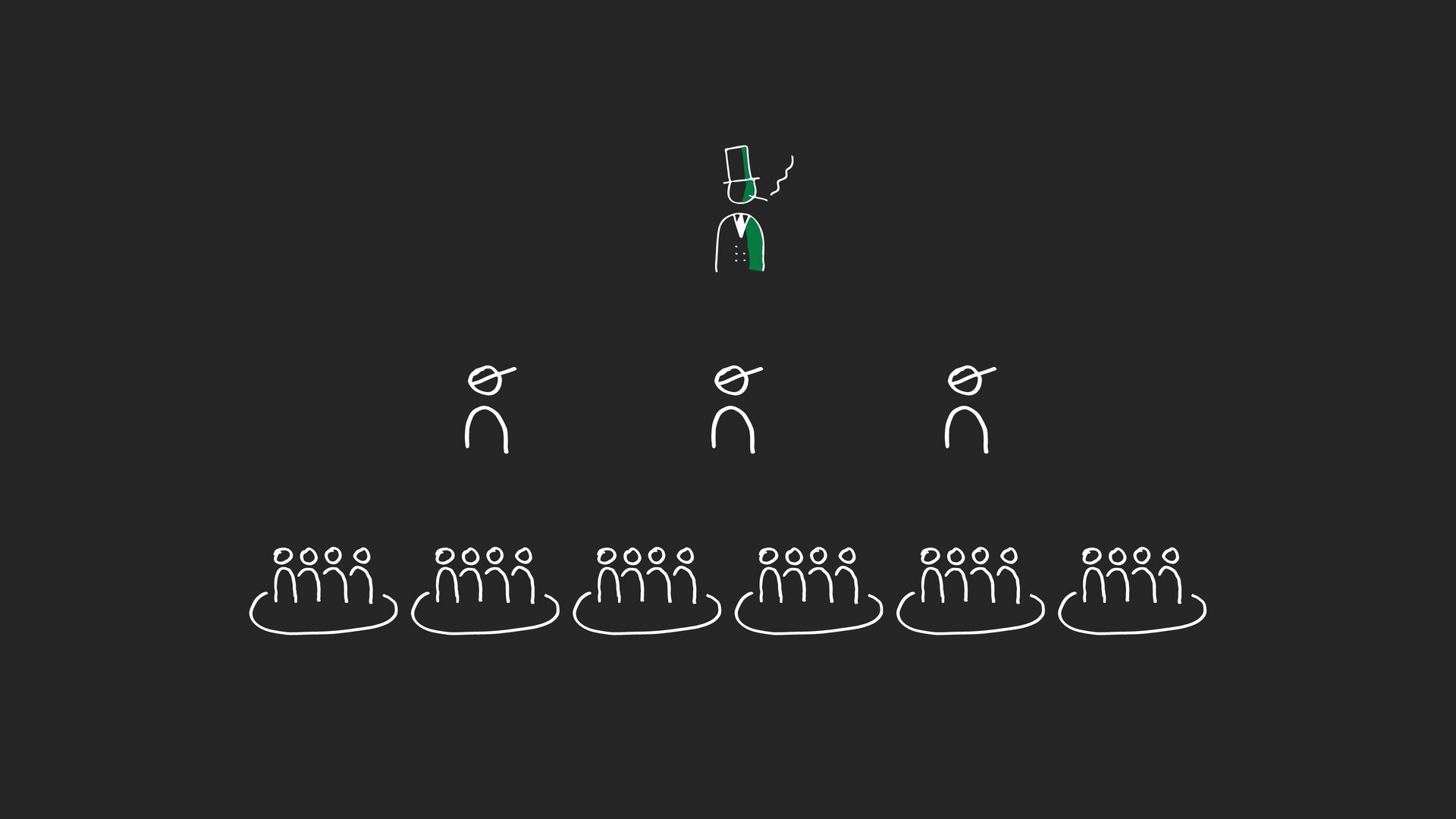
Therefore, we must change the way we try to communicate with leaders, boards and C-levels. And empathy and economic thinking are corner stones for that. What does my counterpart want to achieve? What’s important for them? Who do they report to? What’s important for their bosses? What are they measured against? How can I connect my goals to theirs and argue based on economic facts?

This talk should help you to be more successful by making others successful.

Avatar for Konstantin Diener

Konstantin Diener

April 23, 2026

More Decks by Konstantin Diener

Other Decks in Programming

Transcript

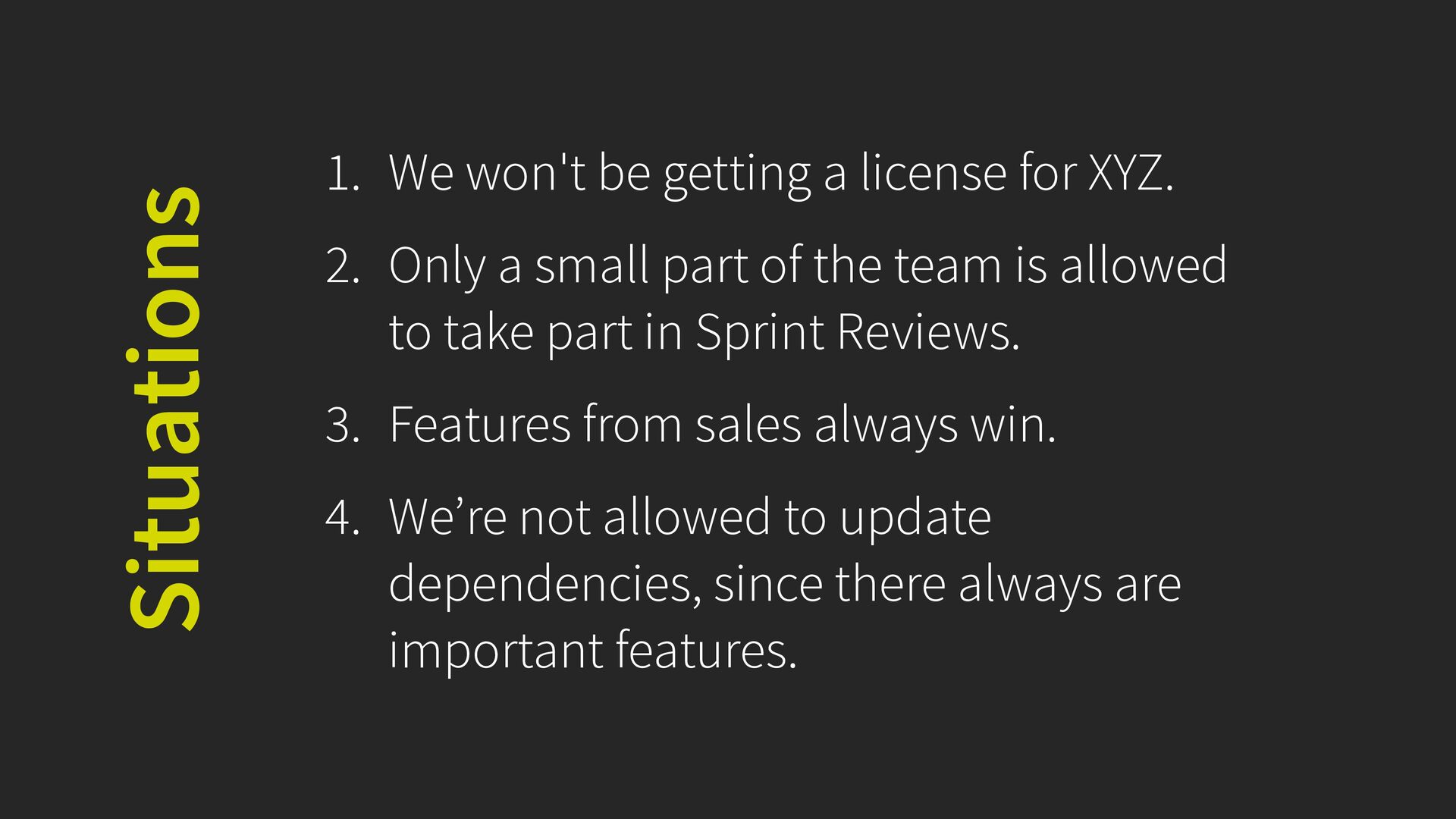
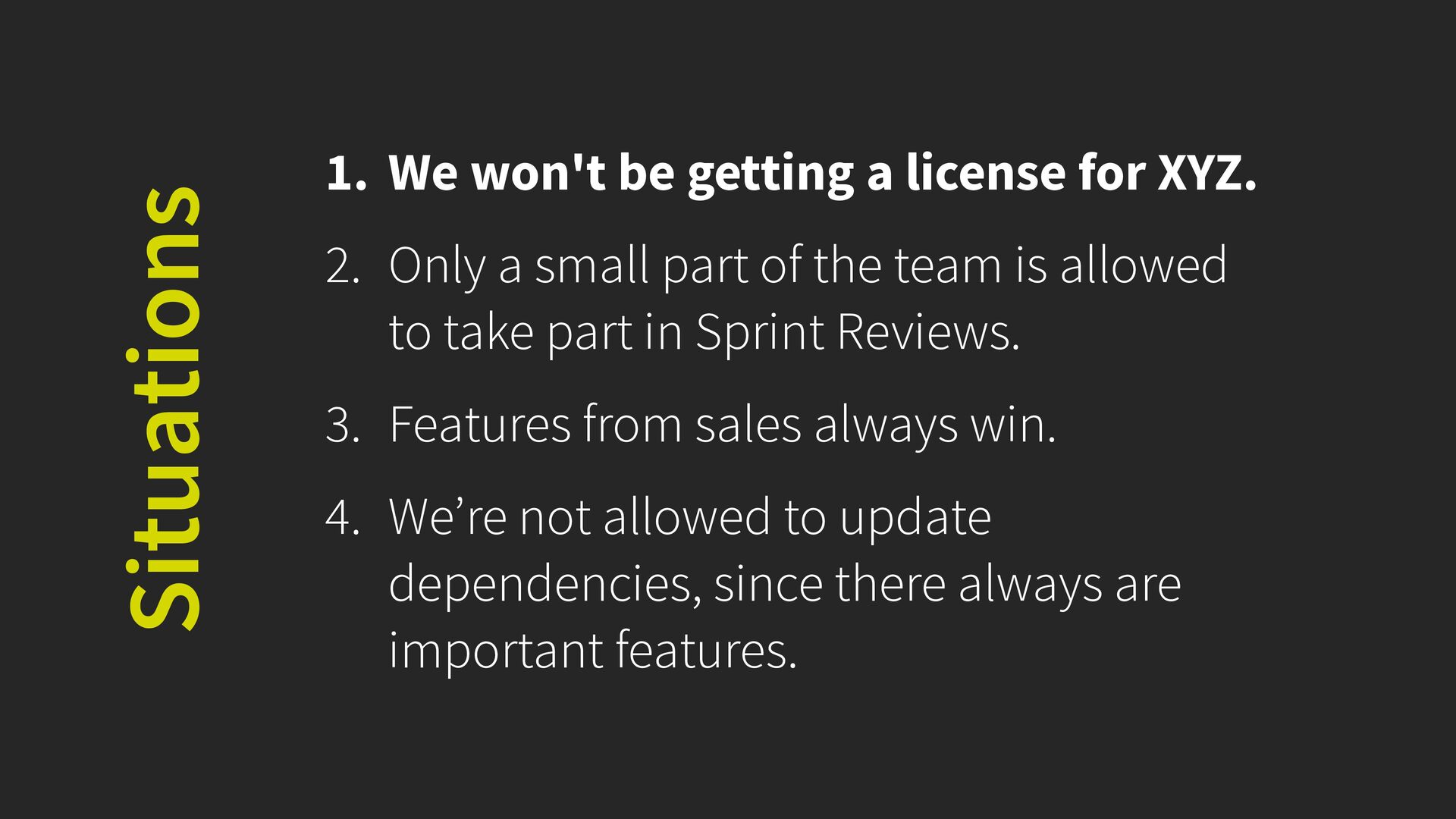
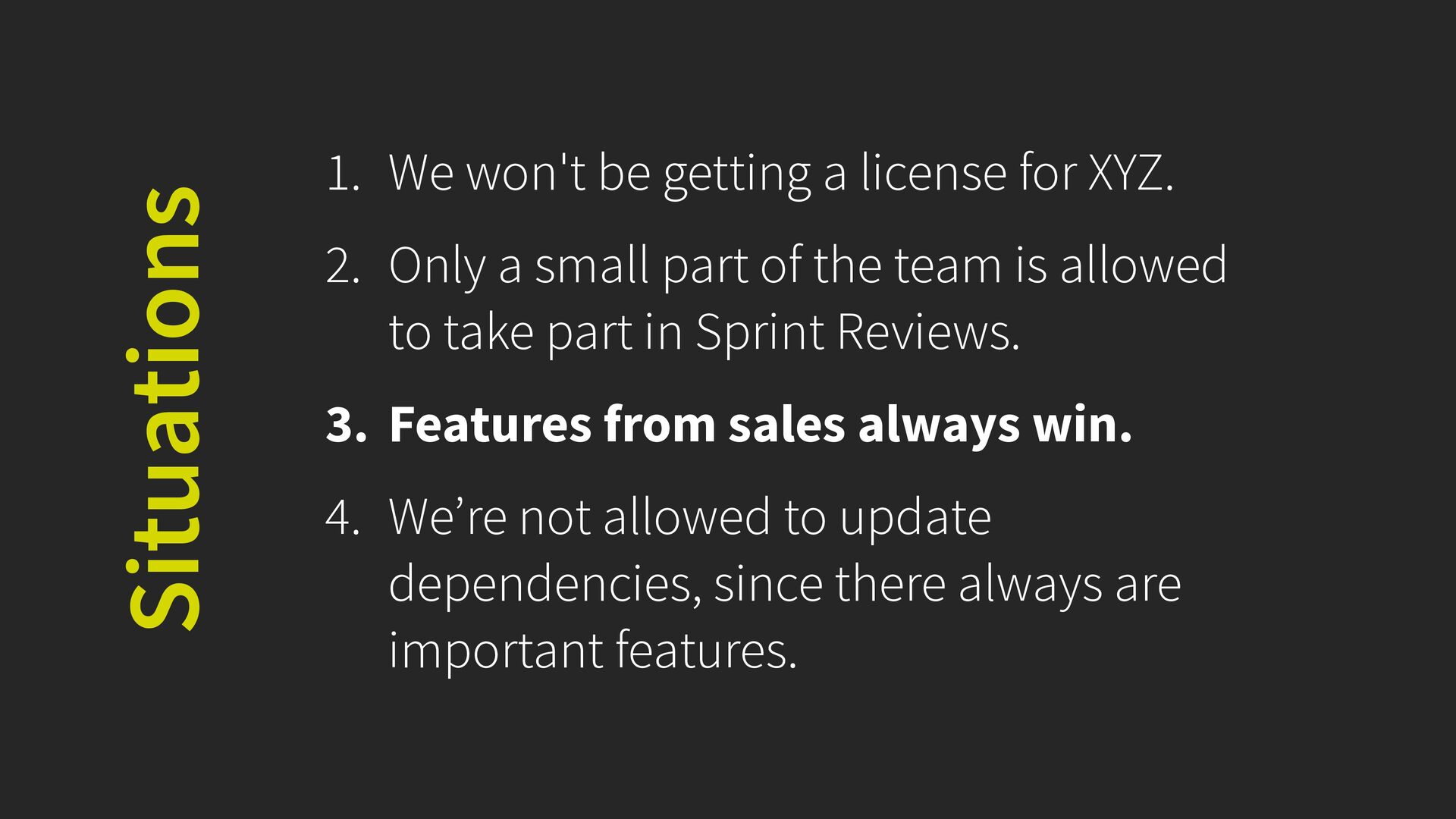
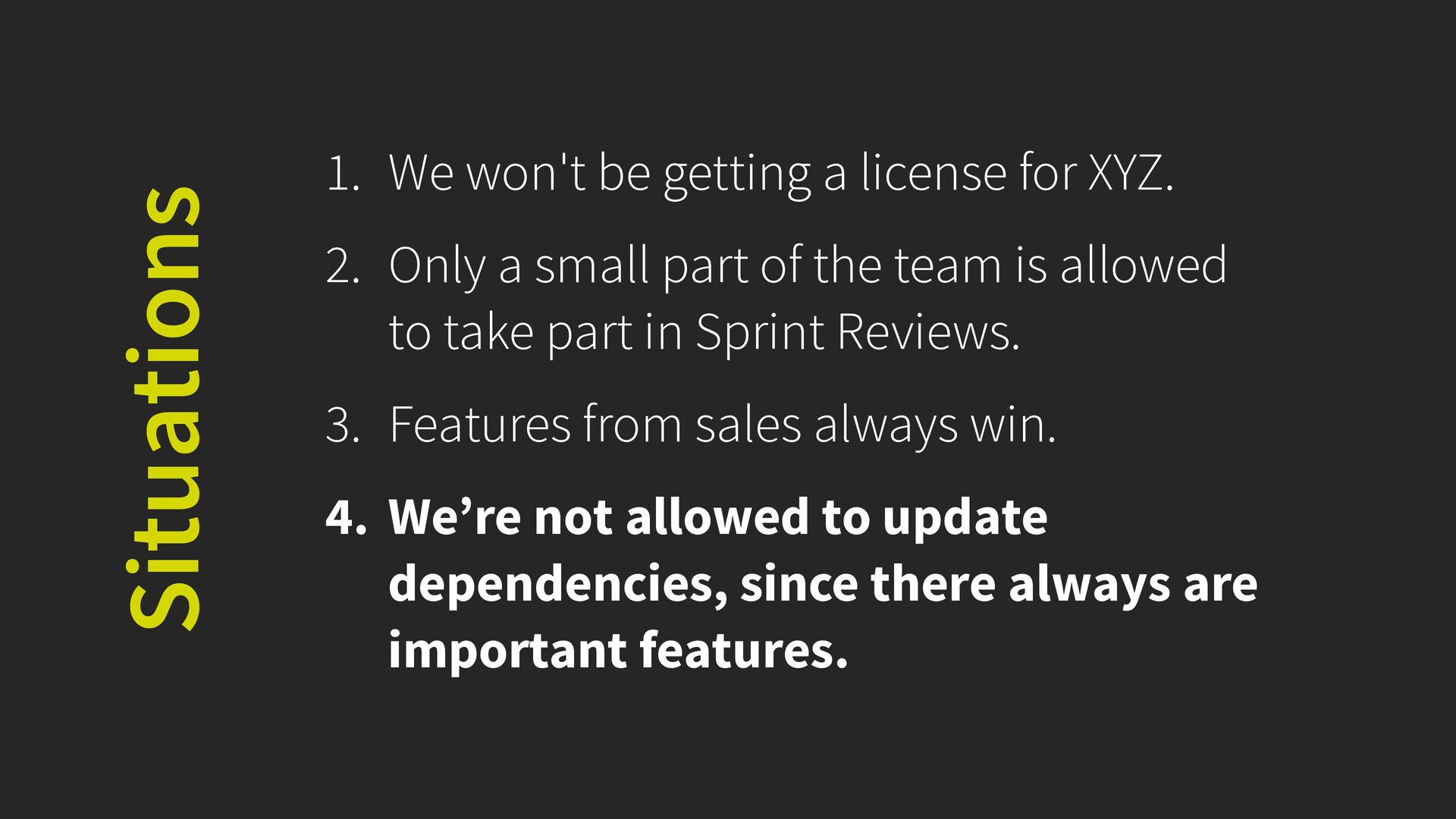
  1. 1. We won't be getting a license for XYZ. 2.

    Only a small part of the team is allowed to take part in Sprint Reviews. 3. Features from sales always win. 4. We’re not allowed to update dependencies, since there always are important features. Situations
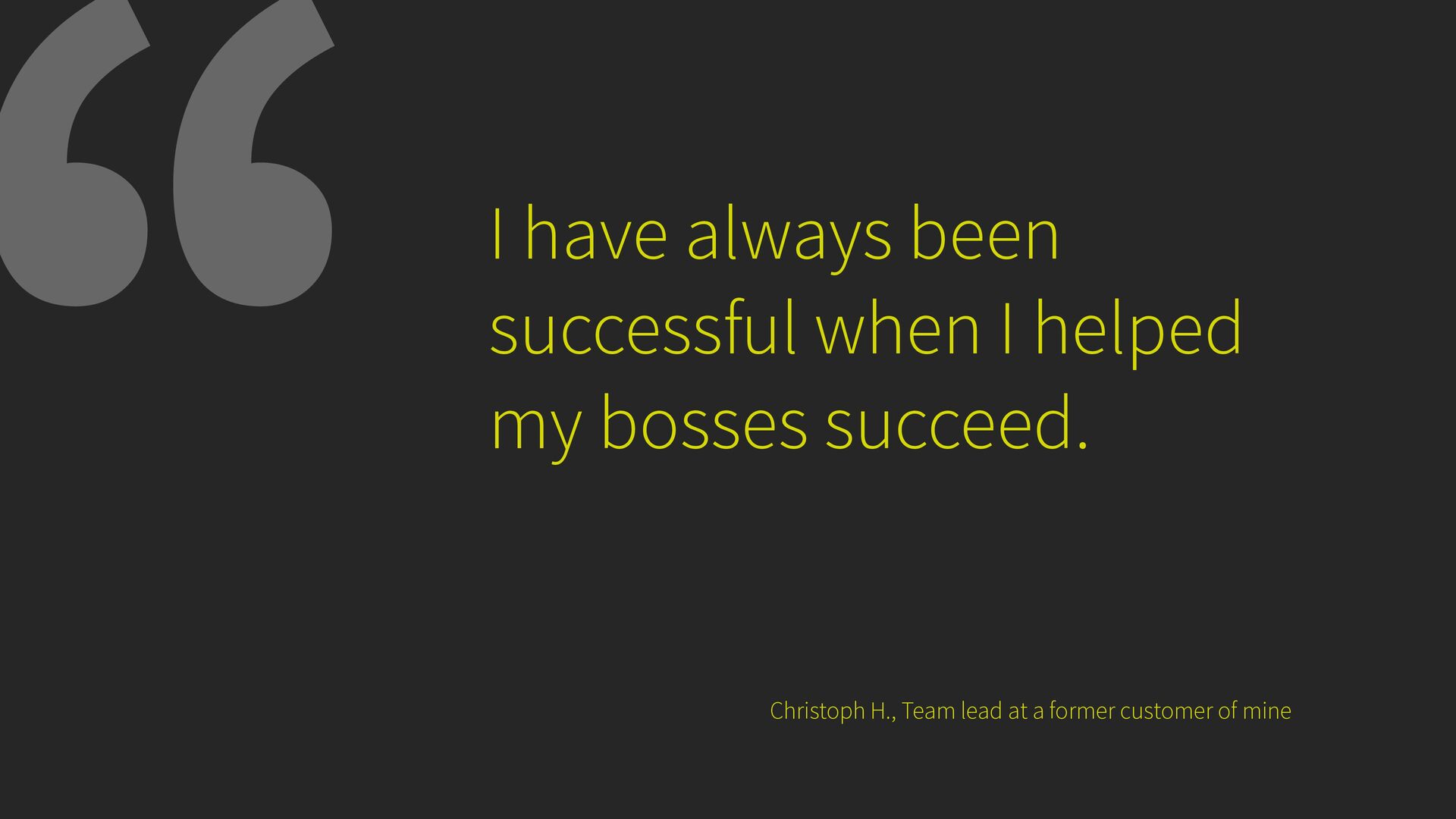
  2. I have always been successful when I helped my bosses

    succeed. Christoph H., Team lead at a former customer of mine
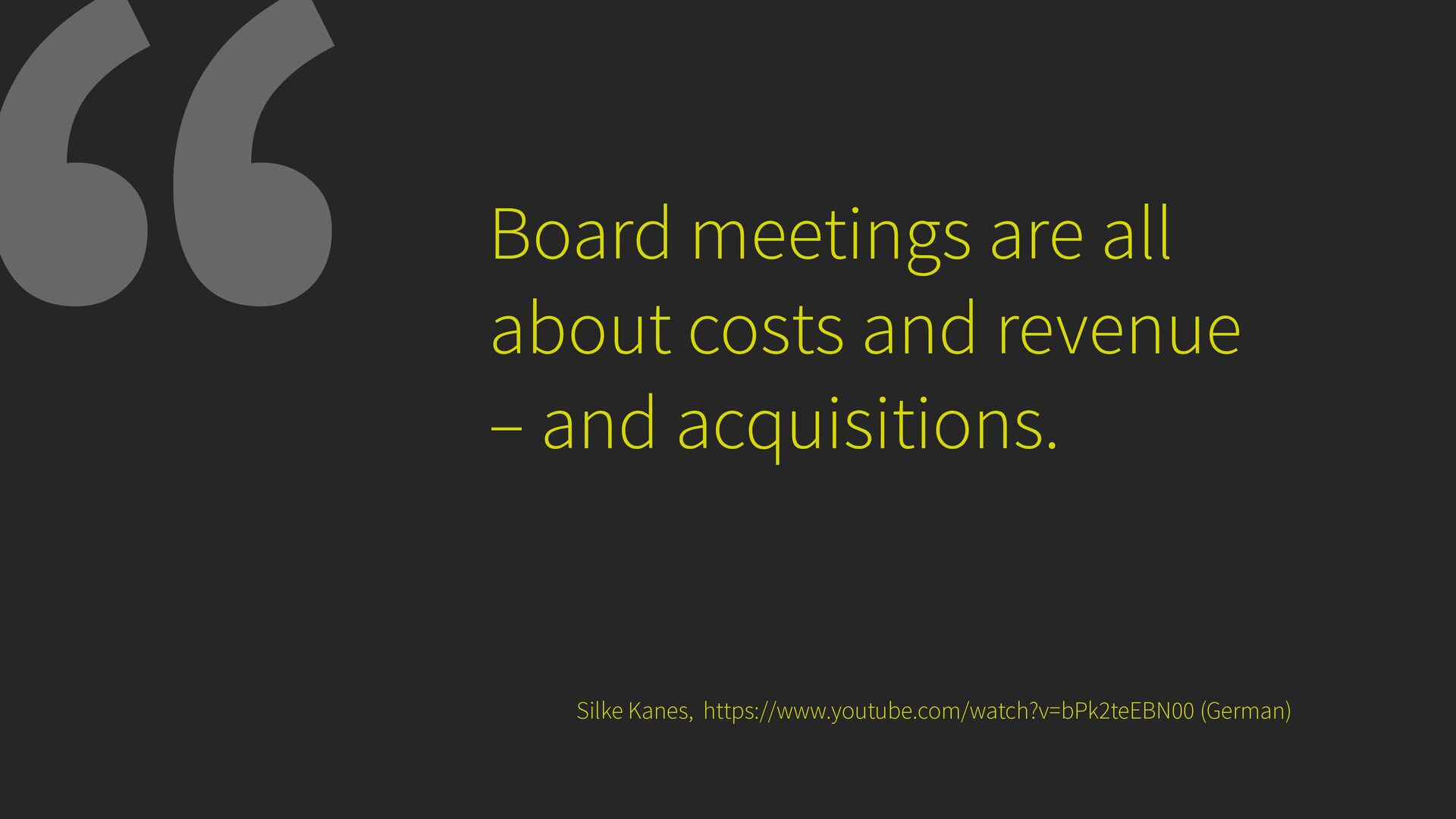
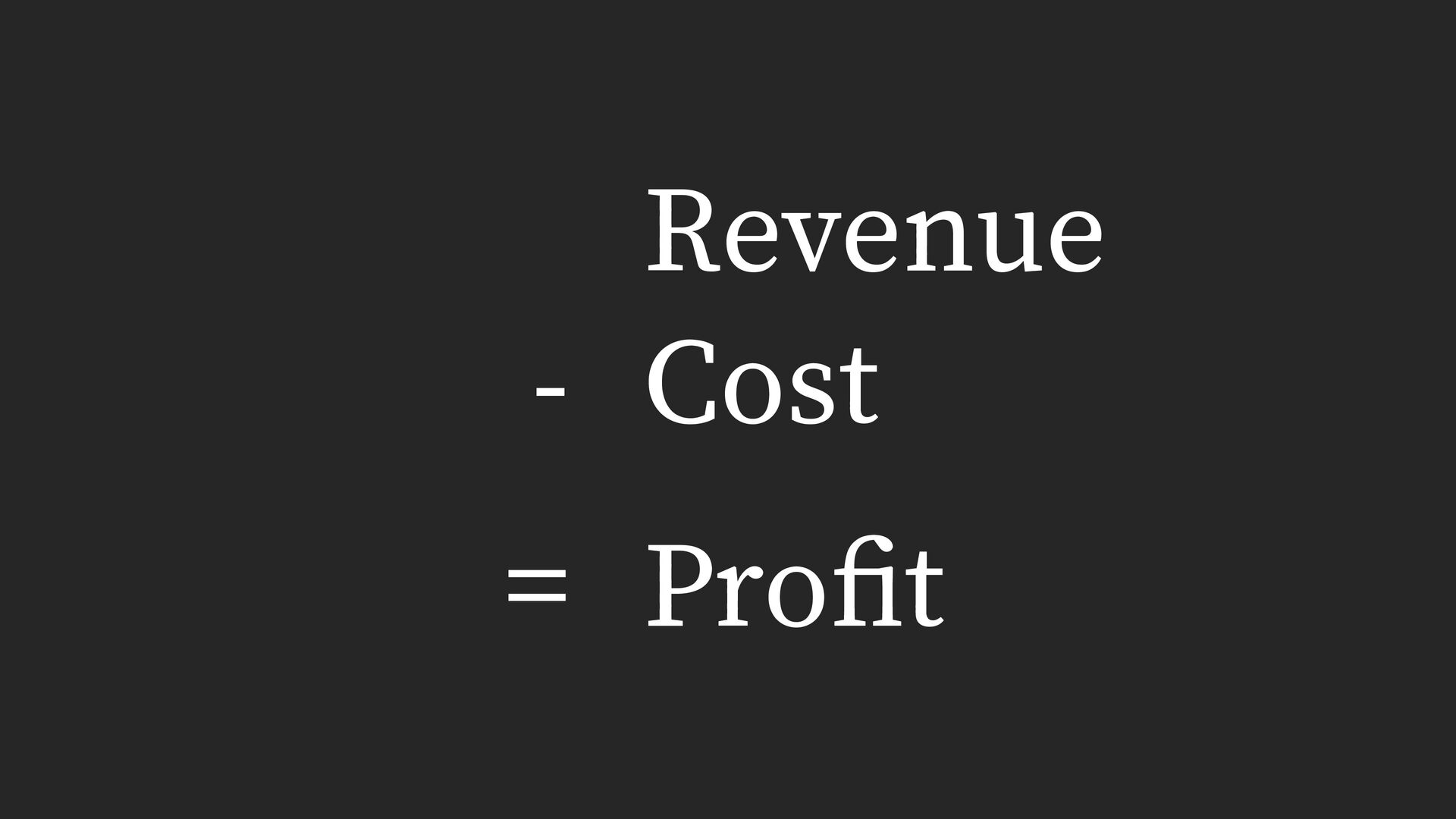
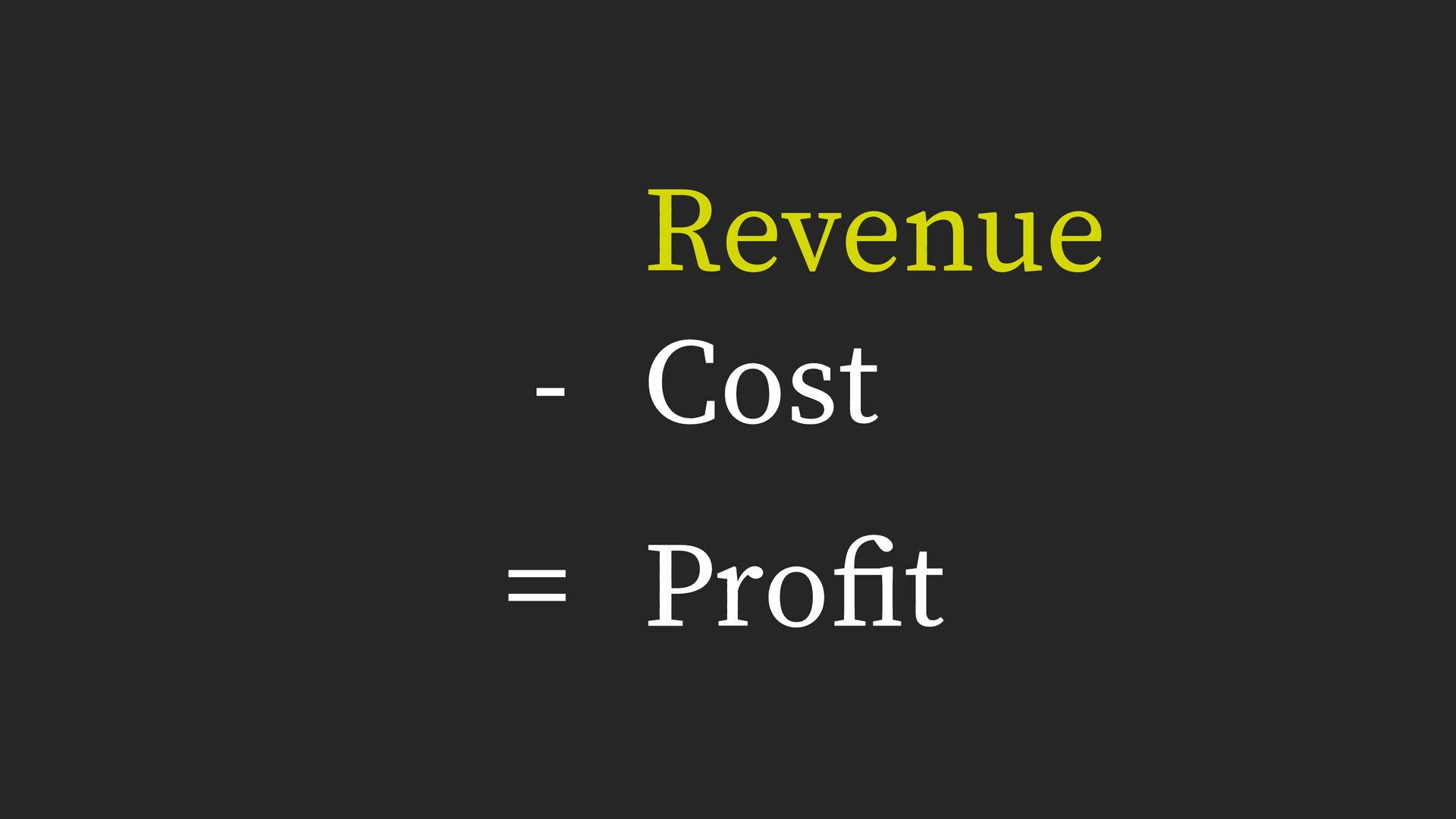
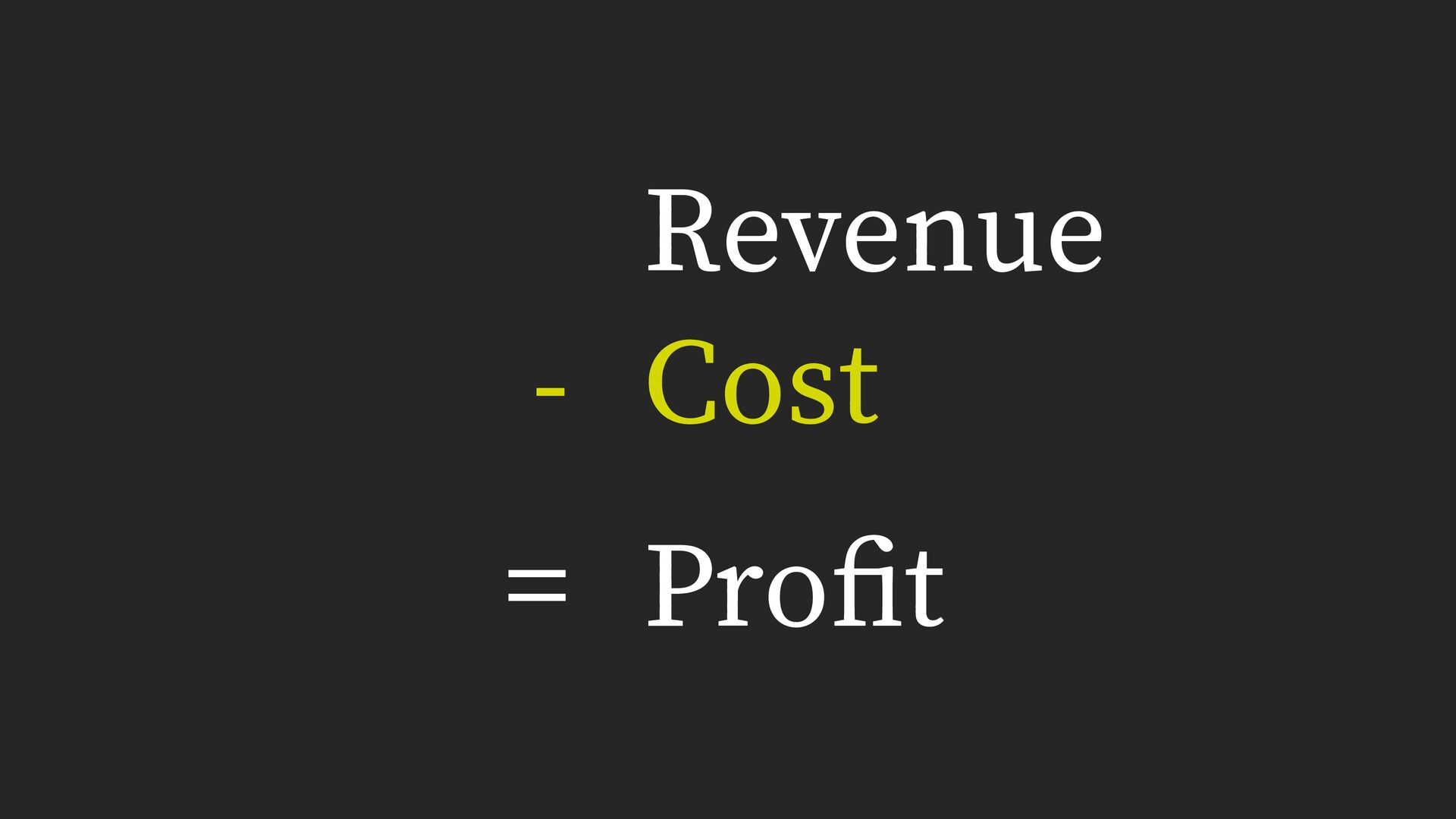
  3. Board meetings are all about costs and revenue – and

    acquisitions. Silke Kanes, https://www.youtube.com/watch?v=bPk2teEBN00 (German)
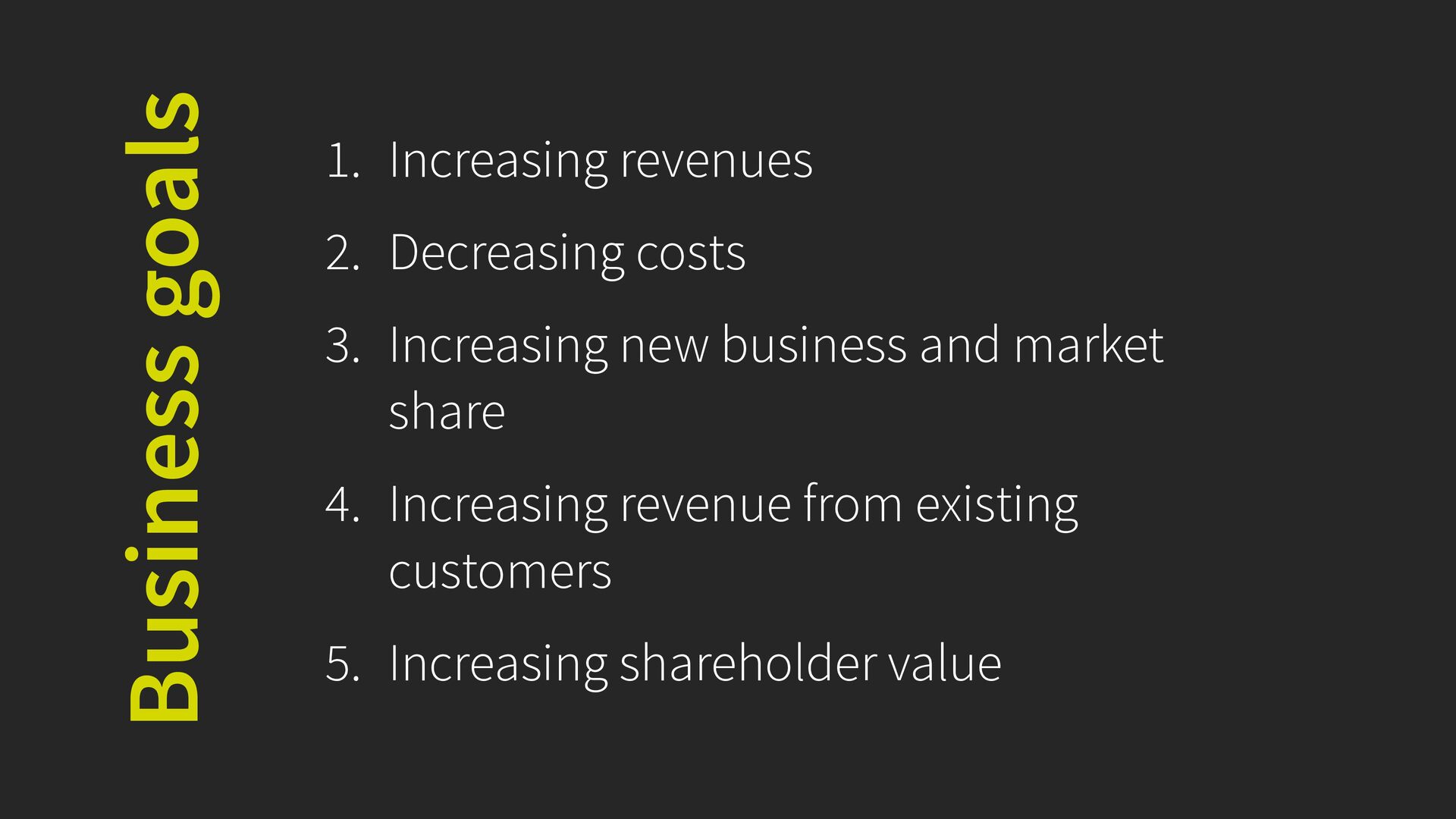
  4. 1. Increasing revenues 2. Decreasing costs 3. Increasing new business

    and market share 4. Increasing revenue from existing customers 5. Increasing shareholder value Business goals
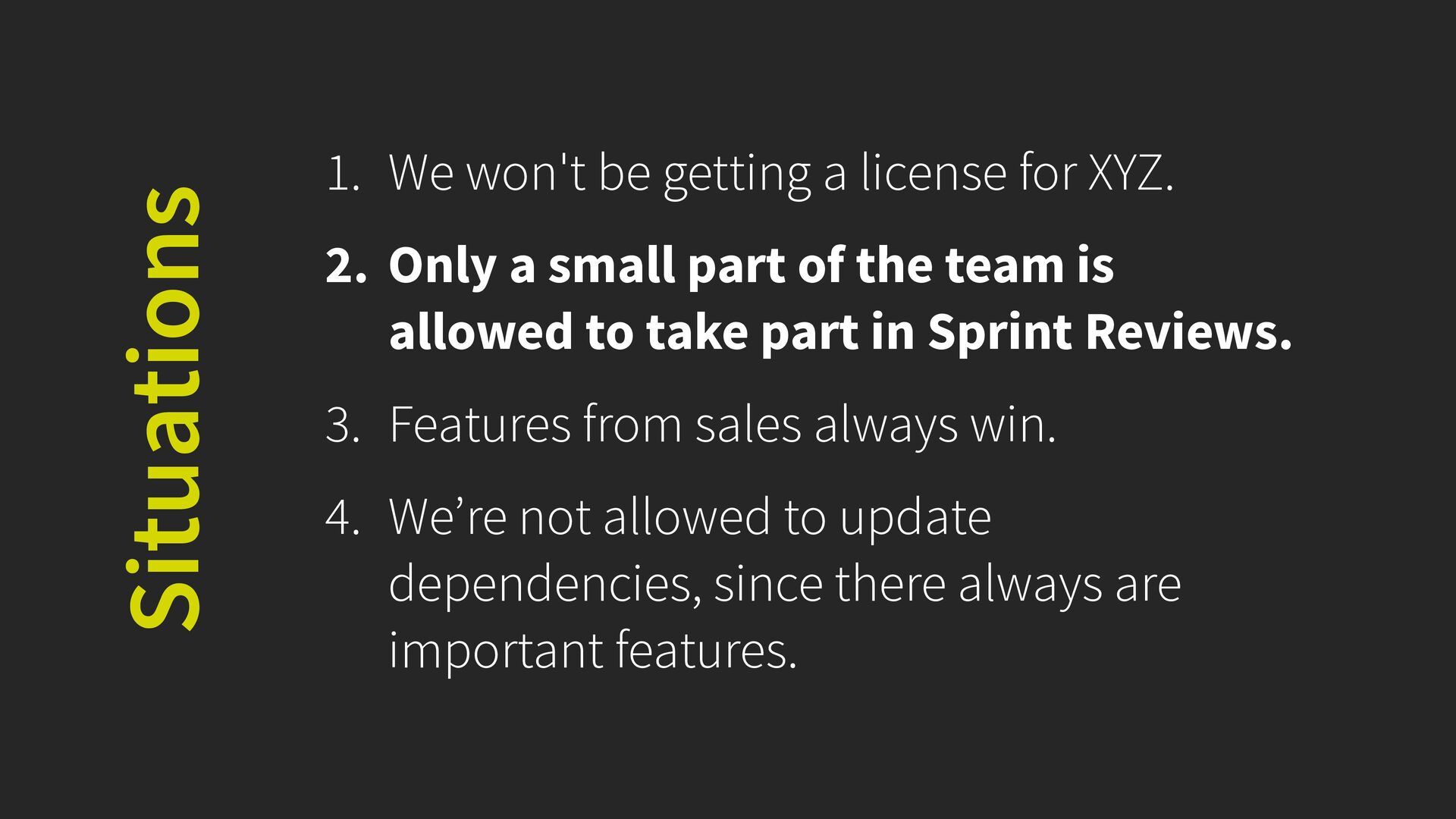
  5. 1. We won't be getting a license for XYZ. 2.

    Only a small part of the team is allowed to take part in Sprint Reviews. 3. Features from sales always win. 4. We’re not allowed to update dependencies, since there always are important features. Situations
  6. 1. We won't be getting a license for XYZ. 2.

    Only a small part of the team is allowed to take part in Sprint Reviews. 3. Features from sales always win. 4. We’re not allowed to update dependencies, since there always are important features. Situations
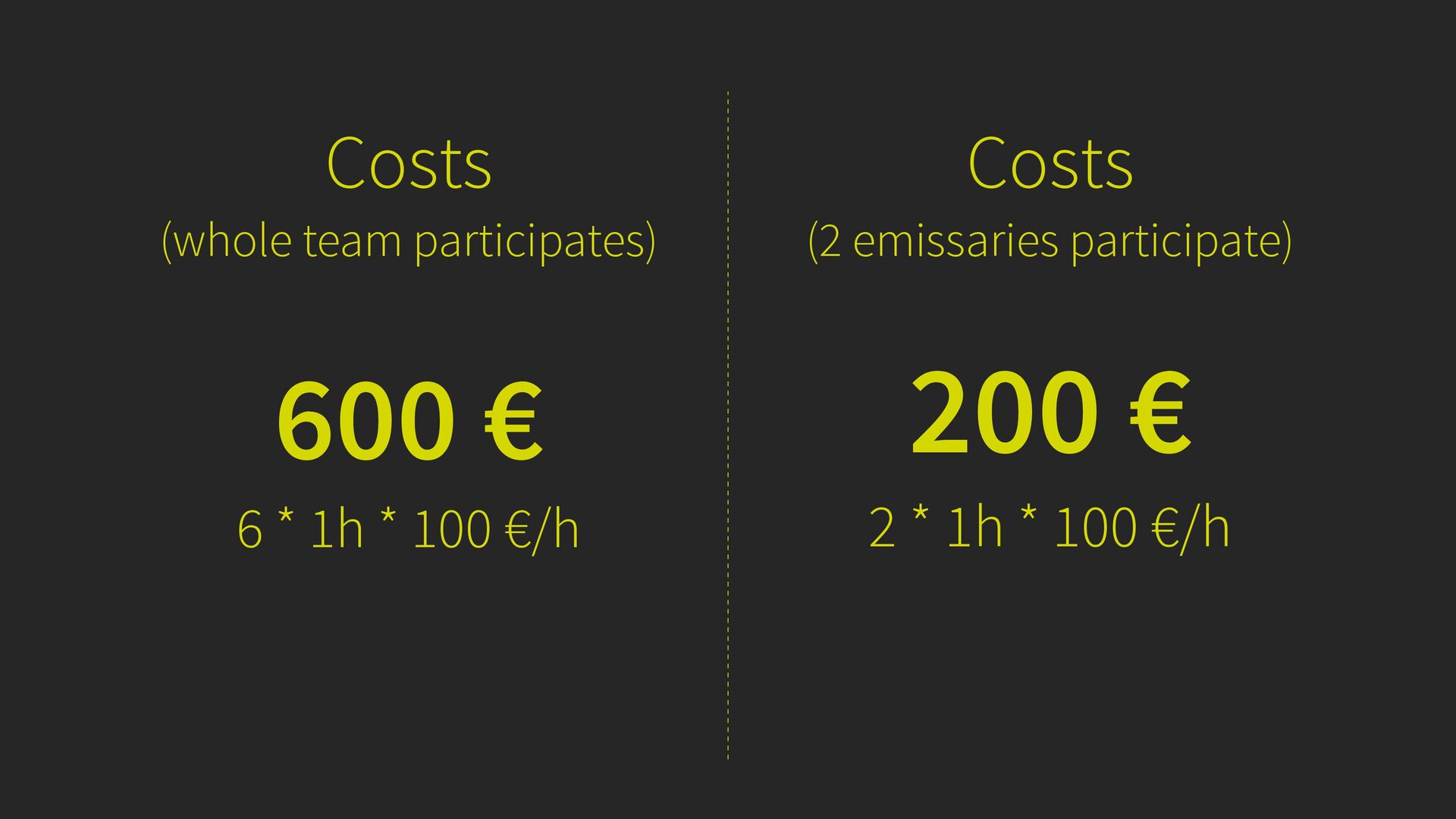
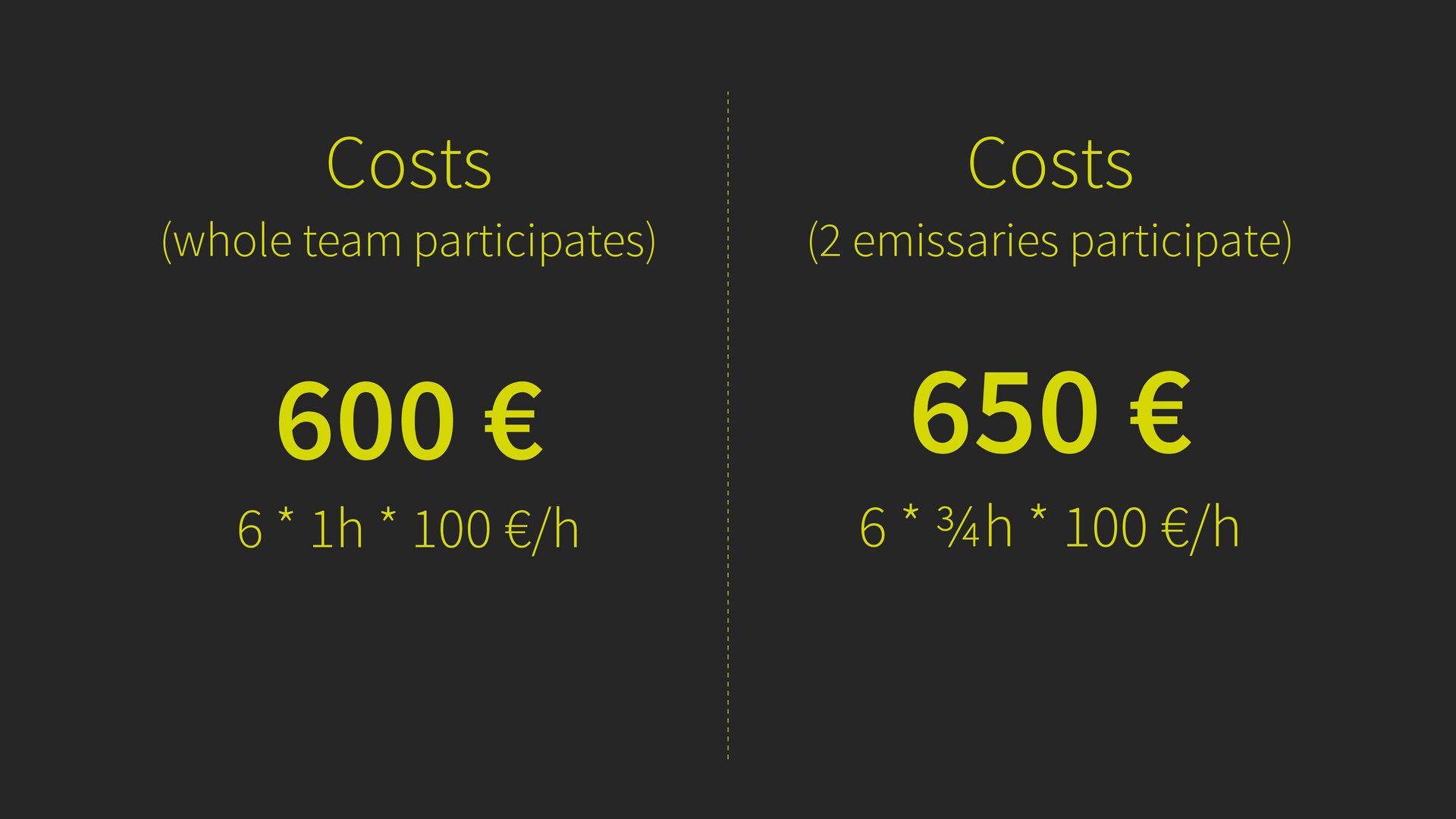
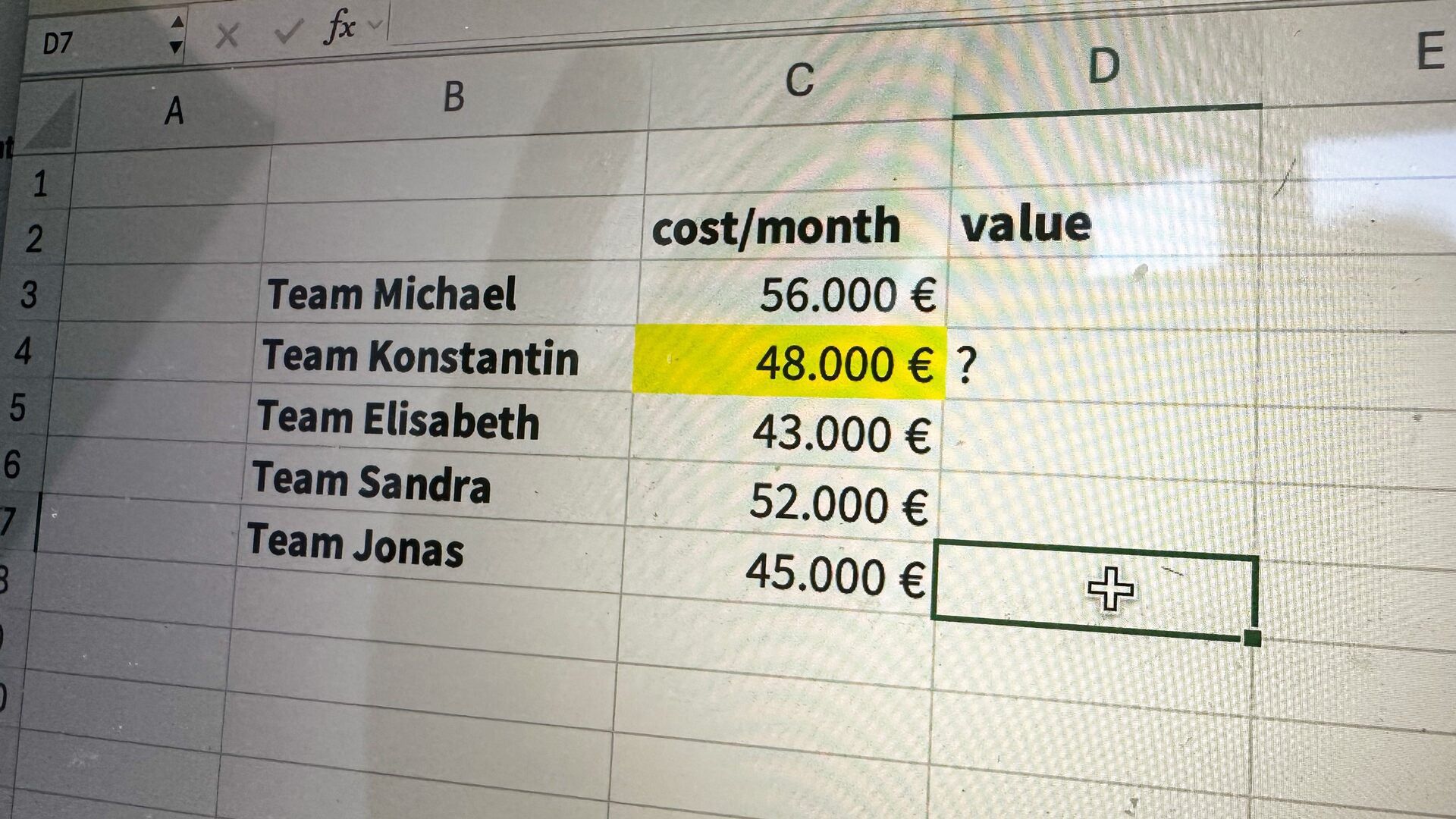
  7. Costs (whole team participates) Costs (2 emissaries participate) 600 €

    6 * 1h * 100 €/h 200 € 2 * 1h * 100 €/h
  8. 600 € 6 * 1h * 100 €/h 650 €

    6 * ¾ h * 100 €/h Costs (whole team participates) Costs (2 emissaries participate)
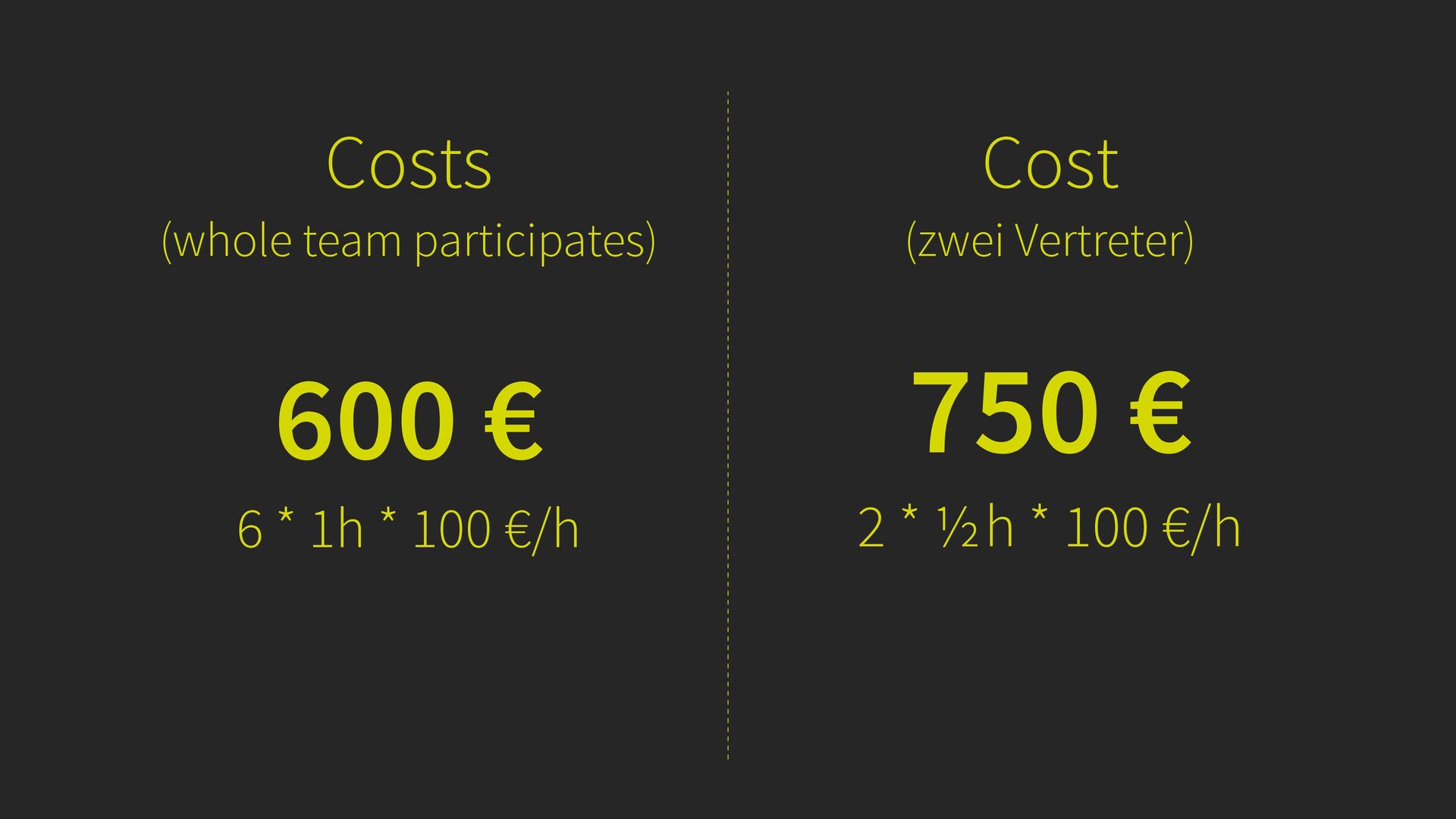
  9. Cost (zwei Vertreter) 600 € 6 * 1h * 100

    €/h 750 € 2 * ½ h * 100 €/h Costs (whole team participates)
  10. 1. We won't be getting a license for XYZ. 2.

    Only a small part of the team is allowed to take part in Sprint Reviews. 3. Features from sales always win. 4. We’re not allowed to update dependencies, since there always are important features. Situations
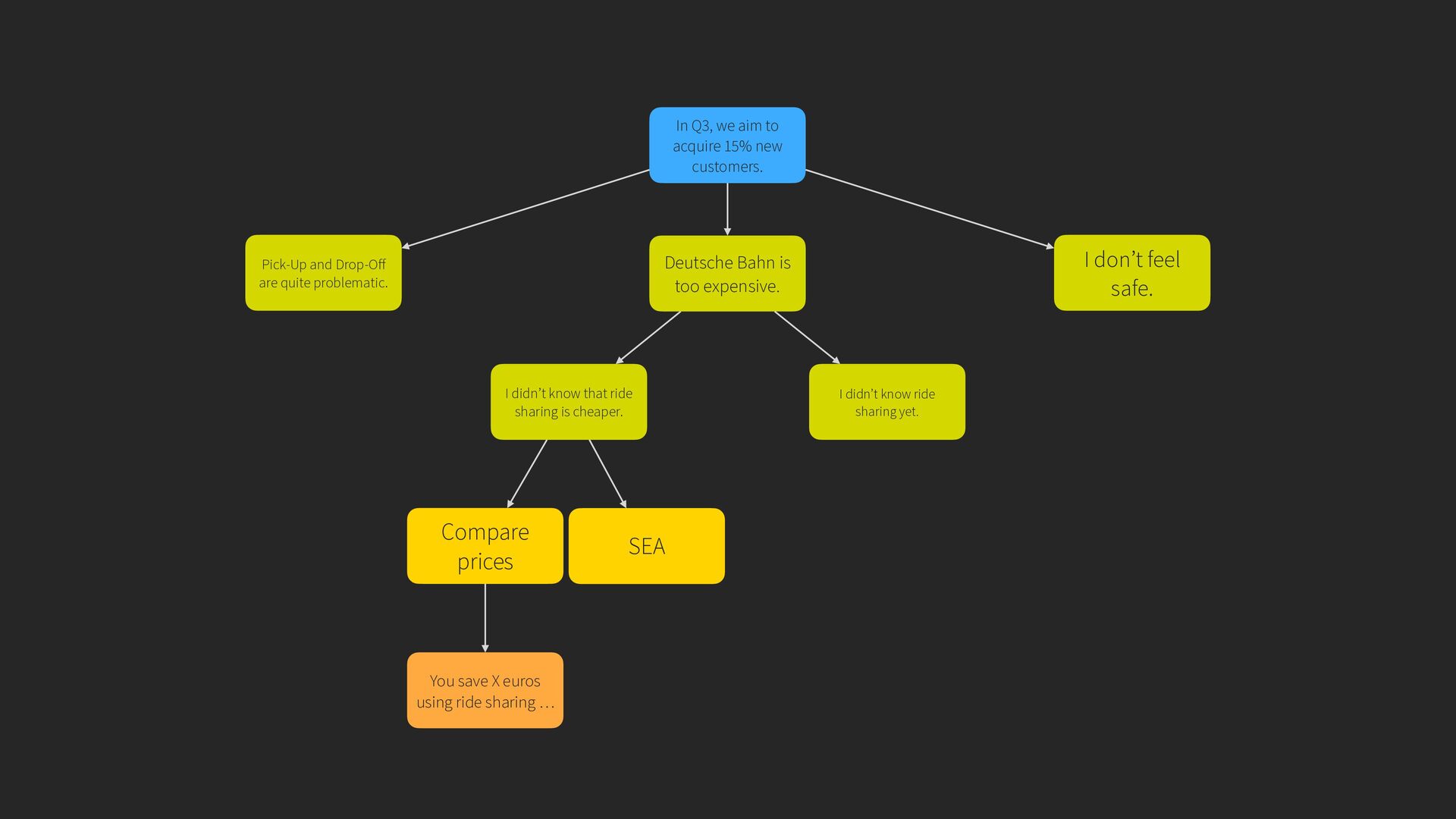
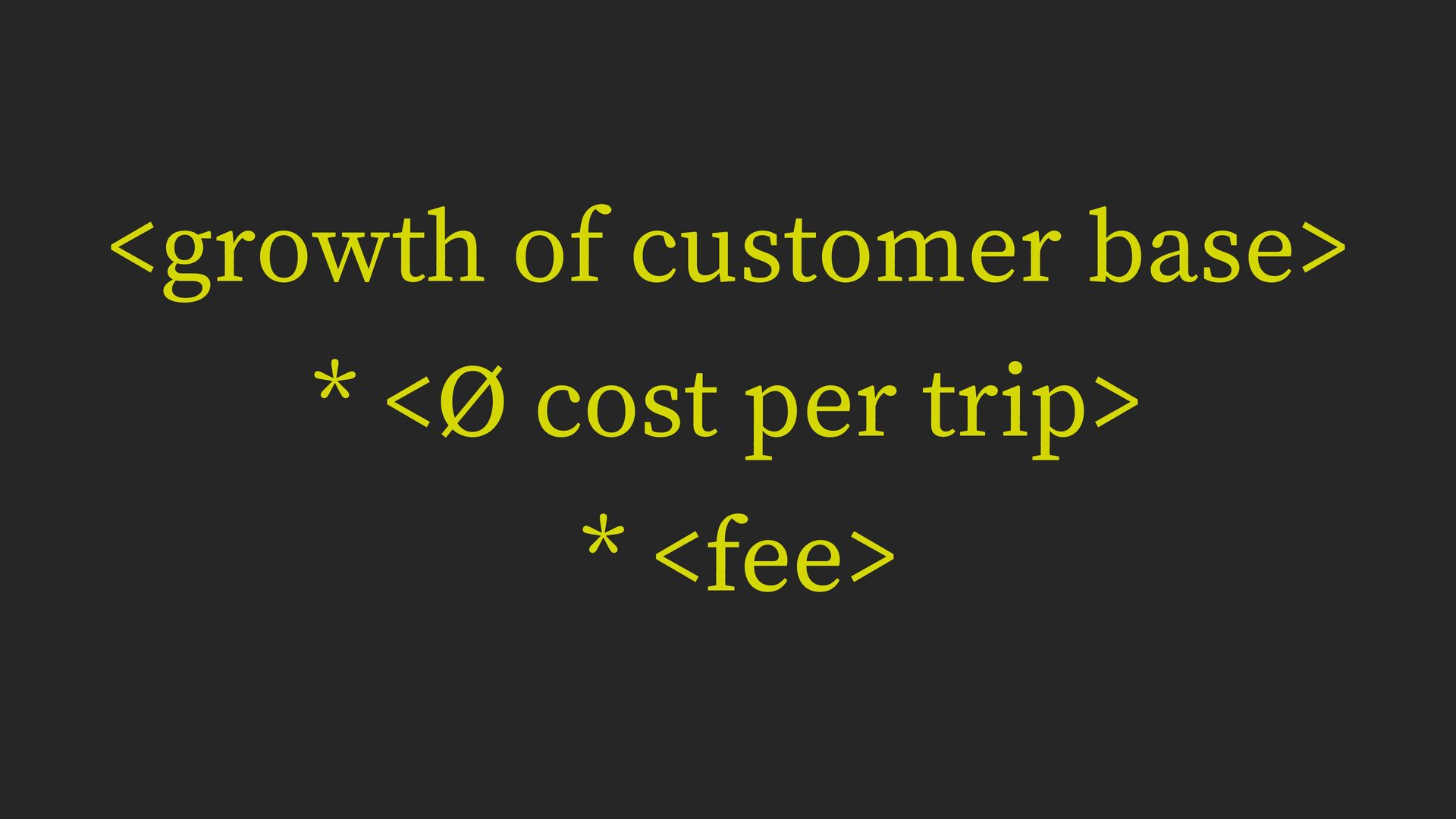
  11. In Q3, we aim to acquire 15% new customers. Pick-Up

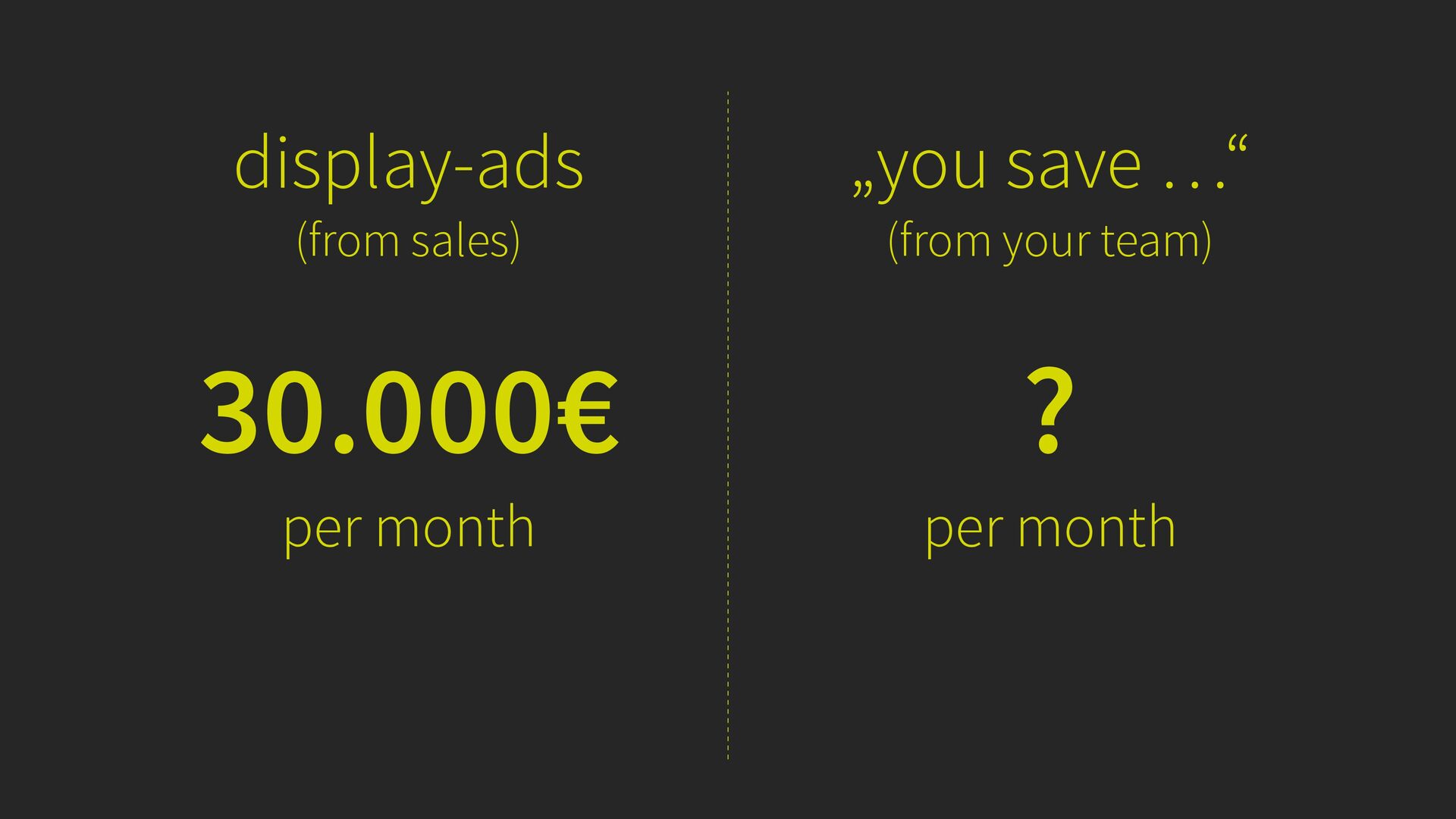
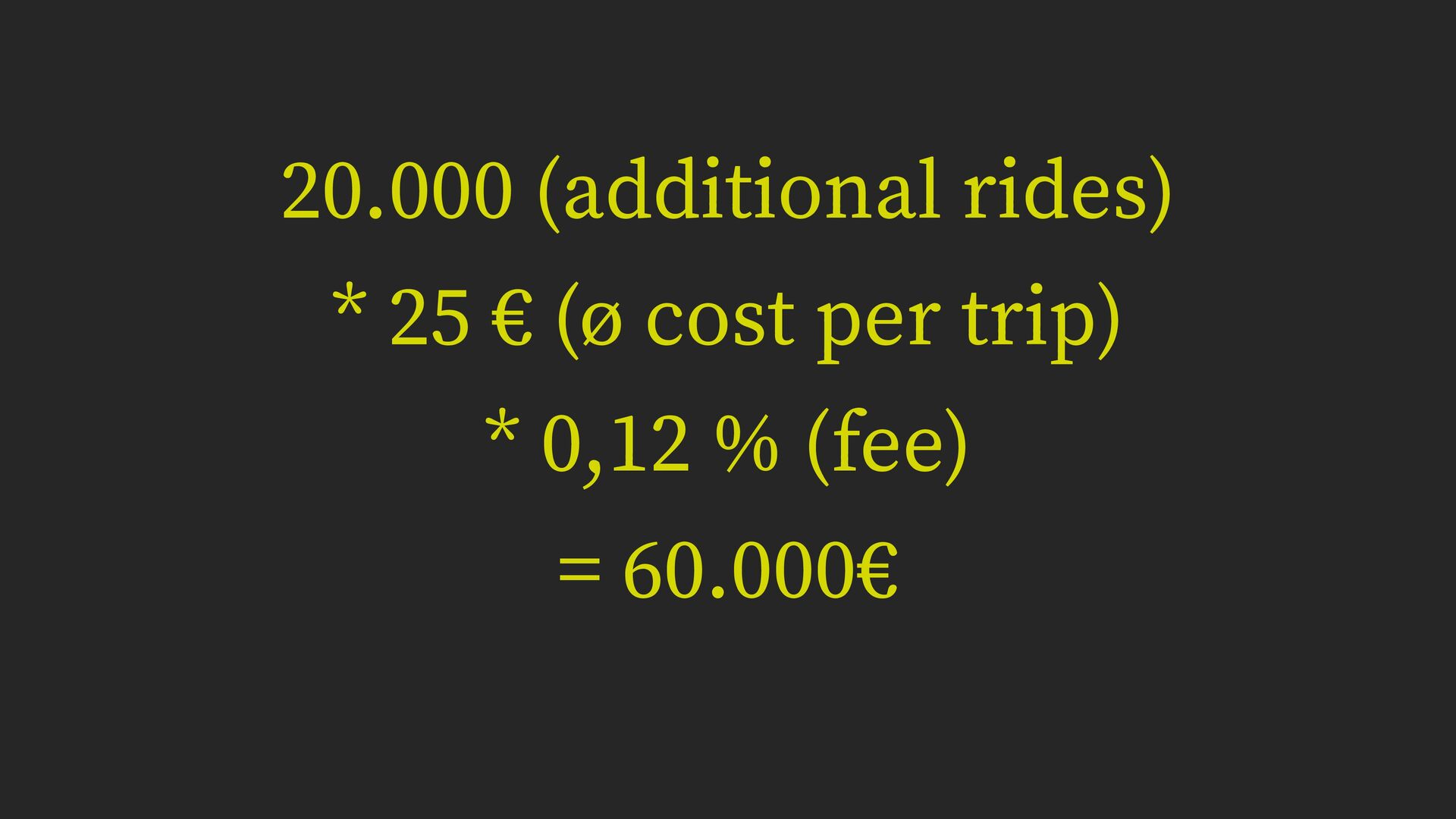
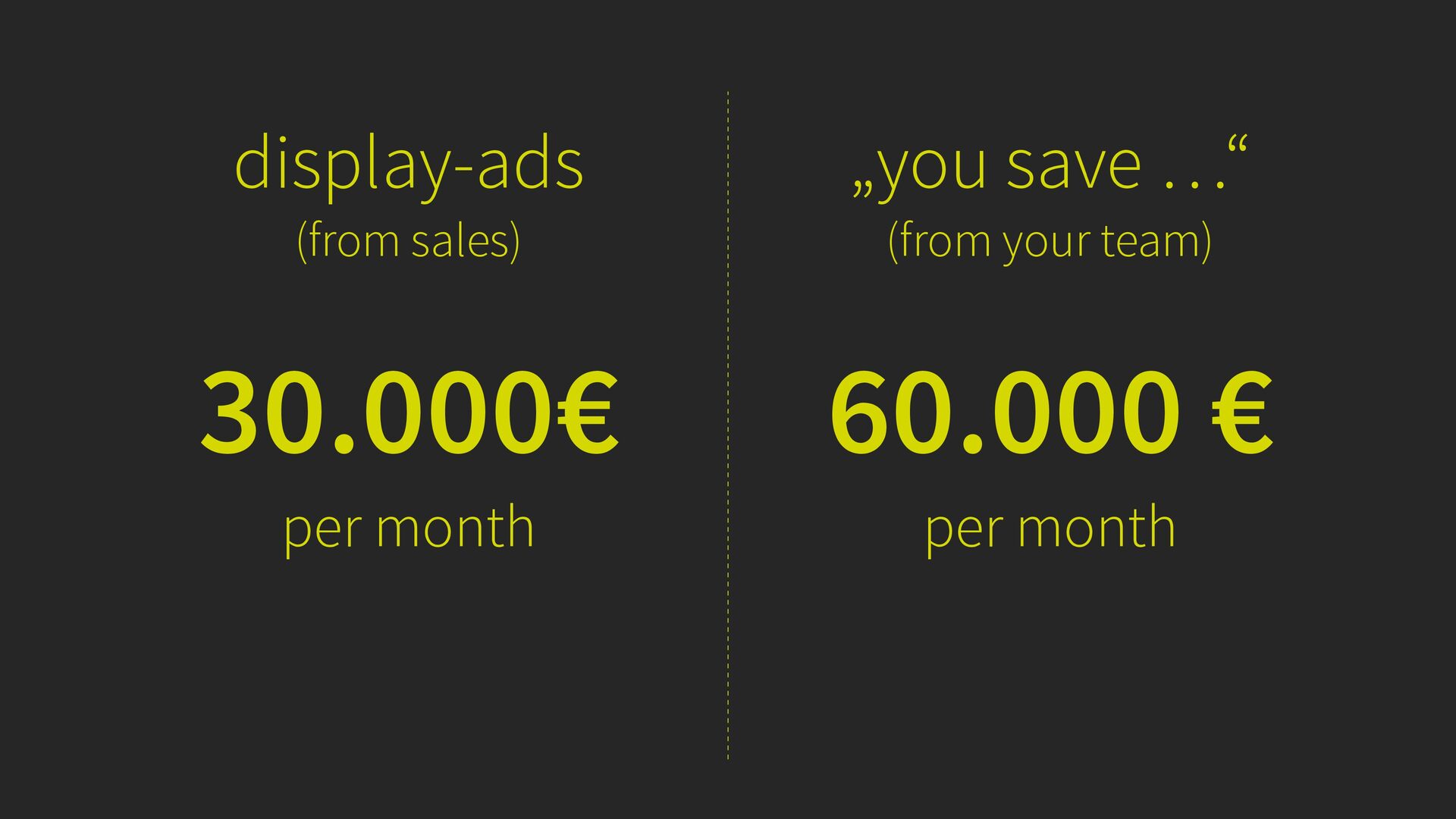
    and Drop-O ff are quite problematic. I didn’t know that ride sharing is cheaper. Compare prices You save X euros using ride sharing … Deutsche Bahn is too expensive. I don’t feel safe. I didn’t know ride sharing yet. SEA
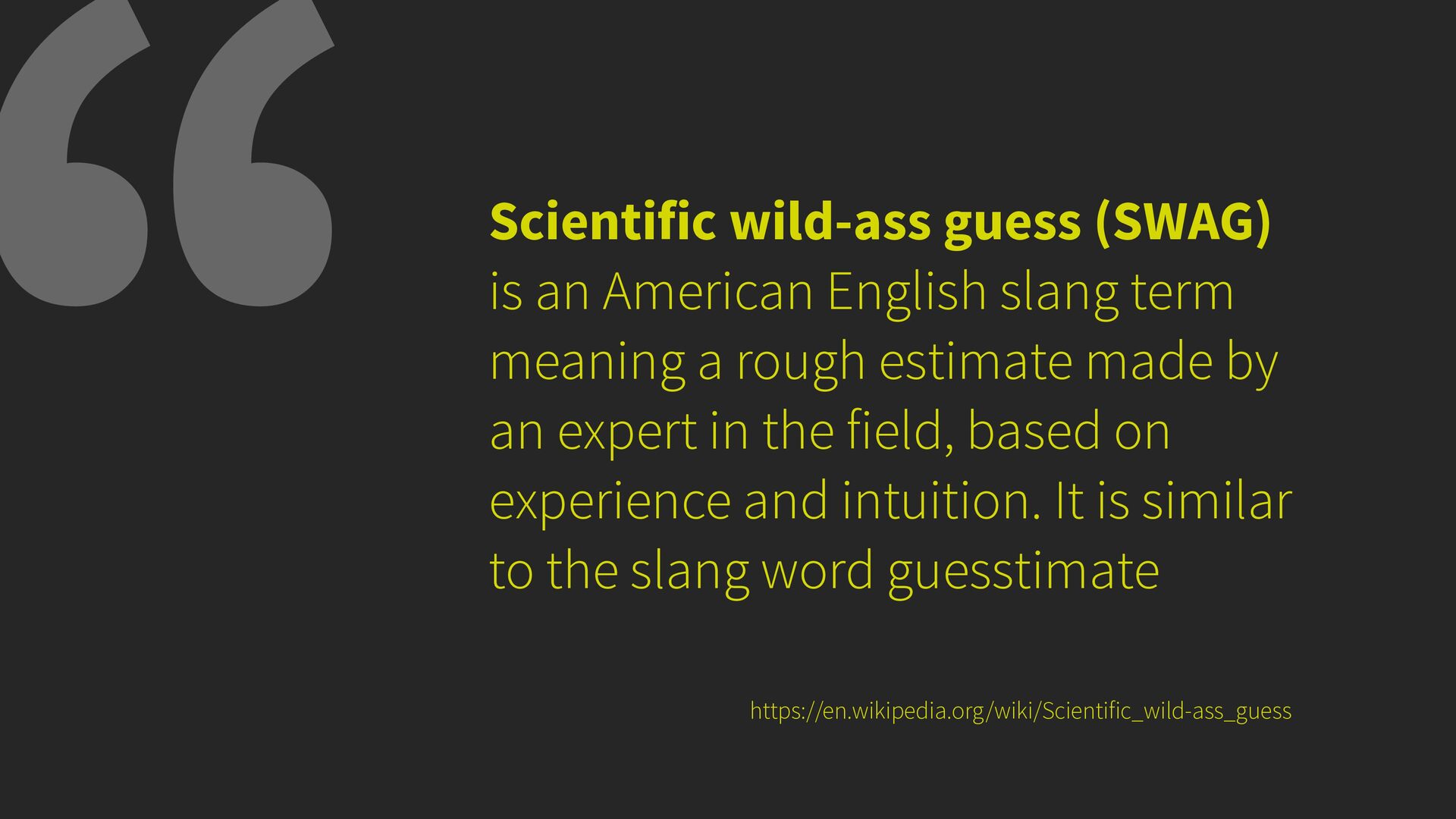
  12. Scientific wild-ass guess (SWAG) is an American English slang term

    meaning a rough estimate made by an expert in the field, based on experience and intuition. It is similar to the slang word guesstimate https://en.wikipedia.org/wiki/Scientific_wild-ass_guess
  13. 1. We won't be getting a license for XYZ. 2.

    Only a small part of the team is allowed to take part in Sprint Reviews. 3. Features from sales always win. 4. We’re not allowed to update dependencies, since there always are important features. Situations
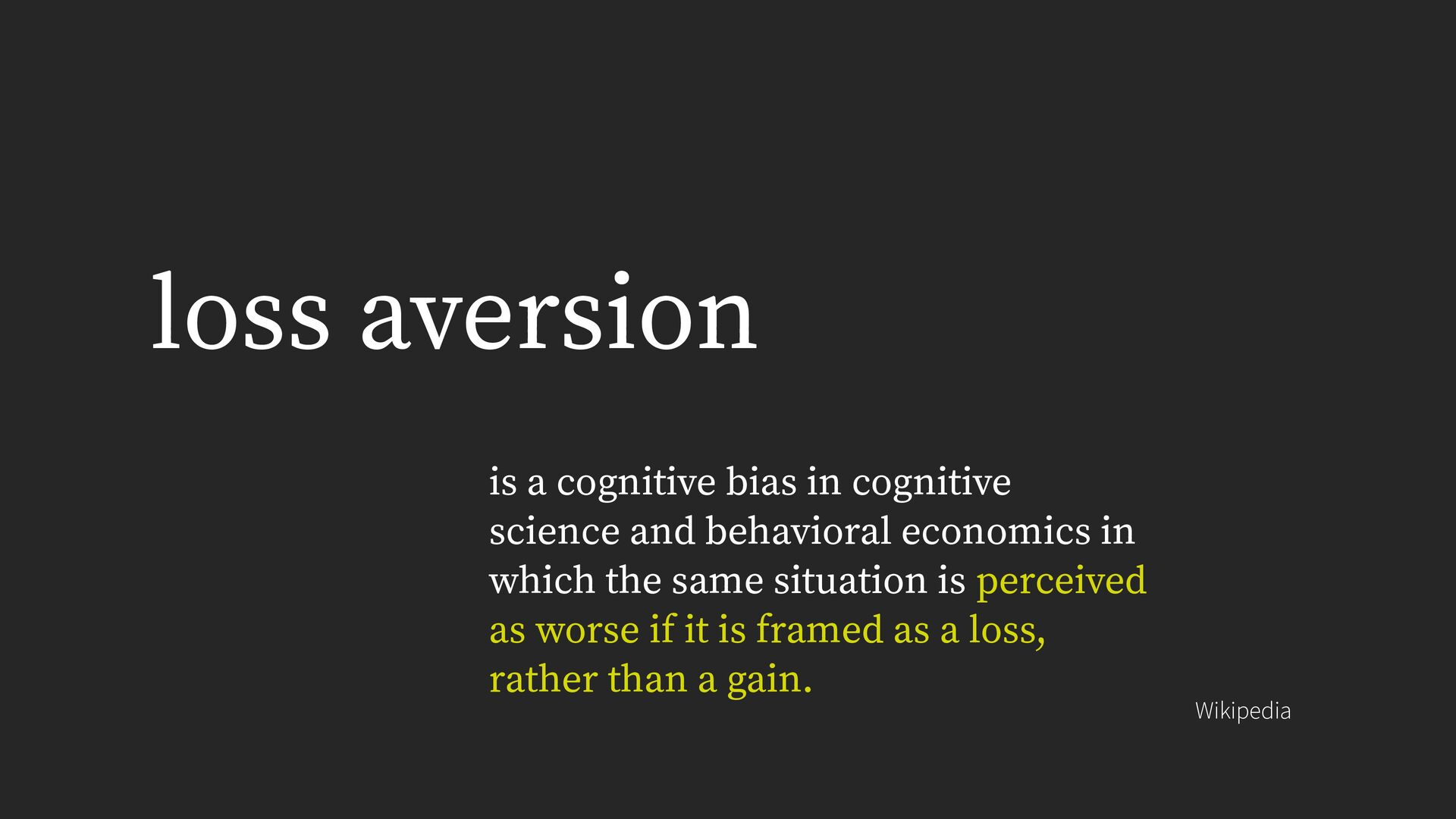
  14. loss aversion is a cognitive bias in cognitive science and

    behavioral economics in which the same situation is perceived as worse if it is framed as a loss, rather than a gain. Wikipedia
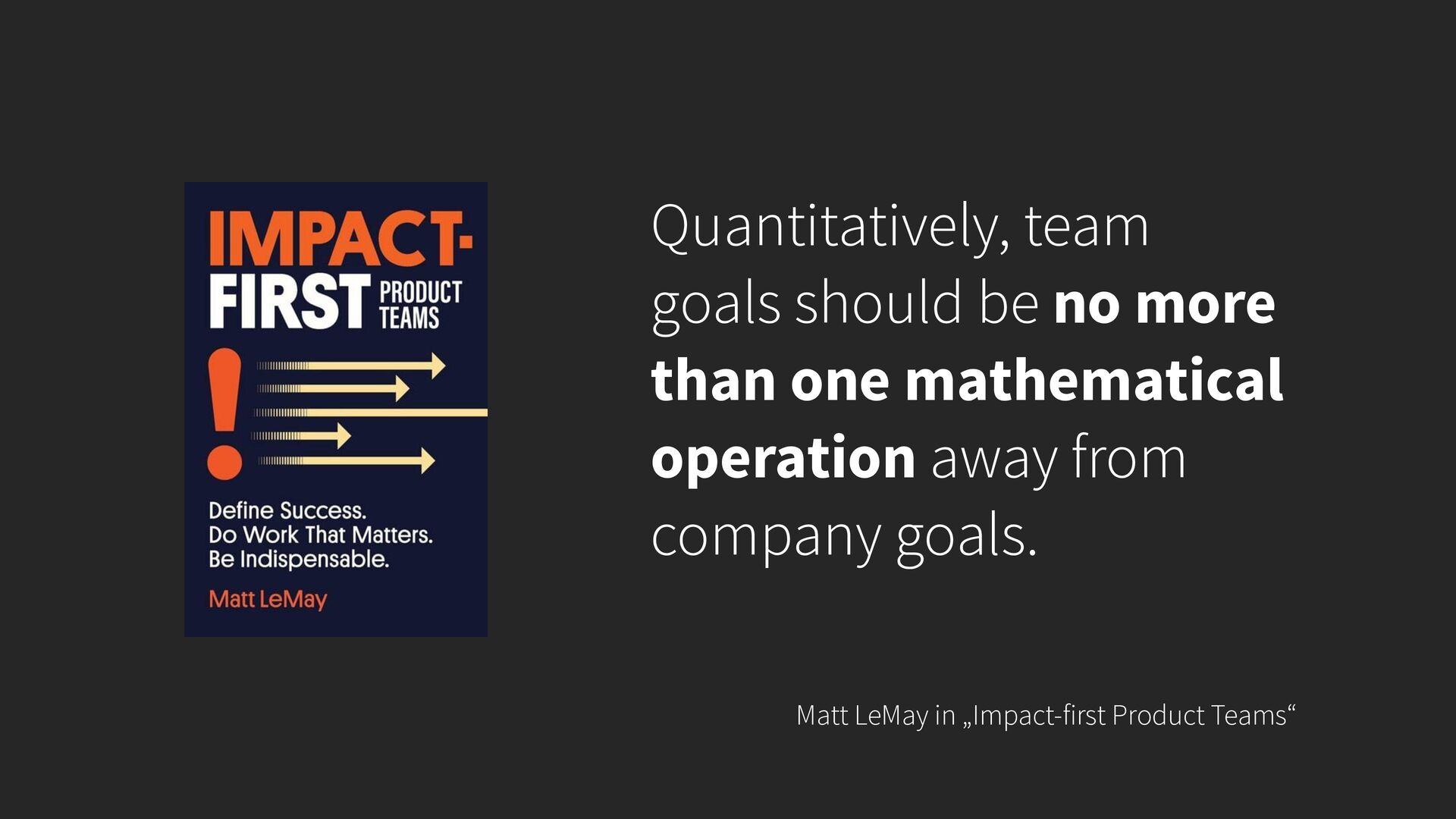
  15. Matt LeMay in „Impact-first Product Teams“ Quantitatively, team goals should

    be no more than one mathematical operation away from company goals.
  16. Value Assessment Discuss a real example! Do you have an

    issue convincing your management? Want to clarify your team’s value/contribution? There are 3 free assessments, grab one soon! ✅ ✅ ✅
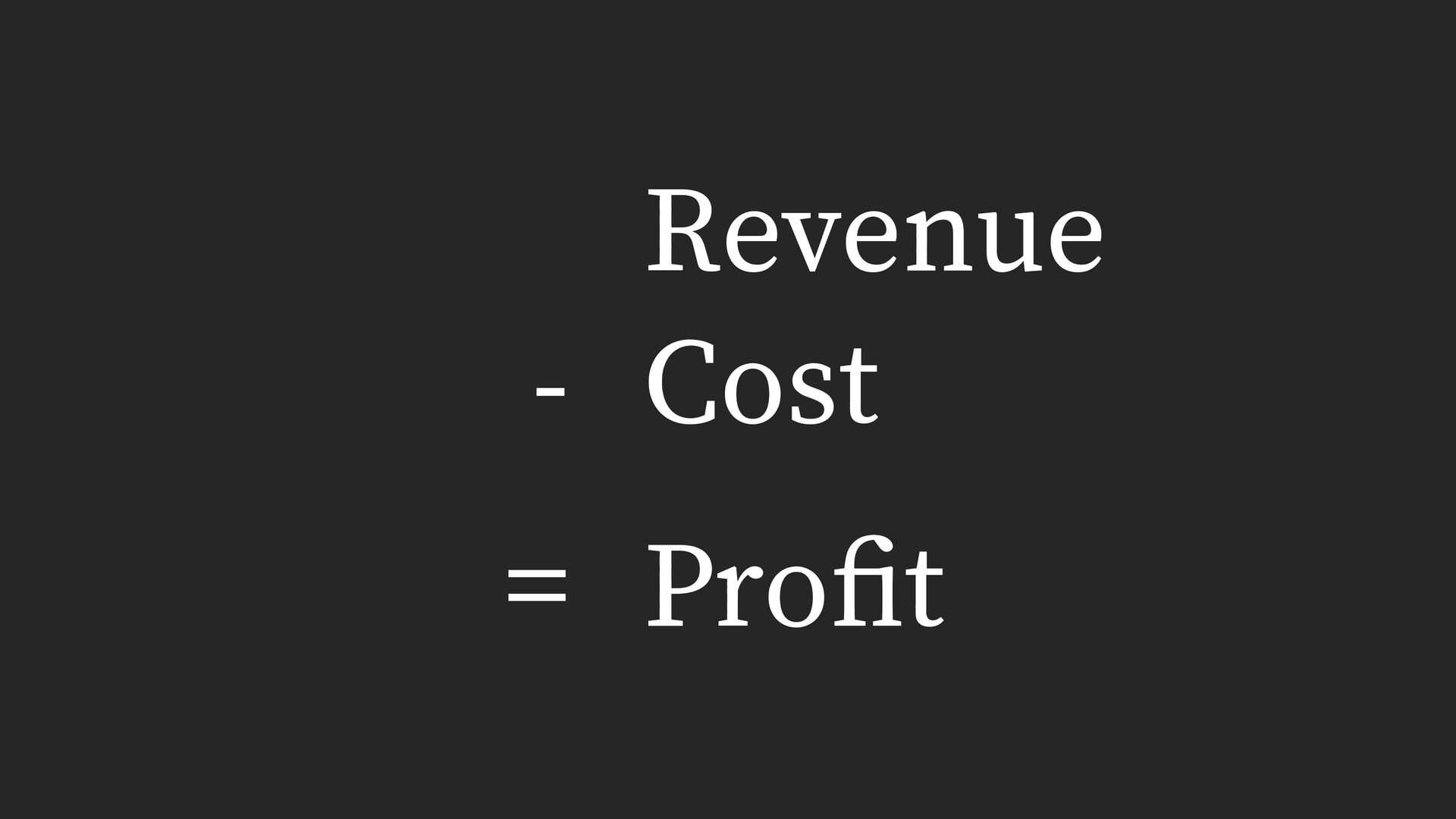
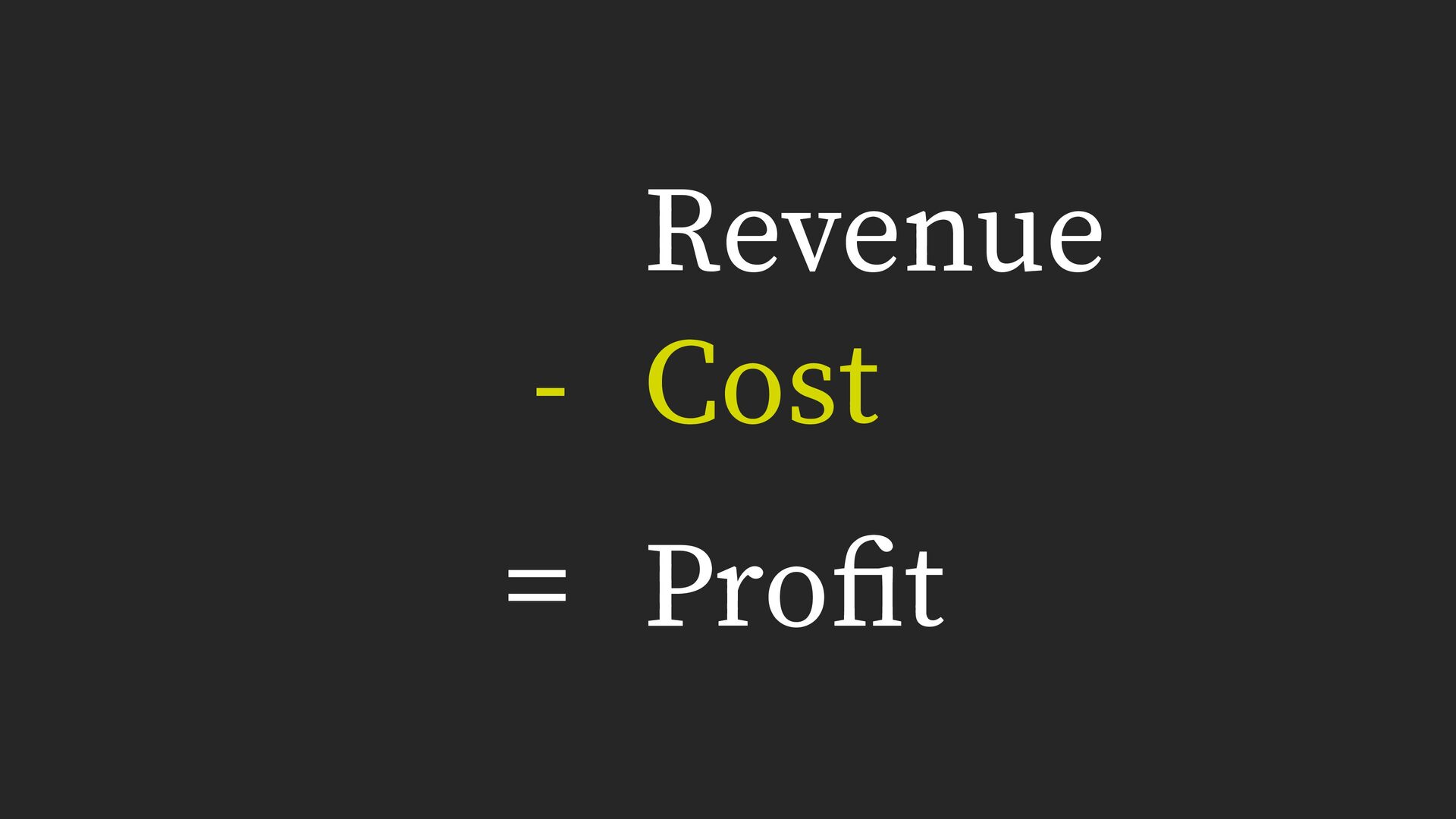
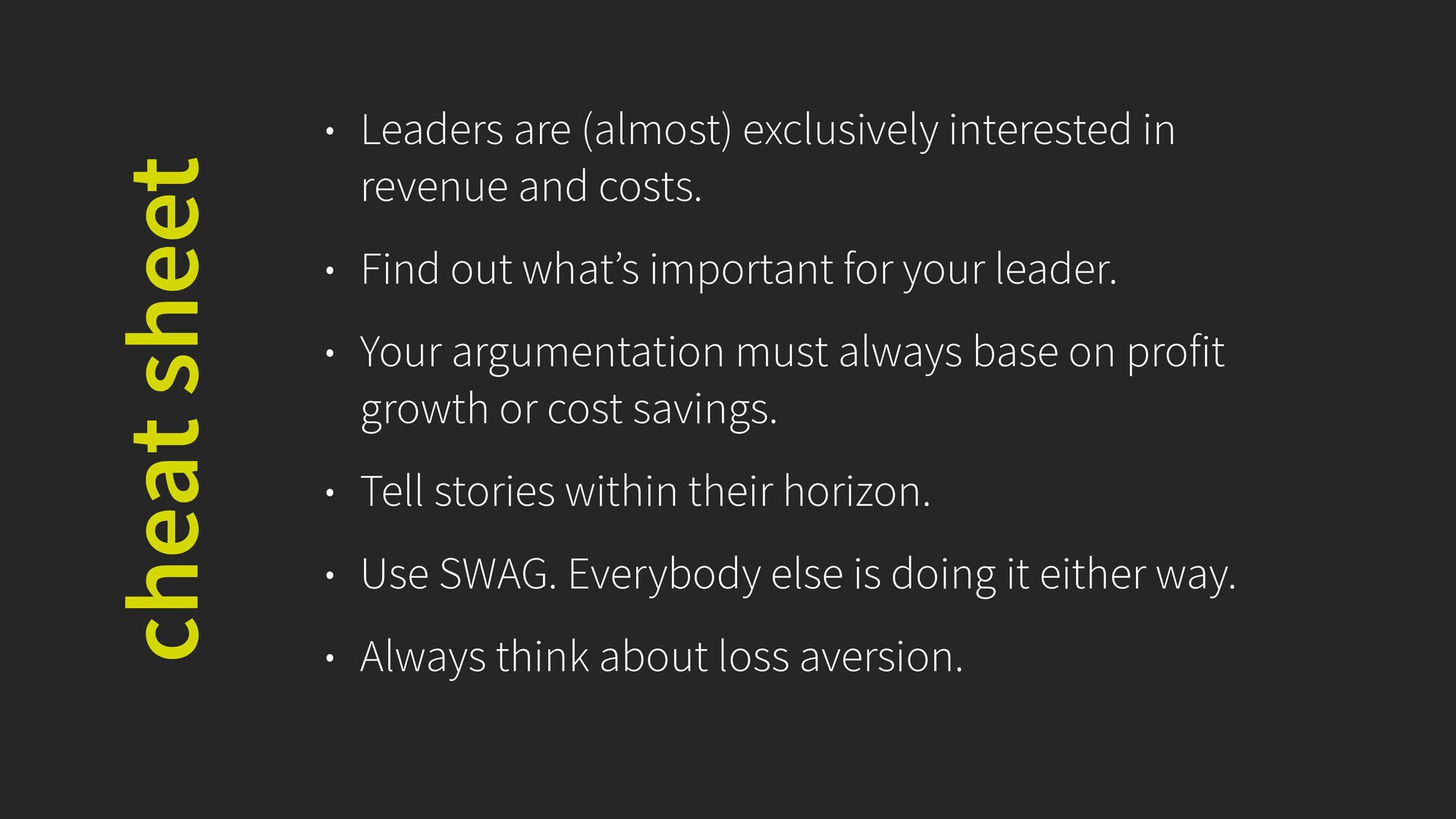
  17. • Leaders are (almost) exclusively interested in revenue and costs.

    • Find out what’s important for your leader. • Your argumentation must always base on profit growth or cost savings. • Tell stories within their horizon. • Use SWAG. Everybody else is doing it either way. • Always think about loss aversion. cheat sheet