Upgrade to Pro — share decks privately, control downloads, hide ads and more …

Szymon Słowik Baltic Nordic SEO Summit

Szymon Słowik Baltic Nordic SEO Summit

SEO doesn't need more hacks. It needs alignment with how markets actually work. This keynote translates classic business strategy thinking — Porter, Drucker, Ries & Trout, BCG — into practical retrieval mechanics. The result is BUXS (Brand x UX x Semantics): a framework that treats organic presence as a strategic growth system, not a content factory chasing keyword rankings.
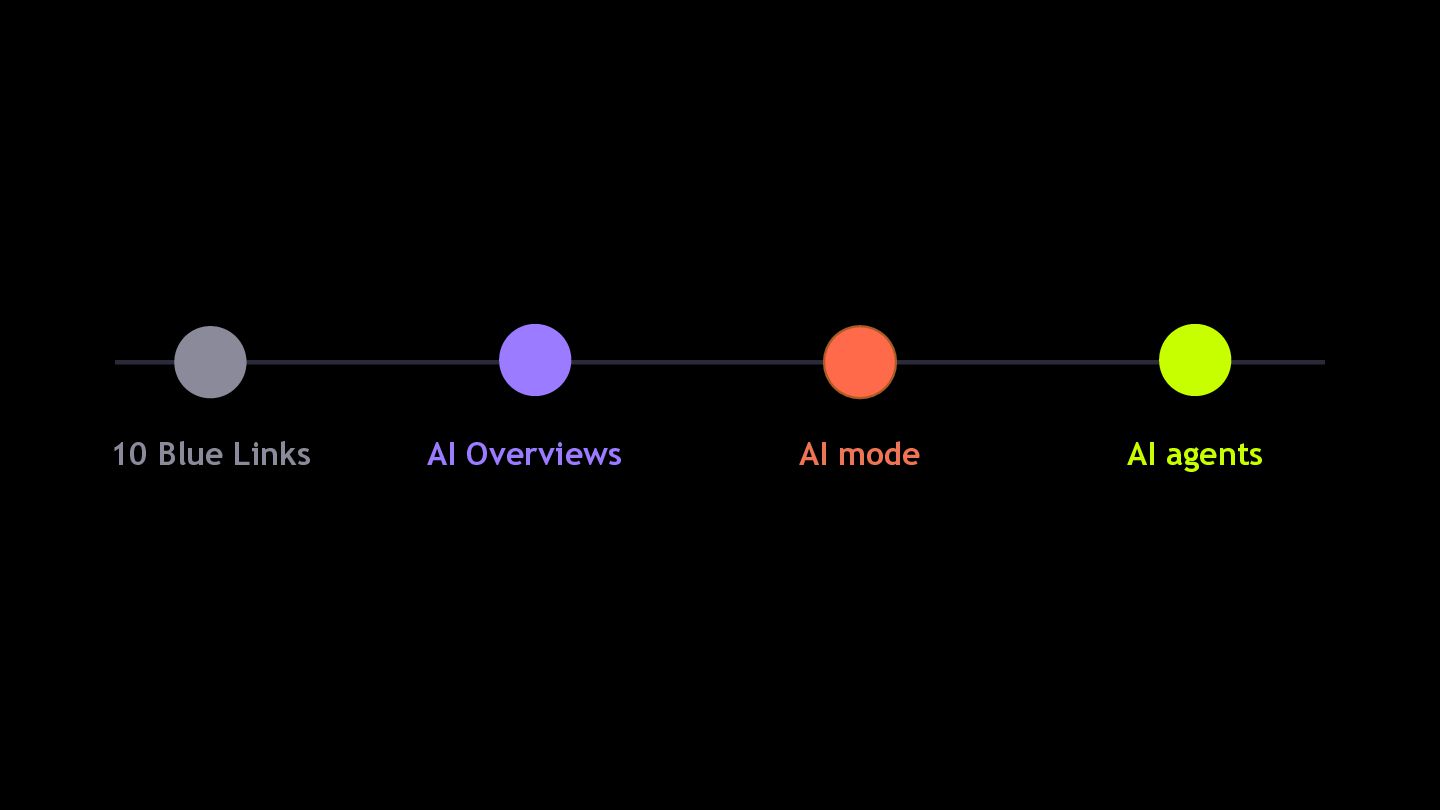
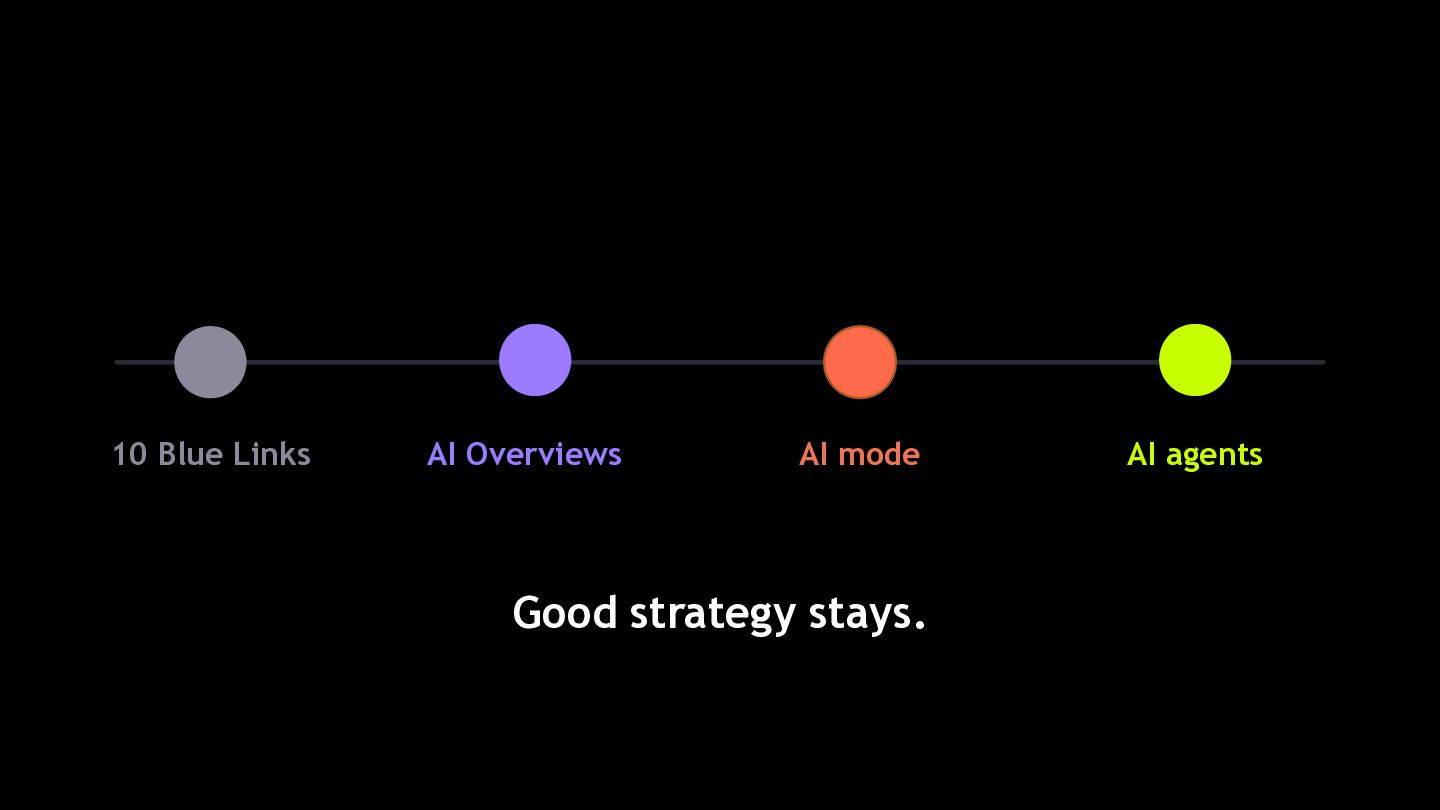
The talk covers why keywords as a primary goal is the wrong direction, how business strategy concepts map directly to Google's retrieval systems, the three-tier architecture (Macro → Seed → Node) for building topical authority with purpose, why strategy survives every interface shift — from 10 blue links to AI Overviews to agentic feeds — and how co-occurrence, entity clarity, and passage-level precision drive the modern organic flywheel.
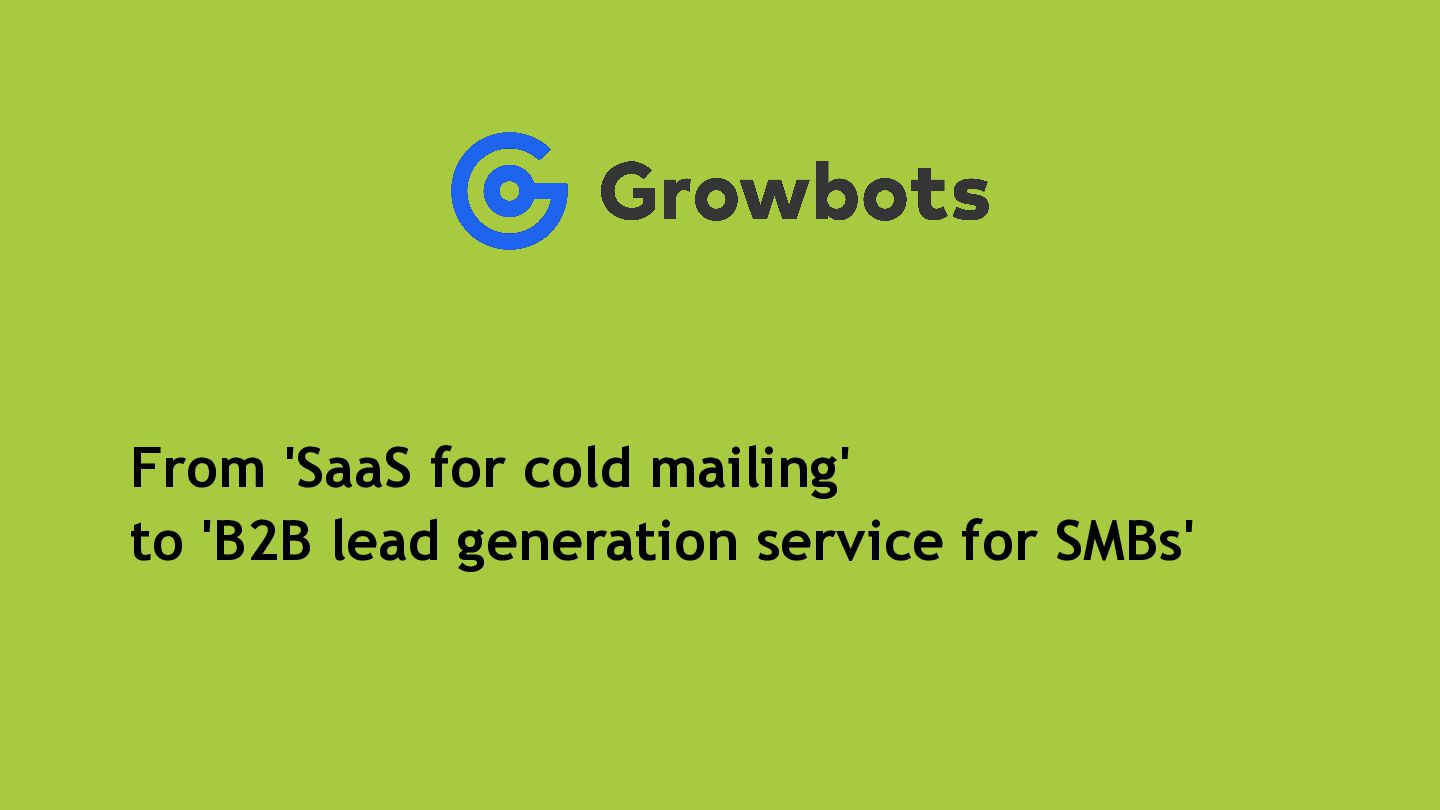
Includes a case study of an entity rebuild (SaaS → services pivot), the retrieval probability formula, and a prescriptive close with the full BUXS framework.

Not the traffic generator — the growth architect.

Avatar for Szymon Słowik

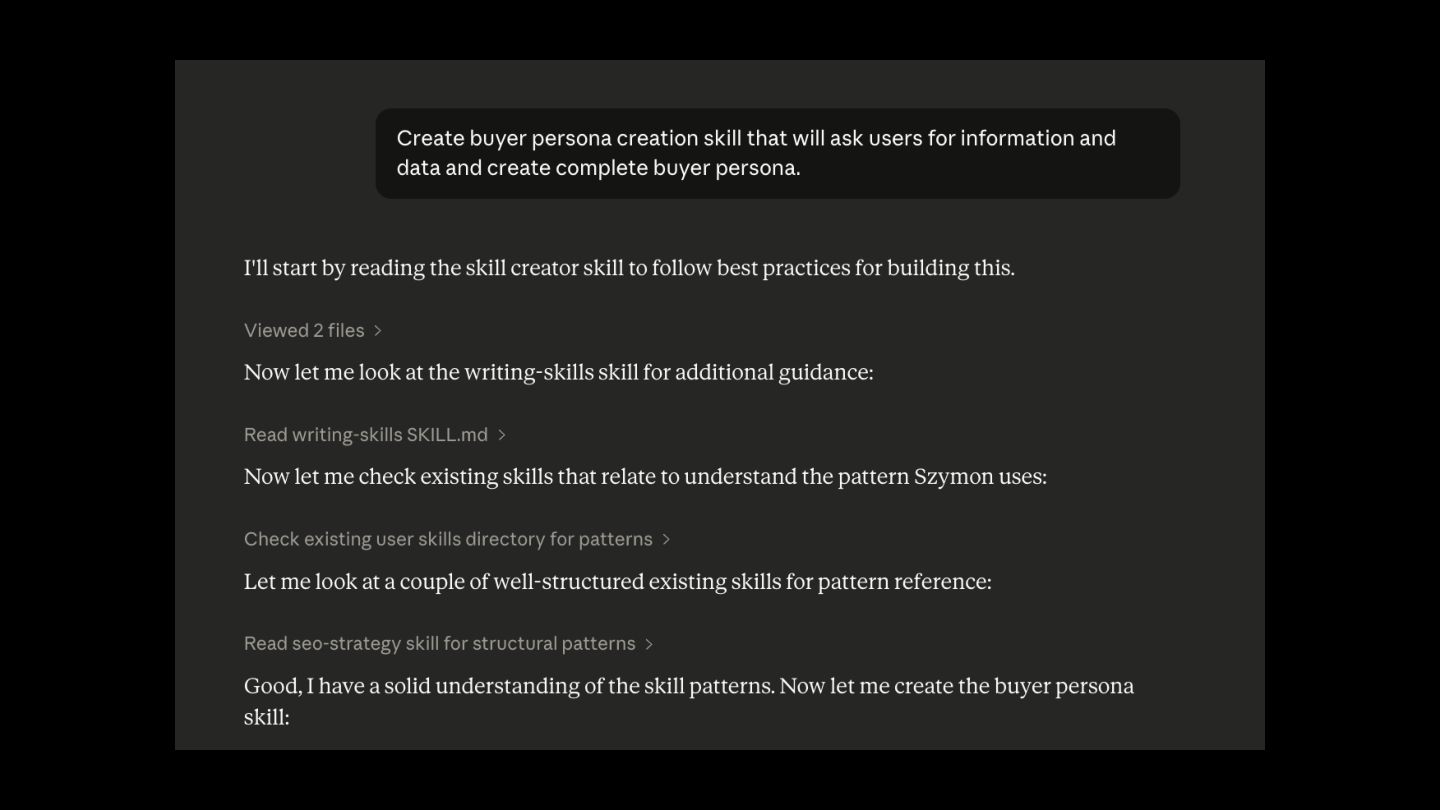
Szymon Słowik

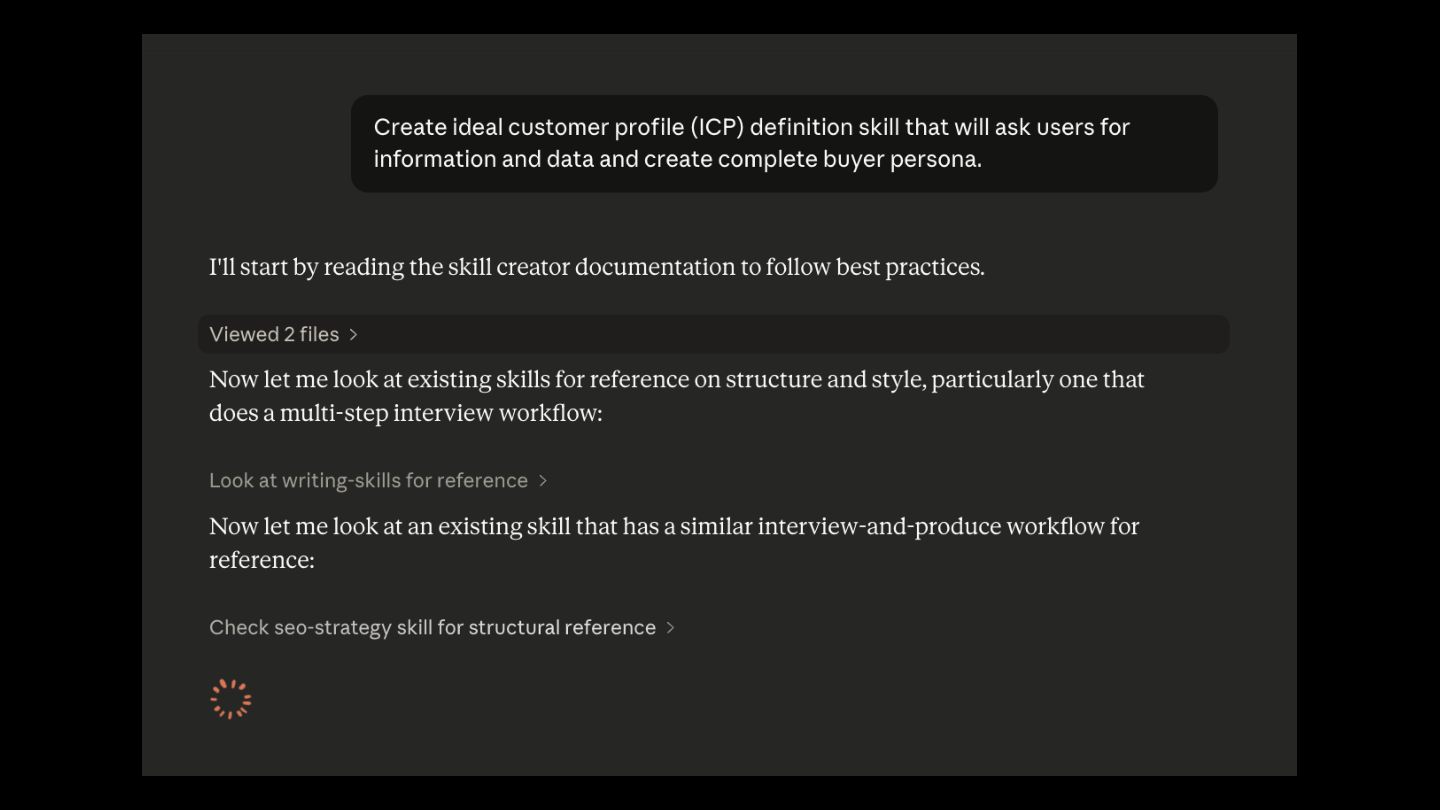
April 03, 2026
Tweet

More Decks by Szymon Słowik

Other Decks in Business

Transcript

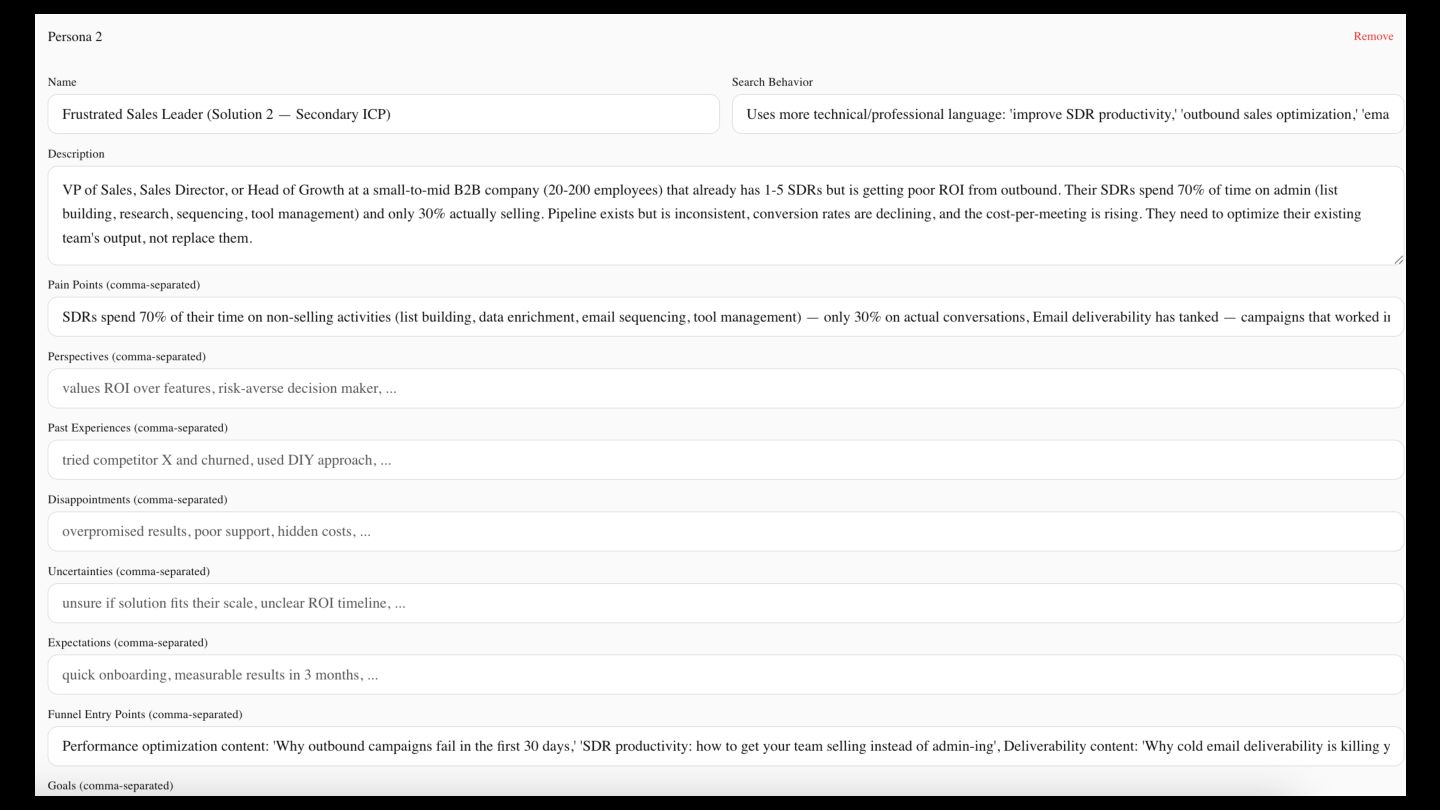
  1. From Business Strategy to Organic Growth Engine A Framework to

    Build Market Position, Not Vanity Metrics szymonslowik.com • takaoto.pro Baltic Nordic SEO Summit 2025
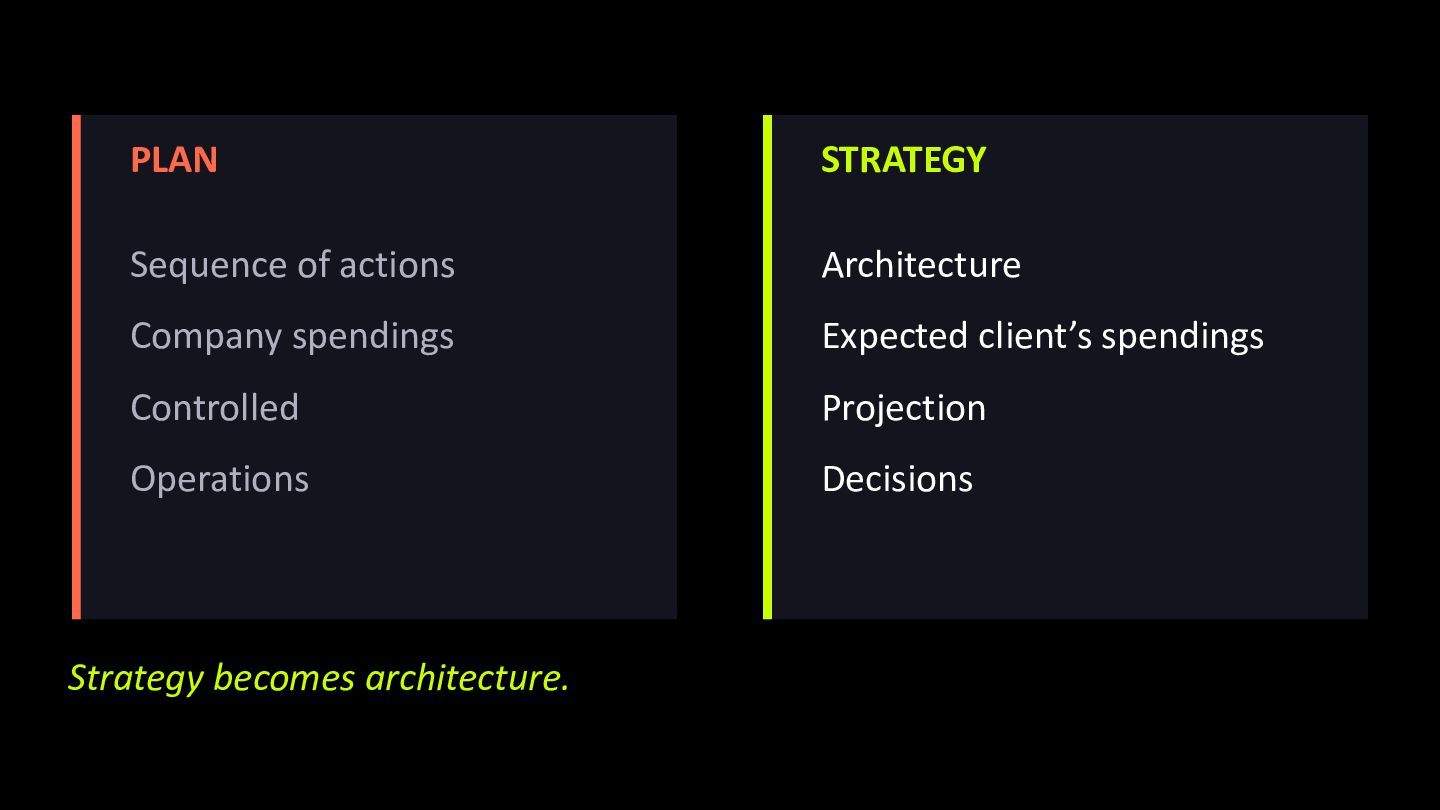
  2. PLAN Sequence of actions Company spendings Controlled Operations STRATEGY Architecture

    Expected client’s spendings Projection Decisions Strategy becomes architecture.
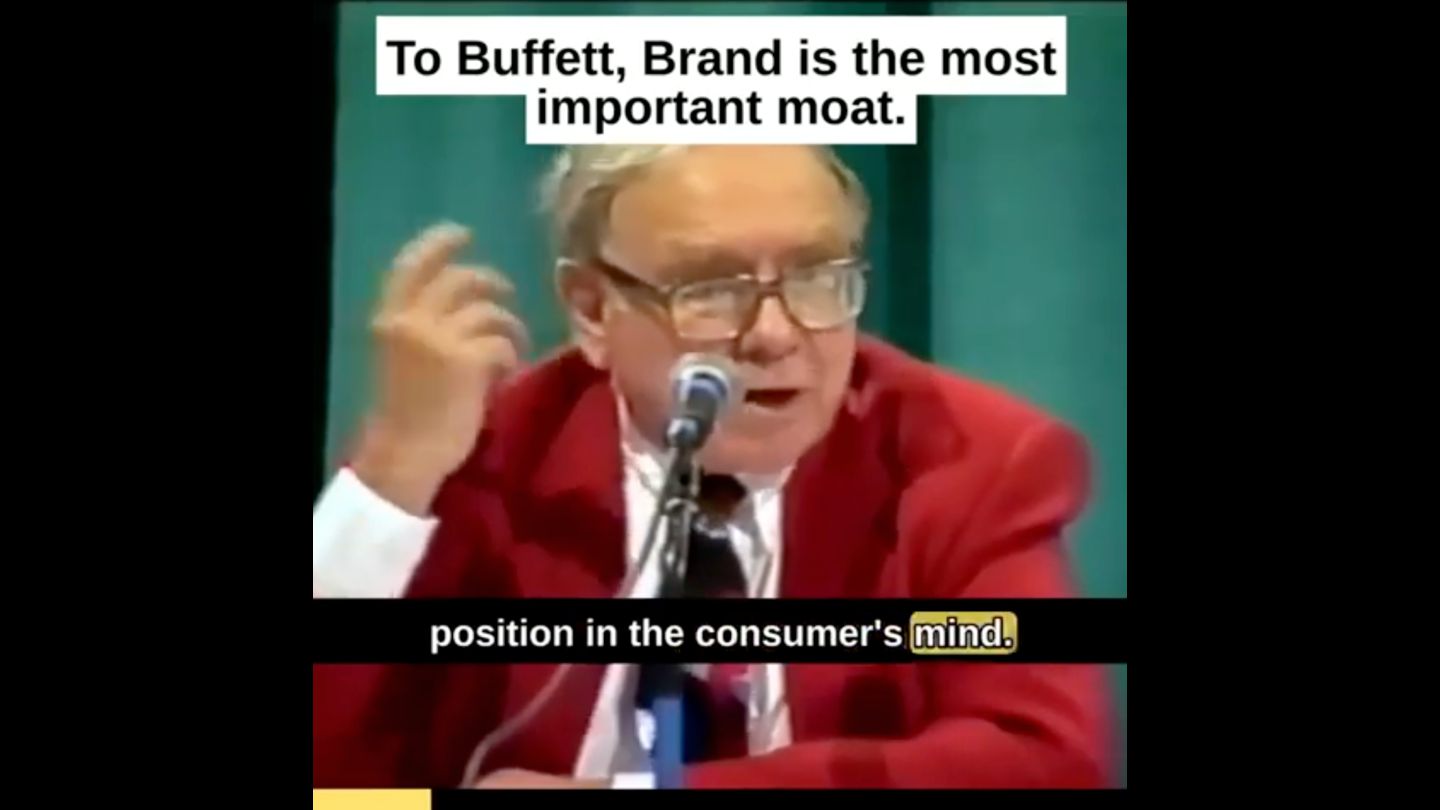
  3. A good business is like a strong castle with a

    deep moat around it. Warren Buffet
  4. Warren Buffet I want sharks in the moat to keep

    away those who would encroach on the castle.
  5. Brand as a moat in SEO - Demand confirmation (trust

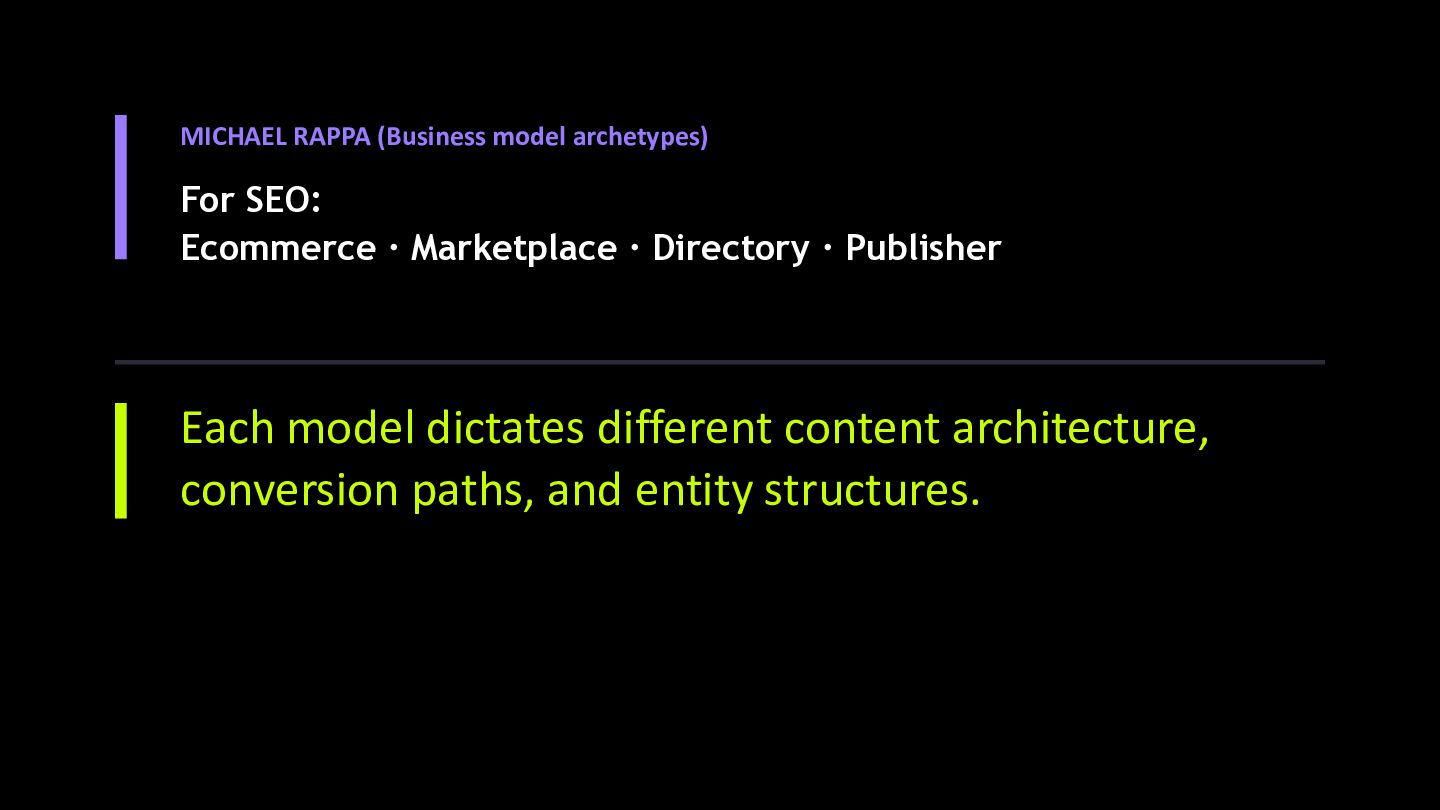
    layer) - Branded traffic (engagement)
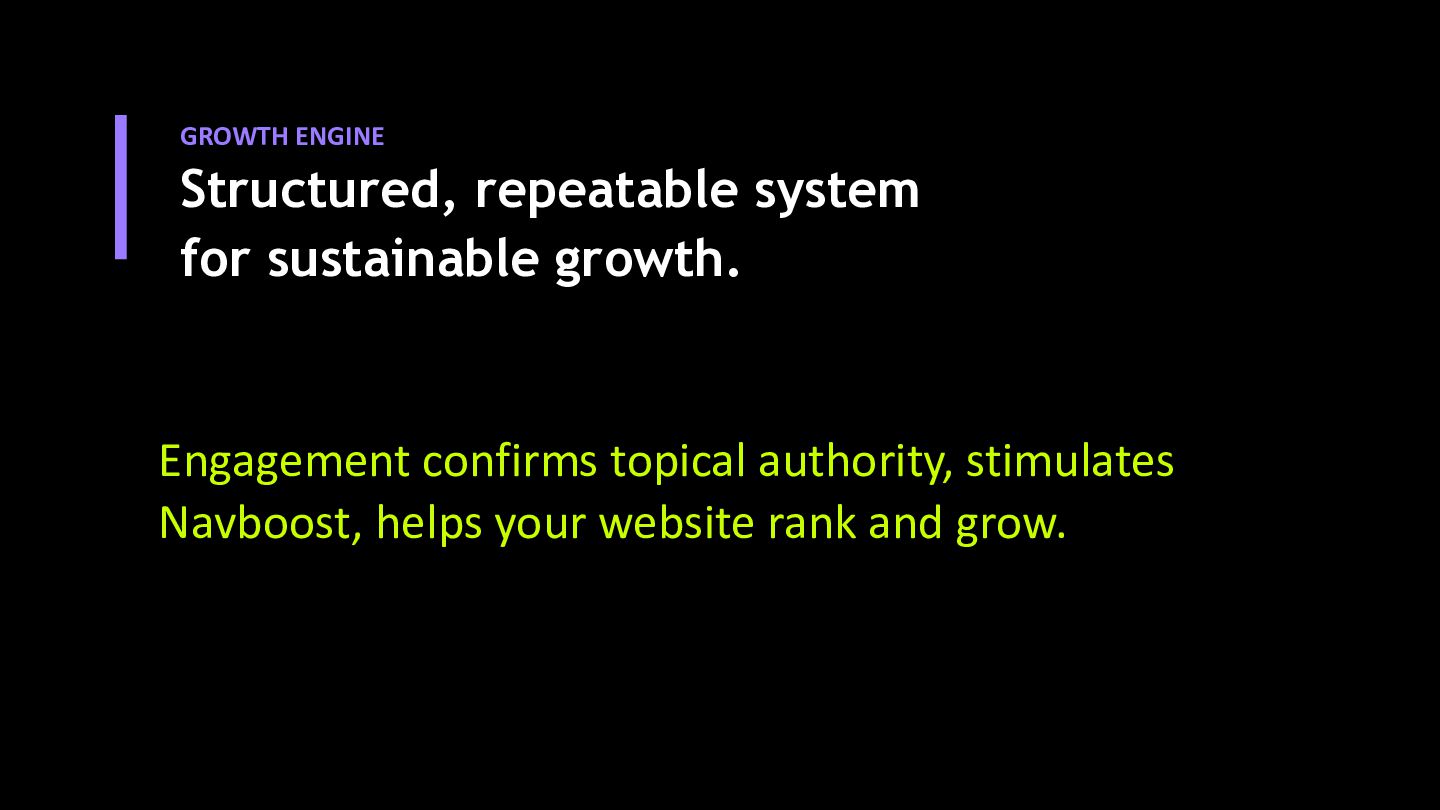
  6. How to design a system that translates to more branded

    search, returning visitors and engagement?
  7. How to design a system that translates to more branded

    search, returning visitors and engagement? Added value.
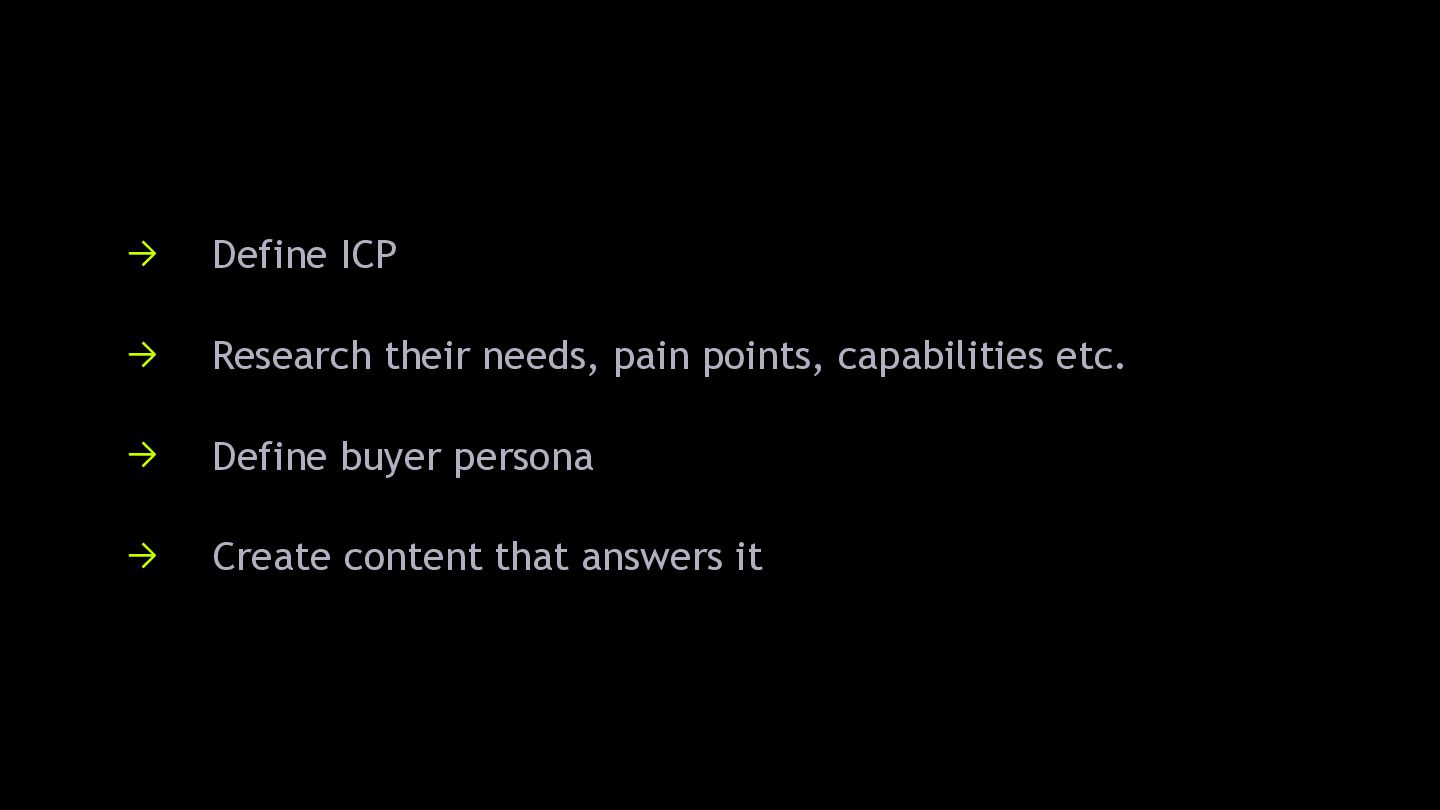
  8. → Define ICP → Research their needs, pain points, capabilities

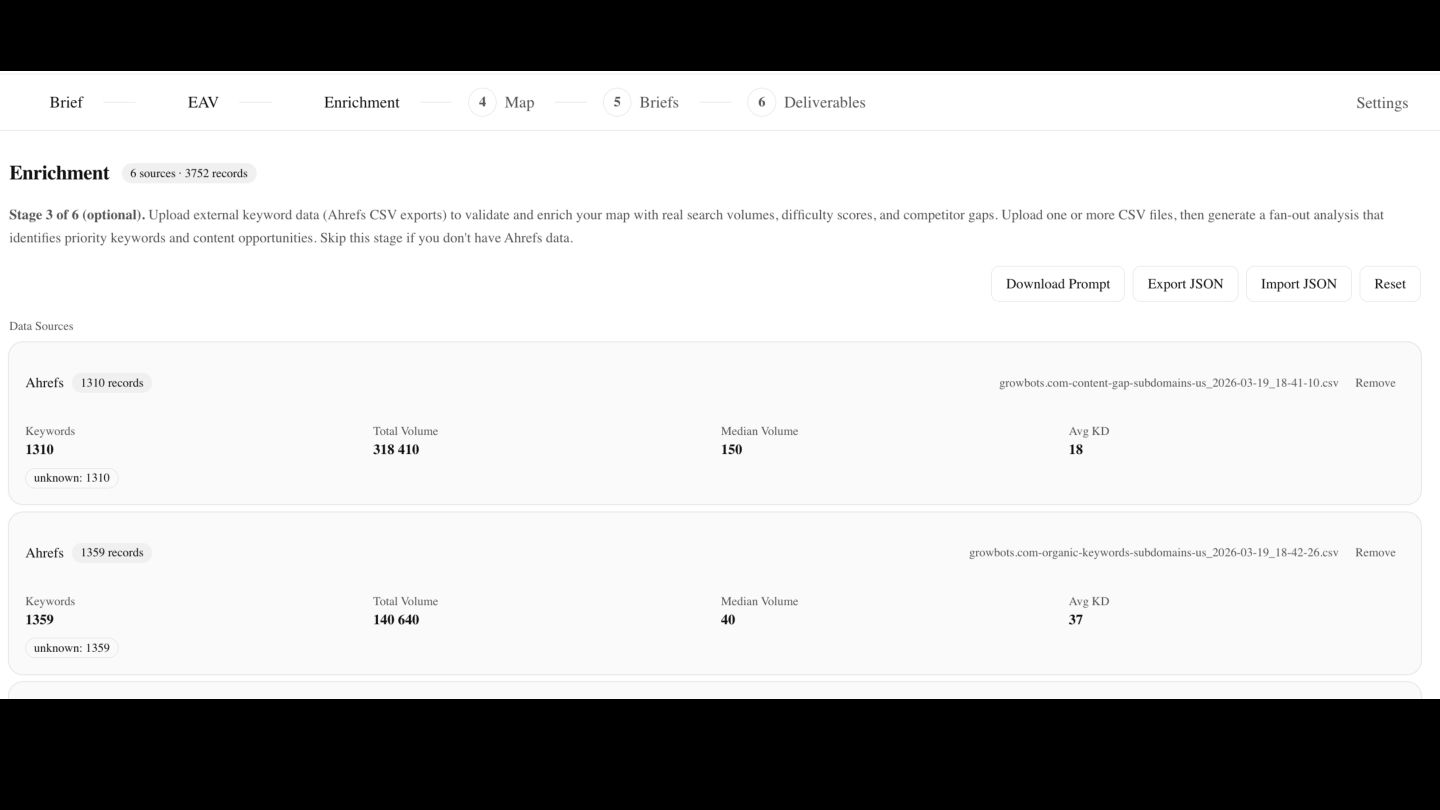
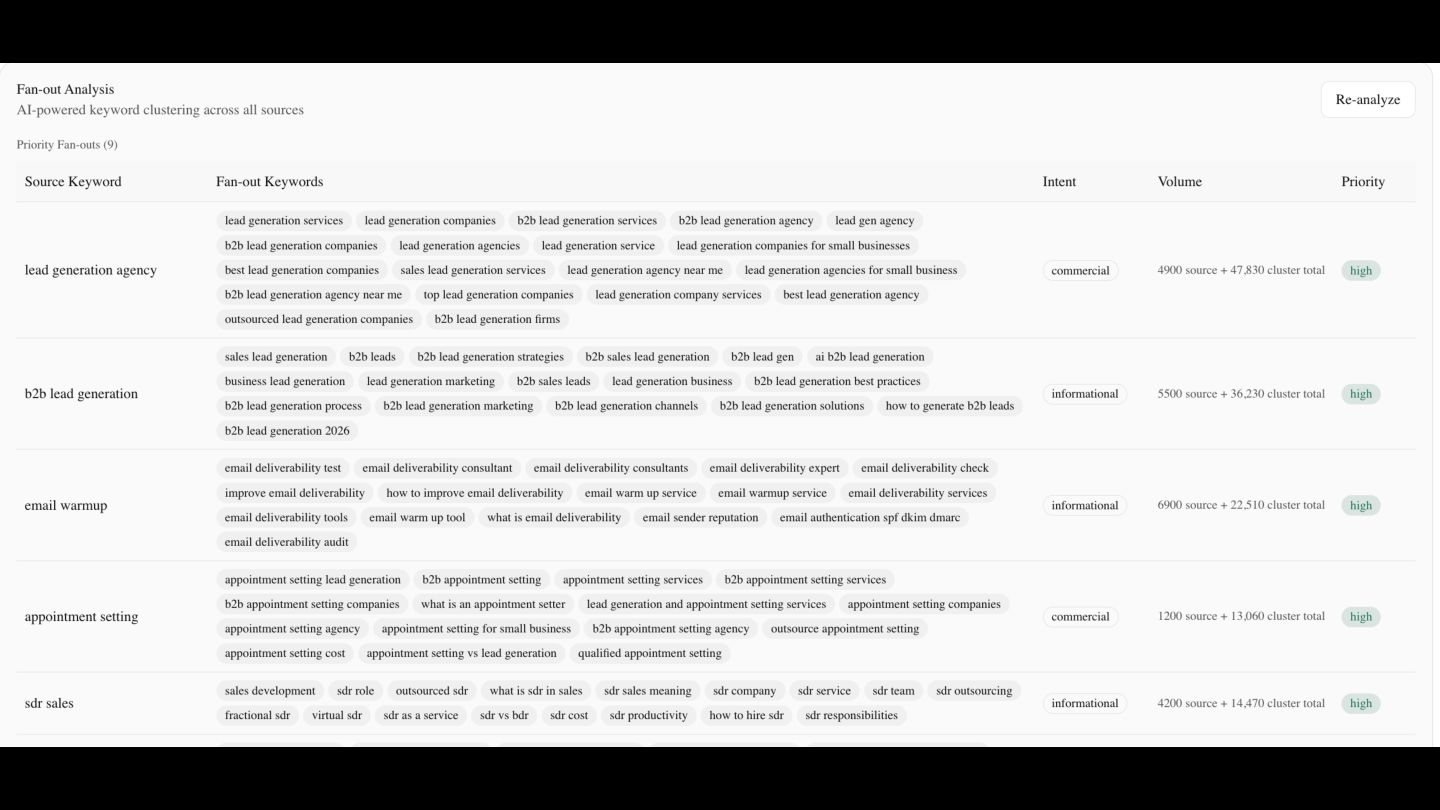
    etc. → Define buyer persona → Create content that answers it
  9. Practical guide How to create ICP (ideal customer profile) Analyze

    existing data: review best customers (retention, LTV, fast sales cycles)
  10. Practical guide How to create ICP (ideal customer profile) Identify

    Firmographics: ideal company size, industry, revenue, and geographical location.
  11. Practical guide How to create ICP (ideal customer profile) Determine

    Technographics: note the technology stack, software, and tools your ideal customer already uses.
  12. Practical guide How to create ICP (ideal customer profile) Pain

    points & goals: understand the core problems they need to solve and their strategic goals.
  13. Practical guide How to create ICP (ideal customer profile) Create

    a profile: synthesize this data into a clear description of a fictional, "perfect-fit" company.
  14. Practical guide How to create buyer persona Gather data through

    user interviews, surveys, and analytics to understand your audience's behaviors, needs, and motivations.
  15. Practical guide How to create buyer persona Group similar users

    based on shared characteristics like goals, pain points, and behaviors.
  16. Practical guide How to create buyer persona Create a detailed

    profile for each persona, including a fictional name, photo, job title, age, and location to make them realistic.
  17. Practical guide How to create buyer persona Detail what the

    persona wants to achieve (goals) and what obstacles they face (pain points) in their work or personal life.
  18. Practical guide How to create buyer persona Describe contextual scenarios

    that show how the persona interacts with your product or solves problems.
  19. Practical guide How to create buyer persona Distribute the persona

    to your team for use in decision-making and update it regularly to keep it accurate.
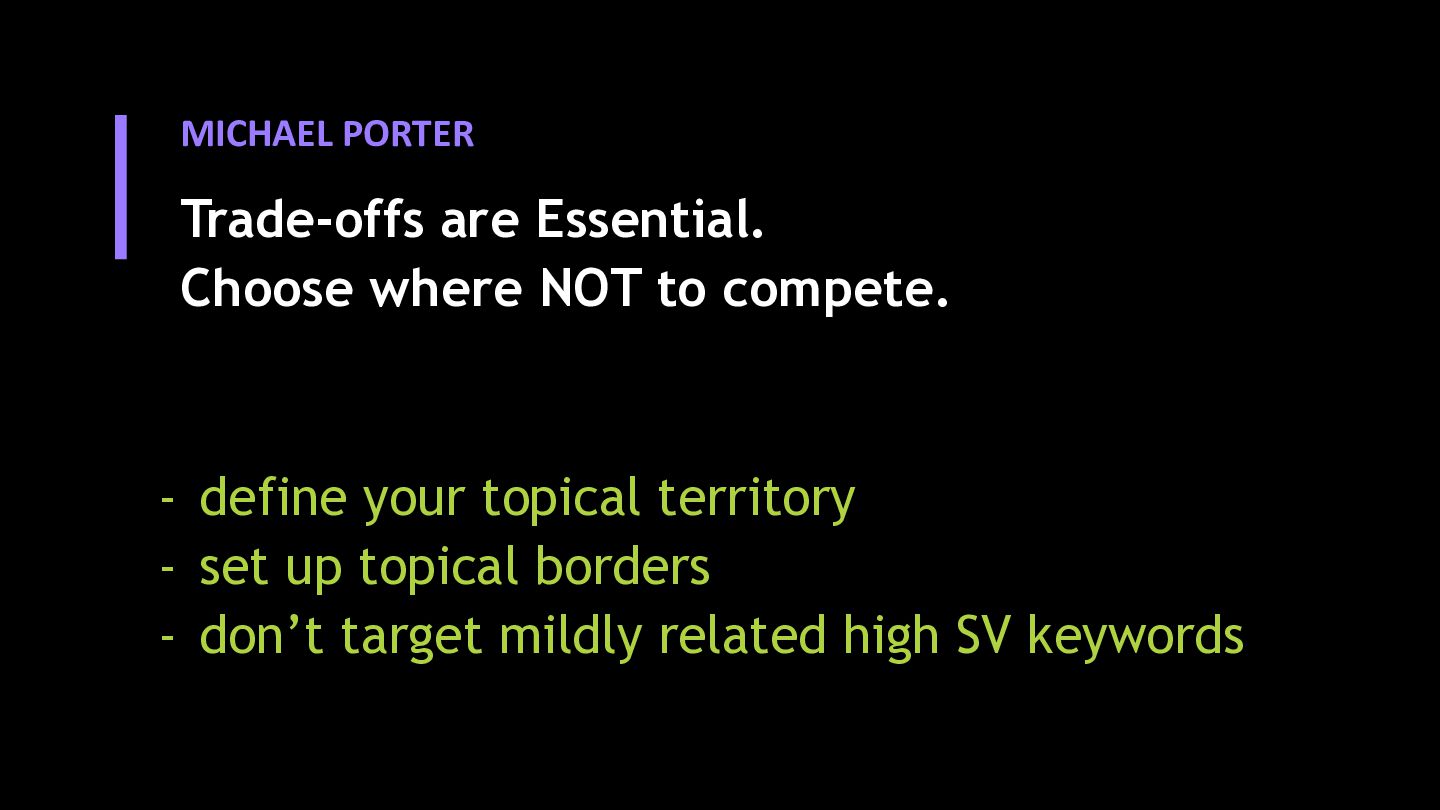
  20. MICHAEL PORTER Trade-offs are Essential. Choose where NOT to compete.

    - define your topical territory - set up topical borders - don’t target mildly related high SV keywords
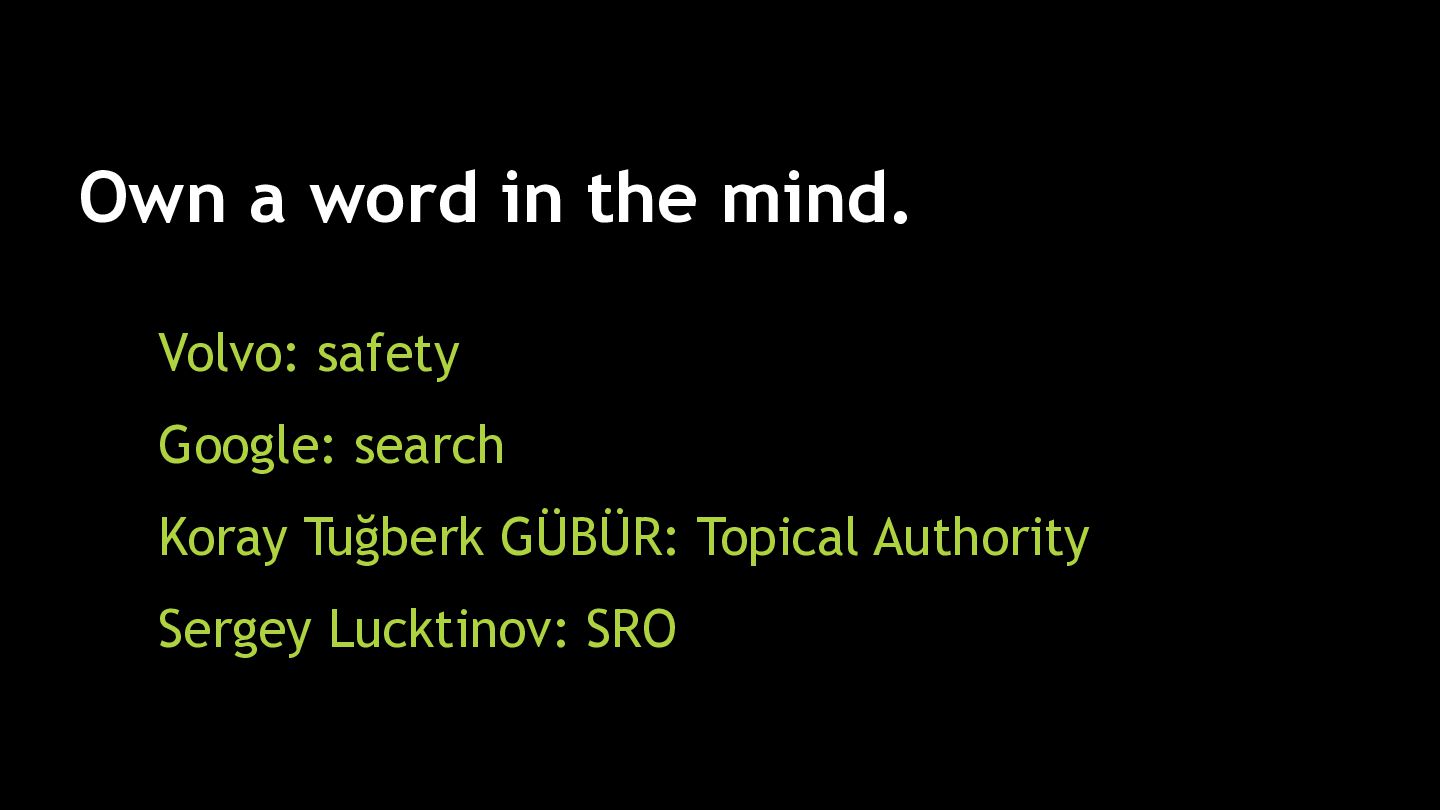
  21. Own a word in the mind. Koray Tuğberk GÜBÜR: Topical

    Authority Sergey Lucktinov: SRO Volvo: safety Google: search
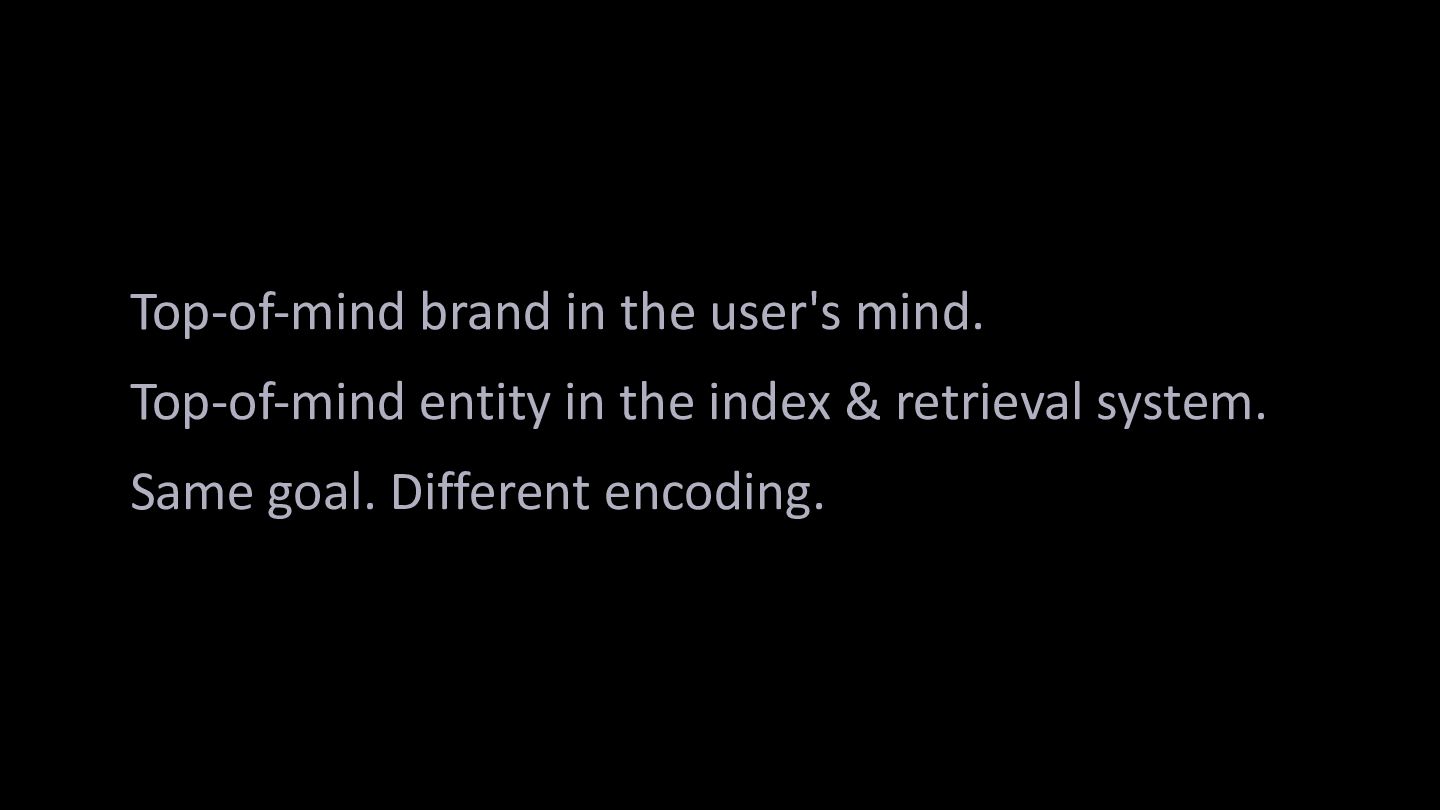
  22. Top-of-mind brand in the user's mind. Top-of-mind entity in the

    index & retrieval system. Same goal. Different encoding.
  23. MICHAEL RAPPA (Business model archetypes) For SEO: Ecommerce · Marketplace

    · Directory · Publisher Each model dictates different content architecture, conversion paths, and entity structures.
  24. GROWTH ENGINE Structured, repeatable system for sustainable growth. Engagement confirms

    topical authority, stimulates Navboost, helps your website rank and grow.
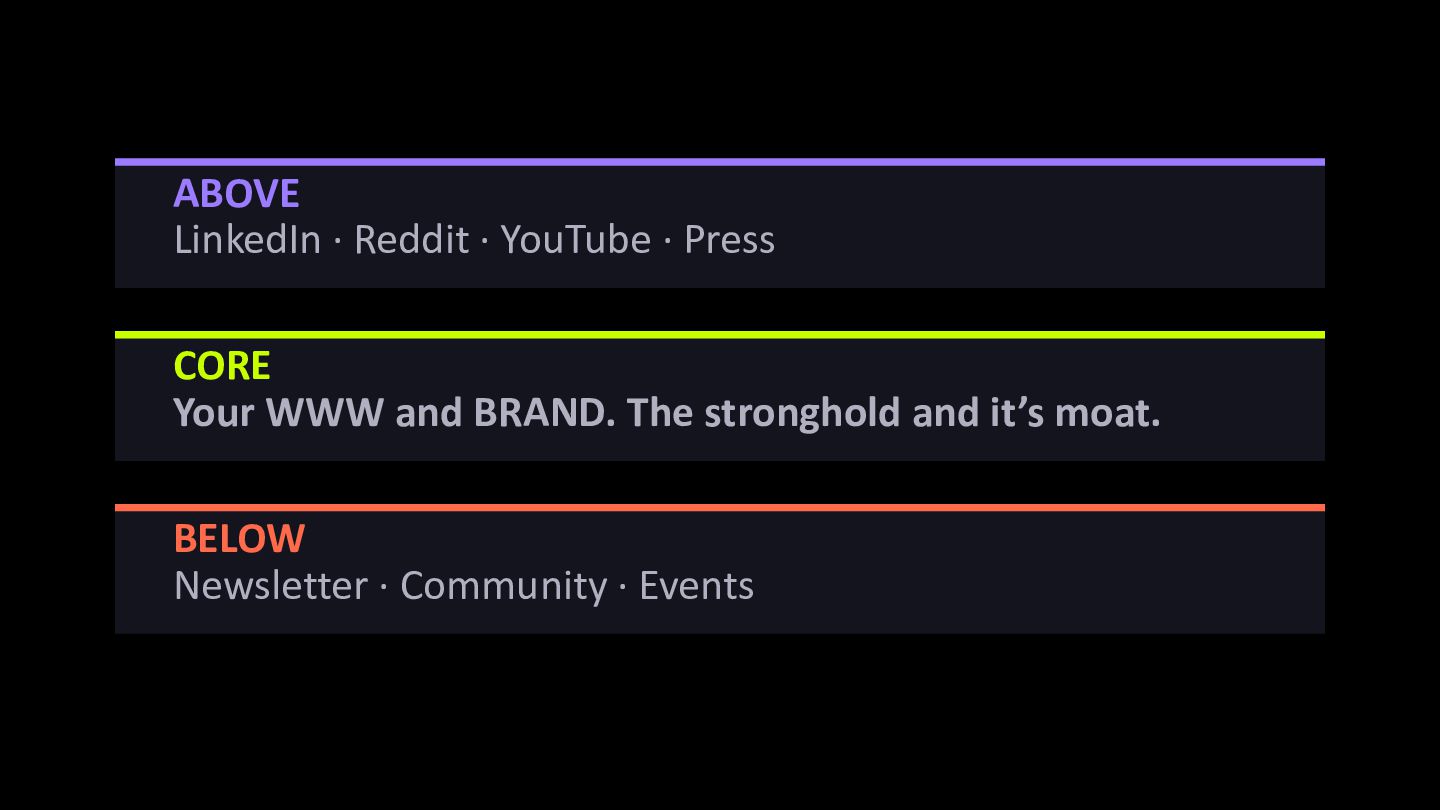
  25. ABOVE LinkedIn · Reddit · YouTube · Press CORE Your

    WWW and BRAND. The stronghold and it’s moat. BELOW Newsletter · Community · Events
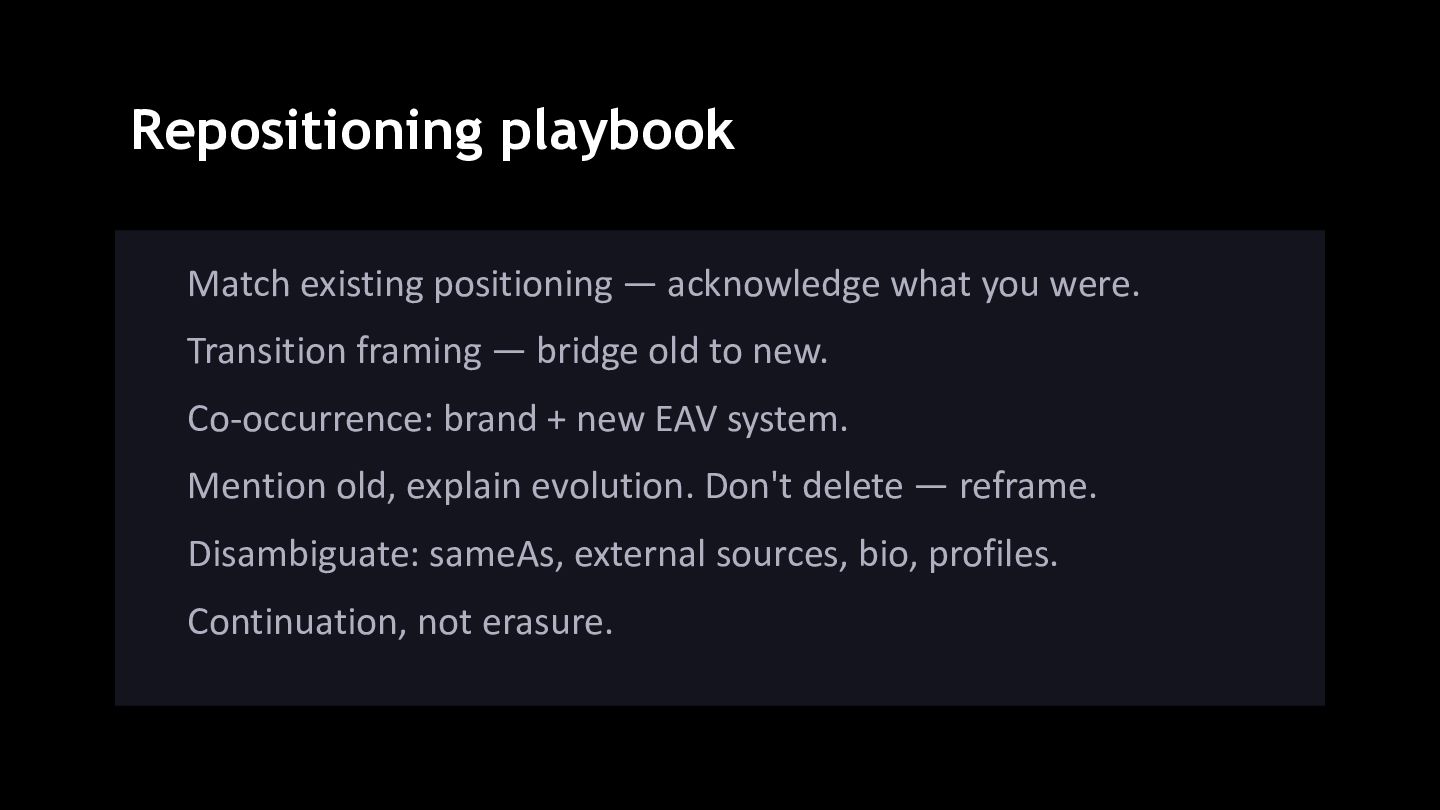
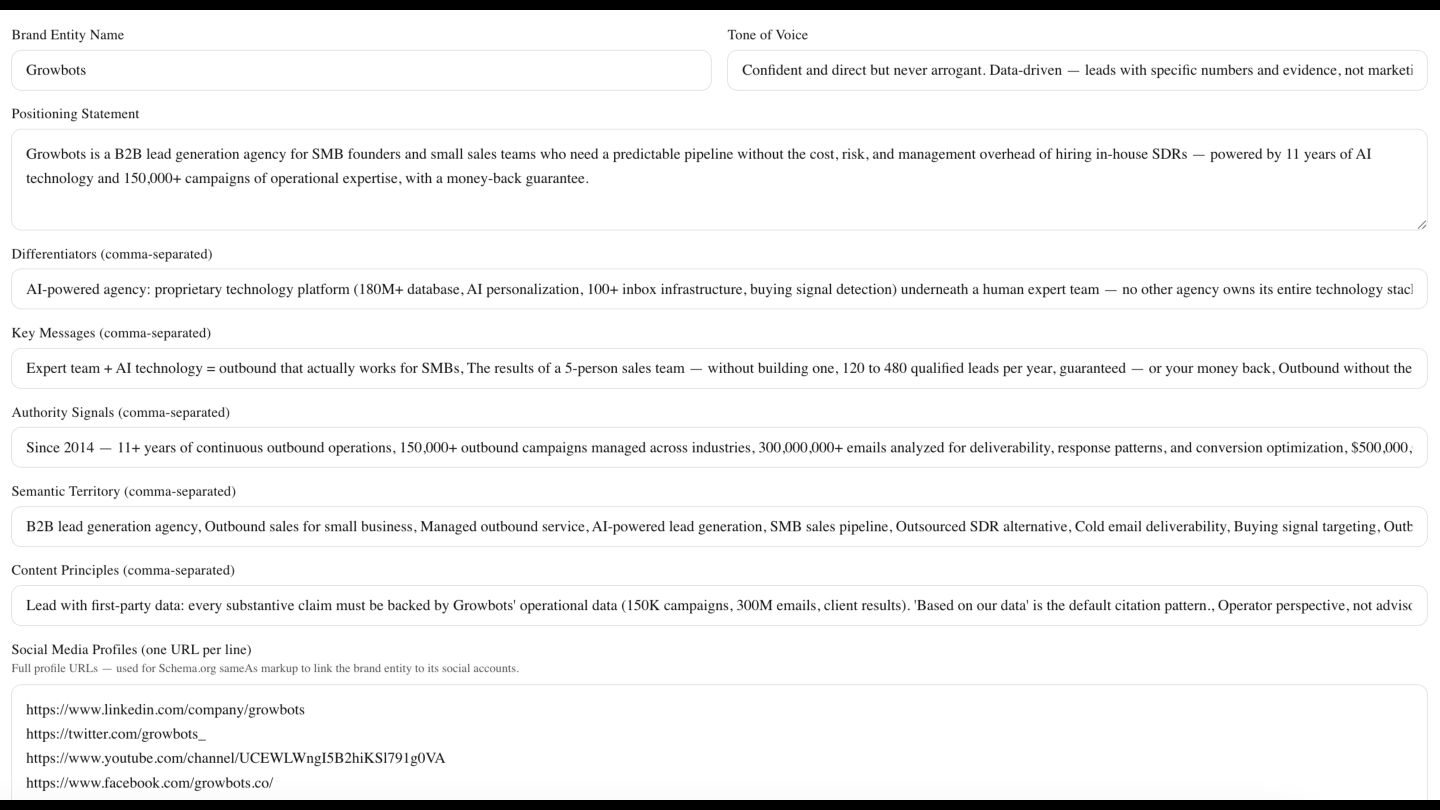
  26. Repositioning playbook Match existing positioning — acknowledge what you were.

    Transition framing — bridge old to new. Co-occurrence: brand + new EAV system. Mention old, explain evolution. Don't delete — reframe. Disambiguate: sameAs, external sources, bio, profiles. Continuation, not erasure.
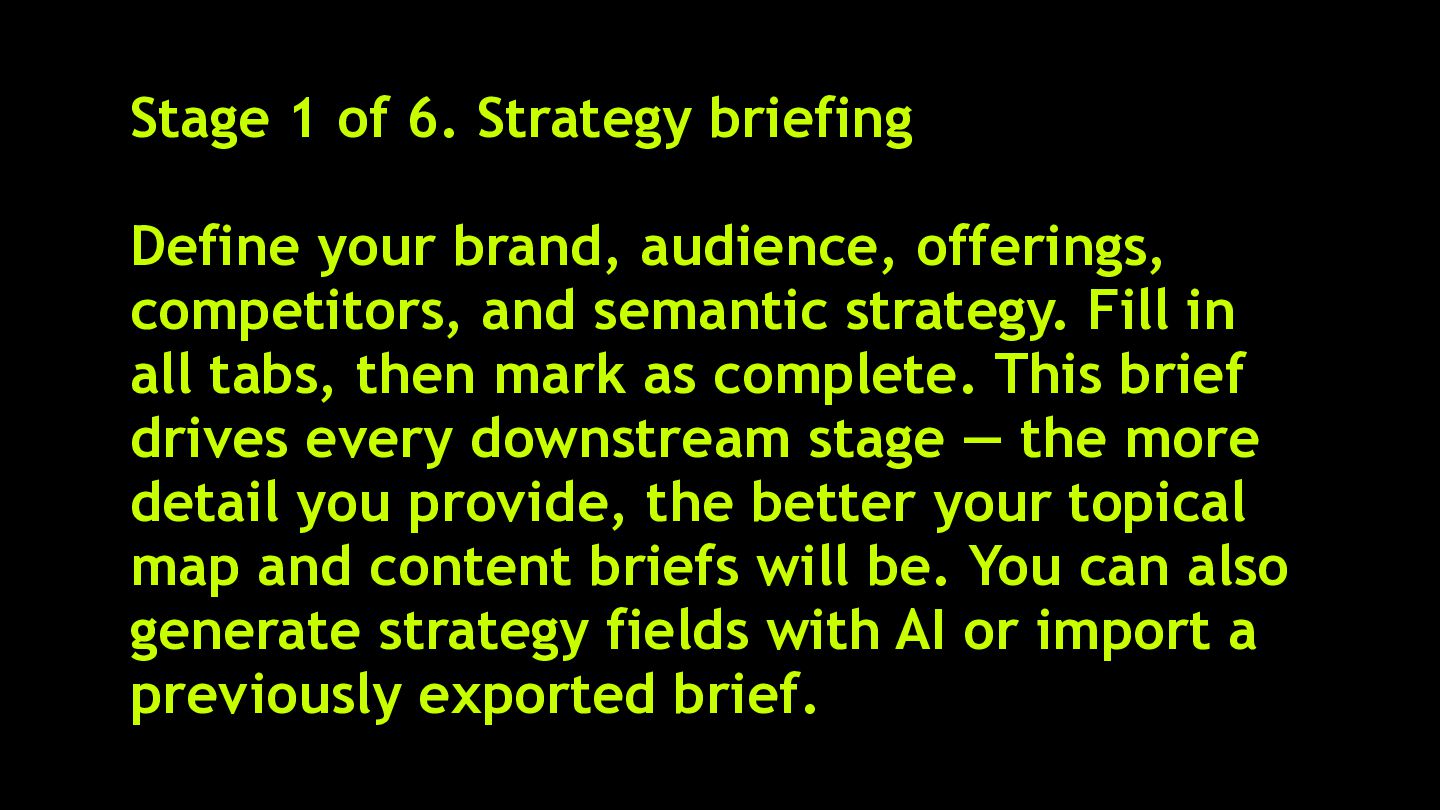
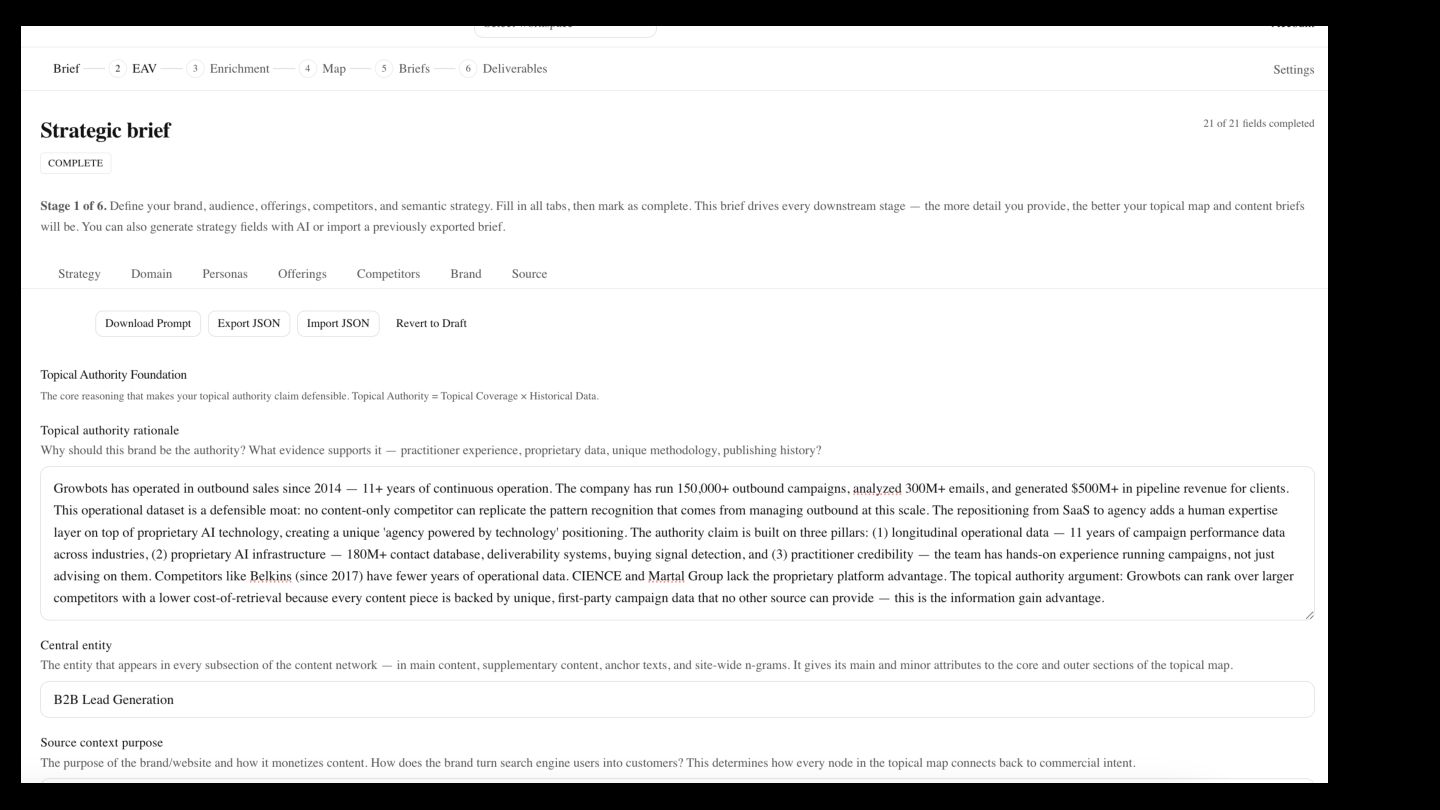
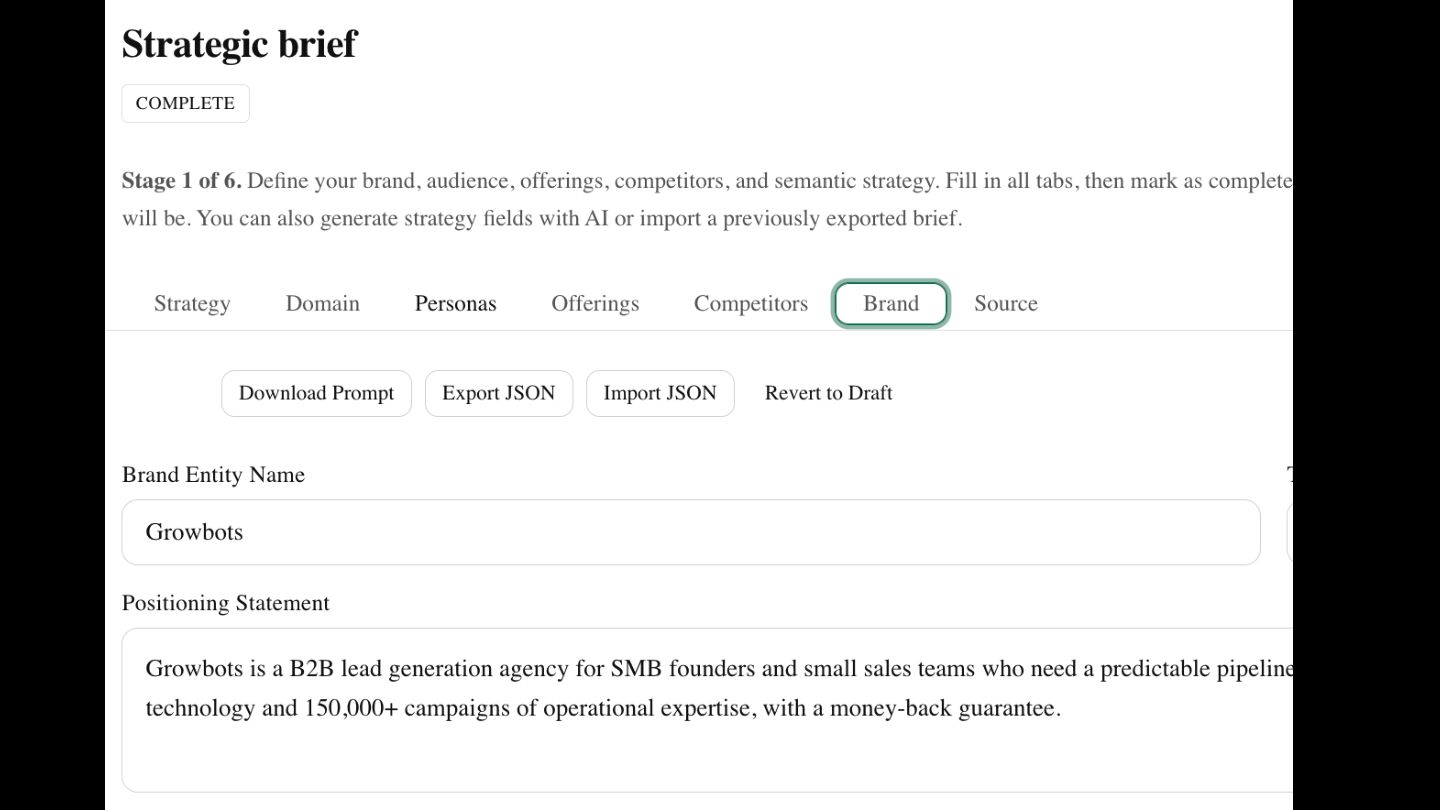
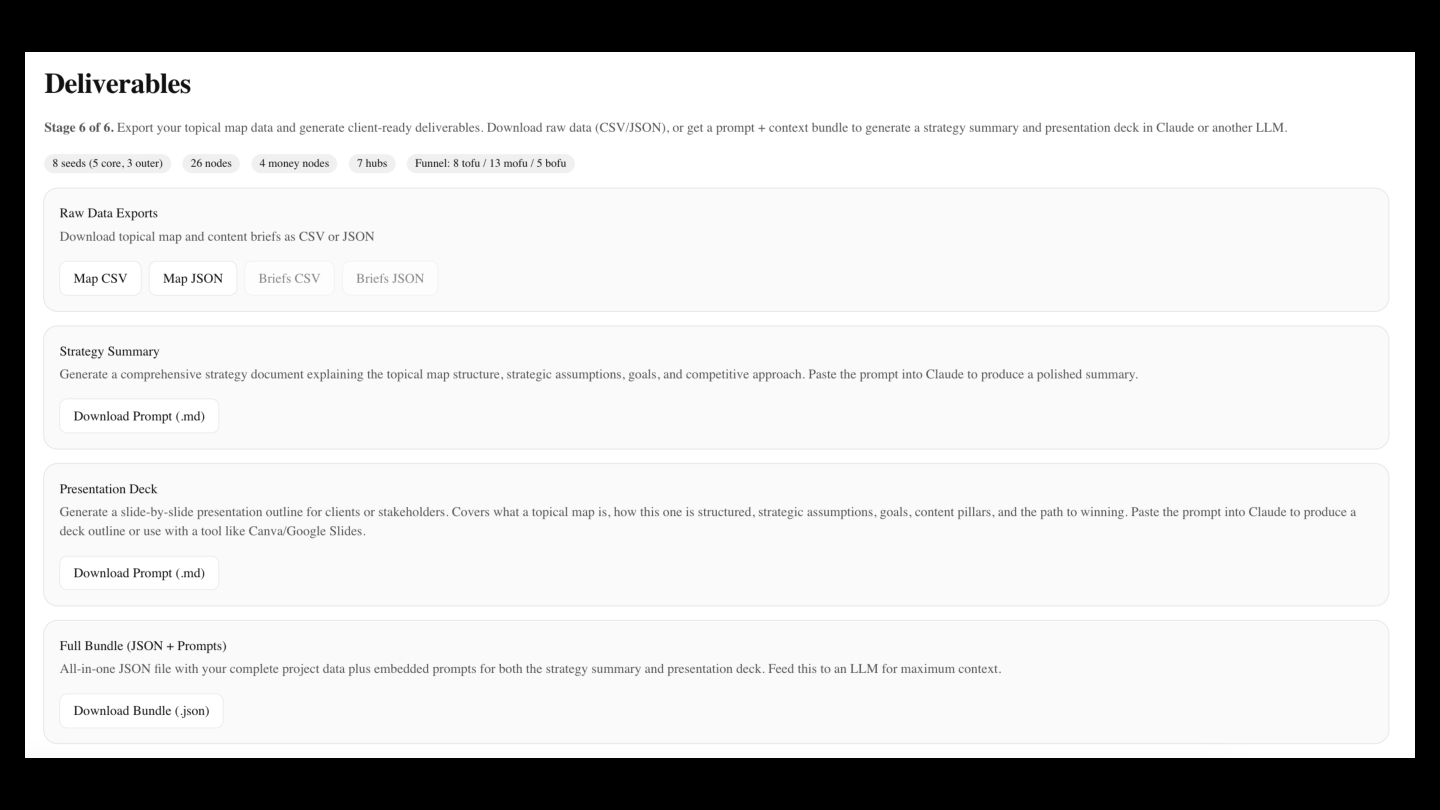
  27. Stage 1 of 6. Strategy briefing Define your brand, audience,

    offerings, competitors, and semantic strategy. Fill in all tabs, then mark as complete. This brief drives every downstream stage — the more detail you provide, the better your topical map and content briefs will be. You can also generate strategy fields with AI or import a previously exported brief.
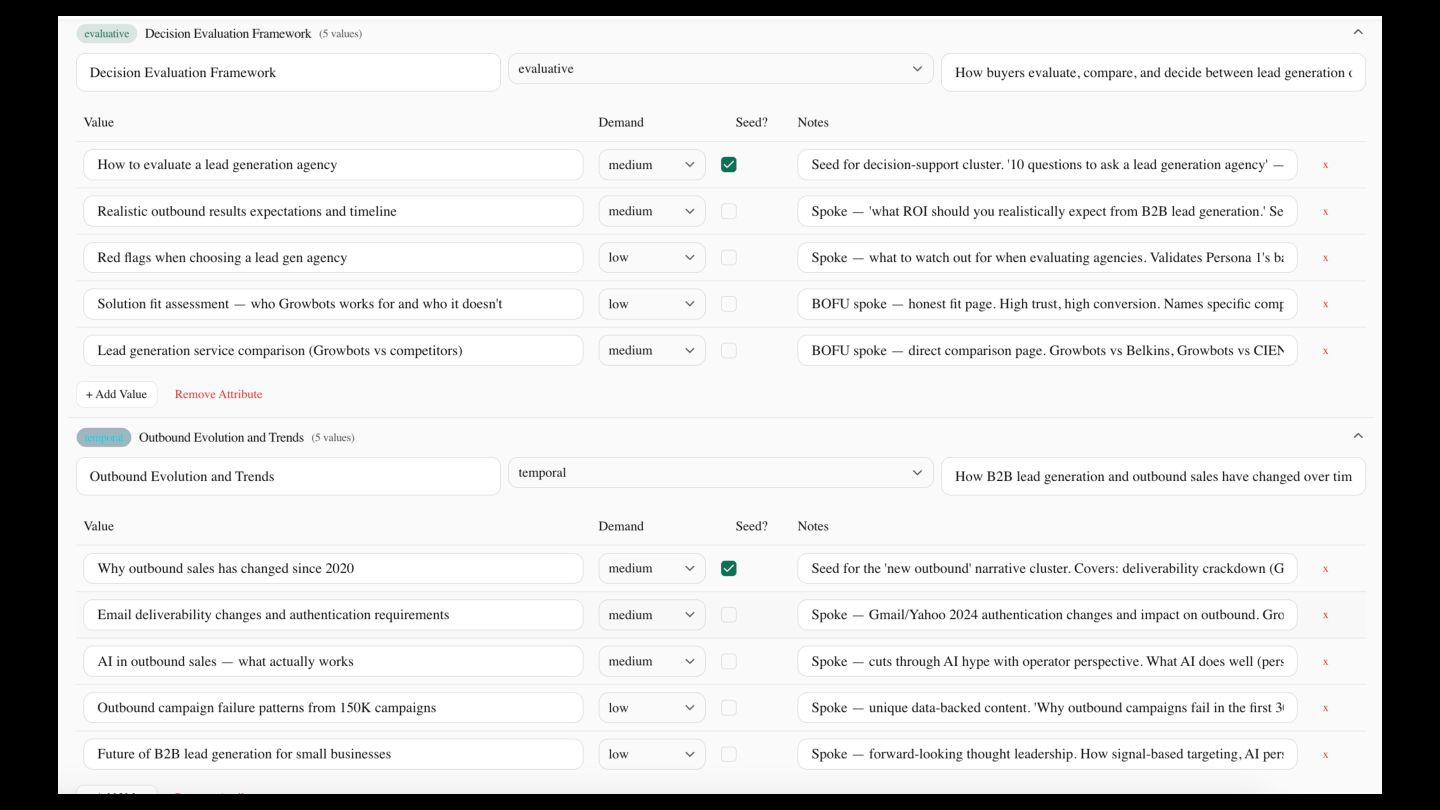
  28. Stage 2 of 6. EAV structuring Map your entity's attributes

    and values (Entity-Attribute-Value model). This structures your brand's semantic identity — what your entity is, what properties it has, and what values those properties hold. Generate with AI from your brief, or import an EAV JSON. Review and edit attributes before finalizing.
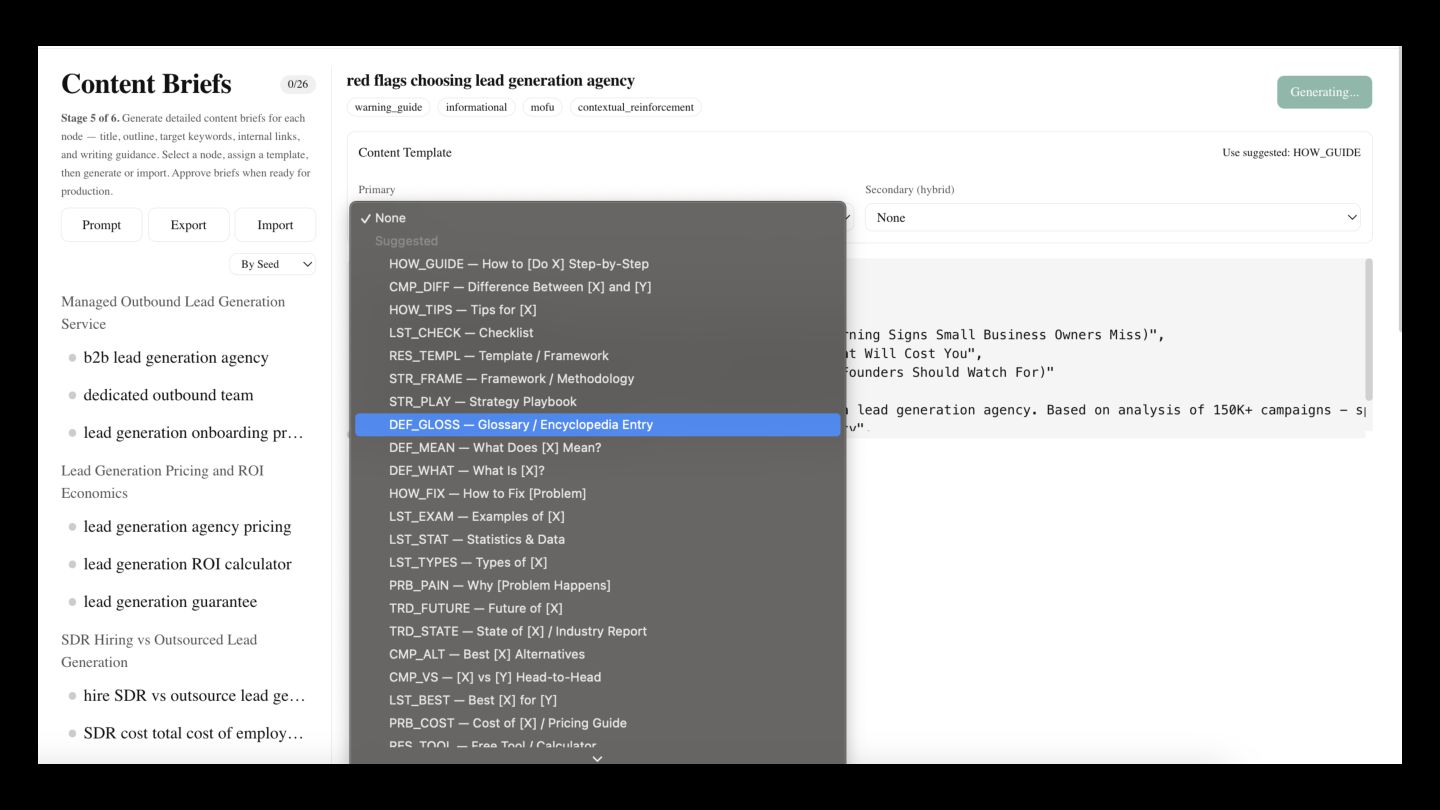
  29. Stage 3 of 6 (optional) - Enrichment Upload external keyword

    data (Ahrefs CSV exports) to validate and enrich your map with real search volumes, difficulty scores, and competitor gaps. Upload one or more CSV files, then generate a fan-out analysis that identifies priority keywords and content opportunities. Skip this stage if you don't have Ahrefs data.
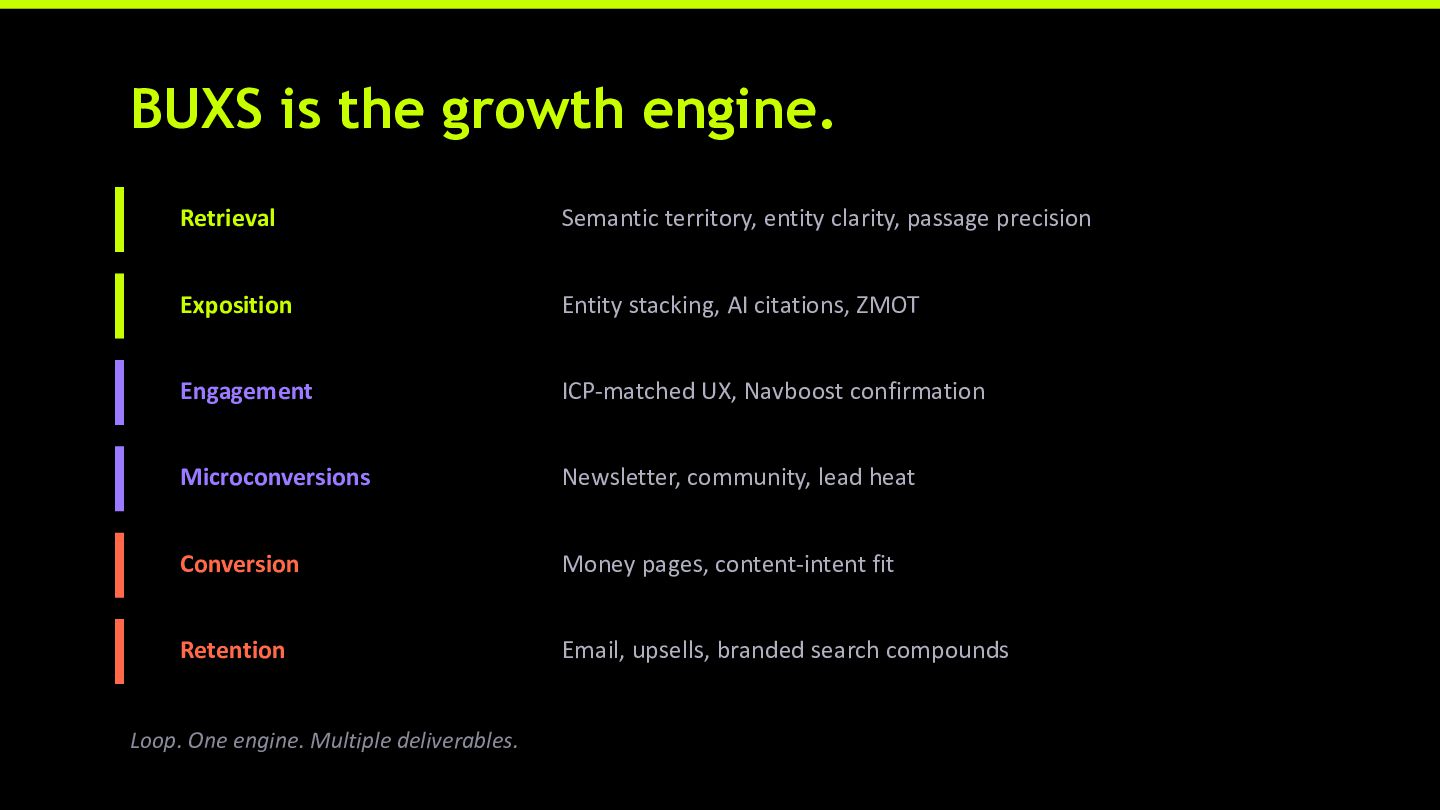
  30. BUXS is the growth engine. Retrieval Semantic territory, entity clarity,

    passage precision Exposition Entity stacking, AI citations, ZMOT Engagement ICP-matched UX, Navboost confirmation Microconversions Newsletter, community, lead heat Conversion Money pages, content-intent fit Retention Email, upsells, branded search compounds Loop. One engine. Multiple deliverables.
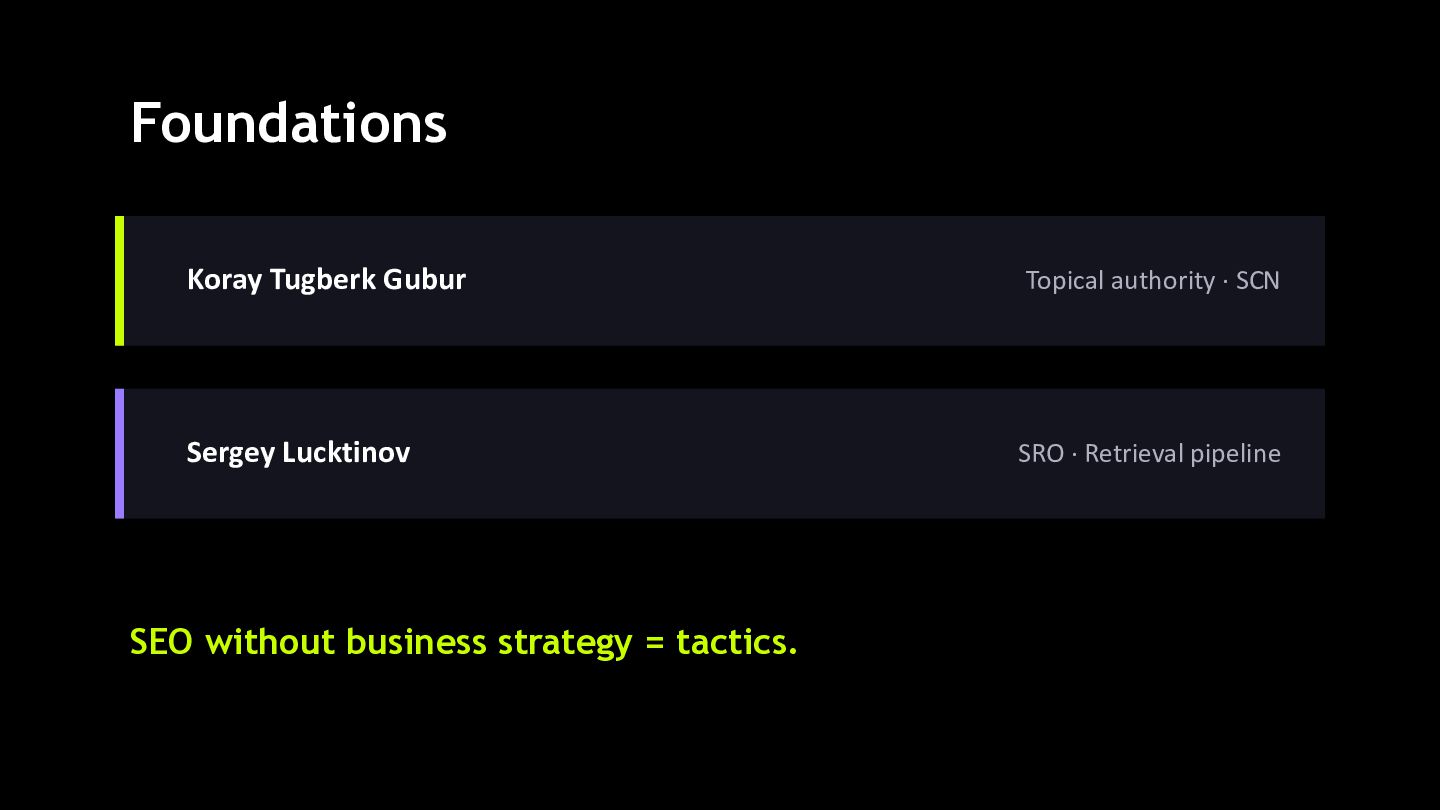
  31. Foundations Koray Tugberk Gubur Topical authority · SCN Sergey Lucktinov

    SRO · Retrieval pipeline SEO without business strategy = tactics.