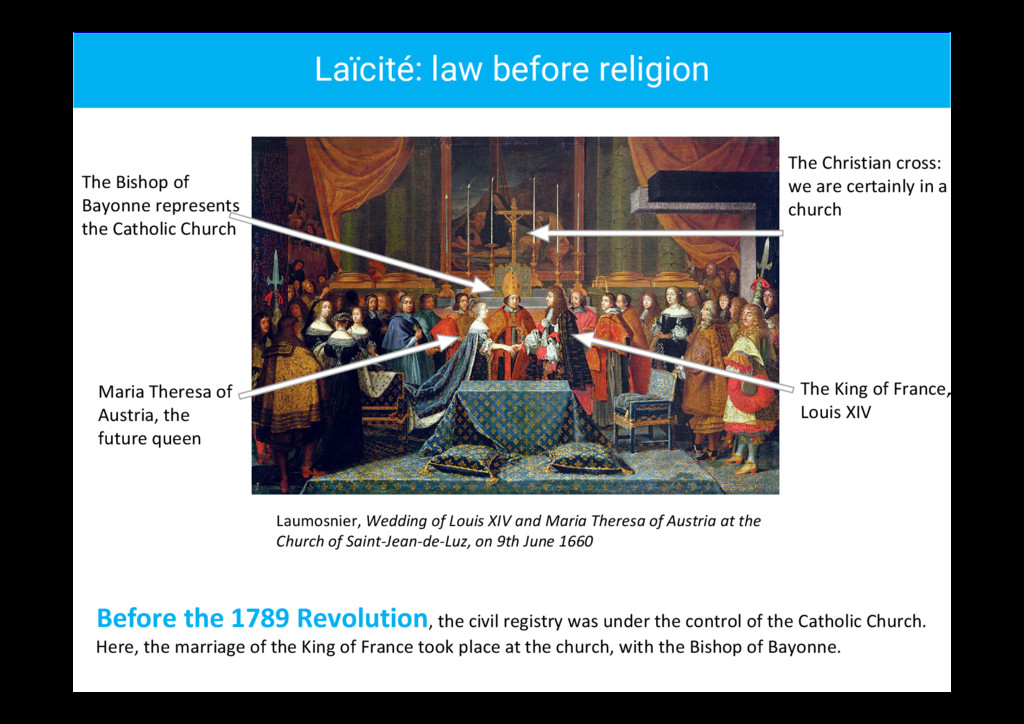
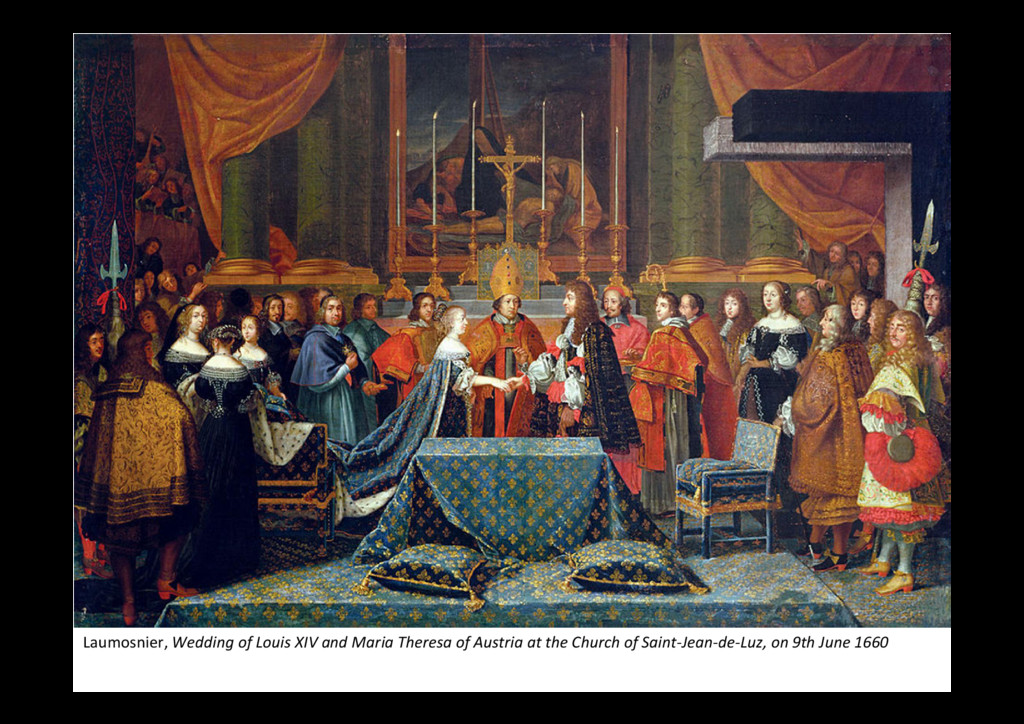
at the Church of Saint-Jean-de-Luz, on 9th June 1660 Before the 1789 Revolution, the civil registry was under the control of the Catholic Church. Here, the marriage of the King of France took place at the church, with the Bishop of Bayonne. The King of France, Louis XIV Maria Theresa of Austria, the future queen The Bishop of Bayonne represents the Catholic Church The Christian cross: we are certainly in a church Laïcité: law before religion
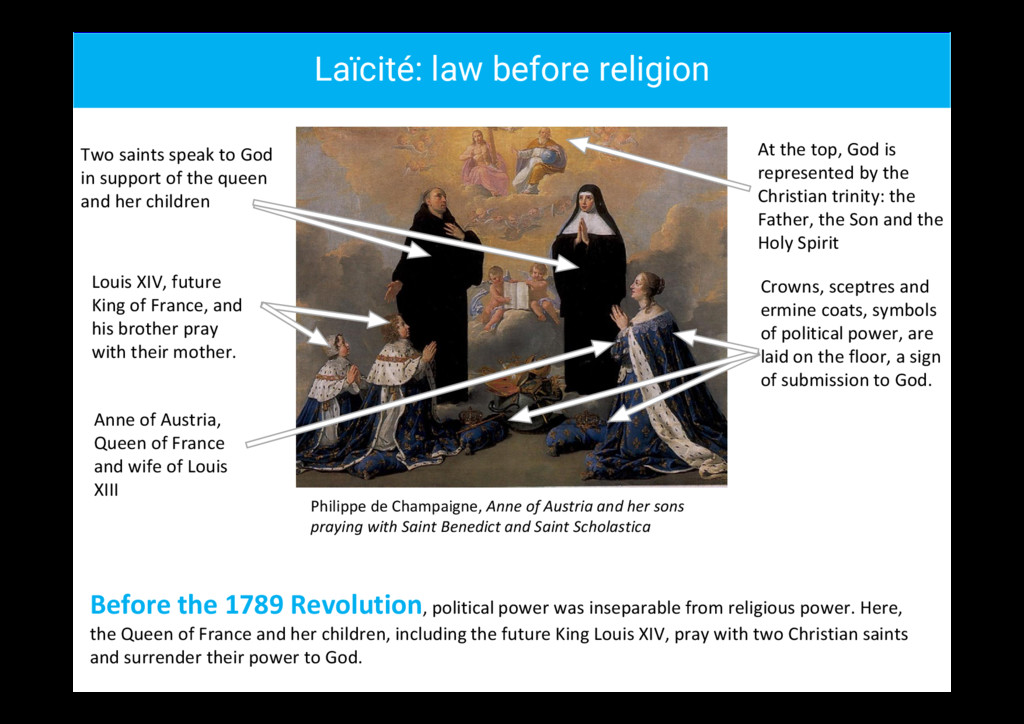
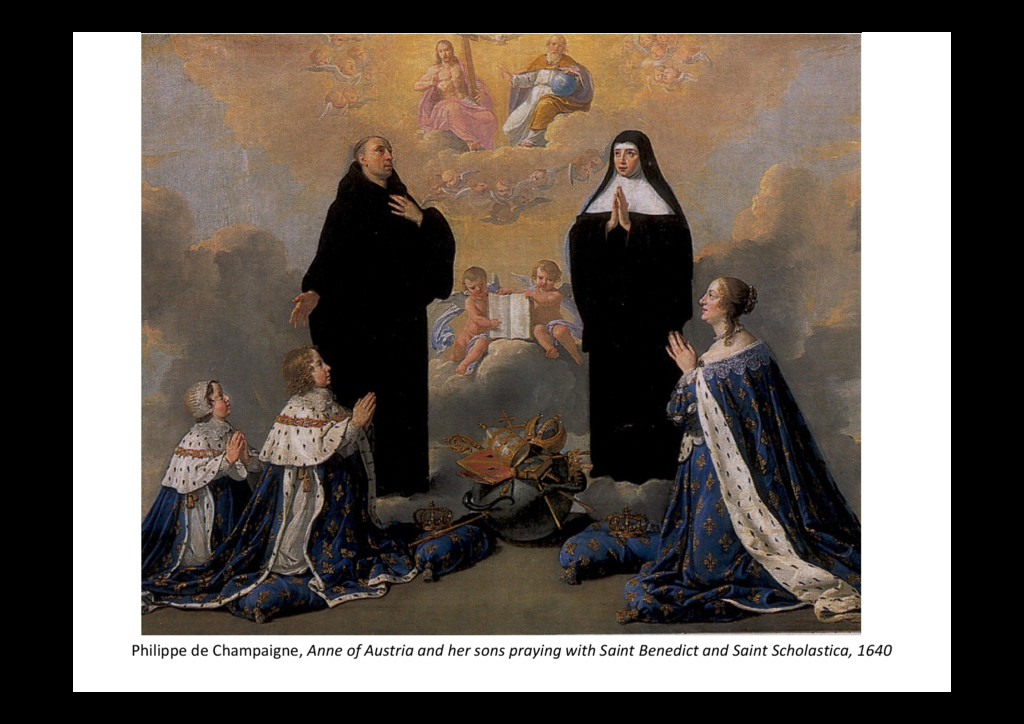
with Saint Benedict and Saint Scholastica Before the 1789 Revolution, political power was inseparable from religious power. Here, the Queen of France and her children, including the future King Louis XIV, pray with two Christian saints and surrender their power to God. Anne of Austria, Queen of France and wife of Louis XIII Louis XIV, future King of France, and his brother pray with their mother. Two saints speak to God in support of the queen and her children At the top, God is represented by the Christian trinity: the Father, the Son and the Holy Spirit Crowns, sceptres and ermine coats, symbols of political power, are laid on the floor, a sign of submission to God. Laïcité: law before religion
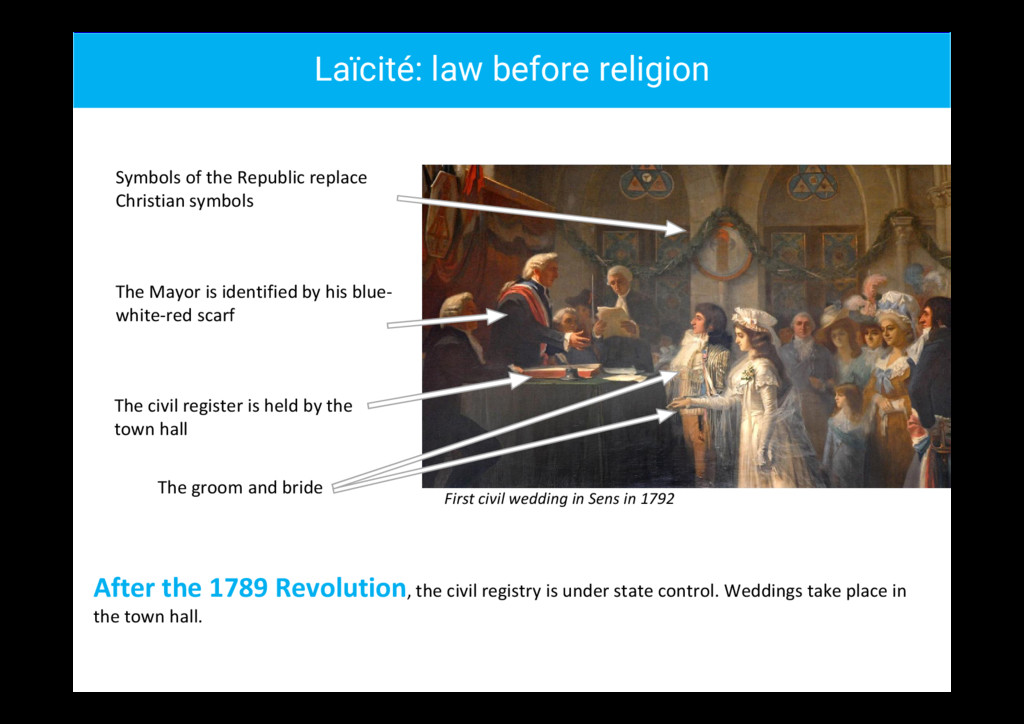
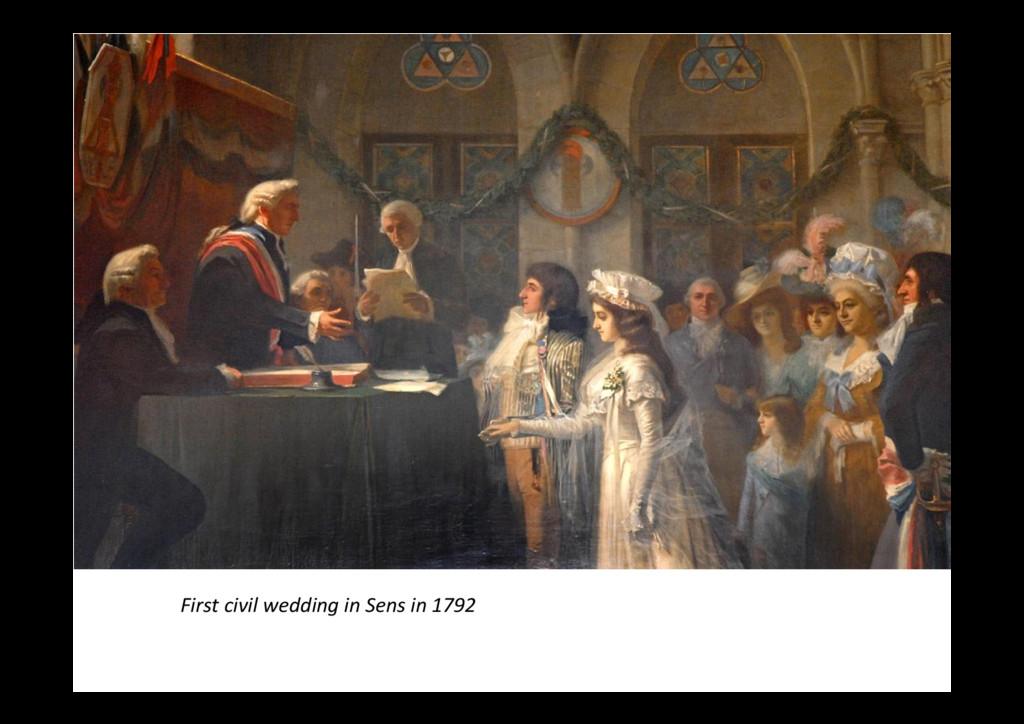
Revolution, the civil registry is under state control. Weddings take place in the town hall. The civil register is held by the town hall The Mayor is identified by his blue- white-red scarf The groom and bride Symbols of the Republic replace Christian symbols Laïcité: law before religion
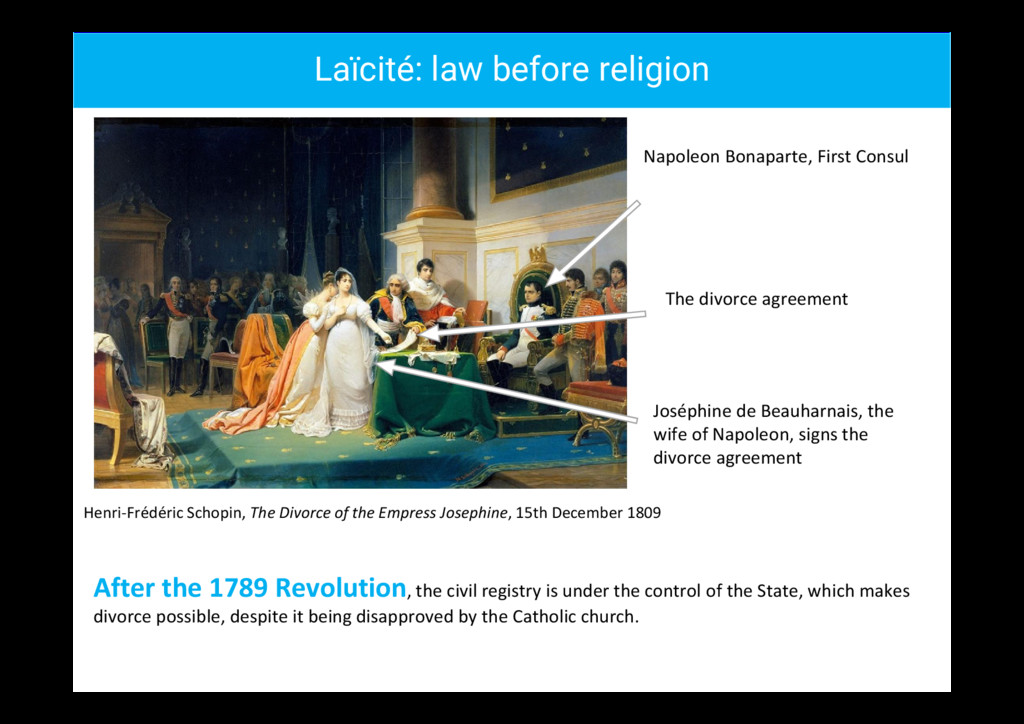
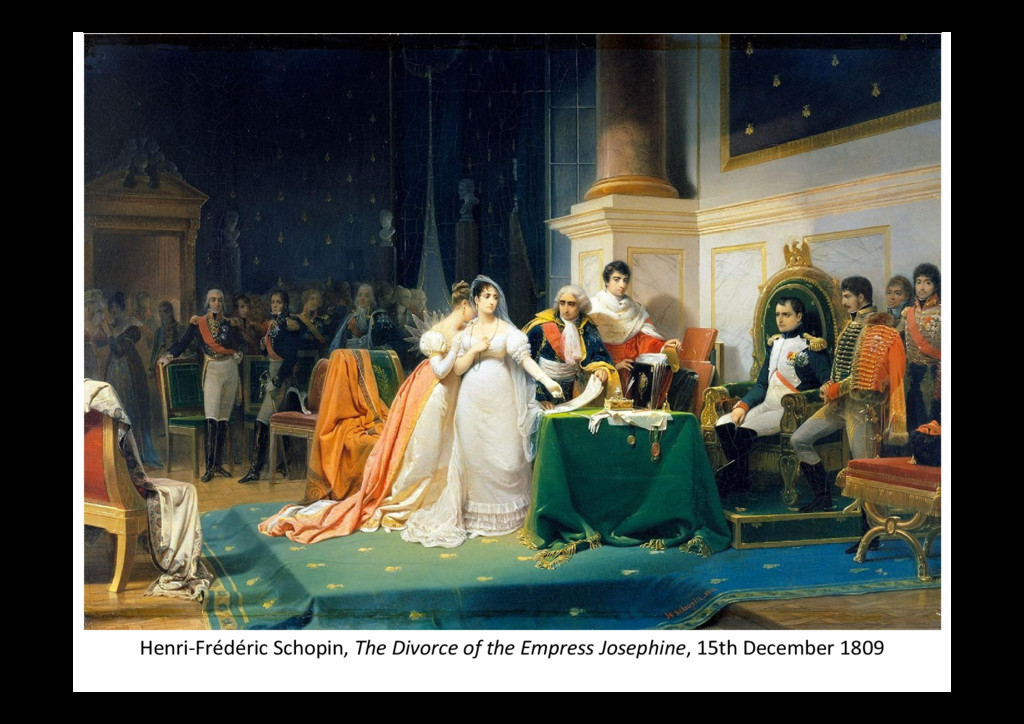
1809 After the 1789 Revolution, the civil registry is under the control of the State, which makes divorce possible, despite it being disapproved by the Catholic church. The divorce agreement Joséphine de Beauharnais, the wife of Napoleon, signs the divorce agreement Napoleon Bonaparte, First Consul Laïcité: law before religion
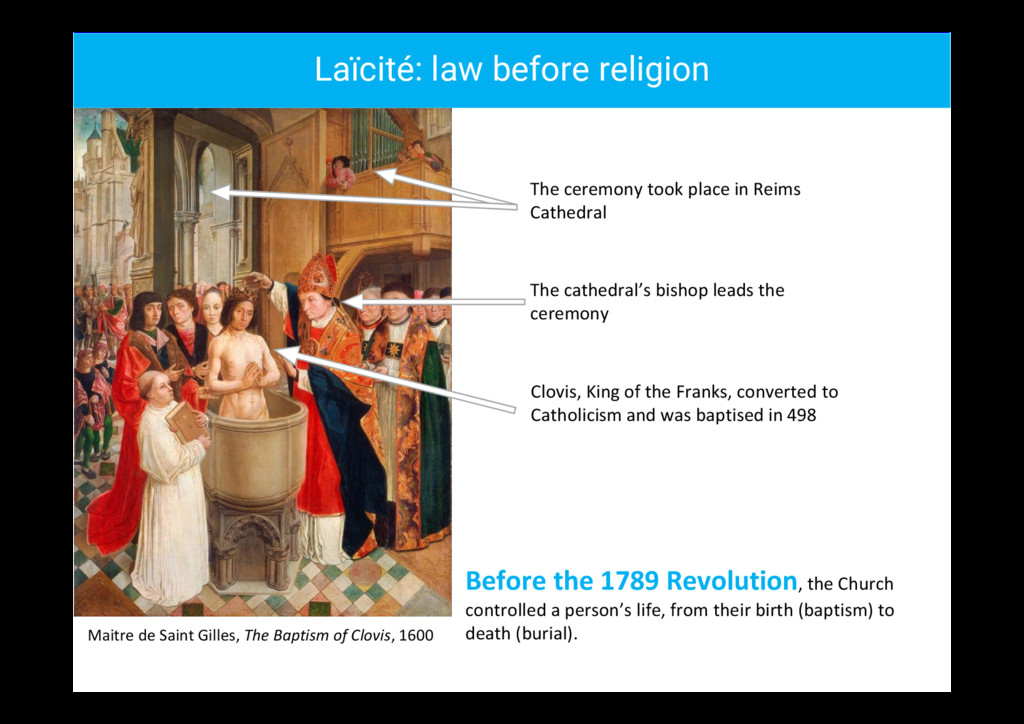
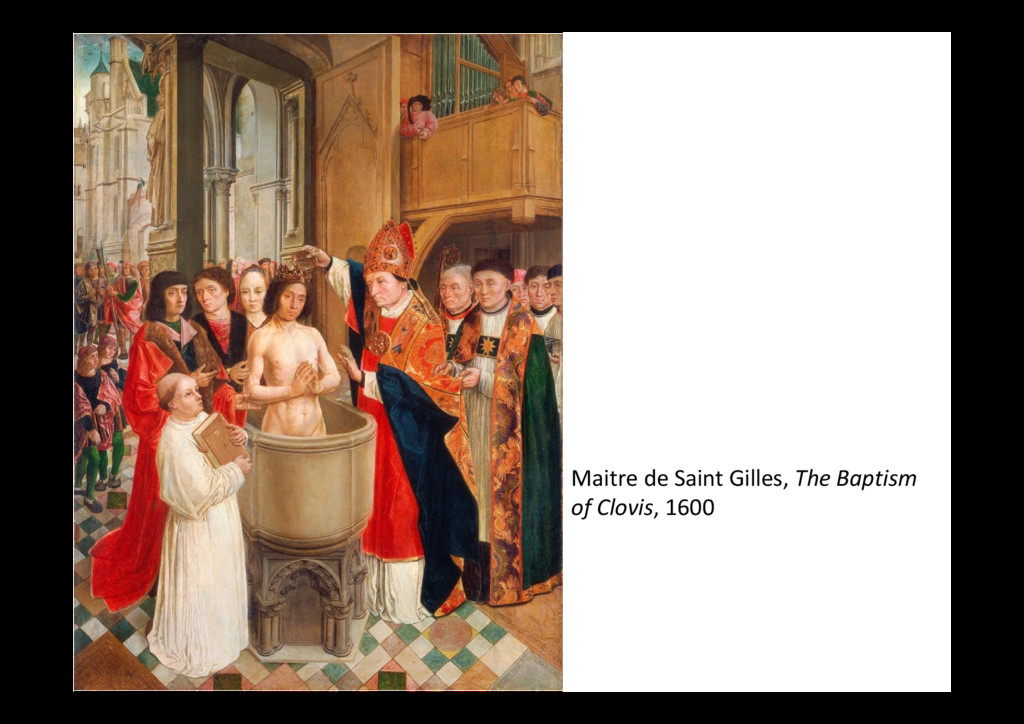
the 1789 Revolution, the Church controlled a person’s life, from their birth (baptism) to death (burial). The ceremony took place in Reims Cathedral Clovis, King of the Franks, converted to Catholicism and was baptised in 498 The cathedral’s bishop leads the ceremony Laïcité: law before religion
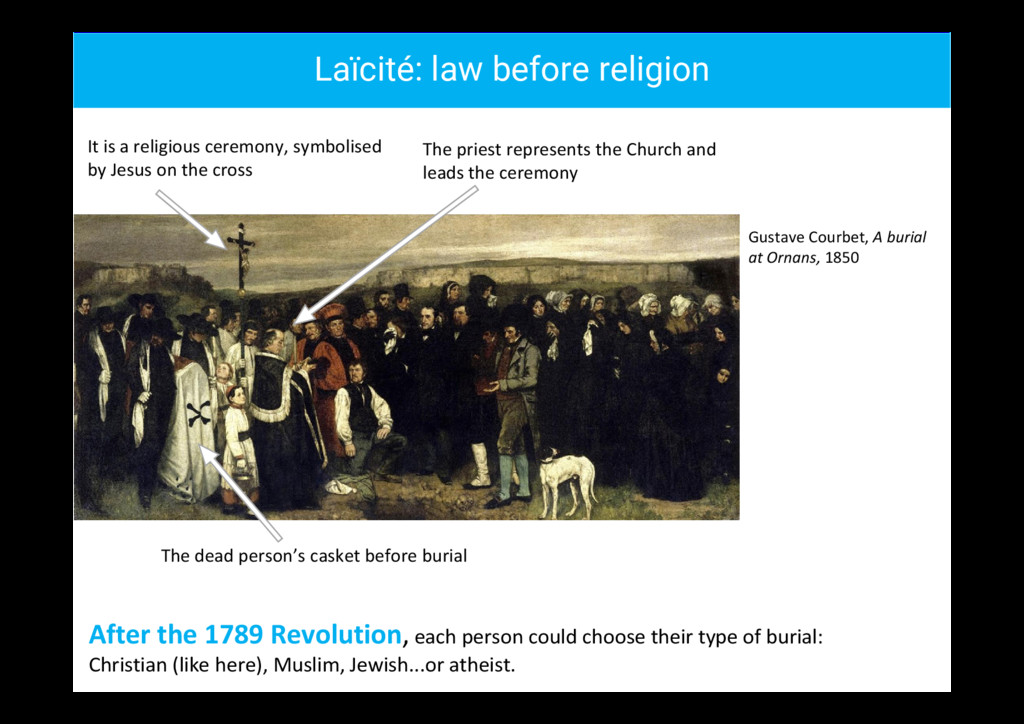
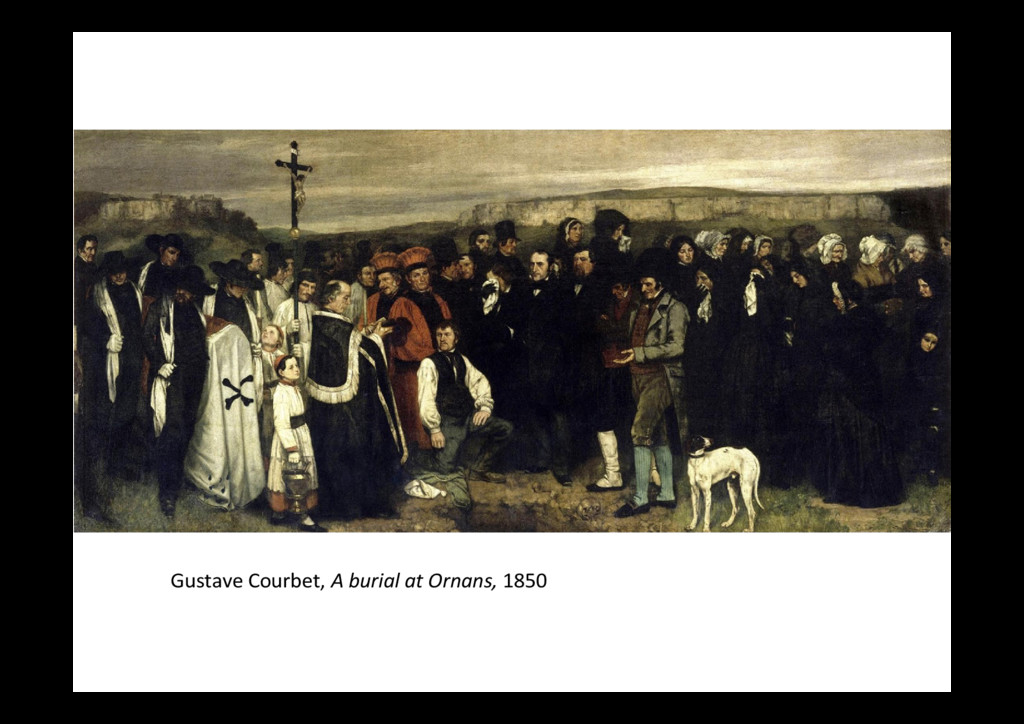
the Church and leads the ceremony The dead person’s casket before burial It is a religious ceremony, symbolised by Jesus on the cross After the 1789 Revolution, each person could choose their type of burial: Christian (like here), Muslim, Jewish...or atheist. Laïcité: law before religion
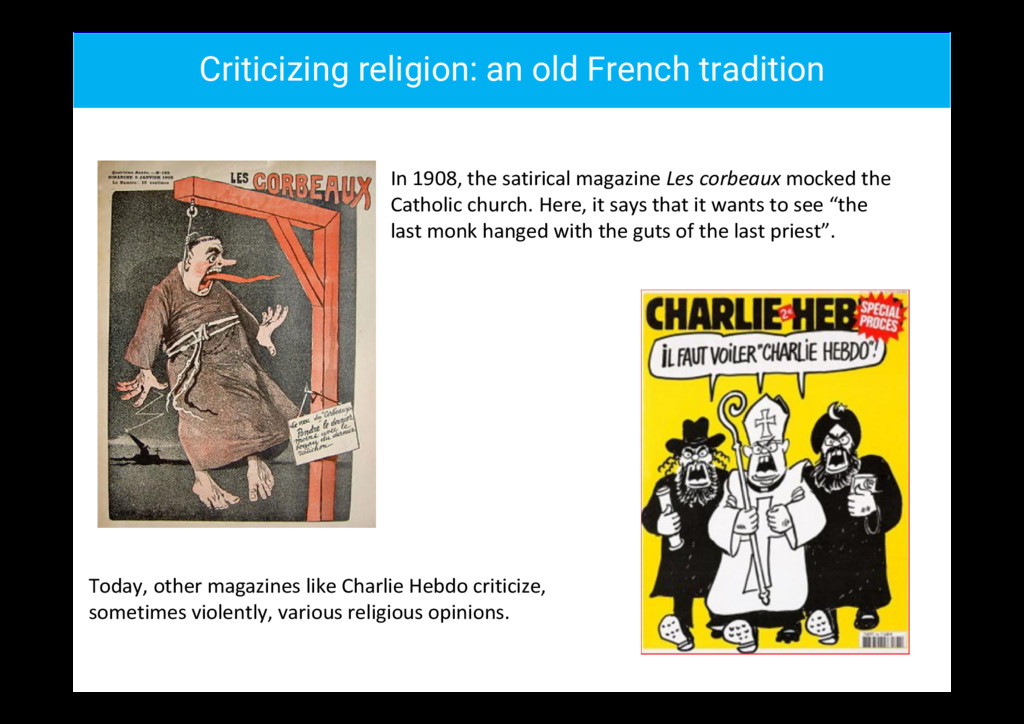
church. Here, it says that it wants to see “the last monk hanged with the guts of the last priest”. Today, other magazines like Charlie Hebdo criticize, sometimes violently, various religious opinions. Criticizing religion: an old French tradition
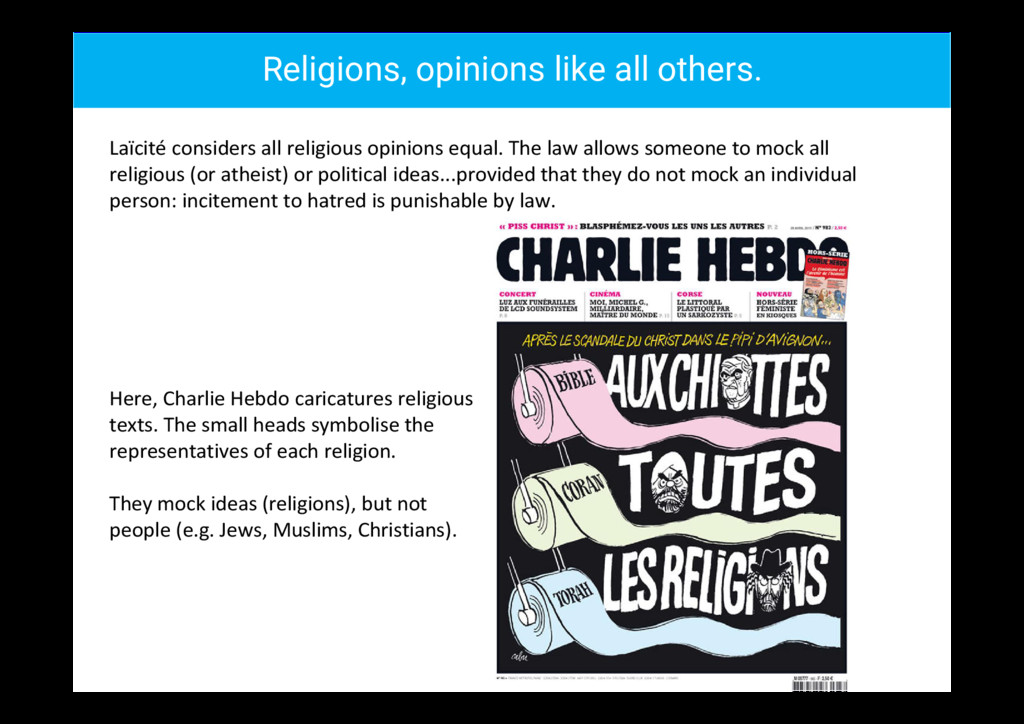
to mock all religious (or atheist) or political ideas...provided that they do not mock an individual person: incitement to hatred is punishable by law. Here, Charlie Hebdo caricatures religious texts. The small heads symbolise the representatives of each religion. They mock ideas (religions), but not people (e.g. Jews, Muslims, Christians). Religions, opinions like all others.
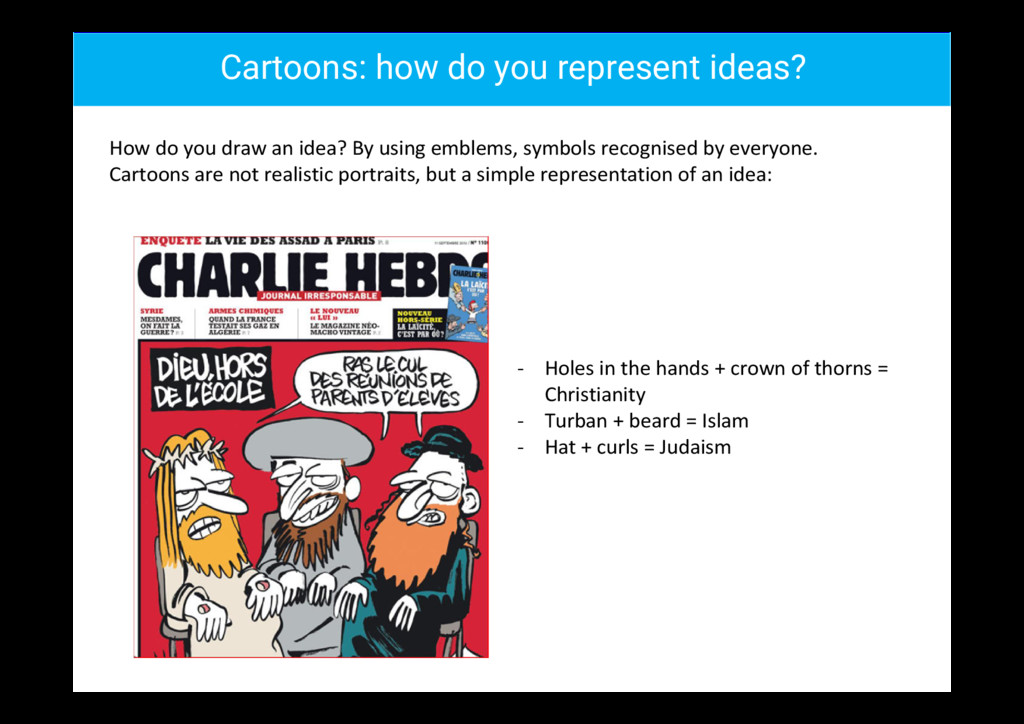
recognised by everyone. Cartoons are not realistic portraits, but a simple representation of an idea: - Holes in the hands + crown of thorns = Christianity - Turban + beard = Islam - Hat + curls = Judaism Cartoons: how do you represent ideas?


 usereef
 sciencetokyo
 tasusu
 akiraasano
 bvr7352
 frievea
 signer
 juanmartin2026
 pawan_pharm
 coderdojojapan
 auctria
 rasmusluckow
 addyosmani
 lauravandoore
 orderedlist
 danielanewman
 morganepeng
 lcolladotor
 trishagee
 lara
lara
 soysaucechin
 lfama
lfama
 aleyda