1. The Strategic Diagnostic: Why Enterprise AI Architectures Fail
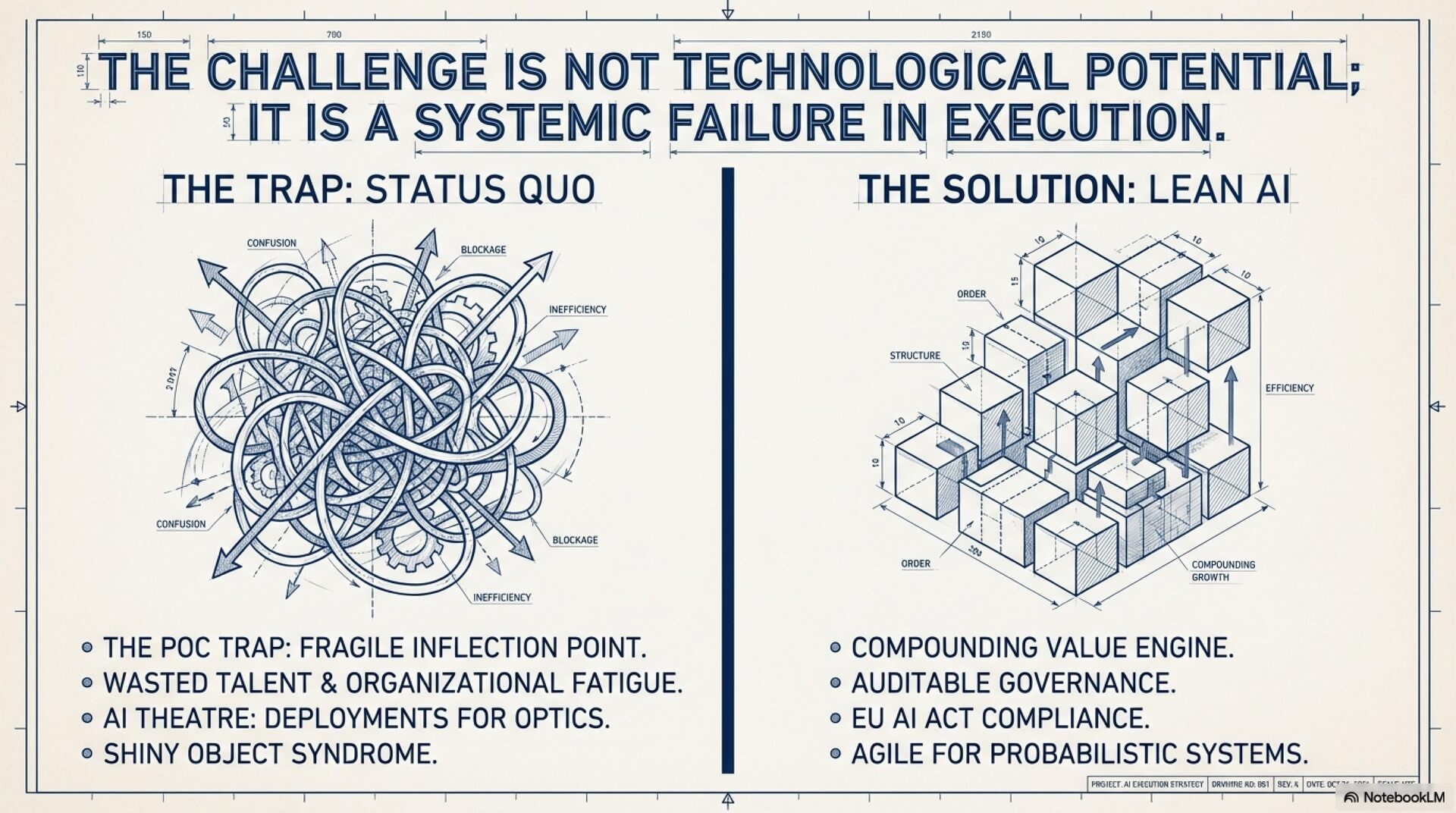
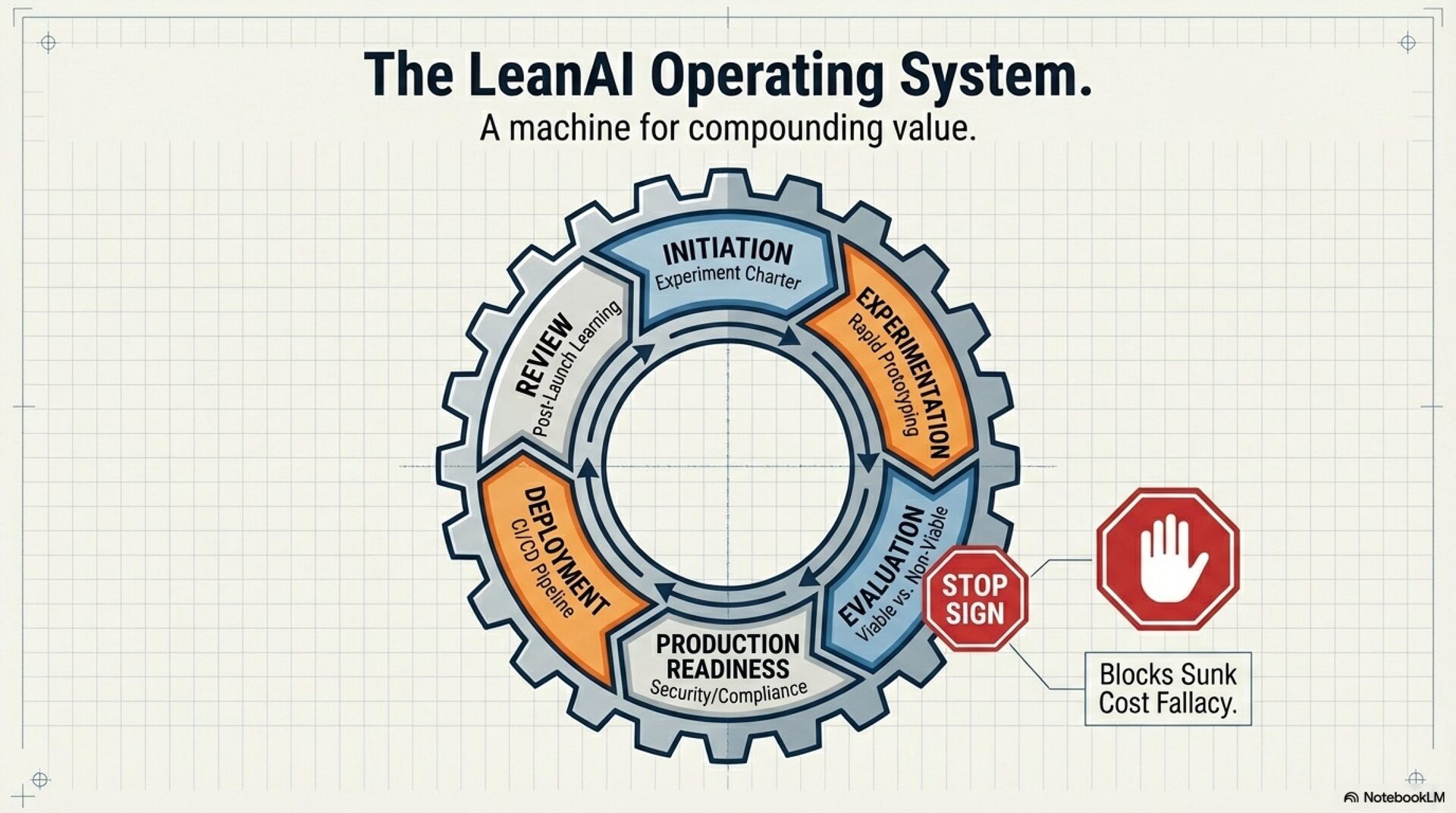
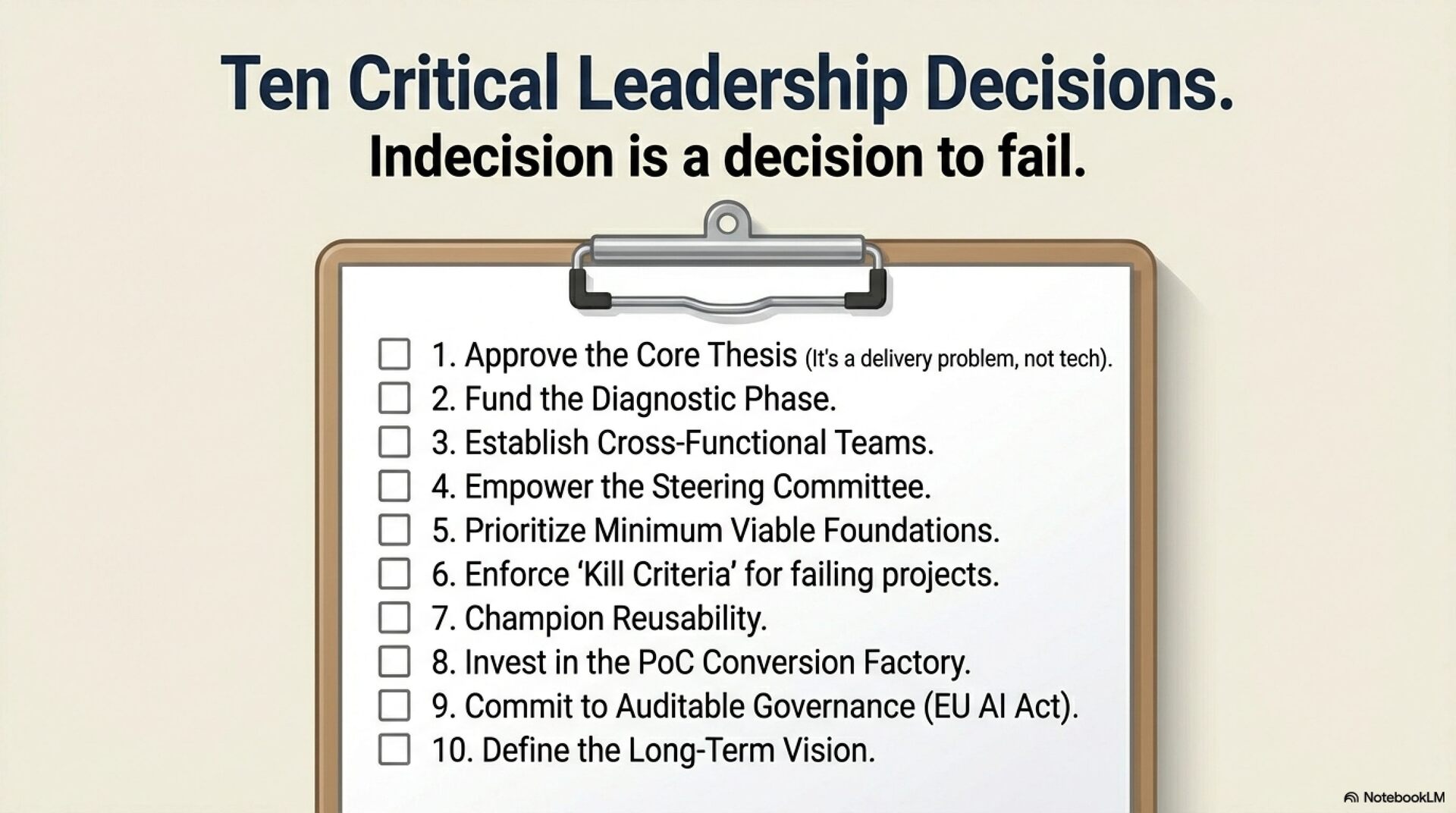
Traditional IT delivery models are fundamentally incompatible with probabilistic AI systems. While legacy software is built on deterministic "if-then" logic, AI operates on statistical likelihoods, requiring an entirely different organizational "Operating System." We are currently witnessing a systemic failure in execution; according to BCG data, 74% of enterprises fail to scale value beyond the initial Proof-of-Concept (PoC). This is not a failure of algorithmic capability, but a failure of delivery mechanics, ownership, and integration.
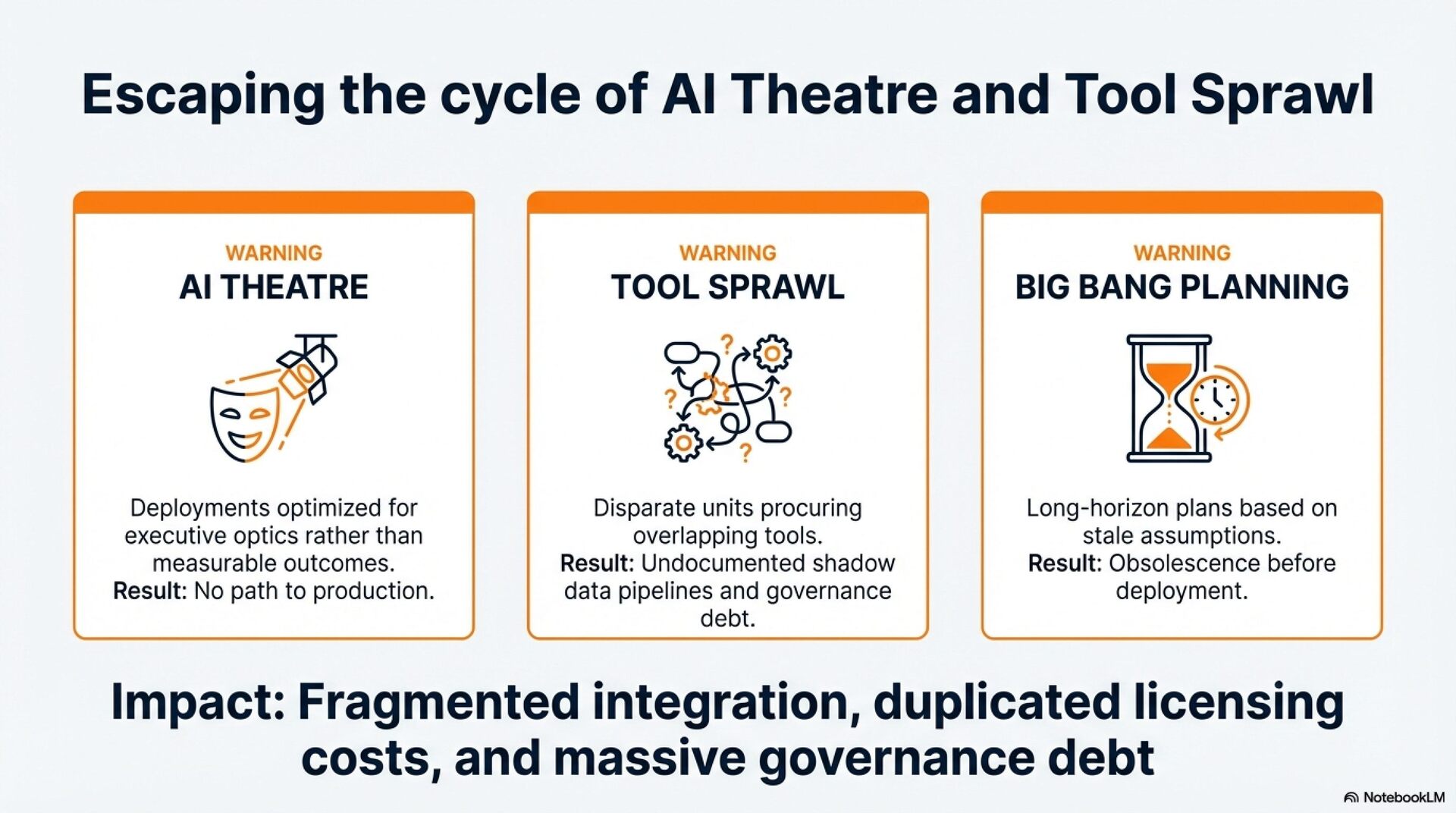
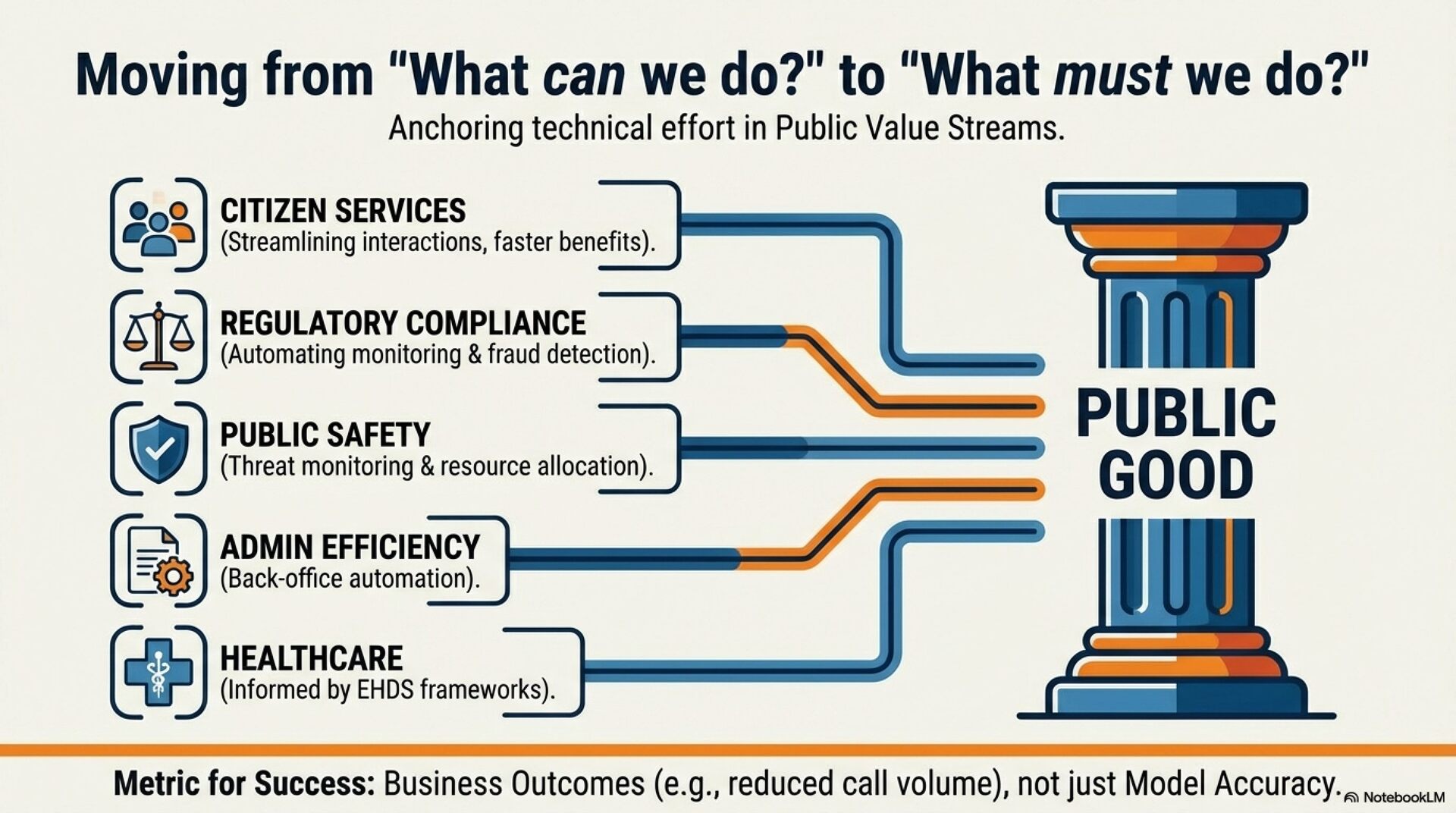
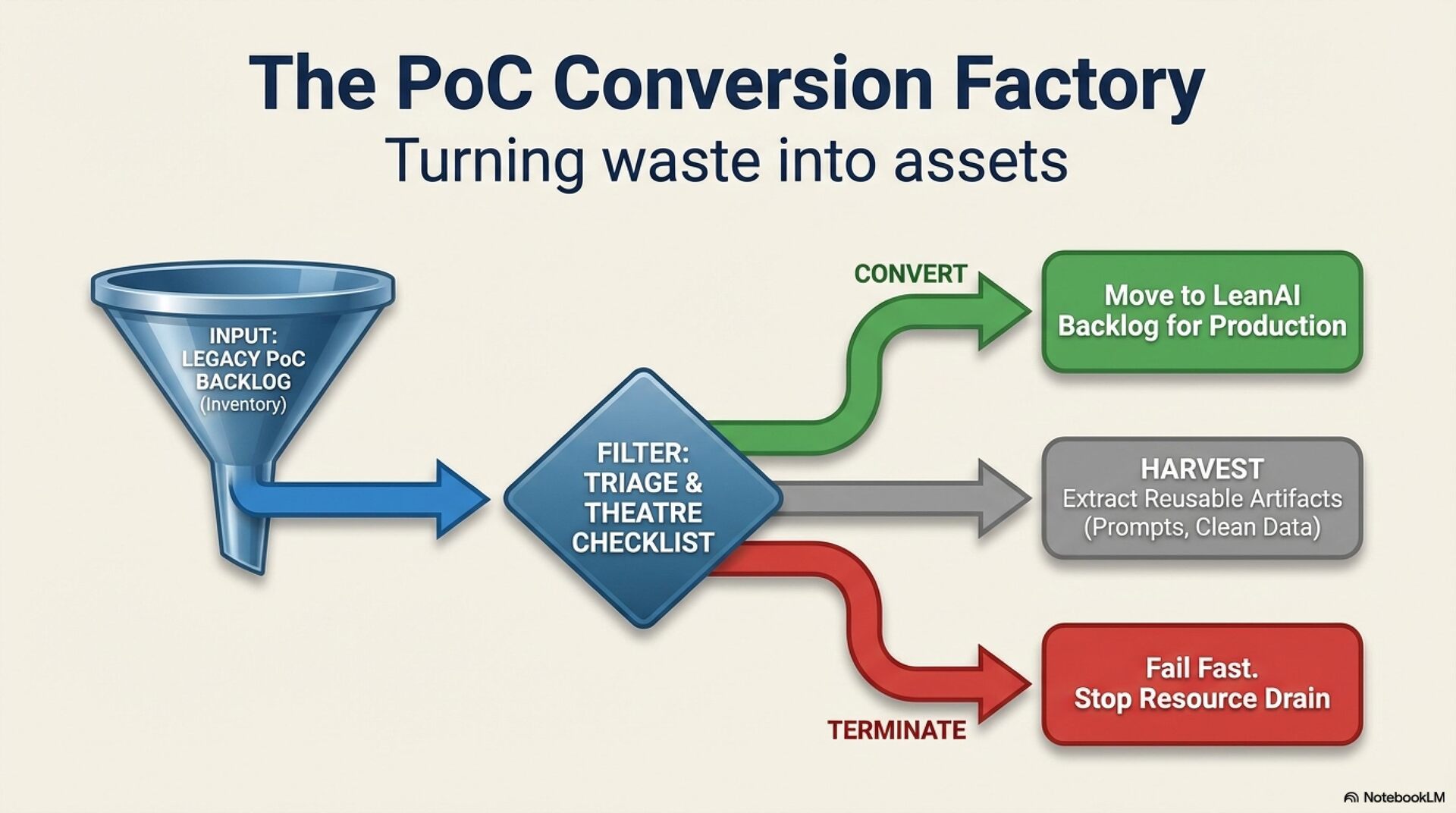
The industry is currently mired in the "PoC Trap" and "AI Theatre"—deployments optimized for executive optics rather than business outcomes. This results in wasted time and talent, organizational fatigue, and a compounding "data quality debt." To reverse this, leadership must adopt the 70-20-10 resource allocation rule: 70% of effort must be dedicated to business process transformation, 20% to technology integration, and only 10% to algorithms.


 djimit123
 yut0naga1_fa
 teamlab
 mhrtech
 codmoninc
 bitkey
 persolserverworks
 hiracky16
 pfn
pfn
 greenmidori
 4o1sobblue
 daidaidai
 jdejongh
 afnizarnur
 letsgokoyo
 lcolladotor
 marketingsoph
 addyosmani
 aarron
.png) helenjbeal
helenjbeal
 lara
lara
 thekraken
 holman
 mongodb