Upgrade to Pro — share decks privately, control downloads, hide ads and more …

Recommendations as a Conversation with the User

Recommendations as a Conversation with the User

This 2011 ACM Conference on Recommender Systems (RecSys) presentation explores recommendations as part of a conversation between users and systems. A conversational approach should provide transparency, control, and guidance. Transparency means that users understand why systems offer particular recommendations. Control means that users can explicitly manipulate the behavior of recommender systems based on personal needs and preferences. Guidance means that systems offers plausible and predictable next steps rather than requiring users to guess the consequences of their interactions. Finally, there are psychological factors -- in particular, the faith that users place in the recommender system's effectiveness. Since users develop mental models of recommender systems, the system should become more predictable with repeated use.

Avatar for Daniel Tunkelang

Daniel Tunkelang

May 25, 2026

More Decks by Daniel Tunkelang

Other Decks in Technology

Transcript

  1. 1 Recruiting Solutions Recruiting Solutions Recruiting Solutions Recommendations as a

    Conversation with the User Daniel Tunkelang Principal Data Scientist at LinkedIn Daniel
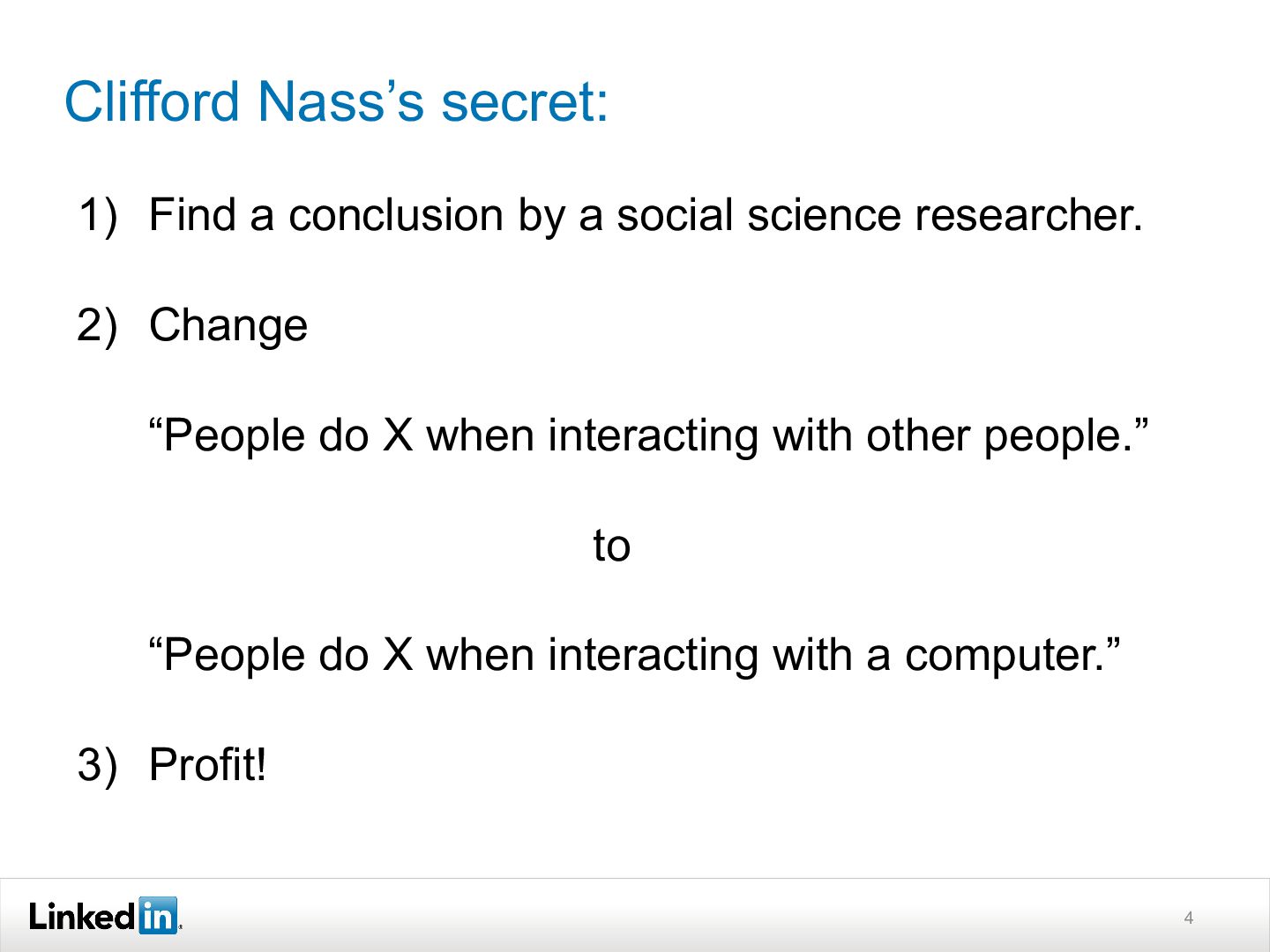
  2. 4 Clifford Nass’s secret: 1) Find a conclusion by a

    social science researcher. 2) Change “People do X when interacting with other people.” to “People do X when interacting with a computer.” 3) Profit!
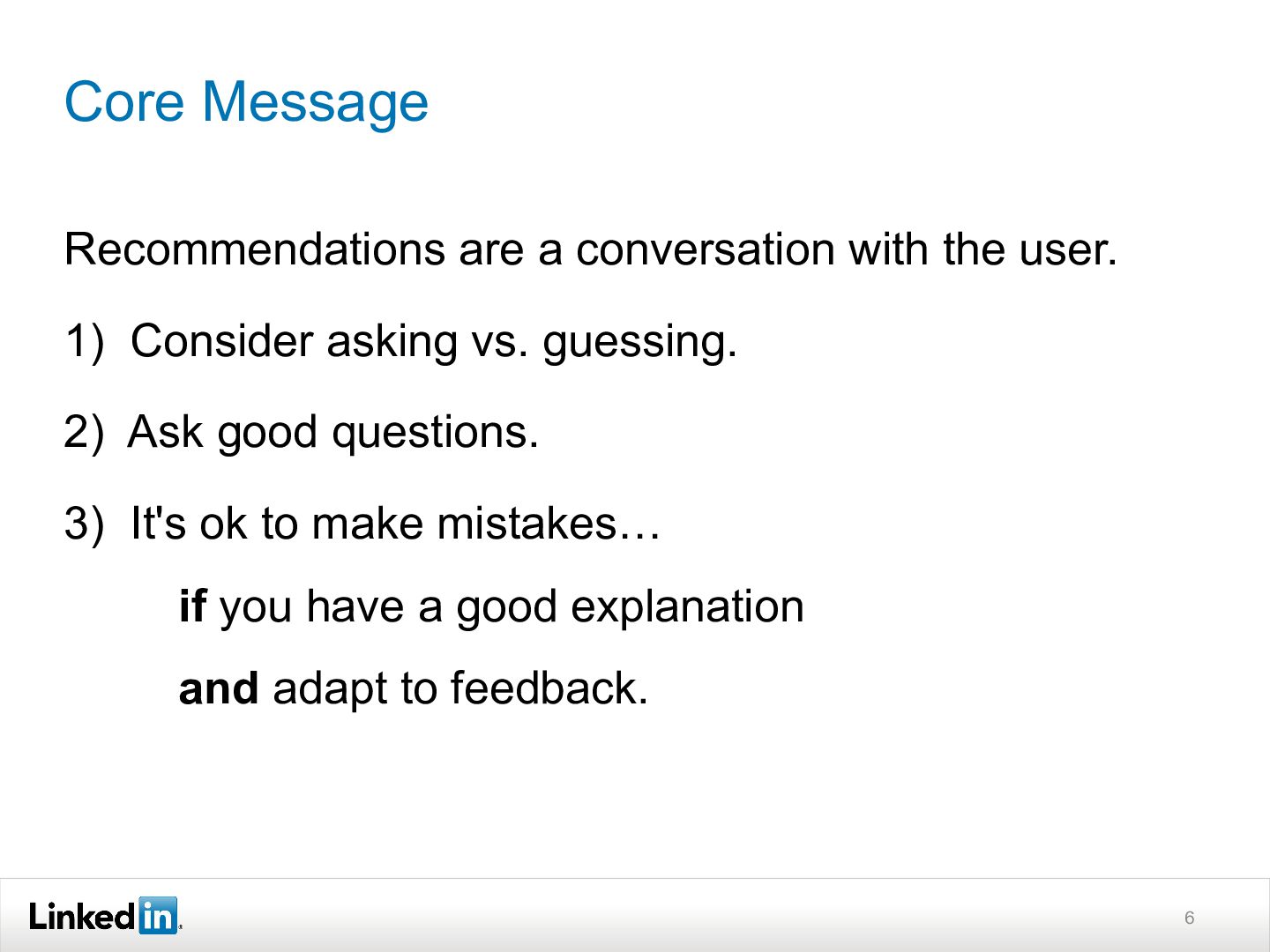
  3. 6 Core Message Recommendations are a conversation with the user.

    1) Consider asking vs. guessing. 2) Ask good questions. 3) It's ok to make mistakes… if you have a good explanation and adapt to feedback.
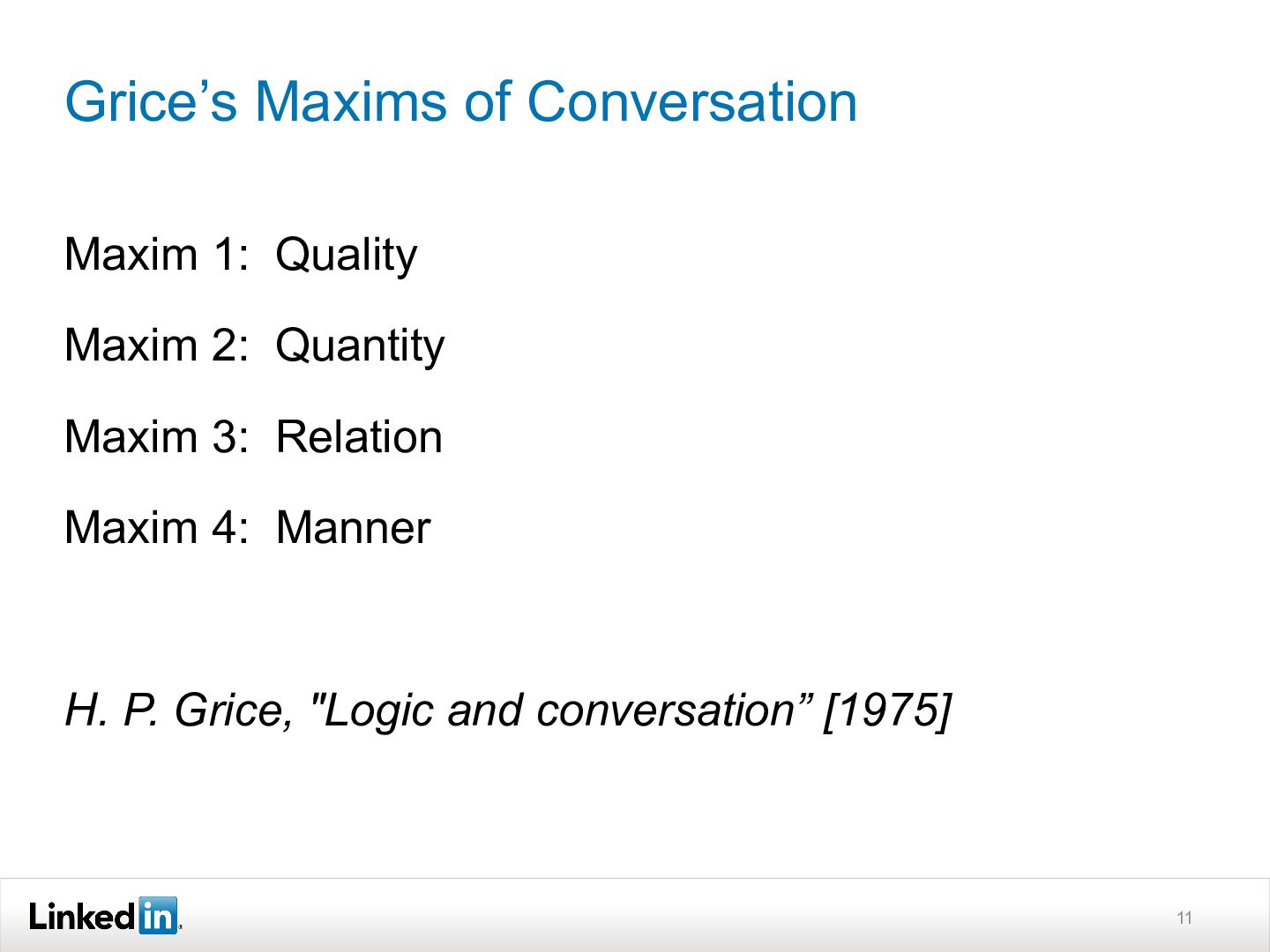
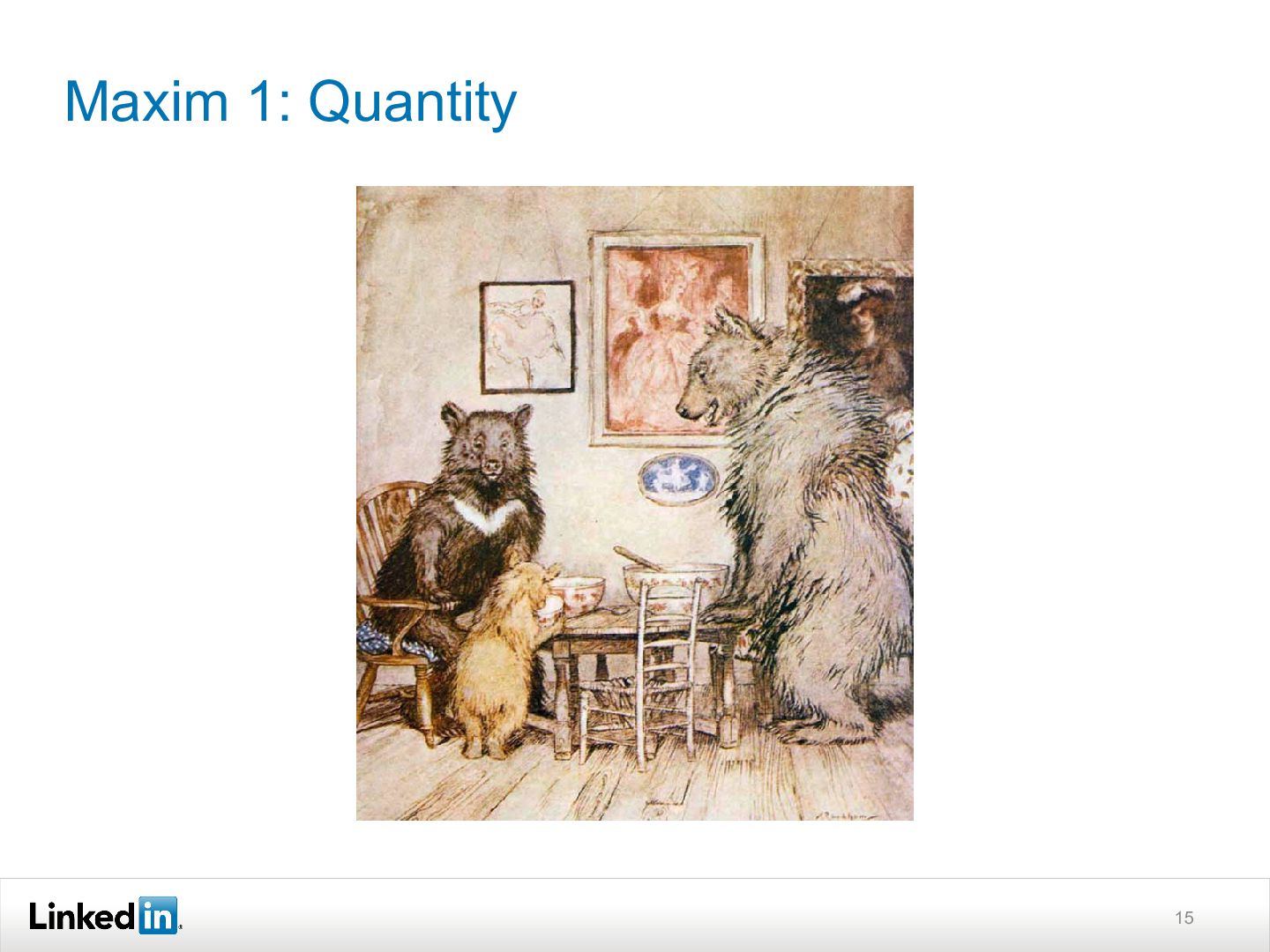
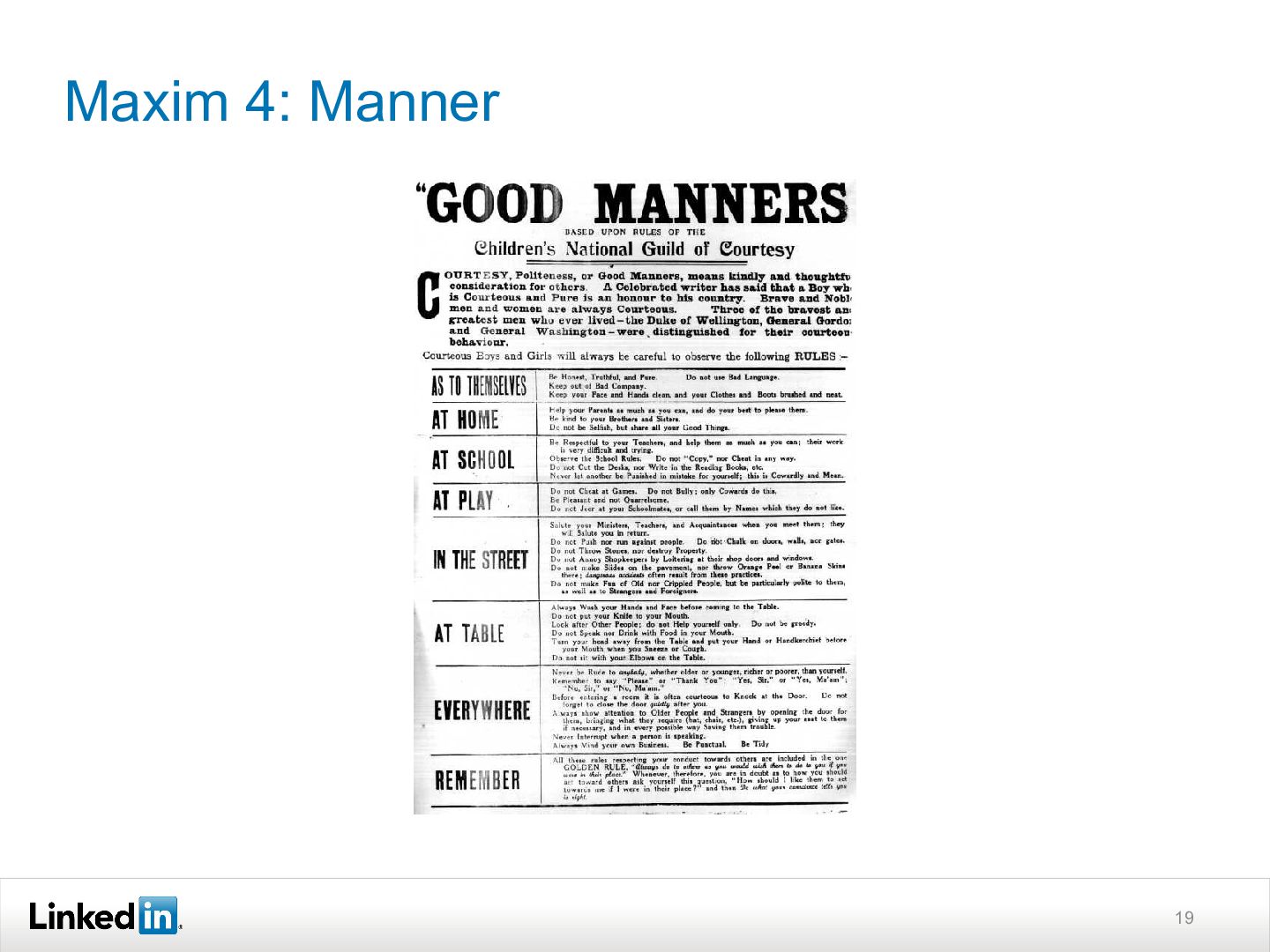
  4. 11 Grice’s Maxims of Conversation Maxim 1: Quality Maxim 2:

    Quantity Maxim 3: Relation Maxim 4: Manner H. P. Grice, "Logic and conversation” [1975]
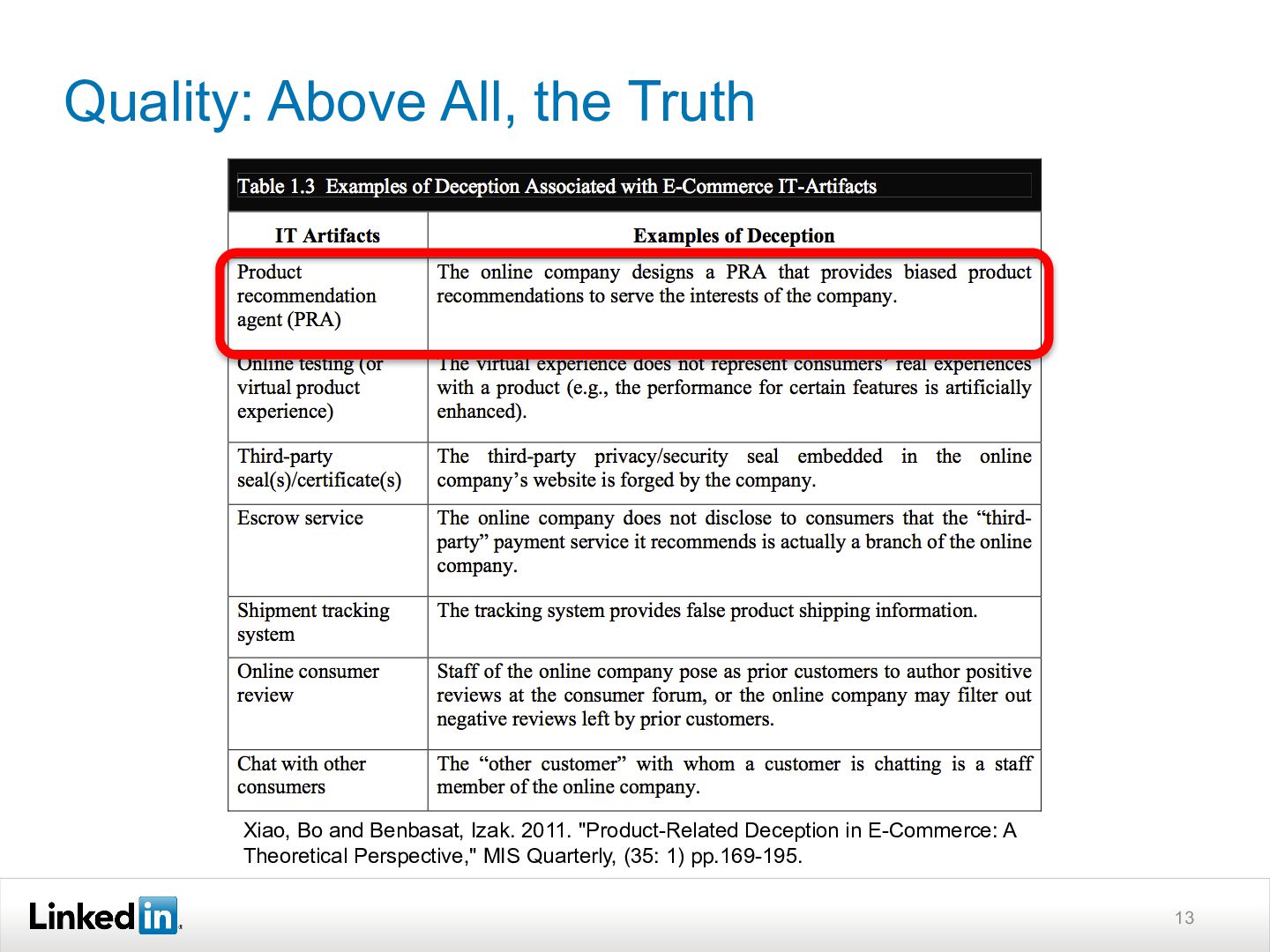
  5. 13 Quality: Above All, the Truth Xiao, Bo and Benbasat,

    Izak. 2011. "Product-Related Deception in E-Commerce: A Theoretical Perspective," MIS Quarterly, (35: 1) pp.169-195.
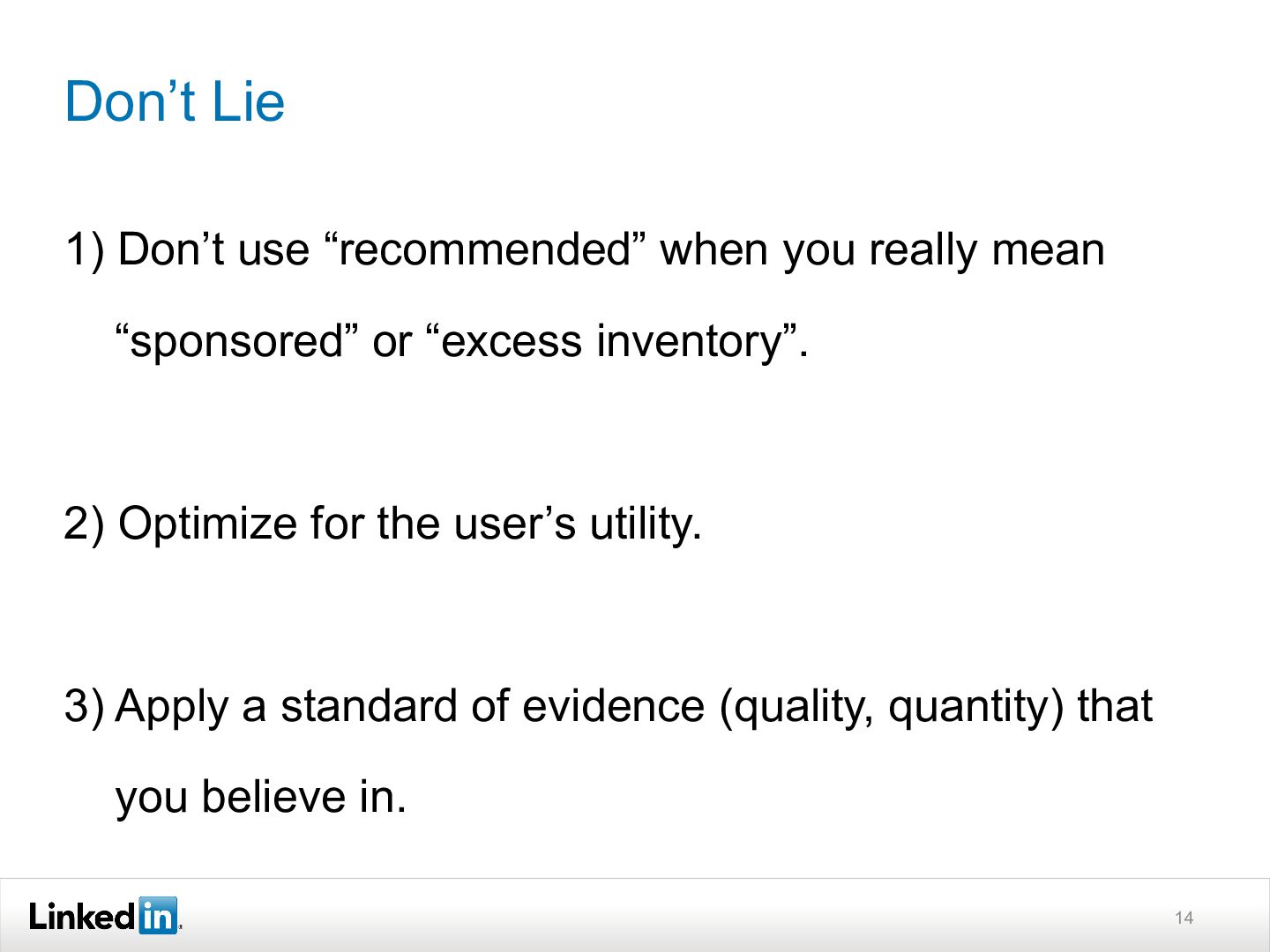
  6. 14 Don’t Lie 1) Don’t use “recommended” when you really

    mean “sponsored” or “excess inventory”. 2) Optimize for the user’s utility. 3) Apply a standard of evidence (quality, quantity) that you believe in.
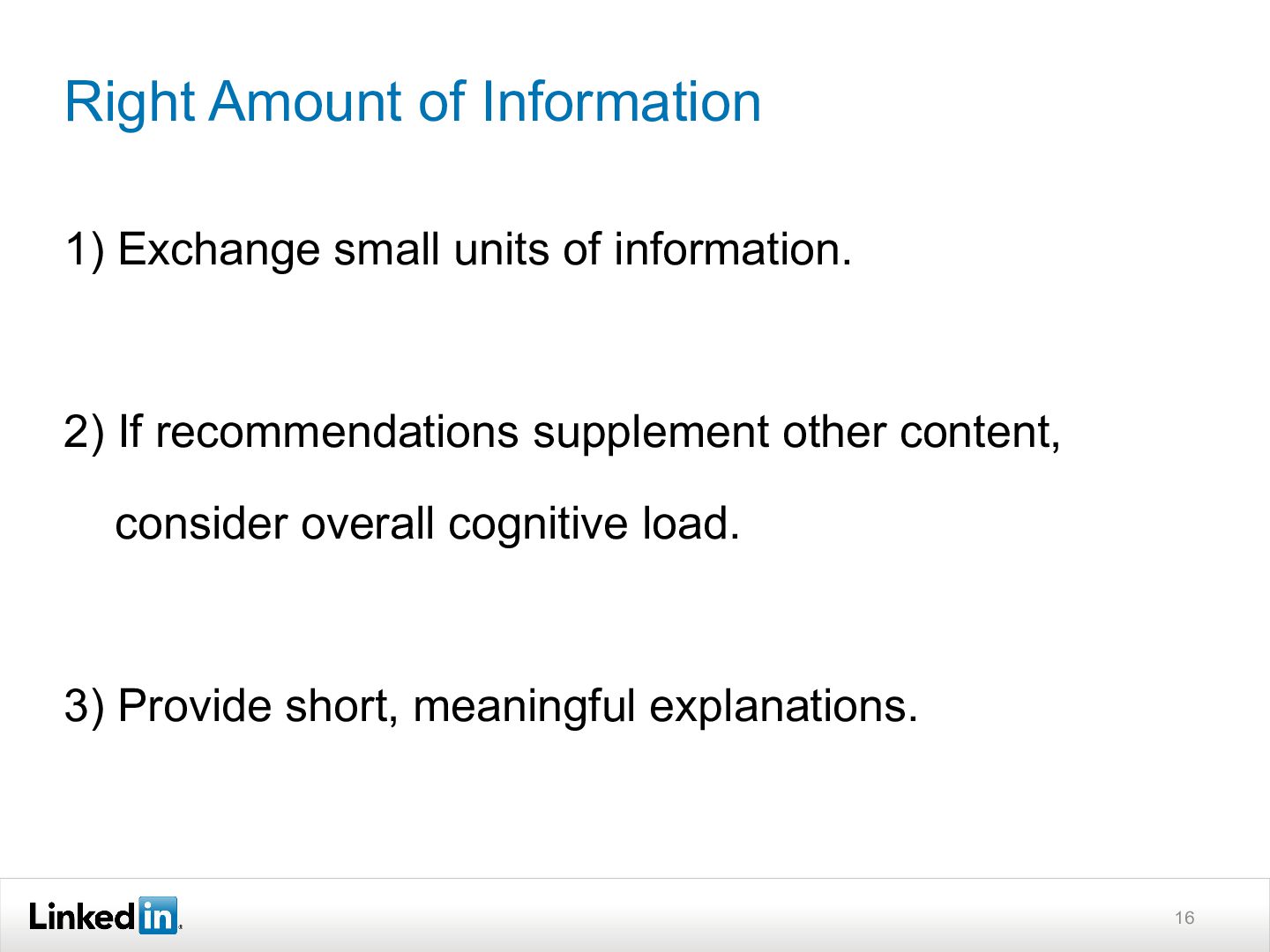
  7. 16 Right Amount of Information 1) Exchange small units of

    information. 2) If recommendations supplement other content, consider overall cognitive load. 3) Provide short, meaningful explanations.
  8. 18 Relevant to the User 1) Offer value to the

    user. 2) Respect task context. 3) Don’t be obnoxious.
  9. 20 Relevant to the User 1) Eschew obfuscation. 2) Avoid

    ambiguity. 3) Be brief. 4) Be orderly.
  10. 22 Human-Computer Information Retrieval Empower people to explore large-scale information

    but demand that people also take responsibility for this control by expending cognitive and physical energy. Marchionini, G., “Toward Human-Computer Information Retrieval” [2006]
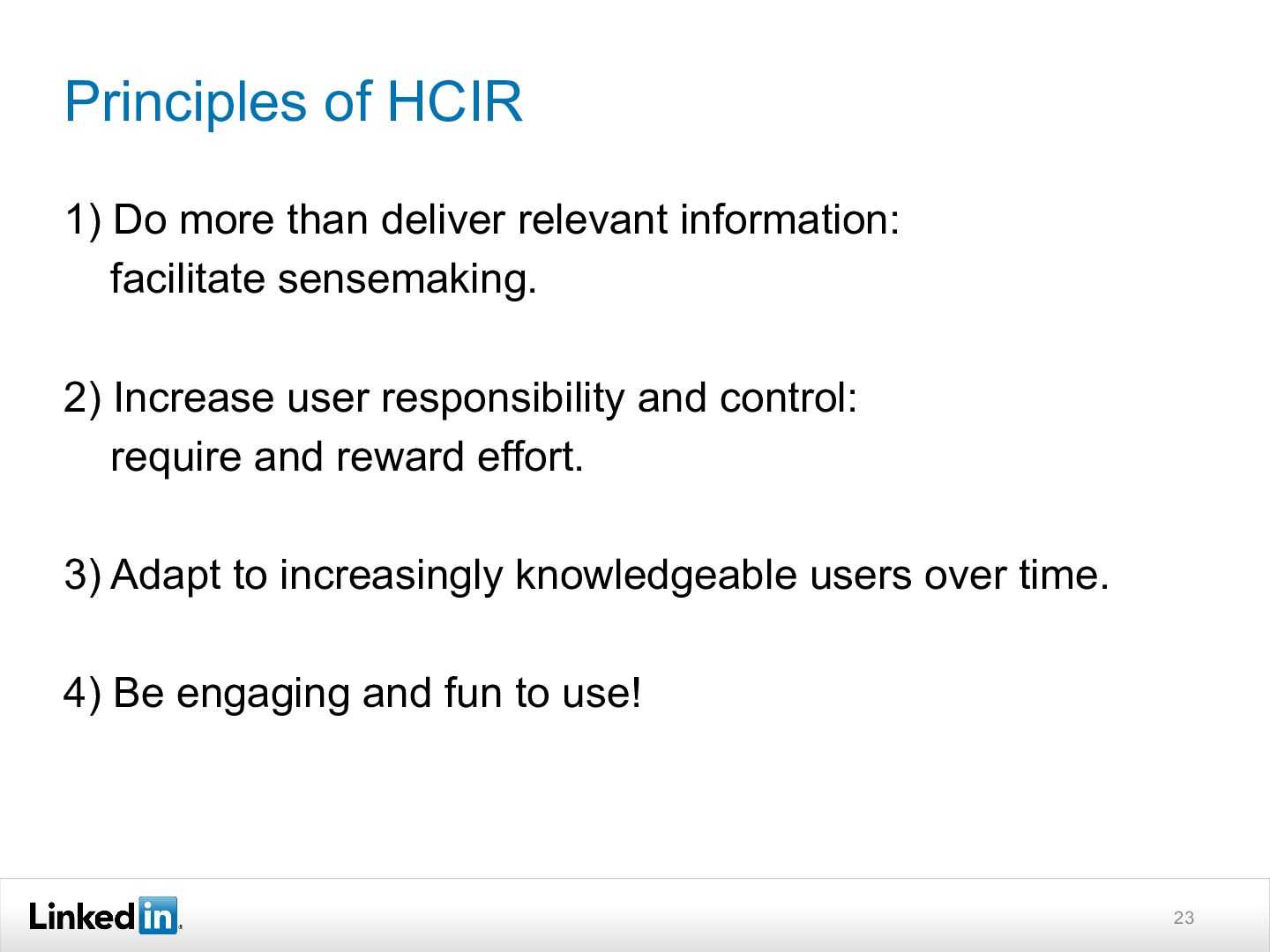
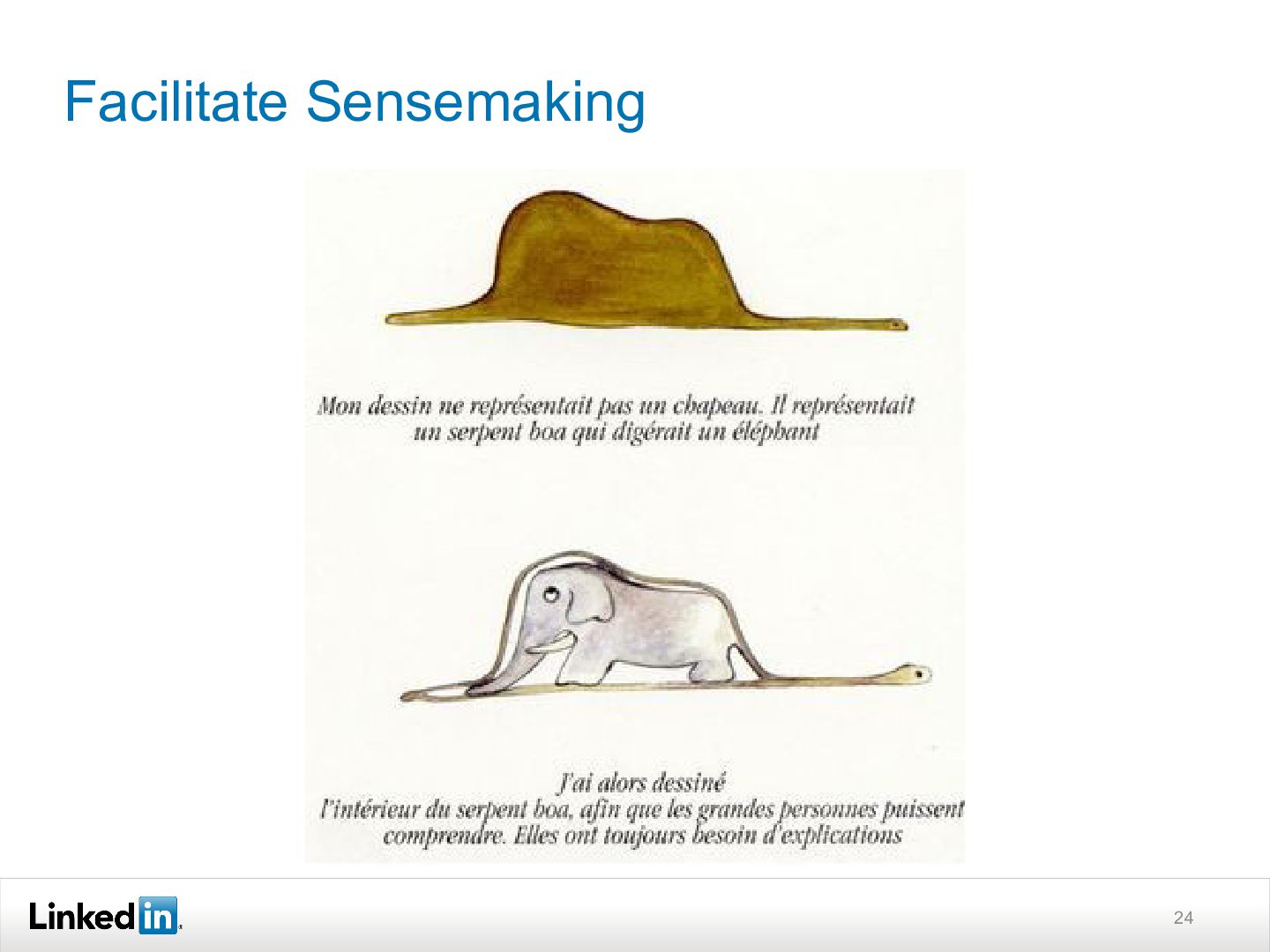
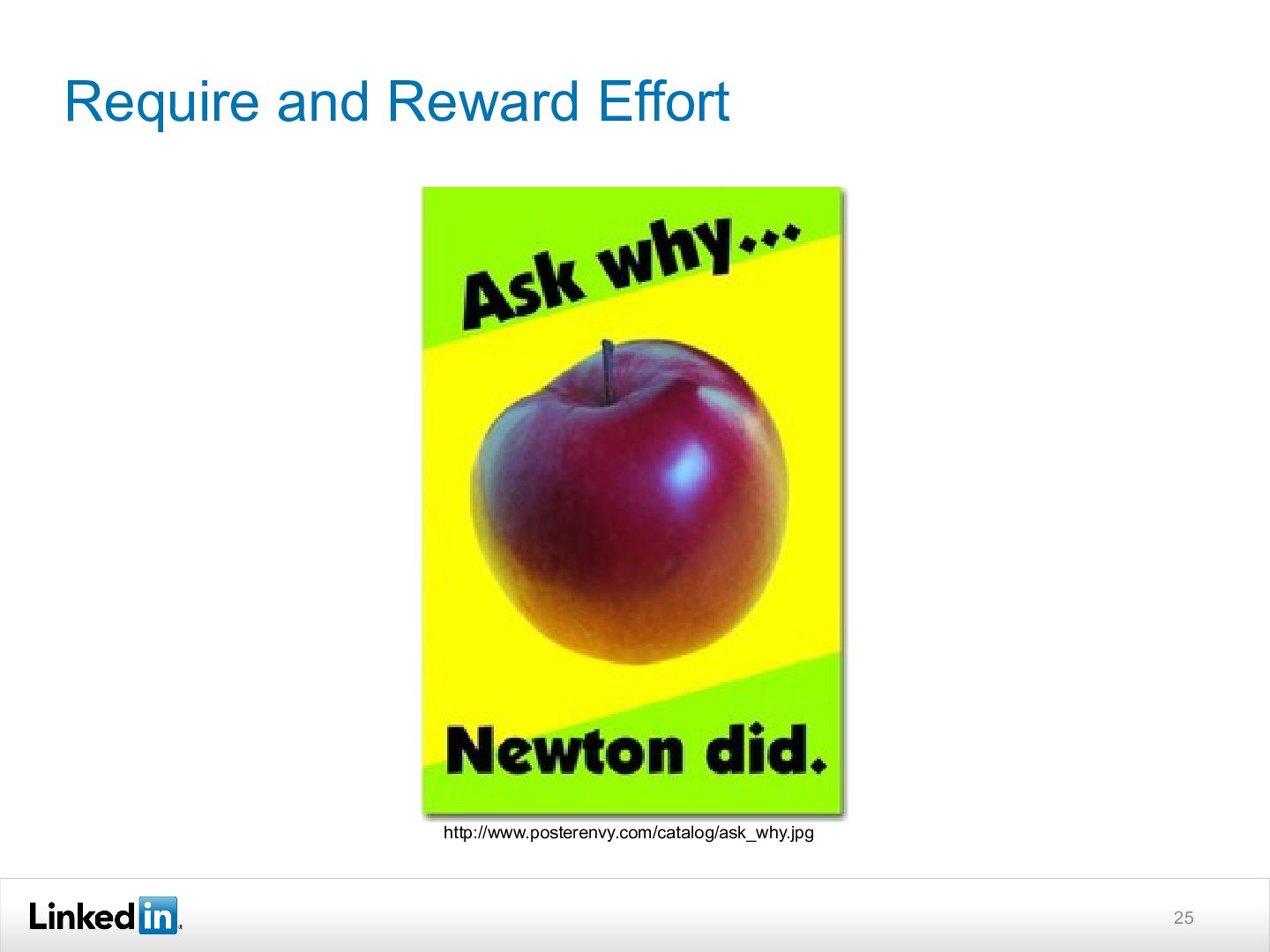
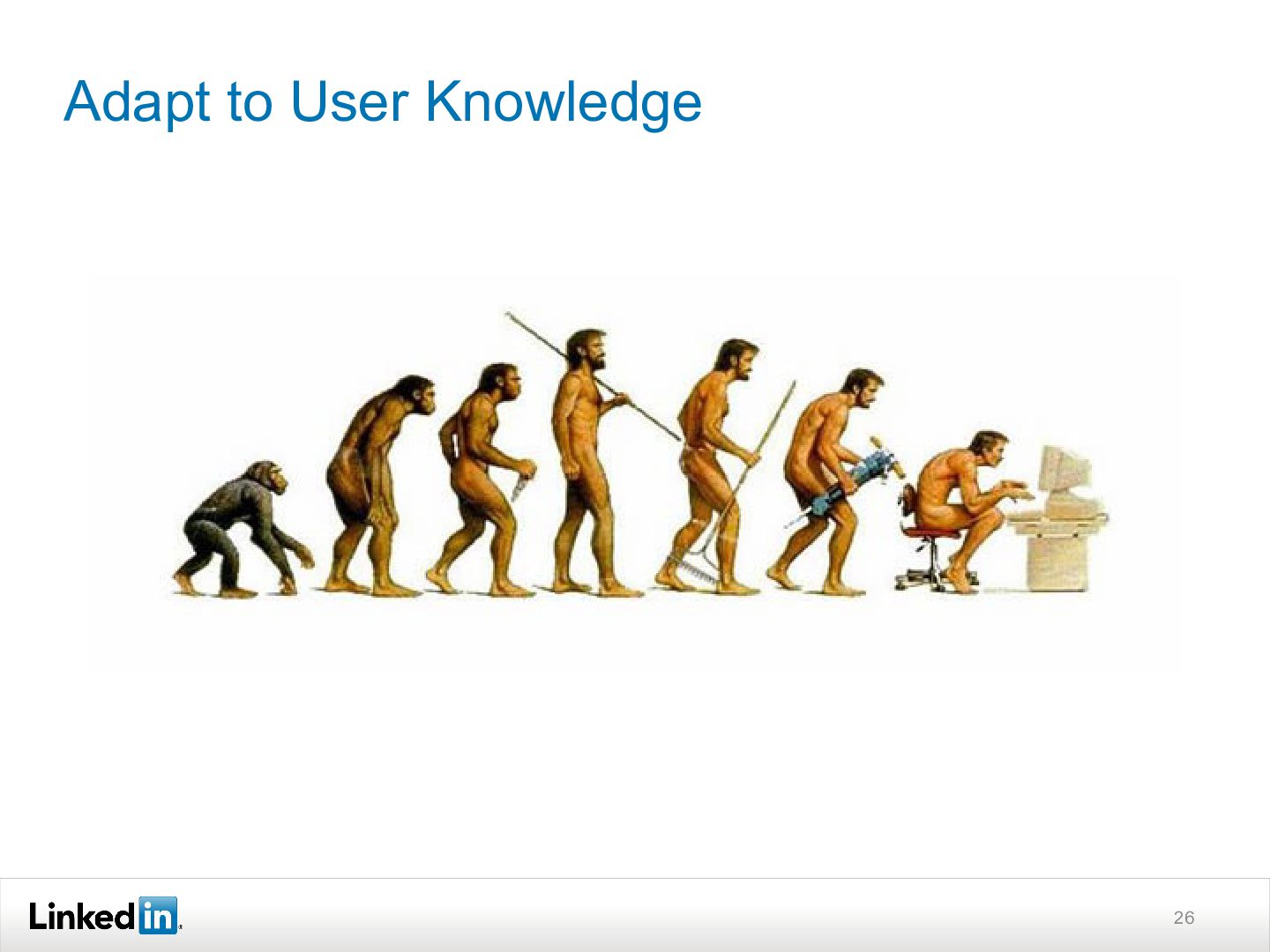
  11. 23 Principles of HCIR 1) Do more than deliver relevant

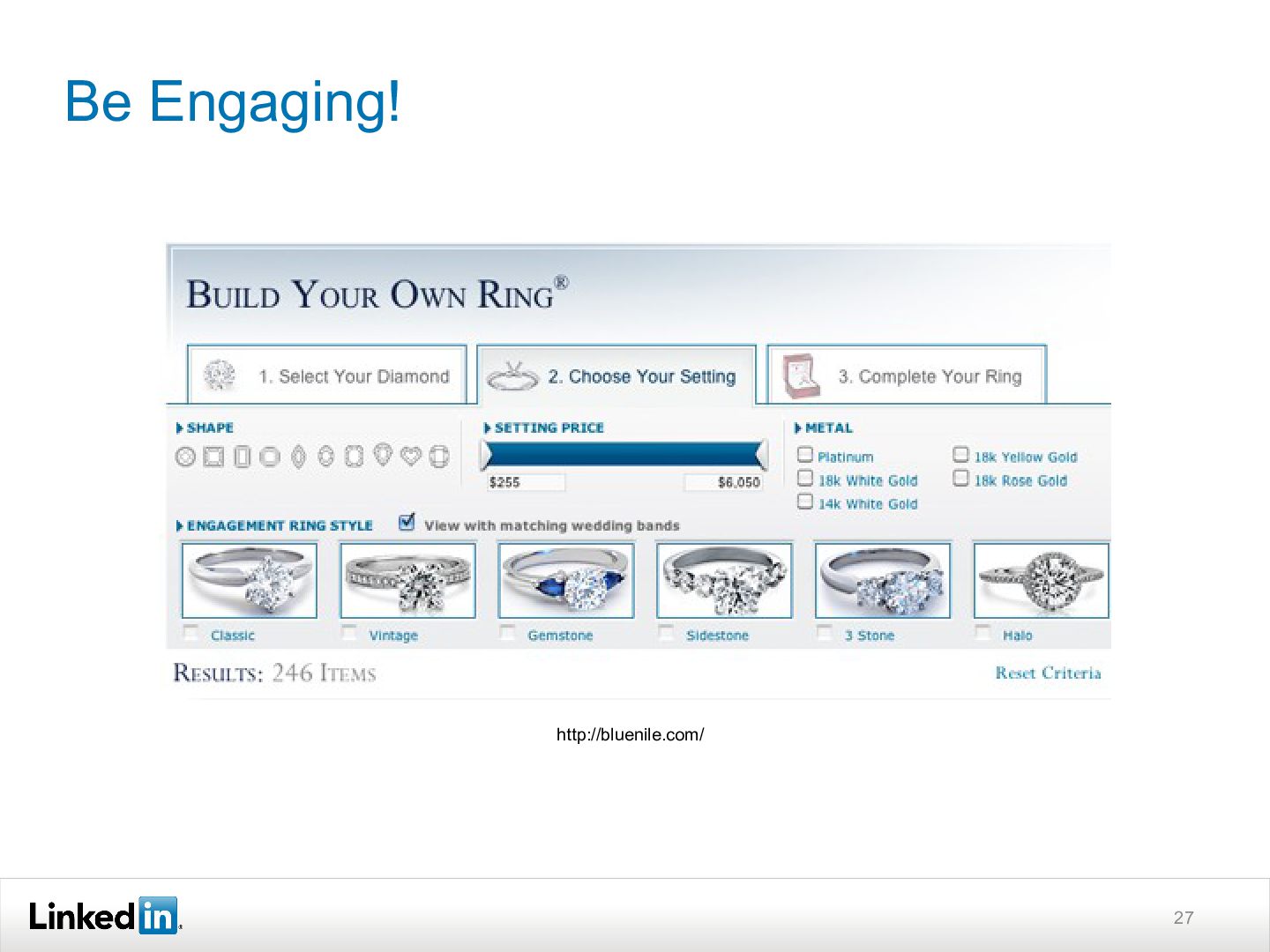
    information: facilitate sensemaking. 2) Increase user responsibility and control: require and reward effort. 3) Adapt to increasingly knowledgeable users over time. 4) Be engaging and fun to use!
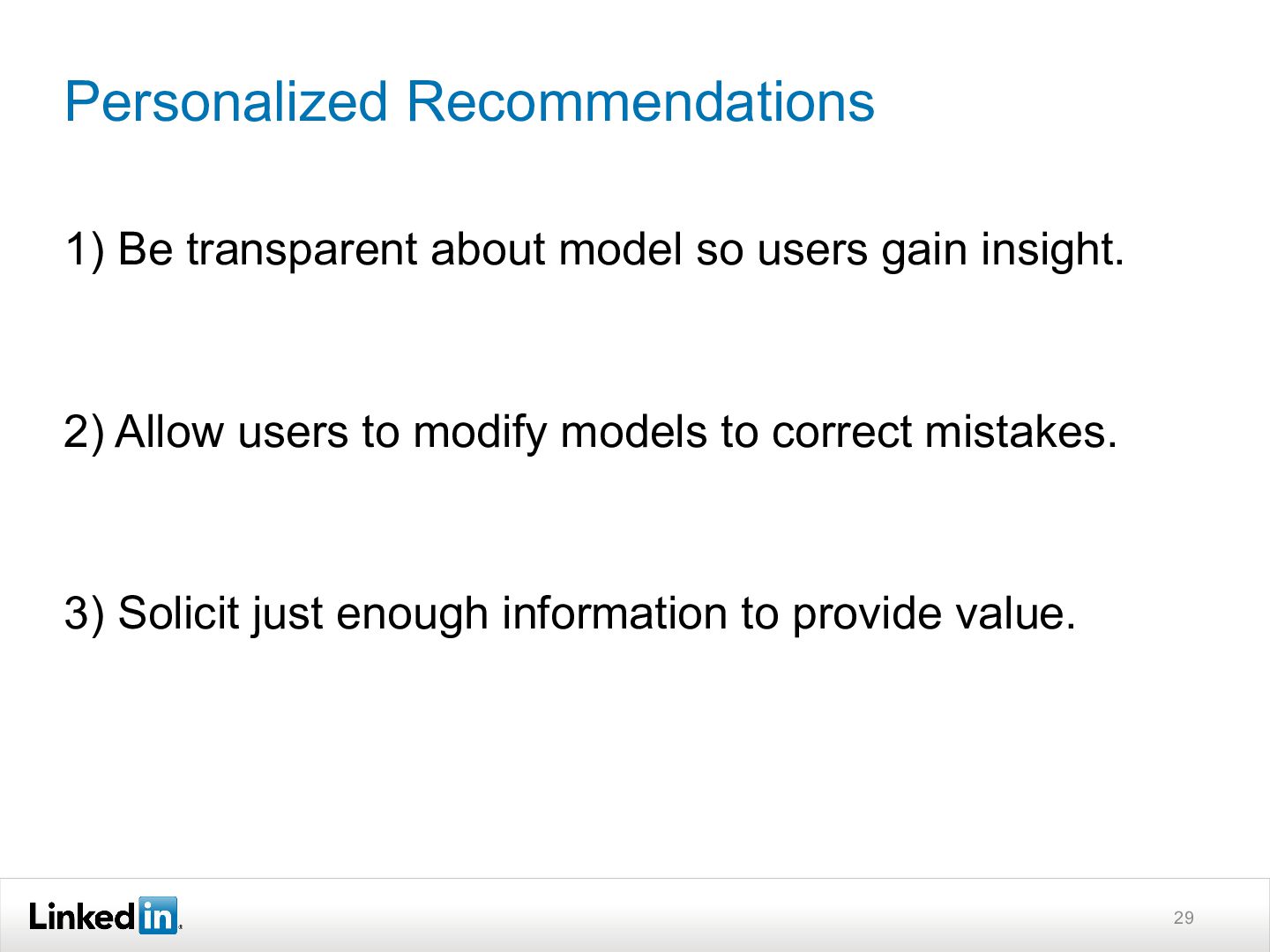
  12. 29 Personalized Recommendations 1) Be transparent about model so users

    gain insight. 2) Allow users to modify models to correct mistakes. 3) Solicit just enough information to provide value.
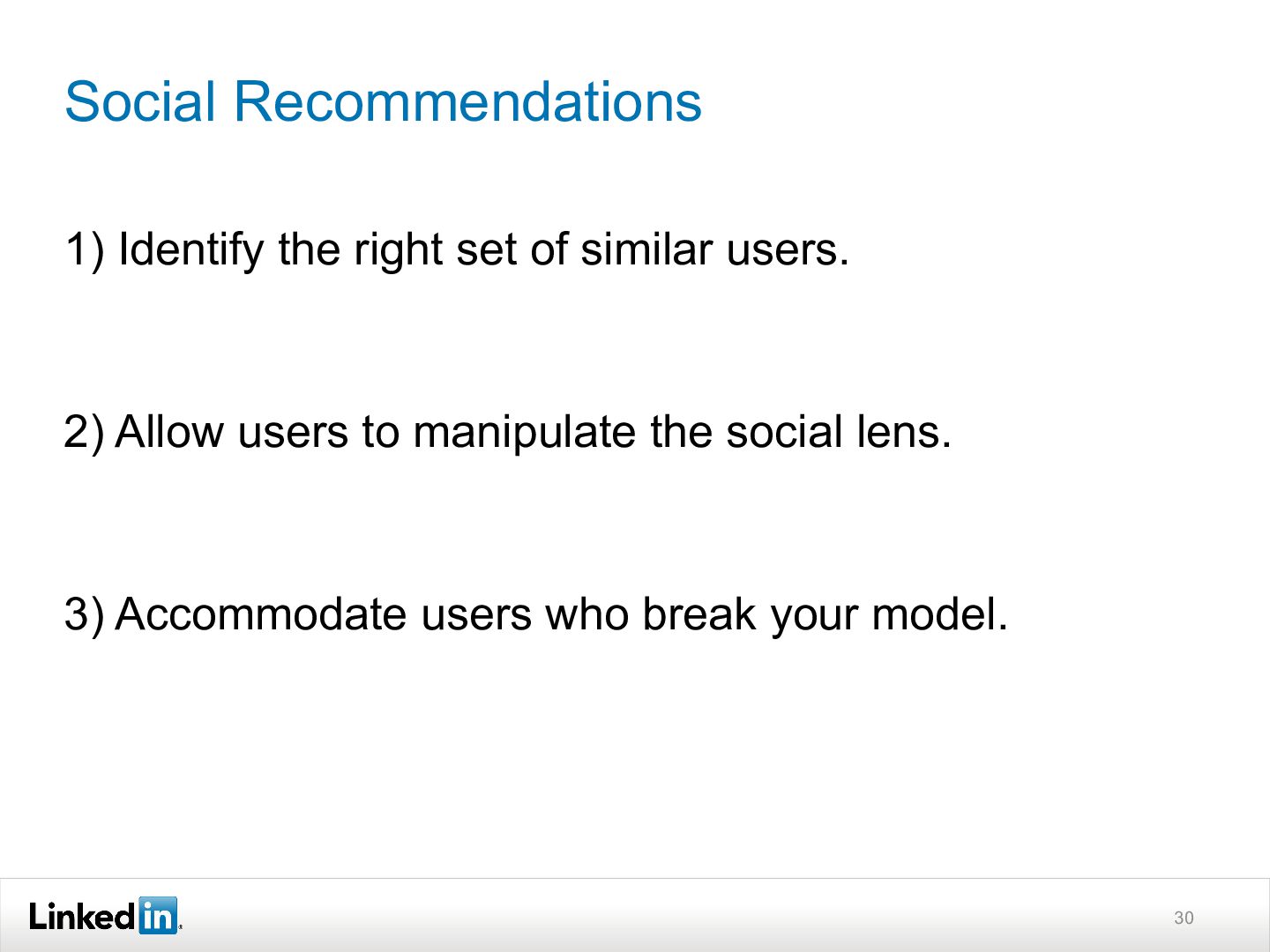
  13. 30 Social Recommendations 1) Identify the right set of similar

    users. 2) Allow users to manipulate the social lens. 3) Accommodate users who break your model.
  14. 31 Item Recommendations 1) Explain recommendations to users. 2) Watch

    out for non-sequiturs (e.g., diapers -> beer). 3) Play well with user-controlled filtering and sorting.
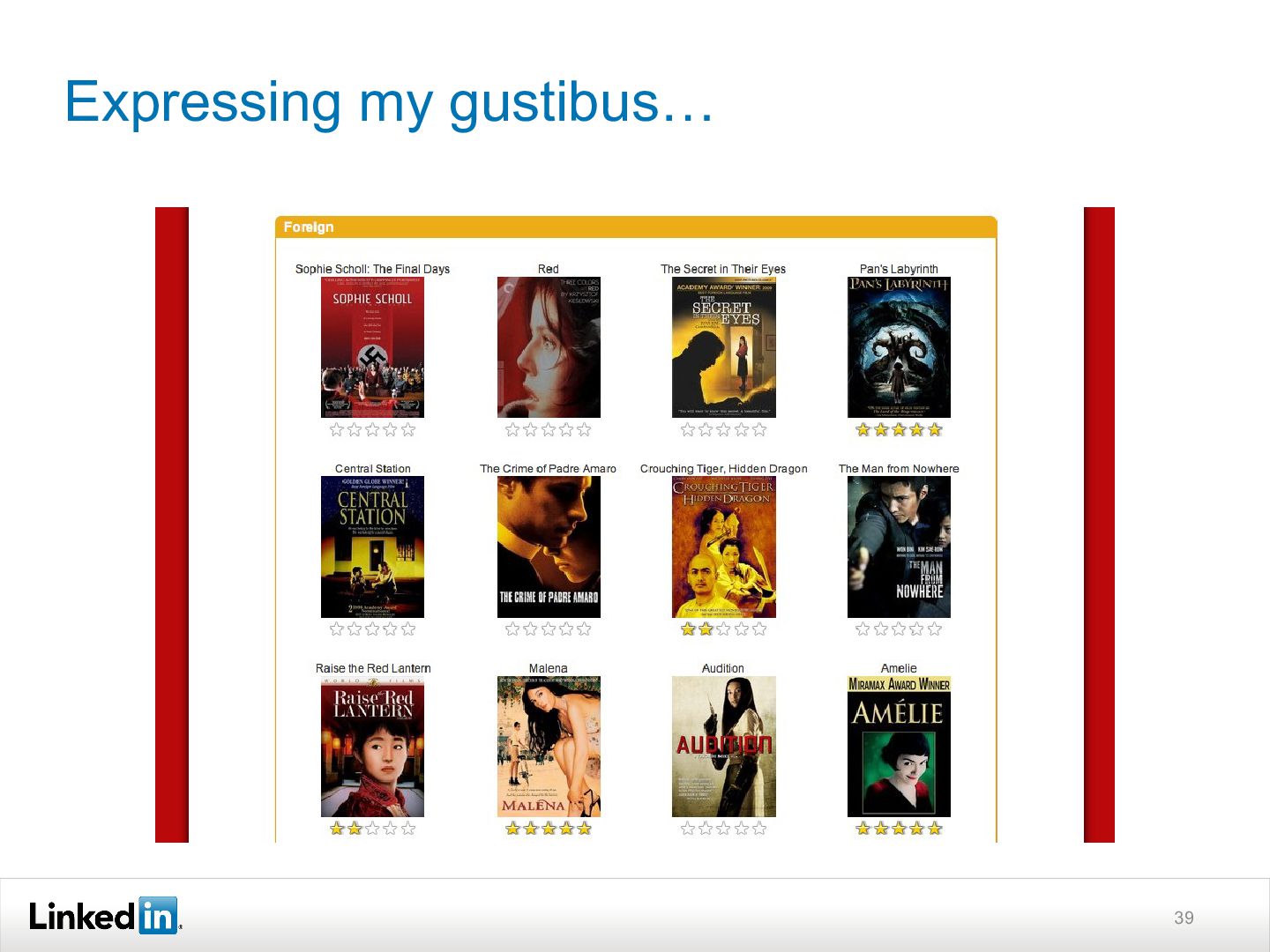
  15. 33

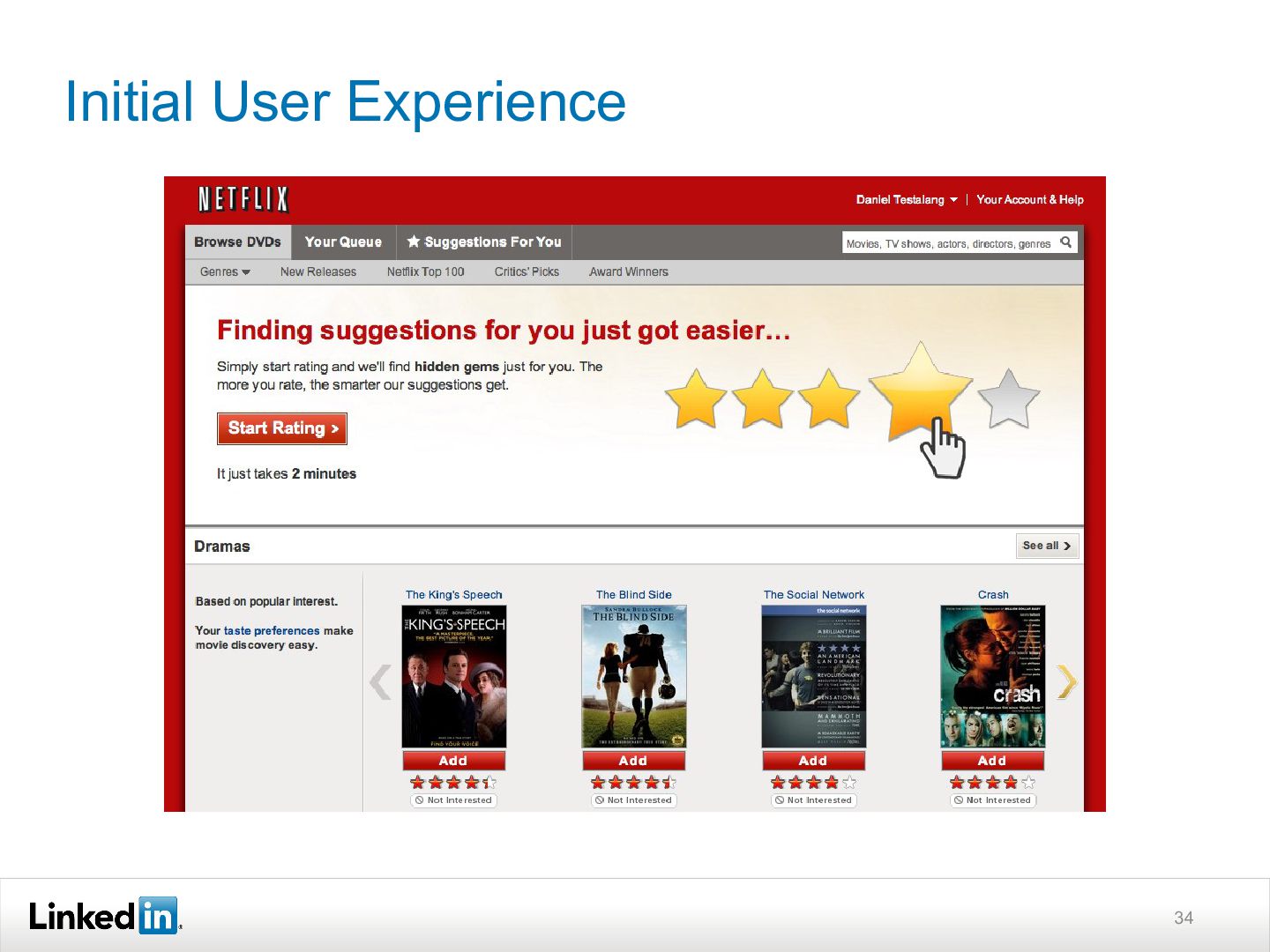
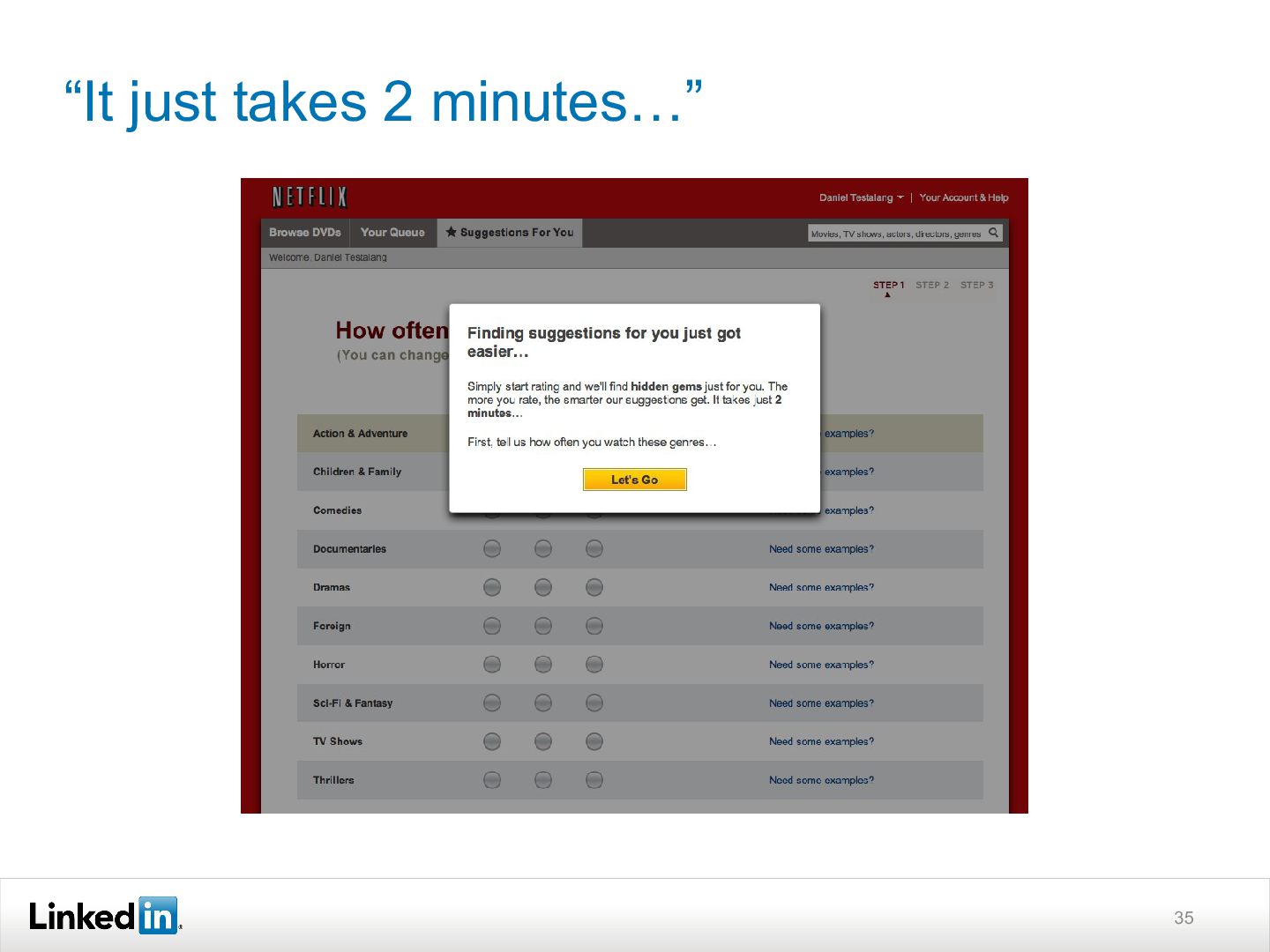
  16. 44 Learning from Netflix 1) Ask the user for help

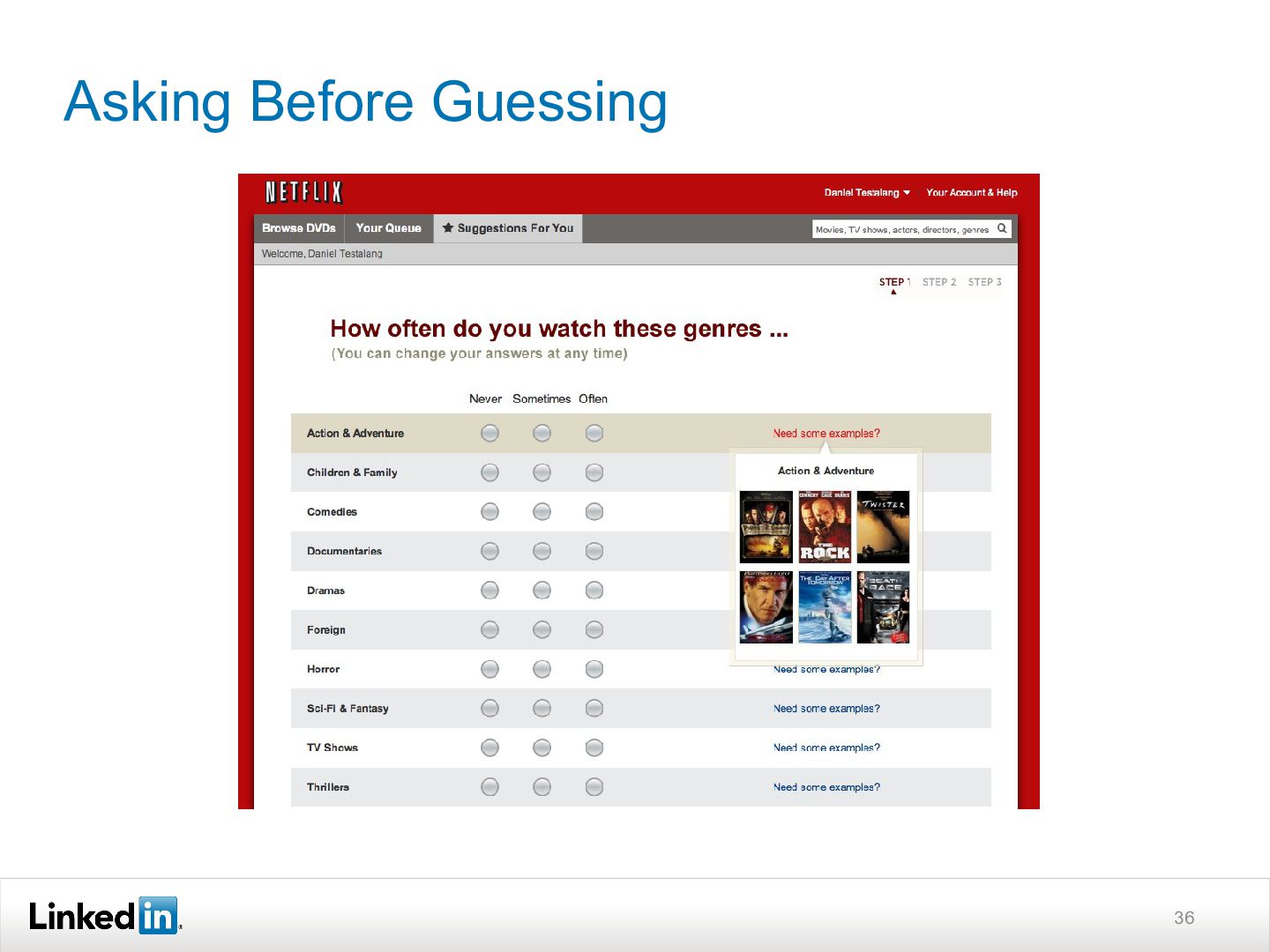
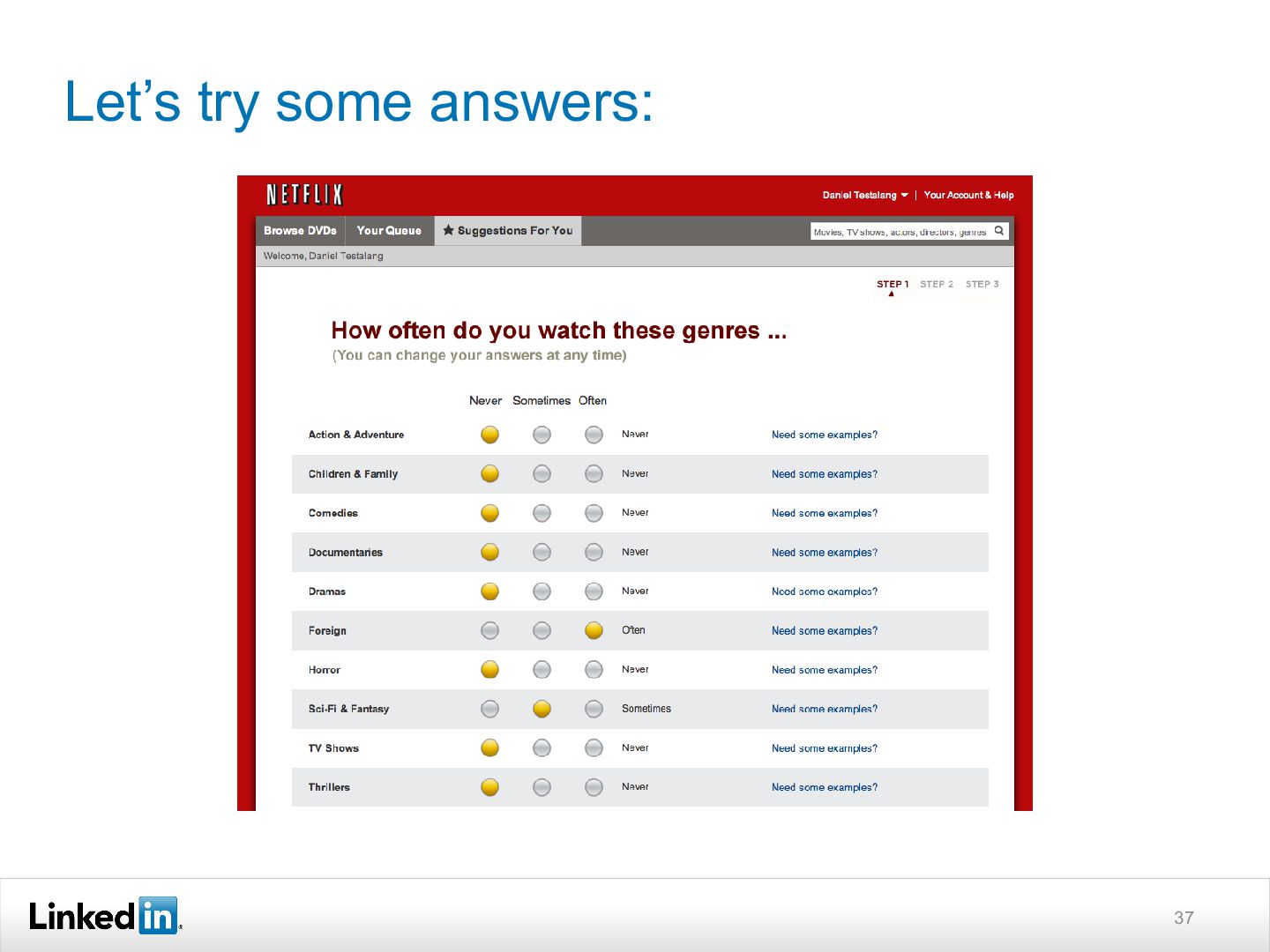
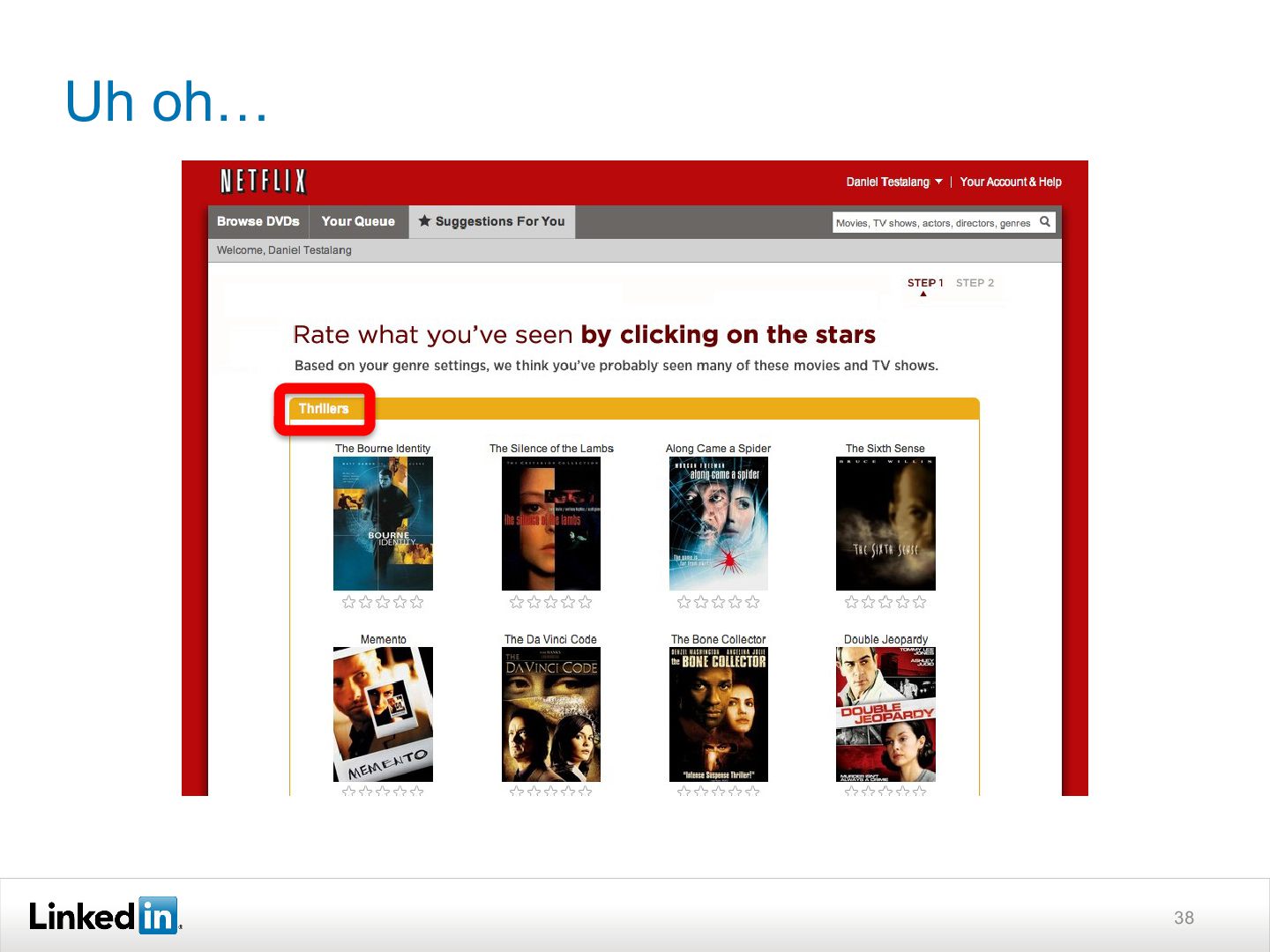
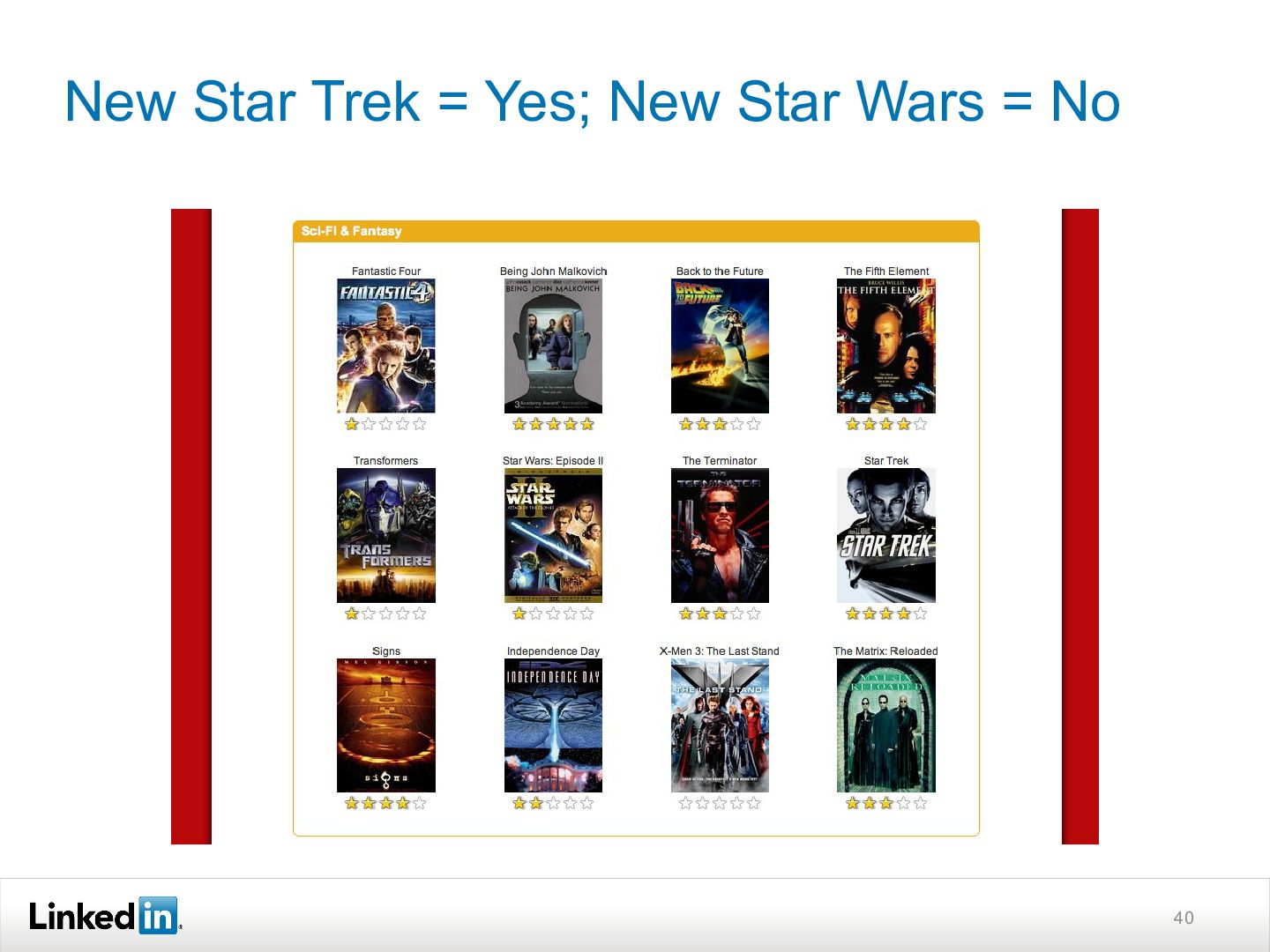
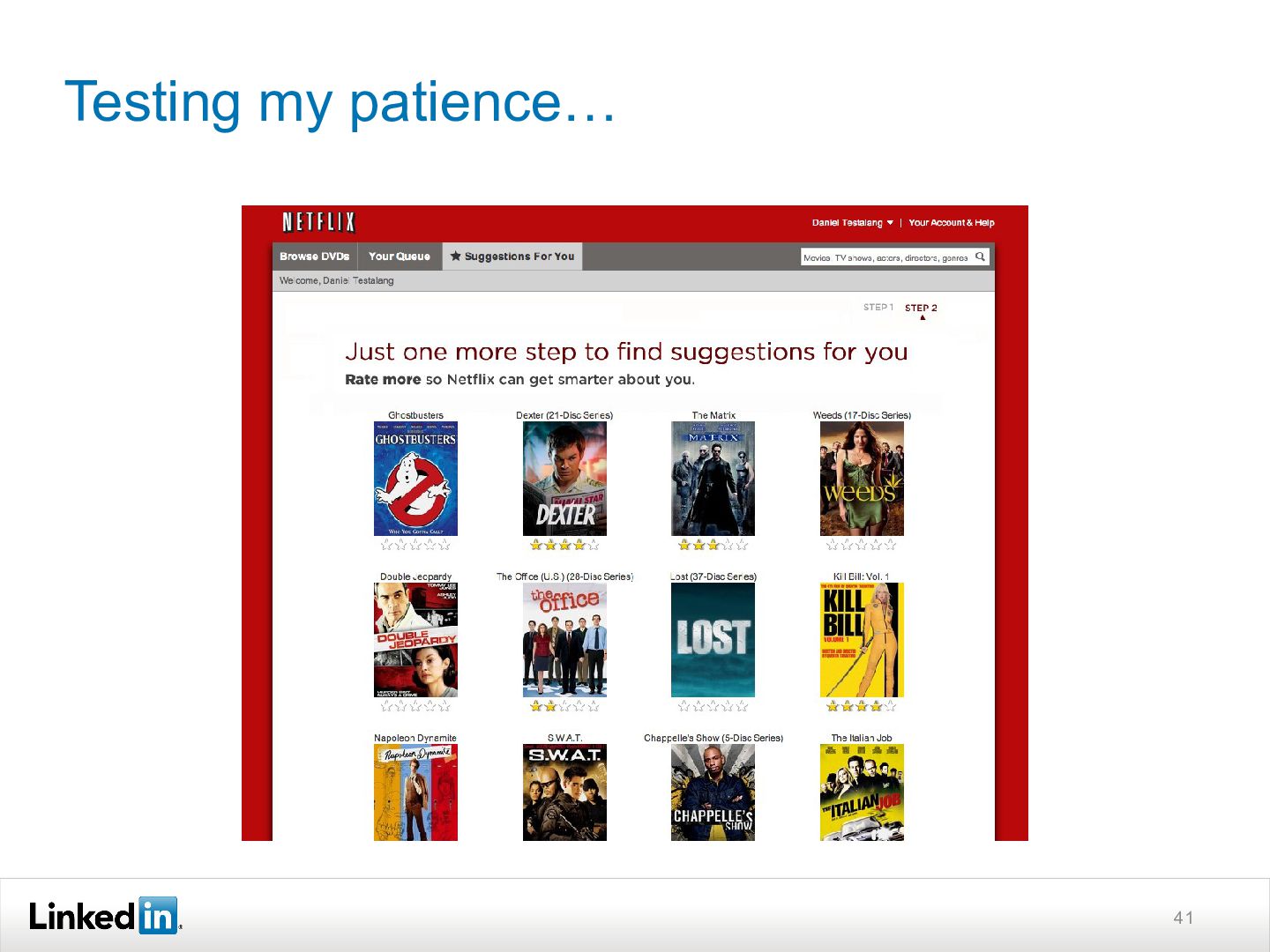
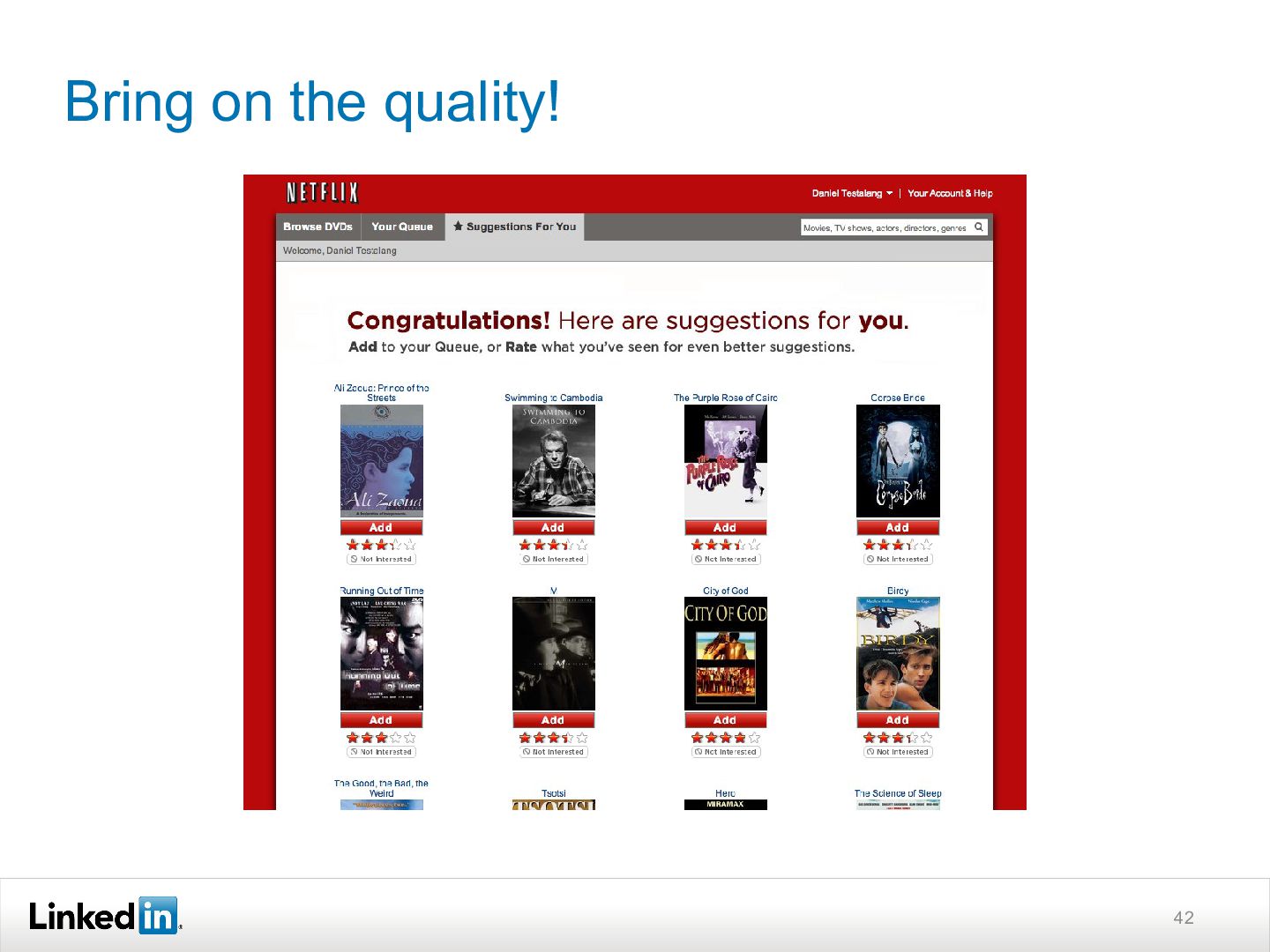
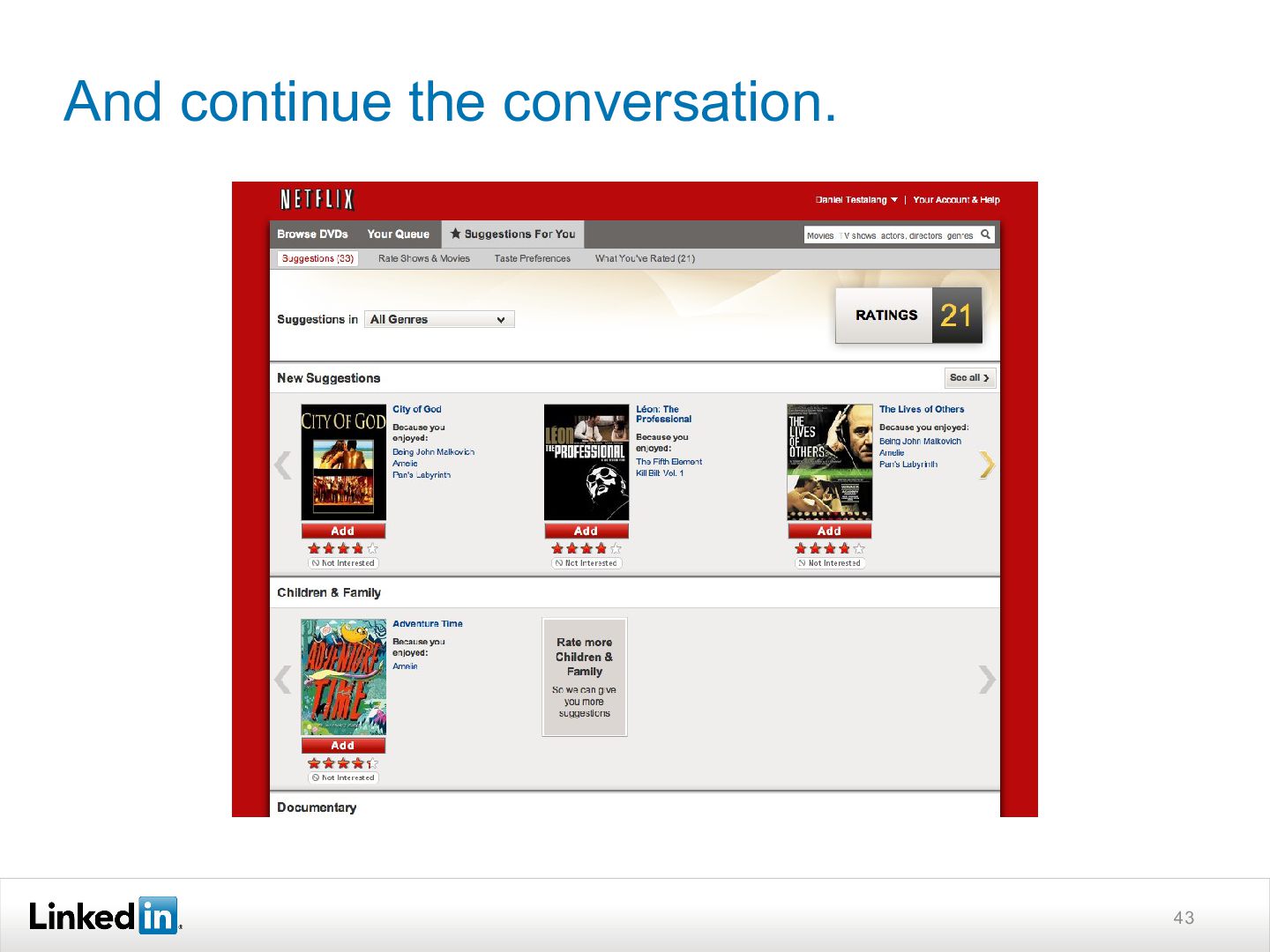
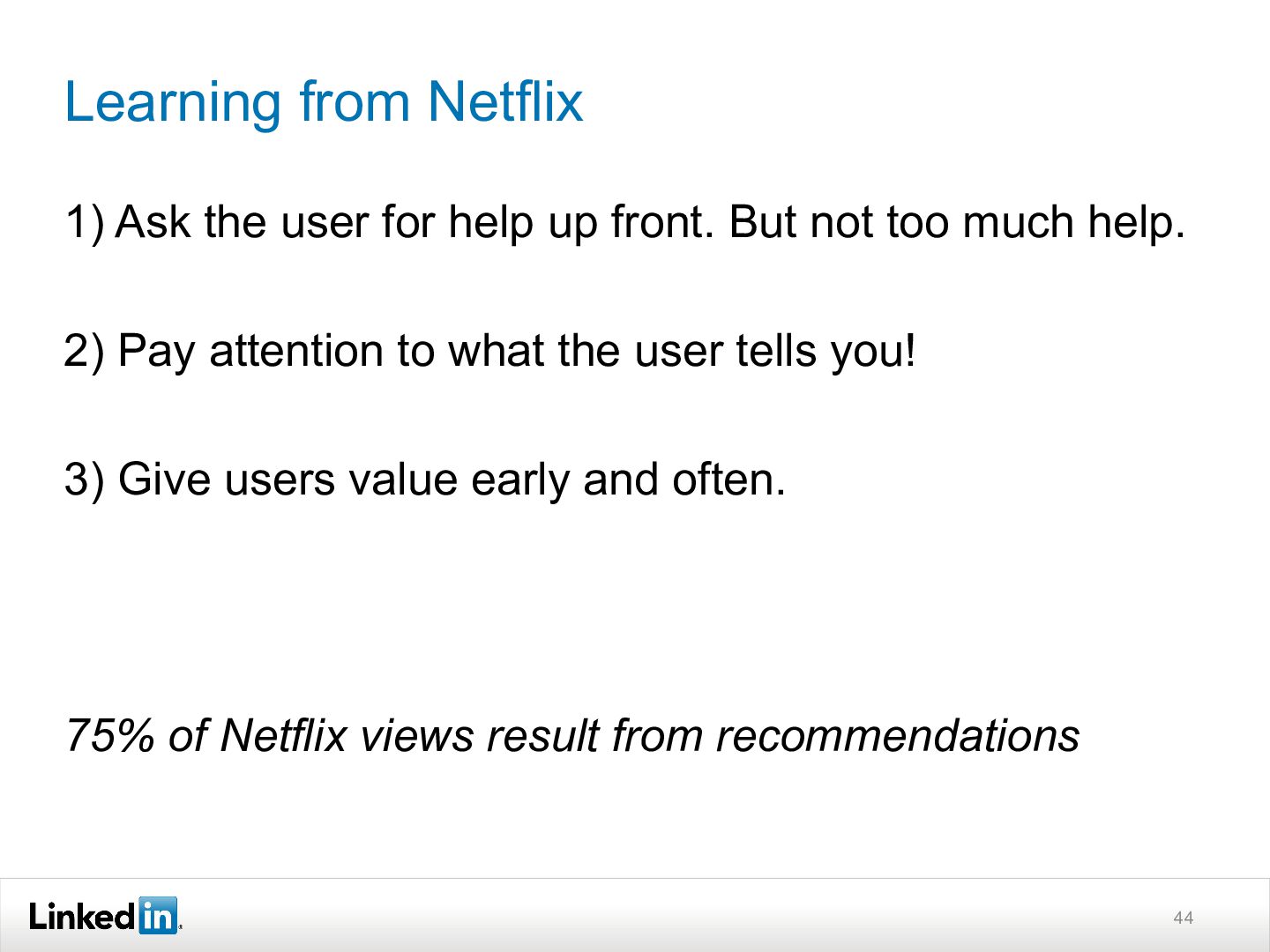
    up front. But not too much help. 2) Pay attention to what the user tells you! 3) Give users value early and often. 75% of Netflix views result from recommendations
  17. 45

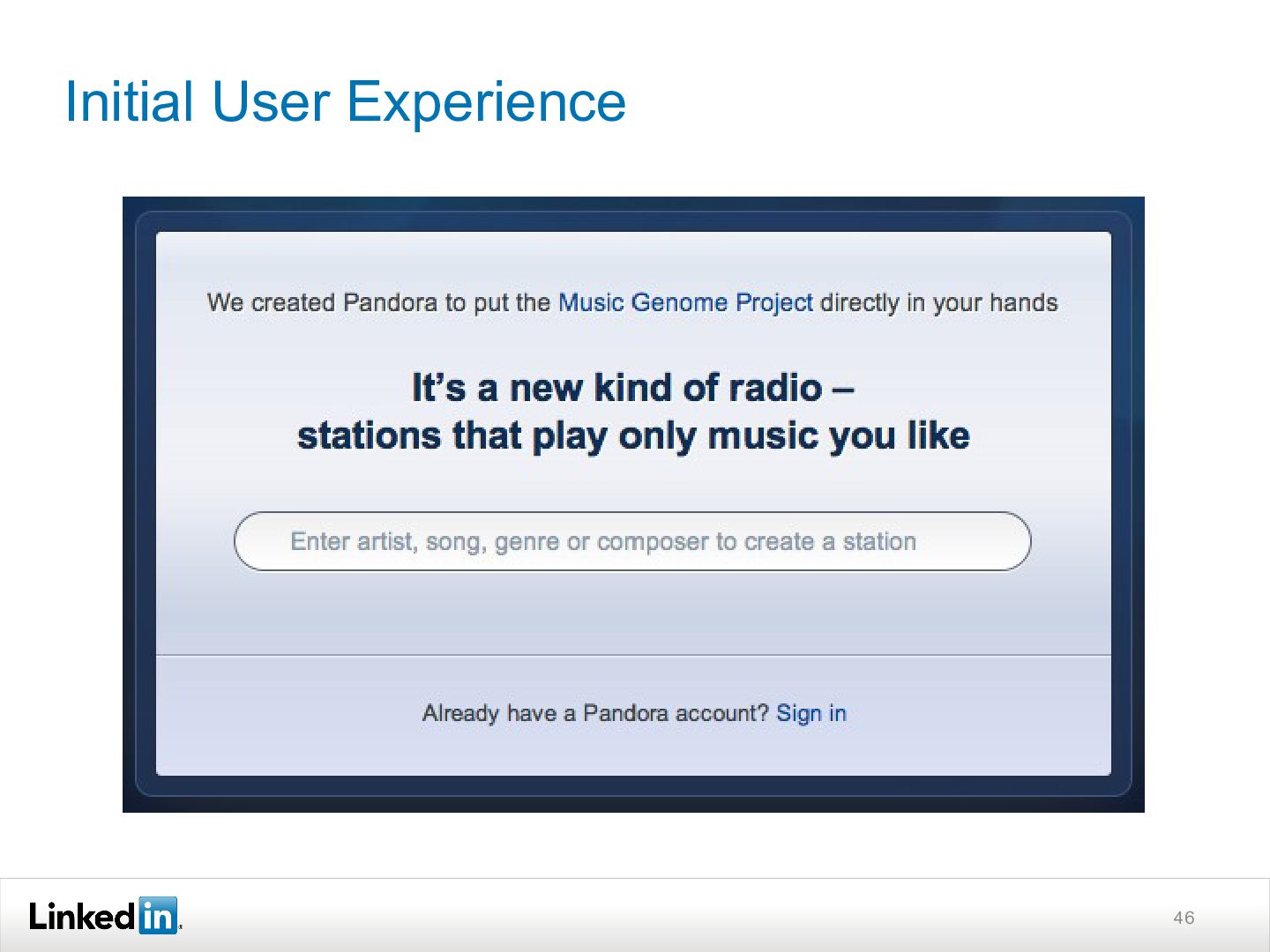
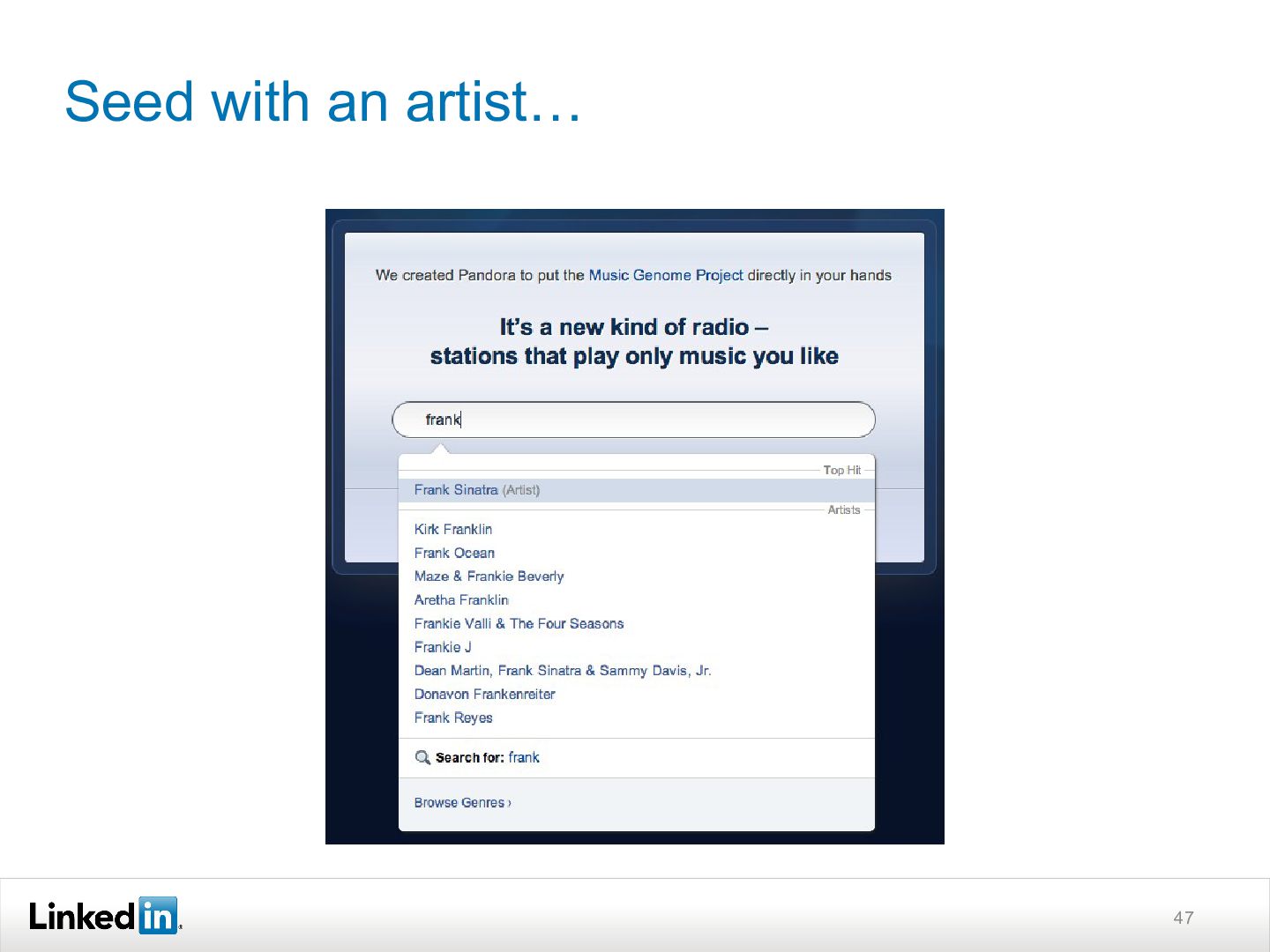
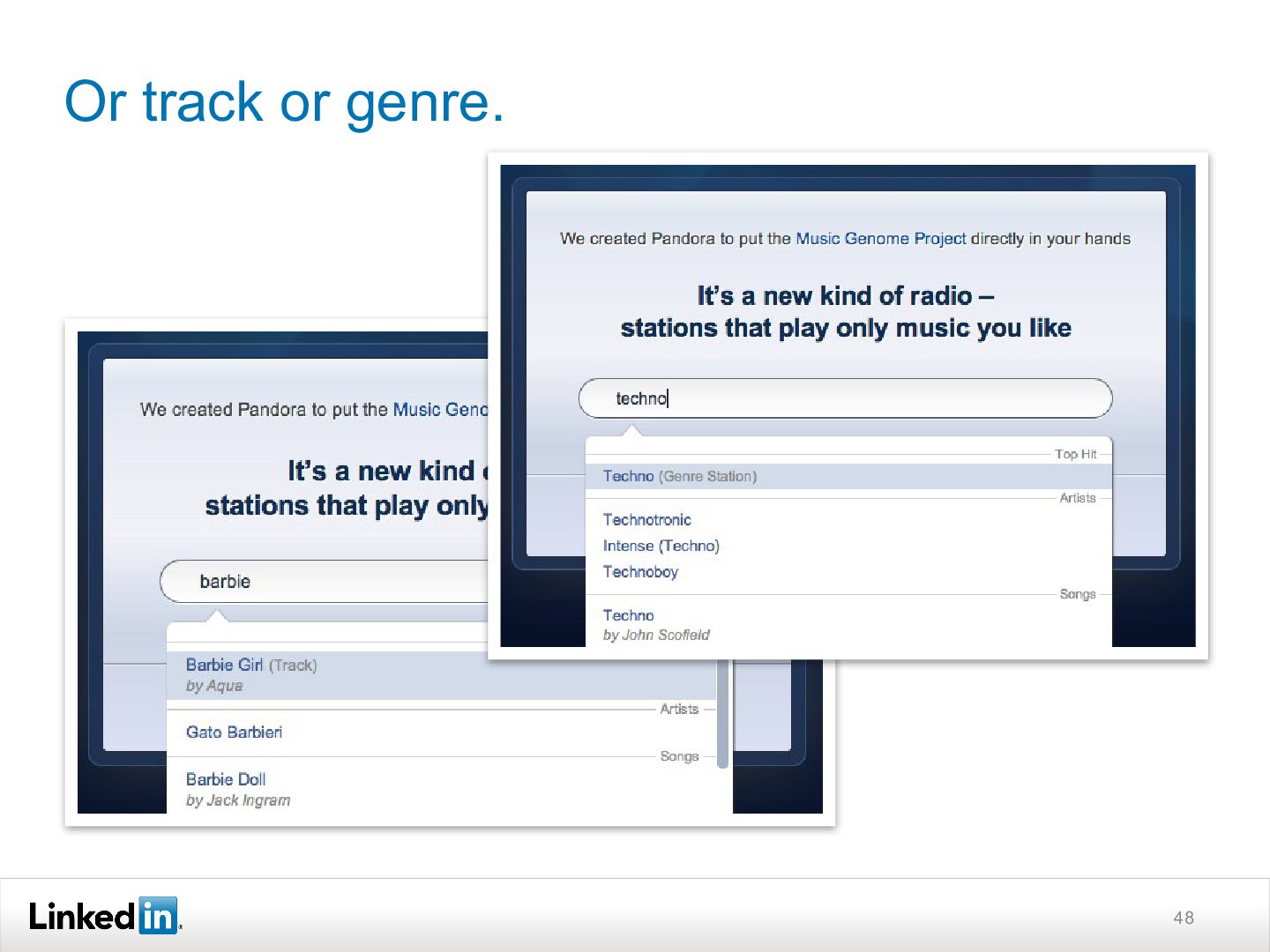
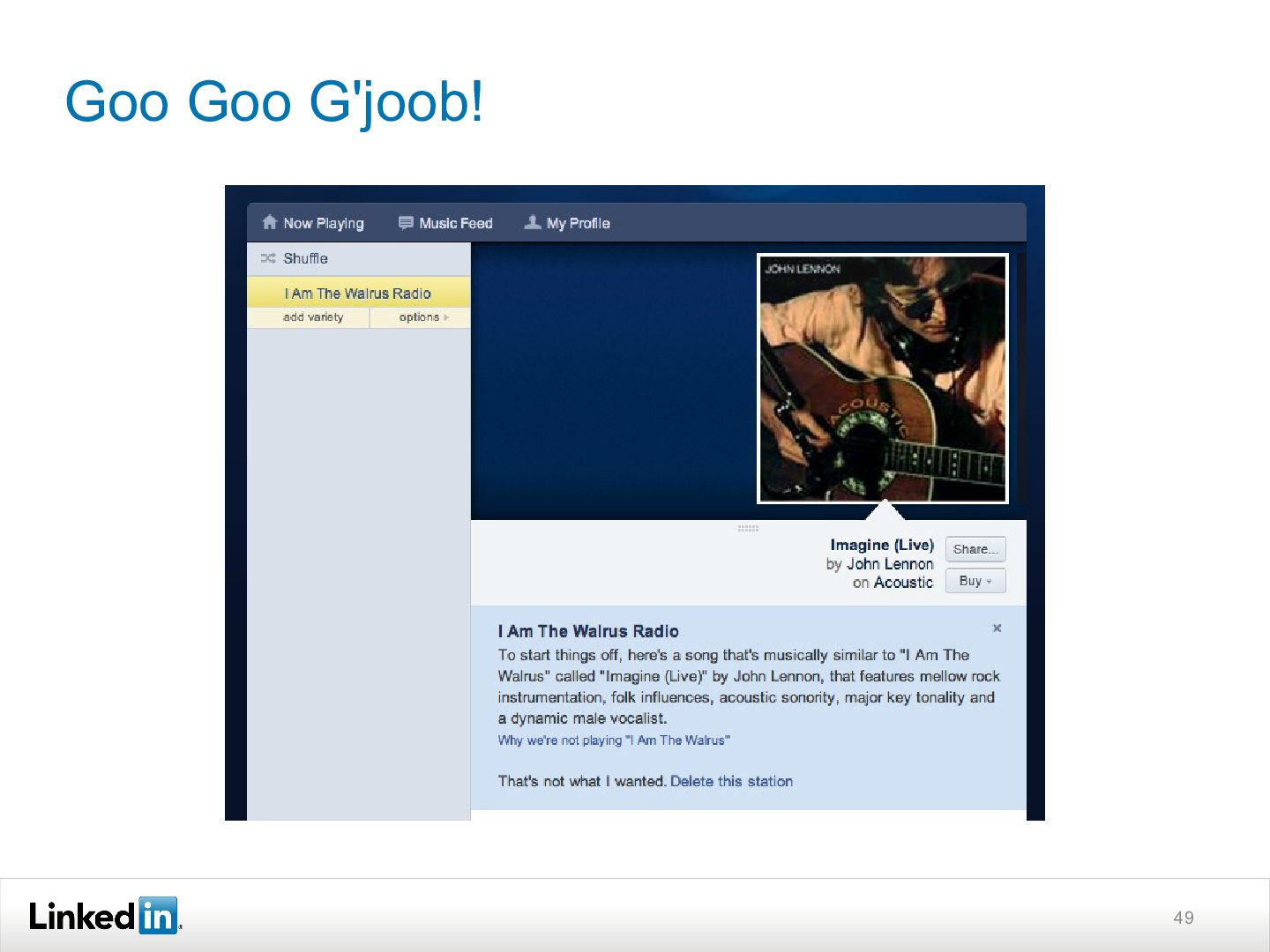
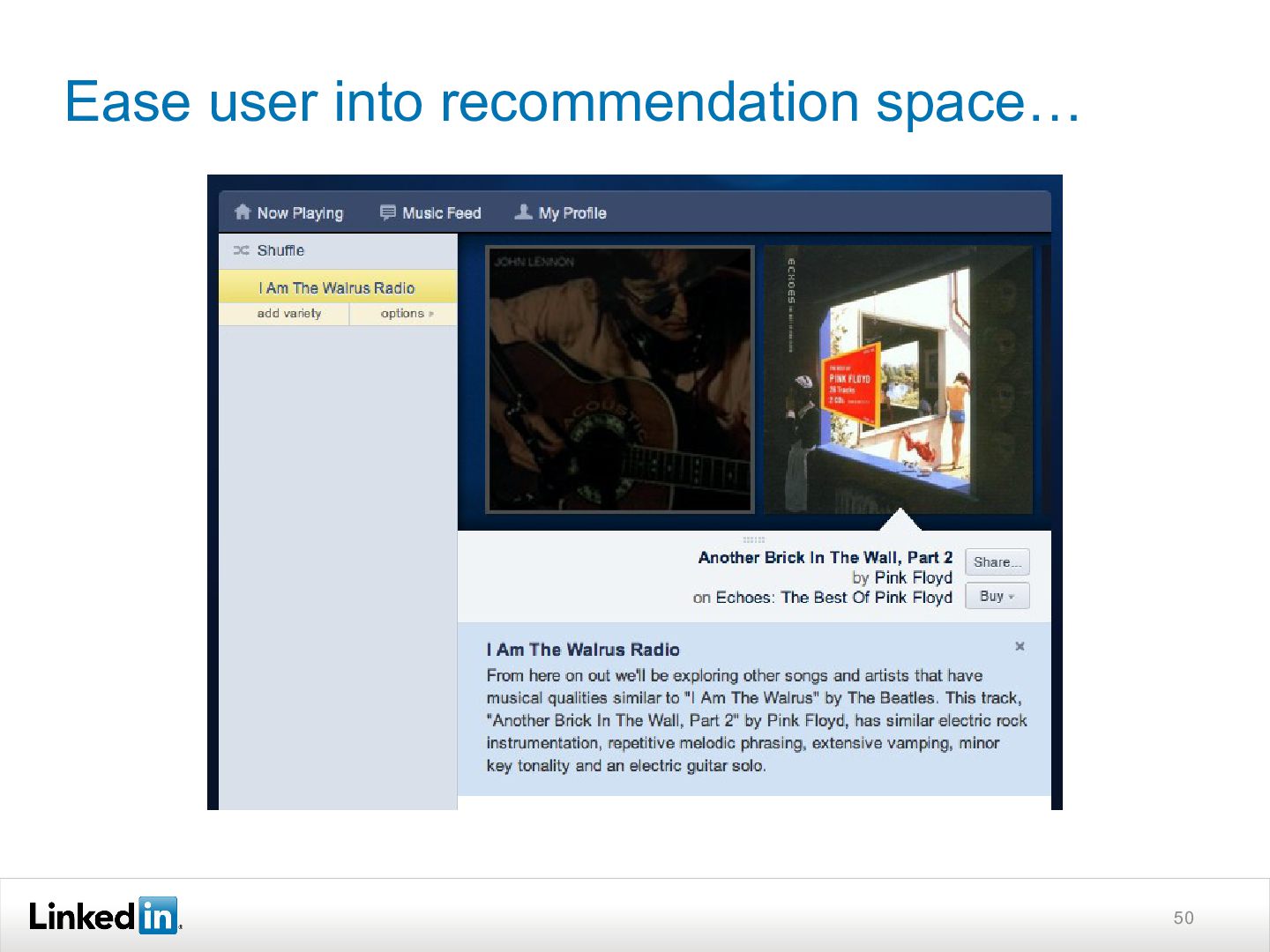
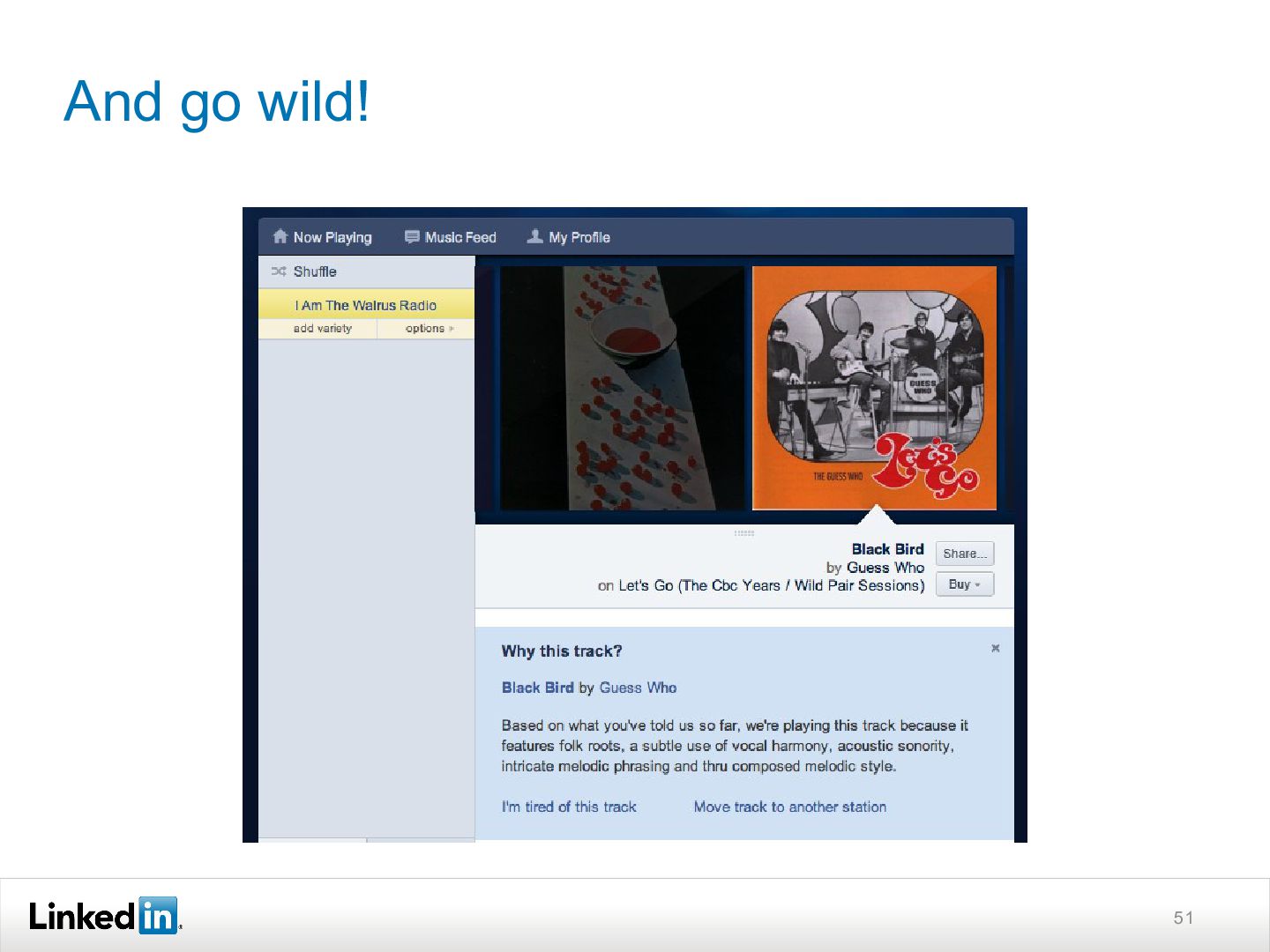
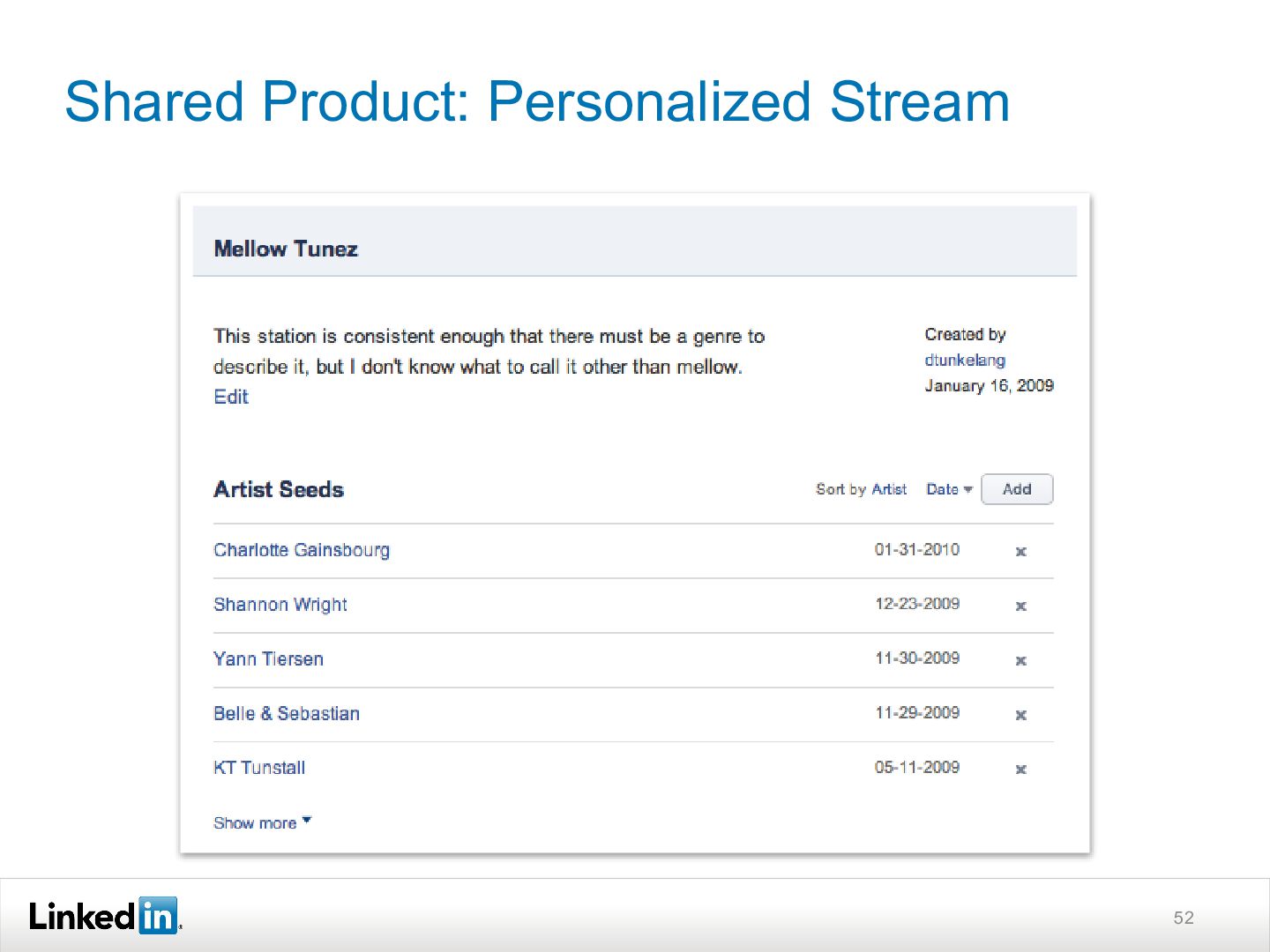
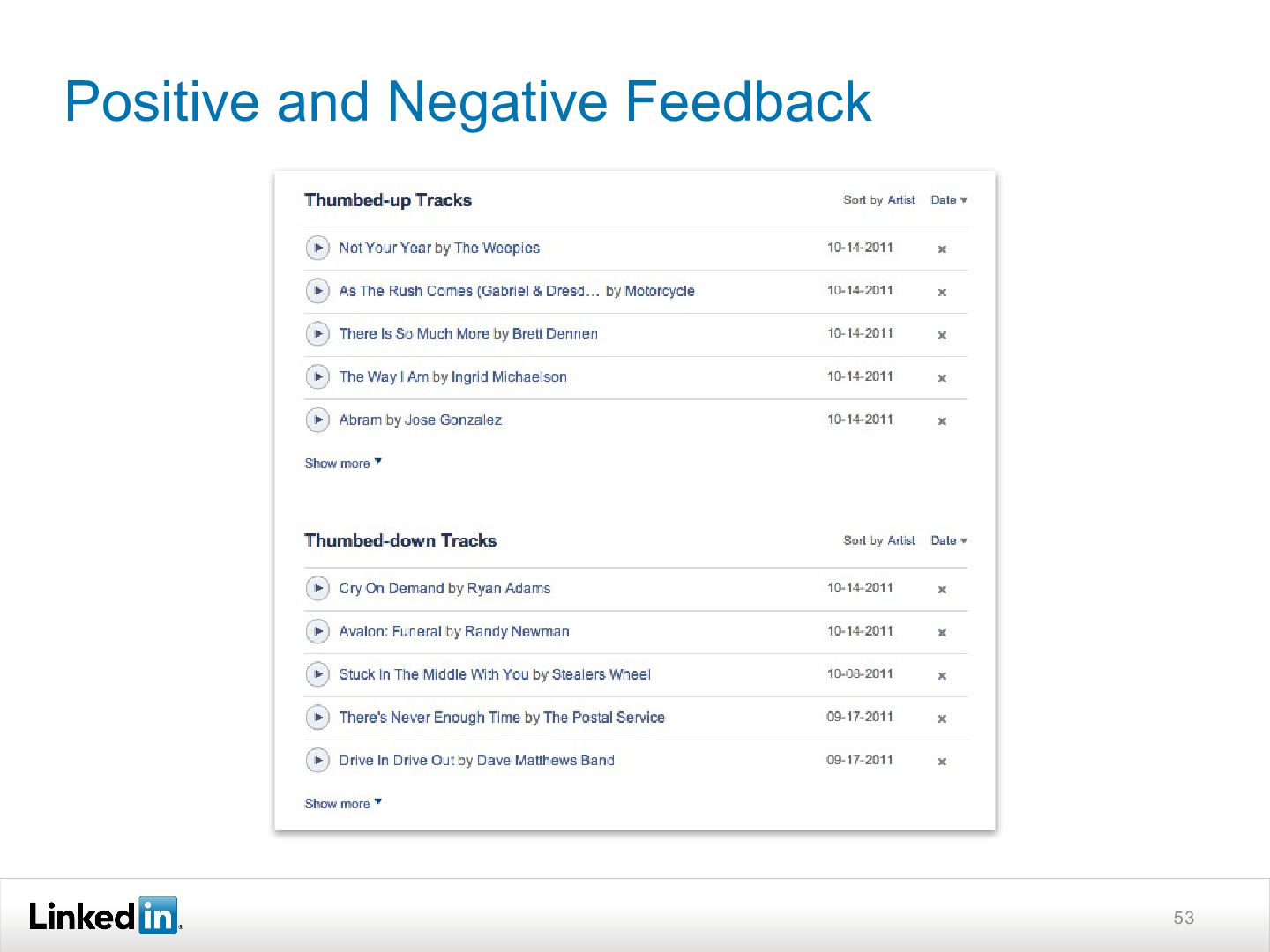
  18. 54 Learning from Pandora 1) Get meaningful input from user

    in one step. 2) Explain recommendations to users. 3) Solicit feedback and act on it immediately.
  19. 55

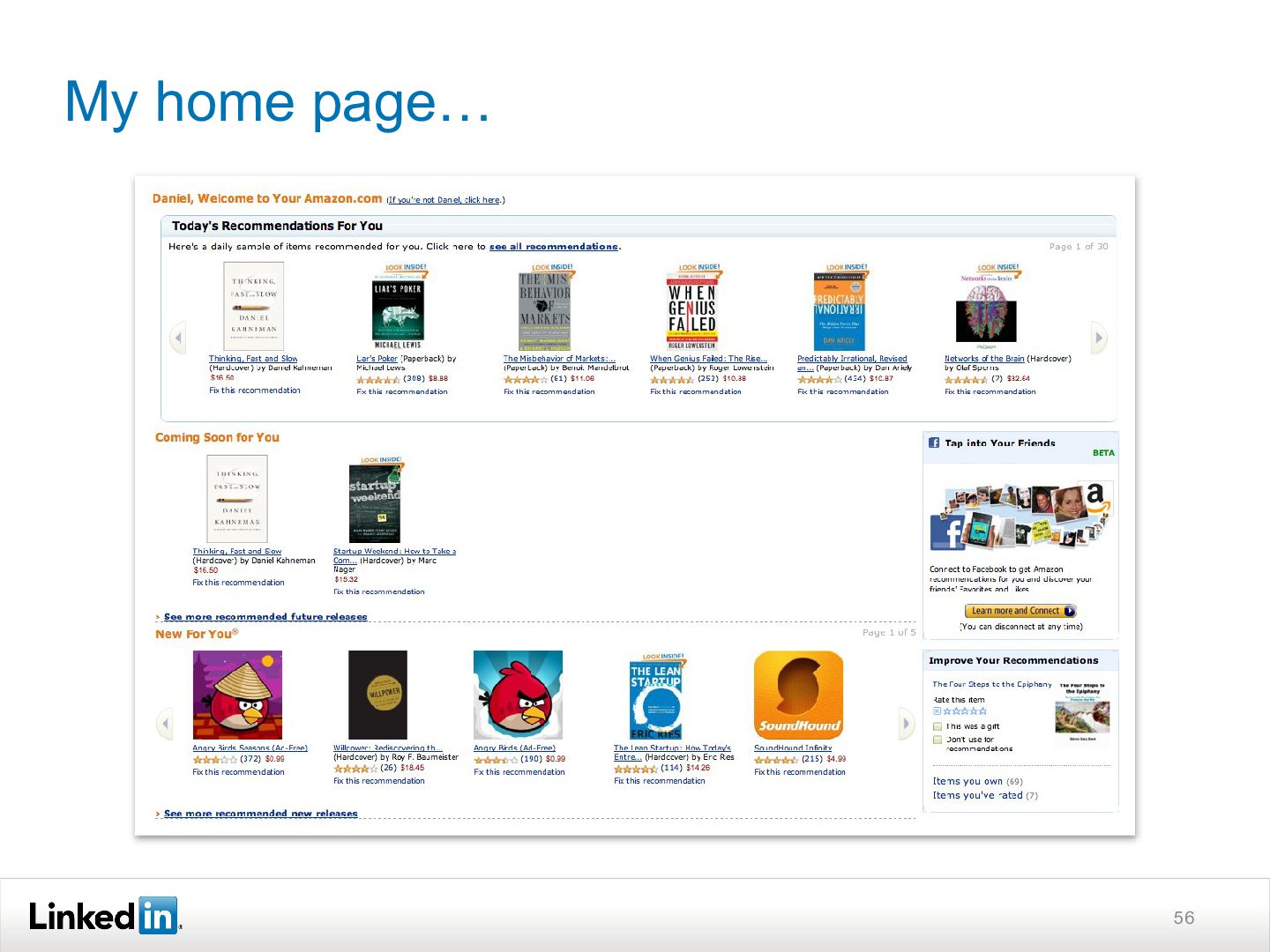
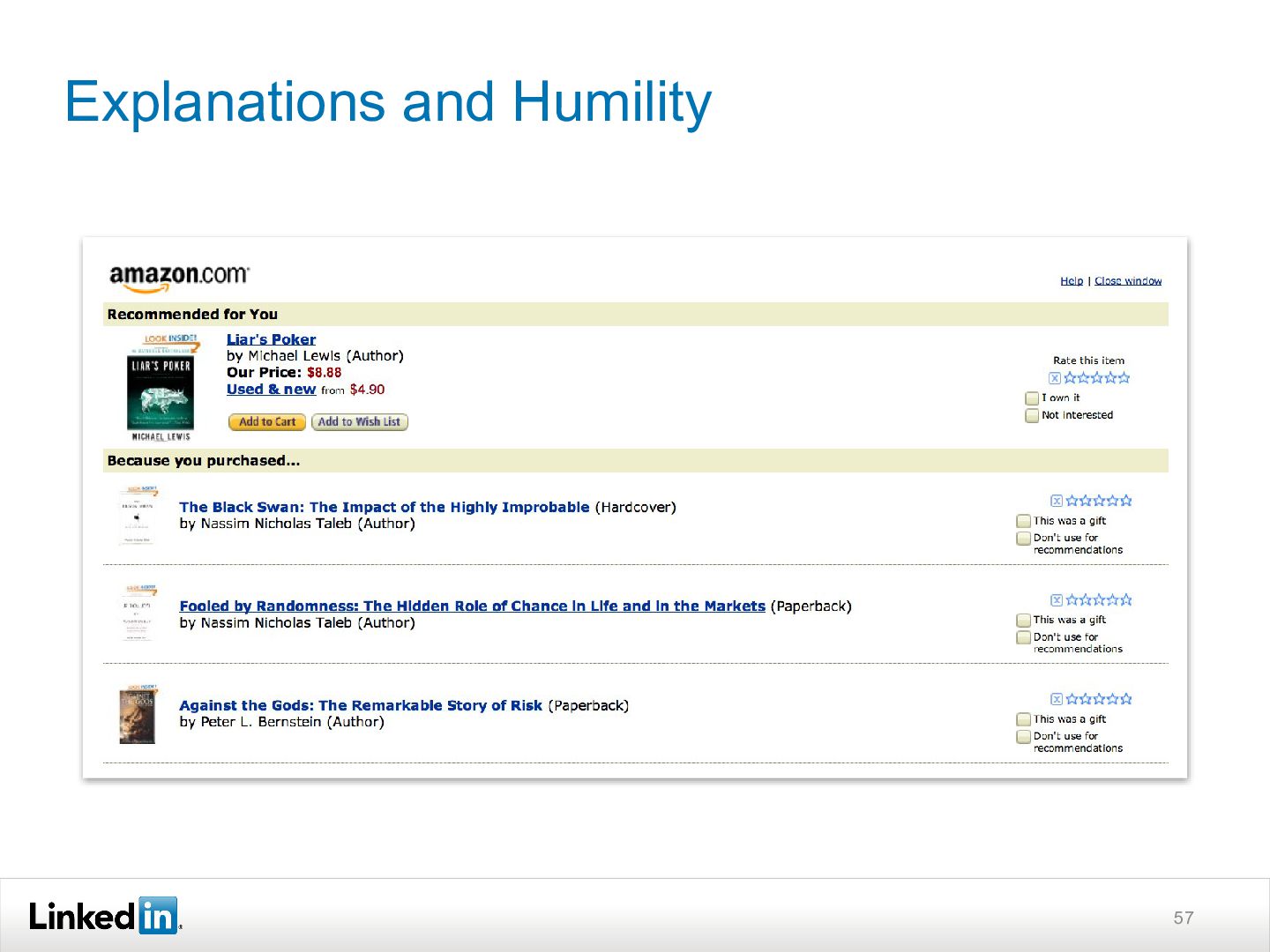
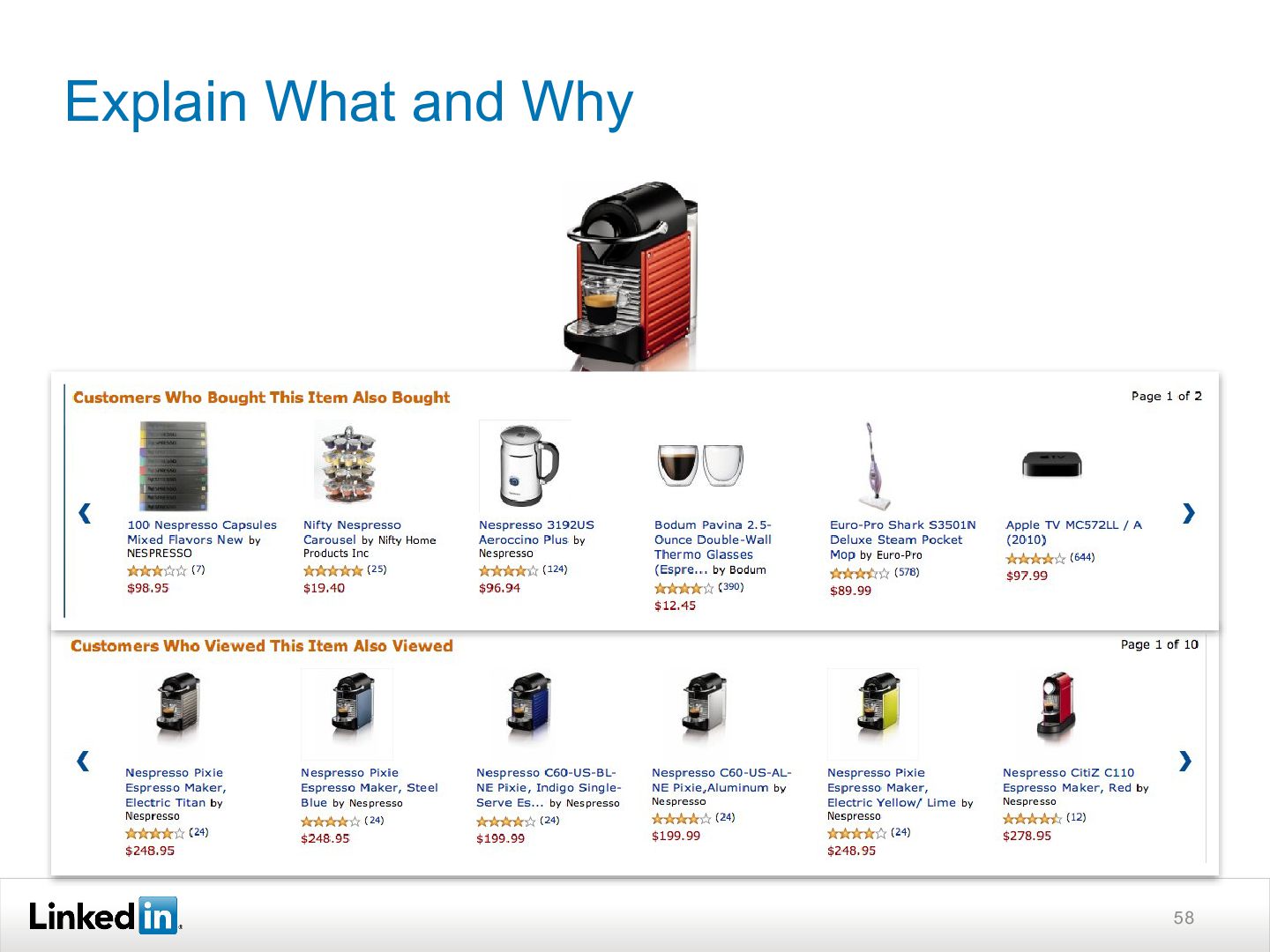
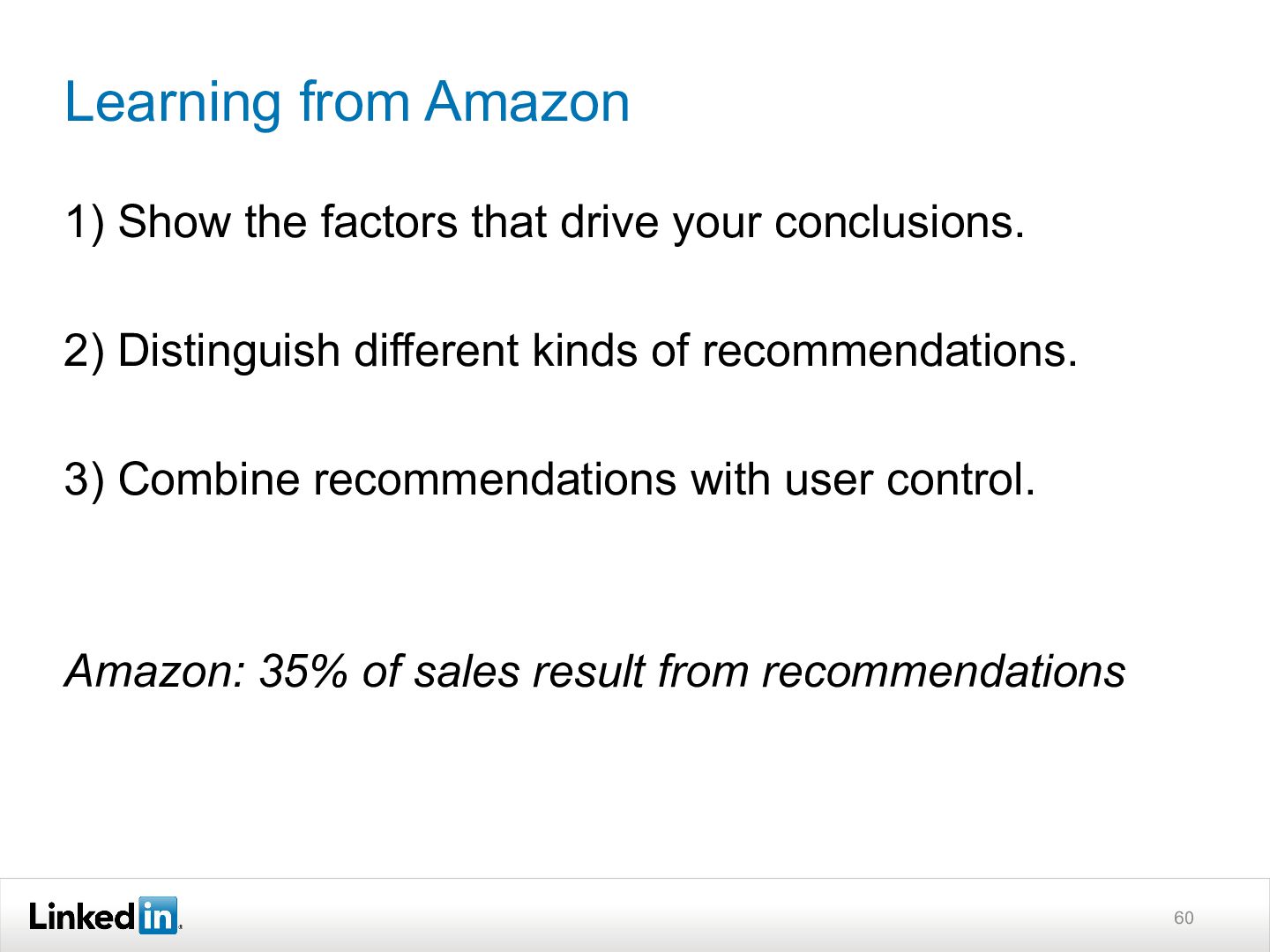
  20. 60 Learning from Amazon 1) Show the factors that drive

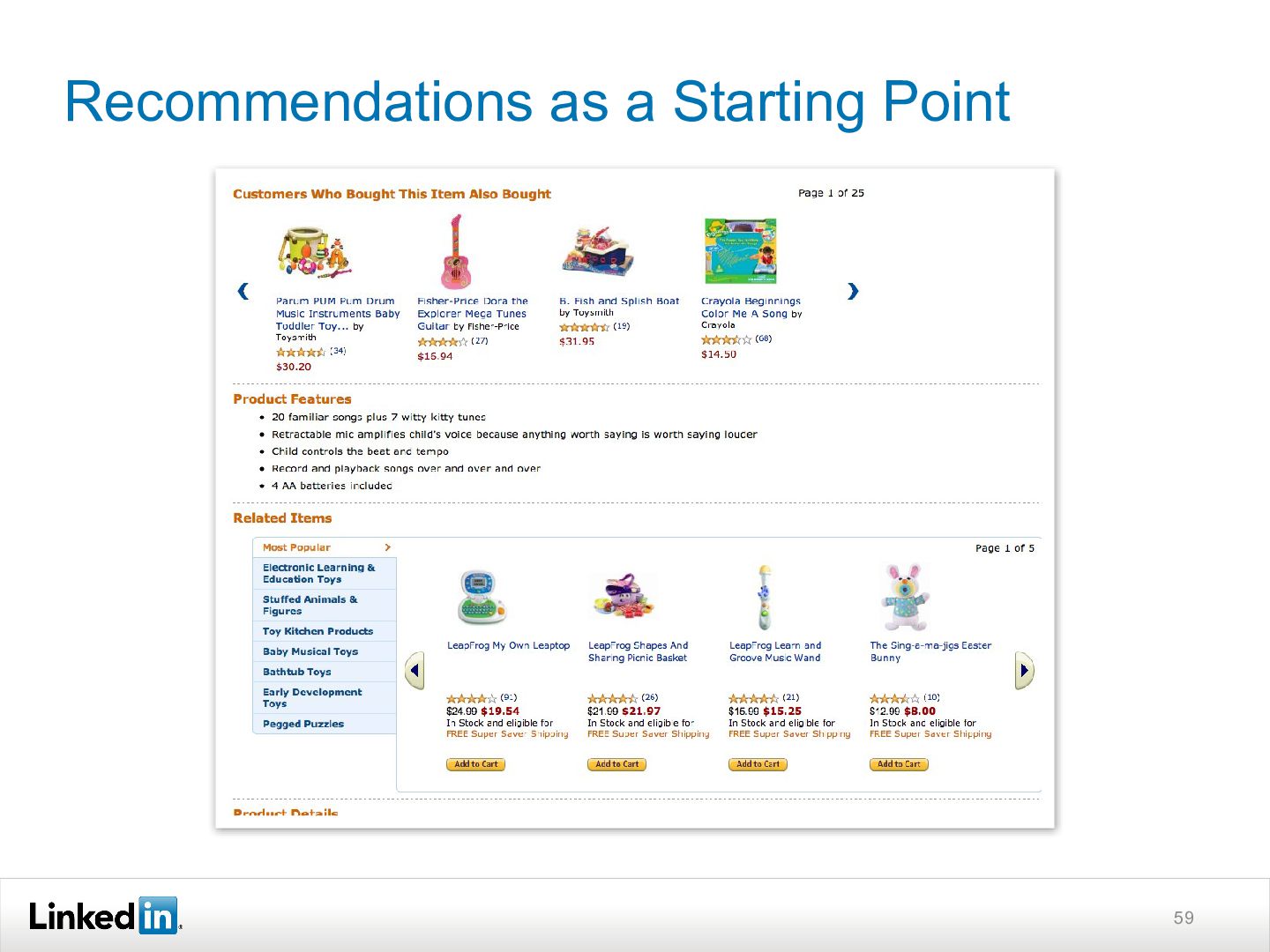
    your conclusions. 2) Distinguish different kinds of recommendations. 3) Combine recommendations with user control. Amazon: 35% of sales result from recommendations
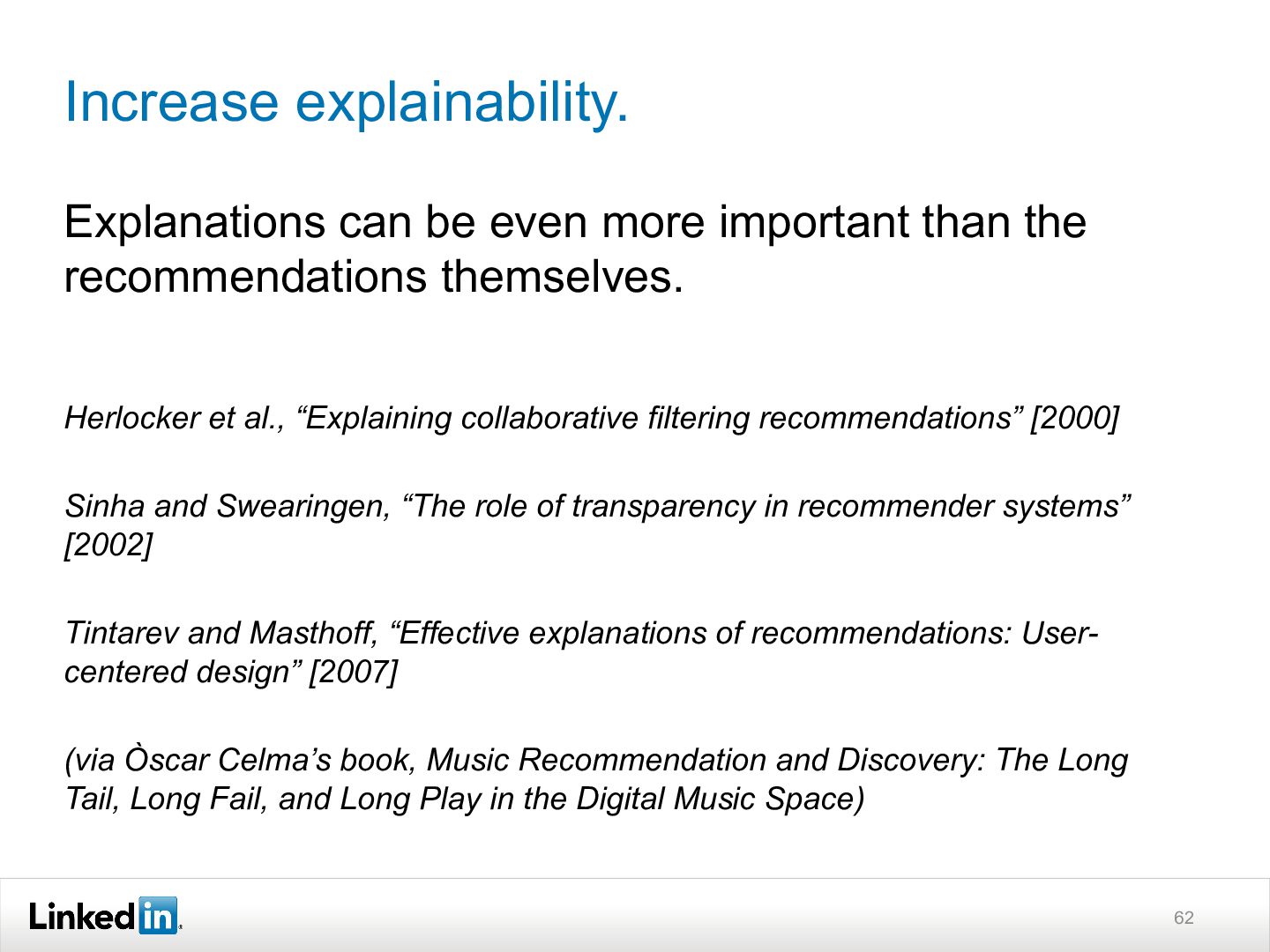
  21. 62 Increase explainability. Explanations can be even more important than

    the recommendations themselves. Herlocker et al., “Explaining collaborative filtering recommendations” [2000] Sinha and Swearingen, “The role of transparency in recommender systems” [2002] Tintarev and Masthoff, “Effective explanations of recommendations: User- centered design” [2007] (via Òscar Celma’s book, Music Recommendation and Discovery: The Long Tail, Long Fail, and Long Play in the Digital Music Space)
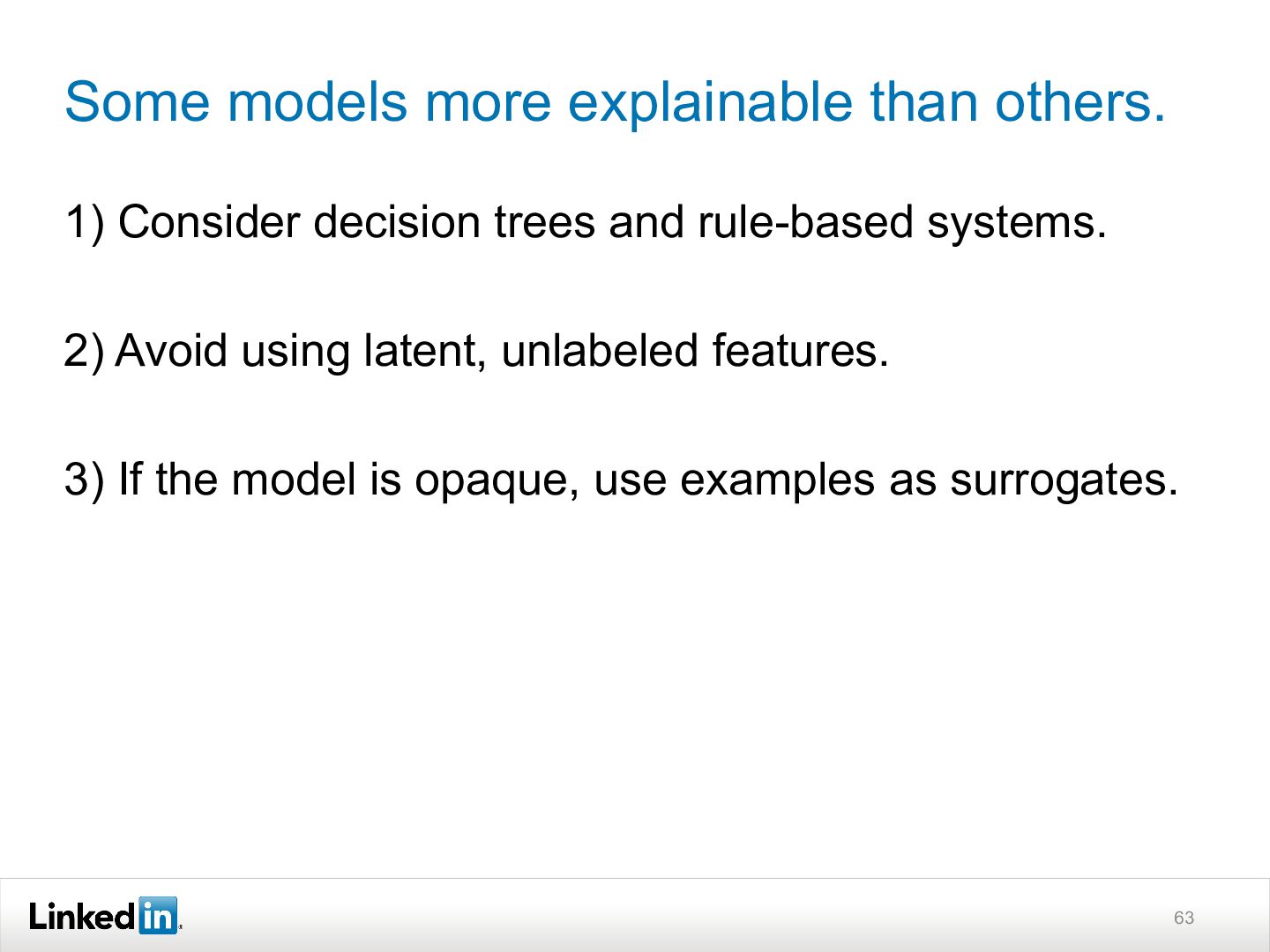
  22. 63 Some models more explainable than others. 1) Consider decision

    trees and rule-based systems. 2) Avoid using latent, unlabeled features. 3) If the model is opaque, use examples as surrogates.
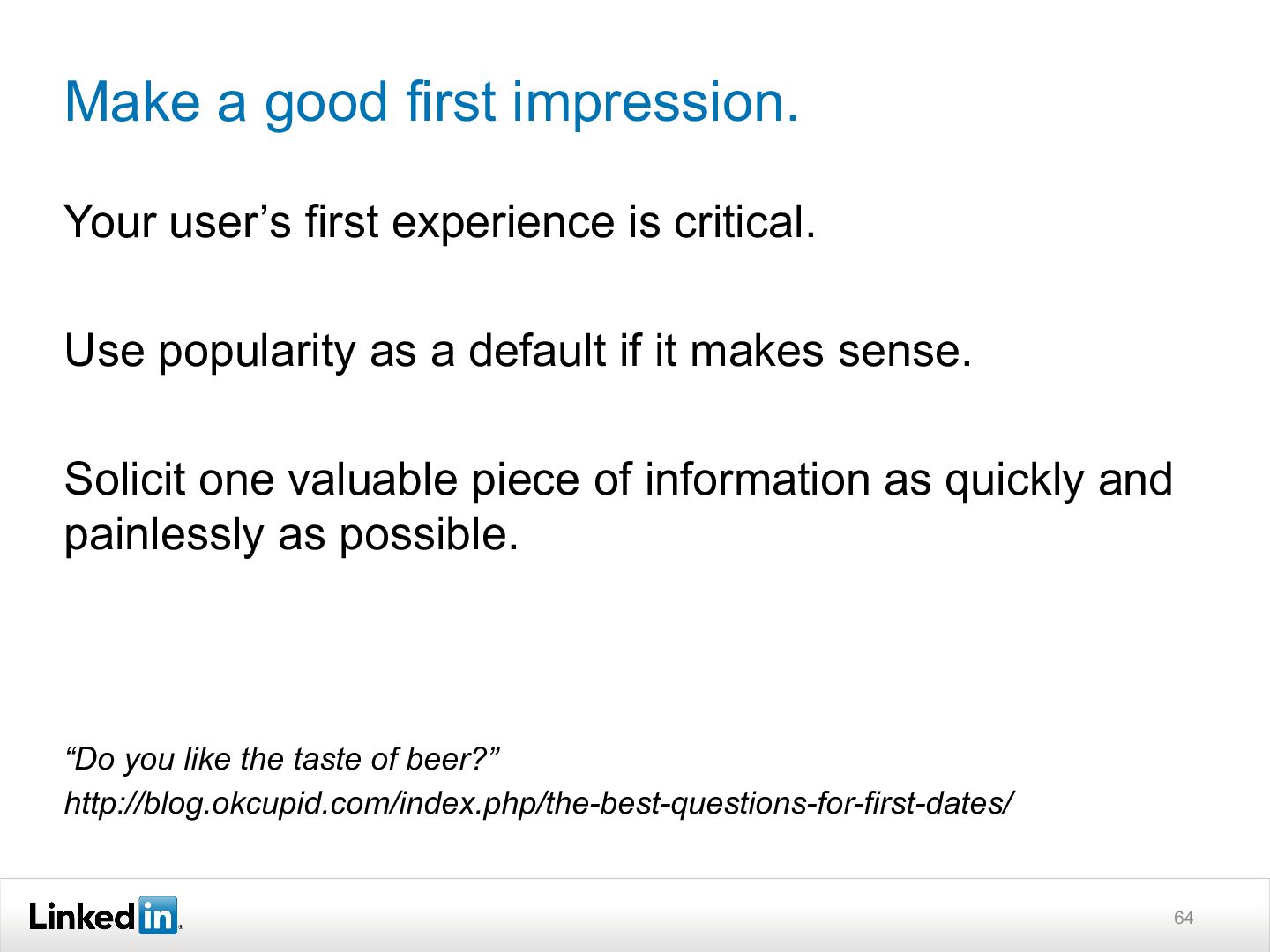
  23. 64 Make a good first impression. Your user’s first experience

    is critical. Use popularity as a default if it makes sense. Solicit one valuable piece of information as quickly and painlessly as possible. “Do you like the taste of beer?” http://blog.okcupid.com/index.php/the-best-questions-for-first-dates/
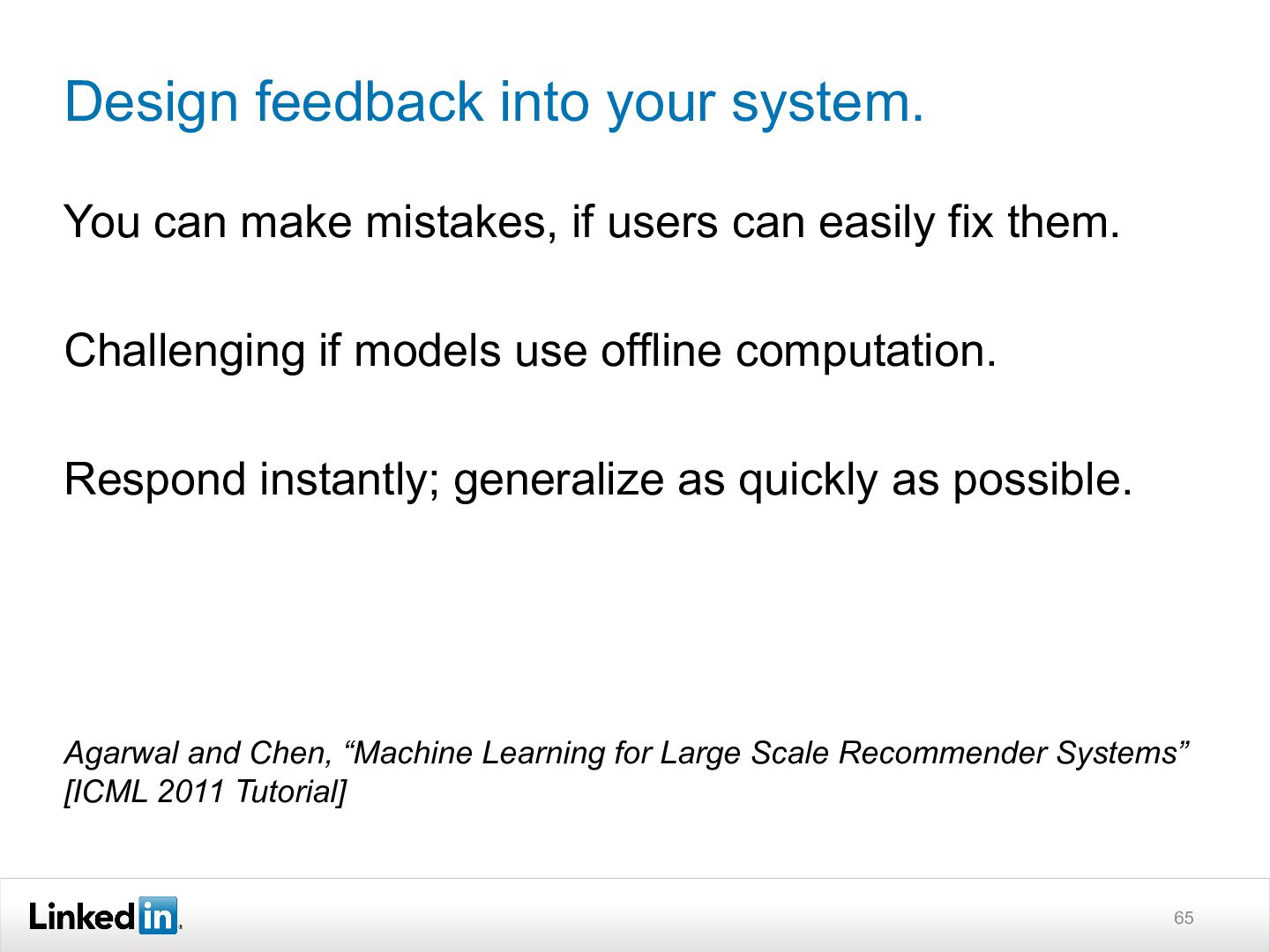
  24. 65 Design feedback into your system. You can make mistakes,

    if users can easily fix them. Challenging if models use offline computation. Respond instantly; generalize as quickly as possible. Agarwal and Chen, “Machine Learning for Large Scale Recommender Systems” [ICML 2011 Tutorial]
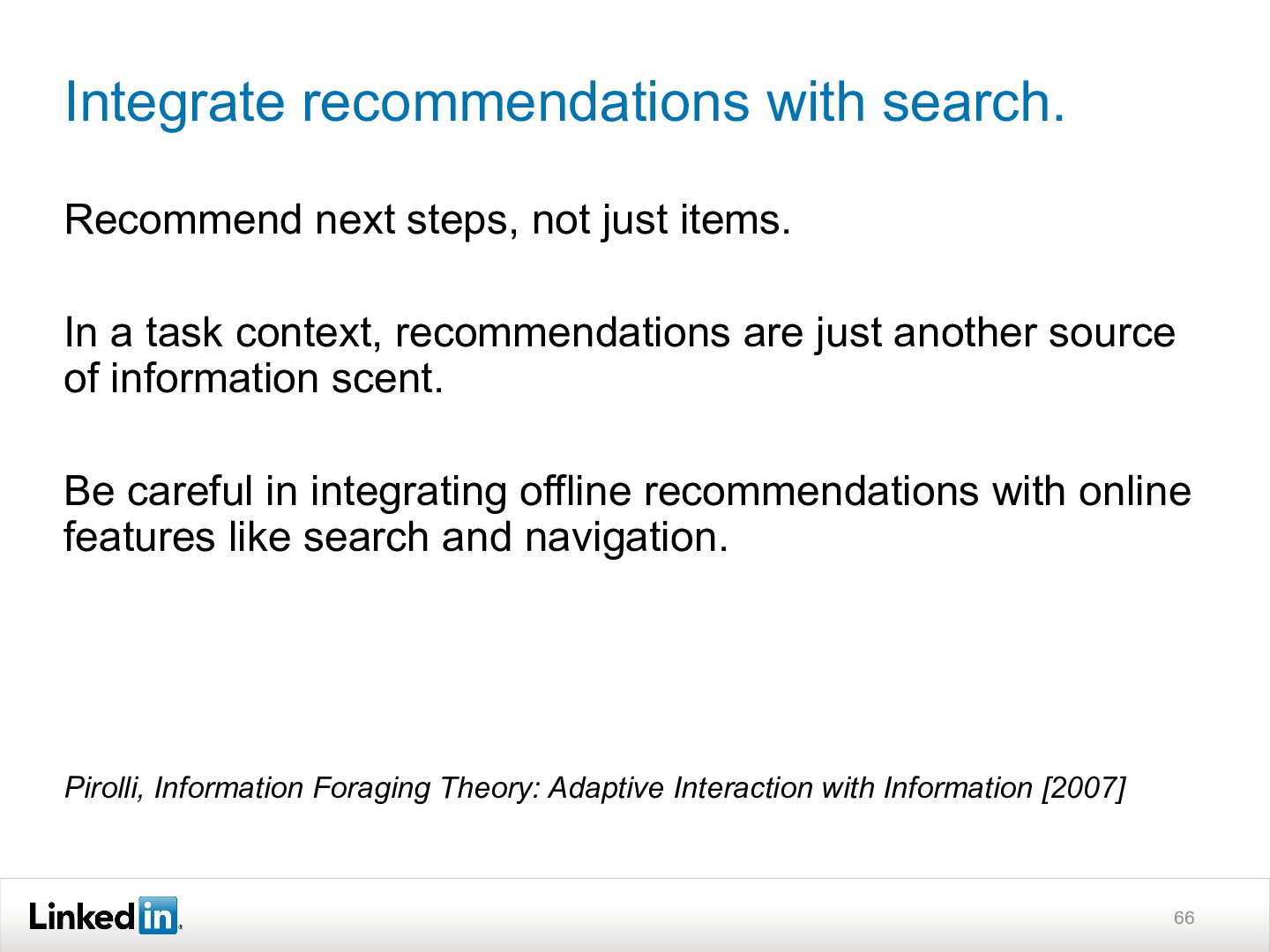
  25. 66 Integrate recommendations with search. Recommend next steps, not just

    items. In a task context, recommendations are just another source of information scent. Be careful in integrating offline recommendations with online features like search and navigation. Pirolli, Information Foraging Theory: Adaptive Interaction with Information [2007]
  26. 67 Summary Recommendations are a conversation with the user. 1)

    Consider asking vs. guessing. 2) Ask good questions. 3) It's ok to make mistakes… if you have a good explanation and adapt to feedback.