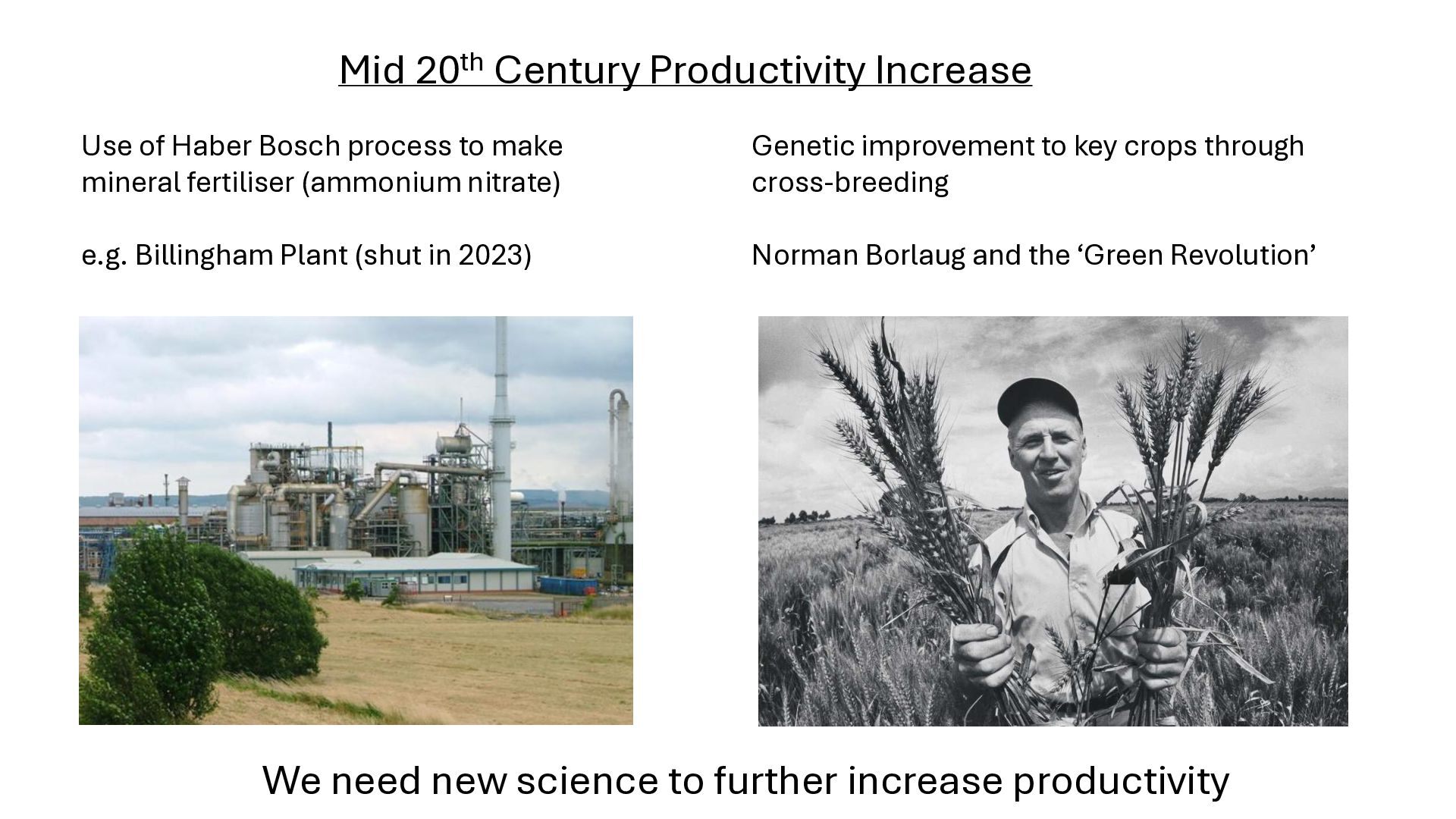
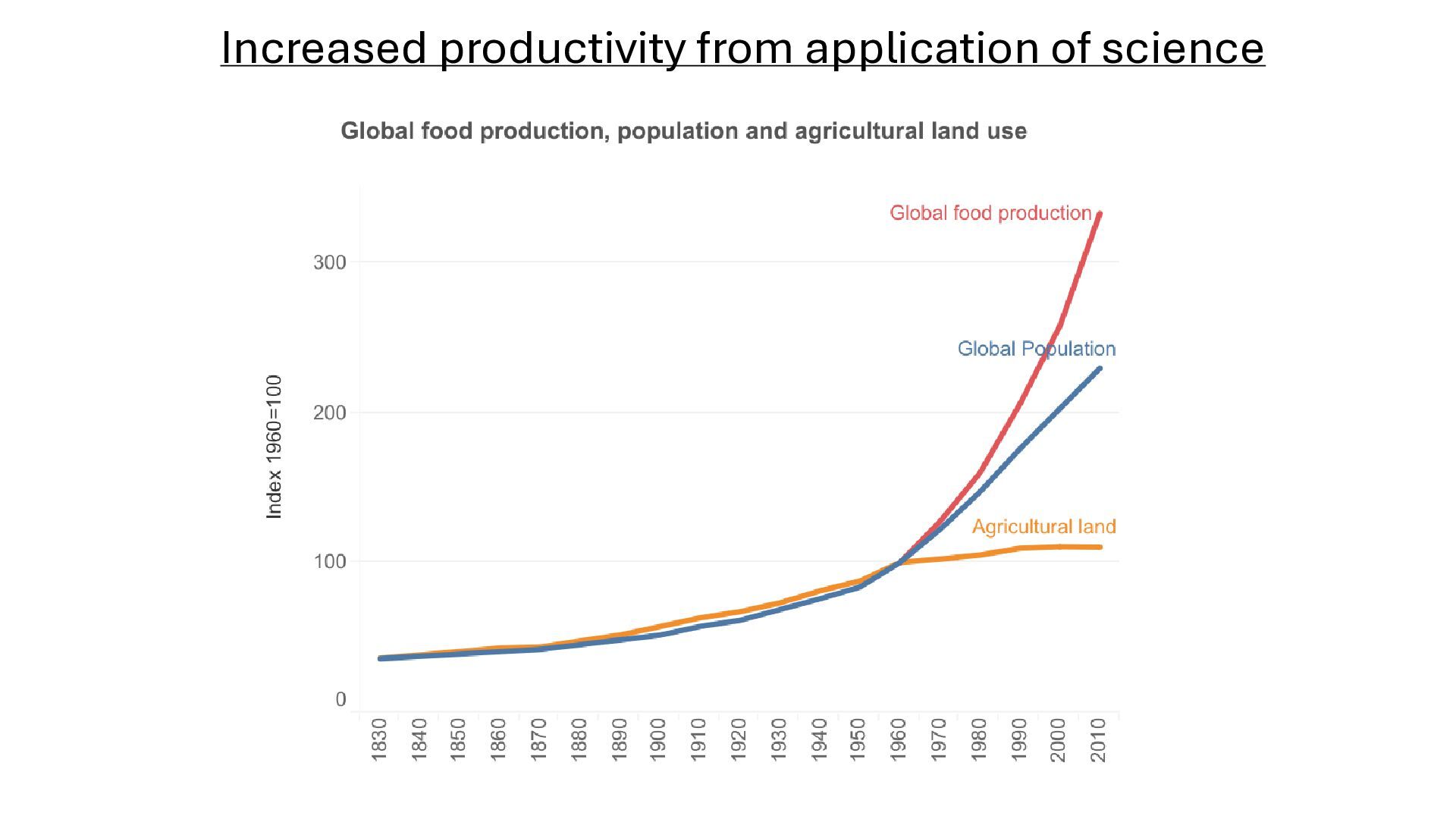
to make mineral fertiliser (ammonium nitrate) Genetic improvement to key crops through cross-breeding e.g. Billingham Plant (shut in 2023) Norman Borlaug and the ‘Green Revolution’ We need new science to further increase productivity
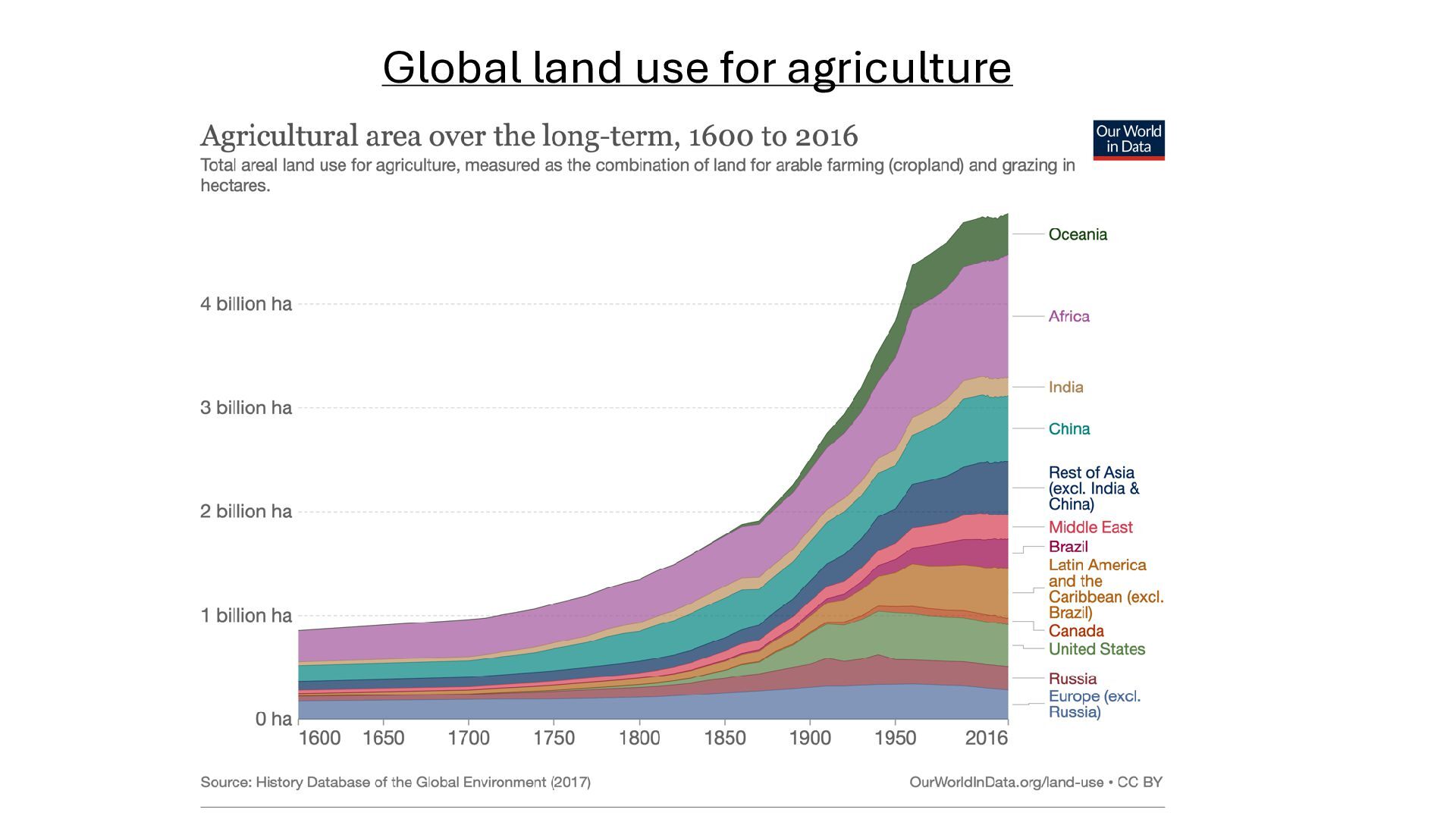
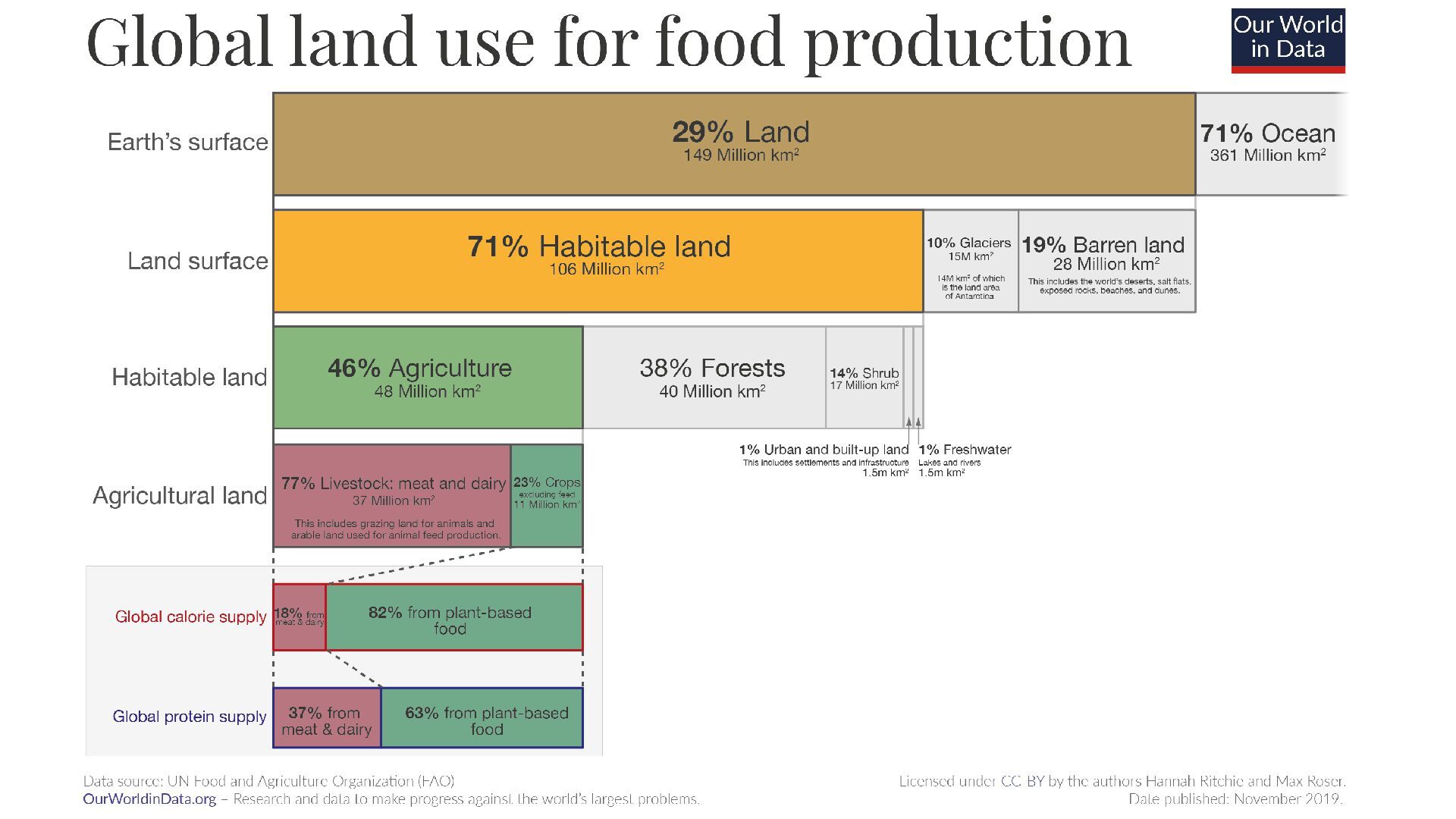
use: Food security, climate change, biodiversity loss, Globally we must grow more food on less land area We must increase productivity i.e. increase the calories/protein produced per hectare of land While the climate and the environment evolves (particularly due to climate change)
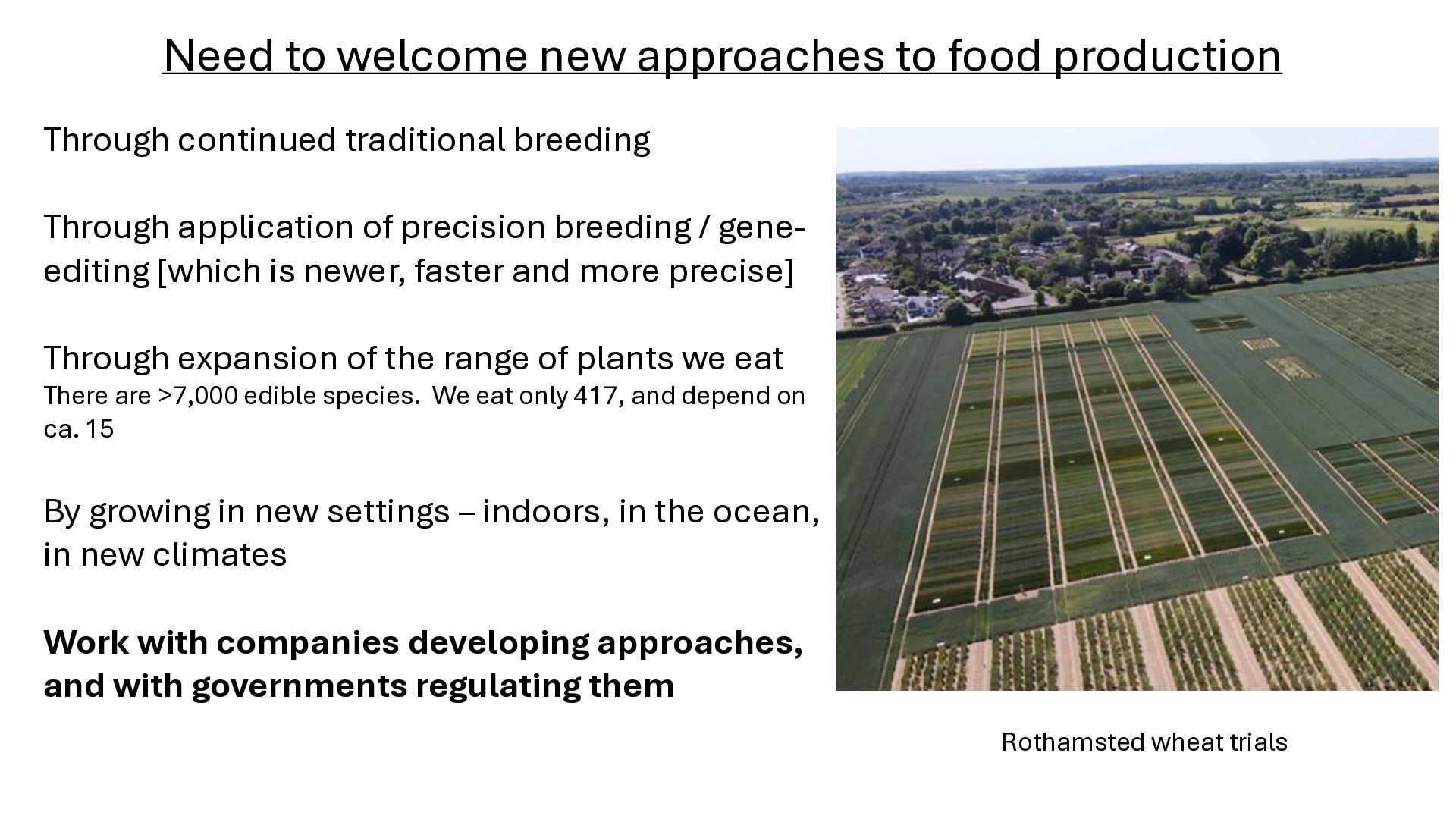
traditional breeding Through application of precision breeding / geneediting [which is newer, faster and more precise] Through expansion of the range of plants we eat There are >7,000 edible species. We eat only 417, and depend on ca. 15 By growing in new settings – indoors, in the ocean, in new climates Work with companies developing approaches, and with governments regulating them Rothamsted wheat trials
CDR deployment is 7 to 9 GtCO2 per year in 2050… the more sustainable scenarios cumulatively remove 170 GtCO2 between 2020 and the time of net zero CO2” [State of CO2 Removal, 2nd ed 2024] UK: “Engineered removals start to contribute to the Balanced Pathway around 2028 and grow to reach -35.8 MtCO2e in 2050. This is predominantly bioenergy with carbon capture and storage (BECCS), with some direct air carbon capture and storage (DACCS), enhanced weathering, and biochar.” [CCC, The 7th Carbon Budget, 2025]
to rapidly scale-up CDR to mitigate climate change and the harm climate change causes (including to the environment) • We want to protect the environment, and typically take a precautionary approach to large scale intervention in the environment So should we be pro or anti large-scale CDR? We need to engage: with independent research, with the industry, with governments, with society. We need to help find the solution that works for us, and for the environment.
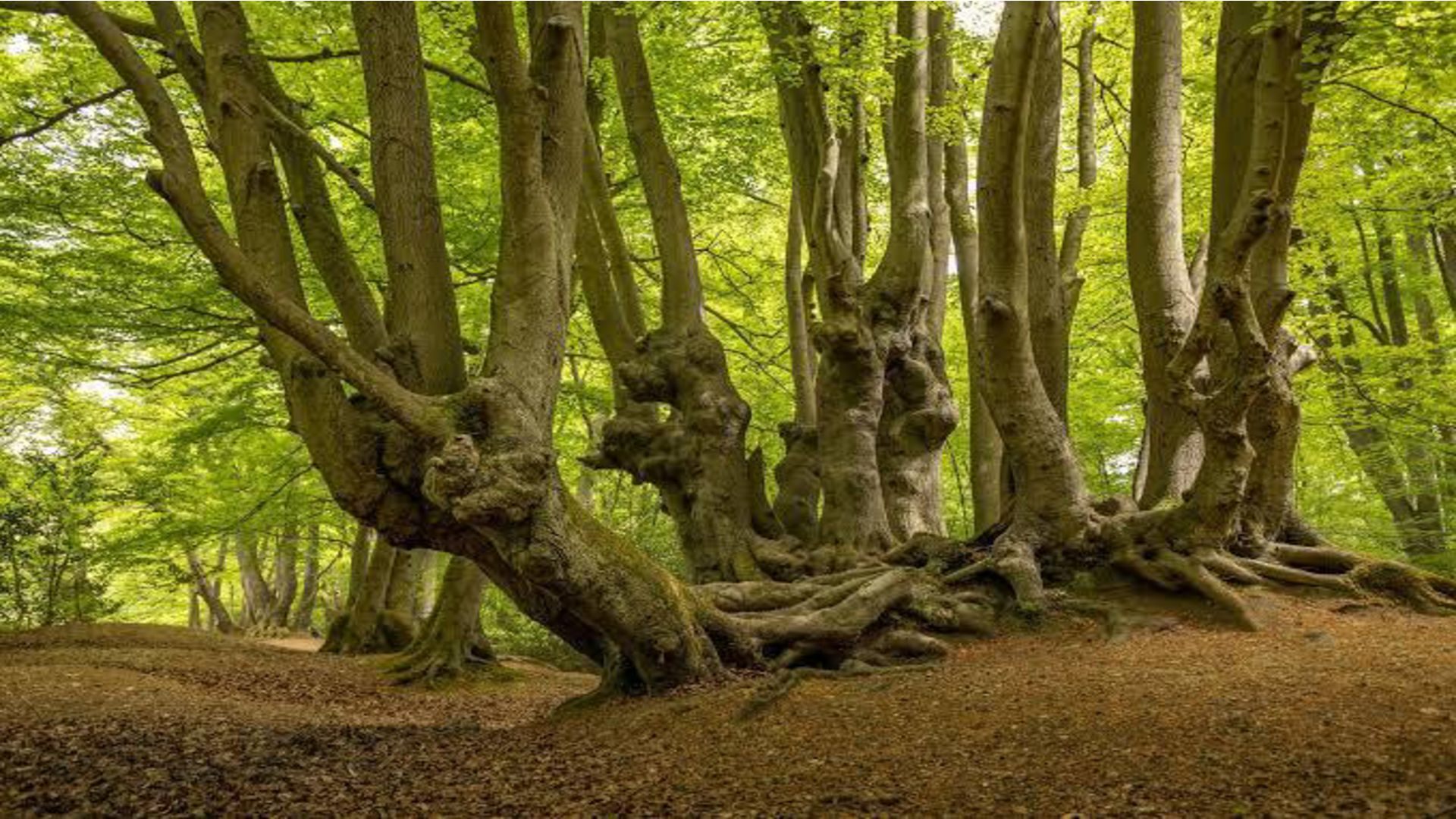
we live, and on the services it provides. The environment is always evolving; naturally and due to changing human pressures and needs. The environment and human societies have co-evolved over millenia. Our job is not to stop change, nor to try to turn the clock back to some halcyon time in the past, but to enable society to continue to take what we need from the environment But in a way that enables the fundamental aspects of functioning resilient ecosystems, with air and waters suitable for our future needs, and for the health of these evolving ecosystems.


 iesevents
 trycycle
 institutdelelevage
 x_ttyszk
 xspa2012
 kanaya
 tagtag
 hiroakihamada
 xleitix
 peterdesmet
 naospon
 nwiizo
 chrisshort
 katiecoart
 frankvandijk
 aki_iinuma
 jdejongh
 aleyda
 lindahogenes
 chriscoyier
 swwweet
 signer
 twada
twada