Upgrade to Pro — share decks privately, control downloads, hide ads and more …

Vibe Coding on the HCL Domino Platform By Mathi...

Sponsored · Ship Features Fearlessly Turn features on and off without deploys. Used by thousands of Ruby developers. →

Vibe Coding on the HCL Domino Platform By Mathias Blom

What happens when modern AI-assisted development meets one of the most proven enterprise application platforms? In this session, we explore how "Vibe Coding" is changing the way applications are built on HCL Domino. Through live demonstrations and real-world examples, you'll see how AI tools can accelerate development, generate code, simplify complex tasks, and help both new and experienced Domino developers become more productive. We'll cover practical use cases, lessons learned, and how AI-assisted development can streamline everything from LotusScript/Java coding and Formula Language to web applications, REST integrations, and Native Notes applications. Whether you're a Domino developer, administrator, architect, or simply curious about the future of software development, this session will show how AI-powered coding is reshaping the Domino development experience. Takeaways - Using AI to generate forms, views, agents, and other design elements, with REST and DXL on HCL Domino - Using React and Angular as modern front ends for HCL Domino applications - Practical tips, demos, and real-world experiences

Avatar for LetsConnect

LetsConnect

October 22, 2026

More Decks by LetsConnect

Other Decks in Technology

Transcript

  1. Vibe Coding on the HCL Domino Platform Mathias Blom |

    Senior Consultant, Infoware Solutions LET'SCONNECT 2026 · OSLO 20 OCT · STOCKHOLM 22 OCT
  2. Mathias Blom Senior Consultant, Infoware Solutions Senior Consultant at Infoware

    Solutions with extensive experience in HCL Domino, Notes, and enterprise application development. Based in Sweden, i have spent more than 25 years helping organizations across the Nordic region with there business-critical Domino solutions. Im here too inspire you using modern AI technics develop your HCL Domino solutions. 2
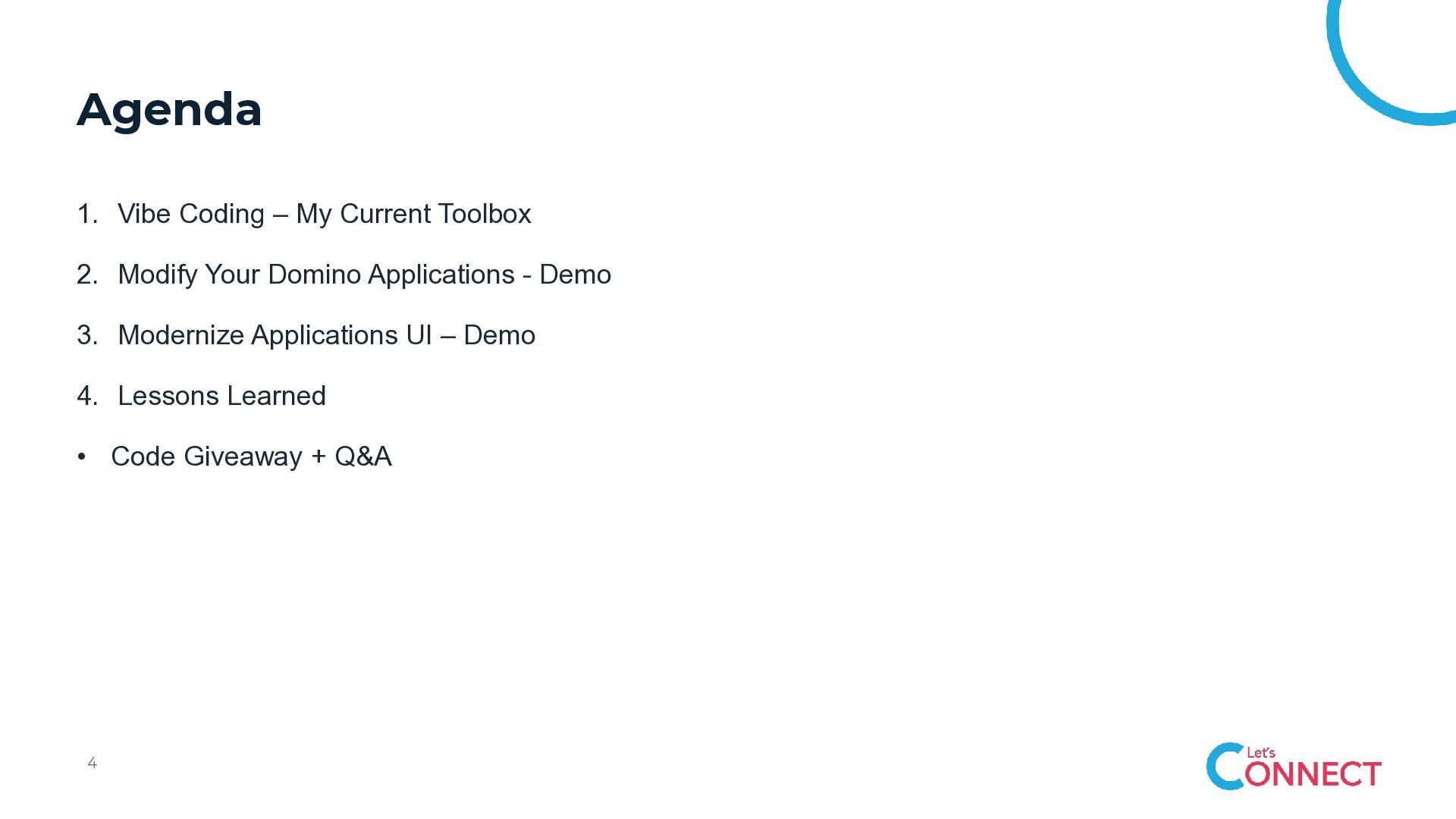
  3. Agenda 1. Vibe Coding – My Current Toolbox 2. Modify

    Your Domino Applications - Demo 3. Modernize Applications UI – Demo 4. Lessons Learned • Code Giveaway + Q&A 4
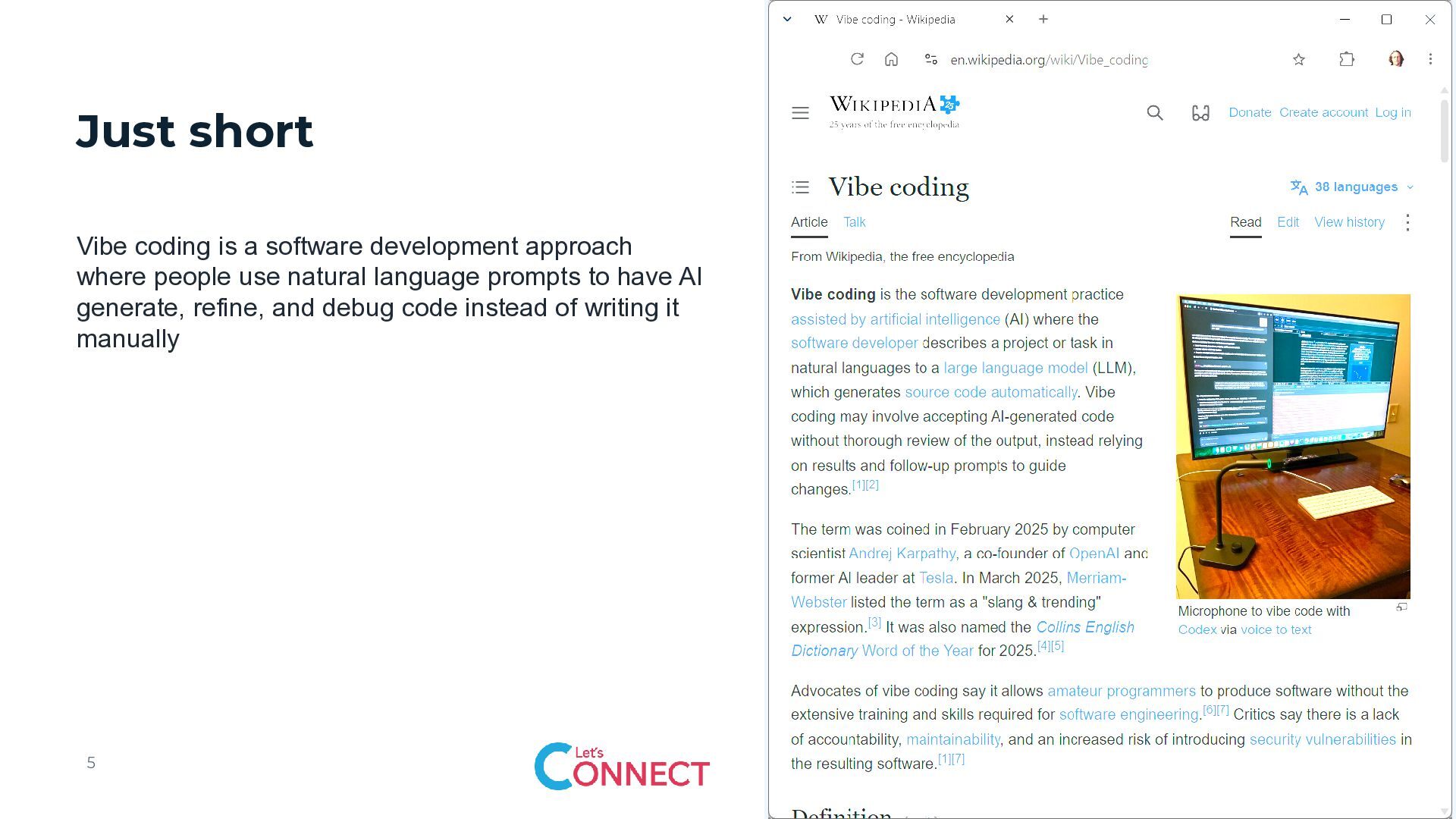
  4. Just short Vibe coding is a software development approach where

    people use natural language prompts to have AI generate, refine, and debug code instead of writing it manually 5
  5. Cursor as Current IDE • Cursor is an AI-native code

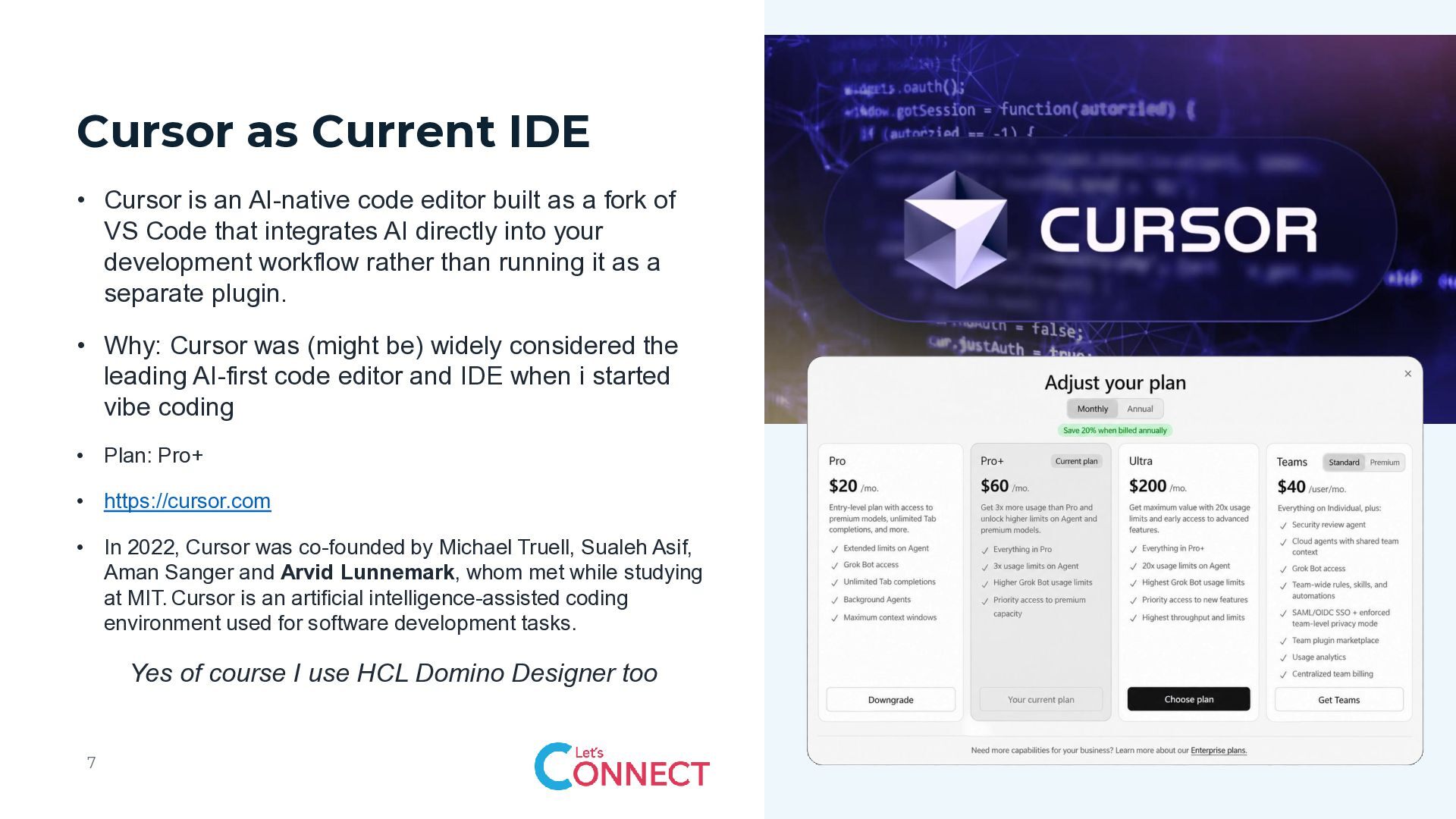
    editor built as a fork of VS Code that integrates AI directly into your development workflow rather than running it as a separate plugin. • Why: Cursor was (might be) widely considered the leading AI-first code editor and IDE when i started vibe coding • Plan: Pro+ • https://cursor.com • In 2022, Cursor was co-founded by Michael Truell, Sualeh Asif, Aman Sanger and Arvid Lunnemark, whom met while studying at MIT. Cursor is an artificial intelligence-assisted coding environment used for software development tasks. Yes of course I use HCL Domino Designer too 7
  6. Communicate with Domino • AI “loves” rest communications so Domino

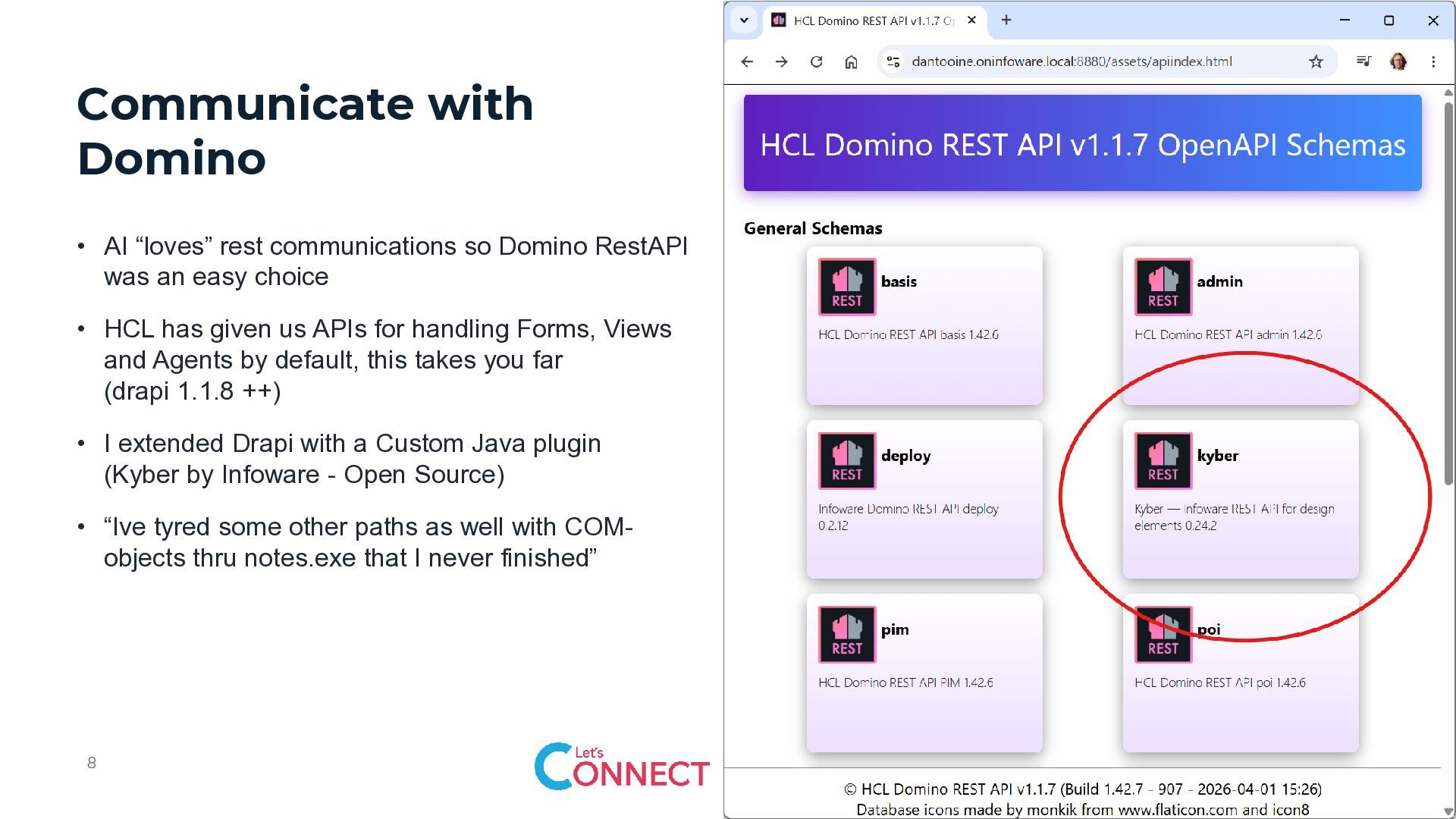
    RestAPI was an easy choice • HCL has given us APIs for handling Forms, Views and Agents by default, this takes you far (drapi 1.1.8 ++) • I extended Drapi with a Custom Java plugin (Kyber by Infoware - Open Source) • “Ive tyred some other paths as well with COMobjects thru notes.exe that I never finished” 8
  7. Kyber — Infoware REST API for design elements • It

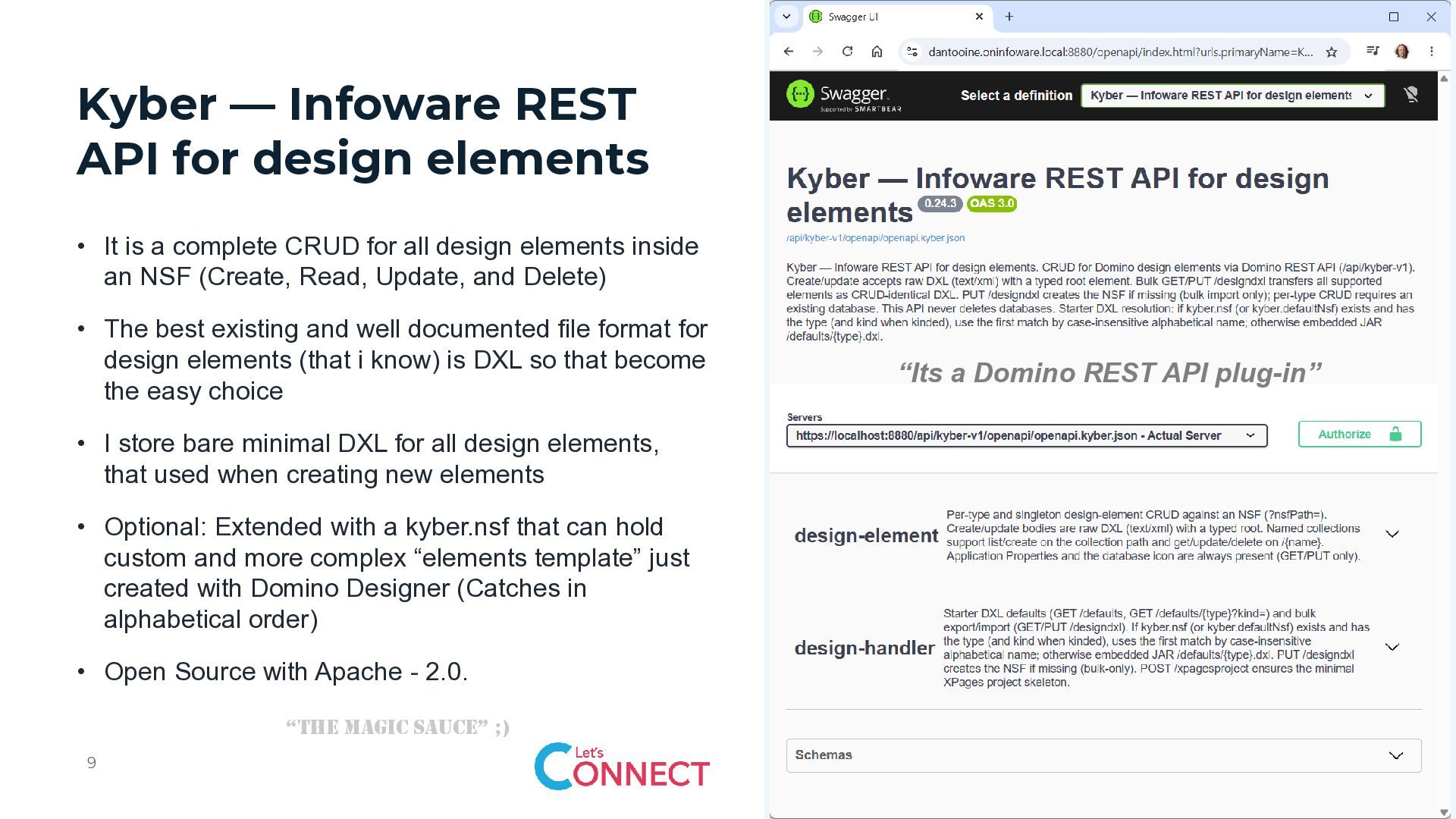
    is a complete CRUD for all design elements inside an NSF (Create, Read, Update, and Delete) • The best existing and well documented file format for design elements (that i know) is DXL so that become the easy choice • I store bare minimal DXL for all design elements, that used when creating new elements • Optional: Extended with a kyber.nsf that can hold custom and more complex “elements template” just created with Domino Designer (Catches in alphabetical order) • Open Source with Apache - 2.0. “the magic sauce” ;) 9 “Its a Domino REST API plug-in”
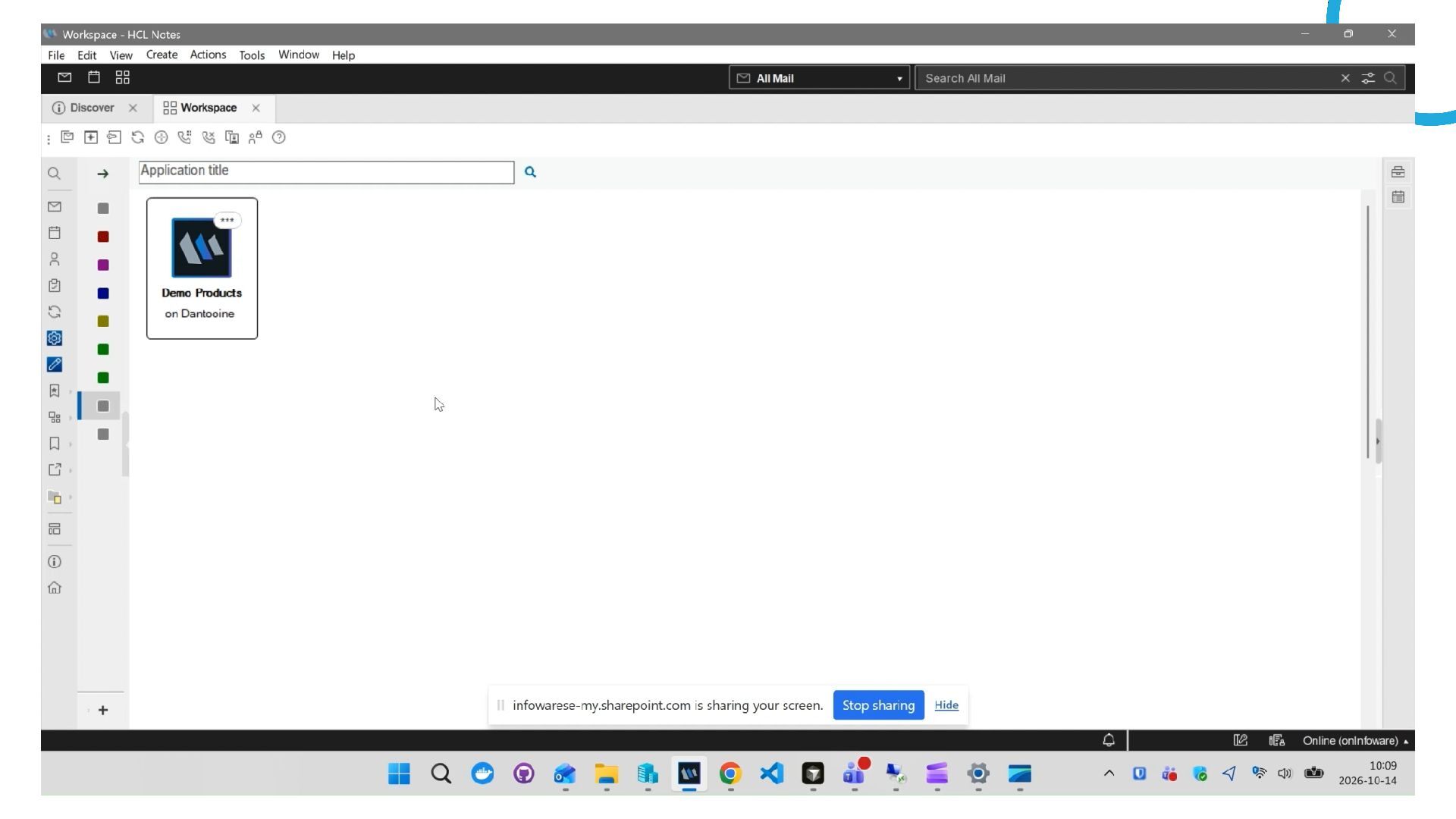
  8. 02 Demo: Modify Your Domino Applications 1. Inform AI tools

    about the project 2. Consolidate some code and add error handlers 10
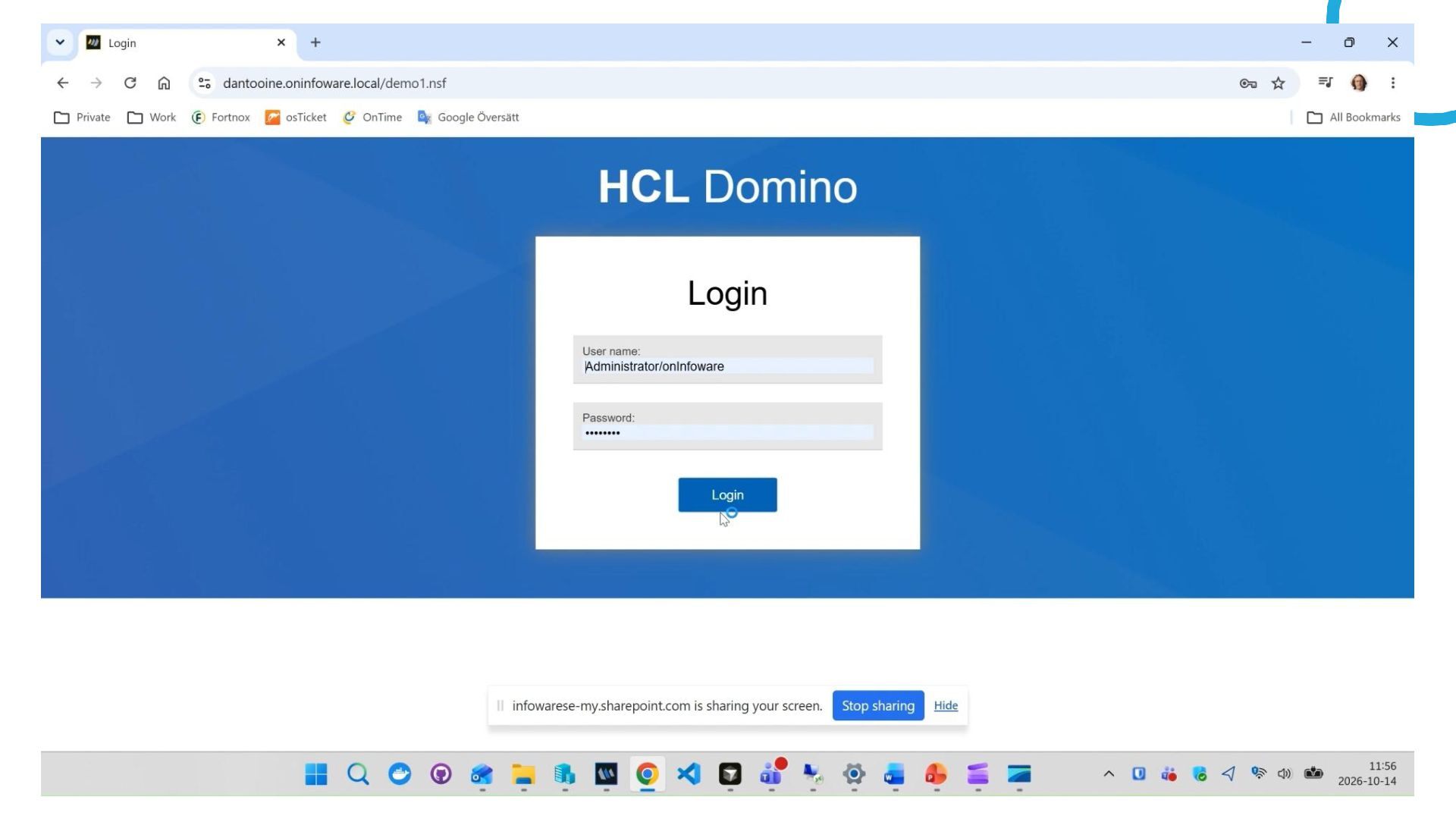
  9. 03 Demo: Modernize Domino Applications UI 1. Add a modern

    React app to the NSF 2. Add some new features 12
  10. Lessons Learned • Use local development environment (Lets your AI

    Tools help with environment configuration) • Make sure your AI Tools can test and validate what it self create • Use Repos (store Domino design element e.g. DXL) so you can take advantage of Git and centralized AI agents • Use Dominos excellent deployment tool the NTF ;) in to production environments, as you know rollback works like a charm • Give AI Tools access and privileges “mostly/only” to your local development environment • Play around and get to know your AI Tools, and use AI to modify your AI Tools 15
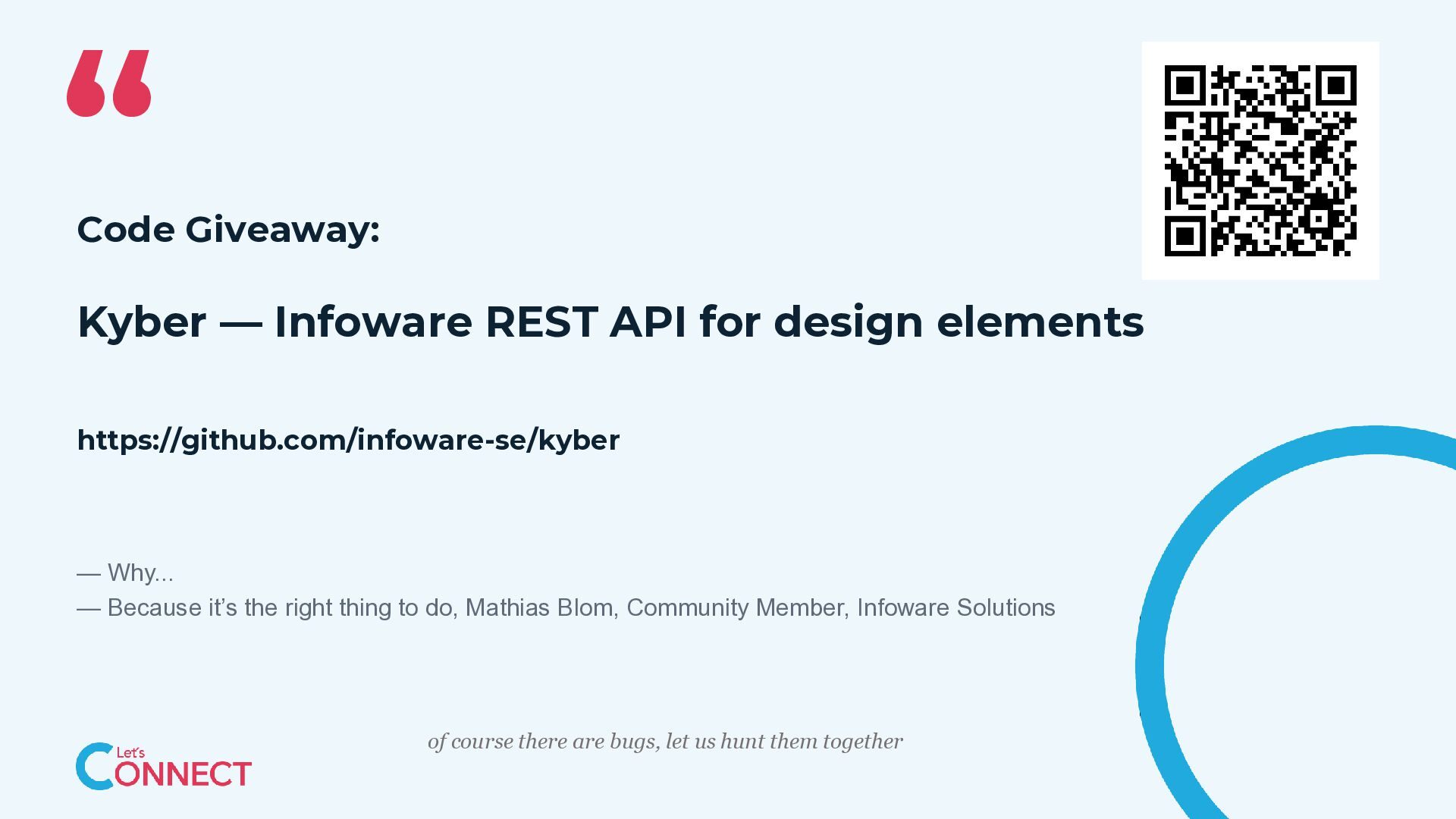
  11. “ Code Giveaway: Kyber — Infoware REST API for design

    elements https://github.com/infoware-se/kyber — Why... — Because it’s the right thing to do, Mathias Blom, Community Member, Infoware Solutions of course there are bugs, let us hunt them together
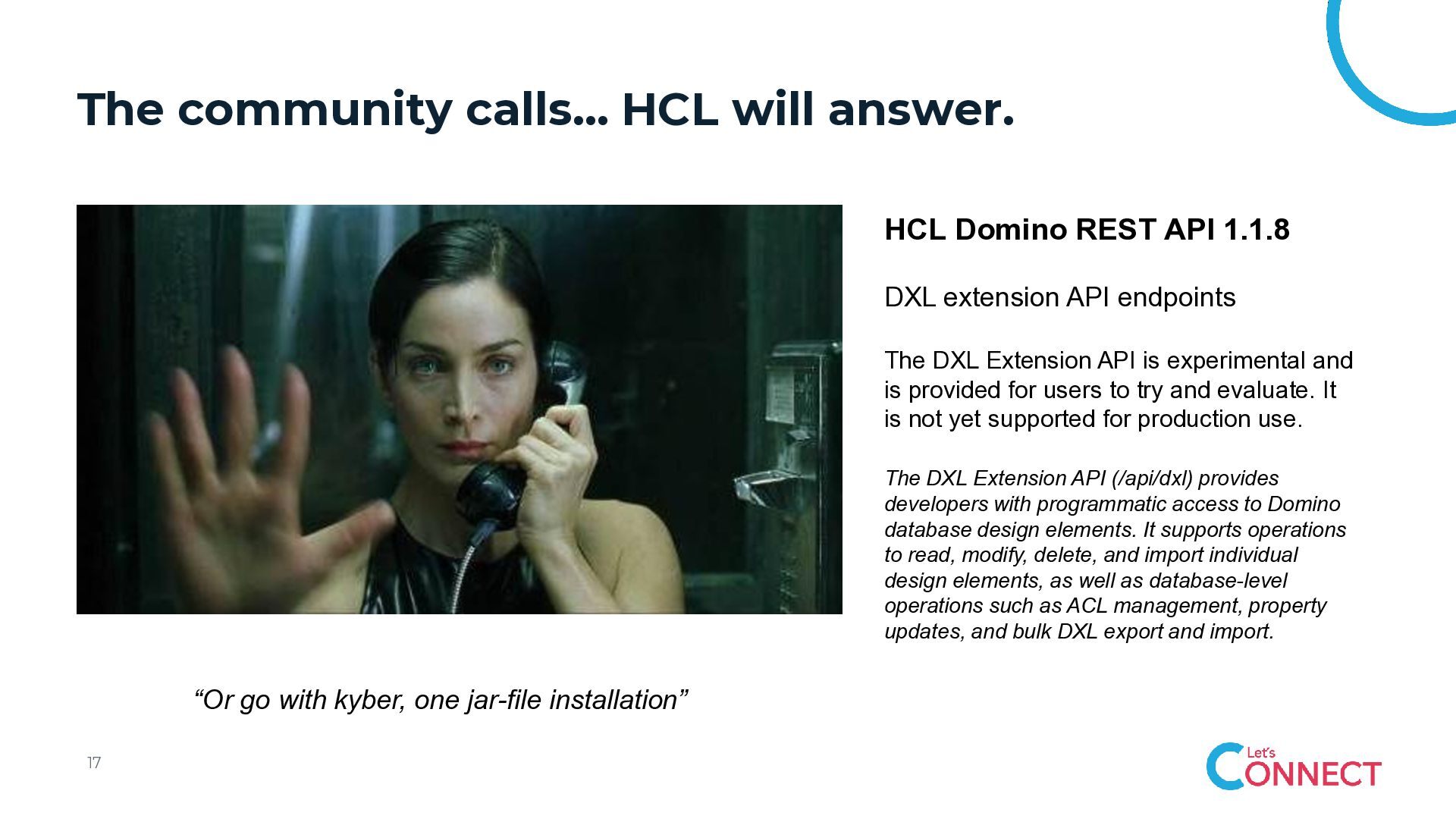
  12. The community calls... HCL will answer. HCL Domino REST API

    1.1.8 DXL extension API endpoints The DXL Extension API is experimental and is provided for users to try and evaluate. It is not yet supported for production use. The DXL Extension API (/api/dxl) provides developers with programmatic access to Domino database design elements. It supports operations to read, modify, delete, and import individual design elements, as well as database-level operations such as ACL management, property updates, and bulk DXL export and import. “Or go with kyber, one jar-file installation” 17