
At the latest Google I/O conference, Google announced that Android development would now fully support Kotlin. This is big news as it opens up an entirely new avenue for those that want to start creating their own Android applications. And seeing as Kotlin is highly popular and has a lot of unique features, it creates new opportunities for existing developers too.
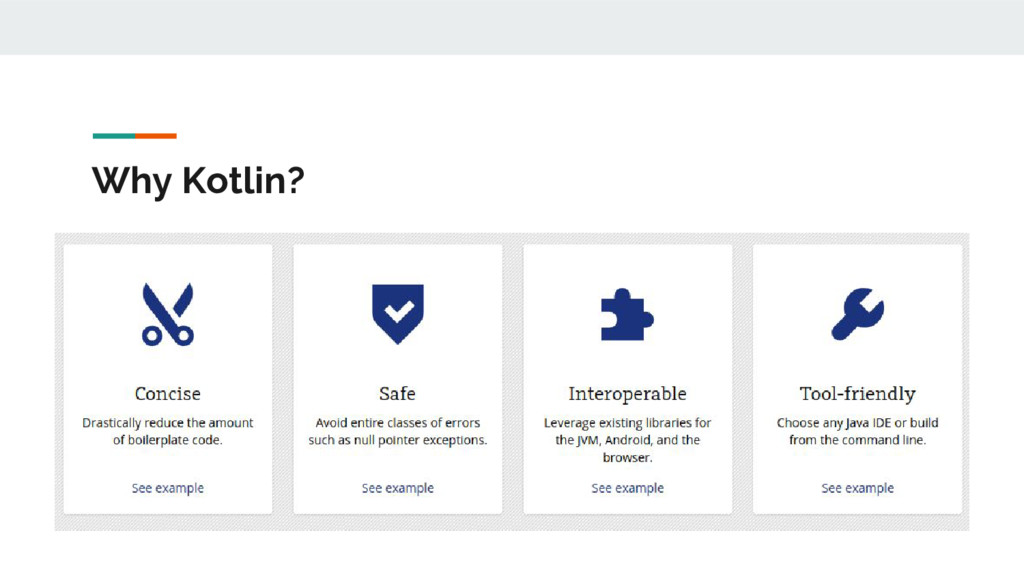
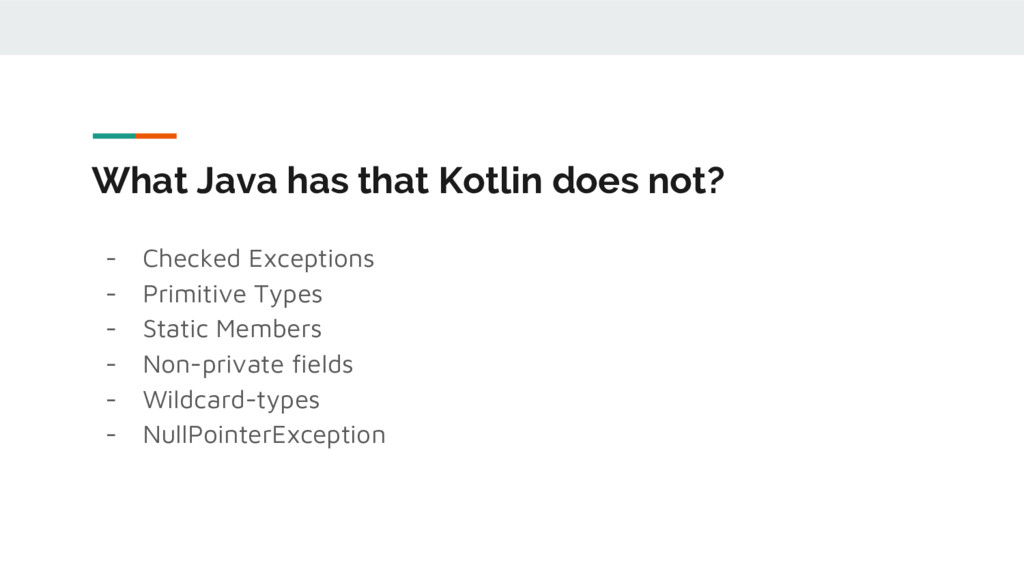
Kotlin is a statically typed programming language from JetBrains. It is fully ‘inter-operable’ with Java (meaning you can use Java frameworks and even mix commands from both in your code) and comes with no limitations. Android developers have actually been using Kotlin for some time already via a plugin and some popular apps on the Play Store (like Basecamp) were reportedly built solely using Kotlin. Now though, as of the forthcoming Android Studio 3.0, it will be bundled-in and supported out-of-the-box.


 findyinc
 gonta
gonta
 jame2408
 utakaha
 steliosf
 gam0022
 timakin
 hollycummins
 satoshi256kbyte
 lef237
 econanringo
 sorah
sorah
 jonoalderson
 portentint
 techseoconnect
 sugarenia
 ipullrank
 letsgokoyo
 hatefulcrawdad
 inesmontani
 bkeepers
 reverentgeek




![Livin Mathew Android Lead LmntrX Tech [email protected] /livin21 /livin_mathew /@livinmathew](https://files.speakerdeck.com/presentations/b957d14035504f4e950041a1ce858764/slide_29.jpg)