Difference between Financial and Managerial Accounting
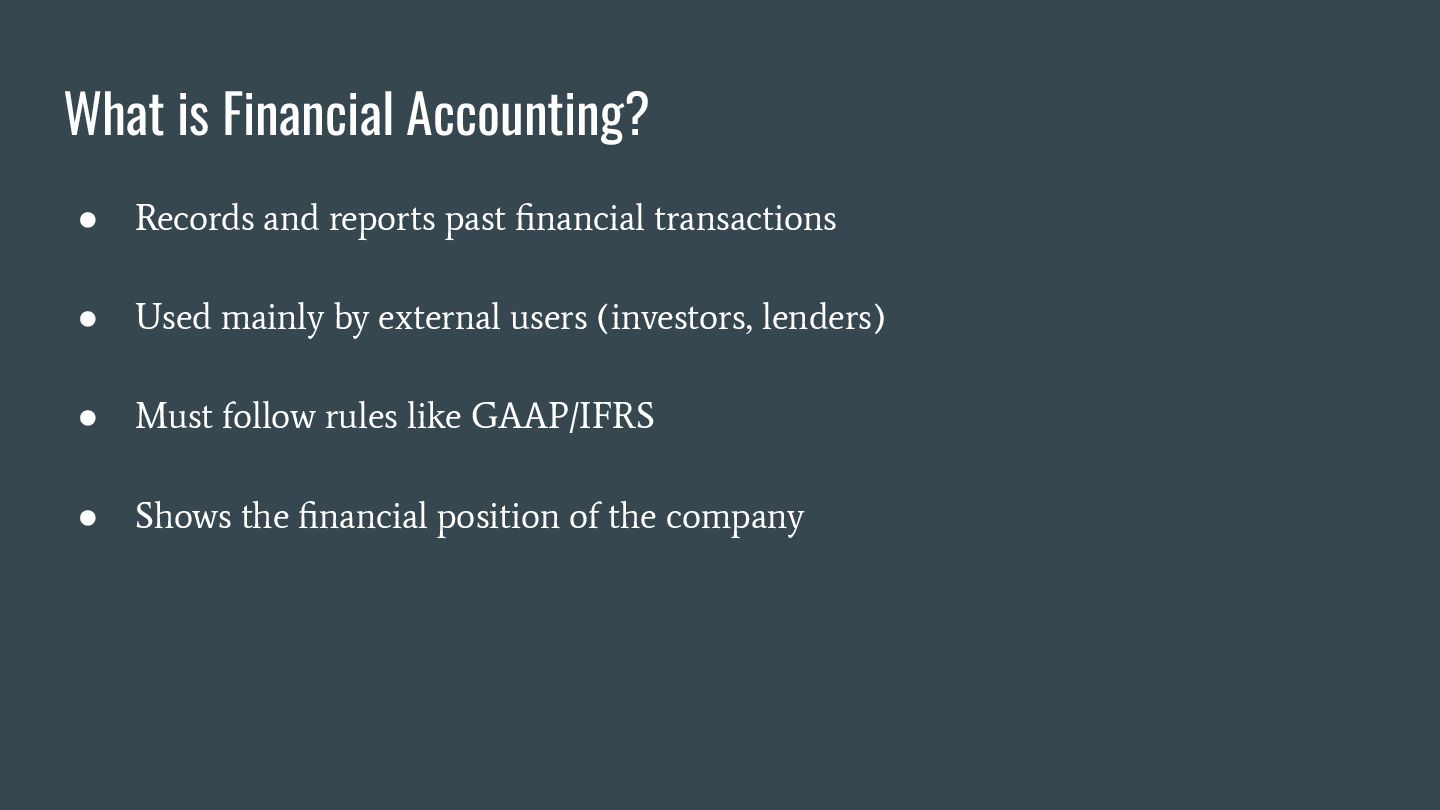
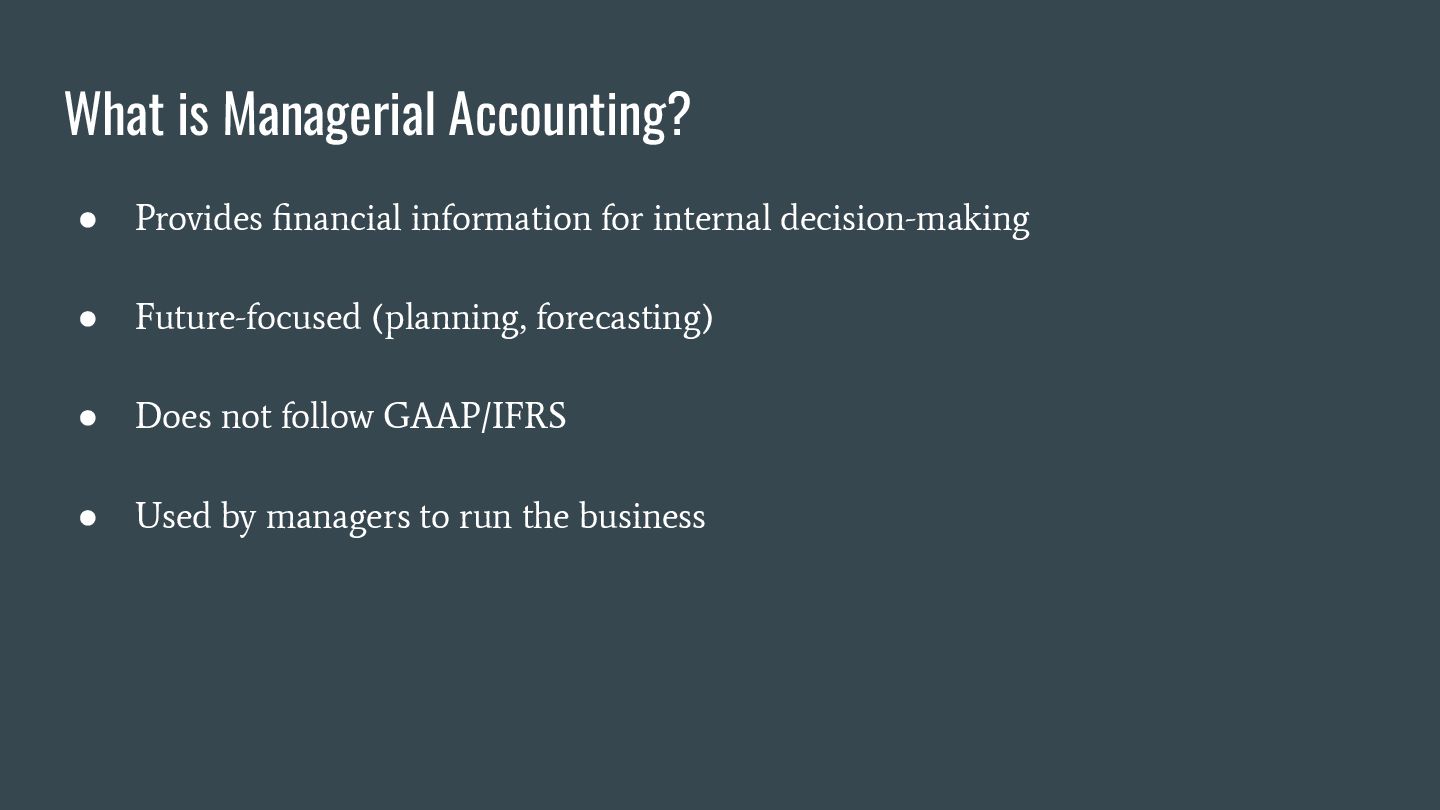
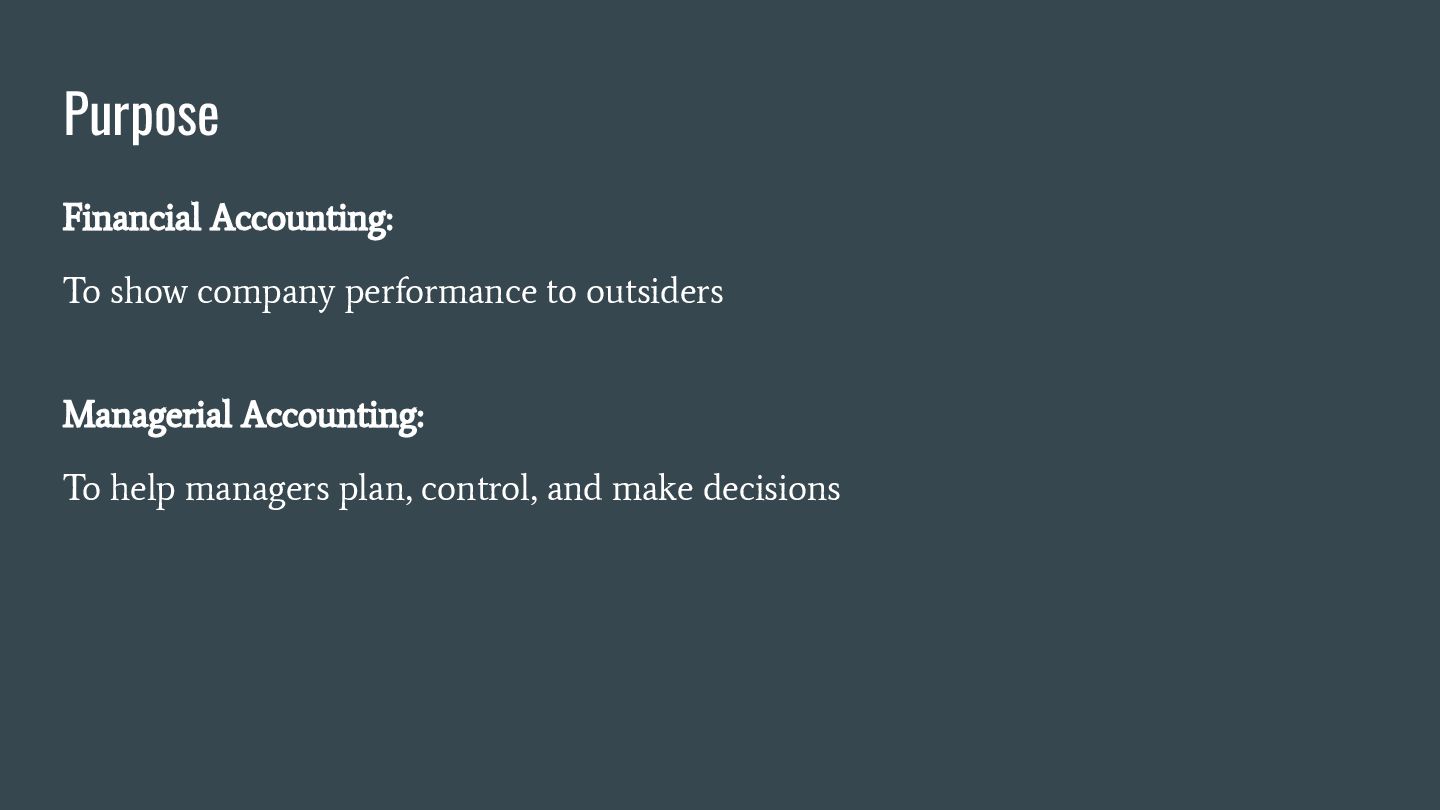
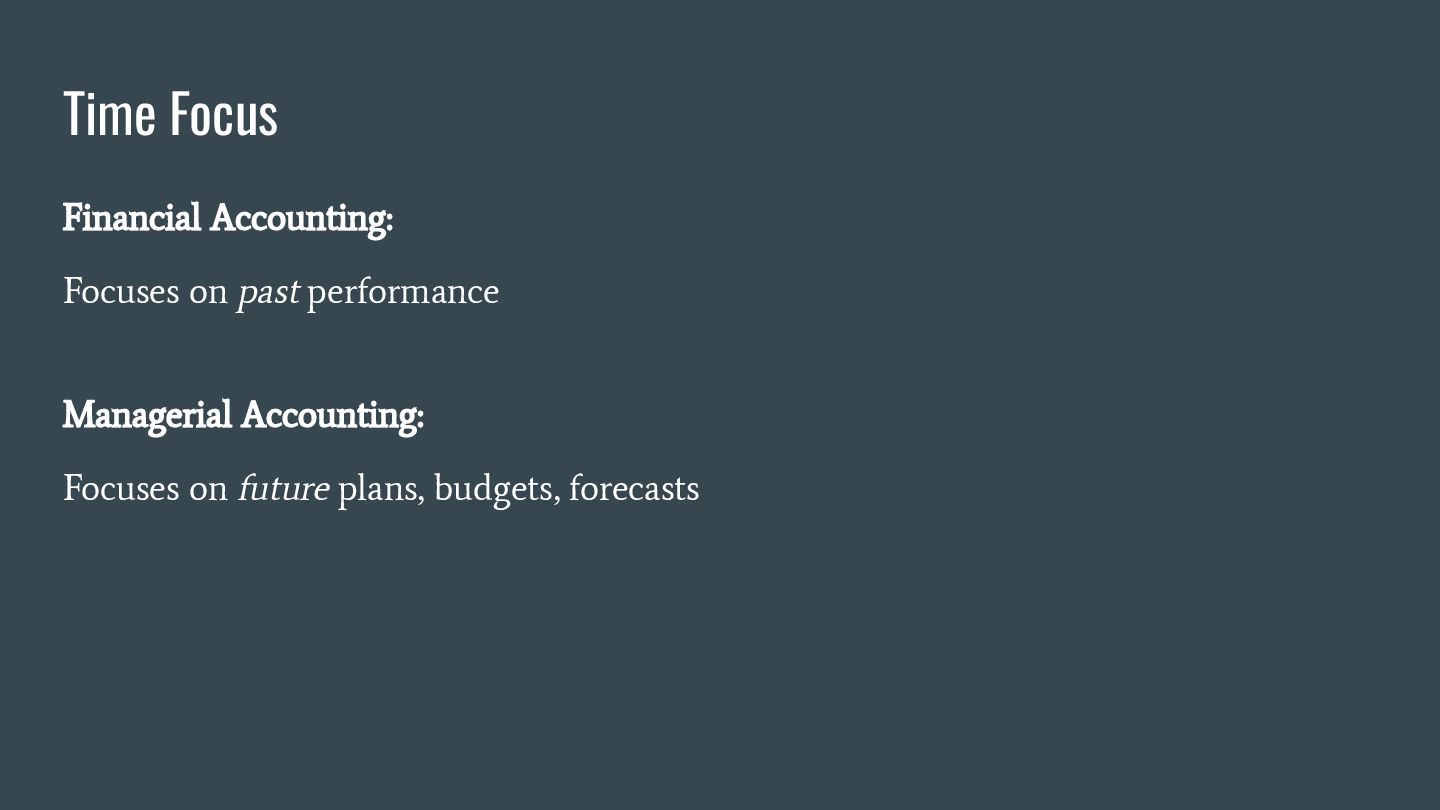
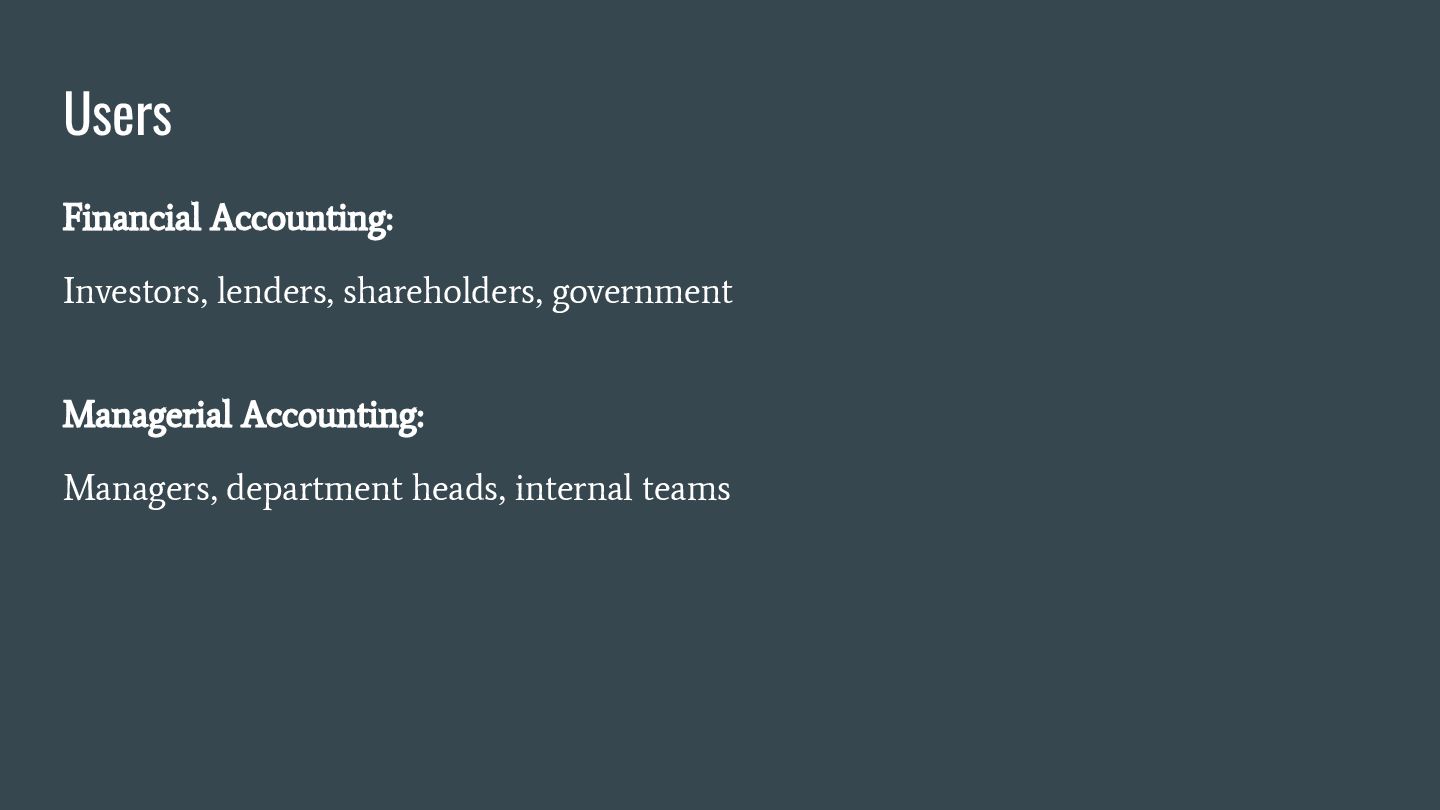
Explore the key Difference between Financial and Managerial Accounting, the purpose, needs, time, for both of them. Learn about the wide range of career opportunites and upskilling options.
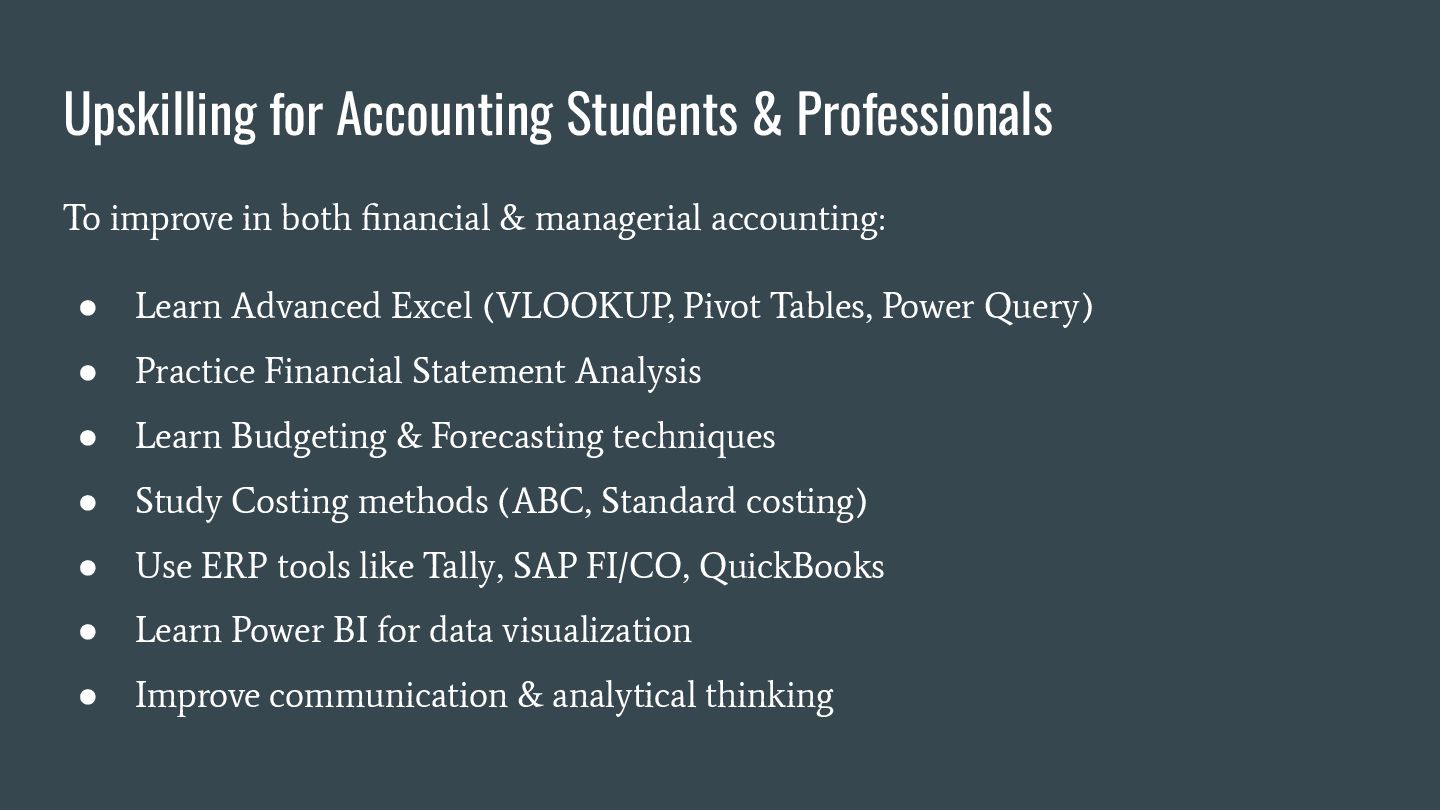
financial & managerial accounting: • Learn Advanced Excel (VLOOKUP, Pivot Tables, Power Query) • Practice Financial Statement Analysis • Learn Budgeting & Forecasting techniques • Study Costing methods (ABC, Standard costing) • Use ERP tools like Tally, SAP FI/CO, QuickBooks • Learn Power BI for data visualization • Improve communication & analytical thinking
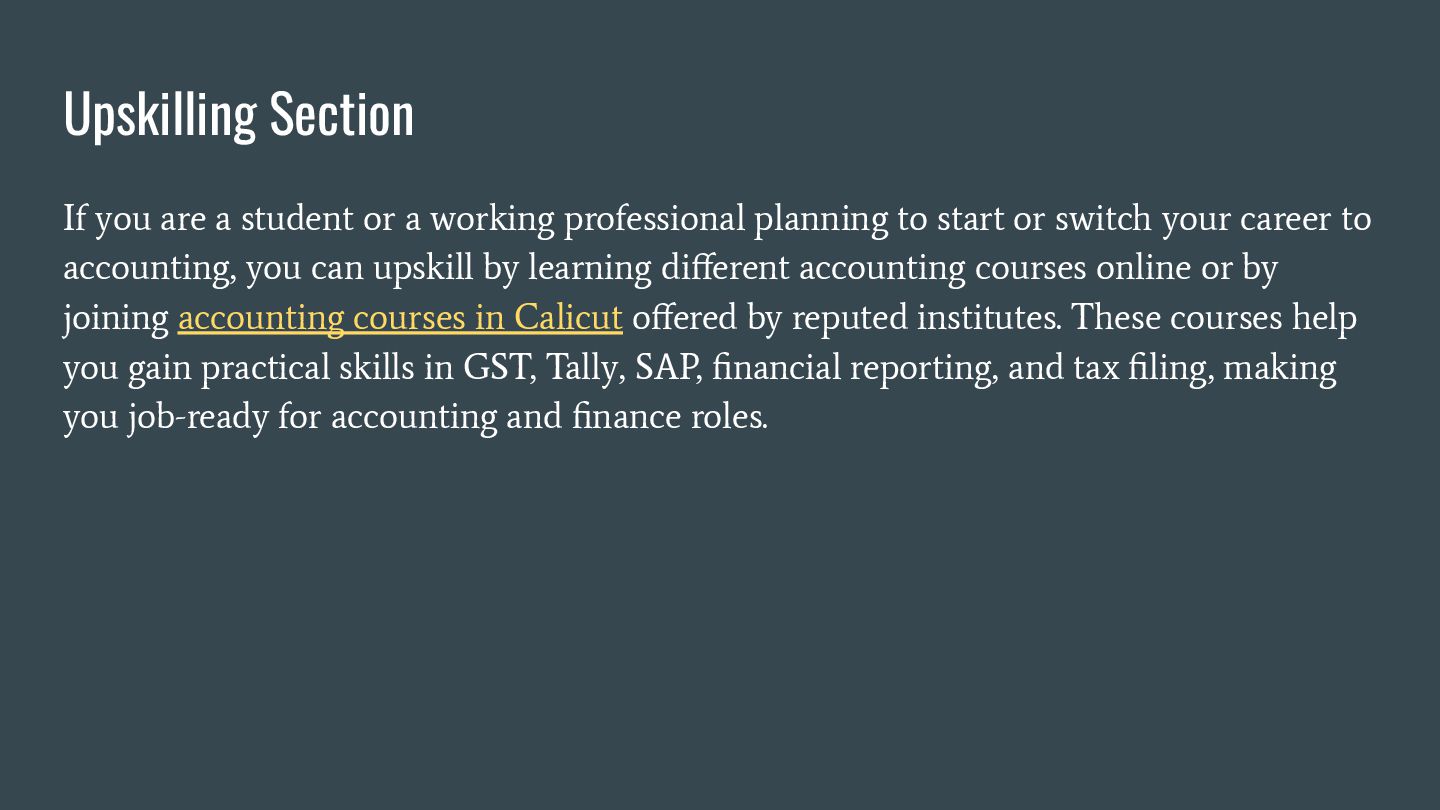
professional planning to start or switch your career to accounting, you can upskill by learning different accounting courses online or by joining accounting courses in Calicut offered by reputed institutes. These courses help you gain practical skills in GST, Tally, SAP, financial reporting, and tax filing, making you job-ready for accounting and finance roles.
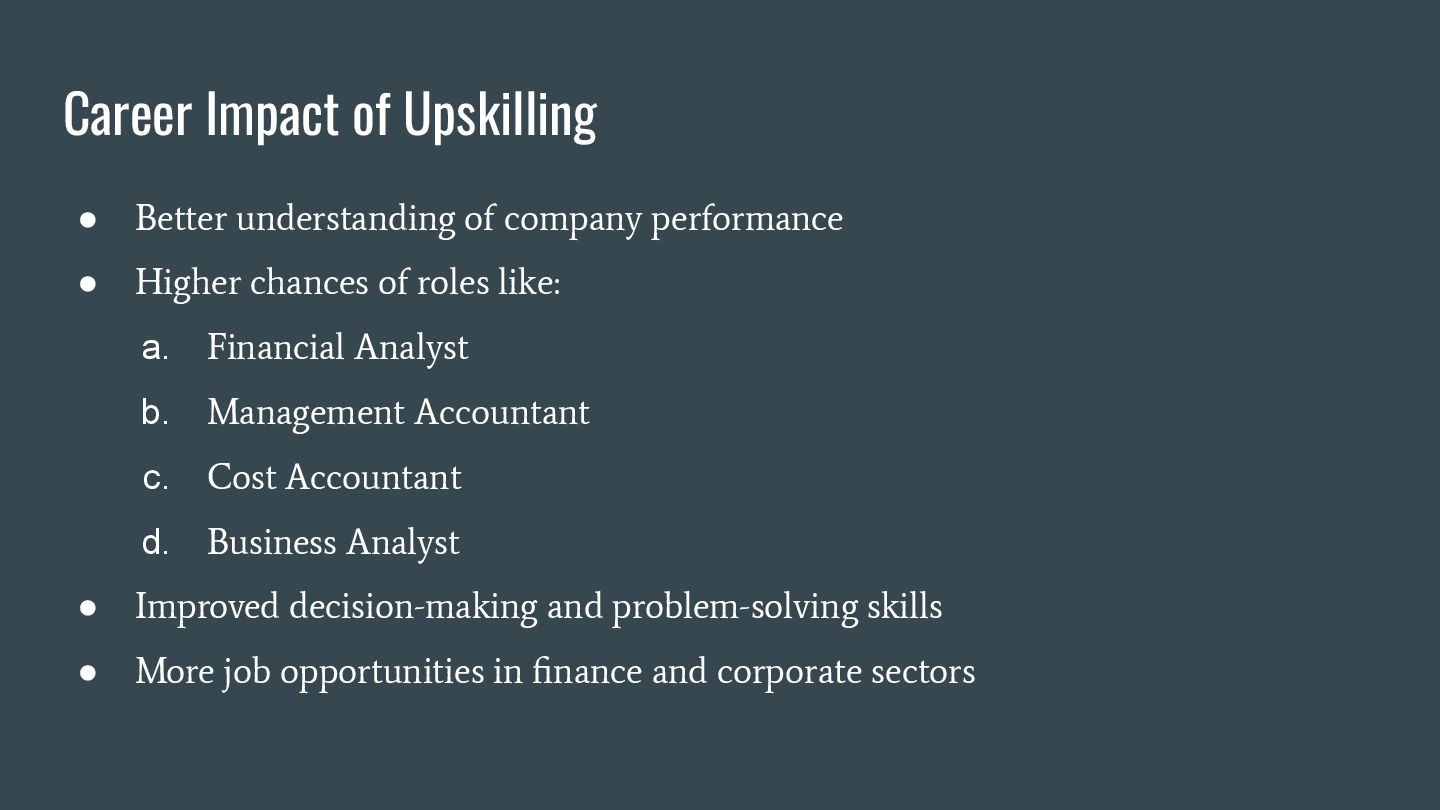
• Higher chances of roles like: a. Financial Analyst b. Management Accountant c. Cost Accountant d. Business Analyst • Improved decision-making and problem-solving skills • More job opportunities in finance and corporate sectors


 nandanasm3087
 hrm
 fullkaiten
 kaonavi
 thomaspeham
 nishika_kae
 takemura_yuto
 roms
 flux
 neuroenergia
 uemura2024
 kgmotors
 gpol
 jdejongh
 stephaniewalter
 joshbly
 bermonpainter
 jnunemaker
 tammyeverts
 bluesmoon
 chrislema
 skipperchong
 addyosmani
 reverentgeek
 yeseniaperezcruz