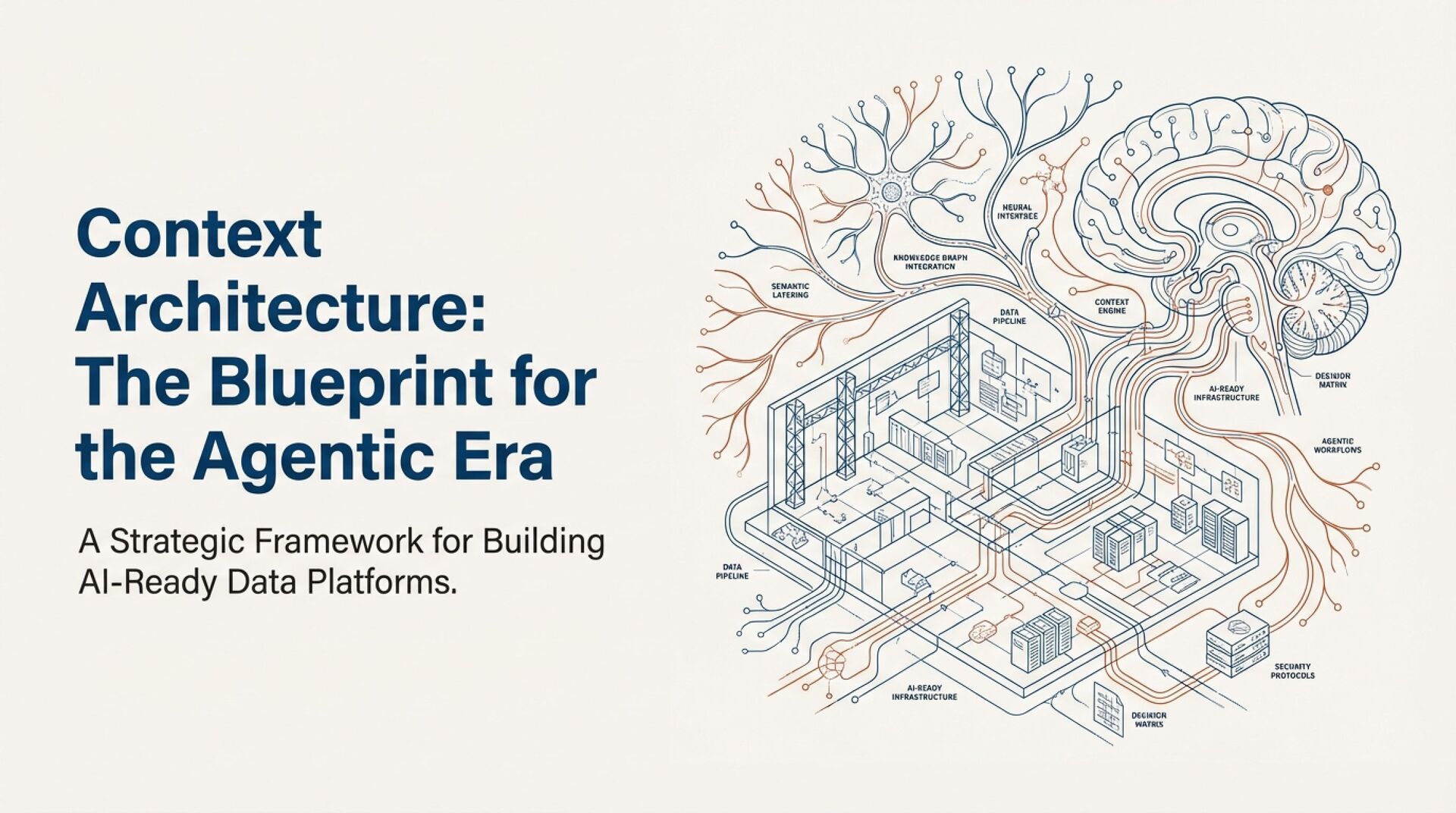
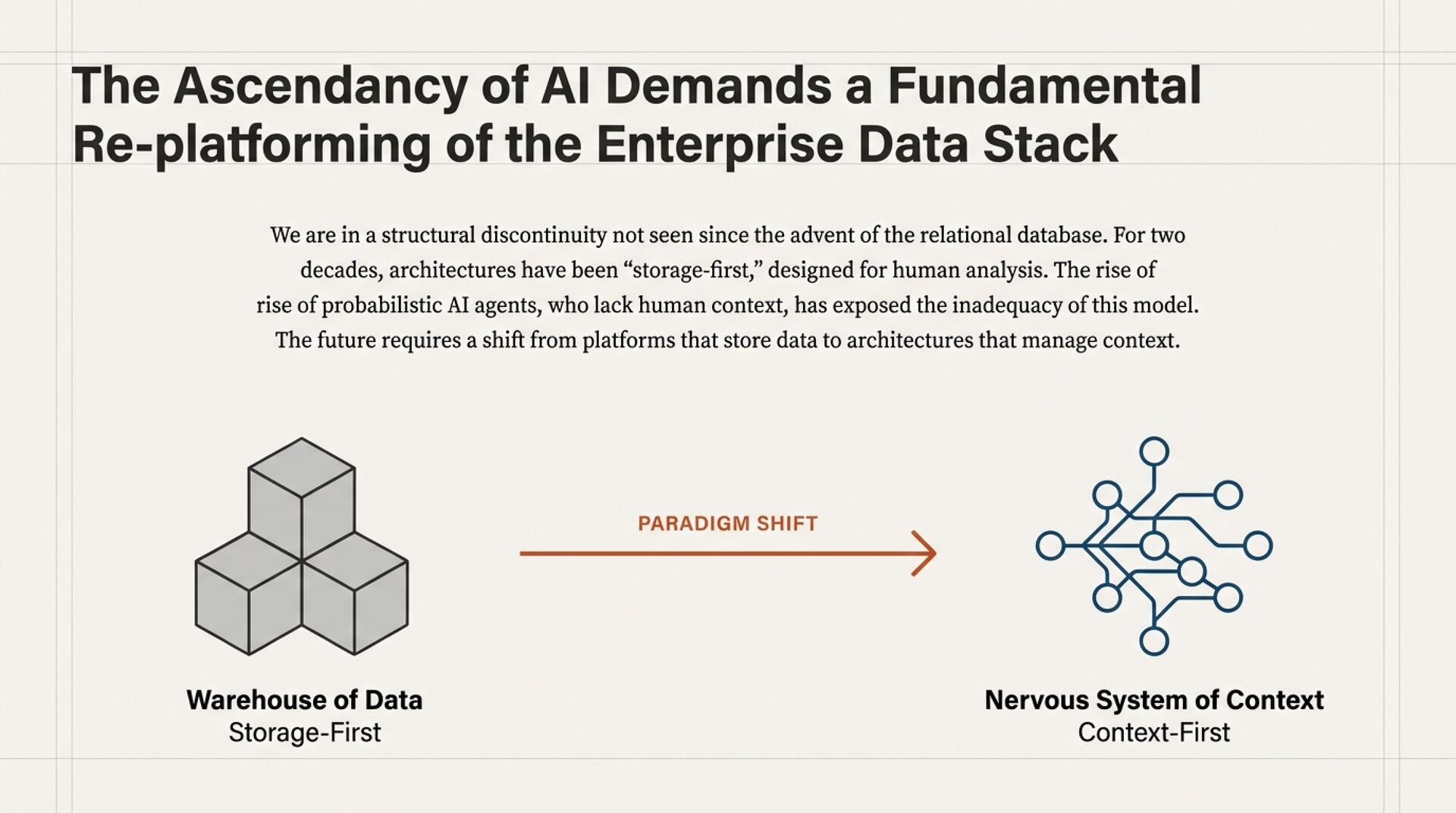
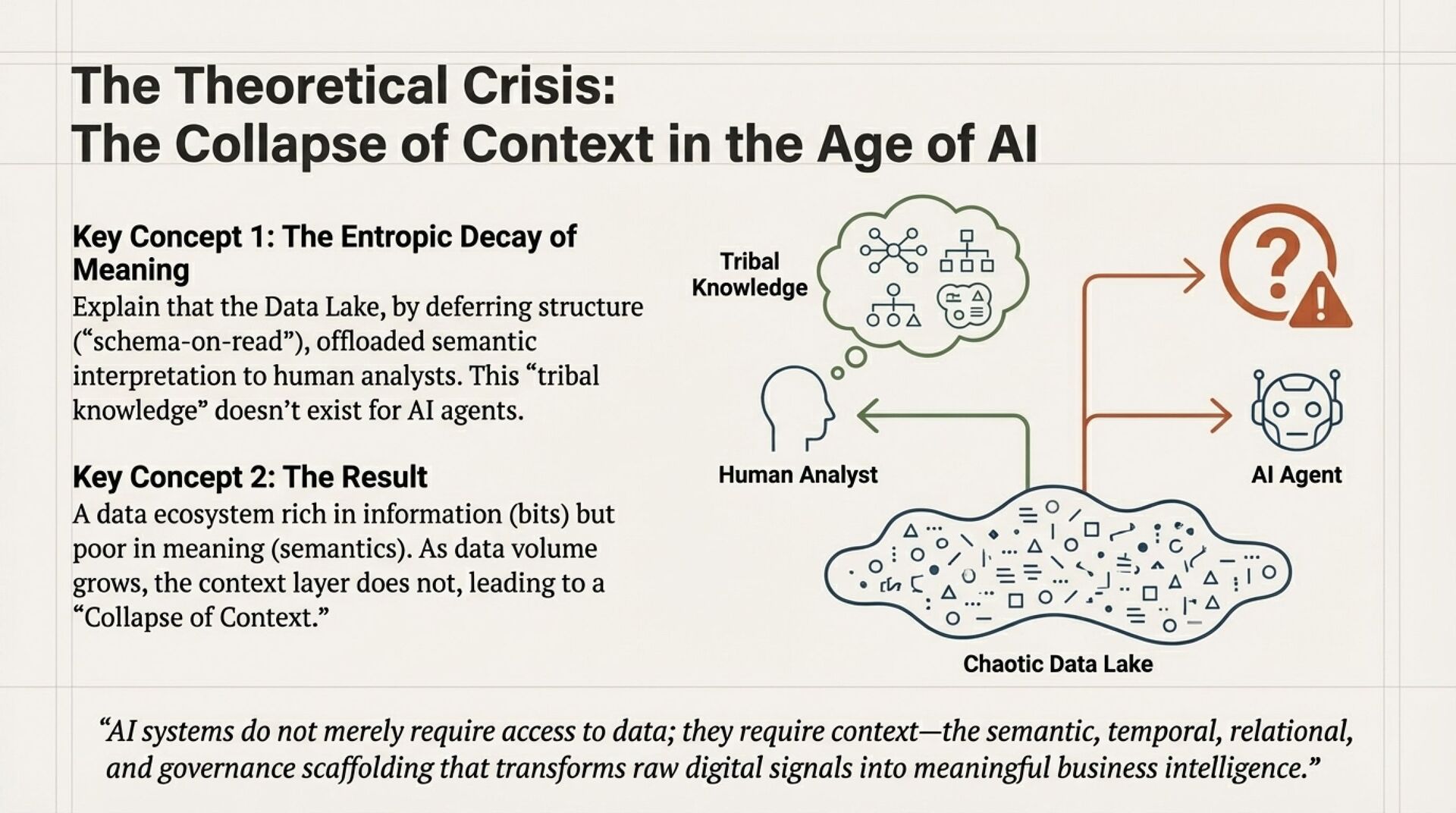
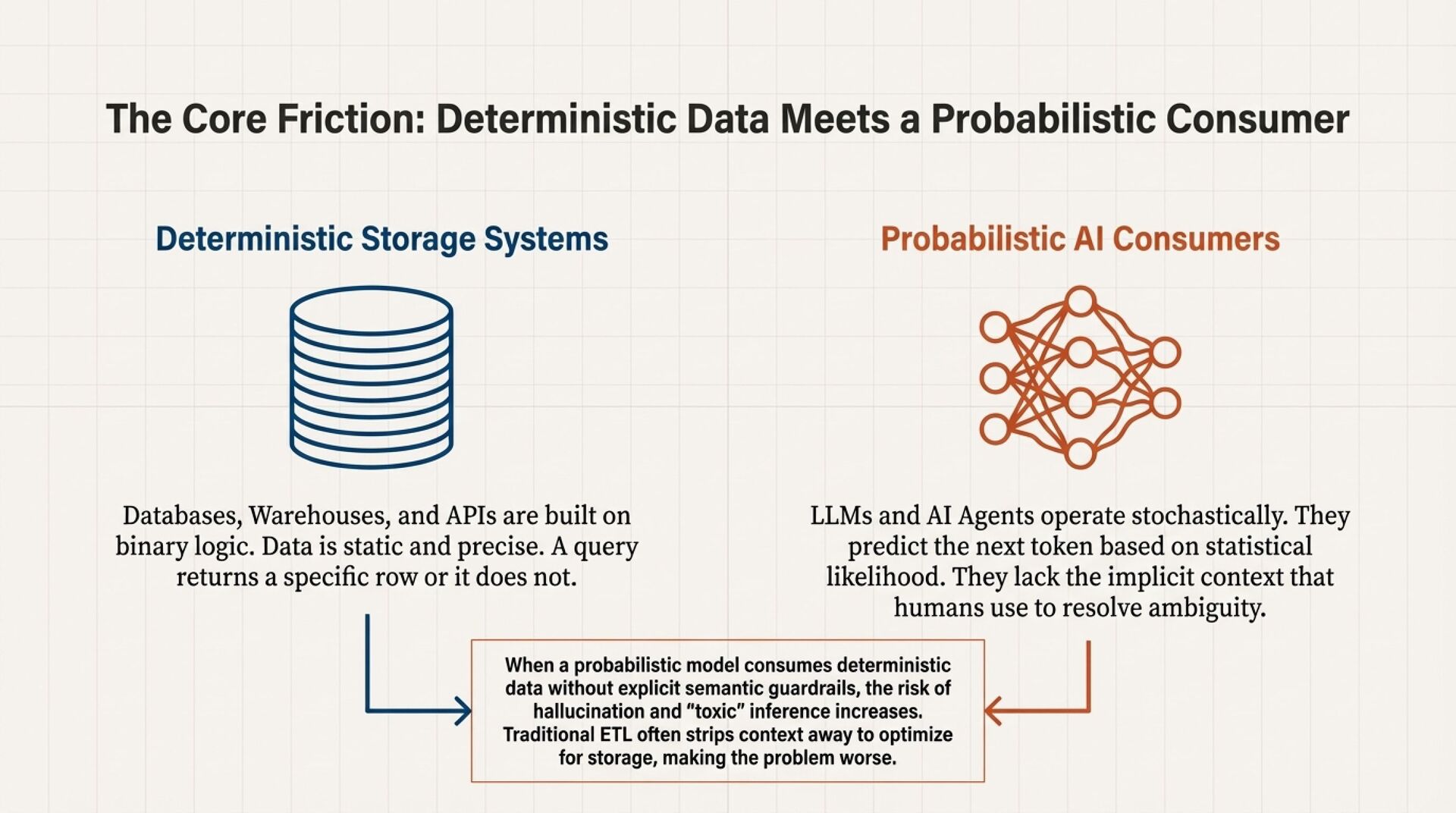
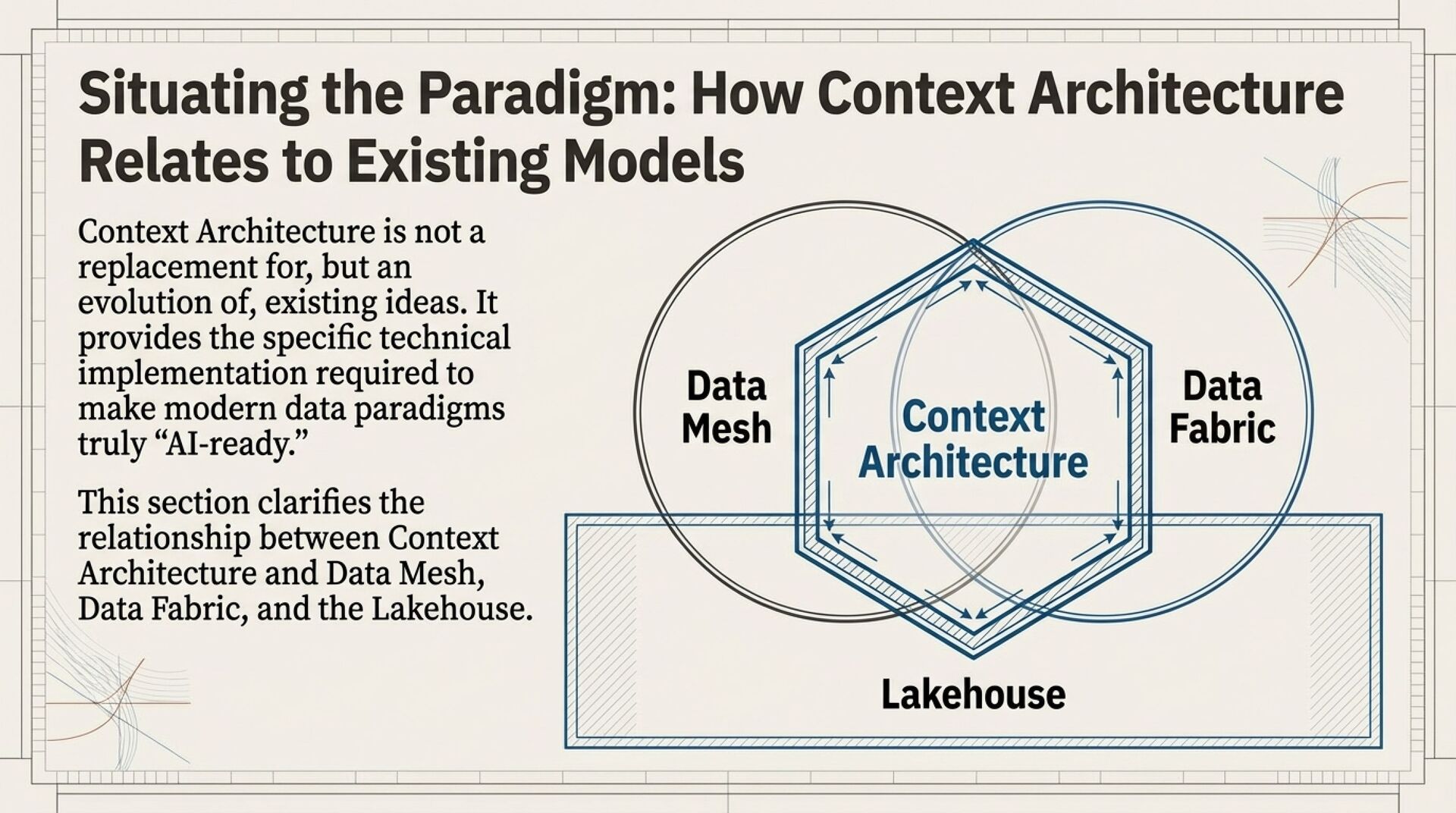
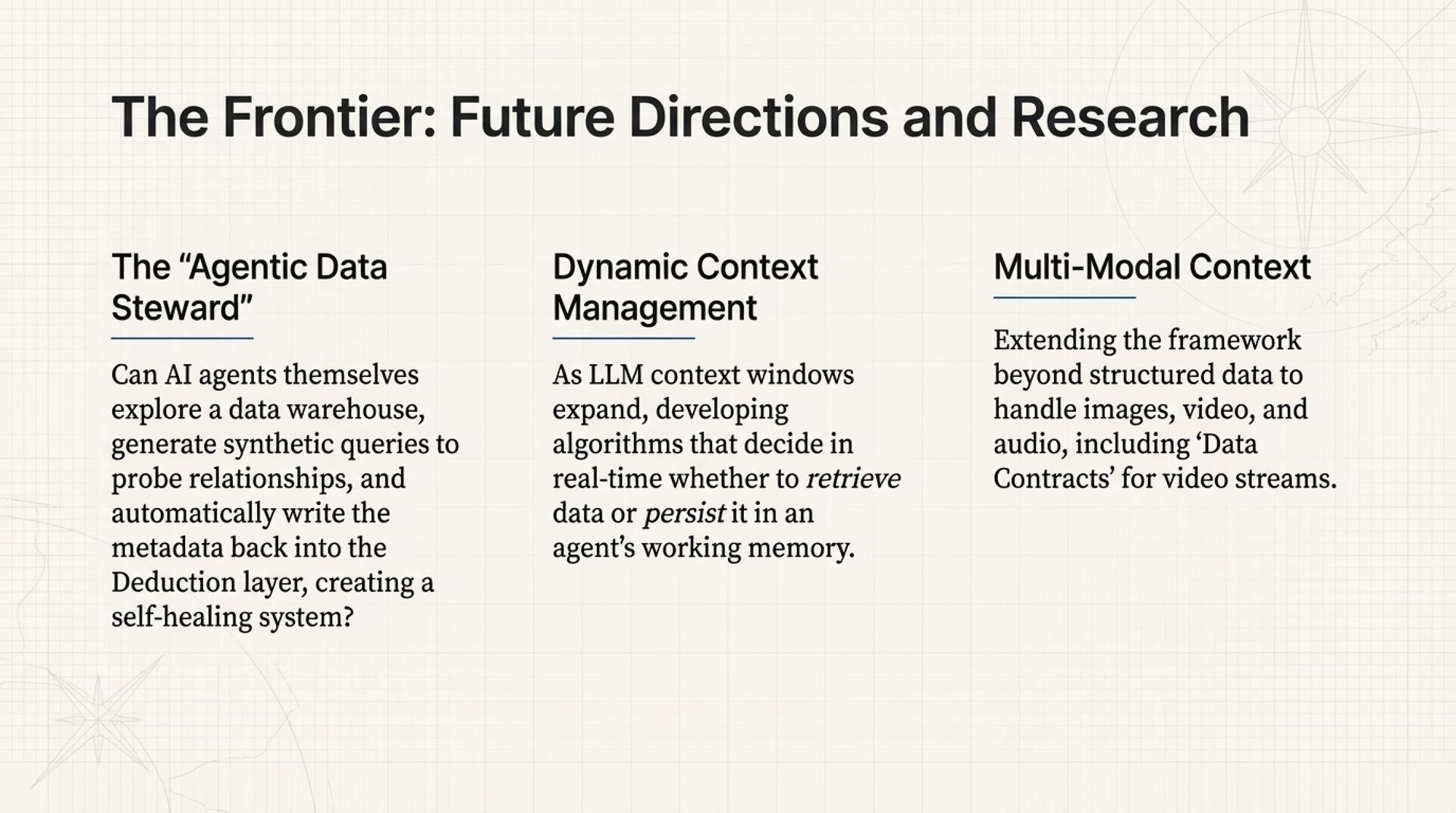
Enterprise data platforms are hitting a breaking point. Your EDW, data lake, and lakehouse were built to store and process data for humans, dashboards, analysts, and known questions. However, LLMs and autonomous agents do not just need data, they need context. Without semantic, temporal, relational, and governance context, AI systems drift into hallucination, ambiguity, and unsafe inference.
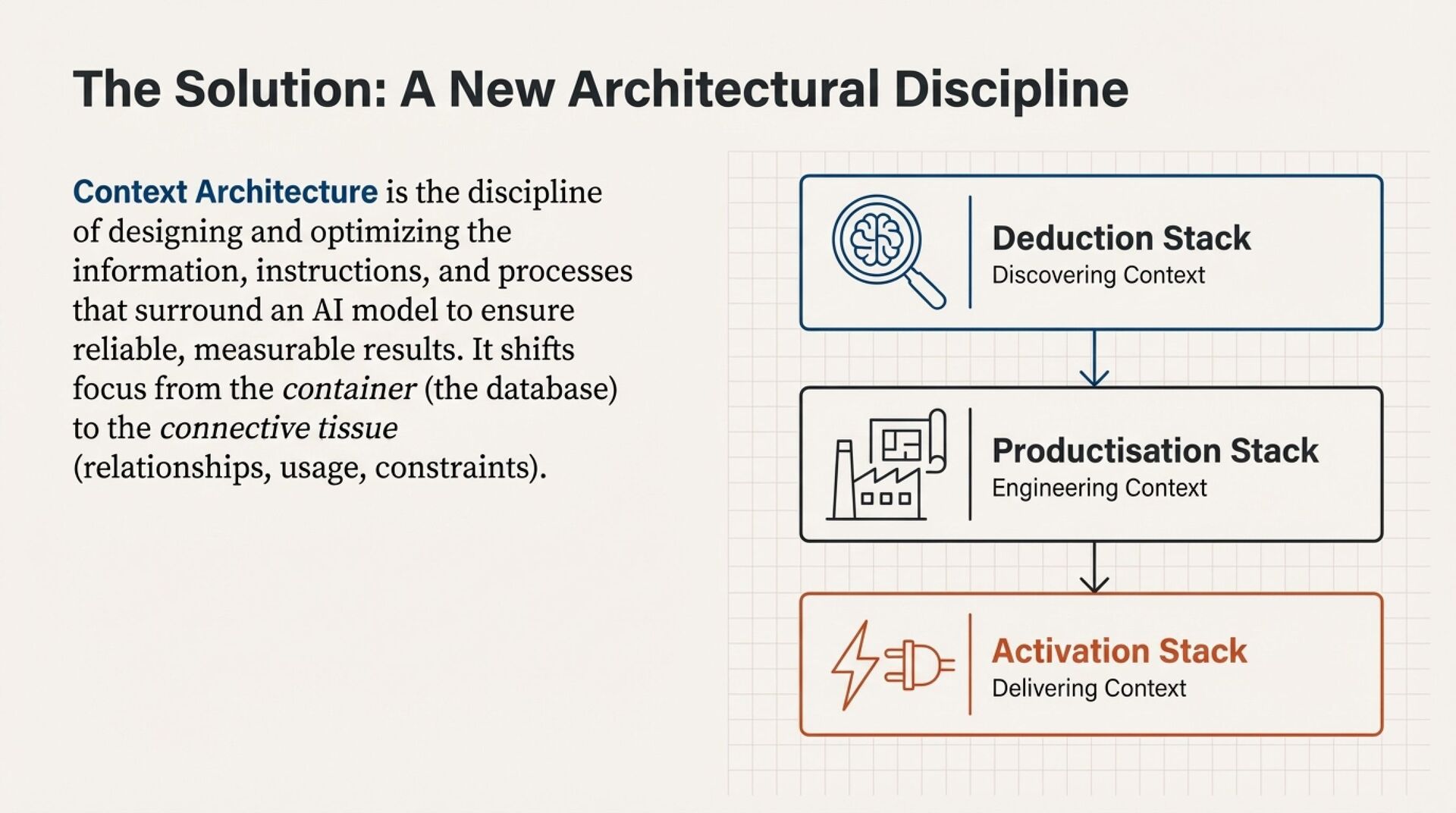
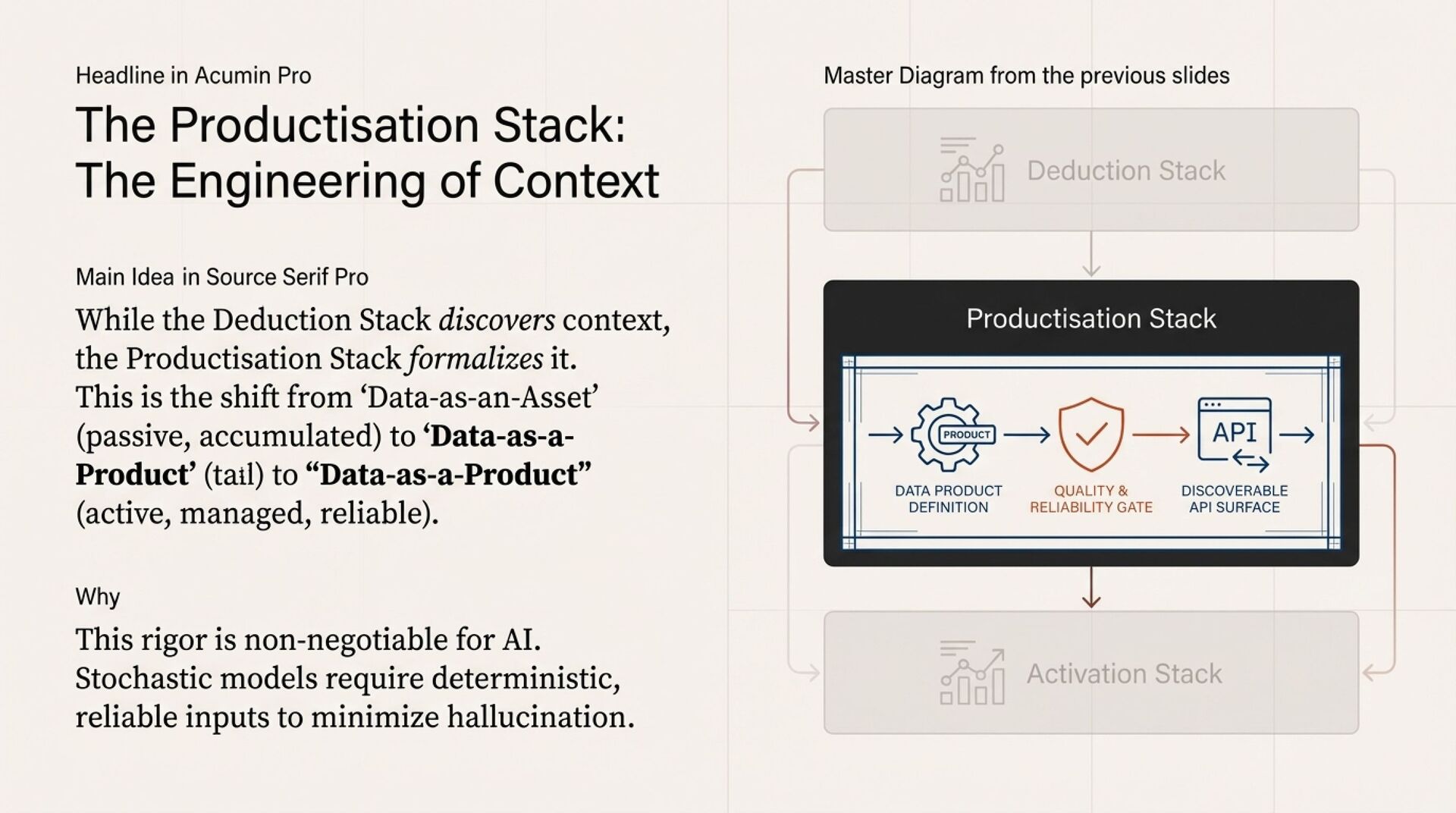
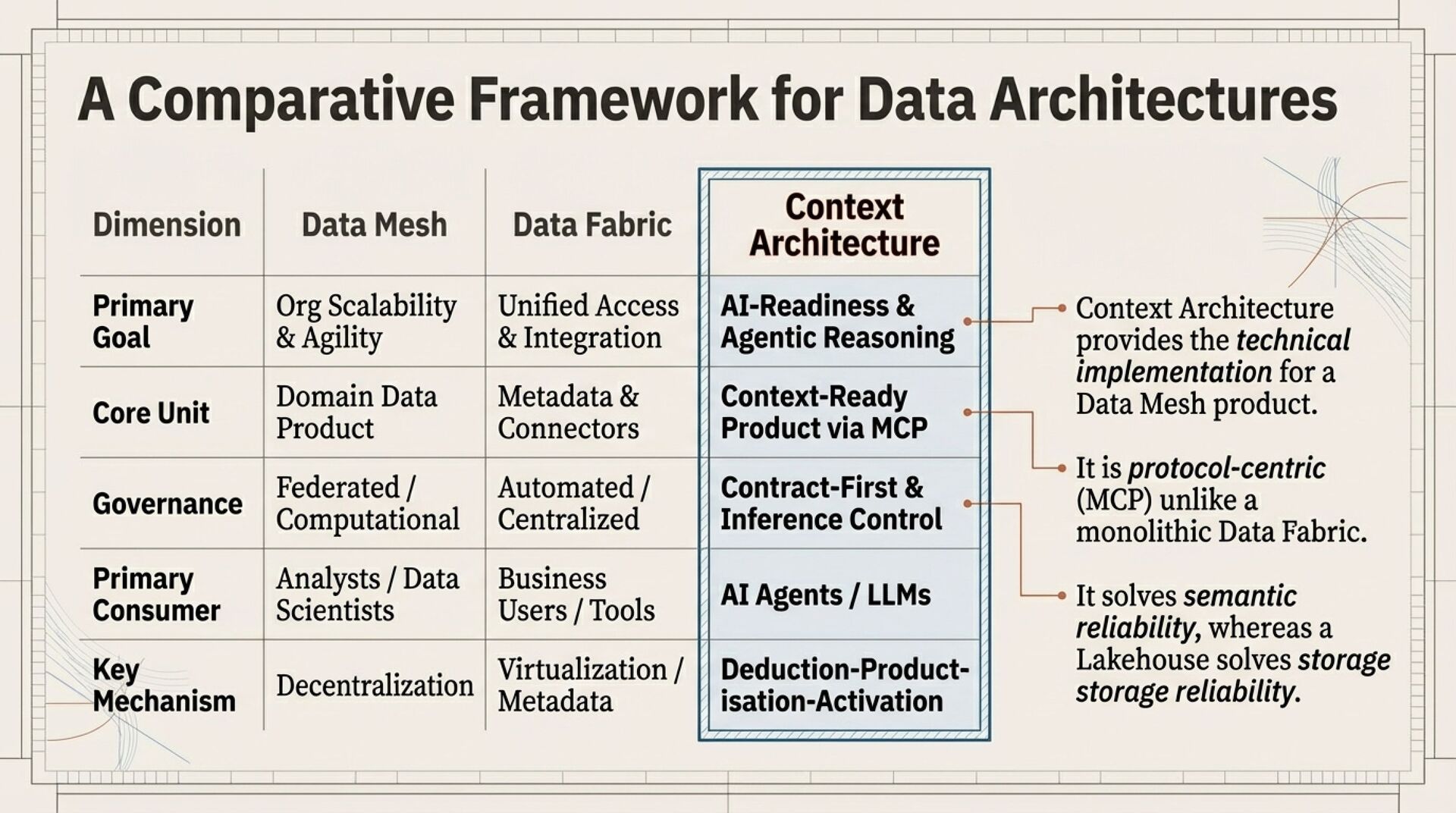
This article introduces Context Architecture as a structural evolution from storage-first to meaning-first. The core model is Deduction, Productisation, Activation.
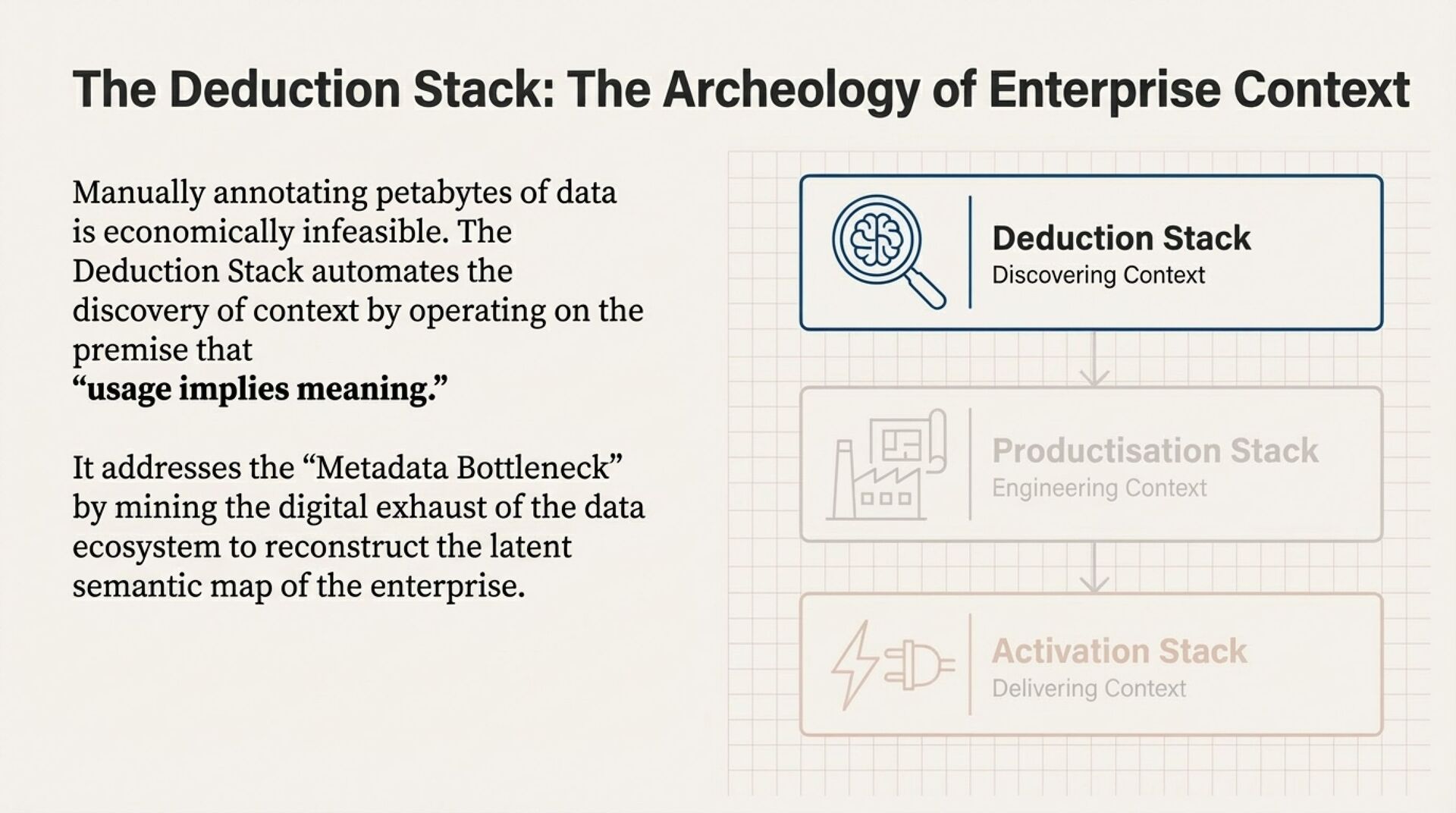
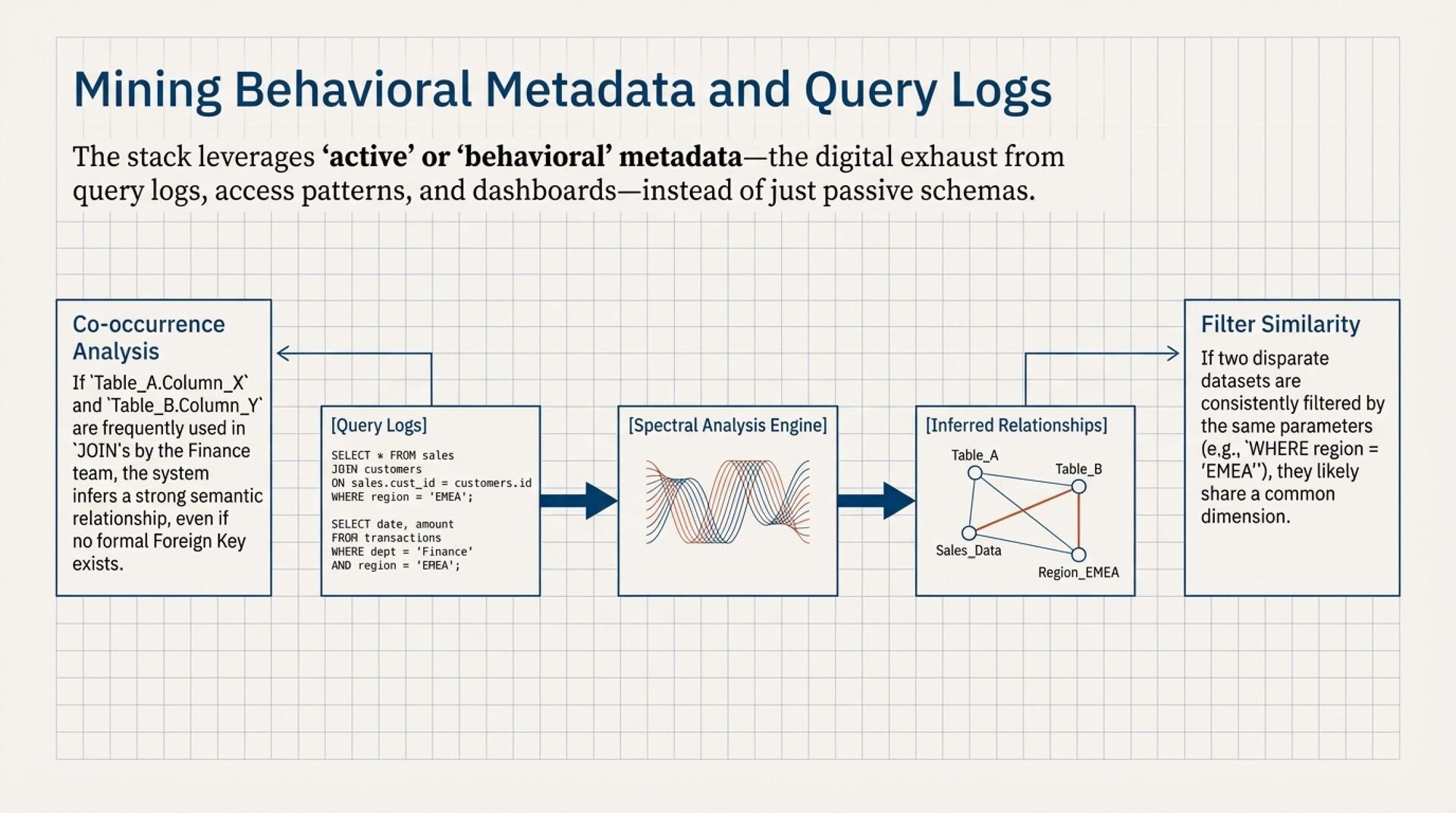
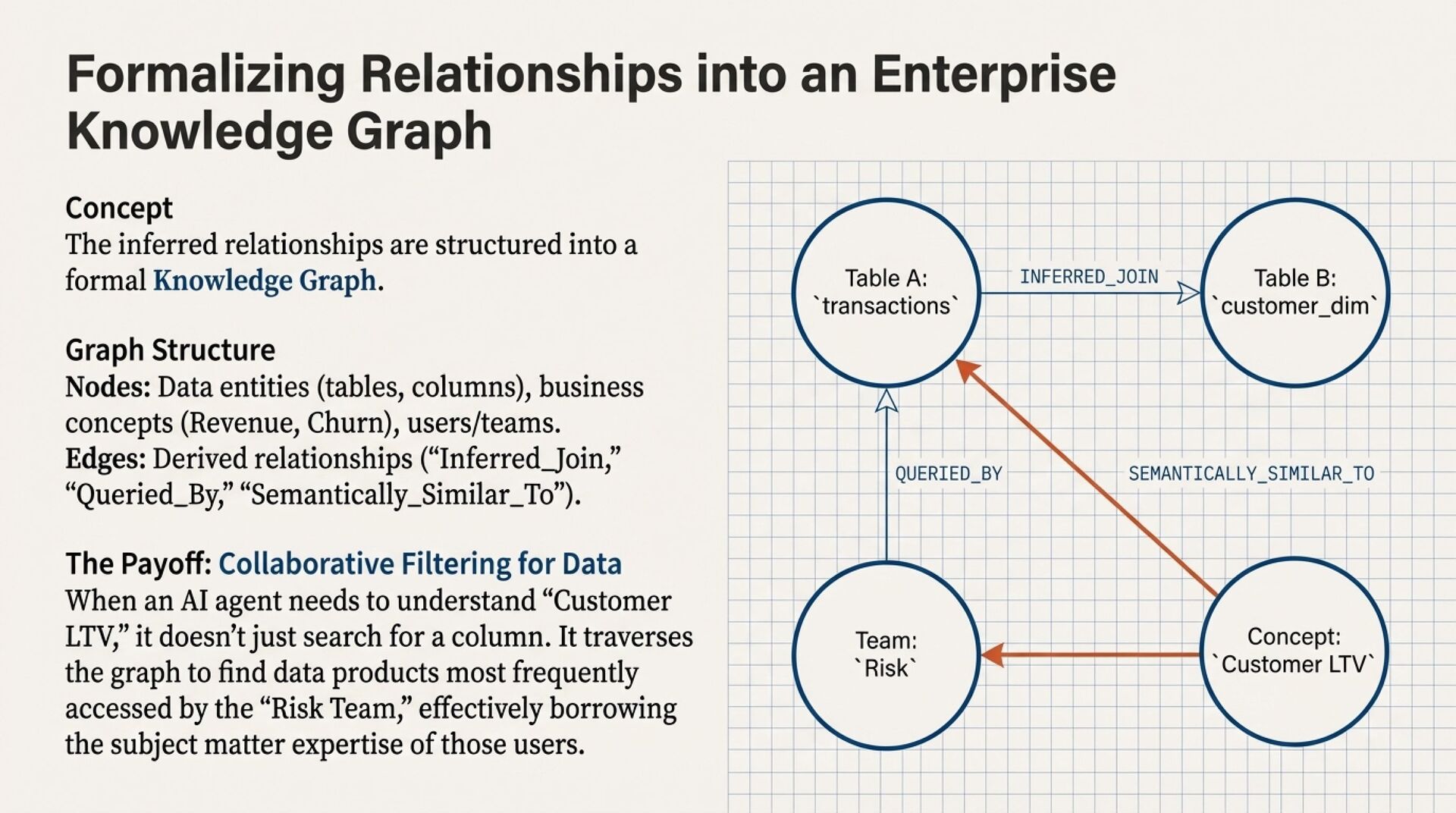
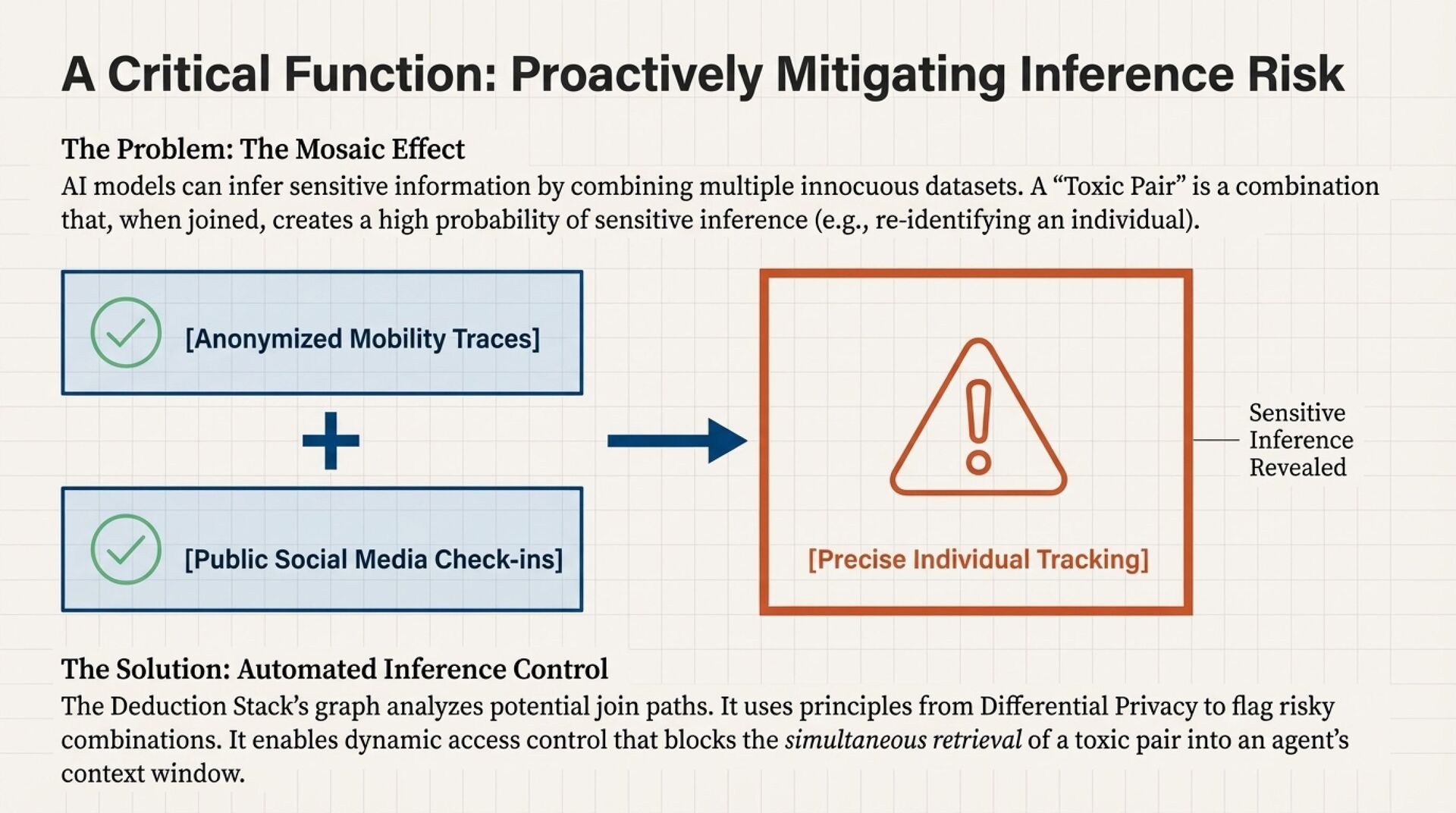
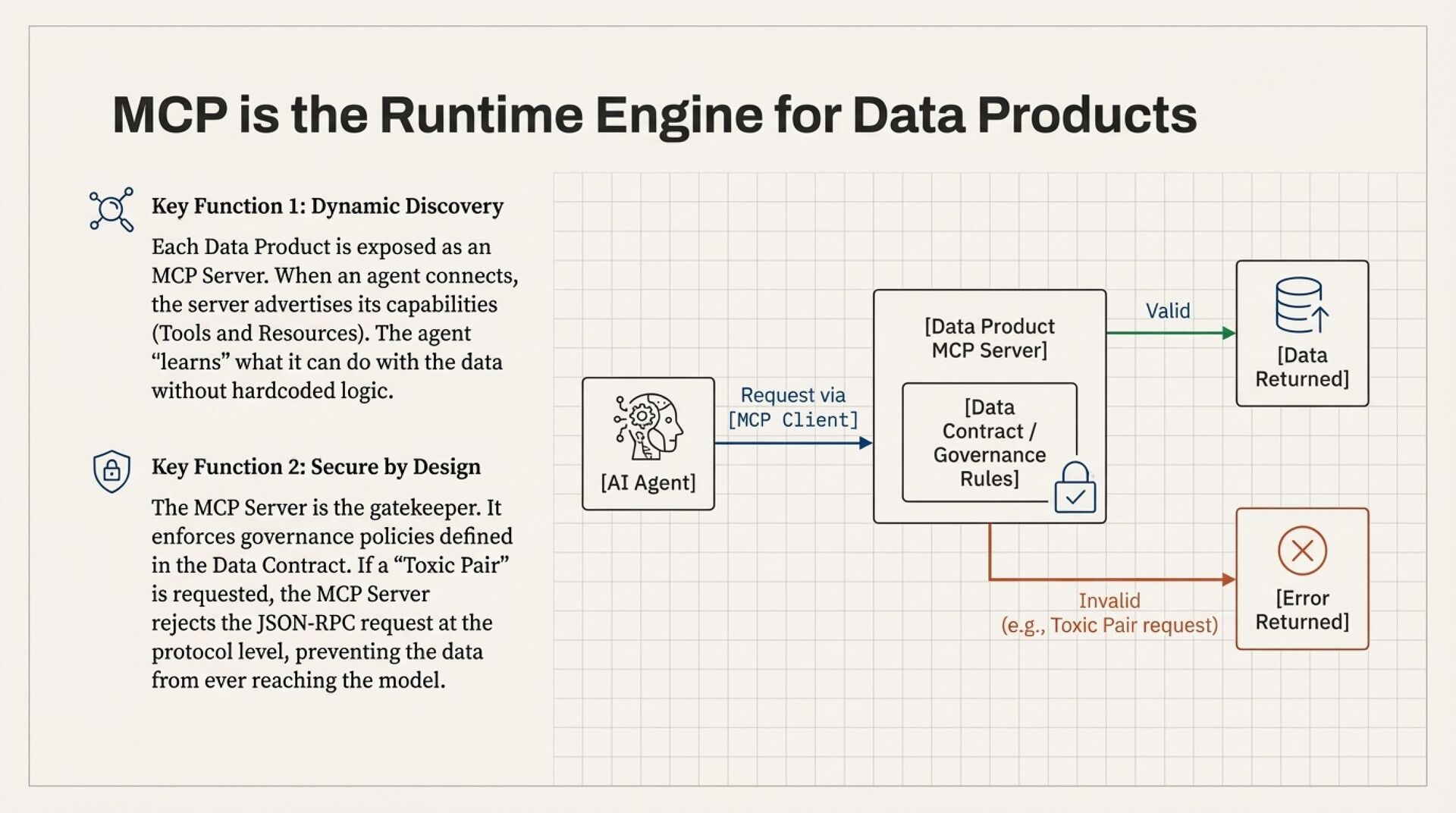
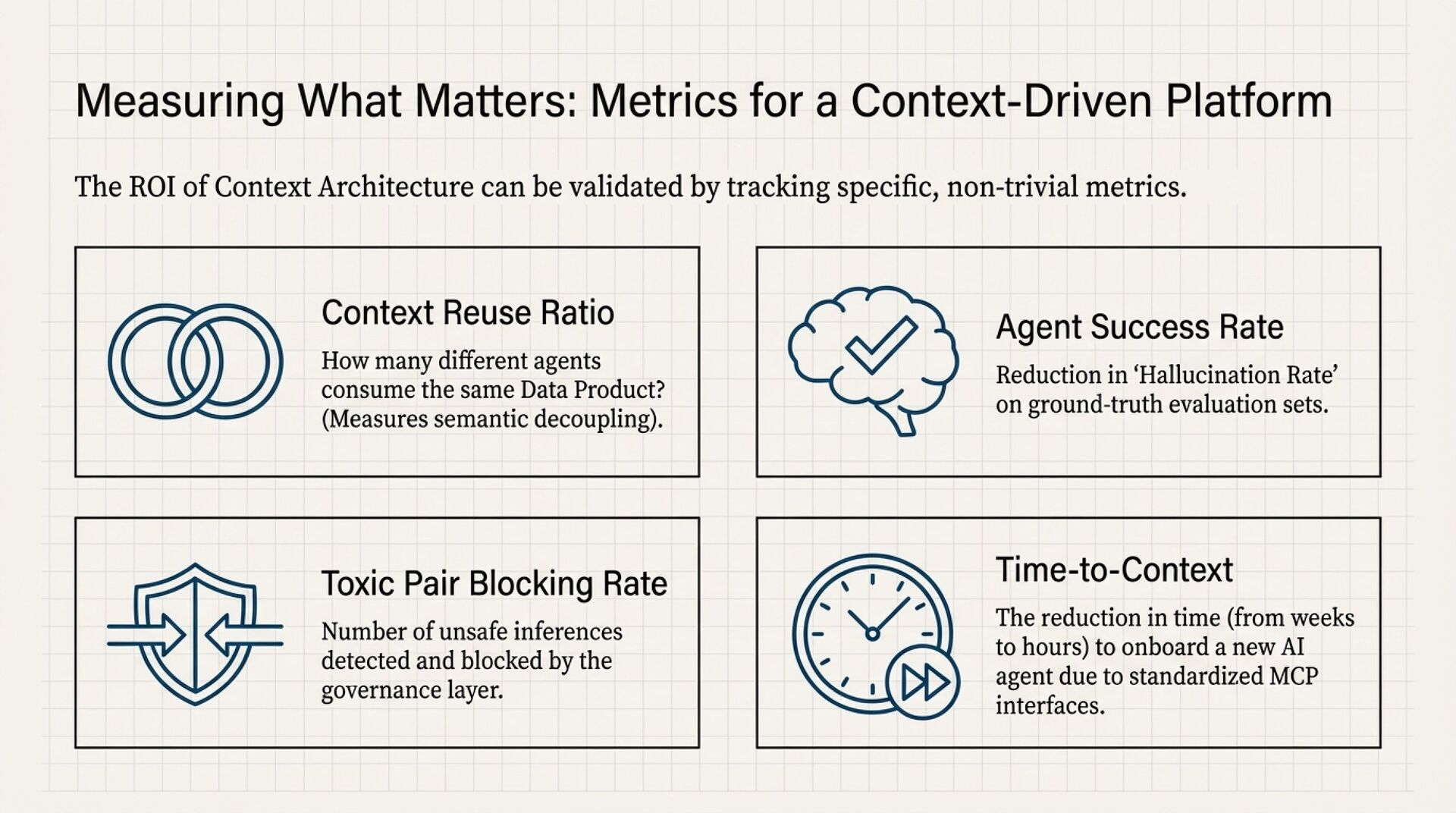
Deduction turns “usage into meaning.” It mines query logs, joins, filters, and behavioral metadata to infer real semantic relationships and build a living “usage graph” that can become an enterprise knowledge graph. Additionally, it becomes a privacy engine by detecting “toxic pairs,” combinations of otherwise safe datasets that enable sensitive inference, and blocking those combinations before they ever reach an AI context window.
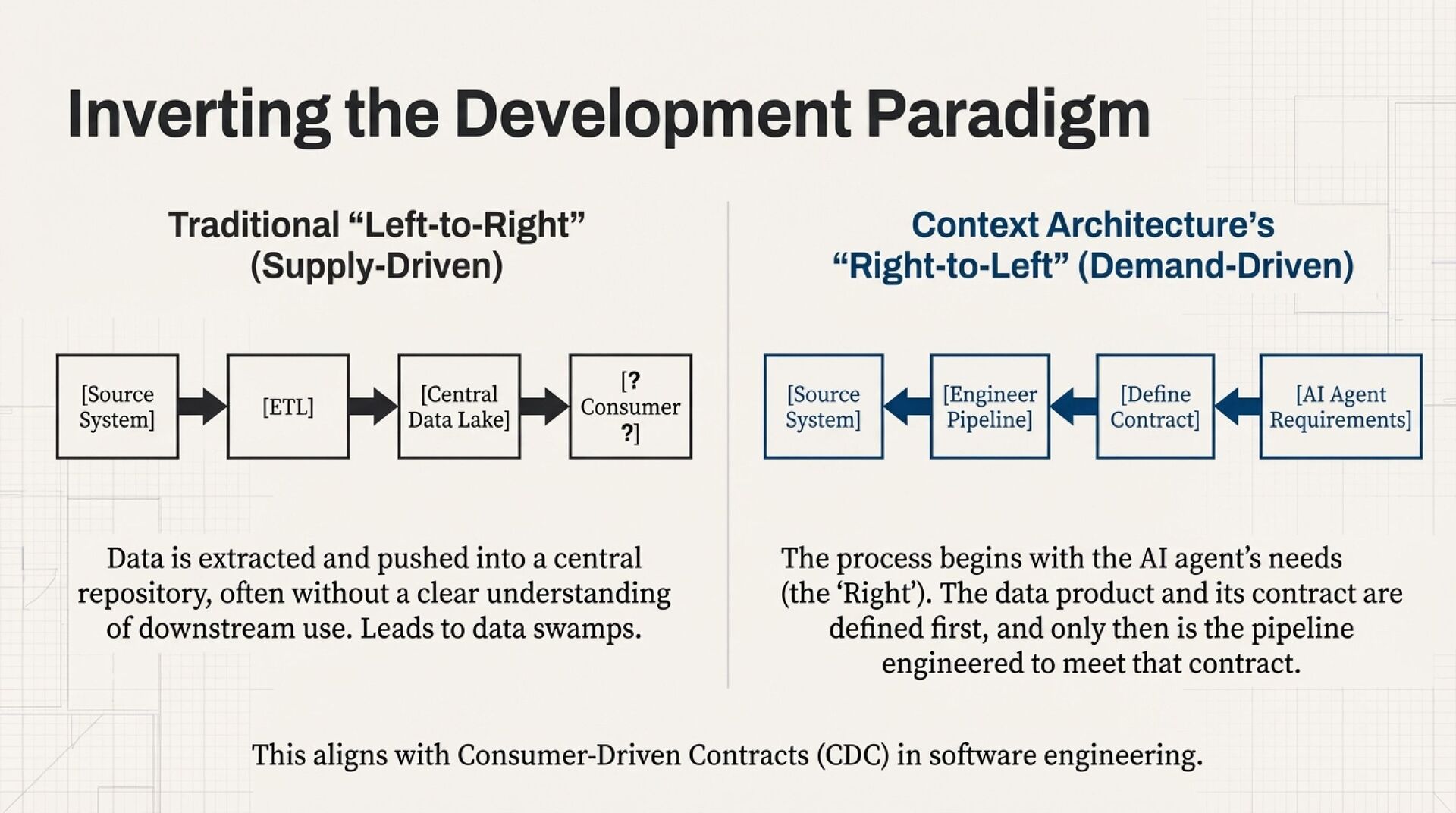
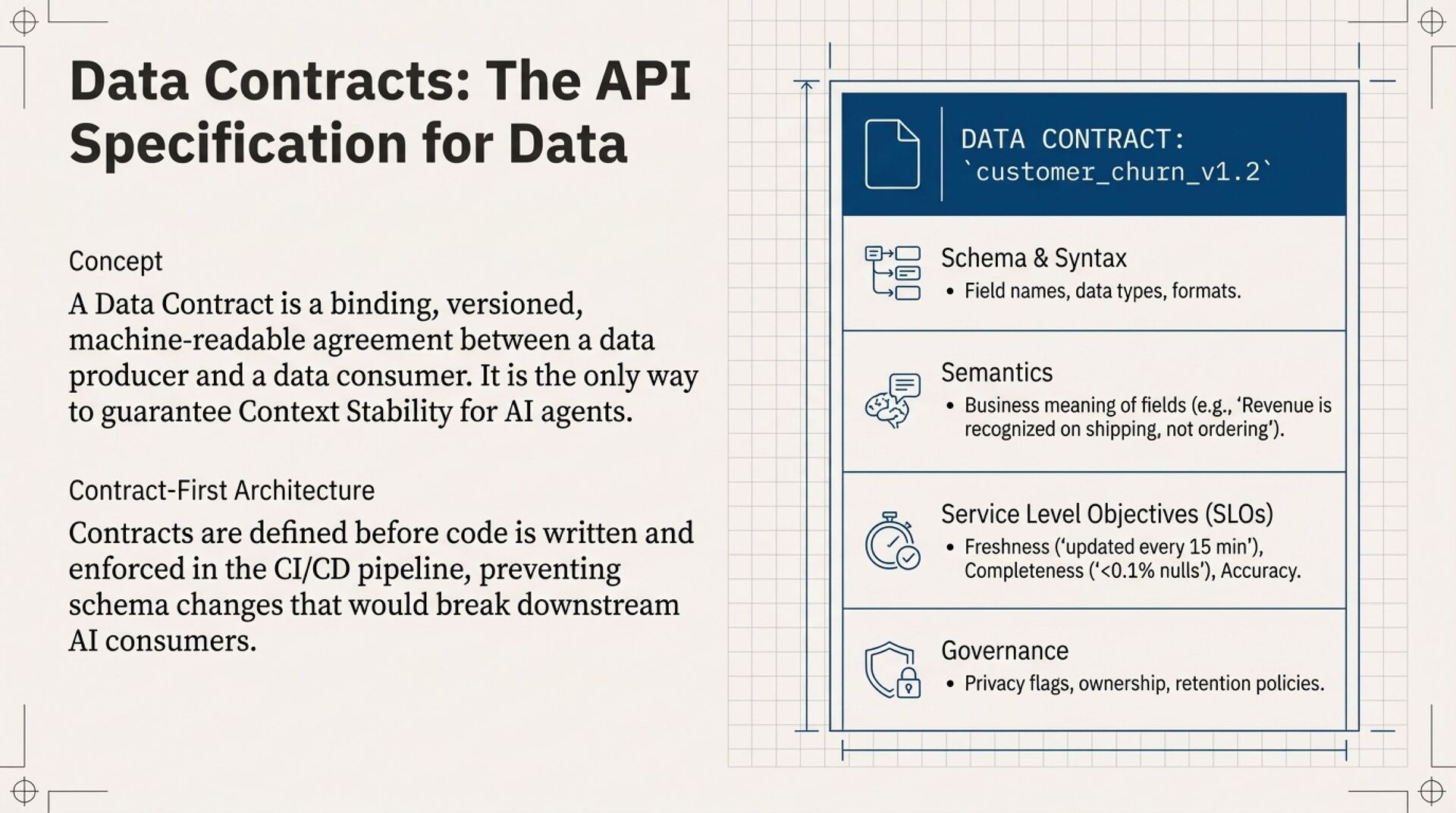
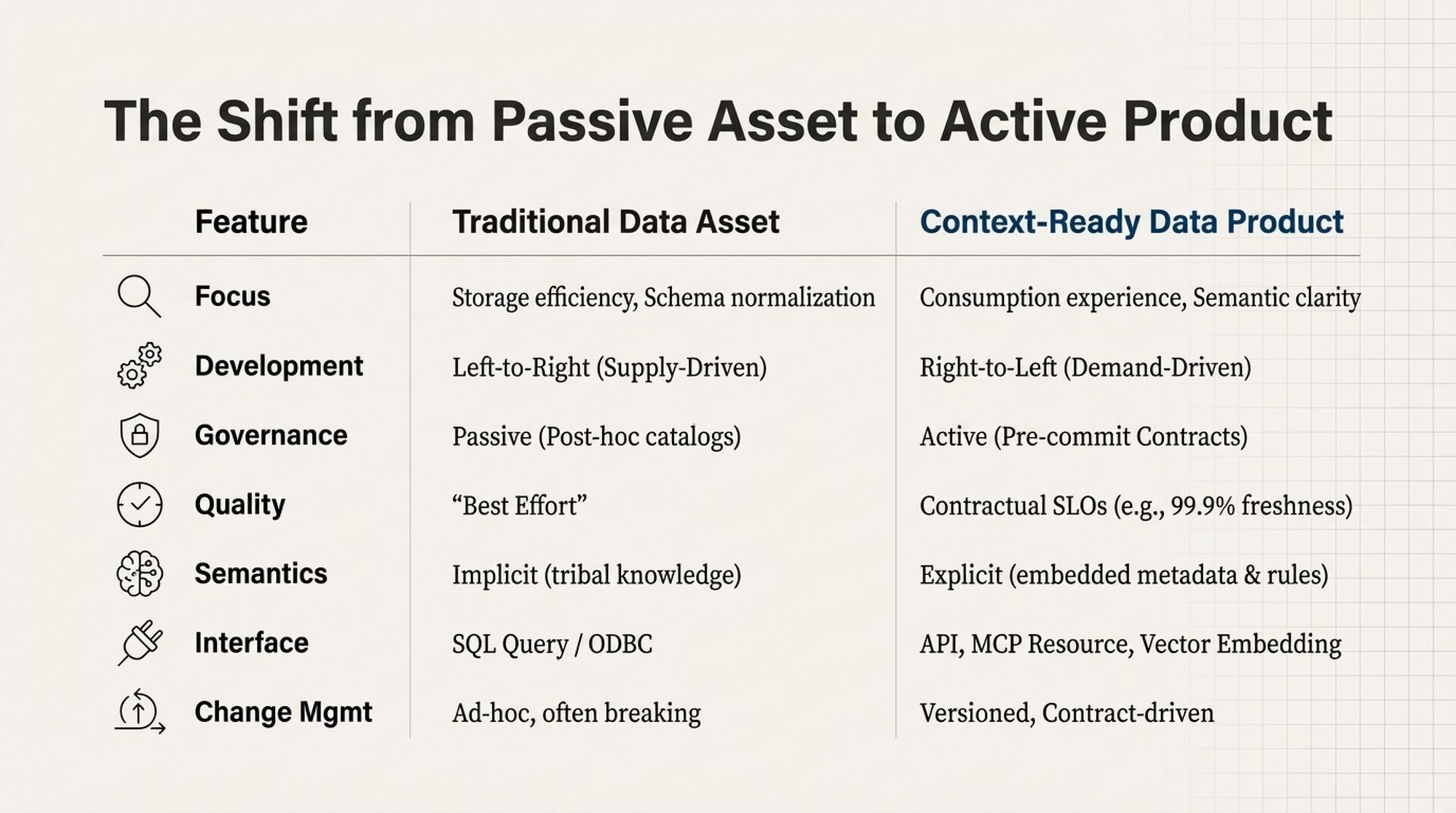
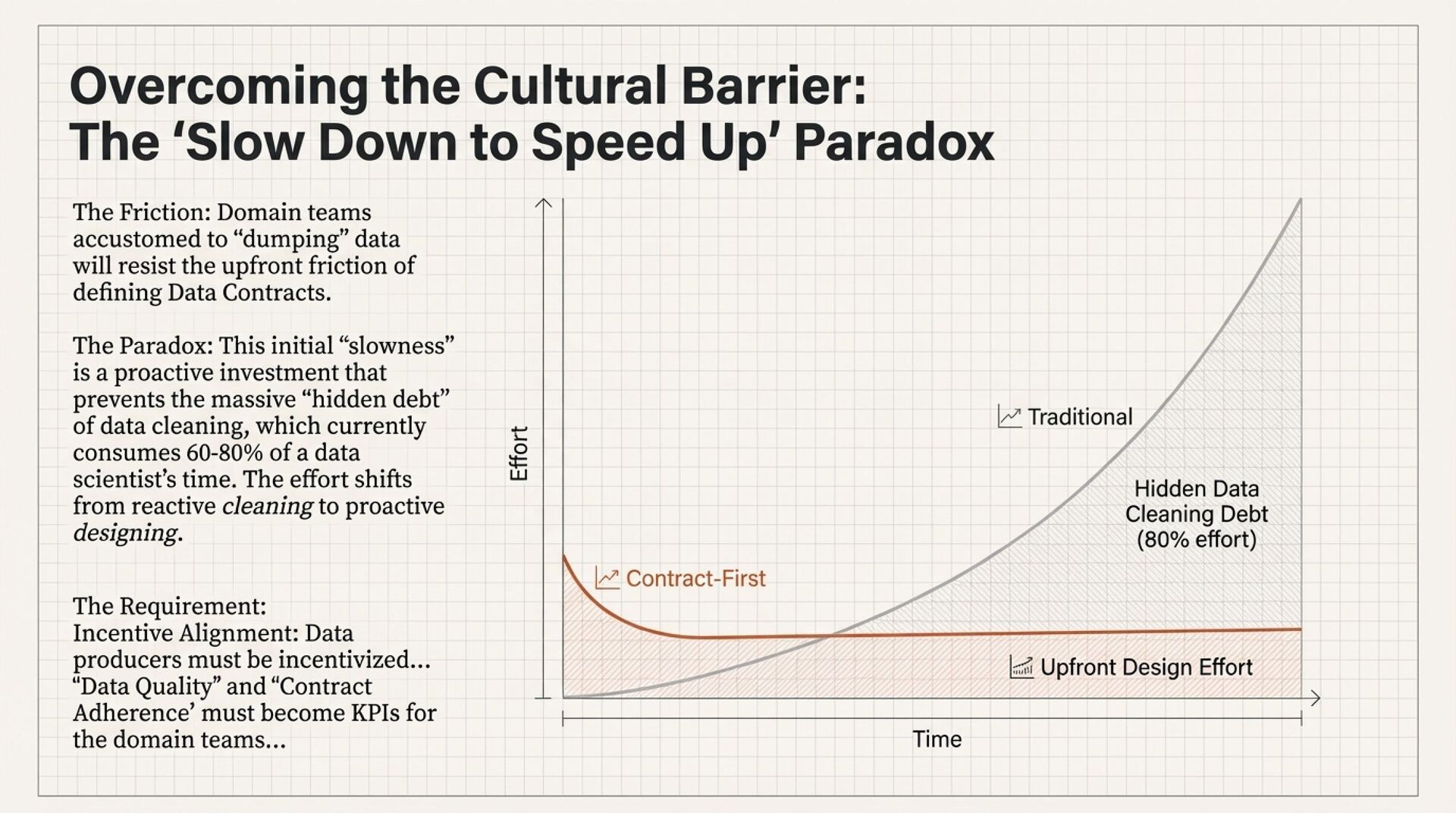
Productisation hardens context into reliable “data products.” It flips data engineering from left-to-right pipelines to right-to-left, consumer-driven design. You define the AI consumer’s needs first, then build backwards using contract-first data contracts with versioning, semantics, SLOs for freshness and quality, and CI/CD enforcement to prevent schema drift. Consequently, domain ownership becomes non-negotiable because only domains can supply durable meaning.
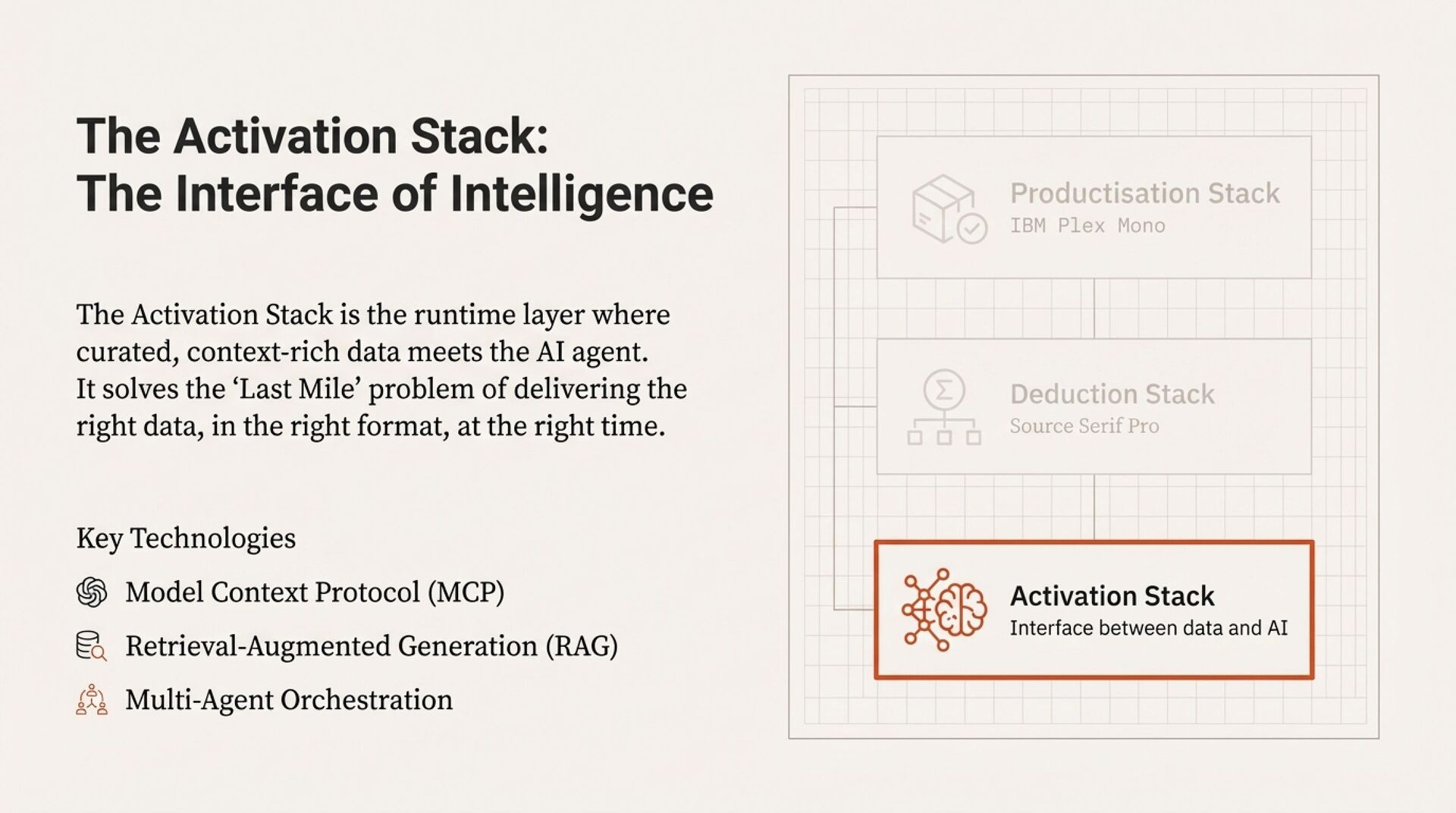
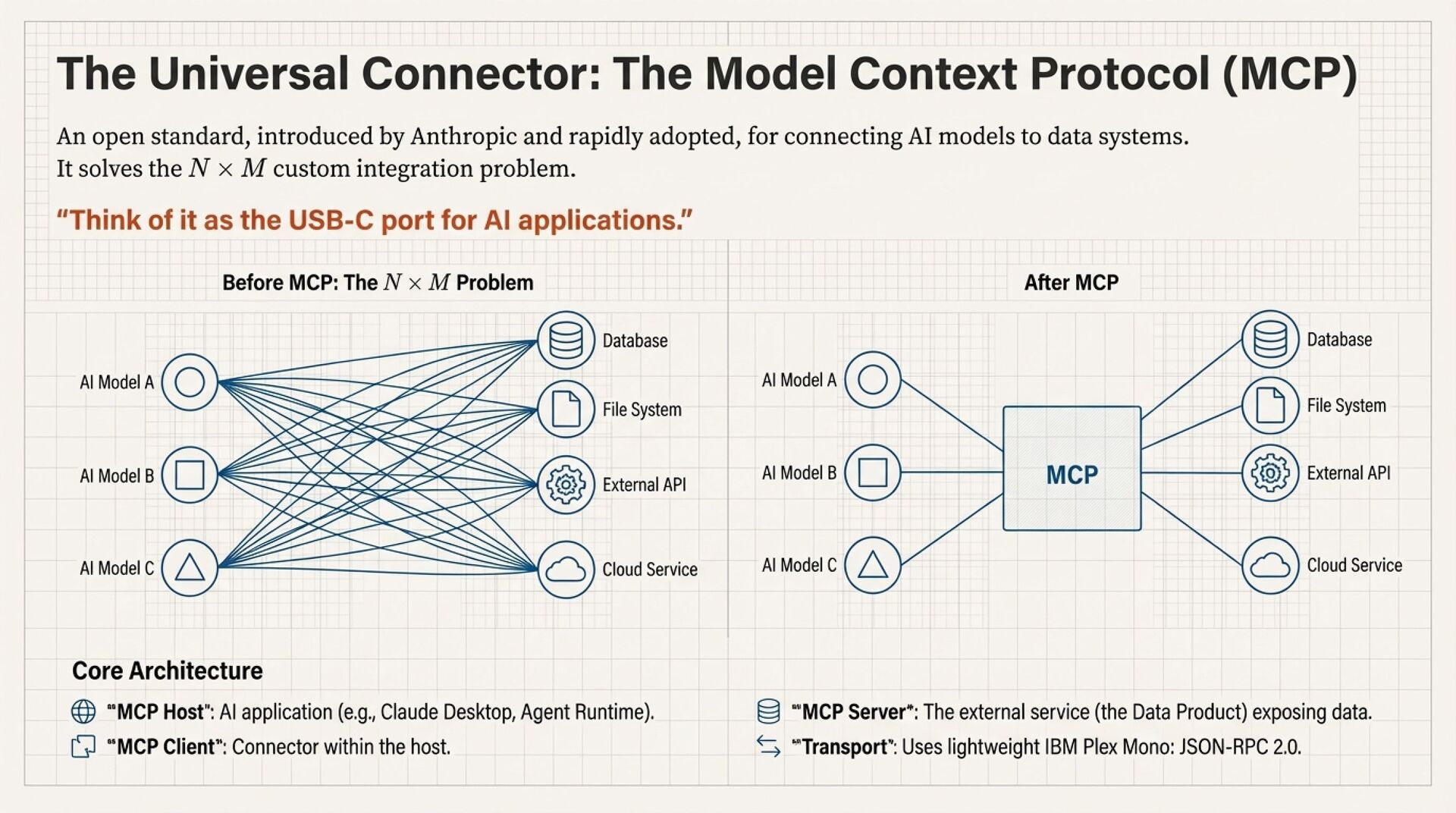
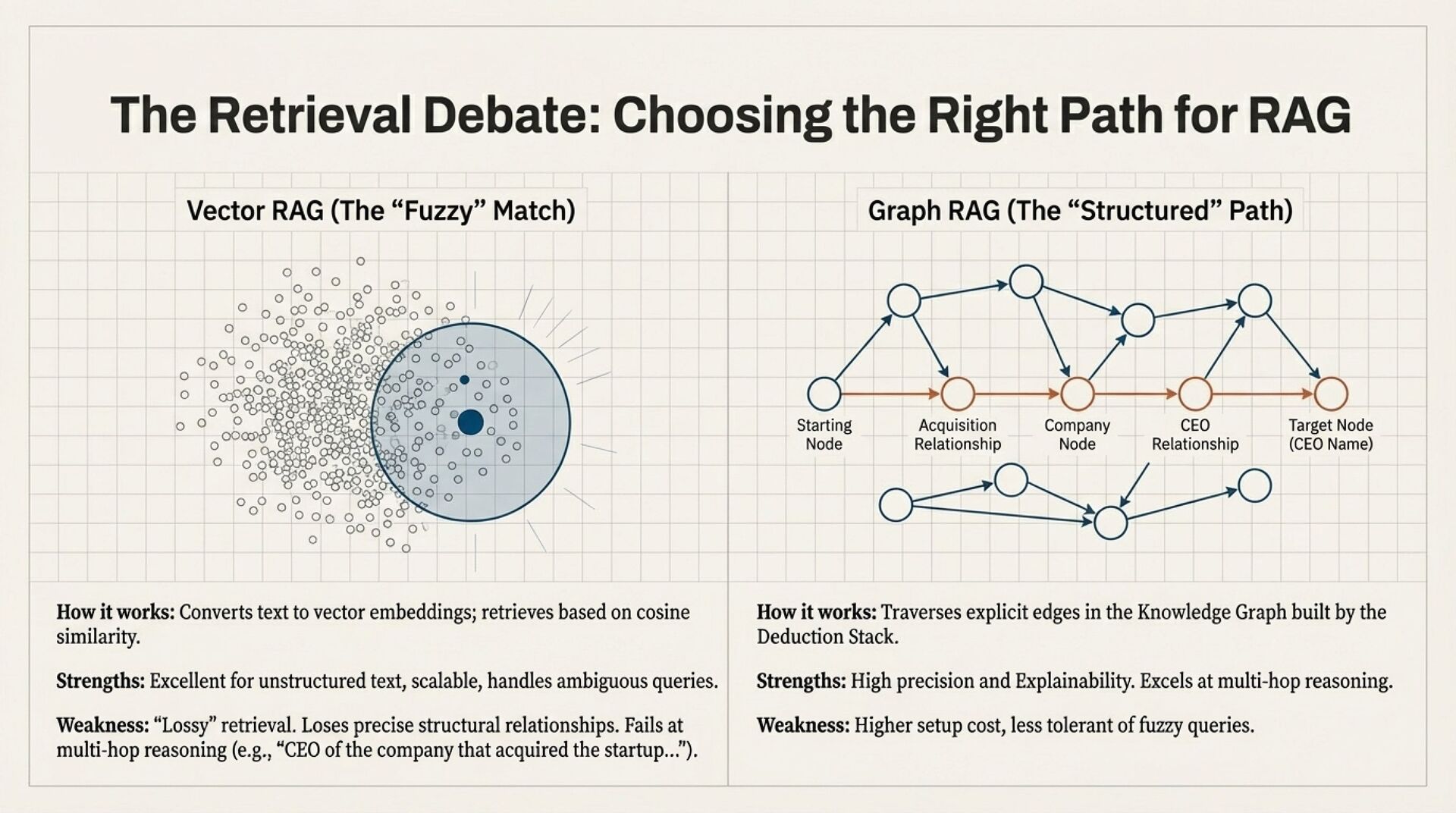
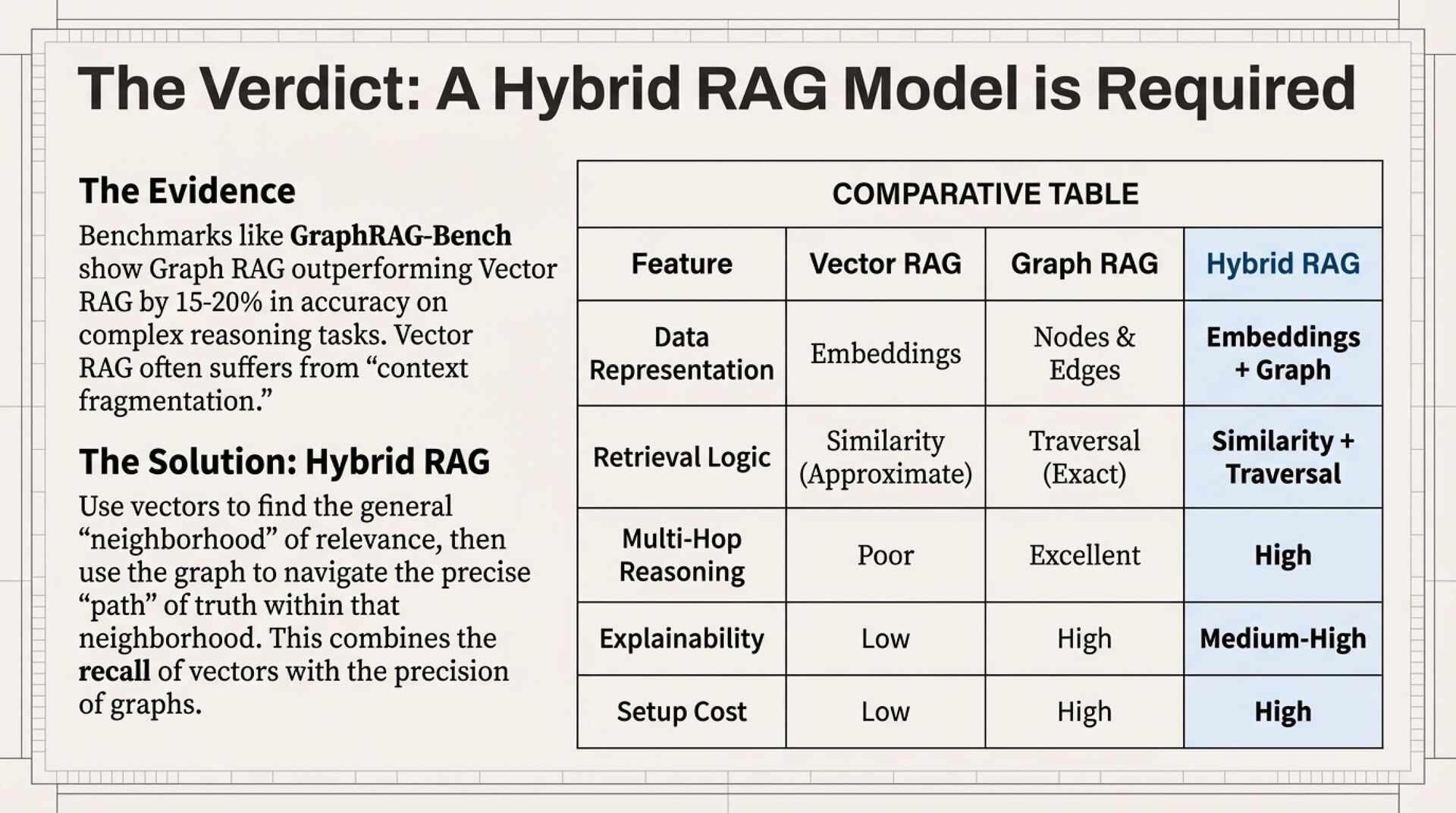
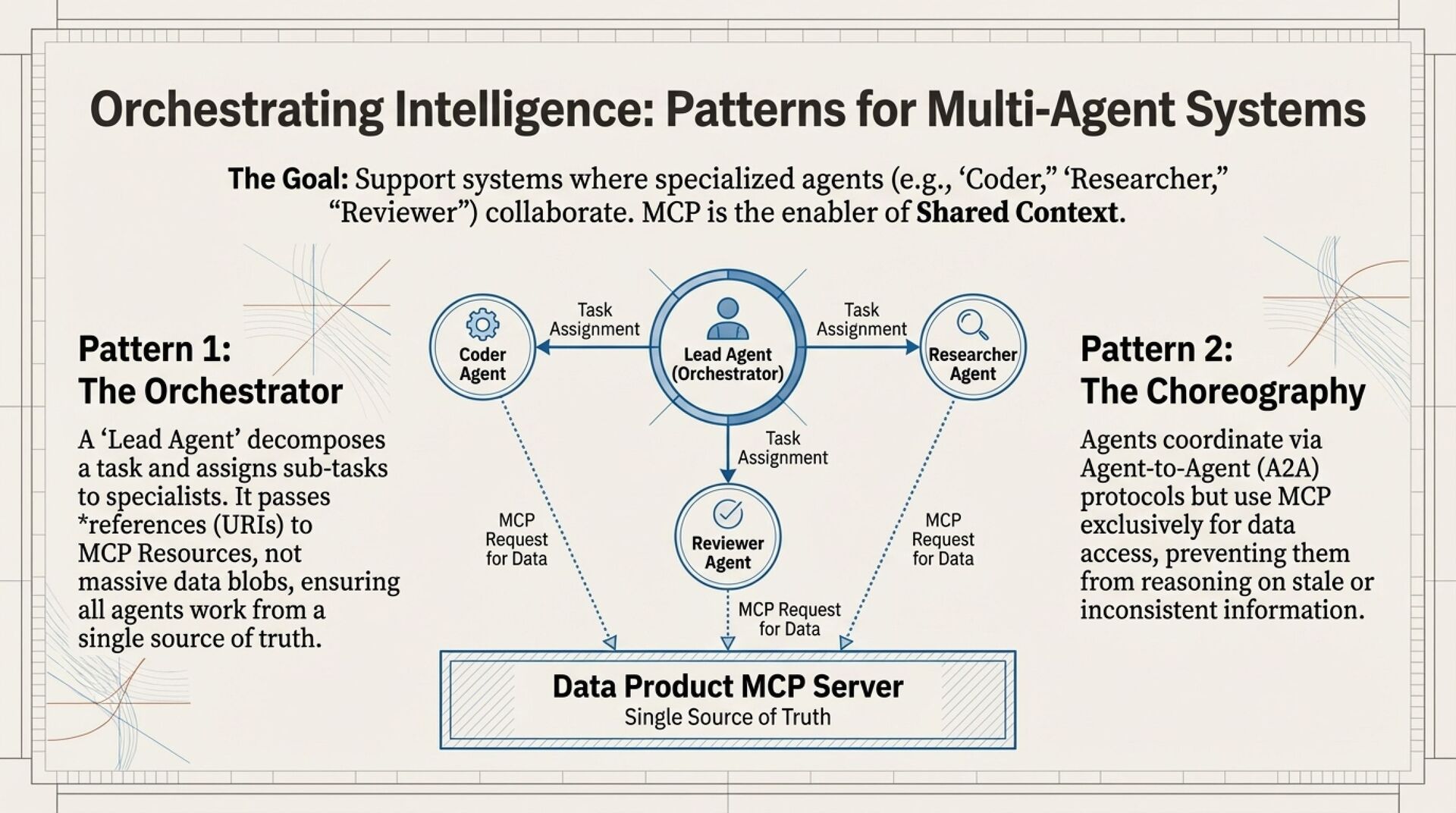
Activation delivers context at runtime. Data products expose standardized interfaces through MCP, plus retrieval via RAG. The article explains why vector retrieval scales and handles fuzzy matching, why graph retrieval wins for multi-hop reasoning and evidence paths, and why Hybrid RAG combines recall with precision. Moreover, MCP becomes the connective tissue for multi-agent orchestration, enabling agents to share references to governed resources instead of copying brittle text blobs.
The result is a re-platforming thesis. To operate in the agentic era, your data platform must stop behaving like a passive repository and start behaving like a context manager that can prove meaning, enforce policy, and deliver admissible inputs to AI systems.


 djimit123
 jyouryuusui
 nttcom
 terapyon
 iktakahiro
 taketakekaho
 keeg
keeg
 riyaamemiya
 camiha
 ezaki
ezaki
 satoshi7
 ymotongpoo
 akhino
 malarkey
 twada
twada
 bkeepers
 ipullrank
 reverentgeek
 jlugia
 deanohume
 katiecoart
 pauljervisheath
 palkan
 skoyamalab