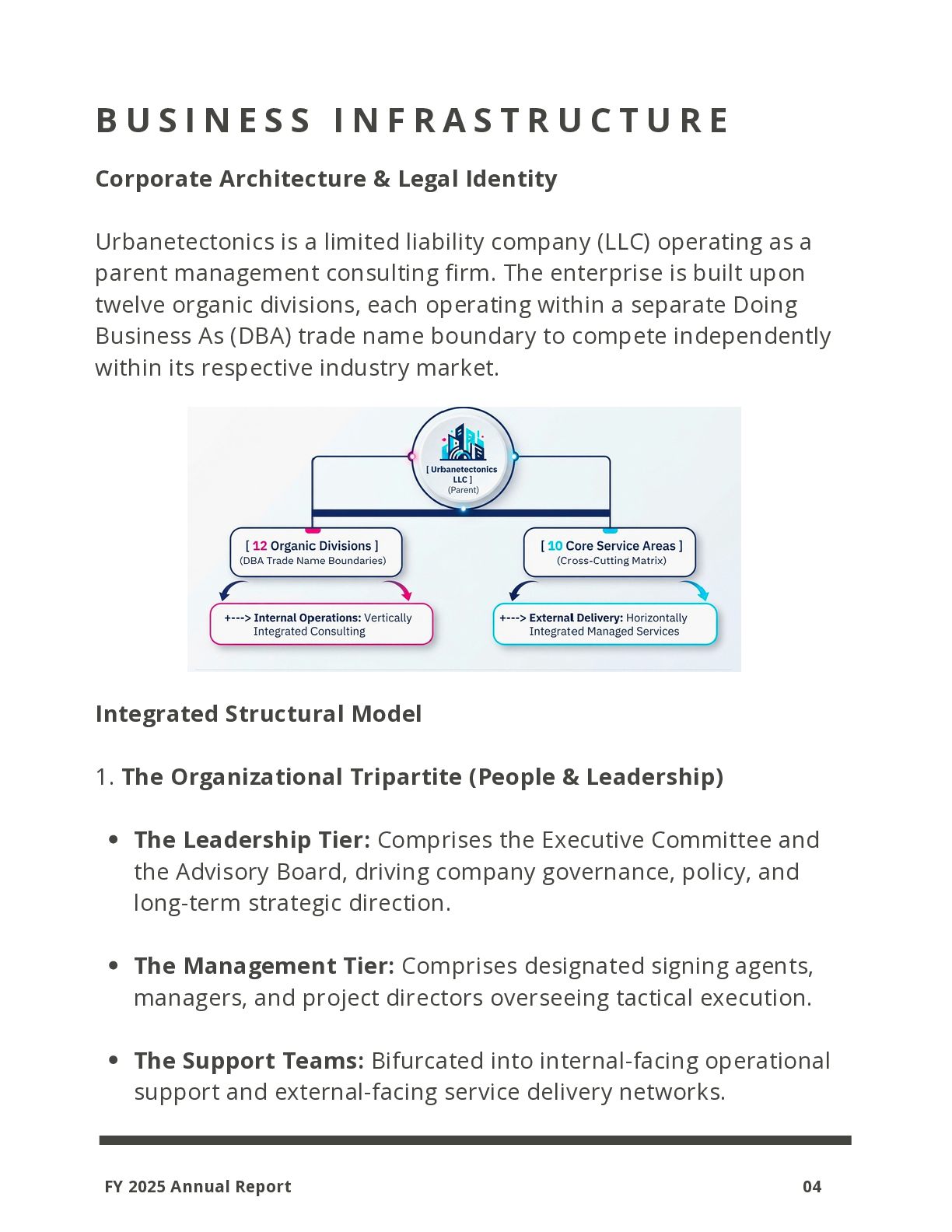
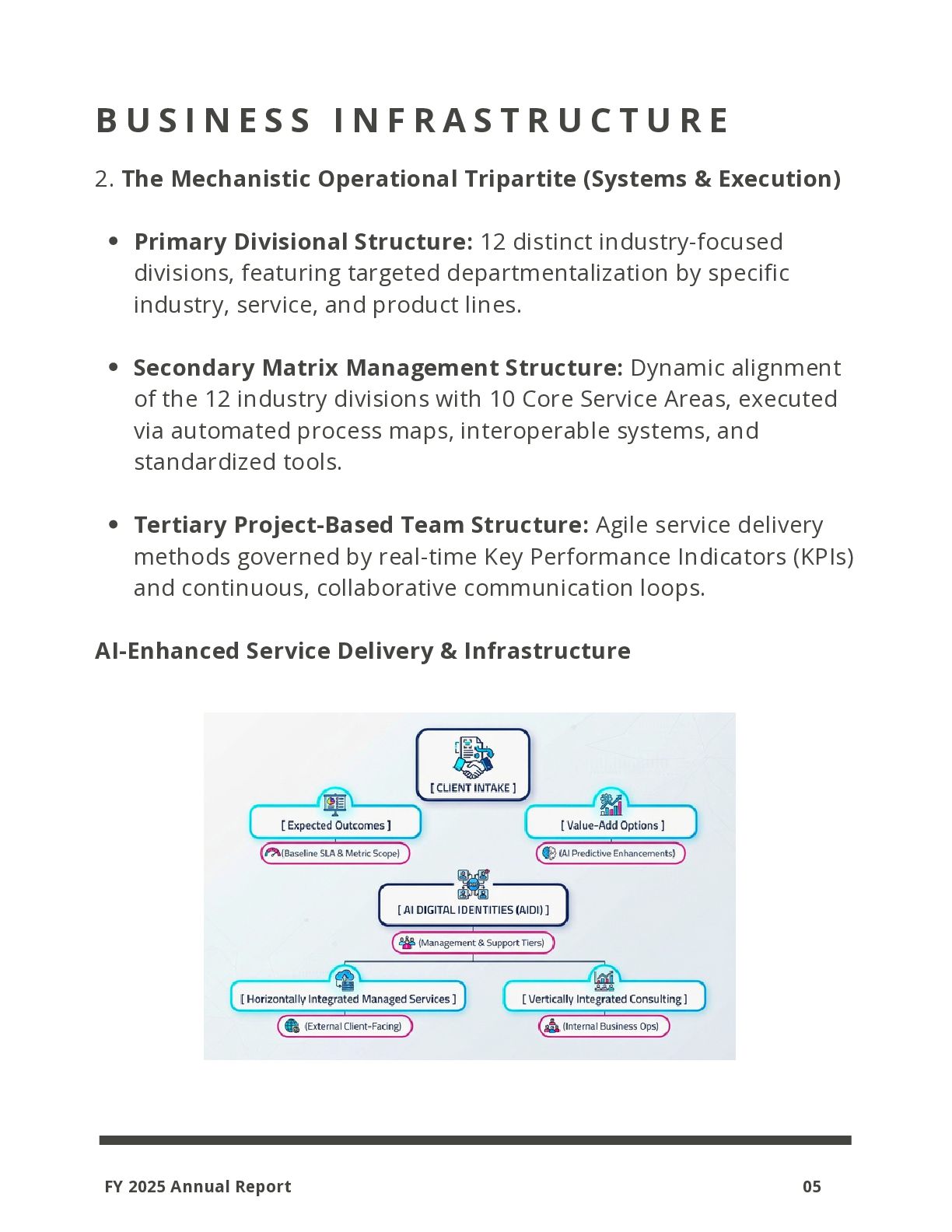
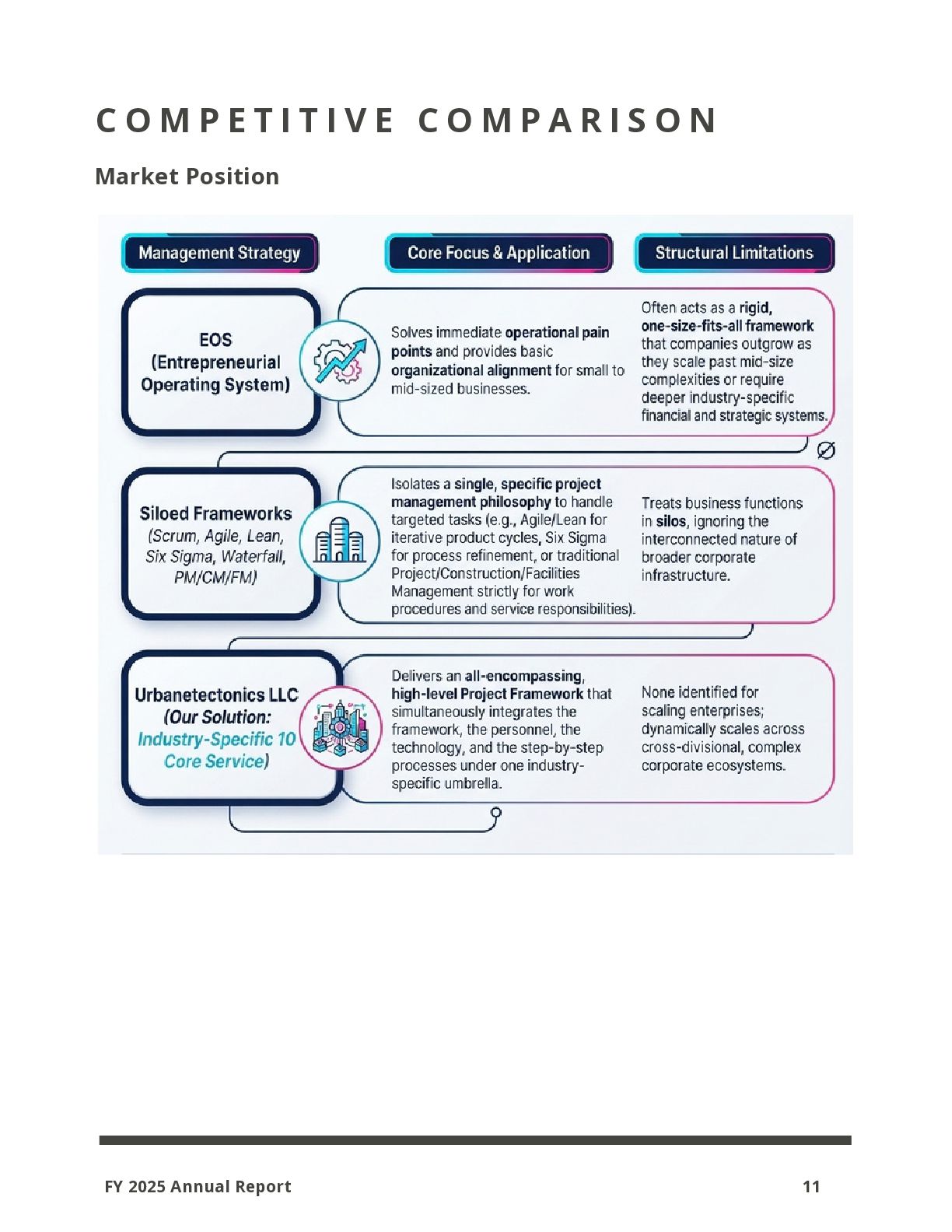
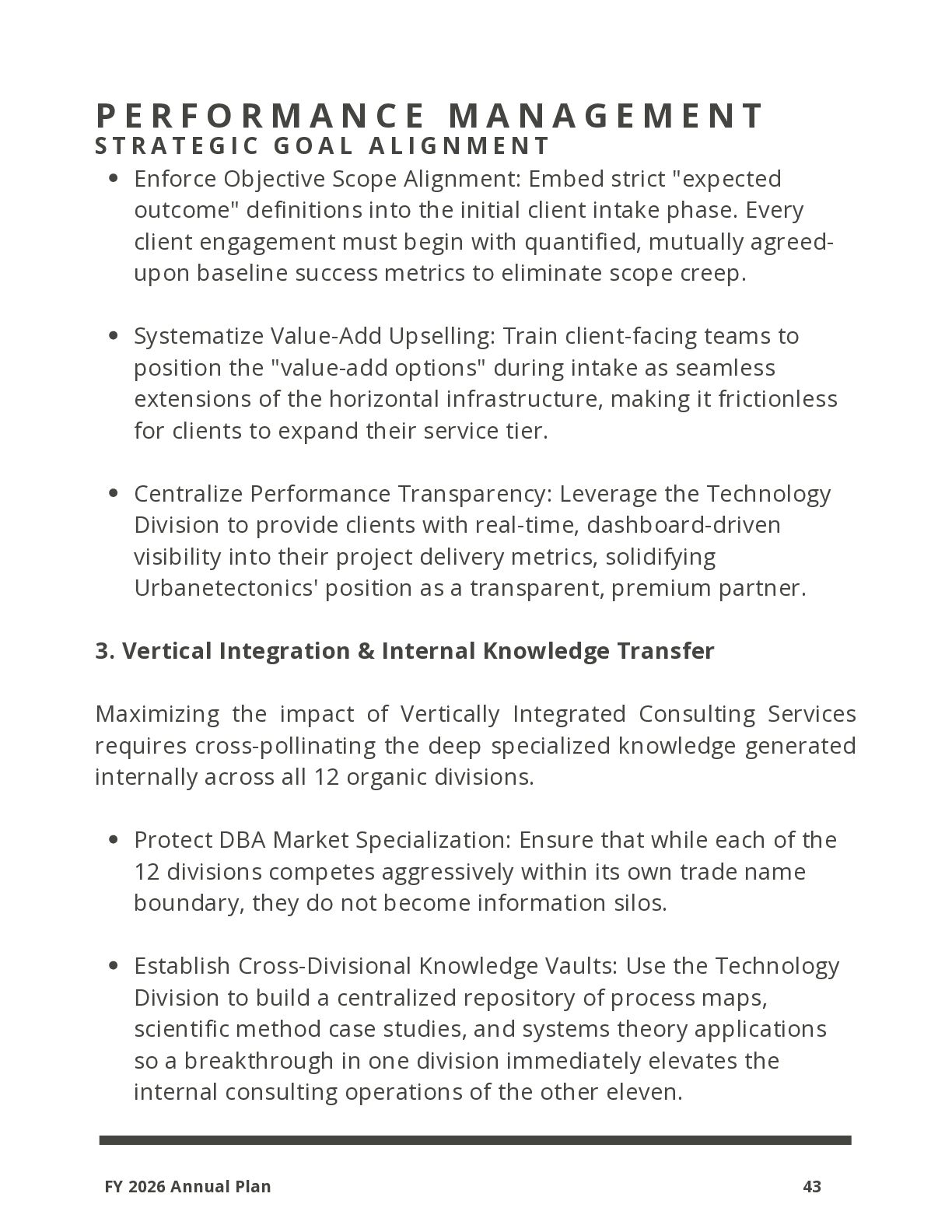
of 12 industry-specific managed service divisions and 10 Core consulting service areas. Unlike siloed alternatives, the Urbanetectonics industrial matrix simultaneously maps, manages, and optimizes operations across twelve distinct sector-specific divisions: 1. Consultant Management: Advisory integration, specialized subcontract architecture, and professional network deployment. 2. Design Management: Spatial strategy, computational architectural systems, and aesthetic-functional synthesis. 3. Construction Management: Ground-up delivery mechanics, field asset orchestration, and structural execution. 4. Facilities Management: Post-occupancy operational maintenance, corporate asset care, and physical plant optimization. 5. Hospitality Management: Guest experience frameworks, hightraffic service mechanics, and leisure asset administration. 6. Multimedia Management: Digital-physical content networks, omnichannel broadcast setups, and interactive brand real estate. 7. Transportation Management: Logistical corridors, transit node scaling, and mobility infrastructure coordination. 8. Technology Management: Digital ecosystem governance, data center architecture, and hardware-software hardware loops. 9. Education Management: Academic campus planning, learning environment ecosystems, and institutional facility scaling. 10. Business Management: Corporate operational frameworks, executive workspace portfolios, and cross-border commercial footprints. 11. Health Tech Management: Regulated life-science environments, clinical technology layouts, and bio-medical spaces. 12. Product Management: Industrial product lifecycle physical lines, physical prototype R&D facilities, and supply integration. FY 2025 Annual Report 13


 yasslab
 synergymarketing
 uemura2024
 thomaspeham
 so_kotani
 ggfs
 takeuchigroup
 daiksy
 mercari_inc
 neuroenergia
 stanby_inc
 geoffreycrofte
 sabderemane
 jonrohan
 lauravandoore
 mongodb
 chikuwait
 michielstock
 honzajavorek
 mraible
 mclloyd
 helenjbeal
 cassininazir