Upgrade to Pro — share decks privately, control downloads, hide ads and more …

How to Interview a Data Scientist

How to Interview a Data Scientist

This O'Reilly Strata 2013 presentation discusses effective strategies for interviewing data scientists, emphasizing the importance of realistic interview practices, avoiding tricky questions, and making definitive hiring decisions. It advocates for evaluating candidates through collaborative tasks, reviewing prior work, and employing simple coding tests to ensure alignment with job requirements. Key principles include maintaining authenticity in interviews, avoiding complexity that might confuse candidates, and being decisive in hiring outcomes to prevent bad hires.

Avatar for Daniel Tunkelang

Daniel Tunkelang

May 24, 2026

More Decks by Daniel Tunkelang

Other Decks in Technology

Transcript

  1. Recruiting Solutions Recruiting Solutions Recruiting Solutions How to Interview a

    Data Scientist Daniel Tunkelang Director of Data Science, LinkedIn Daniel 1
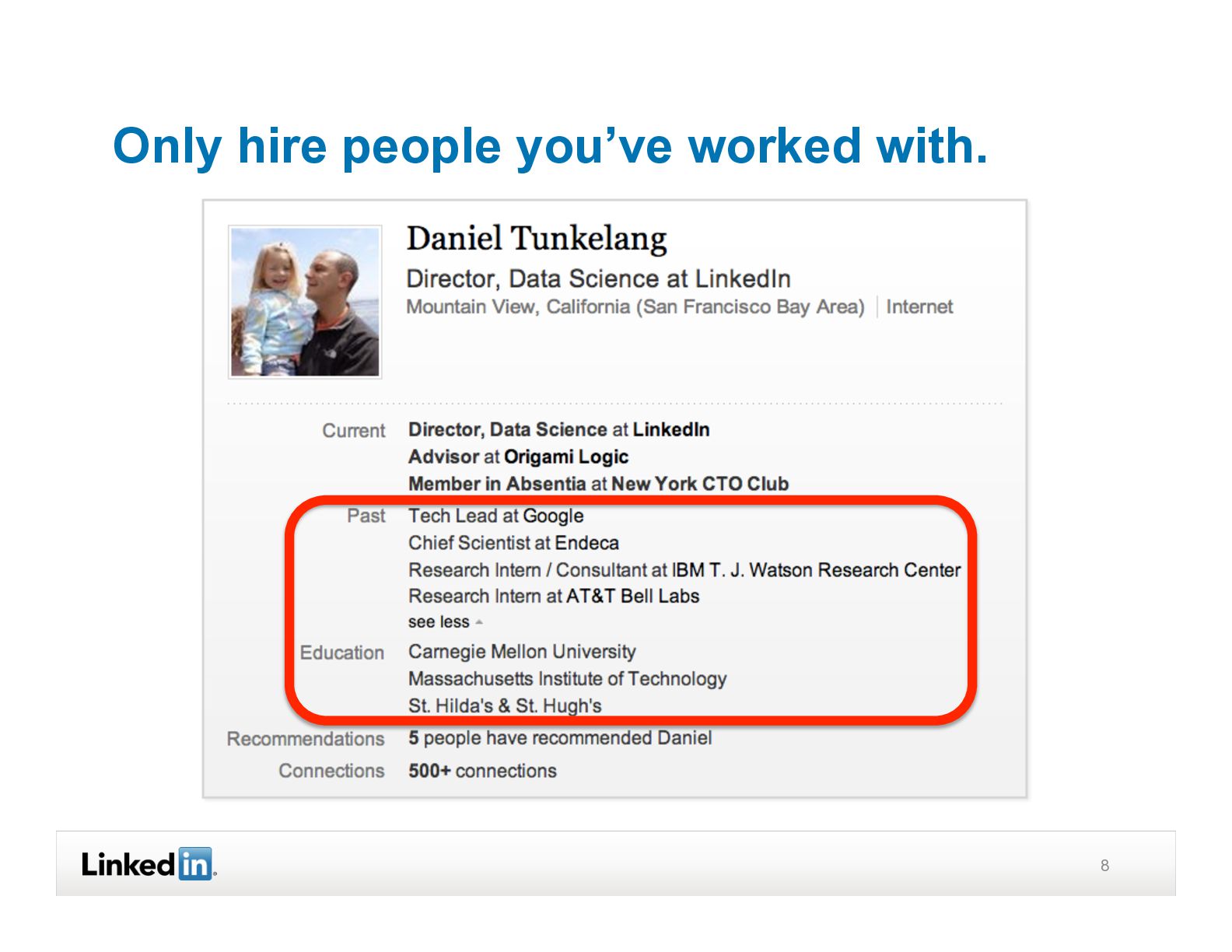
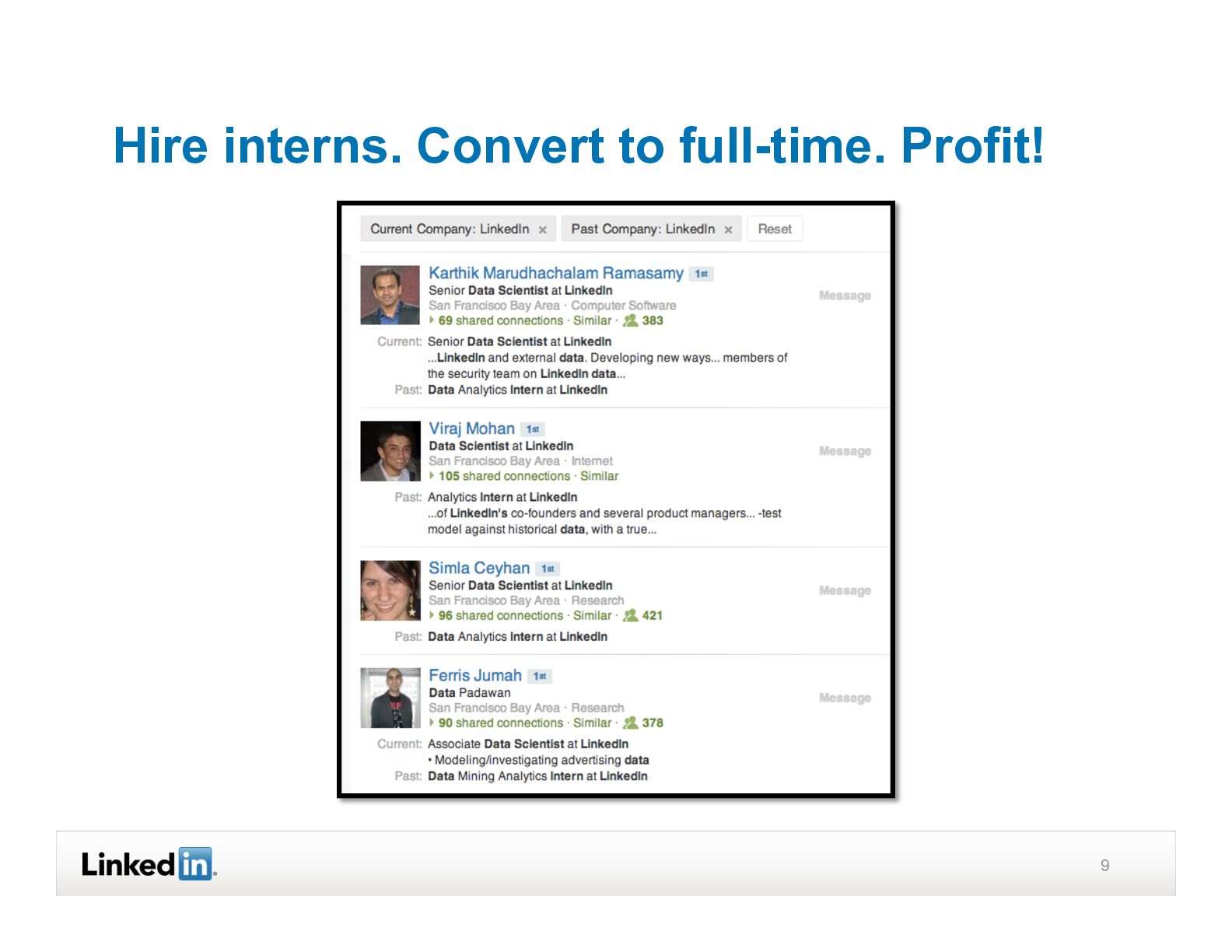
  2. Alternatives are at best a partial solution. §  Only hiring

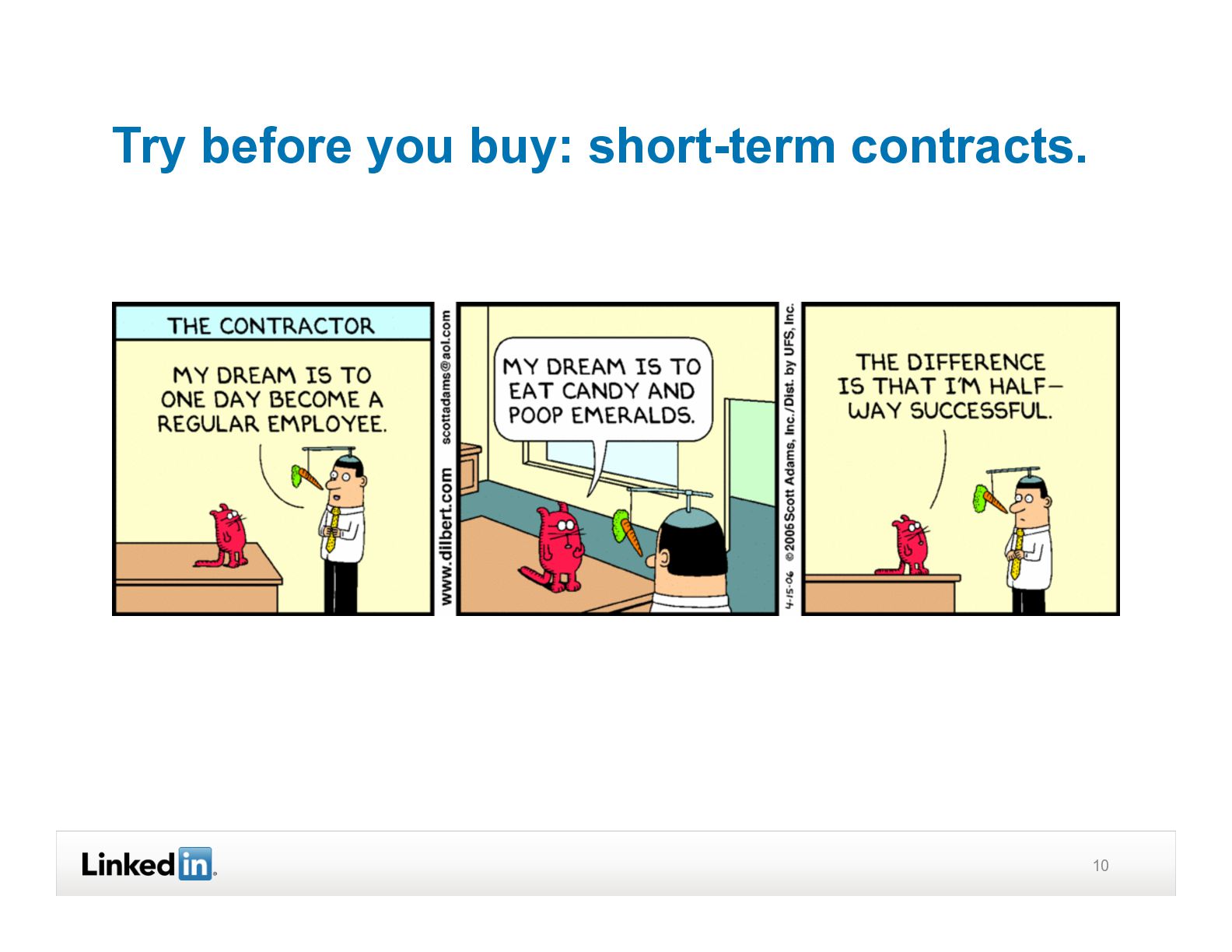
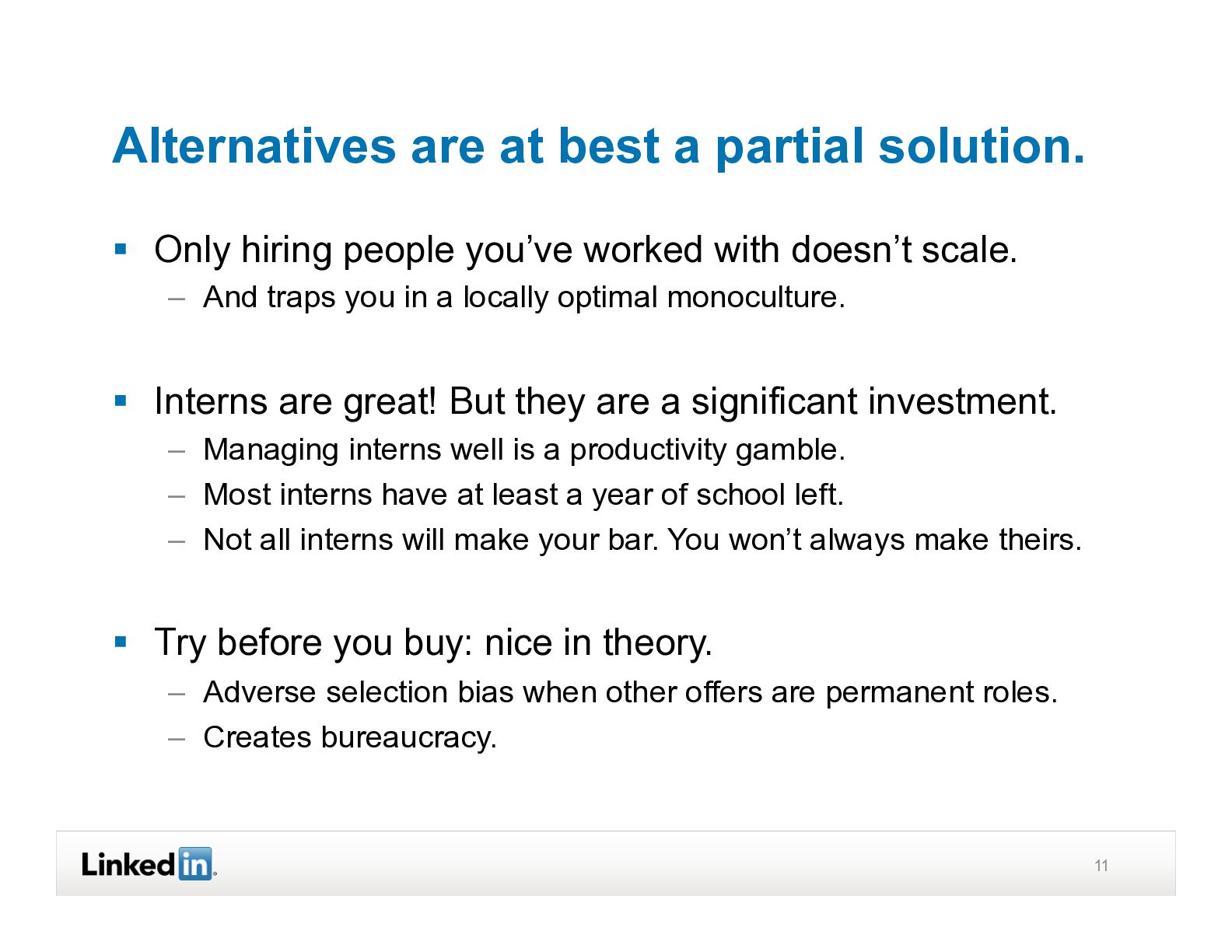
    people you’ve worked with doesn’t scale. –  And traps you in a locally optimal monoculture. §  Interns are great! But they are a significant investment. –  Managing interns well is a productivity gamble. –  Most interns have at least a year of school left. –  Not all interns will make your bar. You won’t always make theirs. §  Try before you buy: nice in theory. –  Adverse selection bias when other offers are permanent roles. –  Creates bureaucracy. 11
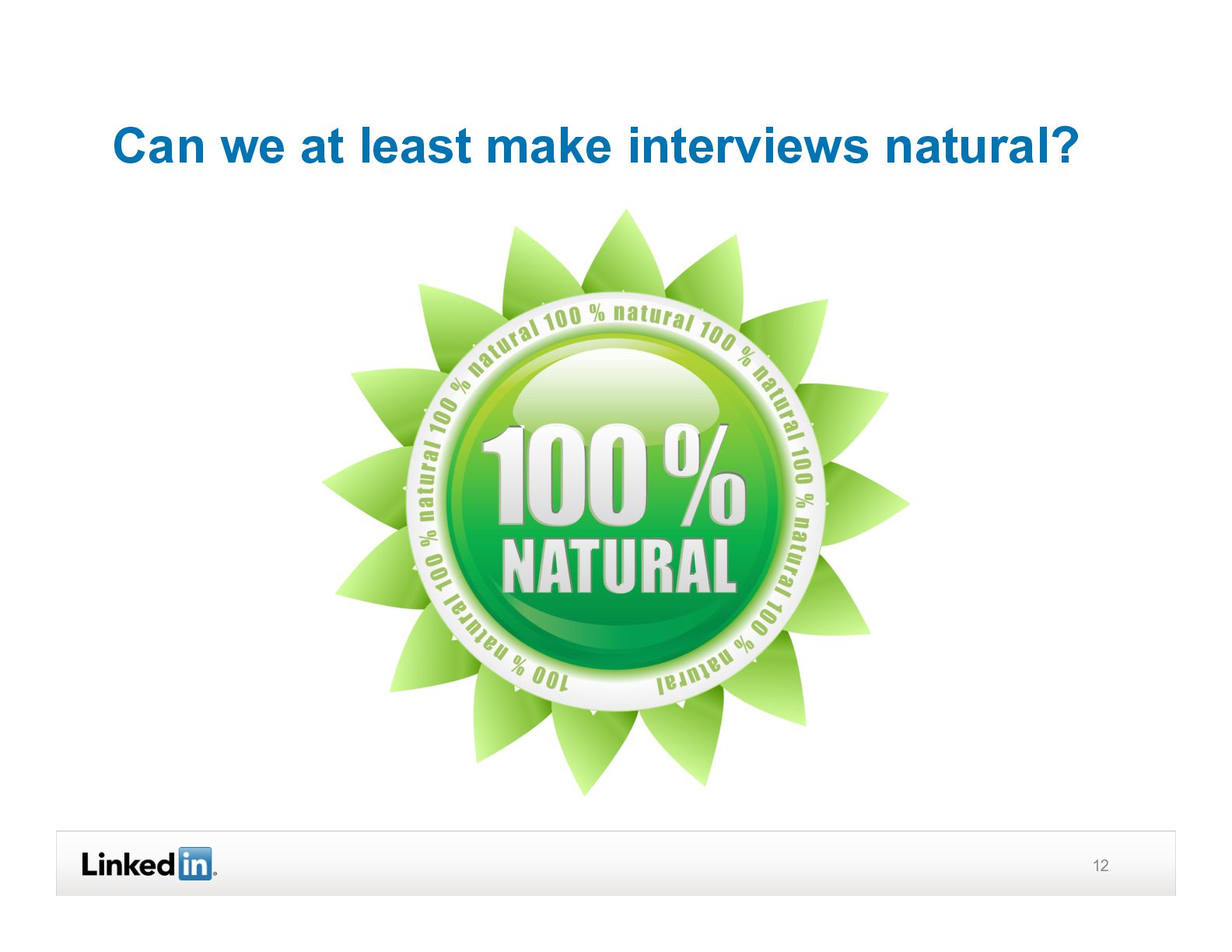
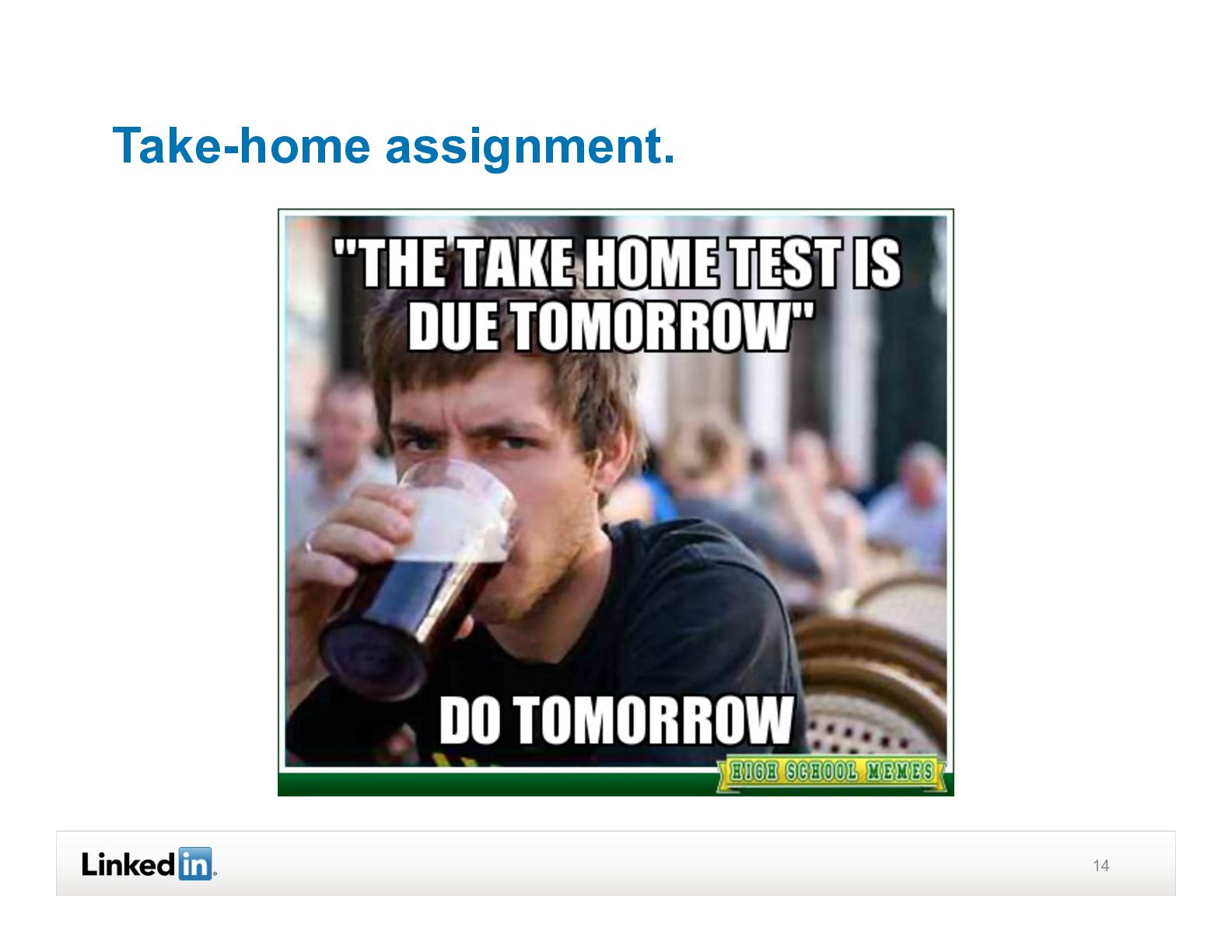
  3. High-fructose corn syrup is 100% natural. §  Working sessions are

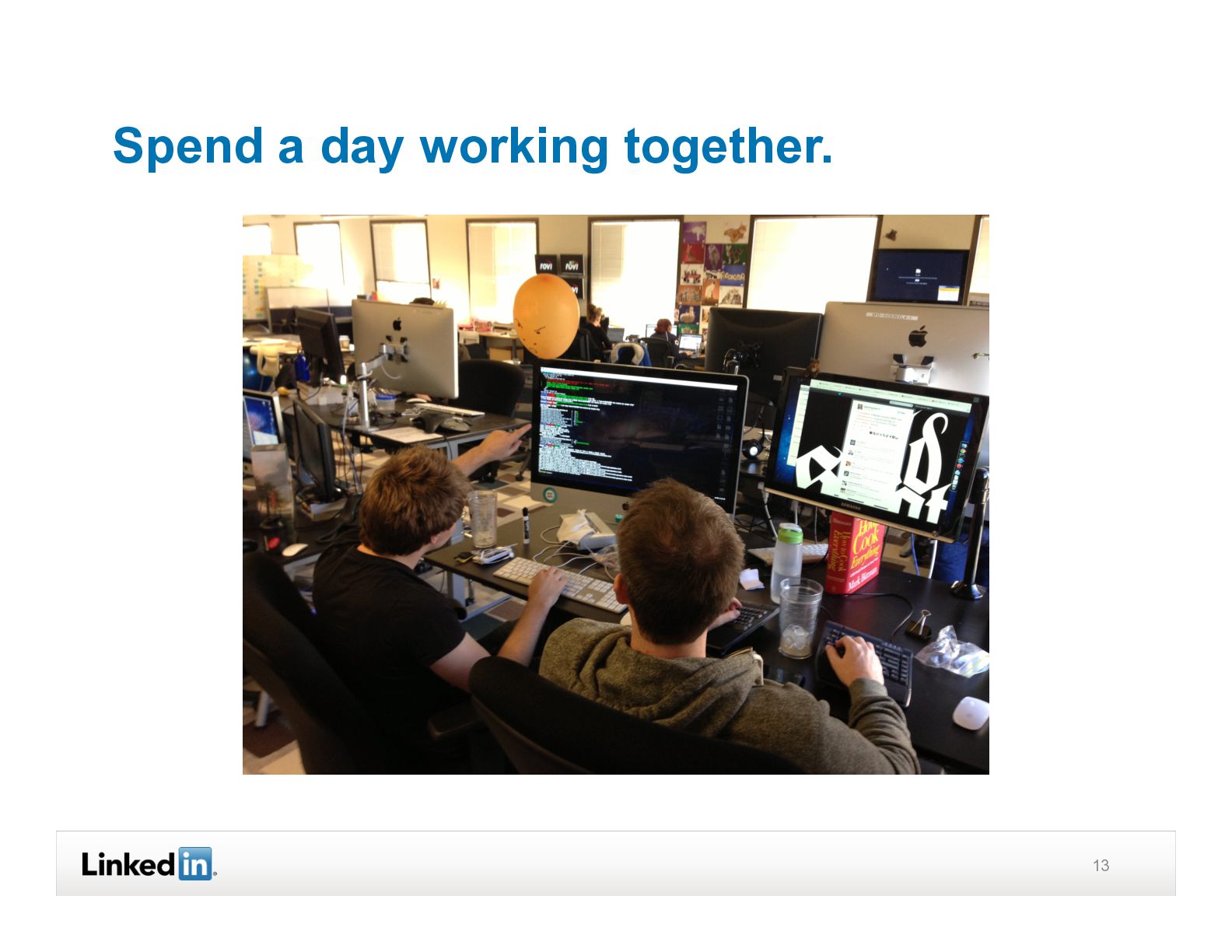
    difficult to set up. –  No more natural than a final exam. –  High variance, and very difficult to calibrate performance. §  Take-home assignments are great for the employer. –  But they are a significant investment for the candidate. –  Adverse selection bias if other companies don’t require them. –  Creates incentive to cheat if significant part of hiring process. §  Previous work is like natural experiments. –  Always good to review a candidate’s previous work. –  But not always possible to find work with high predictive value. 16
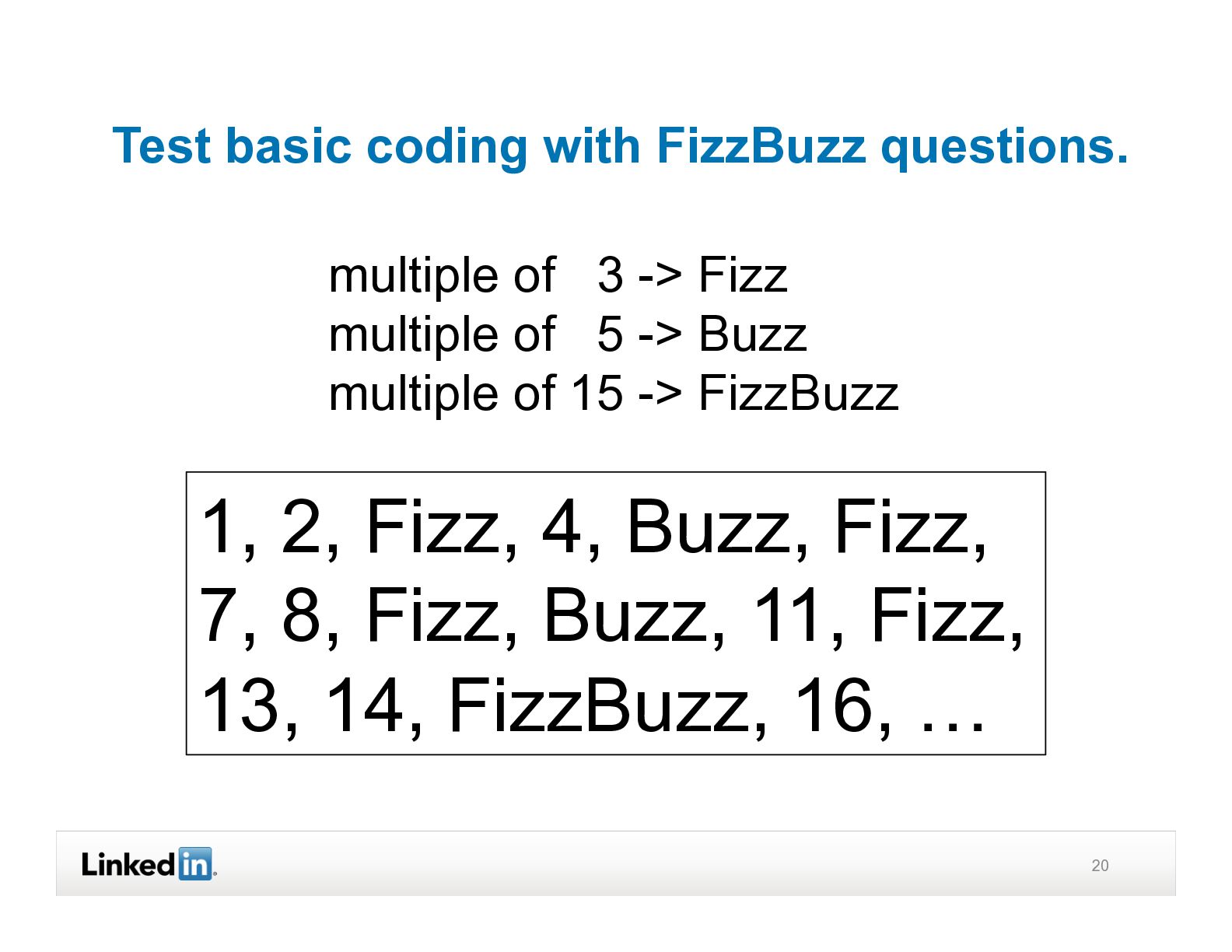
  4. Test basic coding with FizzBuzz questions. 20 1, 2, Fizz,

    4, Buzz, Fizz, 7, 8, Fizz, Buzz, 11, Fizz, 13, 14, FizzBuzz, 16, … multiple of 3 -> Fizz multiple of 5 -> Buzz multiple of 15 -> FizzBuzz
  5. Gotchas reduce the signal-to-noise ratio. §  Avoid problems where success

    hinges on a single insight. –  Good interview problems offer lots of room for partial credit. –  Making a key insight often reflects experience, not intelligence. §  Don’t test a candidate’s knowledge of a niche technique. –  Unless that niche technique is critical to job performance. –  And can’t be learned on the job as part of on-boarding. §  Be a hard interviewer, but don’t be an asshole. –  An interview is not a stress-test to see where candidates break. –  Interviews communicate your values to the candidate. 27
  6. Commit to binary interview outcomes. §  Forced choice so interviewers

    don’t take easy way out. –  Just like having 4 choices instead of 5 on a rating scale. –  Encourages interviewers to take their role seriously. §  Each team member is a critical filter. –  Two no’s or one strong no is a no. –  All weak yes’s is a no. §  Short-circuit candidates early in the process. –  Resume and phone screening should be aggressive. –  Onsite interviews should have ~50% chance of leading to offers. 29
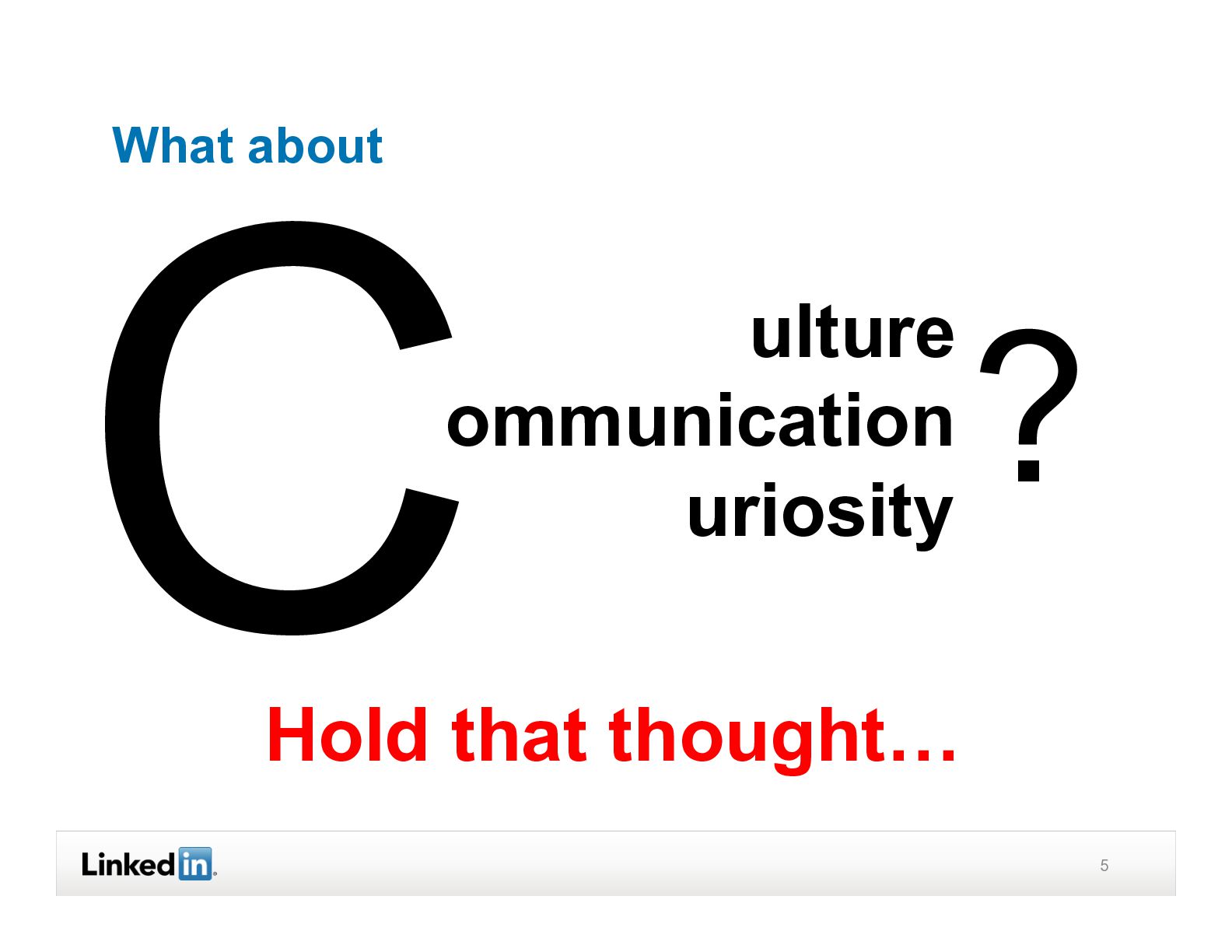
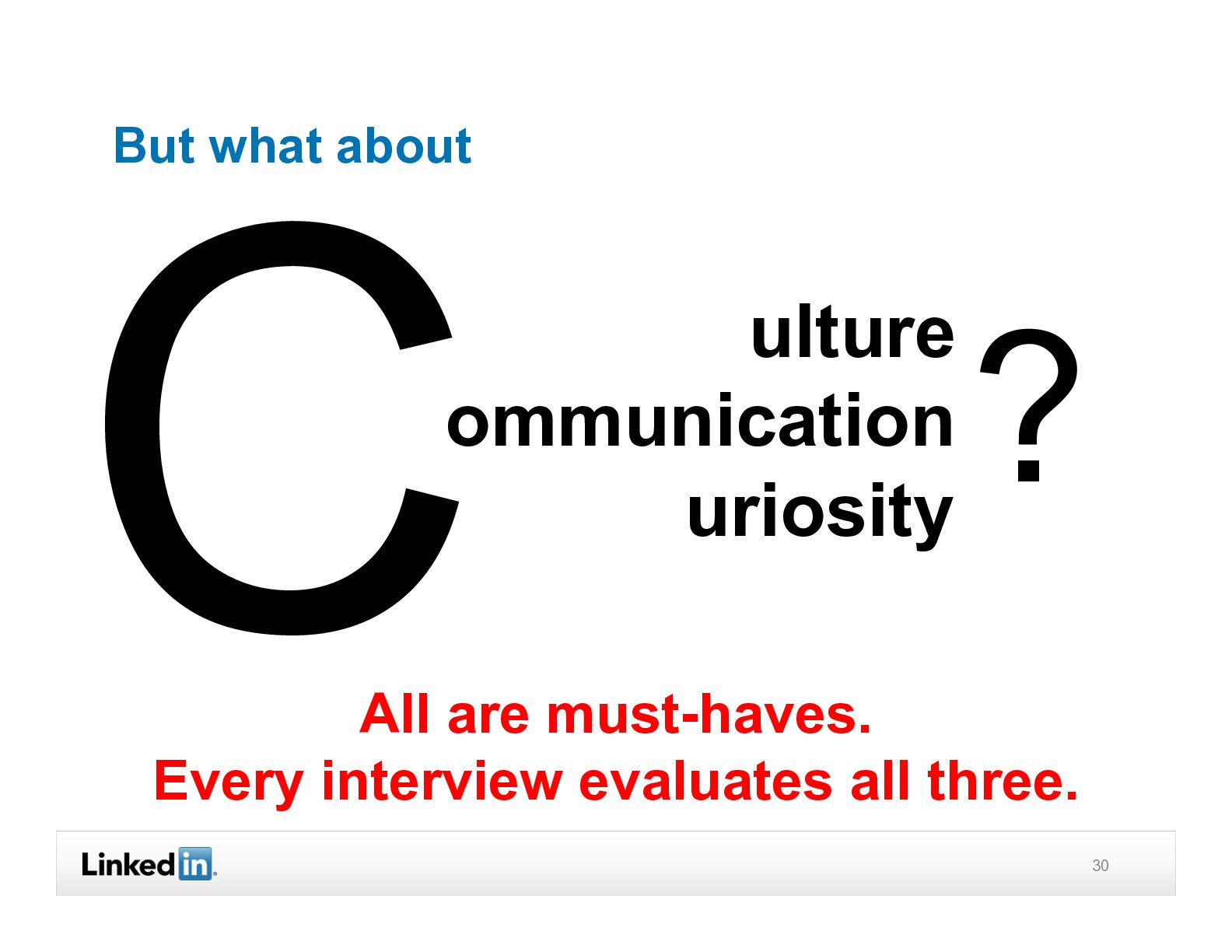
  7. But what about 30 ulture ommunication uriosity ? All are

    must-haves. Every interview evaluates all three. C
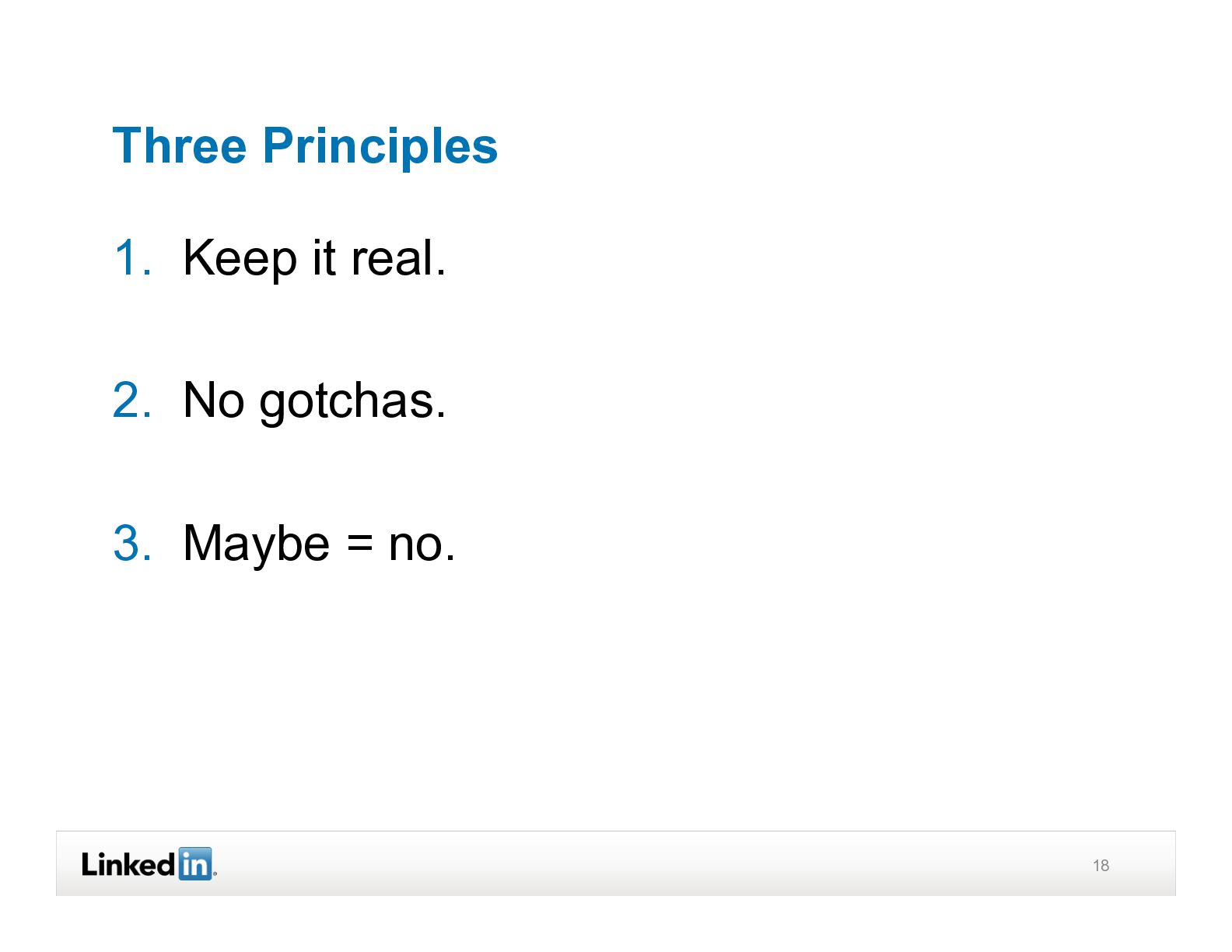
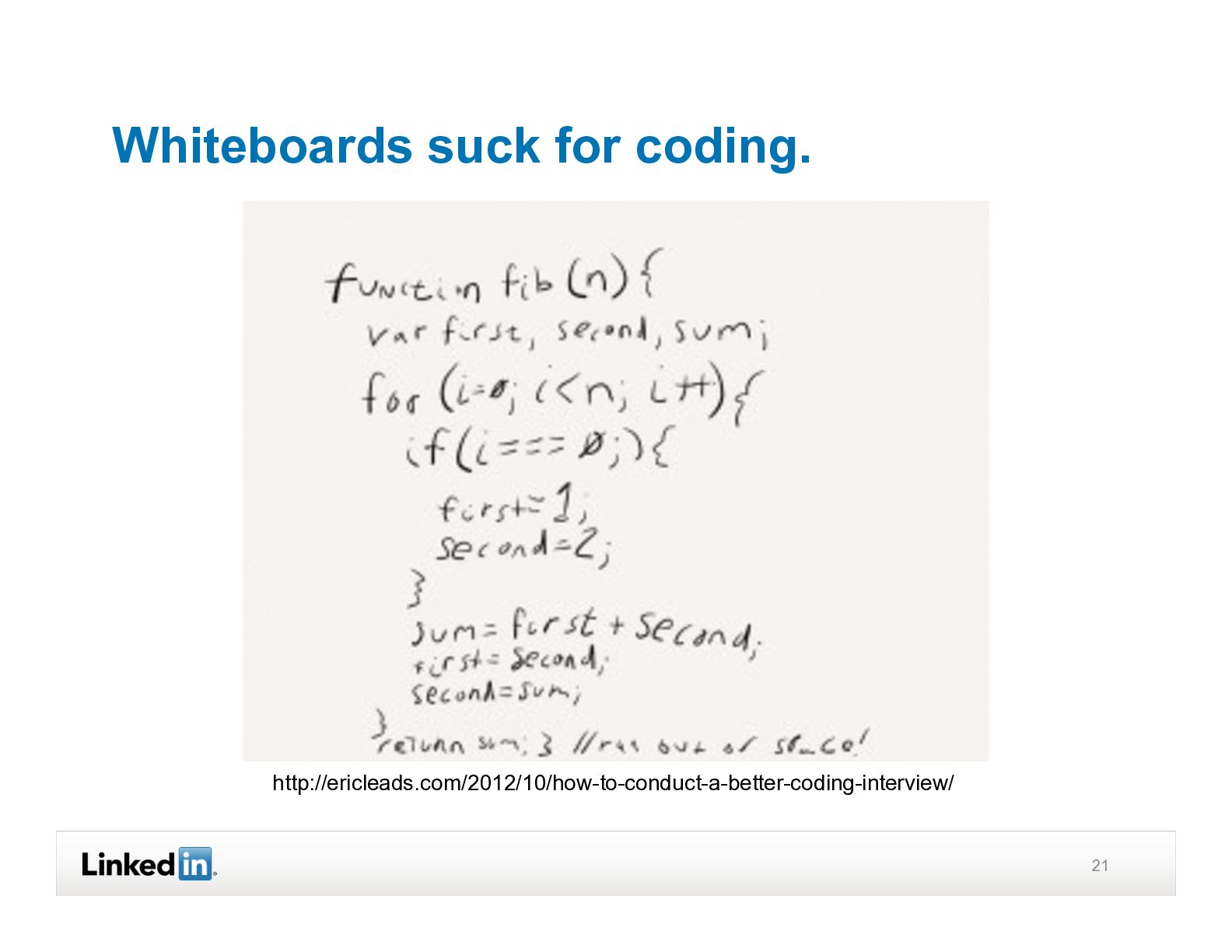
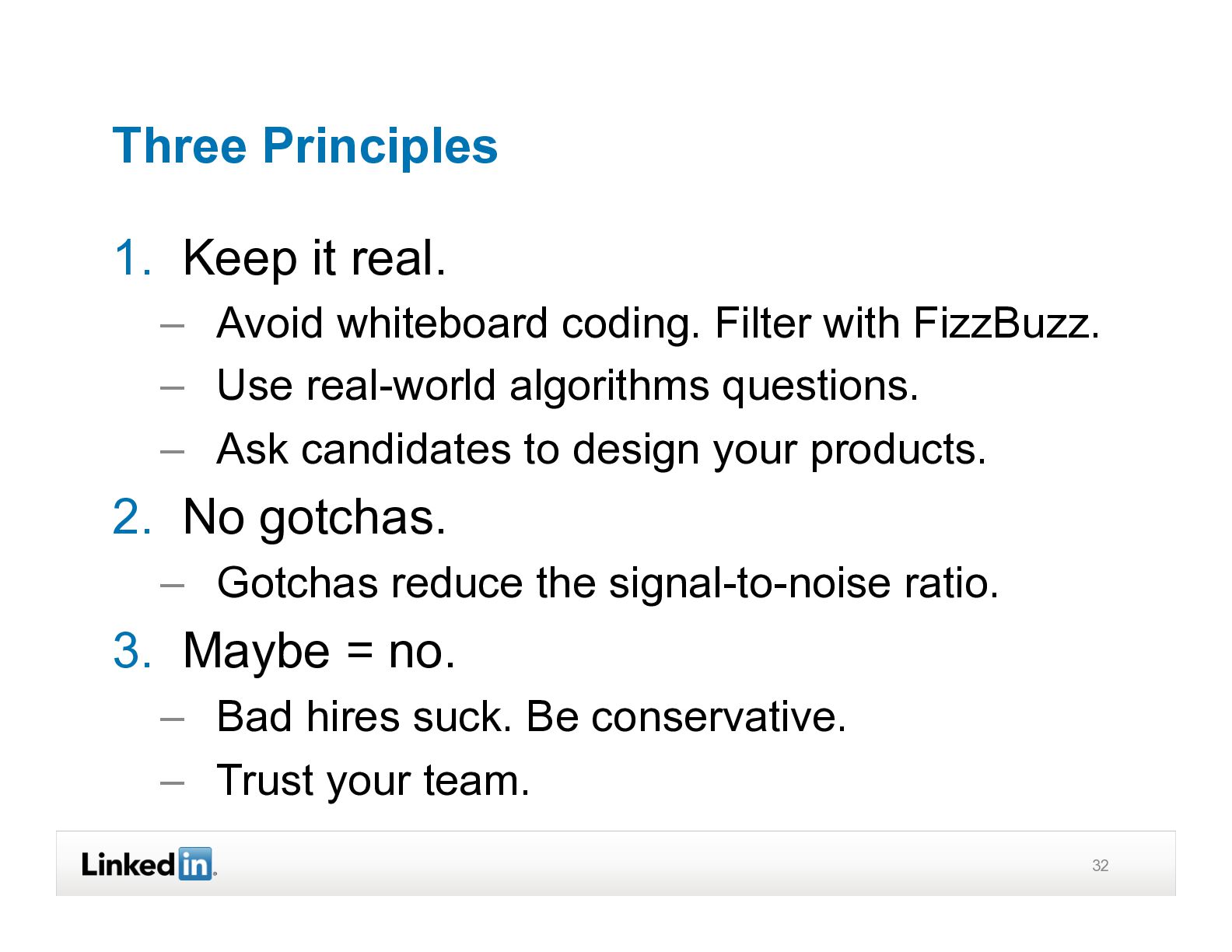
  8. Three Principles 1.  Keep it real. –  Avoid whiteboard coding.

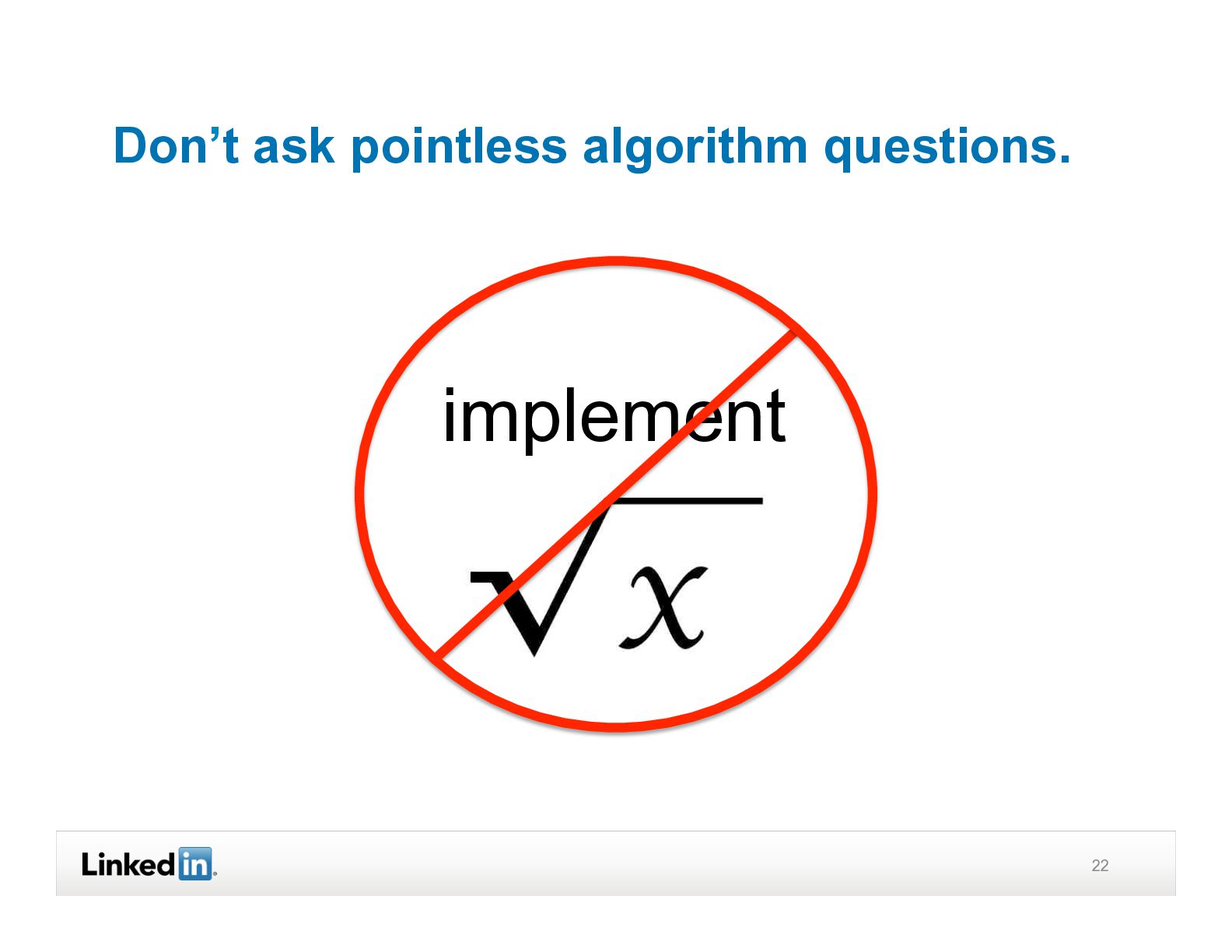
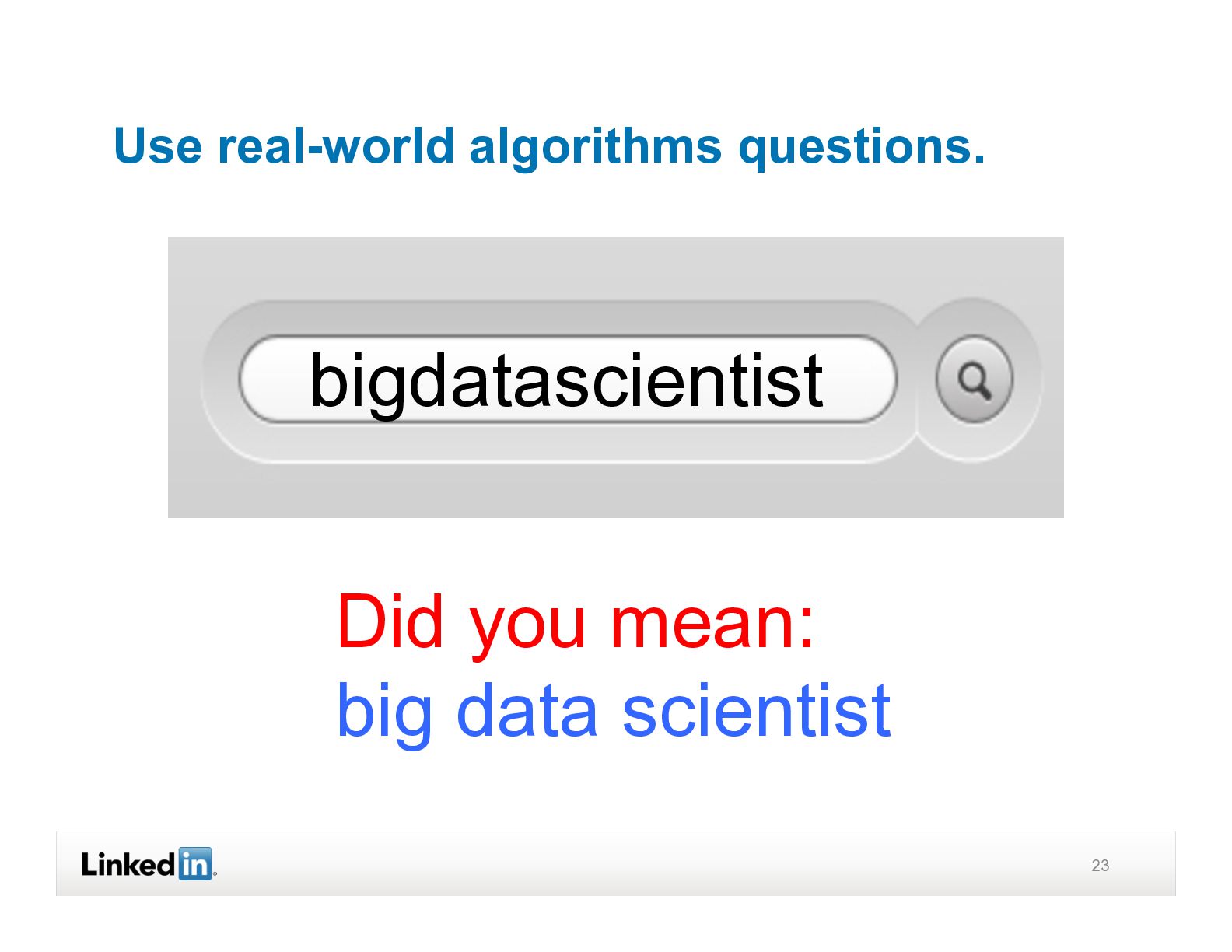
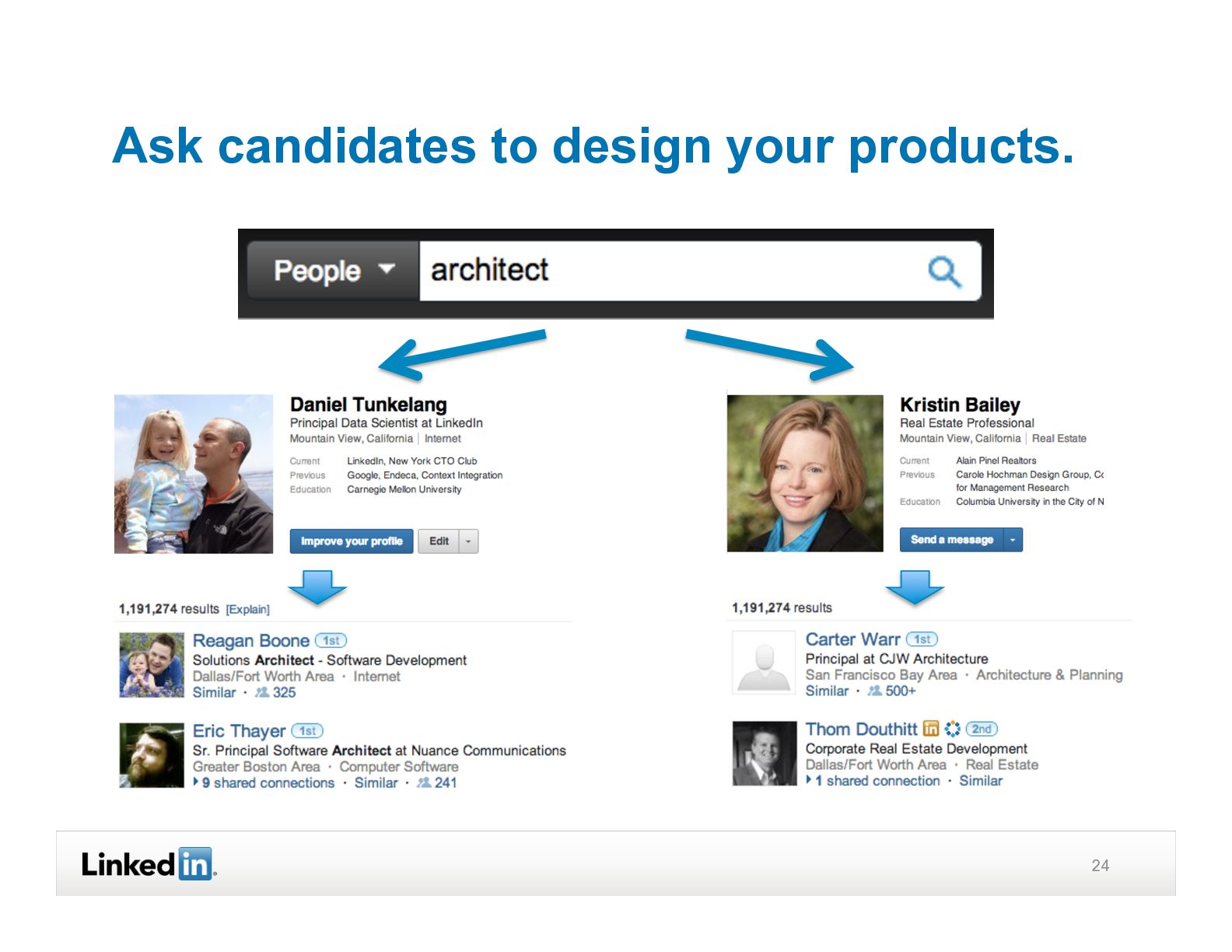
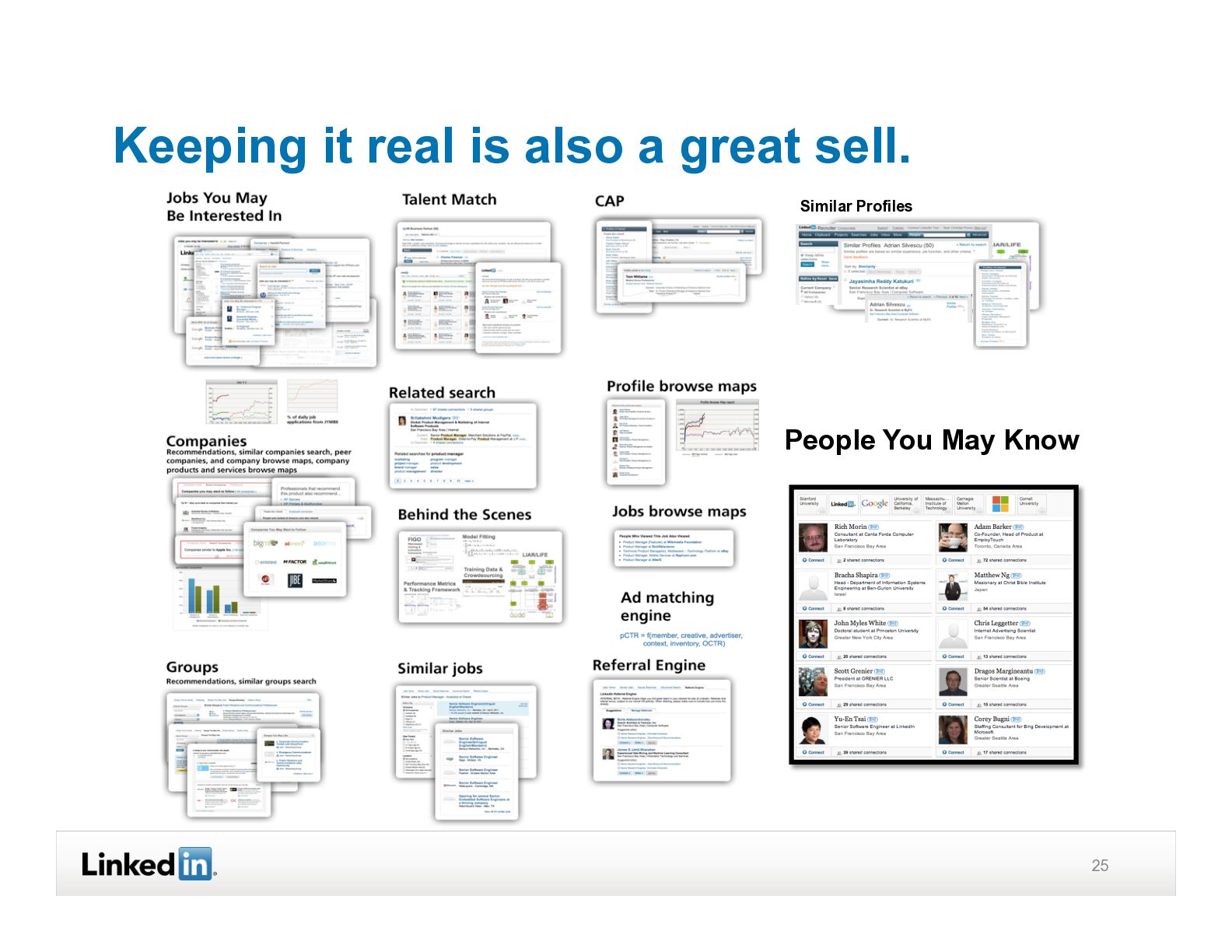
    Filter with FizzBuzz. –  Use real-world algorithms questions. –  Ask candidates to design your products. 2.  No gotchas. –  Gotchas reduce the signal-to-noise ratio. 3.  Maybe = no. –  Bad hires suck. Be conservative. –  Trust your team. 32