Upgrade to Pro — share decks privately, control downloads, hide ads and more …

Don't fall in the metrics trap (J-Fall)

Don't fall in the metrics trap (J-Fall)

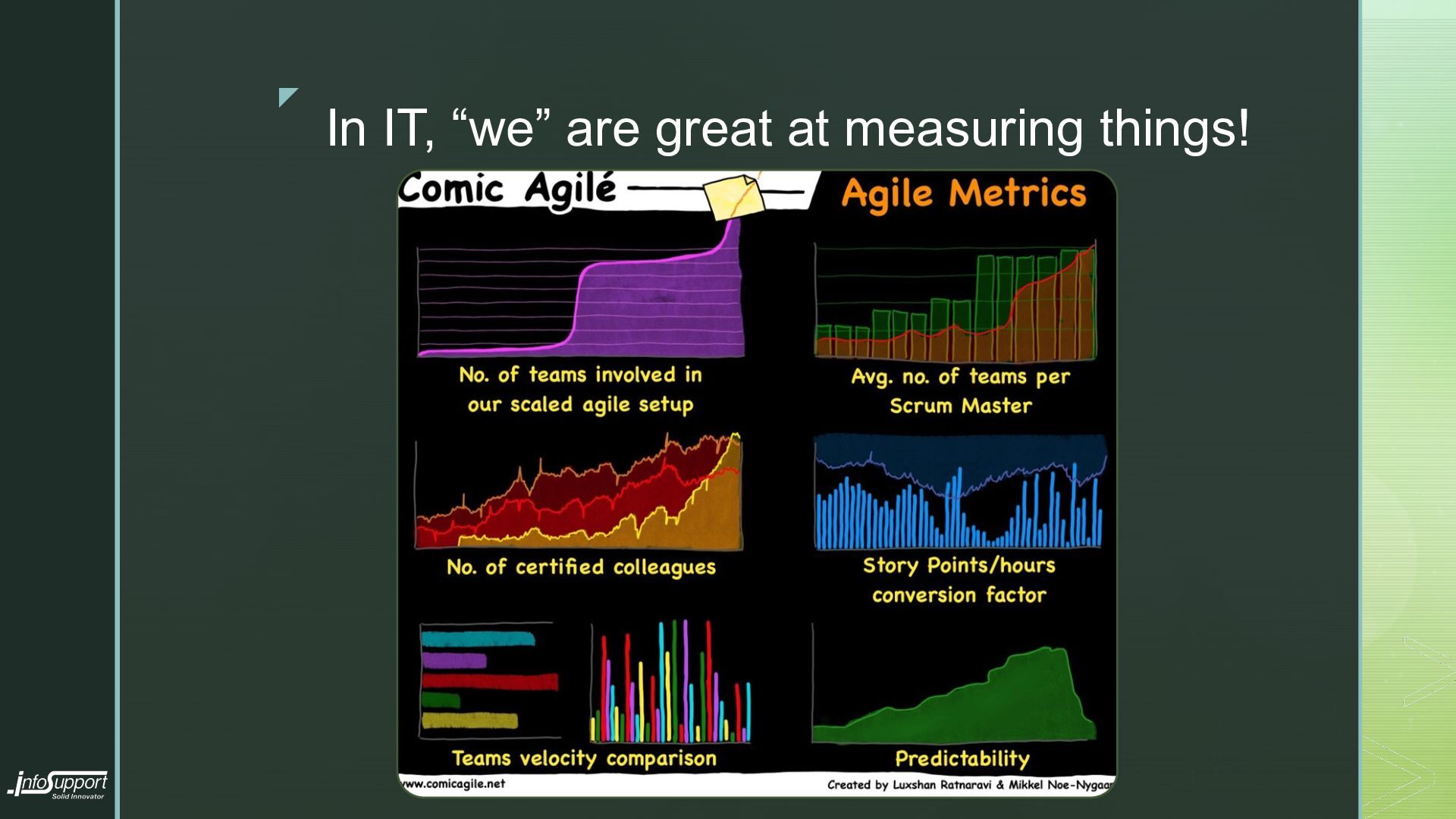
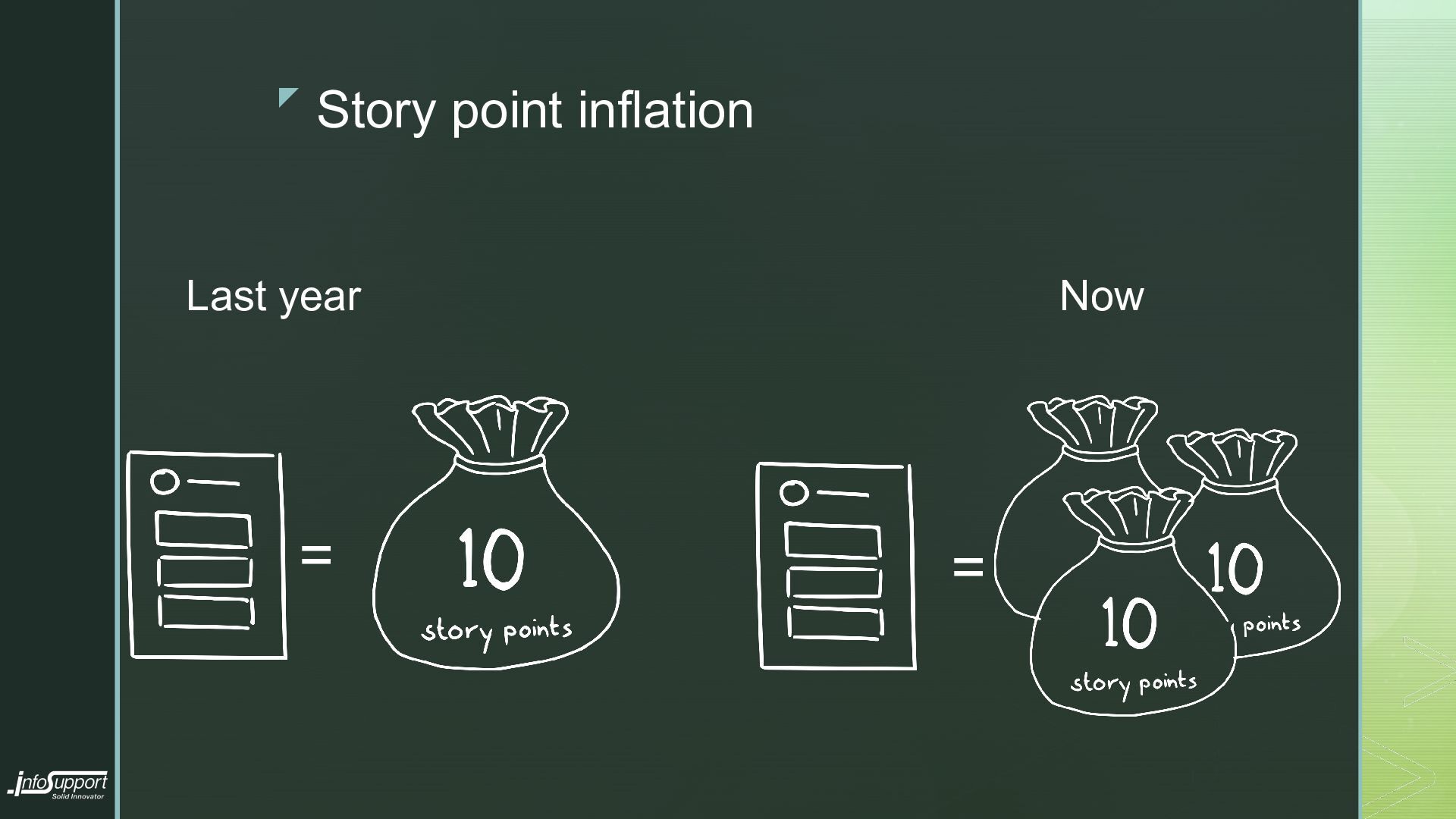
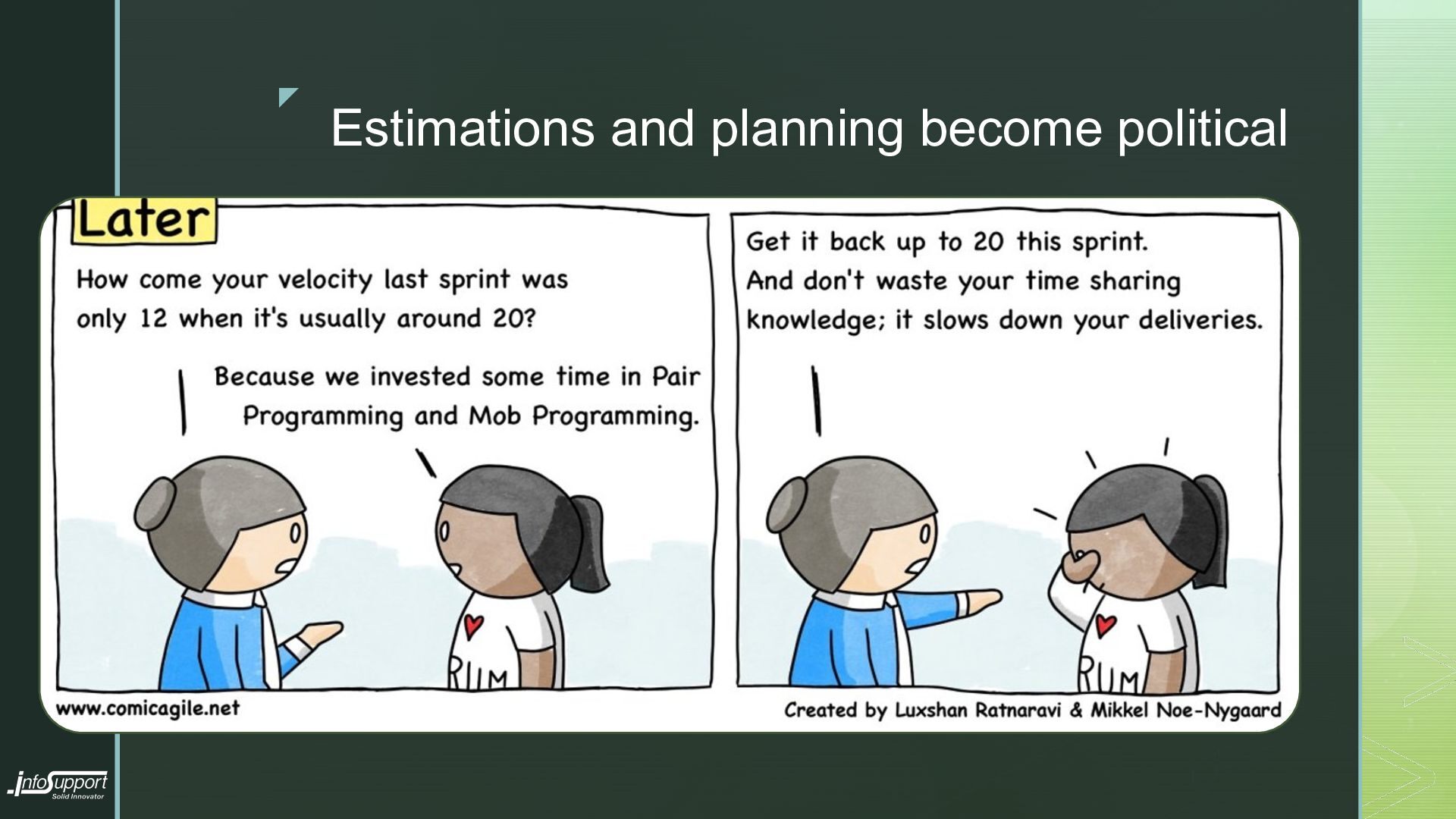
Many of us have experience with organisations where teams are assessed based on the number of story points or stories they complete. We also know what usually happens next: teams focus on delivering the “right” number of points to avoid scrutiny from management. This approach diminishes the metric’s value. When people optimise for the measurement rather than the underlying goal, the metric ceases to provide useful insights.

In this talk, we will provide insight into how to measure a value without rendering it meaningless. We will also share practical approaches for using metrics as a useful mechanism. Instead of steering teams toward higher numbers, we show how measurements can help start conversations, reveal bottlenecks, and support your hypotheses for improving your way of working.

Join us to learn how leaders can guide actual improvements rather than dashboards that only seem to suggest improvement.

Maarten Mulders

November 13, 2026

Transcript

32 slides
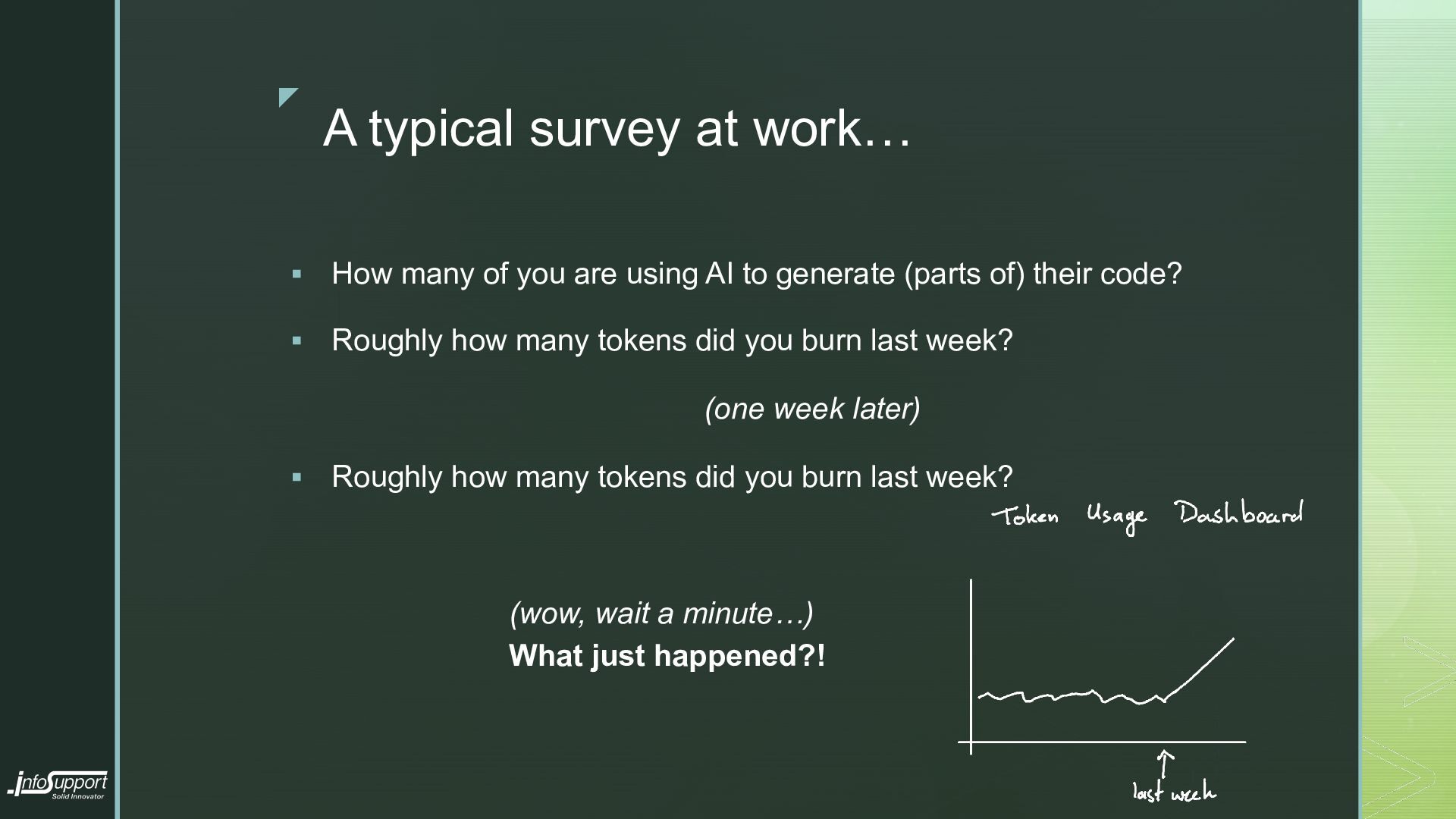
  1. z A typical survey at work… § How many of

    you are using AI to generate (parts of) their code? § Roughly how many tokens did you burn last week? (one week later) § Roughly how many tokens did you burn last week? (wow, wait a minute…) What just happened?!
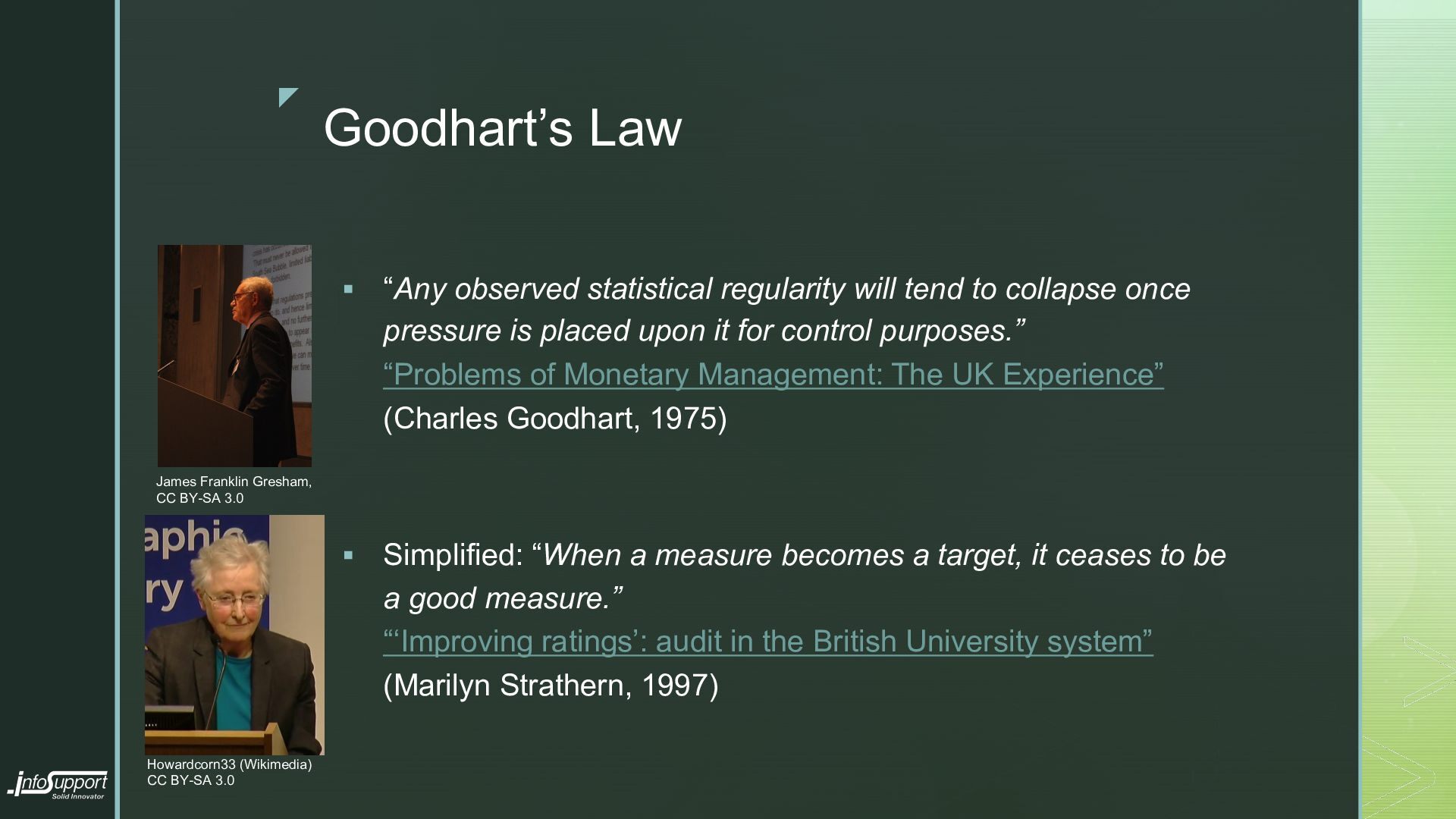
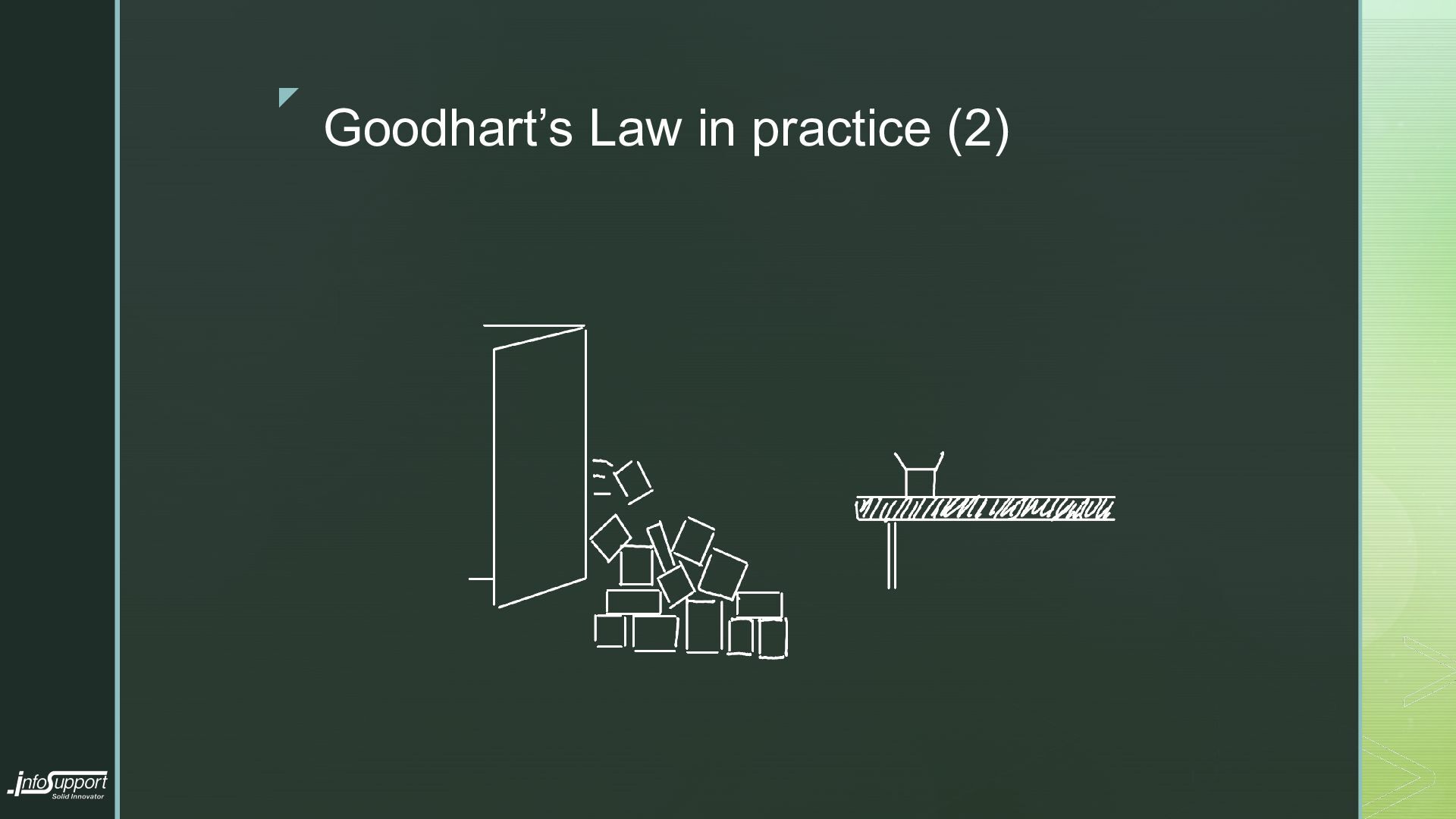
  2. z Goodhart’s Law § “Any observed statistical regularity will tend

    to collapse once pressure is placed upon it for control purposes.” “Problems of Monetary Management: The UK Experience” (Charles Goodhart, 1975) § Simplified: “When a measure becomes a target, it ceases to be a good measure.” “‘Improving ratings’: audit in the British University system” (Marilyn Strathern, 1997) James Franklin Gresham, CC BY-SA 3.0 Howardcorn33 (Wikimedia) CC BY-SA 3.0
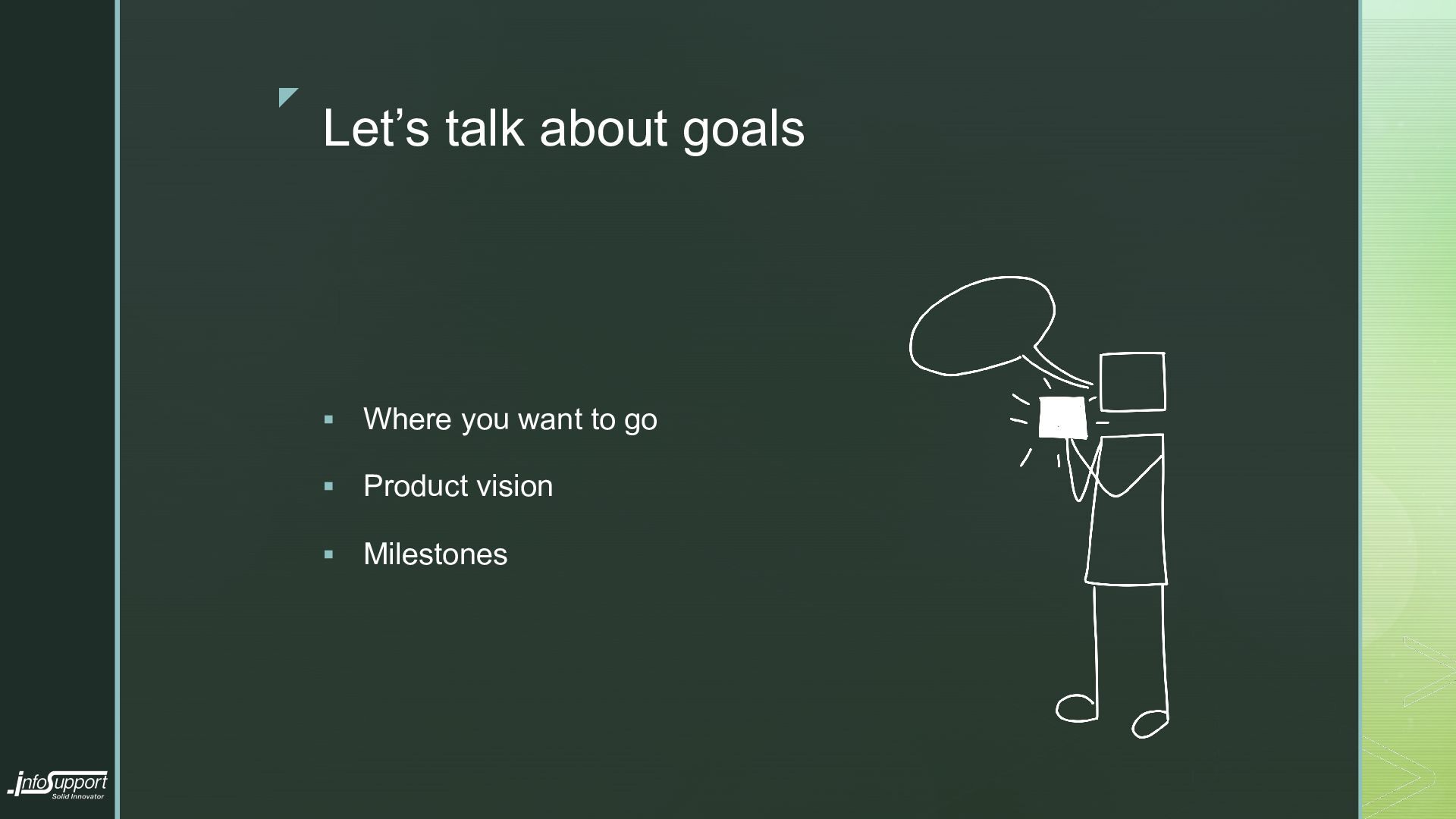
  3. z Let’s talk about goals § Where you want to

    go § Product vision § Milestones
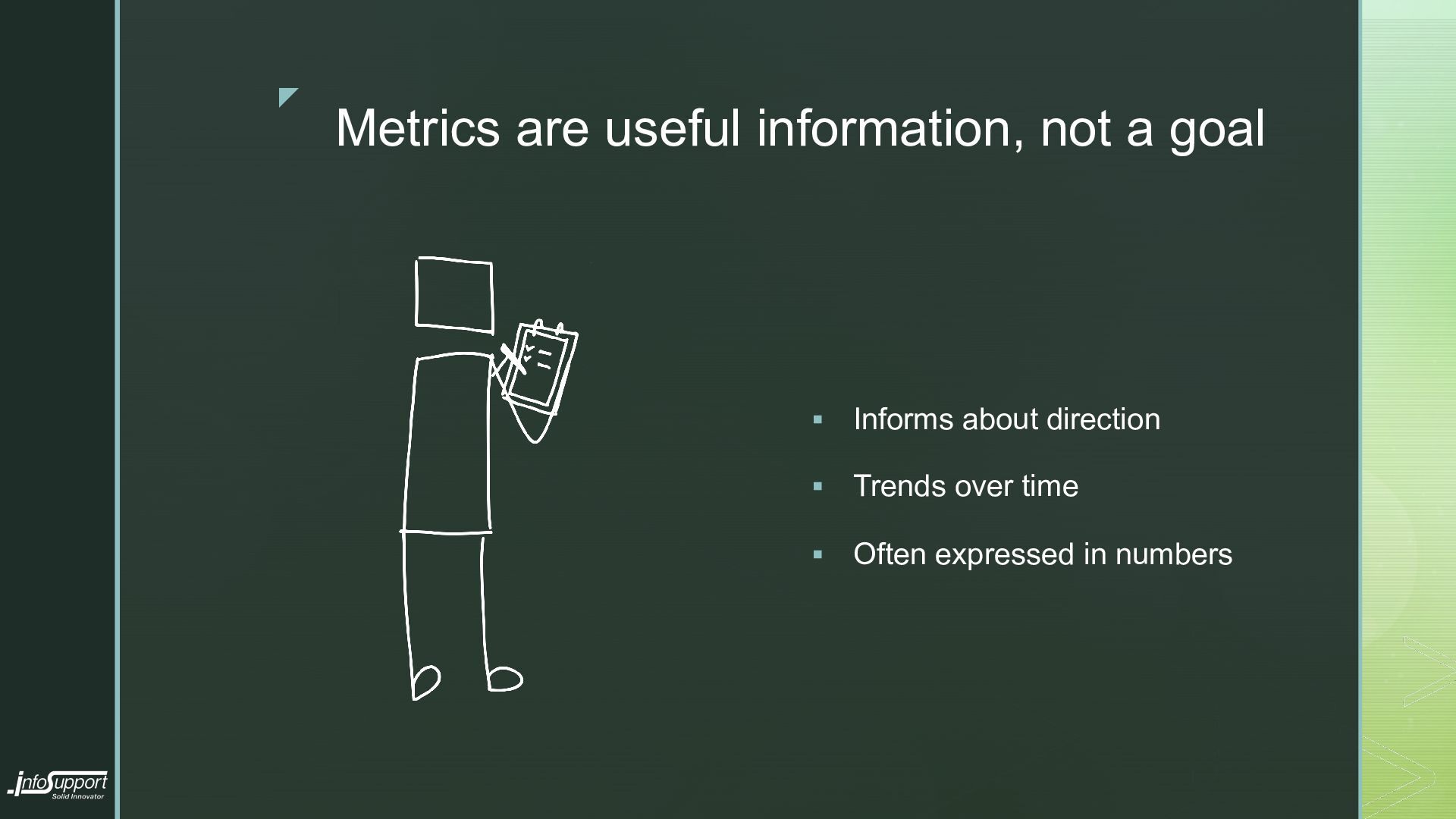
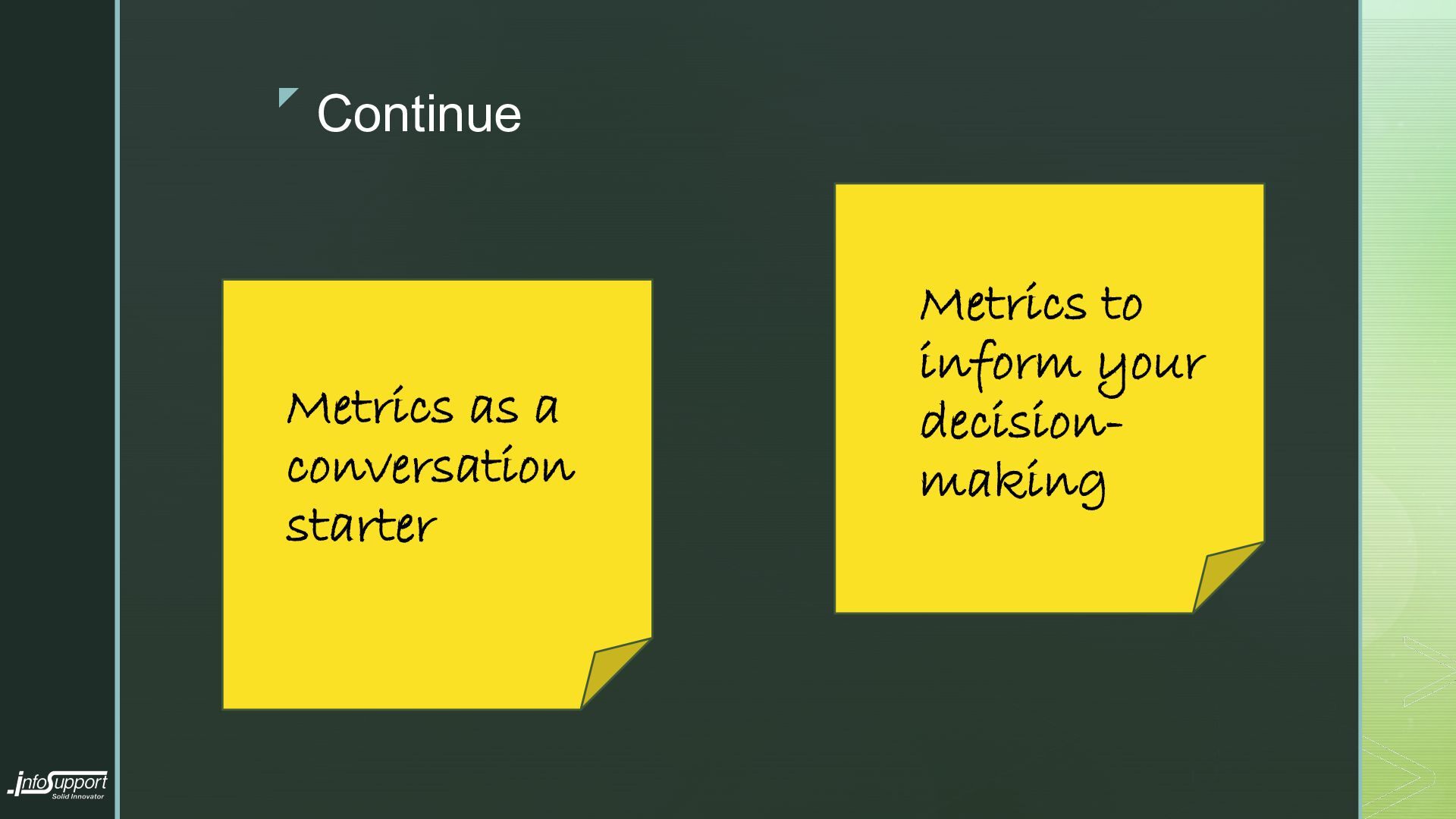
  4. z Metrics are useful information, not a goal § Informs

    about direction § Trends over time § Often expressed in numbers
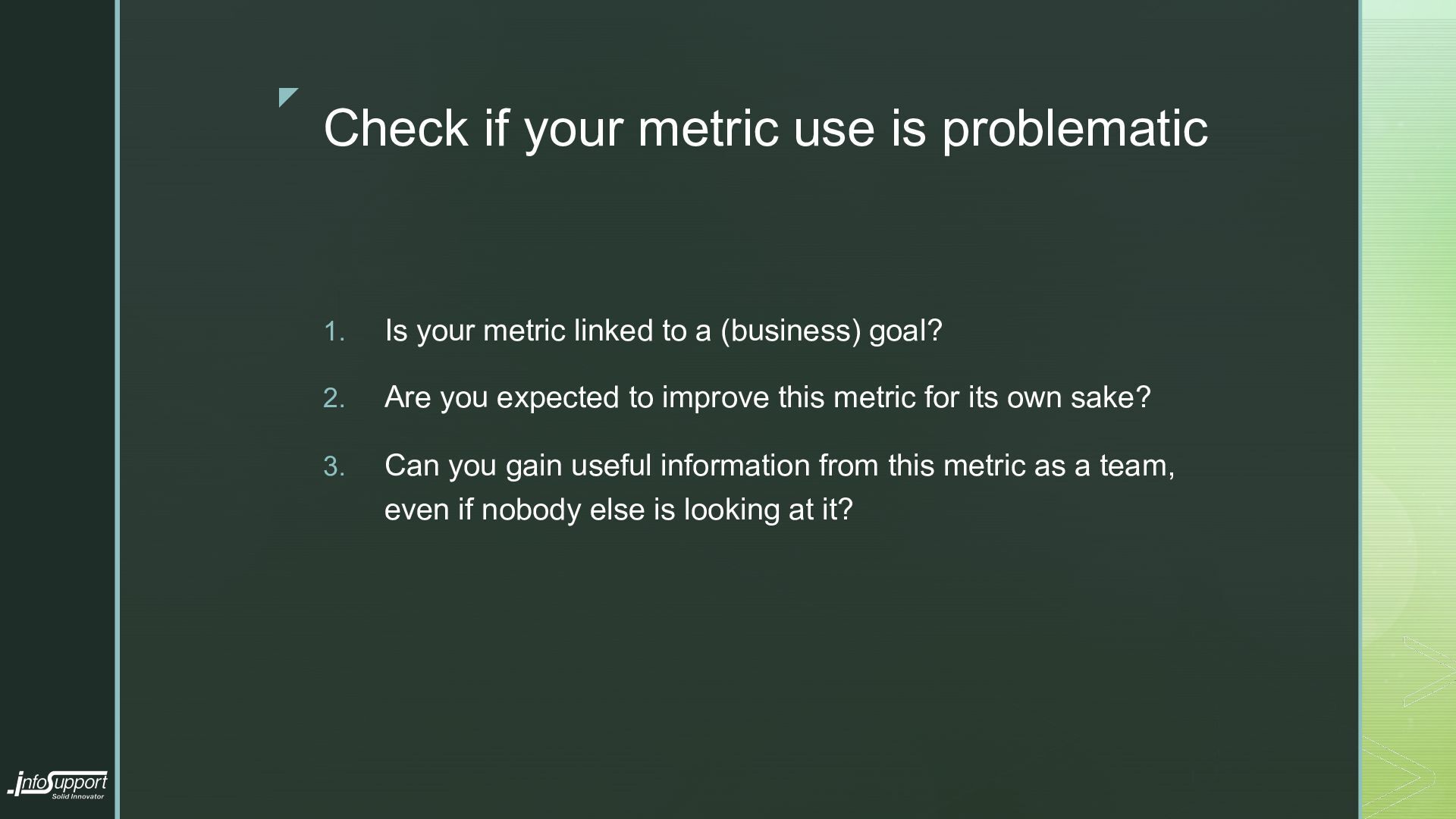
  5. z Check if your metric use is problematic 1. Is

    your metric linked to a (business) goal? 2. Are you expected to improve this metric for its own sake? 3. Can you gain useful information from this metric as a team, even if nobody else is looking at it?
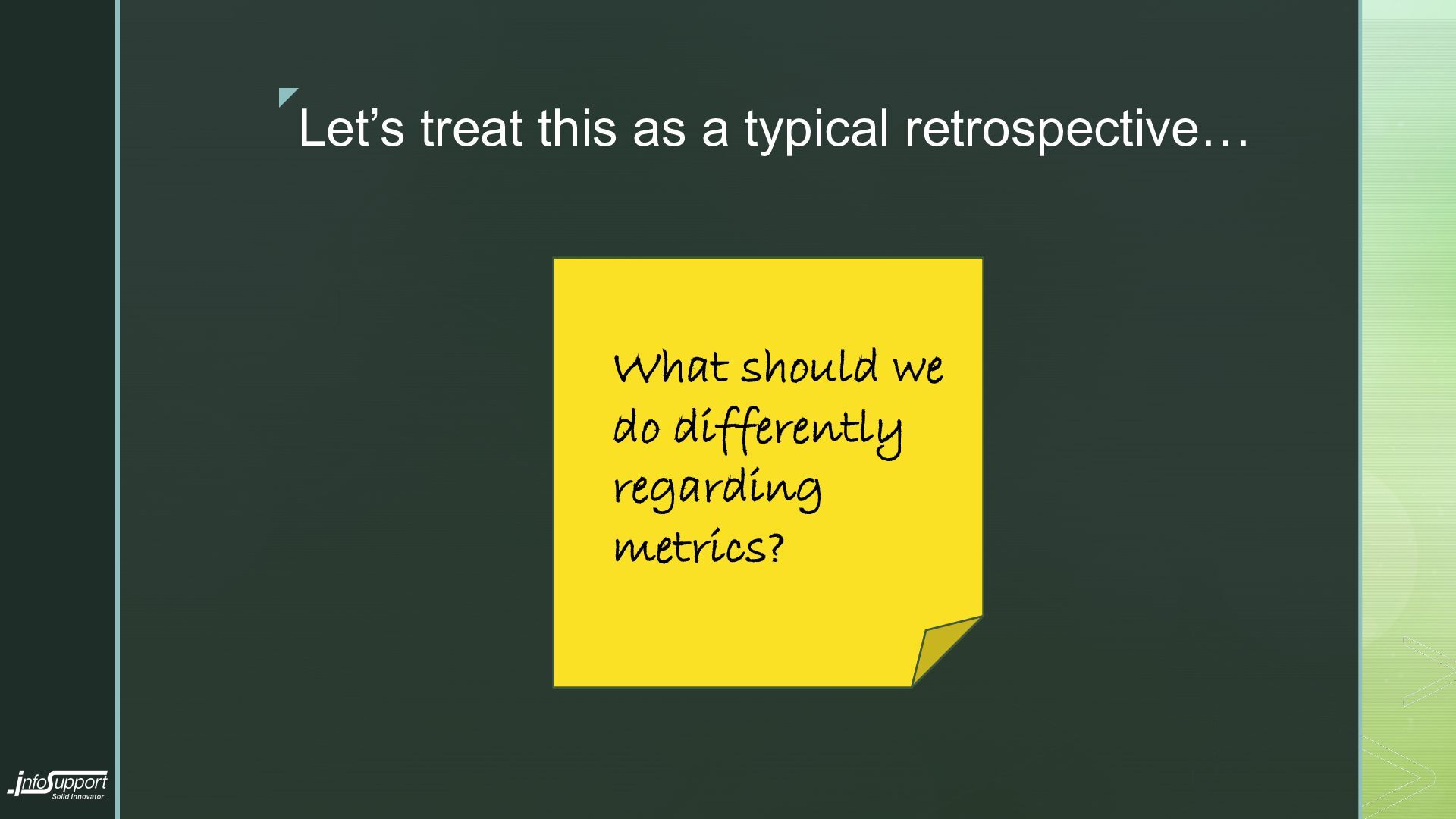
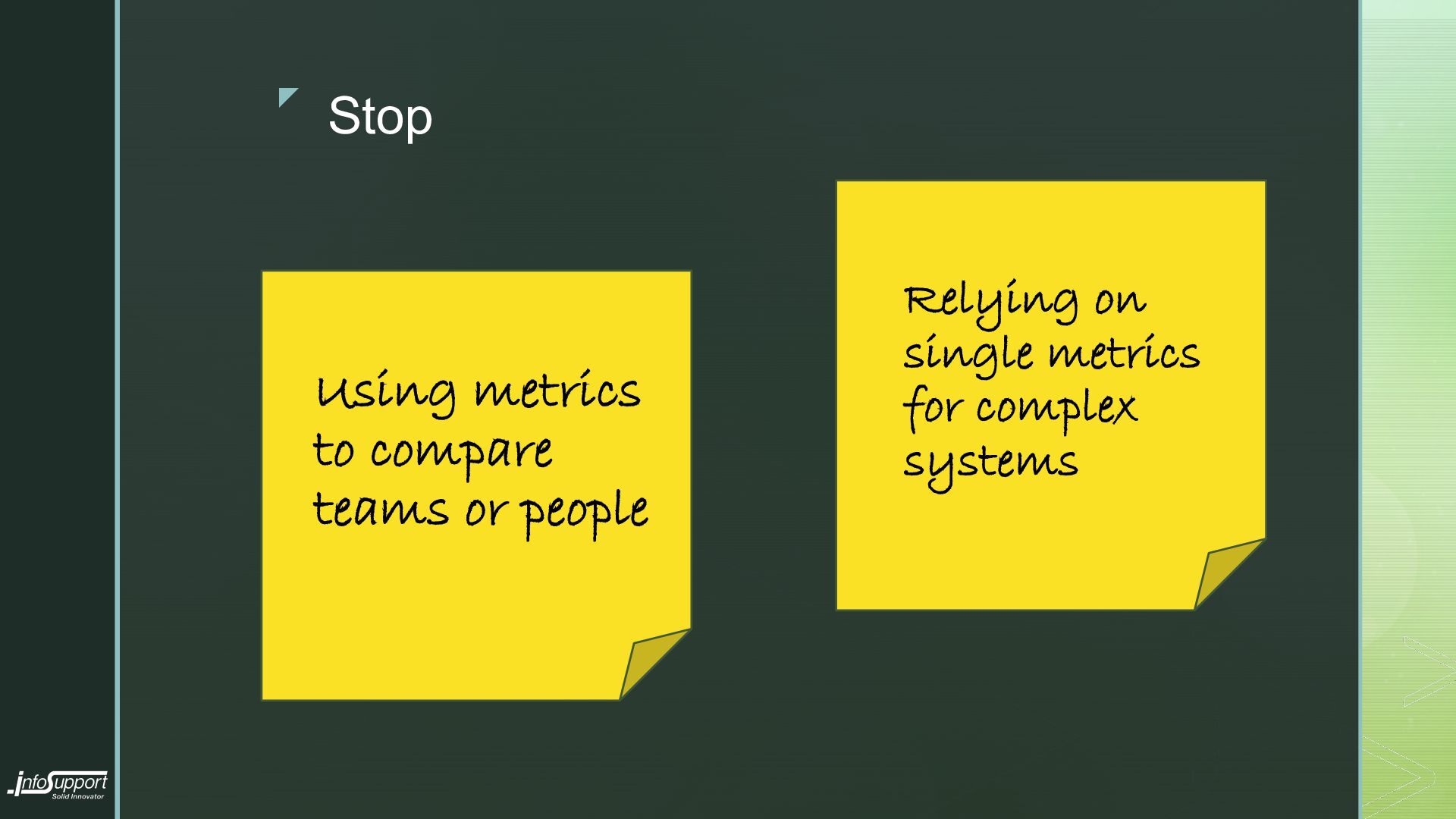
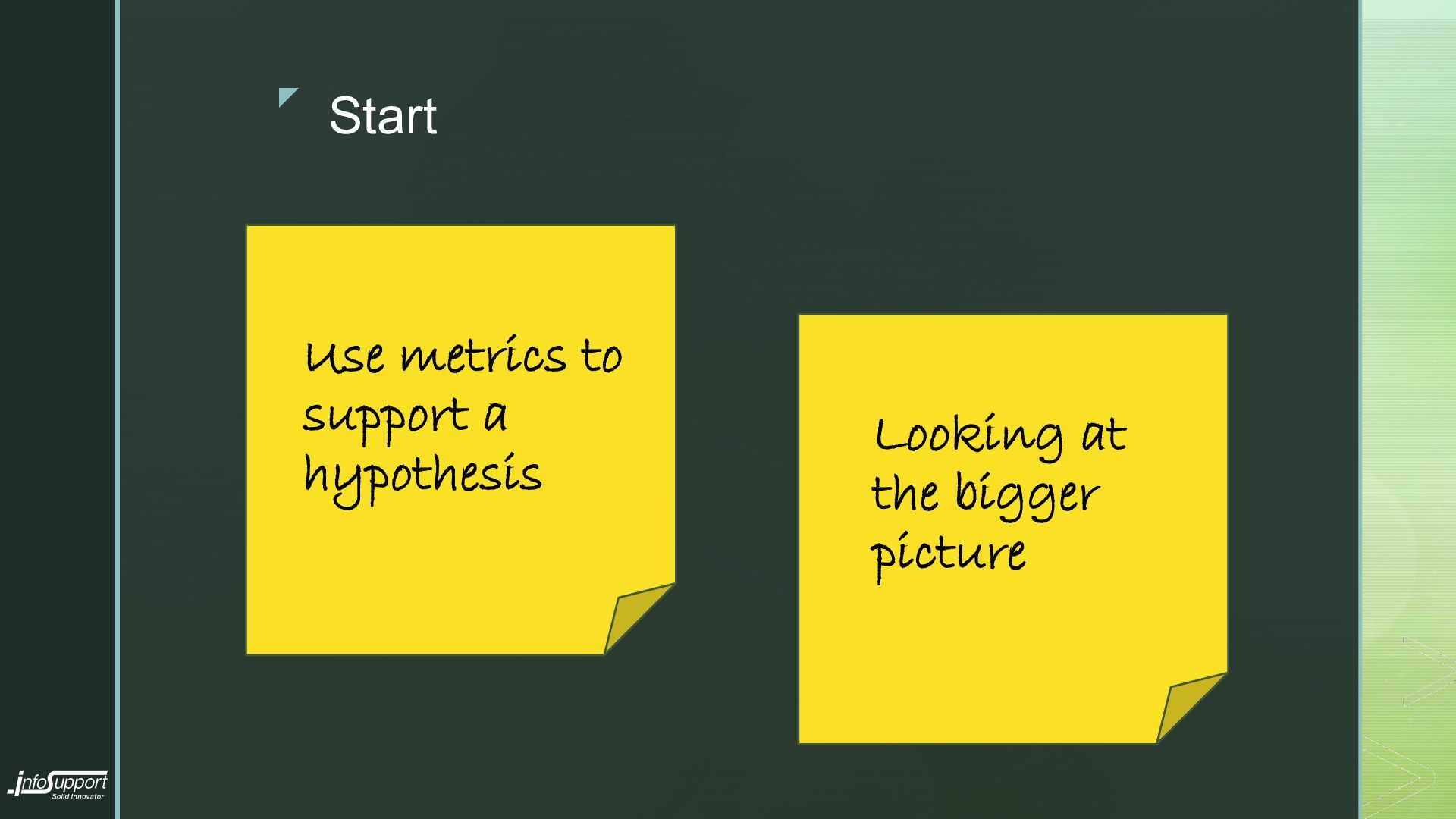
  6. z Stop Using metrics to compare teams or people Relying

    on single metrics for complex systems
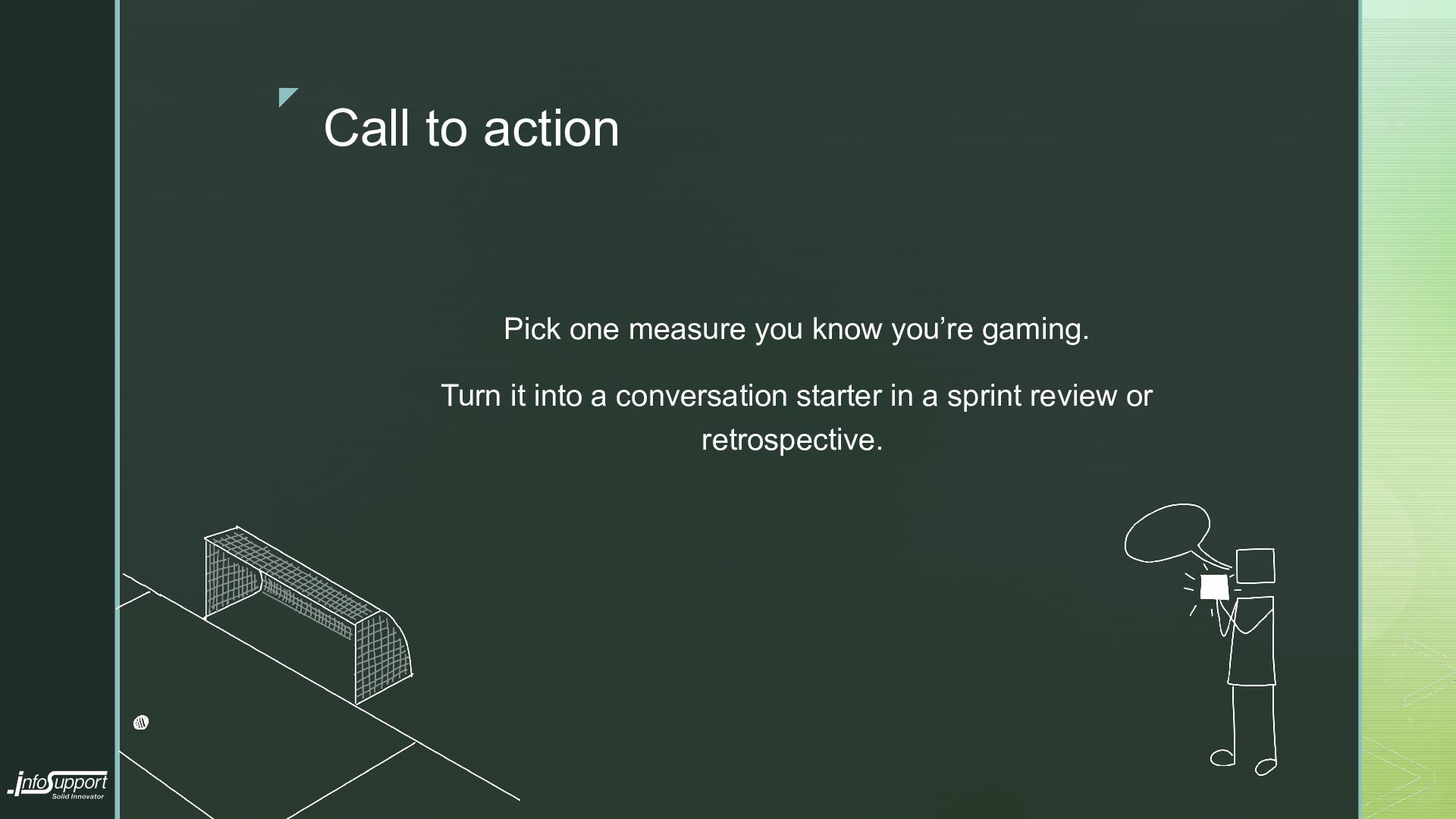
  7. z Call to action Pick one measure you know you’re

    gaming. Turn it into a conversation starter in a sprint review or retrospective.
  8. z That’s a wrap! Architect, Trainer, Speaker /in/mthmulders @mthmulders https://maarten.mulders.it/

    Product owner, UX designer, Speaker /in/laura-kester-lmk Plea s e ra the te our s Dev mio ession i n app !

More Decks by Maarten Mulders

Other Decks in Business